
Introduction
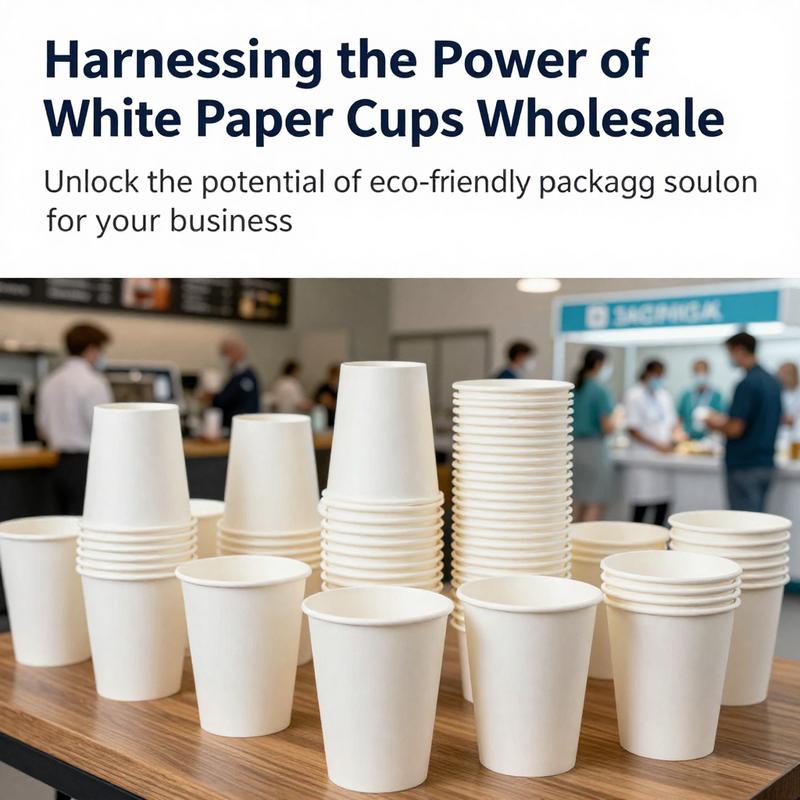
White paper cups play a pivotal role in the disposable food and beverage packaging industry, favored for their hygienic and eco-friendly attributes. Business owners looking to enhance their product offerings must understand the intricacies of sourcing these cups wholesale. From material quality and coating options to compliance with safety standards, customization opportunities, and sustainability trends, each aspect contributes to a comprehensive understanding of white paper cups wholesale. This article will explore these elements in detail, empowering business owners to make informed decisions that elevate their brand and operational sustainability.
Tables of Contents
Chapter 1: The Role of Material Quality in White Paper Cups Wholesale: Virgin Wood Pulp and Eco-Friendly Practices
- Elevating Sustainability: The Significance of Virgin Wood Pulp in White Paper Cups
- The Coating Dilemma: PE vs. Compostable Alternatives in White Paper Cups
Chapter 2: Ensuring Safety and Compliance: The Backbone of White Paper Cups Wholesale
- Navigating Regulatory Landscapes: Safety from Production to Consumption
- Material Composition and Its Impact on Compliance and Safety Standards in White Paper Cups Wholesale
Chapter 3: Leveraging Customization for Brand Identity with White Paper Cups Wholesale
- Maximizing Brand Visibility through Logo Printing and Creative Customization on White Paper Cups
- Harnessing Seasonal Themes for Strategic Branding with White Paper Cups
Chapter 4: The Evolution of Wholesale Paper Cups: Embracing Sustainable Innovations
- The Green Revolution: Transitioning to Biodegradable White Paper Cups
- Sustainability Trends in White Paper Cups Wholesale: Strategic Implications for Forward-Thinking Brands
Chapter 1: The Role of Material Quality in White Paper Cups Wholesale: Virgin Wood Pulp and Eco-Friendly Practices
1. Elevating Sustainability: The Significance of Virgin Wood Pulp in White Paper Cups
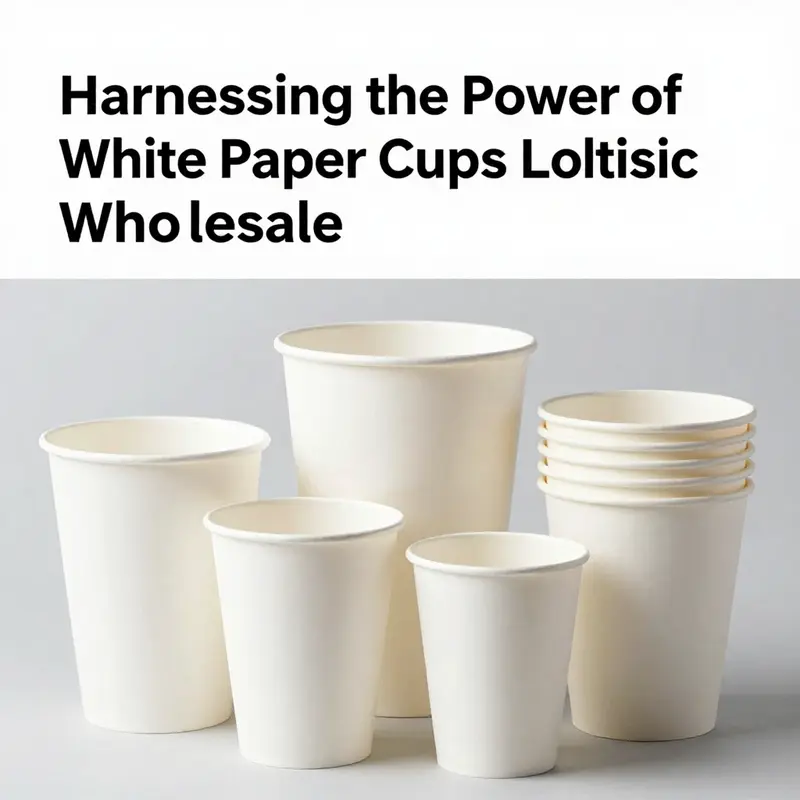
When delving into the wholesale sourcing of white paper cups, the material quality emerges as the bedrock of both functionality and sustainability. A critical component of this material quality is virgin wood pulp, known for its stellar attributes when it comes to the production of disposable cups. Unlike recycled paper, which may possess variances in purity and structural integrity, virgin wood pulp is derived from freshly harvested trees, ensuring a strong, consistent product that meets the rigorous demands of the foodservice industry.
Cups made from virgin wood pulp are engineered to deliver exceptional performance across various applications—from hot beverages to ice cream servings. They boast a natural resistance to leakage and grease, making them a reliable choice for serving both liquid and oily foods without compromising integrity. The inherent strength of virgin wood pulp allows these cups to maintain their form under hot temperatures, a crucial factor in the café environment, where customers often expect a seamless experience. This reliability is pivotal not only for operational efficiency but also for the safety and satisfaction of end consumers.
Moreover, the capacity for consistent printing quality on virgin wood pulp cannot be overstated. Brands rely on vibrant designs to engage customers, and cups made from this high-quality material allow for impressive color reproduction without the risk of performance degradation. This is particularly advantageous for promotional needs, where branding is essential. Eye-catching presentations can elevate the customer experience in a range of settings, from trendy coffee shops to high-end events and even fast-food establishments.
As environmental awareness grows world-over, the conversation surrounding the sustainability of materials takes center stage. While virgin wood pulp is often viewed with skepticism due to the deforestation concern, responsible sourcing practices can mitigate negative impacts significantly. Manufacturers who prioritize sustainable forestry practices, such as obtaining wood from FSC (Forest Stewardship Council) or PEFC (Programme for the Endorsement of Forest Certification) certified sources, contribute positively to environmental conservation. These certifications confirm that the trees are harvested sustainably and responsibly, preserving vital ecosystems and promoting reforestation initiatives.
This union of quality and accountability does not merely stop at sourcing. Many manufacturers are integrating innovations within their production processes to further enhance the sustainability profile of virgin wood pulp cups. One prominent trend is the development of biodegradable and compostable coatings. Traditional polyethylene coatings, which enhance the leak-proof ability of paper cups, are increasingly being replaced by alternatives such as polylactic acid (PLA) that can break down in industrial composting environments. This progressive shift directs the packaging industry closer to achieving a closed-loop system where materials do not contribute to the waste stream.
For businesses looking to position themselves as eco-conscious, sourcing white paper cups made from responsibly harvested virgin wood pulp combined with these advanced coatings offers an optimal solution. This strategy aligns with the expectations of modern consumers who are increasingly advocating for the need to meet regulatory standards and prioritize environmental integrity. Choosing suppliers who emphasize sustainability in their operations further enhances corporate responsibility, bolstering brand reputation among eco-conscious clientele.
Furthermore, the versatility of virgin wood pulp cups keeps them at the forefront of the disposable packaging market. Their applications extend beyond the traditional uses in coffee houses and restaurants; they are becoming prevalent in various sectors. In healthcare settings, for example, these cups serve as dental rinse samples. In hospitality, they are a convenient solution for serving tap water or cold drinks to guests. These various use cases illustrate just how integral white paper cups can be in diverse environments, showcasing their value in maintaining a clean, professional appearance while providing functionality.
It is worth noting that while minimum order quantities (MOQs) for printed virgin wood pulp cups typically start at higher volumes like 100,000 units, unprinted cups may have lower thresholds around 10,000 units. This flexibility allows businesses of various sizes to access high-quality packaging solutions without prohibitive investments. For companies that engage with reliable suppliers, the procurement process includes not only streamlined ordering but also enhanced support throughout the delivery and logistics phases. Delivery times usually range from 20–30 days for initial orders, tailored according to production capabilities and logistics, fostering a responsive supply chain that keeps pace with market demands.
Ultimately, informed negotiations around wholesale procurement ensure that businesses secure products that uphold their standards while meeting consumer expectations. Whether ensuring leak-proof solutions for hot coffee or presenting a sustainable brand image, the characteristics of virgin wood pulp in white paper cups align perfectly for today’s market. The conscious choice of using high-quality virgin materials, combined with eco-friendly innovations, positions brands for success in a competitive landscape.
In conclusion, as environmental initiatives continue to gain momentum, sourcing white paper cups that are both high-performing and sustainable promotes a symbiotic relationship between consumer satisfaction and ecological responsibility. This approach not only benefits businesses in complying with increasingly stringent regulations but also resonates deeply with environmentally aware consumers who value accountability, quality, and aesthetic appeal in their disposable packaging choices. As trends evolve, the emphasis on transparency in sourcing and production processes will only grow stronger, reiterating the importance of material quality in the wholesale landscape of white paper cups. To further explore various aspects of white paper cups, including applications and design possibilities, readers can visit detailed resources that provide insight into current market dynamics and innovations related to this indispensable packaging solution.
2. The Coating Dilemma: PE vs. Compostable Alternatives in White Paper Cups
When evaluating the options for white paper cups wholesale, understanding the nuances of coating materials is essential for optimizing both performance and environmental responsibility. The coating not only influences the cup’s suitability for various beverages but also carries significant implications for sustainability and waste management. Two dominant options exist on the market: traditional polyethylene (PE) coatings and emerging compostable alternatives, each presenting a distinct set of advantages and challenges.
Polyethylene (PE) Coatings
Polyethylene (PE) has long held its ground as the industry standard for white paper cup coatings due to its impressive performance characteristics. Primarily celebrated for its water and grease resistance, PE coatings ensure that cups can withstand the rigors of containing both hot and cold liquids without compromising structural integrity. This durability translates into a dependable choice for foodservice operations ranging from bustling coffee shops to large-scale event catering.
The economical aspects of PE-coated cups contribute to their widespread adoption. They are readily available and relatively cost-effective compared to their compostable counterparts. Performance-wise, customers can expect the following benefits: Sufficient water resistance allows these cups to hold liquids without leaks; grease resistance safeguards against oily beverages and foods; and a high temperature tolerance means they are suitable for hot drinks like coffee or tea, enhancing the user experience.
However, it is crucial to acknowledge the environmental consequences tied to PE coatings. Derived from non-renewable fossil fuels, these coatings are not biodegradable and pose significant challenges when disposed of improperly. While some industrial facilities can recycle PE cups, the recycling process is often hindered by contamination from food residues, making effective recycling less feasible. Consequently, businesses using PE-coated cups may inadvertently contribute to plastic pollution when these items end up in landfills.
Compostable Alternatives
In light of growing environmental awareness and the push for sustainable practices, compostable alternatives have emerged as a promising solution. These coatings, often composed of water-based materials such as polyhydroxyalkanoates (PHA), offer benefits that align better with sustainability goals. Designed to break down effectively in industrial composting environments, these coatings can decompose into harmless natural components—carbon dioxide and water—within approximately 180 days at temperatures exceeding 55°C.
Compostable coatings equate to significant environmental advantages. As they decompose more rapidly than traditional plastics, they aid in reducing long-term pollution through landfill overflow. Performance-wise, many of these coatings have progressed to the point where they provide effective resistance to both water and grease, rivaling that of PE-coated cups. This advancement means that businesses can choose compostable options without sacrificing functionality, catering to consumers increasingly focused on eco-friendly choices.
Evaluating Specialized Performance Options
Certain industries with specific operational demands may necessitate reinforced paper cups equipped with enhanced coatings. For settings like laboratories, medical facilities, or industrial kitchens, choosing the right cup can be critical. Specialized coatings can provide essential features such as steam resistance, making them capable of withstanding hot, steamy environments without losing structural integrity. Likewise, these cups may offer high-temperature durability, suitable for extreme heat applications, and enhanced chemical resistance for industrial contexts.
The versatility of cup designs extends beyond standard use, reflecting an industry that continuously seeks innovative solutions to meet diverse needs. Whether it’s ensuring safety in medical applications or maintaining brand presentation in cafés, the choice of coating can impact overall business operations.
Striking a Balance Between Performance and Sustainability
Ultimately, the decision between PE and compostable coatings requires careful consideration of both performance requirements and sustainability initiatives. Businesses must weigh the immediate benefits of PE’s durability against the long-term ecological footprint associated with plastic waste. With increasing consumer pressure for eco-conscious products, manufacturers are investing in biodegradable materials at a faster pace than ever, indicating a shift towards a more sustainable future.
Organizations making this transition benefit from proactive engagement in the market, aligning with practices that demonstrate social responsibility. Choosing compostable coatings reflects a commitment to reduce environmental impact while keeping up with industry standards.
As companies navigate the evolving landscape of disposable packaging, understanding the distinctions in coating options will empower them to make informed choices that cater to both customer satisfaction and eco-friendly values. Effective sourcing of white paper cups must now consider innovation alongside traditional materials, fostering a new era of sustainable practices in the food and beverage sector. For businesses looking for versatile solutions, exploring reliable wholesale suppliers that can offer both PE and compostable cup options is essential to meeting diverse operational needs.
For more information on finding eco-friendly packaging products, consider checking offerings like custom biodegradable paper containers that showcase the best of sustainable practices and design.
Chapter 2: Ensuring Safety and Compliance: The Backbone of White Paper Cups Wholesale
1. Navigating Regulatory Landscapes: Safety from Production to Consumption
The regulatory frameworks guiding the wholesale market for white paper cups are anchored in the pressing need to protect consumer health while promoting environmental responsibility. As the demand for disposable beverage containers rises, so too does the significance of adhering to rigorous safety standards. These regulations not only encompass the materials and processes employed in manufacturing white paper cups but also extend to the final product’s interaction with food and beverages.
U.S. Regulatory Standards
In the United States, the Food and Drug Administration (FDA) plays an instrumental role in establishing guidelines that dictate the safety of materials that come into contact with food and beverages. For wholesale buyers, it is crucial to understand that every component of white paper cups— from the food-grade paperboard to inks and coatings—must comply with FDA regulations. This includes ensuring that:
- All substances used in production are FDA-approved for food contact.
- Specific migration limits are observed, which prevent harmful chemicals from leaching into consumables. The stringent nature of these regulations serves to fortify consumer trust in the products they use.
European Union Standards
On the other side of the Atlantic, the European Union enforces equally strict regulations through Regulation (EC) No 1935/2004. This legislation requires that all materials intended for food contact not only meet rigorous safety standards but also be free from hazardous substances such as certain phthalates and Bisphenol A (BPA). Compliance with this regulation is essential for businesses looking to market their products in EU member states. Any non-compliance can result in significant penalties, including product recalls or market bans.
Understanding Safety Testing Protocols
To meet these stringent regulatory requirements, manufacturers of white paper cups must undergo comprehensive safety testing protocols. These protocols are internationally recognized and focus on several core aspects:
-
Migration Testing: This crucial test evaluates the transfer of substances from the cup’s interior lining or coatings into a food simulant, mimicking conditions such as exposure to hot liquids that the cup might encounter as it is filled with coffee or tea. Ultimately, it ensures that no harmful materials can migrate into the beverage, safeguarding consumer health.
-
Durability and Performance Testing: These tests aim to verify a cup’s structural integrity under typical usage conditions, ensuring it does not leak or degrade when holding various beverages. Tests assess factors like the adhesive strength of coatings and the stability of the cup in both hot and cold applications.
-
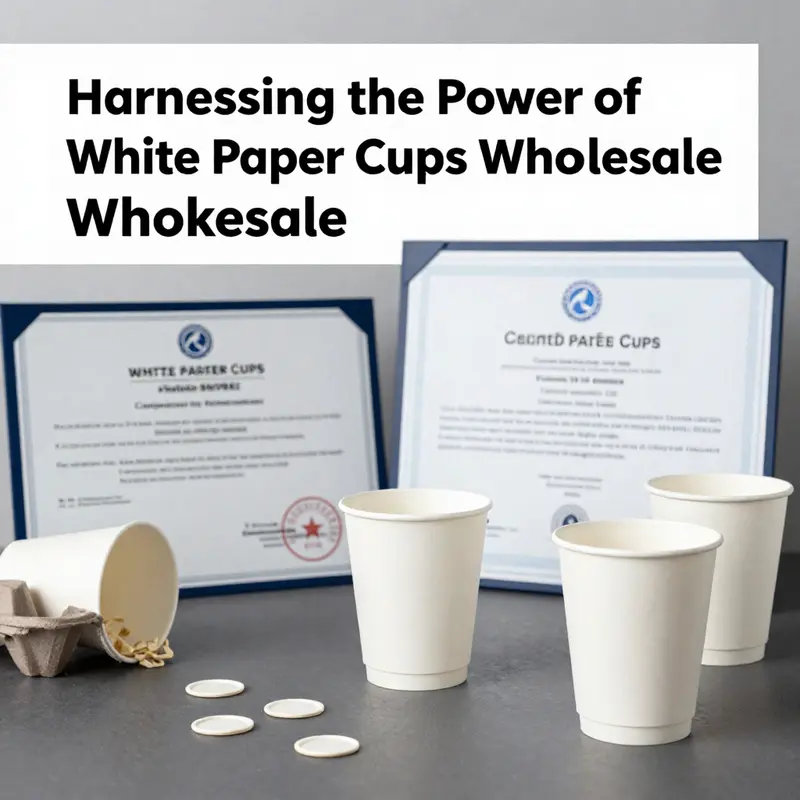
Third-party Certification: Independent organizations such as NSF International and SGS are tasked with conducting audits and laboratory analyses to officially certify compliance. These certifications are essential in establishing credibility in the wholesale market; they assure retailers and consumers that the products have been rigorously tested and verified to meet health standards.
Regulatory compliance is an ever-evolving challenge, requiring vigilance on the part of manufacturers and wholesalers alike. In a competitive wholesale environment, maintaining up-to-date knowledge of changing regulations is imperative. Building partnerships with reputable manufacturers ensures that every aspect of the supply chain is transparent and adheres to the laid-down standards. It facilitates the traceability of raw materials, fostering accountability within the production process.
Beyond Legal Compliance: The Business Perspective
From a business standpoint, compliance with safety and regulatory frameworks transcends merely adhering to laws; it is also a strategic asset. Establishing a reputation for quality and safety can differentiate a brand in the crowded landscape of disposable products. Brands that can showcase compliance with U.S. FDA and EU regulations will likely enjoy greater customer confidence, which can lead to increased sales and market loyalty.
Moreover, the implications of non-compliance cannot be understated. Businesses face substantial risks that range from financial losses due to product recalls, fines imposed by regulatory authorities, and irreparable damage to their brand reputation. Therefore, investing in compliance efforts is not just a legal necessity but also a smart business strategy.
Best Practices for Wholesalers
To successfully navigate these complex regulations, wholesalers are advised to adopt best practices that promote compliance, including:
- Collaborating with manufacturers who have a proven track record of legal compliance and transparency in their production processes.
- Conducting rigorous internal quality control checks regularly to catch any potential issues before products reach the market.
- Staying informed on regulatory changes, which may include attending industry conferences, following relevant trade publications, or joining professional networks.
Engaging in these proactive measures can position wholesalers favorably within the industry, ensuring both compliance and market competitiveness. The emphasis on eco-friendly alternatives also plays a crucial role in aligning with green initiatives, amplifying wholesaler credibility in environments increasingly prioritizing sustainability. With manufacturers offering solutions such as bio-based coatings and compostable materials, wholesalers can align their product offerings with environmentally-conscious consumer preferences.
Conclusion
In summary, thorough understanding and adherence to regulatory frameworks governing white paper cups are essential to ensure safety, meet consumer expectations, and achieve market success. Through rigorous testing, third-party certifications, and strategic business practices, wholesalers can ensure their products are compliant and ready to meet the needs of an increasingly conscientious consumer base. For more insights into sourcing quality white paper products, explore the extensive range offered by trusted suppliers, such as those featured in the Cofe Cup product catalog.
2. Material Composition and Its Impact on Compliance and Safety Standards in White Paper Cups Wholesale
The material composition of white paper cups is pivotal in establishing safety compliance and ensuring consumer protection, particularly for products designed for contact with food and beverages. These cups are typically constructed from food-grade paperboard, which serves as the backbone of their structure. Depending on the intended use, suppliers utilize either virgin or recycled paperboard. The choice between these materials not only influences the cup’s performance but also its environmental impact and regulatory adherence.
To better cater to consumer preferences and regulatory requirements, many manufacturers opt to coat their paper cups with a food-grade lining such as polyethylene (PE) or, more recently, polylactic acid (PLA). The designation of PE as a traditional coating option reflects its durability and leak resistance, essential qualities for hot drink applications. Alternatively, PLA-coated cups offer a promising avenue towards sustainability, as they are designed to biodegrade under certain industrial conditions. This difference in coating type is becoming increasingly important as regulations in regions like the European Union and North America evolve, pushing for greater environmental responsibility in consumer products.
Compliance with established safety standards is crucial, and it hinges on the materials used throughout every layer of the cup. Regulatory bodies, including the U.S. Food and Drug Administration (FDA) and the European Union’s Regulation (EC) No 1935/2004, impose stringent guidelines that dictate permissible substances for food contact materials. These regulations are notably stringent when it comes to the prohibition of harmful chemicals such as bisphenol A (BPA), phthalates, and heavy metals. Therefore, it is essential that manufacturers conduct rigorous testing to ensure all inks, adhesives, and coatings in their products meet these safety standards. This includes ensuring that the inks used for printing logos or branding are food-safe to prevent any risk of chemical leaching into consumables.
Furthermore, the adhesives that bond cup layers or secure sleeves must also be compliant with food contact safety regulations. The risk of toxic compounds contaminating beverages is a serious concern, and the integrity of the adhesive plays a critical role in maintaining product safety. Manufacturers are therefore expected to perform thorough evaluations, such as migration testing, to verify that their products not only meet initial compliance measures but also remain safe throughout the product’s lifecycle.
The thermal and structural characteristics of the cups are largely dictated by the choice of materials. For example, while single-wall cups are lightweight and adequate for cold beverages, they lack the necessary insulation for hot drinks, which can expose consumers to the risk of burns or discomfort. In scenarios where single-wall cups are used for hot liquids, secondary safety solutions, such as paper cup holders or “coffee collars,” become imperative. These additional layers not only enhance usability by providing a better grip but also serve as a protective barrier against heat transfer. Ensuring these accessories also adhere to safety standards, particularly in respect to their own coatings and adhesives, is crucial for maintaining overall product safety.
In summary, the depth of consideration for material composition extends beyond mere functionality; it fundamentally determines adherence to compliance and safety standards. The materials chosen must reflect a commitment to minimizing risk and maximizing consumer safety while also considering the environmental impact. This requires ongoing vigilance from manufacturers, including stringent testing and traceability of all raw materials used in production. As regulations globally become more exacting, the onus is on suppliers to ensure that their products remain compliant, with failure to do so potentially leading to dire consequences such as product recalls, legal ramifications, and a damaged reputation that can take years to recover.
Moreover, with the rise of consumer awareness regarding sustainability, many companies are taking steps to produce biodegradable and compostable solutions, moving towards a greener industry standard. The adoption of water-based coatings instead of conventional plastic linings is one such innovation, making white paper cups more environmentally friendly. Paper cups displaying clear biodegradable certifications resonate well with eco-conscious consumers who prioritize green choices.
It is also worth noting that the evolving standards for food contact materials necessitate constant monitoring and evaluation. For compliance in white paper cups wholesale to be effective, manufacturers must be agile, ready to adapt to changes in legal requirements, and innovative in their approach to materials. Comprehensive tests guided by international standards are vital to ensure the safety of consumers and the market longevity of their products.
In essence, the relationship between material composition and compliance with safety regulations forms the foundation for white paper cup manufacturers. It influences not only the structural and functional integrity of cups but also determines the ethical and ecological implications associated with their production and use. Knowing and understanding these material attributes not only aids manufacturers in meeting compliance demands but also develops trust with clients, customers, and regulatory agencies alike. As part of responsible procurement, companies should always seek suppliers with transparent sourcing practices and compliance records, ensuring that their final products embody safety and environmental stewardship. For those in need of compliant packaging solutions, exploring options such as biodegradable white paper cups designed for various applications can assist in advancing sustainability goals in product offerings. This balanced approach aids in nourishing a safer and more sustainable future within the food and beverage industry.
Chapter 3: Leveraging Customization for Brand Identity with White Paper Cups Wholesale
1. Maximizing Brand Visibility through Logo Printing and Creative Customization on White Paper Cups
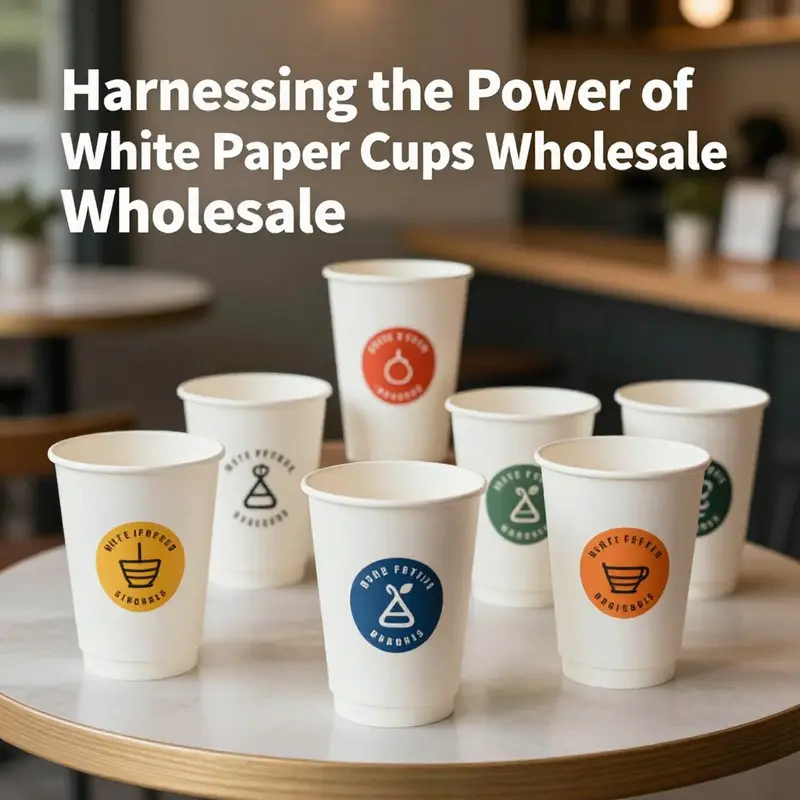
In the competitive landscape of food and beverage service, white paper cups have emerged not only as functional items but also as powerful branding tools. Companies looking to leave an indelible mark on their consumers recognize the potential of logo printing and creative design personalization on these disposable cups. Engaging in customization transforms ordinary paper cups into vibrant showcases of brand identity, enhancing recognition and customer loyalty. When brands invest in logo printing, they are not merely enhancing the aesthetic appeal of their products; they are creating tangible brand ambassadors that move with customers. A well-designed cup featuring an organization’s logo and colors can trigger brand recall effectively, making it pivotal in today’s visually driven market.
Manufacturers specializing in white paper cups wholesale offer a plethora of customizable options, allowing businesses to select sizes, styles, and printing methods that align with their brand vision. Flexographic printing, digital printing, and screen printing are among the popular techniques employed. Flexographic printing is particularly acclaimed for its speed and ability to reproduce high-quality graphics, making it ideal for large volume orders. It enables intricate designs with vivid colors, ensuring that the branding appears sharp and professional. Digital printing, on the other hand, affords businesses the flexibility to place small orders with custom designs without a hefty upfront investment, thus accommodating both large enterprises and emerging brands.
Customization doesn’t just stop at logo printing; it extends to the cup’s form and material selection as well. Enterprises can choose between single-wall and double-wall paper cups, with double-wall options being increasingly favored for serving hot beverages, as they offer thermal insulation and comfort to the user. The classic white exterior is frequently chosen for its versatility, providing a clean slate that elegantly showcases logos and design elements. However, businesses can also opt for colored cups or special finishes, such as glossy or matte lamination, to create additional visual interest that aligns with their branding strategy.
For many companies, the customization process proves to be a collaborative journey with manufacturers. Leading suppliers understand the importance of active engagement throughout the customization phase. They often provide a toolkit of services ranging from design assistance to mock-ups, ensuring that the client’s vision translates seamlessly onto the final product. This level of support not only elevates the quality of the finished cups but also enhances relationship-building between the supplier and the brand.
Minimum order quantities (MOQs) vary across different customization options; however, many manufacturers are now accommodating clients who require more flexible ordering structures. Often, for printed cups, MOQs begin at 100,000 units, while businesses interested in smaller runs discover that unprinted options can be acquired in quantities as low as 10,000 pieces. This flexibility is essential for small businesses and startups that may be exploring branding strategies without committing to large-scale orders initially.
The significance of customization is also deeply felt in practical applications. Beyond their role in cafes and restaurants, branded white paper cups are utilized in diverse settings, including healthcare facilities, corporate events, and promotional giveaways. Customization ensures that white paper cups communicate messages consistently across environments—from mouthwash cups in dental clinics to sleek branding components in catering services. They enable brands to keep their identity at the forefront, constantly reminding customers of their presence even in transient moments like sipping coffee in a busy café.
In addition to pure aesthetics and functionality, eco-consciousness is another vector where branding can play a significant role. The rise of sustainable practices has led many companies to explore biodegradable options in their paper cup selections. This can include using cups with water-based coatings, which are both environmentally friendly and align with corporate responsibility initiatives. When these eco-friendly cups are emblazoned with the company logo, brands not only attract sustainability-minded consumers but also showcase their commitment to responsible practices.
Furthermore, promotional events and corporate settings are highly conducive environments for impactful branding. Businesses looking for innovative ways to engage clients can harness the power of custom logo paper cups for events, launches, and local fairs. By offering a unique design accompanied by thoughtful branding, companies ensure that their presence is etched into the memory of potential clients, creating an experience that lingers beyond just the product. The sight of a customized cup in a customer’s hand, whether at an event or on the go, translates to free advertising and offers excellent return on investment over time.
Navigating the journey of brand building through customized white paper cups not only enhances visibility but fosters loyalty as well. When consumers enjoy a positive experience with a branded product—such as a well-crafted cup of coffee served in a stylish, customized cup—they associate that feeling with the brand. The cup, more than just a vessel, emerges as a symbol of quality and care, reinforcing the customer’s choice to return. Each sip becomes a reaffirmation of brand connection, albeit subtly.
Given the various factors to consider, making an informed decision when selecting a wholesale supplier is paramount. Buyers should ensure that potential partners showcase their capabilities in customization while also adhering to necessary safety standards and certifications. Leading manufacturers consistently highlight their commitment to quality and sustainability, providing not just advertising items but instruments that contribute to larger corporate strategies.
As the demand grows, taking advantage of customization options available within the white paper cup wholesale market becomes essential for companies seeking an edge in branding. In leveraging logo printing and design personalization, businesses construct a dynamic narrative that extends well beyond the cup, establishing a purposeful dialogue with their consumers that is both impactful and lasting. This investment in customized branding promises significant rewards—not merely in sales figures but in building enthusiastic brand advocates among the audience, while navigating the path toward market leadership.
2. Harnessing Seasonal Themes for Strategic Branding with White Paper Cups
In today’s competitive marketplace, the use of seasonal themes on white paper cups offers businesses a unique opportunity to elevate their branding efforts and create memorable customer experiences. These disposable cups serve as a blank canvas, inviting brands to creatively engage consumers by aligning graphics and messaging with holidays, seasons, and cultural events. As brands harness the full potential of custom white paper cups, the impact of seasonal designs can be profoundly felt across various touchpoints.
The primary allure of seasonal theming lies in its ability to resonate emotionally with consumers. For retailers and food service providers, limited-time offers coupled with festive designs can generate excitement and anticipation. Consider a coffee shop that introduces special cups for the winter holiday season adorned with snowflakes, reindeer, and seasonal colors. This strategic approach not only transforms an everyday item into a visually appealing product but also aligns the brand with the joyous spirit of the season.
Moreover, such thematic designs encourage social sharing. As customers become avid documenters of their experiences, these seasonal cups often find their way into countless social media posts. Pictures of limited-edition holiday cups holding frothy lattes or festive beverages generating organic buzz online can enhance brand visibility with little to no additional marketing expense. Additionally, provided they feature enticing illustrations and engaging tags, these cups can become essential conversation starters among friends and family, expanding their reach and imprinting the brand more deeply in collective memories.
Furthermore, brands can also strategize around the offering of branded cups that align deeply with social occasions such as Valentine’s Day or Earth Day. For Valentine’s, a bakery might introduce cups printed with heart motifs and love-themed messages, perhaps even inviting customers to write notes to loved ones on the cups themselves. Similarly, during environmental campaigns, businesses committed to sustainability can utilize bio-based or compostable cups adorned with messages about conservation and care for the planet. This dual focus not only enhances brand loyalty but also aligns corporate values with consumer expectations, thus reinforcing a positive brand image.
Promotional synergy can be enhanced through thoughtful seasonal marketing strategies, enabling brands to bundle cups with special offers tailored to specific timeframes. For example, a cafe could promote a ‘Seasonal Sip’ campaign, where customers receive a free custom cup with every coffee purchase during a holiday week. Not only does this incentivize purchases during a typically busy time, but it also encourages repeat visits as consumers look forward to picking up their next drink in a seasonal collectible. This intertwines the idea of functional utility with a delightful experience, further embedding the brand within the consumer’s lifestyle.
Wholesale suppliers are rising to the occasion by offering customizable solutions that are not only high-quality but also eco-conscious. Beyond merely meeting customer demands, many suppliers now boast capabilities for rapid production of seasonal designs, ensuring businesses can react swiftly to market trends or changing consumer preferences. With biodegradable options becoming increasingly mainstream, brands can confidently promote their seasonal designs while adhering to growing ecological standards, such as those introduced by the latest sustainability initiatives.
Another advantage lies in the flexibility of customization options. Suppliers often provide print services that enable businesses to feature their logos prominently alongside seasonal themes. This not only enhances branding visibility but also creates a direct connection between the product and the brand’s message. Such printing capabilities allow for vibrant colors and intricate designs that can capture the eye and interest of consumers looking for unique and aesthetically pleasing experiences.
Additionally, QR codes can be integrated into the design of the cup, linking customers to digital content, instructional videos, or promotional campaigns. By merging traditional product experience with modern digital interactions, brands can create a comprehensive service offering that enhances customer satisfaction. This innovative approach satisfies a curious consumer base while allowing businesses to provide additional value and ultimately upsell their products or services.
Real-world examples abound, illustrating how effective seasonal branding with white paper cups can be. For instance, coffee chains have successfully launched cup designs that spark enthusiasm and serve as collectibles, inspiring customers to return and collect the entire series. As brands experiment with designs that tie in cultural and local festivities, they tap into the community spirit, fostering brand loyalty in a way that transcends mere transactional exchanges.
To conclude, the strategic use of seasonal themes in the customization of white paper cups substantiates their role as more than mere packaging solutions. They act as potent branding tools capable of fostering emotional connections, enhancing promotional efforts, and amplifying marketing outreach. As businesses look to capture customer attention amidst an abundance of choices, seasonal designs will undoubtedly play an increasingly pivotal role in shaping market dynamics and driving sales. By expertly weaving seasonal themes into their branding narratives, businesses can unlock a pathway to not only increased visibility but also to a stronger, more resonant customer loyalty.
For a closer look at trends in seasonal packaging designs, check emerging insights in the industry, such as the latest strategies recommended for seasonal branding efforts.
Chapter 4: The Evolution of Wholesale Paper Cups: Embracing Sustainable Innovations
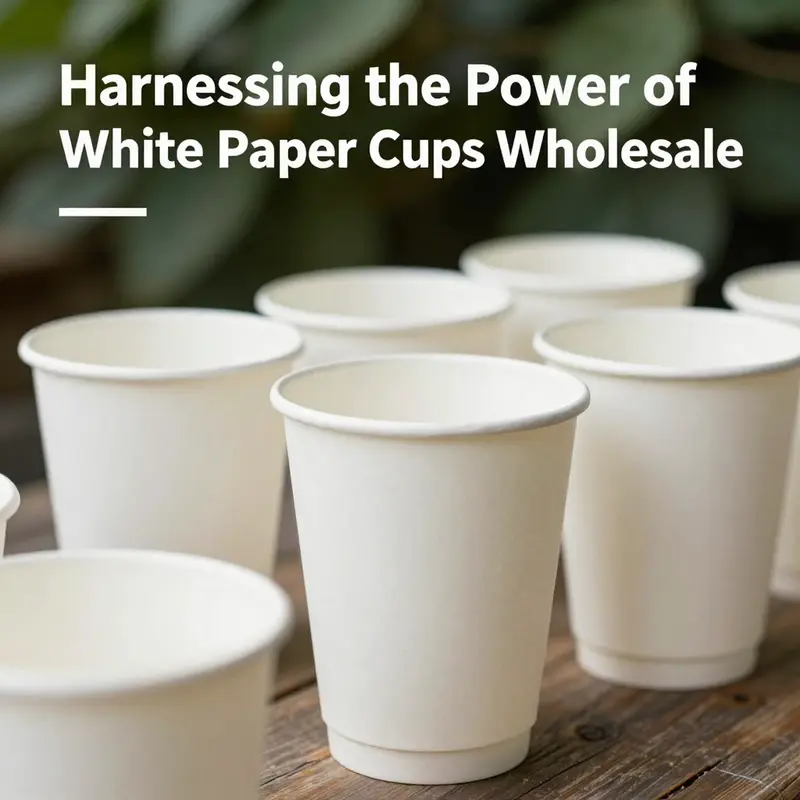
1. The Green Revolution: Transitioning to Biodegradable White Paper Cups
The white paper cup industry is experiencing a green revolution, marked by a significant shift towards sustainability that reflects broader market demands for eco-friendly products. As consumer awareness and environmental regulations continue to evolve, disposable packaging solutions such as paper cups are at the forefront of this transformation. The increasing popularity of biodegradable materials is reshaping how businesses approach sourcing, design, and marketing their disposable products.
Traditionally, the majority of white paper cups have been lined with a polyethylene (PE) coating, facilitating their use for both hot and cold beverages while maintaining structural integrity and leak resistance. However, as the global call for diminishing plastic waste intensifies, the industry is now gravitating toward innovative alternatives that promise a reduced environmental impact. Among these alternatives, polylactic acid (PLA), derived from renewable resources such as cornstarch, has emerged as a leading contender. PLA-coated cups not only minimize reliance on petroleum-based plastics but also align with sustainable branding initiatives that attract environmentally conscious consumers.
Market analyses indicate robust growth in the PLA paper cup sector, propelled by the ongoing commitment to circular economy principles. Companies are actively adopting these alternatives to meet stringent environmental standards, thus ensuring that their operations remain compliant with evolving regulations. This strategic shift goes beyond mere compliance; it also offers businesses a competitive edge in an increasingly eco-aware market. The use of biodegradable materials resonates with consumers who prioritize sustainability, making it a focal point of modern marketing strategies.
Furthermore, the emergence of alternative materials like bamboo fiber is gaining traction within the disposable packaging market. Bamboo fiber, composed of natural bamboo mixed with food-safe resin, not only boasts excellent biodegradability but also offers a lightweight yet durable option for cups. The aesthetic appeal of these materials enhances brand differentiation, providing unique visuals that stand out on store shelves. As a result, companies utilizing bamboo paper cups in their products also showcase commitment to sustainability while appealing to consumers’ desire for natural aesthetics.
Adopting biodegradable white paper cups transcends environmental compliance; it signifies a forward-thinking approach to business sustainability. By integrating PLA and bamboo materials into their product offerings, brands can effectively communicate their dedication to reducing plastic waste and contributing to a healthy planet. This narrative is particularly potent in sectors such as food service, where consumer choices are increasingly influenced by perceptions of corporate responsibility and sustainability.
The push for sustainable practices is echoed in manufacturing processes as well. Innovations in materials science have led manufacturers to explore options beyond PLA and bamboo, unlocking possibilities with varying biodegradability and compostability characteristics. For instance, some manufacturers are now engaging in the production of PE-free, water-based coated cups that break down more readily in industrial composting environments. These products satisfy consumer preferences while alleviating the burden of plastic pollution.
As businesses strive to future-proof their operations, incorporating these new materials into their procurement decisions is crucial. The emphasis on recyclability and end-of-life disposal options is paramount in this transition, establishing sustainable sourcing as a key factor in purchasing strategies. Moreover, the selection of suppliers aligns with the values of business leaders committed to maintaining eco-friendly practices in every operational phase.
Certification is another vital aspect of this transition towards sustainability. Reputable manufacturers are keenly aware of the importance of adhering to international safety and environmental standards. Companies like China Soton are leading the way by offering products certified by recognized bodies, ensuring not only compliance with safety regulations but also the sustainability claims of their products. For businesses engaging in wholesale procurement, understanding the implications of these certifications can greatly influence supplier selection and the perceived value of their chosen products.
In response to this paradigm shift, custom branding options are evolving too. With the ability to customize cups using flexographic printing, companies can opt for eco-friendly inks and reliable printing processes that cater to brand promotion while maintaining sustainable integrity. Printed white paper cups can now effectively communicate a brand’s environmental commitment through their design, showcasing noticeability while drawing in environmentally concerned consumers. This strategic approach enhances brand loyalty and awareness while simultaneously elevating the conversation around sustainable practices in disposable packaging.
The logistics of sourcing sustainable paper cups also require tailored strategies. Businesses should understand minimum order quantities, as customization often leads to larger orders, sometimes starting at 100,000 units. On the other hand, unprinted cups may have lower thresholds around 10,000 units. This flexibility can benefit smaller businesses aiming to reduce upfront investment while trying to align with sustainable practices.
Ultimately, the growth of biodegradable options within the white paper cup market reflects broader trends in consumer preference and corporate responsibility. Businesses that proactively adapt to these sustainability trends—not just in product development but through entire supply chains—are better equipped to thrive in a competitive, environmentally-conscious landscape. More than a mere reaction to regulatory pressures, this evolution marks a significant shift towards a sustainable future where responsible practices shape the very foundation of product design and consumer engagement.
Incorporating innovations such as PLA and bamboo fiber aligns perfectly with global sustainability goals, ensuring that brands not only meet current standards but also set new benchmarks in product excellence. Engaging in wholesale purchasing of these biodegradable white paper cups can harness the benefits of these growing trends, making a lasting positive impact on the environment.
As the demand for eco-friendly disposable packaging grows, companies that embrace this change will not only enhance their market presence but also contribute towards a more sustainable future. For those in need of reliable suppliers of biodegradable white paper cups, exploring options is crucial, and platforms that provide quality eco-friendly packaging solutions are invaluable assets in this ongoing transition. Explore wholesale options that reflect a commitment to sustainability, such as those found at cofe-cup.net, paving the way for a better tomorrow.
2. Sustainability Trends in White Paper Cups Wholesale: Strategic Implications for Forward-Thinking Brands
The surge of sustainability trends is fundamentally transforming the landscape of white paper cups wholesale, pushing businesses to reevaluate not merely their products but their overarching packaging strategies. As consumer awareness about environmental impact rises, both consumers and regulators are increasingly aware of and prioritizing eco-friendly alternatives. This heightened consciousness is leading to a growing market demand for cups manufactured from renewable resources, adorned with biodegradable or compostable coatings. Ignoring this transition is more than just a missed opportunity; it represents a strategic imperative critical to long-term viability.
One notable development is the shift away from traditional polyethylene (PE) coatings that have dominated the market for years. Buyers are now encouraged to consider plant-based alternatives, such as polylactic acid (PLA) as a promising coating solution. PLA is derived from renewable sources, such as corn starch, and has been recognized for its significantly lower carbon footprint. These PLA-coated paper cups are not only functional but also boast certifications indicating their compostability under proper industrial conditions, thus aligning with corporate sustainability objectives and appealing directly to environmentally conscious consumers.
Consumer Demand: The increasing number of companies—especially among major coffee chains and event organizers—actively demanding PLA-coated products signifies a broader shift towards sustainable procurement practices. This transition isn’t just a matter of compliance; it actively enhances brand reputation and is instrumental in adapting to evolving regulatory standards. Businesses recognizing this demand now find themselves at a competitive advantage, capturing the interest of customers who are looking to support brands with strong environmental commitments.
In parallel to these material innovations, the principles of the circular economy are gaining traction within the white paper cup sector. Businesses are discovering that sustainable practices need to extend beyond just the materials used to produce disposable products; they must encompass the entire lifecycle of the packaging itself. This has prompted wholesale suppliers to engage in more transparent sourcing practices, providing consumers not only with quality products but also guiding recycling pathways and implementing take-back programs for used cups. The implications of such moves are significant.
Companies that adopt these sustainable practices throughout their procurement processes and operations stand to gain substantial competitive advantages. These advantages manifest in various forms: improved customer loyalty resulting from brand alignment with consumer values, potential tax incentives for using environmentally friendly materials, and a reduced risk of compliance-related penalties as sustainability legislation becomes increasingly stringent.
Strategic Implications: The strategic implications for businesses are clear: embracing sustainable materials like PLA in the production of white paper cups is not merely a trend; it has become a keystone of modern business strategy. It encapsulates the necessity for brands to cater to consumer expectations while ensuring regulatory compliance. The demand for sustainability isn’t waning; it can only be expected to strengthen over time as eco-conscious consumers become the norm rather than the exception. Organizations that proactively embrace this evolution position themselves for long-term market success, while those that resist may risk obsolescence in an increasingly green-focused economy.
Furthermore, the growing emphasis on transparency in sustainable practices—through visible labels and adequate recycling instructions—means that brands are required to be more communicative about their processes. This imperative fosters trust between consumers and brands, reinforcing consumer loyalty as customers feel invested in and aligned with brand values. As society increasingly shifts towards valuing sustainability, firms that fail to adopt responsible practices will likely miss out on a critical segment of the market.
Innovative companies are finding unique ways to differentiate themselves in the marketplace. Customization options, for example, allow businesses to create distinct branding messages on their white paper cups that are not only visually appealing but also underscore their commitment to sustainability. This branding convergence extends beyond mere aesthetics; it creates a loyal customer base that prioritizes businesses contributing to environmental conservation efforts.
As the wholesale procurement of white paper cups becomes more intertwined with sustainability, bulk buyers will find themselves increasingly supported by suppliers who understand the nuances of this trend. This includes comprehensive services like providing samples—often free, though shipment might be borne by the buyer—which facilitate informed purchasing decisions. Additionally, flexible payment structures and efficient logistics play a crucial role in enhancing buyer experiences. For instance, standard delivery timelines are typically around 20-30 days for initial orders, with subsequent orders processed even more swiftly, usually within 7-15 days. Major ports, particularly in manufacturing hubs like Wuhan, China, enhance global distribution efficiency, ensuring businesses can access eco-friendly products when needed.
Ultimately, as demand for white paper cups continues to proliferate across different sectors—ranging from food service industries to healthcare settings—adaptability and commitment to sustainability will remain defining factors in the market. To sum up, emphasizing sustainable development not only meets current consumer expectations but fortifies businesses against future challenges, supervisory measures, and evolving market dynamics. Establishing practices rooted in sustainability exemplifiesBrand vision in a conscious economy—creating lasting benefits for businesses, consumers, and the planet.
For businesses aiming to bolster their eco-friendly footprint, exploring eco-friendly packaging options is essential. If you are interested in customizable options for various disposable food containers, check out the extensive range of products at Cofe Cup’s eco-friendly collection. By making conscientious choices today, we can build a stronger, more sustainable tomorrow.
Final thoughts
In summary, white paper cups wholesale present a myriad of opportunities and considerations for business owners. From understanding the significance of material quality and safety compliance to recognizing the impact of customization and the drive towards sustainable solutions, every element is critical in sourcing effectively. As businesses continue to evolve, aligning with these insights can lead to improved brand reputation, customer satisfaction, and environmental stewardship. By prioritizing quality, compliance, and sustainability, businesses can make strategic choices that resonate with conscious consumers.
Choose our reliable disposable tableware and packaging solutions for your business. We offer quality products that meet safety standards, with fast delivery and flexible options. Partner with us today to elevate your service – contact our team now for a tailored quote!
About us
We specialize in manufacturing and supplying disposable tableware, packaging paper, and boxes. With years of experience, we prioritize safety, durability, and eco-friendly practices. Our goal is to provide businesses with trusted, cost-effective solutions backed by responsive customer support.