

Introduction
As businesses globalize their operations and consumers increasingly prioritize sustainability, the need for eco-friendly disposable products has never been clearer. One such innovation is the water-based coating paper cup. These cups represent a significant shift in disposable tableware, offering an environmentally friendly alternative to plastic-lined cups. This article delves into three critical aspects of water-based coating paper cups: their sustainability and environmental impact, their performance characteristics, and their manufacturing and production process. Understanding these facets will help business owners make informed decisions when selecting packaging solutions that align with their values and operational needs.
Tables of Contents
Chapter 1: Unpacking the Ecological Tidings of Water-Based Coating Paper Cups
- The Eco-Revolution: Embracing Biodegradability and Compostability in Water-Based Coating Paper Cups
- Water-Based Coatings: A Game Changer for Paper Cup Sustainability and Environmental Impact
- Transforming the Beverage Industry: The Role of Water-Based Coatings in Sustainable Packaging Solutions
Chapter 2: Unpacking Performance: Evaluating Moisture and Oil Resistance in Water-Based Coating Paper Cups
- The Art of Hydrophobicity: Moisture and Oil Resistance in Water-Based Coating Paper Cups
- Evaluating Heat Resistance and Durability in Water-Based Coating Paper Cups
- Revolutionizing Eco-Friendliness: Performance and Sustainability of Water-Based Coatings
Chapter 3: Crafting the Future: The Essential Materials in Water-Based Coating Paper Cup Production
- Building Blocks of Innovation: Key Materials in the Production of Water-Based Coating Paper Cups
- The Precision-Driven Journey: Manufacturing Water-Based Coating Paper Cups
- Contrasting Manufacturing Processes of Water-Based and PE-Coated Paper Cups
Chapter 1: Unpacking the Ecological Tidings of Water-Based Coating Paper Cups
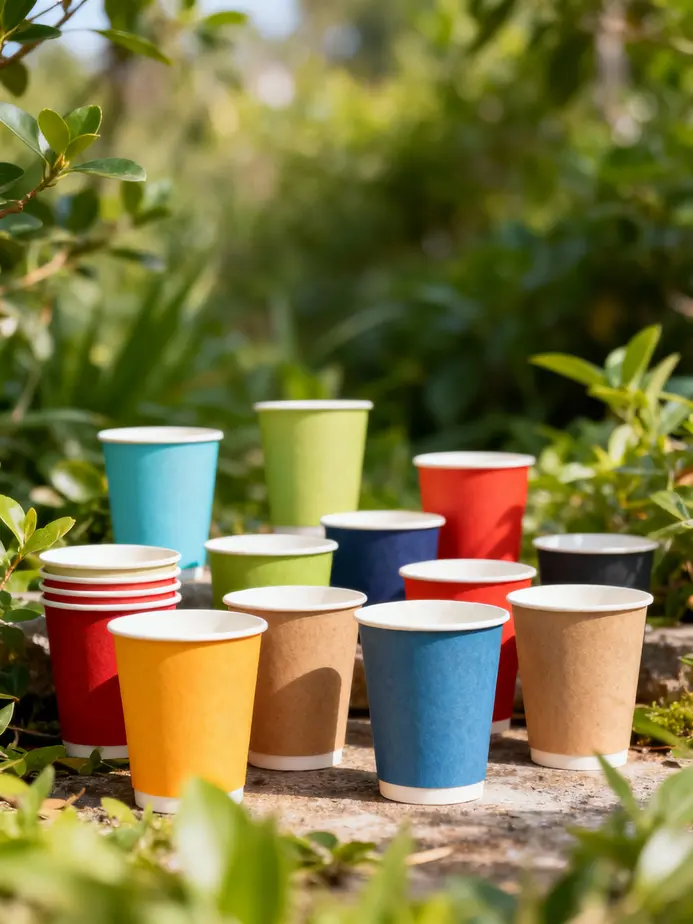
1. The Eco-Revolution: Embracing Biodegradability and Compostability in Water-Based Coating Paper Cups
As the global community increasingly confronts the pressing challenges posed by plastic pollution and climate change, water-based coating paper cups have emerged as champions of sustainability within the food and beverage packaging sector. Their development marks a pivotal moment in our transition to eco-friendly disposable solutions, enabling businesses and consumers to embrace more responsible practices without compromising on functionality or safety. Unlike their polyethylene-coated counterparts, these innovative cups utilize a water-soluble barrier that not only enhances their recyclability but also supports a circular economy—a shift that is essential for reducing our environmental footprint.
Biodegradability and Compostability
One of the fundamental advantages of water-based coating paper cups is their ability to fully decompose in industrial composting environments. Under optimal conditions of elevated temperature and humidity, these cups break down within approximately 30 days, transforming into water, carbon dioxide, and nutrient-rich compost. This rapid decomposition is made possible by the natural properties of the coatings, which are often plant-derived and free from harmful substances common in synthetic options.
In contrast, traditional PE coatings, sourced from fossil fuels, pose significant challenges for waste management. These materials are not only persistent but also contaminate recycling streams, complicating the repulping process. By switching to water-based coatings, manufacturers create products that leave behind minimal residue, significantly enhancing fiber recovery rates during the recycling stage. This capability aligns with broader sustainability goals, as it fosters the production of higher-quality recycled paper, thereby cultivating a more efficient resource cycle.
The Promise of Certifications
Compliance with recognized environmental standards further bolsters the credibility of water-based coated cups. Products that carry certifications such as EN13432, ASTM D6400, and BPI illustrate their adherence to rigorous composting and biodegradability criteria. These credentials not only facilitate compliance with extended producer responsibility (EPR) regulations but also affirm the industry’s commitment to sustainability. By securing these certifications, manufacturers provide consumers with peace of mind, knowing that their purchase supports practices that minimize environmental impact.
Environmental Impact Mitigation
In addition to enhancing biodegradability, the shift toward water-based coating technology has notable implications for carbon emissions reductions. The production of these cups has been shown to emit significantly lower levels of greenhouse gases when compared to plastic cup manufacturing processes. The transition away from energy-intensive plastic production not only curtails carbon footprints but also addresses public health concerns, particularly those associated with harmful chemicals such as PFAS and BPA. Through the use of safe water-based formulations, these cups exemplify how innovation can lead to safer food packaging without sacrificing environmental integrity.
Moreover, the performance of water-based coatings does not come at the expense of practicality. With proven resistance to moisture, grease, and heat—up to temperatures of 176°F—they successfully accommodate both hot and cold beverages while maintaining structural integrity. Unlike plastic-lined options that contribute to microplastics pollution, these paper cups present a viable alternative that fosters a healthier ecosystem by avoiding the release of harmful particles during degradation.
Aligning with a Sustainable Future
In examining the broader context of sustainability, manufacturers integrating water-based and plant-derived coatings into their operations take significant steps toward minimizing waste, energy consumption, and environmental degradation. This not only reflects a commitment to ecological stewardship but also positions brands favorably among environmentally-conscious consumers. The successful adoption of eco-friendly packaging solutions among North American beverage companies serves as a case in point, showcasing how sustainability can enhance brand appeal without compromising quality or operational efficiency.
As consumer demand for sustainable options continues to rise, it becomes imperative for companies to evolve. Water-based coating paper cups represent this evolution, offering a practical and responsible solution that aligns with the global imperative to protect our planet. By championing the use of biodegradable and compostable materials, businesses are not merely shifting their product strategies; they are fostering a cultural change toward environmental awareness and responsibility.
In conclusion, the shift to water-based coatings is not merely an innovation; it is a crucial step towards creating a sustainable future. As we collectively seek to minimize our environmental impact and embrace alternative solutions, water-based coating paper cups embody the spirit of this movement—proving that we can indeed enjoy convenience without sacrificing our planet’s health. To explore a wide range of eco-friendly packaging options, including water-based coated products, visit Cofe Cup.
2. Water-Based Coatings: A Game Changer for Paper Cup Sustainability and Environmental Impact
Water-based coatings have emerged as a pivotal innovation in the sustainability of disposable packaging, particularly paper cups. These coatings provide significant advantages by replacing traditional plastic linings like polyethylene (PE), thereby enhancing recyclability, compostability, and reducing environmental contamination. With growing awareness of environmental issues, the demand for sustainable products has led to a notable shift in packaging solutions, positioning water-based coated paper cups at the forefront of eco-friendly initiatives.
The essential environmental benefits provided by these innovative coatings are plentiful. One of the most notable aspects is improved recyclability. In contrast to PE coatings, which tend to contaminate fibers during the recycling process and diminish the ability to regenerate high-quality paper products, water-based barriers seamlessly integrate into existing recycling systems. This integration is affirmed by certifications such as Level A recyclability per Aticelca 501/19, indicating that these cups can be processed effectively at standard paper recycling facilities, ensuring a reduction in waste and promoting a circular economy.
Another crucial environmental impact is the reduction of contamination and waste within recycling and composting systems. Water-based coatings break down effectively and leave behind no harmful residues, aligning perfectly with Extended Producer Responsibility (EPR) regulations aimed at reducing pollution associated with disposable products. This ability to decompose naturally supports the ongoing movement toward more sustainable consumption patterns while promoting overall environmental well-being.
In terms of carbon emissions, switching from energy-intensive plastic coatings to eco-friendly solutions is beneficial in reducing the carbon footprint associated with paper cup production. Research by the Carbon Trust and various case studies has shown that companies that adopt PFAS-free coatings in their products have experienced significant reductions in carbon emissions, ranging up to 42%. These numbers underscore the crucial role of innovative coatings in contributing to both product performance and environmental sustainability.
Functional performance is another area where water-based coatings excel. They provide essential grease and moisture resistance, qualities that are tested through industry-standard assessments such as TAPPI 441 Cobb and ASTM F1249 Water Vapor Transmission Rate (WVTR). This ensures that paper cups can effectively withstand temperatures up to 176°F, making them suitable for both hot and cold beverages without compromising structural integrity—an essential consideration for consumers and businesses alike.
Real-world applications underscore the transformative potential of water-based coated paper cups in various sectors. For instance, a notable North American beverage company has successfully transitioned to fully PFAS-free cups, showcasing how industry leaders can adopt more sustainable practices. Furthermore, a well-known fast-food chain has begun implementing compostable and recyclable packaging solutions, demonstrating that larger corporations are actively seeking to contribute to environmental conservation. Meanwhile, innovations like Lecta’s EraCup Natural, which has achieved flustix certification for both industrial and home compostability, illustrate the growing public expectation for sustainably produced items.
Manufacturers such as H.B. Fuller, Michelman, and Zhejiang Yizhouyuan are at the forefront of this shift toward plant-based alternatives, designing products that eliminate plastic exposure while ensuring optimum performance for both hot and cold beverages. These manufacturers leverage their knowledge of aqueous dispersions to create coatings that enhance the mechanical properties of paper without compromising the environment, tapping into a growing market for eco-conscious consumers.
While the advantages of water-based coatings are widely acknowledged, it is important to recognize some limitations. For example, the costs associated with certain biodegradable options, such as PLA alternatives, may be higher than conventional coatings. However, the balance between affordability and product performance is crucial in fostering wider market adoption. Ongoing research and development efforts are focused on scaling these innovative solutions to make them more widely accessible.
Despite the lingering presence of PE-coated papers in the market, which often remain cheaper options, there is a clear trend towards the adoption of water-based solutions in response to increased consumer demand for responsible products. By moving away from plastic-based coatings and embracing biodegradable alternatives, the industry is evolving to align with contemporary sustainability principles, rejecting outdated practices in favor of innovation. With more stakeholders committed to this eco-friendly transformation, the potential for water-based coatings to redefine the future of disposable paper cups is indeed promising.
In conclusion, water-based coatings represent a significant milestone towards enhancing the sustainability and environmental impact of disposable paper cups. Their compatibility with recycling systems, ability to decompose naturally, reduced carbon footprint, and overall functional performance position them as a vital solution in the ongoing quest for truly sustainable packaging. As awareness and demand for environmentally responsible options continue to rise, innovations in water-based coatings stand to play a central role in reshaping the landscape of disposable cup options, promoting a more sustainable future for all.
3. Transforming the Beverage Industry: The Role of Water-Based Coatings in Sustainable Packaging Solutions
The shift toward water-based coatings in paper cups marks a crucial advancement in the quest for sustainable packaging solutions, significantly impacting the beverage industry. As environmental concerns escalate, these coatings provide an eco-friendly alternative to traditional plastic linings, steering the market towards practices that prioritize health and ecological sustainability.
One of the most compelling attributes of water-based coatings is their ability to drastically reduce carbon footprints when compared to traditional plastic-coated counterparts. The production of conventional plastic coatings generally involves significant energy input and the emission of toxic chemicals, contributing to a larger carbon footprint. By substituting these plastic coatings with water-based varieties, manufacturers can enjoy substantial reductions in their overall greenhouse gas emissions. Companies that adopt these coatings often pursue and achieve Carbon Trust certification, showcasing their commitment to sustainability and responsible manufacturing practices.
For instance, studies have demonstrated that alternative paper packaging solutions show emission reductions of up to 42% when water-based coatings are utilized instead of conventional options. This data not only emphasizes the environmental benefits of water-based coatings but also positions them as crucial components in the broader shift towards renewable and environmentally-responsible packaging materials.
In addition to lowering emissions, water-based coatings enhance the overall recyclability and biodegradability of paper cups. Traditional plastic linings can contaminate recycling streams, leading to considerable waste. Conversely, water-based coatings break down naturally without leaving toxic residues, making them far more compatible with recycling processes and improving product safety profiles. Notably, companies like H.B. Fuller have developed water-based barrier coatings that enhance fiber yield during the repulping process compared to polyethylene (PE) coatings. This innovation allows for a greater volume of high-quality fibers to reintegrate into the paper recycling stream, thereby supporting a more effective circular economy.
The environmental transformation brought about by water-based coatings is also evident in their broader safety implications. These coatings exclude harmful chemicals such as PFAS and BPA, thus enhancing the safety of food contact materials. The push for safer alternatives has gained traction in consumer markets, prompting numerous North American companies to transition to PFAS-free water-based coatings for their products. This move helps brands stay in line with regulatory trends while catering to a growing consumer demand for safer, eco-friendly packaging solutions.
Certification plays a paramount role in the legitimacy of these water-based solutions. Manufacturers who adopt water-based coatings can access a plethora of environmental certifications that reflect their sustainable practices. Relevant certifications include EN13432 and ASTM D6400 for compostability, Aticelca Level A for recyclability, and various others that affirm environmental management standards, such as ISO 14001 and BPI certification. This diverse set of certifications not only validates the ecological claims of manufacturers but also serves to build consumer trust and loyalty toward brands committed to sustainability.
When looking at functional performance, water-based coatings do not compromise the integrity of the products. These coatings provide essential benefits like moisture and grease resistance, which are critical in the food service industry. Approved by the FDA for direct contact with food (FDA 176.170), they can withstand temperatures up to 176°F, making them suitable for serving both hot and cold beverages without risk of leaks or degradation.
The circular economy principles have also found a foothold in the beverage sector, further demonstrating the transformative effect of water-based coatings. A notable example is a prominent fast-food chain that has made a significant switch to water-based coated paper packaging for their disposable containers. This shift has yielded both compostable and recyclable solutions that align with circular economy principles, simultaneously reducing waste and reinforcing the brand’s commitment to sustainability. With water-based coatings at the forefront, brands can adopt practices that fulfill stringent environmental regulations while actively supporting sustainable business models.
As industries continue to evolve, the integration of water-based coatings into everyday packaging reinforces a steady transition toward more sustainable practices. The environmental and practical advantages presented by these coatings demonstrate their potential to revolutionize not just the beverage industry but the broader landscape of packaging solutions. By embracing innovations in sustainable coatings, manufacturers not only enhance their market position but also contribute to a healthier planet, proving that eco-friendly practices can exist harmoniously with thriving business operations. Ultimately, water-based coatings herald not just a shift in material choice, but a significant evolution in how we approach packaging—and its impact on the environment. For further insight into these developments, you can explore sustainable packaging solutions at BioLeader Pack.
Chapter 2: Unpacking Performance: Evaluating Moisture and Oil Resistance in Water-Based Coating Paper Cups
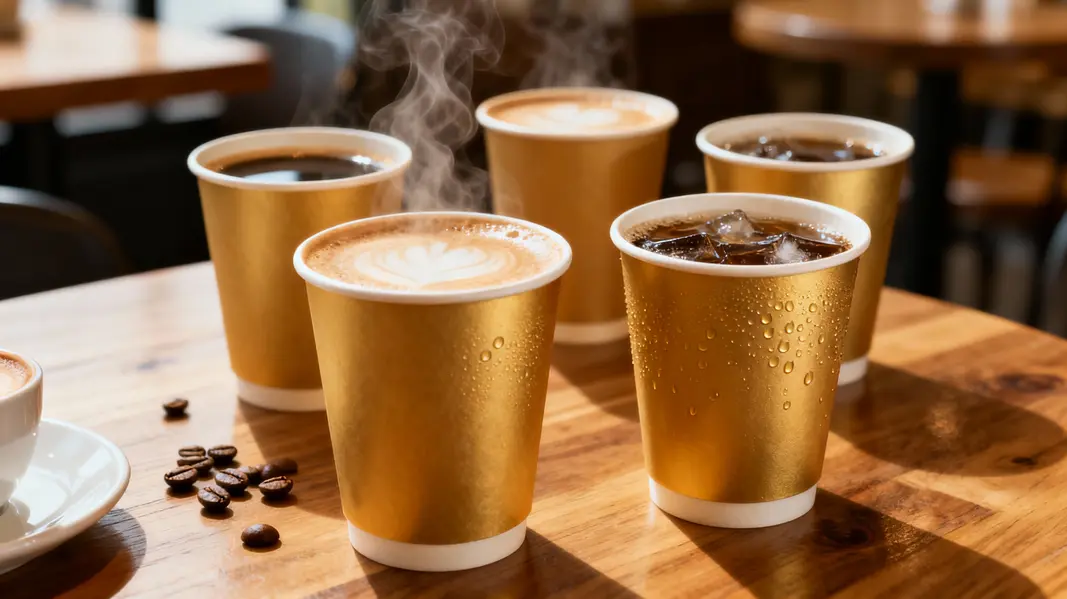
1. The Art of Hydrophobicity: Moisture and Oil Resistance in Water-Based Coating Paper Cups
Water-based coating paper cups exemplify a fascinating evolution in food packaging technology, balancing performance characteristics with environmental considerations. At the heart of their design lies a remarkable ability to resist moisture and oil, a vital trait that enhances their functionality as disposable beverage containers. Unlike traditional coatings made from polyethylene (PE) or wax, which often compromise recyclability and biodegradability, water-based coatings employ innovative aqueous dispersions to create a protective barrier, ensuring that the integrity of the cup is maintained even in demanding conditions.
The primary mechanism behind the moisture resistance of these cups involves the formation of a hydrophobic barrier that effectively repels liquids. When water-based coatings are applied to paper fibers, they penetrate the substrate and quickly solidify. This rapid coalescence occurs thanks to polymer chain locking and hydrophobic shielding, which collectively isolate the cellulose fibers from water. This isolation minimizes capillary action, thereby preventing moisture penetration and enabling the cups to hold both hot and cold beverages without leaking or becoming soggy. Notably, paper with a higher grammage (210-380 gsm) enhances this moisture resistance, as it improves hydrogen bonding between fibers, thereby reducing the size of pores that liquids could exploit.
Aqua-based coatings stand out due to their ability to endure heat exposure without succumbing to leaks, unlike their wax-coated counterparts, which typically melt at relatively low temperatures. Many water-based formulations can withstand temperatures up to 176°F (approximately 80°C), providing essential performance for both hot coffee and cold beverages alike. To enhance this capability further, manufacturers integrate additives such as Alkyl Ketene Dimer (AKD), which forms covalent bonds with cellulose, significantly amplifying the hydrophobic properties of the cups. This is particularly useful for creating compostable cold cups that maintain structural integrity under a variety of conditions.
Oil and grease resistance is another hallmark feature of water-based coated paper cups. These coatings form intricate networks of entangled polymer chains that effectively block the diffusion of grease, thereby preventing pericarp sogginess and maintaining the cup’s rigidity during handling. This is particularly advantageous for foodservice applications, notably for takeaway foods that often involve oily or greasy content. The non-toxic nature of water-based coatings, being free from harmful compounds such as PFAS and BPA, positions them as safe choices for food contact applications, meeting stringent safety standards like FDA 176.170.
The performance capabilities of water-based coatings significantly outpace their wax-coated and PE-coated counterparts. In a comparative analysis, water-based coatings demonstrate high levels of moisture resistance, oil and grease resistance, and heat tolerance, while offering excellent recyclability. In contrast, PE coatings, while also high-performing, fall short in environmental considerations as they require separate recycling streams, complicating eco-friendly disposal. Wax coatings, with their moderate effectiveness, limit usability due to their susceptibility to melting under high temperatures, thereby making them impractical for multiple beverage types.
| Coating Type | Moisture Resistance | Oil/Grease Resistance | Heat Tolerance | Recyclability |
|—————|——————————————|—————————————–|——————–|———————————————|
| Water-Based | High (coalescence barrier, AKD sizing) | High (polymer film blocks diffusion) | Good (up to 90°C+) | Excellent (dispersible, compostable) |
| PE-Coated | High (hydrophobic layer) | High | Excellent (100-120°C)| Poor (plastic separation needed) |
| Wax-Coated | Moderate | Moderate | Low (<60°C melts) | Limited |
While water-based coated cups have enhanced characteristics compared to their traditional counterparts, it’s worth noting the importance of formulation variations. Industrial testing confirms that moisture and grease resistance can vary based on the specific resin and additives used. Variations can arguably lead to a decrease in extreme heat resistance, though benchmarks indicate that these cups can withstand the rigors of real-world usage, even in heated scenarios like serving boiled beverages.
In terms of ecological impact, the sustainable design of water-based coating cups provides a pathway to reduce overall waste. By penetrating the paper fibers rather than sitting on top, these coatings allow the entire paper substrate to be processed in recycling streams, contributing to a plastic-free packaging solution. Following the growing trend towards eco-friendly materials, brands transitioning to water-based coatings are able to align with Extended Producer Responsibility (EPR) regulations, reinforcing their commitment to reducing environmental footprint.
The balance of performance and sustainability seen in water-based coating paper cups highlights their revolutionary potential in food and beverage packaging. They not only fulfill the functionality required of disposable cups but also support a broader aim of environmental consciousness. As the market for sustainable packaging grows, further advances in formulation technology promise to drive this trend forward, ensuring these cups remain a staple in foodservice and beyond, while simultaneously fulfilling consumer demand for ecologically responsible choices. For more information on customizable options for sustainable packaging, explore the latest innovations at Custom Boxes Market.
2. Evaluating Heat Resistance and Durability in Water-Based Coating Paper Cups
The performance characteristics of water-based coating paper cups showcase a blend of sustainability and functionality, notably in their heat resistance and overall durability. These cups are designed to support modern ecological standards while ensuring that they meet the rigorous demands of both hot and cold beverages. A critical aspect of their performance is their capability to withstand moderate heat, withstanding temperatures up to 176°F (80°C). This characteristic distinguishes water-based coated paper cups from traditional options such as polyethylene-coated or wax-coated cups, which often succumb to the heat as the integrity of their barriers diminishes.
Manufacturers have developed advanced formulations that leverage the unique properties of water-based coatings to resist moisture and grease, which is particularly crucial when serving products prone to leaking or becoming soggy. This innovation aligns with current health and sustainability movements that favor biodegradable and non-toxic materials. The coatings utilize water as a solvent to create an effective barrier that is free of harmful chemicals like PFAS, BPA, and VOCs, making these cups suitable for direct food contact. The adherence of the coating to the paper substrate is facilitated by resin properties that form a robust layer, capable of resisting various liquids, oils, and even high temperatures.
To substantiate their market position, water-based coated cups undergo rigorous performance testing to ensure compliance with recognized food safety standards, such as the FDA’s regulation 176.170 and corresponding European BfR regulations. Noteworthy performance tests include the TAPPI 441 (Cobb test) for moisture resistance, ASTM F1249 for water vapor transmission rate, and ASTM D918 for blocking resistance. These tests demonstrate the effectiveness of the coatings in providing reliable moisture barriers, leading to significant advantages in food service environments where contamination and leakage could pose serious challenges.
The comparative durability of these cups is especially pronounced when considering the applications for single and double-wall constructions. The dual-wall design enhances insulation, which is increasingly vital in the consumption of hot beverages. The water-based coating, not only contributes to the structural integrity but also significantly improves the repulping process, a key element that differentiates these cups from those lined with polyethylene. Polyethylene, while offering excellent strength for hot and cold liquids, creates a contamination issue during recycling, complicating the sustainability narrative. In contrast, water-based coated cups facilitate a cleaner recycling process and contribute to higher fiber yield in repulping, making them appealing to environmentally conscious consumers and businesses alike.
Furthermore, innovations in water-based coatings, such as those from leading manufacturers, include formulations that prioritize PFAS-free performances for to-go applications. This focus on safety resonates with modern consumer preferences, as individuals and organizations look for products that marry convenience with ecological responsibility. For businesses in the food packaging sector, transitioning to water-based coatings facilitates improvements in leak resistance, emits less volatile organic compounds (VOCs) during production, and grants better customization opportunities without compromising when it comes to environmental footprint.
However, it is crucial to address some limitations associated with water-based coated paper cups. Their performance can vary based on specific formulations, and while suitable for a range of applications, caution is advised regarding their exposure to extreme heat. For instance, while they excel in applications up to 176°F, sustained exposure to boiling temperatures—exceeding 95°C—may compromise their structural integrity. Hence, while water-based coatings offer a robust alternative, they may still face challenges when compared to more traditional plastic linings that can withstand hotter conditions.
Overall, the advent of water-based coating technology in paper cups reflects a substantial shift towards sustainable packaging solutions without sacrificing performance. As consumer preferences lean increasingly towards environmentally-friendly options, the industry is witnessing a transformation that emphasizes not only recyclability and compostability but also enhanced durability and functionality. The versatility of these coatings, combined with the ongoing innovations from suppliers like H.B. Fuller and Michelman—which offer custom finishes and additional compostable material options—heralds a promising future for disposable packaging solutions. By selecting water-based coating paper cups, consumers and businesses alike are making strides towards reducing their carbon footprint while enjoying the benefits of modern packaging technology.
For more sustainable packaging solutions, you can explore various products available at Cofe Cup, where an array of options designed with eco-friendliness in mind awaits.
3. Revolutionizing Eco-Friendliness: Performance and Sustainability of Water-Based Coatings
The evolution of packaging materials has triggered a pivotal shift towards sustainability, particularly in the realm of disposable items like paper cups. Water-based coating technologies stand at the forefront of this advancement, integrating functionality with eco-friendliness. These coatings offer a promising solution to the challenges posed by traditional plastic linings, as they enhance the paper’s performance characteristics while significantly reducing its environmental footprint.
Biodegradability and Compostability
Central to the appeal of water-based coatings is their inherent ability to biodegrade and compost, aligning them with modern sustainability ideals. Unlike polyethylene (PE) coatings, which linger in landfills for decades, water-based formulations break down naturally without leaving harmful residues. This capability not only facilitates easier disposal but also enhances compliance with evolving regulations around Extended Producer Responsibility (EPR). Examples of innovations coming from this technology can be seen in products like Lecta’s EraCup Natural, which boasts certifications highlighting its plastic-free status and compostability attributes. Such advancements underscore the industry’s commitment to a circular economy, where materials are reused, recycled, or composted, thus minimizing waste.
Enhanced Recyclability
The performance characteristics of these cups are exemplary, particularly when it comes to recyclability. Water-based coatings contribute to superior recycling processes by preventing fiber contamination when the cups are subjected to repulping. This ensures a higher-quality yield of recycled fibers, which is vital for maintaining a sustainable recycling stream. They comply with key food contact standards, such as FDA 176.170, making them safe for food use while allowing processors to reintroduce these materials into the production cycle efficiency.
Performance Metrics
In the quest for sustainable products, performance can often be a sticking point. Yet, water-based coated paper cups do not compromise on essential metrics. The moisture and grease resistance provided by these coatings is impressive, backed by rigorous testing methodologies. The TAPPI 441 Cobb test and ASTM F1249 Water Vapor Transmission Rate (WVTR) assessments have confirmed the durability and functionality of these cups under diverse conditions. Additionally, their heat sealability, effective up to 176°F, allows them to accommodate both hot and cold beverages without yielding to leaks or sogginess. This flexibility ensures that they meet the functional needs of various market segments, adding to their appeal for restaurants and retailers alike.
Innovative Applications and Alternatives
The exploration of biodegradable and plant-based alternatives also reflects positively on water-based coatings in reducing environmental impact. Companies like Zhejiang Yizhouyuan are utilizing renewable materials in their formulations, promoting lower-energy production processes. This commitment to plant-based resources not only diminishes reliance on fossil fuels but also aligns with consumers’ increasing demand for sustainable practices in food service and takeaway solutions. The performance profile remains robust, despite these sustainable shifts, making it an attractive option for businesses looking to enhance their eco-friendly credentials.
Industry Transformation
Numerous case studies demonstrate how fast-food chains and beverage companies are embracing water-based coated paper cups as part of their sustainable efforts. By transitioning to these products, brands not only contribute to reducing waste but also gain favorable recognition through certifications such as Carbon Trust and ISO 14001. This has proven beneficial as consumers become more selective, favoring companies that act responsibly towards the environment. Their choice of packaging has developed into a powerful marketing tool, directly affecting customer loyalty and choice.
Challenges and Limitations
While the advantages are prominent, one cannot overlook the challenges accompanying water-based coatings. Variability in performance due to specific formulations can lead to inconsistencies, particularly when it comes to at-home composting. The necessity of industrial composting for certain coatings may limit consumer trust and engagement, as not all households have access to such facilities. Additionally, the higher cost associated with these cups compared to traditional alternatives, like PLA, remains a barrier to widespread adoption, especially within budget-conscious markets.
Conclusion: A Sustainable Future
Despite these challenges, the rise of water-based coating paper cups signifies a critical progression within the packaging industry. Their alignment with sustainable practices reflects a broader understanding of environmental stewardship—a concept that resonates deeply with today’s consumers. By bridging the gap between performance and eco-consciousness, water-based coatings not only revolutionize disposable cup designs but also foster a more sustainable future.
For those looking to explore the latest in eco-friendly packaging options, the extensive range of products available today demonstrates a commitment to quality and sustainability, as evident in the diverse offerings found at various suppliers, illustrated by links to customized solutions that align perfectly with modern consumer needs.
Chapter 3: Crafting the Future: The Essential Materials in Water-Based Coating Paper Cup Production
1. Building Blocks of Innovation: Key Materials in the Production of Water-Based Coating Paper Cups
The innovation behind water-based coating paper cups hinges upon the careful selection of materials designed to meet both functional and environmental standards. At the heart of this production are two primary components: food-grade base paper and state-of-the-art water-based barrier coatings. Each element has been meticulously chosen to ensure that these cups not only perform reliably but also contribute to sustainability goals by reducing reliance on traditional plastic alternatives.
Base Paper: The Foundation of Structure and Safety
The base paper used in manufacturing water-based coating paper cups typically consists of 100% wood pulp. This material is fundamental, as it provides both the rigidity and the printability essential for creating robust cups. The grammage of this paper ranges from 150 to 350 gsm, with common specifications falling between 190 and 280 gsm for various cup sizes—from single-serving 7-ounce cups to larger 22-ounce designs. This careful selection of grammage ensures that cups retain their integrity under different conditions, whether housing a hot coffee or an ice-cold beverage.
Chosen for its food-grade quality, the base paper adheres to strict safety regulations, making it an ideal choice for food contact. It offers both the stiffness necessary for structural support and the smooth surface required for high-quality printing. The interplay between design and functionality is crucial; thus, manufacturers can customize printed designs while still maintaining the ergonomic features of these cups. Various cup constructions, including single and double-wall designs, provide insulation properties that are critical for keeping drinks at desirable temperatures without compromising the cup’s appearance or performance.
Water-Based Barrier Coatings: The Eco-Friendly Defense
Atop this robust base rests the revolutionary water-based barrier coating. These coatings are formulated to create a continuous film that protects the paper from moisture, oils, and grease without the need for harmful chemicals associated with traditional linings. Unlike polyethylene (PE), which has been the standard in disposable cup manufacturing but poses significant environmental concerns, water-based coatings utilize water as a solvent. This process results in a safe, non-toxic finish that solidifies into a hydrophobic barrier once the moisture evaporates. It is a leap forward in composability and sustainability, allowing products to be both biodegradable and compostable under industrial conditions.
Water-based coatings are designed with performance in mind. They successfully resist temperatures of up to 176°F without compromising structural integrity. The use of materials such as Alkyl Ketene Dimer (AKD) enhances the hydrophobic properties, creating an effective barrier against wicking in moist environments. This innovation secures the cup’s usability whether it’s holding steaming beverages or chilled drinks, marrying functionality with safety and sustainability.
Comparison with Traditional Materials
In the context of packaging sustainability, it is crucial to compare water-based coatings against traditional alternatives. Conventional polyethylene linings offer short-term benefits by providing liquid resistance but come with long-term drawbacks, leading to increased plastic waste that burdens the environment. Polylactic Acid (PLA) serves as another alternative—it’s plant-derived and compostable but carries complexities regarding its disposal and breaks down only under industrial composting conditions. Water-based coatings, in contrast, streamline the process while ensuring full compliance with strict food safety standards, notably FDA regulations and European directives on food contact materials.
Environmental Compliance and Health Standards
Adhering to environmental standards is another pivotal aspect of water-based coating paper cups. These coatings are certified to be free from harmful substances such as PFAS (per- and polyfluoroalkyl substances) and BPA (bisphenol A), making them a safer alternative for consumers. Furthermore, products designed with these coatings prioritize compliance with international recycling and composting standards. Many of the coatings meet ASTM D6400 compliance, highlighting their biodegradability under specific conditions.
Additional Components Enhancing Usability
Beyond the main materials, additional components enhance the functionality and appeal of water-based coating paper cups. Food-grade inks, particularly those based on water, are utilized for printing designs. These inks are safe for food contact, further aligning with the health-conscious narrative surrounding these products. This incorporation of safe materials extends to the overall design ethos, ensuring that not only do these cups look appealing but they also maintain safety and environmental integrity throughout their lifecycle.
In conclusion, the selection of materials in the production of water-based coating paper cups forms the backbone of an environmentally friendly and functional approach to disposable packaging. The emphasis on food-grade base paper combined with innovative water-based barrier coatings presents a compelling case for industries looking to pivot toward more sustainable practices—ultimately presenting an opportunity to redefine consumer expectations regarding their disposable drinkware. For businesses looking to explore sustainable packaging solutions, the advancements encapsulated within these cups offer an inspiring model for future developments in eco-friendly product design. Learn more about these innovations and their implications for sustainable packaging here.
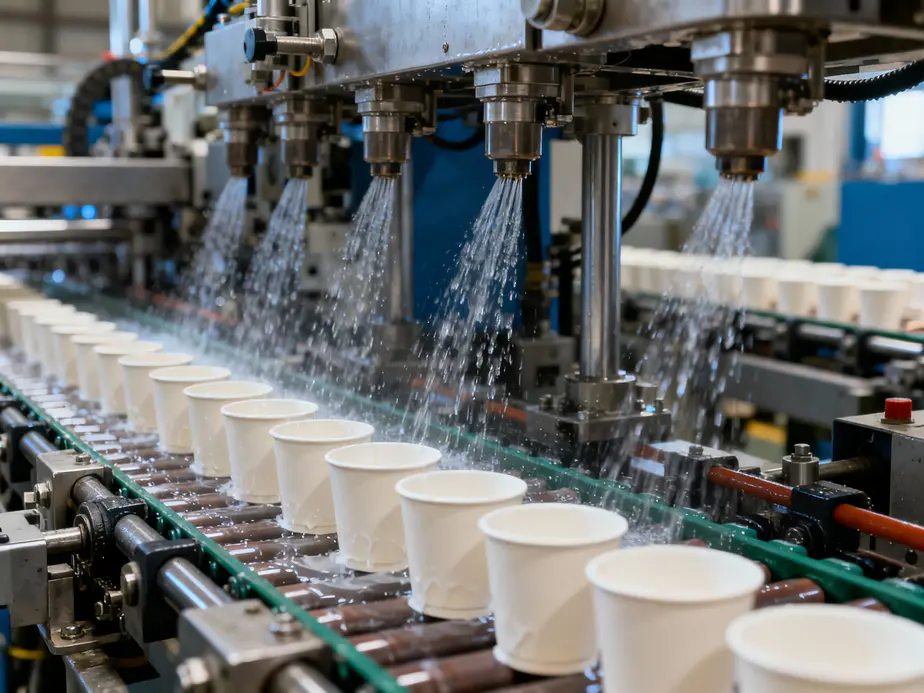
2. The Precision-Driven Journey: Manufacturing Water-Based Coating Paper Cups
The creation of water-based coating paper cups marks a significant evolution in sustainable packaging, merging efficiency with environmental responsibility. This process starts with cupstock preparation, where large jumbo rolls of paperboard are unwound. These rolls undergo a meticulous surface-cleaning procedure designed to eliminate impurities, thus ensuring that the surface is primed for subsequent treatments. This rigorous attention to detail lays the foundation for the successful application of the requisite water-based barrier coating, which is crucial for making these cups functional and environmentally friendly.
Following preparation, the paper-based barrier coating is applied directly to the clean paperboard. This innovative aqueous coating is crucial because it provides the liquid resistance essential for maintaining the cup’s structural integrity while remaining free from harmful plastics typically used in conventional disposable cups. During this stage, industrial drying processes are employed to set the barrier effectively. Unlike polyethylene (PE) coatings that involve melting and extruding, water-based coatings dry evenly and establish a protective film on the paper surface, ensuring that the cups are ready for safe food contact.
For those brands looking to enhance visual appeal and maintain brand identity, an optional printing phase allows for the addition of intricate water-based ink patterns or logos. Specialized printing machines are utilized that optimize the spacing and prevent curling of the paperboard, ensuring the print quality is high without compromising the cup’s material integrity. This step not only promotes brand recognition but adheres to food safety standards, vital for cups that may contain hot beverages.
Once the paper is coated and optionally printed, the process advances to die cutting. In this phase, the coated rolls are transitioned into precision cutting machines that transform the large rolls into sidewall blanks—shaped fan-like sections—and separate bottom discs. It is crucial that this cutting process is precise because nearly 80% of potential leakage issues stem from improper cuts and mismatched thicknesses, leading to sealing failures. Consistency in the paper thickness is essential, promoting optimal conditions for the next stages of assembly and ensuring that every cup produced can withstand operational stresses.
The cup forming and sidewall assembly is where raw materials begin to take their final shape. The sidewall blanks are transformed into cylindrical structures as they are rolled into shape, with the seams bonded using either heat sealing or ultrasonic techniques. Notably, the resin properties of the water-based coating enhance the reliability of the bonding process, allowing for efficient formation even at high-speed production rates. This step encapsulates the balance of innovation and tradition, as modern machinery blends seamlessly with tried and tested methods.
After forming, the focus shifts to bottom sealing. In this pivotal step, the previously cut bottom discs are inserted into the newly shaped cup bodies. Using a combination of crimping and heat/pressure, these components are securely sealed, forming a leak-resistant base. The uniformity achieved through this sealing process is pivotal as it directly correlates with the performance of the final product, demonstrating the effectiveness of the water-based coating approach.
Next comes the rim curling, which is essential for providing user comfort as well as enhancing the structural integrity of the cup. Curling the rim creates a smooth edge, making it easier and more pleasant for consumers to drink from the cups, while also ensuring that the rim is sturdy enough to handle both cold and hot beverage applications.
Through all these stages, quality control stands as a fundamental component of the manufacturing process. Automated systems are employed to carry out visual inspections, flagging defects while also removing any compromised products from the assembly line. Leak tests are performed using measured water to confirm the effectiveness of the seals. Additional quality checks focus on verifying the uniformity of the coating and assessing heat resistance, particularly for cups designed to hold hot liquids ranging between 90 to 120 °C. Such rigorous quality assurance practices ensure that each cup meets or exceeds FDA and European standards for food contact, solidifying consumer trust in eco-friendly packaging.
The final stages of production involve stacking, packing, and distribution. As the completed cups are positioned for shipment, they are automatically nested and bundled, subsequently being packed into cartons ready for palletization. This efficient system of stacking not only maximizes space during shipping but also underscores the automation and precision that characterize modern manufacturing processes. The entire journey from raw cupstock to finished product involves over twelve key procedures, emphasizing its complexity and the precision-driven methodologies that support the creation of environmentally sustainable cups.
In conclusion, the manufacturing process of water-based coating paper cups distinctly reflects a shift toward greater sustainability within the packaging industry. By prioritizing eco-friendly materials and reliable efficiencies, manufacturers are steering towards a future where convenience and conservation coexist harmoniously. For those interested in sustainable product options, additional resources can be explored at Cofe Cup’s extensive range of eco-friendly products.
3. Contrasting Manufacturing Processes of Water-Based and PE-Coated Paper Cups
The evolution of disposable cup manufacturing reflects increasing environmental concerns, particularly in the adhesive technologies used. Among these, water-based coated paper cups stand out as a sustainable alternative to traditional polyethylene (PE) coated cups. Understanding the fundamental differences in their manufacturing processes reveals not only their distinct characteristics but also the broader implications for recycling and waste management.
In the production of PE-coated paper cups, the process begins with the high-temperature extrusion of polyethylene directly onto large rolls of paperboard. This forms a thin, yet effective plastic film barrier, typically 15-30 microns thick. The extrusion lamination method provides excellent liquid resistance due to the chemical bond formed between the plastic and the paper, making the cups suitable for beverages served at temperatures reaching up to 100-120°C. Although this technology excels in efficiency and performance under extreme conditions, it also complicates recycling processes. The plastic layer contaminates the paper fibers during repulping, resulting in a product that, while durable in use, poses significant challenges for post-consumer waste management.
Conversely, the production of water-based coated cups relies on applying a liquid aqueous barrier, often an acrylic-based dispersion, to the paper surface. This method utilizes roll coating or a size press to ensure that the coating is evenly applied, forming a protective barrier as the liquid evaporates. This barrier is not only biodegradable but also allows for comprehensive moisture and grease resistance, withstanding temperatures up to 176°F. The water-based coating process emphasizes precision; uneven application can lead to defects that compromise the cups’ functionality. This highlights the importance of controlled environments during the application and drying stages, where industrial drying ovens are employed to remove moisture and coalesce the particles into a robust, yet biodegradable layer.
While both manufacturing paths converge on the final stages—such as printing, die-cutting, and the assembly of sidewalls and bottoms—the sealing techniques diverge significantly. In the case of PE-coated cups, heat and pressure are used to melt the PE layer, allowing for strong, leak-proof seams. This method facilitates high-speed production, making it ideal for large volumes, particularly in traditional fast-paced environments. The process culminates in bottom crimps that are crucial for maintaining structural integrity when filled with liquids.
On the other hand, water-based cups employ adhesive gluing for the side seams and utilize heat/pressure methods specifically designed for securing the bottoms. The absence of a persistent plastic layer permits a paper-only construction, thereby enhancing the recyclability of the finished product. This distinctive approach offers several advantages, not least of which is the increased fiber yield during recycling, as the absence of plastic contaminants greatly improves the quality of the recycled pulp.
Efficiency in production remains a priority across both methods, yet water-based coated cups introduce added time during the drying phase post-coating. This not only requires a commitment to energy consumption but also highlights the balance between ecological responsibility and operational efficiency. Though modern manufacturing facilities achieve impressive throughput for both types, the water-based setups distinctly emphasize eco-friendly features. Processes such as leak testing with water, which is both a safe and indicative method, are integral to maintaining quality assurance.
Quality control in PE-coated cup production includes stringent checks on raw material properties like basis weight and tensile strength to ensure food-grade compliance. Conversely, water-based operations focus more on the uniformity of the coating, using vision inspection systems that monitor every stage of production, ensuring that each cup adheres to established moisture barrier criteria as defined by standard tests such as Cobb moisture resistance and Water Vapor Transmission Rate (WVTR).
Despite the varying degrees of heat resistance between the two types, water-based coated cups often demonstrate sufficient durability for a wide range of temperatures, supporting both hot and cold beverage applications. The specifications of each cup type must align with their intended use, with manufacturers offering customized lifestyle options to match consumer demand for eco-conscious products. Thus, while water-based coatings articulate a progressive shift towards sustainability, the reliance on industrial composting for complete breakdown underlines a crucial limitation.
In conclusion, the contrasting manufacturing processes of water-based and PE-coated cups depict a broader narrative in eco-friendly packaging innovation. While PE coating presents immediate performance advantages, the ecological ramifications of its recycling challenges necessitate a shift towards more sustainable alternatives. Water-based coatings not only promise better recyclability but also represent a sustainable future where environmental integrity aligns harmoniously with functional design. By understanding these processes, stakeholders can make informed decisions that reflect their values and commitment to sustainability.
For those interested in exploring eco-friendly disposable options further, you can discover various product offerings and insights tailored to sustainability in disposable packaging here.
Final thoughts
Water-based coating paper cups are more than just a temporary solution for disposable products; they embody a forward-thinking approach to sustainability and performance. As consumers and businesses alike prioritize environmentally friendly options, these cups present a smart choice for companies looking to enhance their eco-credentials while ensuring product reliability. By understanding their impact, performance, and production, business owners are better equipped to select solutions that resonate with their values and serve their customers effectively.
Choose our reliable disposable tableware and packaging solutions for your business. We offer quality products that meet safety standards, with fast delivery and flexible options. Partner with us today to elevate your service – contact our team now for a tailored quote!
About us
We specialize in manufacturing and supplying disposable tableware, packaging paper, and boxes. With years of experience, we prioritize safety, durability, and eco-friendly practices. Our goal is to provide businesses with trusted, cost-effective solutions backed by responsive customer support.