

Introduction
Understanding the wholesale landscape for takeaway coffee cups is essential for business owners in cafés, restaurants, and food trucks. As the beverage industry continues to evolve, so do consumer preferences, making it crucial for businesses to find reliable suppliers that cater to their specific needs. This article delves into the various types and materials of takeaway coffee cups, customization options available, pricing structures and minimum orders, as well as production capacity and efficiency. Each chapter will provide you with valuable insights to help you make informed decisions that can enhance your service and brand identity.
Tables of Contents
Chapter 1: Innovations in Cup Design: Understanding the Fabric of Takeaway Coffee Cup Wholesale
- Types and Materials of Takeaway Coffee Cup Wholesale: Exploring the Layers of Functionality
- Evaluating the Environmental Footprint of Takeaway Coffee Cup Materials
Chapter 2: Maximizing Brand Visibility Through Customization in Wholesale Takeaway Coffee Cups
- Dynamic Branding Techniques for Custom Takeaway Coffee Cups
- Tailoring Takeaway Coffee Cups: Material Innovation and Size Adaptability
Chapter 3: Understanding the Economics of Takeaway Coffee Cup Wholesale: Balancing Cost and Quality
- Navigating Pricing Structures and Minimum Orders in Takeaway Coffee Cup Wholesale: A Comprehensive Overview
- Demystifying Pricing Models and Minimum Orders in Wholesale Takeaway Coffee Cups
Chapter 4: Harnessing Technological Innovation for Enhanced Efficiency in Takeaway Coffee Cup Production
- Revolutionizing Production: The Role of Automation and Smart Technologies in Takeaway Coffee Cup Manufacturing
- The Economic Drivers Shaping Production Capacity and Efficiency in Takeaway Coffee Cup Wholesale
Chapter 1: Innovations in Cup Design: Understanding the Fabric of Takeaway Coffee Cup Wholesale
1. Types and Materials of Takeaway Coffee Cup Wholesale: Exploring the Layers of Functionality
When delving into the world of takeaway coffee cups, understanding the myriad structures and materials is essential for businesses aiming to cater to their customers effectively while balancing cost and sustainability. Each cup type serves different needs, affecting the temperature retention, ease of use, and environmental impact—critical considerations for wholesale suppliers and their clientele.
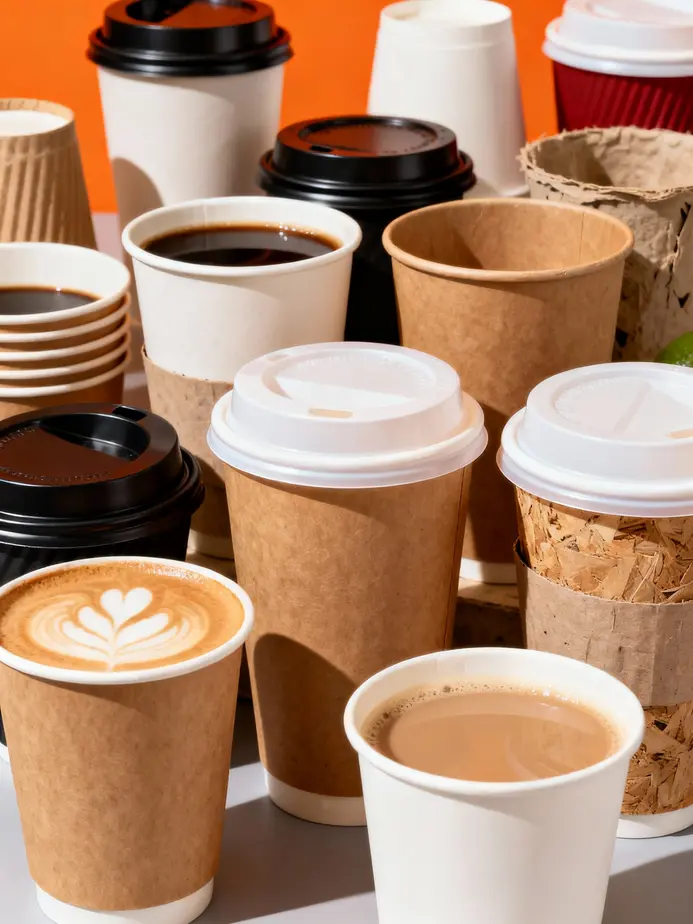
The primary classification of takeaway coffee cups hinges not only on their usage but also significantly on their wall structure and material composition. Within the realm of hot beverages, cups are typically categorized into three main structural types: single-wall, double-wall, and ripple/embossed wall cups. Each of these designs offers distinct functional benefits and aesthetic qualities, placing them at various price points and catering to different customer segments.
Single-wall paper cups constitute the entry-level choice for many wholesale suppliers, characterized by their basic structure of a single layer of paperboard coupled with an inner lining—typically made from polyethylene (PE) for liquid resistance. Commonly recognized as the most economical option, these cups are widely used in cafés and coffee shops. However, their thermal insulation capabilities are limited, often necessitating additional protective sleeves for very hot beverages to prevent burns. This incidental cost can reduce their initial appeal, especially for businesses aiming to enhance customer experience while managing expenses.
On the other end of the spectrum lies the double-wall paper cup, which features an inner cup enveloped by a second layer, creating an air gap that serves as insulation. This innovative design not only maintains beverage temperature longer but also allows servers and customers to handle these cups comfortably without external sleeves. Targeting higher-end markets, double-wall cups convey a premium feel while optimizing the liquid’s thermal profile, making them favorites in more upscale cafés and restaurants.
Ripple or embossed wall cups represent an evolution in cup design, integrating both aesthetic and functional advantages. The textured design enhances grip and minimizes heat transfer, making them both visually appealing and practical. Often available in eco-friendly kraft styles, these cups are particularly attractive to socially conscious consumers, bridging the gap between functionality and environmental mindfulness in takeaway offerings.
Additionally, some establishments opt for a cup and sleeve system, which consists of a single-wall cup paired with a separate corrugated sleeve. This flexible option allows for adjustments based on beverage temperature and is conducive to branding opportunities since sleeves can easily be printed with logos. It exemplifies how businesses can maintain brand visibility while providing a safe and pleasant customer experience.
Turning our attention to the materials and linings reveals another layer of complexity. Conventional cups primarily utilize a PE-lining, providing a solid liquid barrier that has been the standard for many years. However, while these cups are technically recyclable, the reality is that most end up in landfills due to the need for specialized recycling processes. In contrast, many suppliers have turned to PLA-lined or bioplastic-lined cups, which utilize plant-based materials that are marketed as compostable. These options appeal to businesses committed to environmentally sustainable practices, although they often require industrial composting facilities for proper disposal.
Aqueous or water-based coatings have emerged as another innovative alternative, allowing for a more recyclable product in typical paper streams without the complexities of plastic-based linings. This development aligns with a growing consumer demand for products that minimize environmental impact and embodies the shift towards more sustainable options in disposable products. Such advancements often cater to businesses with Corporate Social Responsibility (CSR) commitments, giving them a marketing edge in an increasingly eco-aware marketplace.
For those prioritizing full sustainability, fully compostable or certified compostable cups present an attractive solution. With certification standards such as EN13432 or ASTM D6400, these cups are specifically designed to integrate seamlessly into composting systems, promoting a circular economy approach. Additionally, manufacturers are innovating with bagasse or plant-fiber cups, which use residual sugarcane material and can feature 100% compostable lids—allowing businesses to further minimize their ecological footprint.
Within the realm of cold beverages, PLA cold cups offer transparency and visual appeal for a variety of drinks like iced coffee, smoothies, and bubble tea. Their plant-based design enhances their marketability as an eco-friendly option but reinforces the takeaway industry’s diverse needs for both hot and cold offerings. Furthermore, choosing the appropriate lids—often made from PET or PP—can dramatically influence the overall sustainability profile of takeaway packaging. Many suppliers are now introducing composite options such as CPLA lids, an emerging competitor made entirely from cornstarch-based bioplastics, establishing themselves as a suitable alternative to traditional plastic lids.
As businesses navigate their wholesale options, it becomes evident that the type and material of takeaway coffee cups are not merely practical decisions but also integral branding components. Each selection influences customer experience and brand identity, aligning with operational goals while fostering environmental responsibility. The competitive landscape and evolving consumer needs continue to drive innovations in this space, inviting businesses to stay at the forefront of design, functionality, and sustainability in takeaway coffee cup wholesale. By partnering with thoughtful manufacturers, vendors can optimize their offerings while adhering to current market trends and consumer preferences. Through such strategic collaborations, businesses can cater to a diverse clientele while promoting sustainability—ensuring that every cup tells a story of responsible consumption and quality service.
For companies looking to switch to or optimize their takeaway coffee cup solutions, the wider landscape of options—from single-wall to double-wall, and beyond to sustainable alternatives—provides valuable insights and strategic avenues for growth in today’s consumer-driven world. Explore your options further with customized solutions that reflect your brand’s ethos and commitment to quality, ensuring your business thrives within this competitive market.
2. Evaluating the Environmental Footprint of Takeaway Coffee Cup Materials
The environmental impact of takeaway coffee cups is a pressing concern for businesses and consumers alike, as the demand for single-use products continues to rise. Understanding the varying types of takeaway coffee cups and their associated materials is crucial for making informed wholesale purchasing decisions that align with sustainable practices. Amid the extensive options available—ranging from traditional single-wall paper cups to eco-friendly alternatives—the task of choosing the right cup can be daunting. Each type not only serves a practical purpose but also embodies different environmental implications throughout its lifecycle.
Types of Disposable Takeaway Coffee Cups
Takeaway coffee cups can be categorized based on their construction and intended use, each affecting their sustainability. Single-wall paper cups, typically featuring a single layer of paperboard with a plastic lining, represent the entry-level option for many cafes and food outlets. Although these cups are economically appealing due to their low cost, they are best suited for cold or mildly hot beverages and often require a separate sleeve for serving hot drinks. The minimal insulation provided by a single layer means that consumers frequently use additional resources—like heat-protective sleeves—that contribute to waste.
In contrast, double-wall paper cups incorporate two layers of paper with an insulating air gap. This design allows them to handle hot beverages without the need for an external sleeve, thus reducing waste. However, the trade-off is a slightly higher price point, which may discourage some small businesses from adopting them. These cups are generally perceived as more premium than single-wall options, presenting a more appealing facade to consumers.
An innovative option arises with ripple-wall paper cups, designed with a smooth inner wall and a ridged outer wall for better grip and insulation. These cups are ideal for hot drinks and offer a tactile element that enhances customer experience. Ripple-wall cups typically bear a price similar to or slightly above double-wall varieties, but they eliminate the necessity for separate sleeves while effectively expanding branding opportunities due to their larger surface area.
For businesses that prioritize sustainability, fiber or bagasse cups made from sugarcane waste represent a forward-thinking choice. These cups come with plant-based linings, such as polylactic acid (PLA), and are marketed as 100% compostable under the right conditions. However, the requirement for industrial composting facilities limits their end-of-life options for many consumers. While these cups carry a higher cost, they cater to eco-conscious establishments that wish to position themselves as environmentally responsible.
Cup Material Considerations
Material selection is pivotal in assessing the overall environmental impact of takeaway coffee cups. The primary structural material—the paperboard used in most disposable cups—is renewable and widely recyclable. However, once coated with a plastic lining, the recycling process becomes complicated. The polyethylene lining, which is common for its liquid-resistant properties, often renders the cups non-recyclable in conventional streams, as it creates a composite material that is difficult to separate.
Alternative coatings such as PLA provide a plant-based option that contributes to the cups’ compostability, but significant limitations exist. While PLA is ideal for composting environments, it is unsuitable for home composting operations and behaves like plastic within landfills, thus negating its environmental benefits if disposed of improperly. Furthermore, wax coatings, historically utilized for cold drinks, provide water resistance, yet they too are not accepted in mainstream recycling programs, leaving the cups to face similar end-of-life challenges.
In light of recent discussions surrounding PFAS (per- and polyfluoroalkyl substances) coatings, it is essential to consider every facet of a cup’s design, as these substances can be harmful to the environment and human health. While manufacturers increasingly aim to eliminate chemical coatings for greener alternatives, thorough inquiries into suppliers’ practices remain crucial for businesses looking to project a sustainable image.
Economic Considerations
When contemplating wholesale purchases, the balance of environmental responsibility and cost-effectiveness is paramount. While biodegradable options like bagasse cups often come with a higher price tag, the potential for increased customer loyalty and brand equity can offset these costs. Many suppliers recognize the need for low minimum order quantities, thereby accommodating small businesses that hope to transition to eco-friendly products without overextending their resources.
The rise of custom-printed designs also plays a role in branding, as businesses can maintain consistency while using sustainable materials. Suppliers enable easy uploads of logos and designs, fostering a meaningful connection between eco-conscious consumer bases and the companies they choose to support, ultimately influencing purchasing decisions.
Conclusion
As the takeaway coffee culture expands, so does the scrutiny of its materials and environmental influences. By carefully evaluating the types of cups available and understanding the implications of their materials, businesses can not only streamline their operational practices but can also promote sustainability in unprecedented ways. The wholesale landscape is changing, and with it, the expectations for producing environmentally responsible products. Ultimately, making informed choices around takeaway coffee cups aligns business goals with ecological consciousness, paving the way for a more sustainable future in the foodservice industry.
For business owners interested in exploring sustainable takeaway options, a wide array of products is available including biodegradable fiber cups and eco-friendly packaging solutions. A deeper commitment to sustainability can lead to significant financial and reputational rewards in a market that increasingly favors responsible practices.
Chapter 2: Maximizing Brand Visibility Through Customization in Wholesale Takeaway Coffee Cups
1. Dynamic Branding Techniques for Custom Takeaway Coffee Cups
Customization is a powerful tool for businesses seeking to enhance their brand visibility and connection with customers. When it comes to takeaway coffee cups, effective branding goes beyond mere logo placement; it encompasses a variety of strategies that can significantly impact consumer perception and engagement. There are diverse branding options available throughout the customization process, each providing unique benefits depending on the business’s needs and customer demographics.
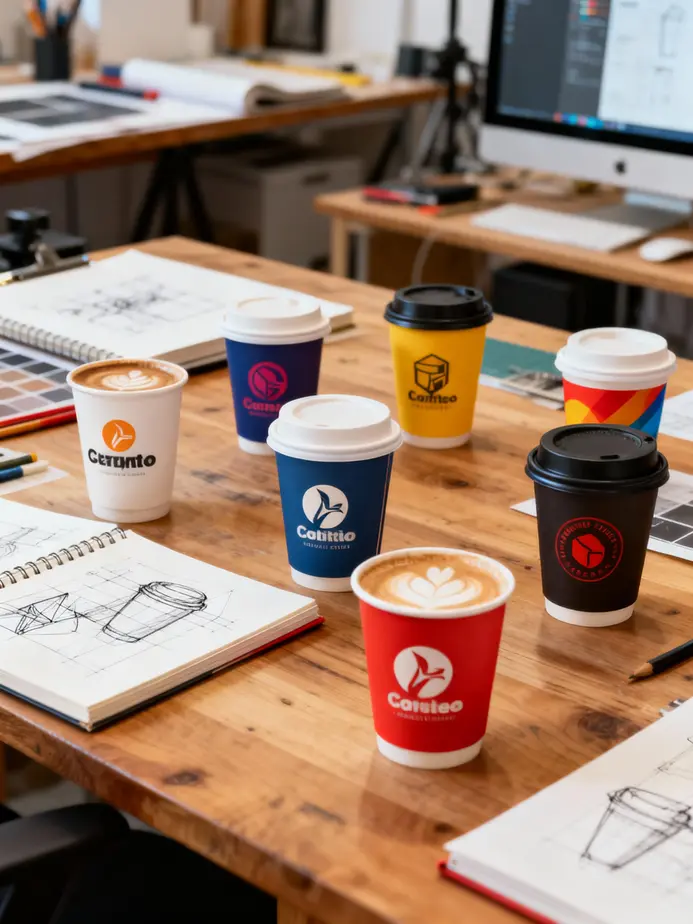
Among the various branding techniques, printing methods stand out as foundational to the customization of takeaway coffee cups. Businesses can select from digital printing, flexographic printing, offset printing, and even laser engraving, depending on their order volume and desired design complexity. Digital printing has emerged as a preferred choice for small businesses or those running promotional short-term campaigns. It allows for short runs with the flexibility to print multiple designs within a single order—up to 20 different designs with just one case minimum, usually around 1,800 sleeves. Although it utilizes CMYK color matching, enabling vivid and vibrant images, businesses must consider that full coverage is not feasible with this method.
In contrast, flexographic printing caters to brands planning larger runs. This high-speed production technique is well-suited for extensive orders, with a minimum requirement of five cases or about 12,000 sleeves. It employs water-based inks that align with eco-friendly practices while offering comprehensive printing capabilities, including full coverage and PMS color matching. As such, flexographic printing is a great avenue for increasing brand visibility across greater quantities of products. Whether a company is a bustling café or a food truck, the option to utilize up to four variable designs helps maintain engagement while also appealing to different customer segments.
For businesses aiming to establish a premium brand image, offset printing delivers high image resolution and precision in detail, ensuring that branding elements are not only visually striking but also distinctly representative of the brand identity. This method is particularly beneficial for brands looking to leverage intricate logos or imagery that embody their essence. Furthermore, laser engraving can be an additional unique customization touch for coffee cup tumblers, offering a tactile branding experience that resonates well with consumers seeking quality.
While the choice of printing method is critical, the strategic alignment of brand visuals cannot be overlooked. Consistency across all customer touchpoints—including store signage, menus, and online platforms—is vital. Custom coffee cups should utilize the same fonts and color schemes as other branded materials to create a unified presence that reinforces brand recognition. Discrepancies in visual identity can dilute the brand message and erode customer trust, undermining the purpose of effective branding practices.
To foster this cohesive branding experience, several design elements play a crucial role. Clear backgrounds paired with bold, memorable logos can increase photogenic appeal, encouraging customers to share their experiences on social media. An engaging design doesn’t stop at logos—it can include playful messages or interactive elements such as QR codes linking customers to promotions or loyalty programs. These subtle additions enrich the customer experience while simultaneously supporting marketing objectives without crowding the essential branding message.
Seasonal design adjustments can further aid in keeping the brand relevant in the minds of consumers. By incorporating slight changes that reflect seasonal themes while maintaining core brand elements, businesses can remain aligned with consumer sentiments and preferences, thereby enhancing engagement and making the brand feel more personable.
Beyond the visual aspects of branding, the choice of materials also intertwines with the overall branding strategy. Sustainability has risen to prominence in consumer consciousness, ultimately affecting purchasing decisions. Variants like biodegradable and compostable cups resonate with environmentally conscious customers, strengthening brand affinity. Sustainable offerings—such as cups with water-based dispersion coatings—result in a reduced environmental impact, and this element of transparency can significantly bolster brand reputation. Offering cups designed from recycled kraft paper or similar materials can appeal to a broader audience, showcasing the business’s commitment to sustainability that resonates with today’s consumers.
Sizes for takeaway coffee cups generally range from 4oz to 20oz, with the 16oz variant frequently chosen for hot beverages. This versatility allows businesses to cater to different preferences, enhancing overall customer satisfaction. However, order minimums and production timelines come into play and can vary widely depending on the printing method. For instance, while digital printing demands a minimum of one case with a lead time of 3-5 weeks, flexographic methods require five cases and a lead time of 4-6 weeks. Understanding these variances helps businesses manage their stocking and promotional needs effectively.
Ultimately, flexibility in customization options, along with keen attention to brand strategy, opens many avenues for effective takeaway coffee cup branding. Solution-oriented manufacturers can be trusted partners, pooling resources and expertise to ensure that businesses—regardless of size—benefit from competitive pricing and reliable logistics. With efficient production capabilities often reaching millions of units monthly through advanced automation, suppliers can meet demand without compromising on quality, ensuring that each cup boasts consistency in shape, design, and aesthetic appeal.
This comprehensive approach to branding through the customization of takeaway coffee cups allows businesses not only to enhance their visibility but also to forge meaningful connections with their customers, demonstrating the genuine representation of their brand. By staying closely attuned to the options available and choosing strategies that reflect their values, businesses can effectively engage and inspire loyalty through their product offerings. For further guidance on designing and producing compelling branded cups, resources such as MBPak can be invaluable.
2. Tailoring Takeaway Coffee Cups: Material Innovation and Size Adaptability
As the global coffee culture thrives, businesses face increasing pressure to cater to the evolving preferences of consumers who prioritize quality, sustainability, and branding. The takeaway coffee cup market, thus, experiences a surge in demand not only for functionality but also for innovation through material and sizes. This subchapter explores how takeaway coffee cup wholesalers navigate these complexities to provide tailored solutions that meet diverse business needs while adhering to environmental responsibilities.
Takeaway coffee cups have traditionally been manufactured from paper and plastic materials, but the landscape is shifting dramatically. Businesses must respond to not only consumer demand but also tightening regulations and an overarching shift towards sustainability. Wholesalers play a crucial role in bridging material innovation with brand requirements by offering customization options that enhance functionality and environmental impact.
Material Innovation: Redefining Coffee Cup Options
Initially, takeaway coffee cups were predominantly paper-based, lined with polyethylene (PE) to deliver both structural integrity and liquid resistance. Standard PE-lined paper cups remain popular, particularly among large chains requiring high-volume solutions. However, these cups pose recycling challenges, creating barriers for eco-conscious businesses. Thus, innovative alternatives have emerged.
One outstanding option gaining traction is PLA-lined paper cups, which utilize polylactic acid derived from renewable plant sources like corn. These cups cater to businesses aiming to communicate a strong sustainability message while maintaining similar user experiences to traditional PE-lined cups. Yet, their higher price and reliance on specific composting infrastructure necessitate strategic placement in regions equipped for such disposal methods.
The next frontier in material innovation includes next-generation recyclable barrier cups designed to be processed in standard paper recycling systems. Utilizing ultra-thin, water-dispersible coatings eliminates the traditional PE barrier, allowing for a transition in consumer habits towards eco-friendly practices. While these materials are cutting-edge, potential cost implications and the availability of suppliers remain challenges for widespread adoption.
In addition to paper materials, plastic cups also serve niches within this market. Polypropylene (PP) cups are ideal for cold beverages, providing benefits like transparency and durability. Though technically recyclable, collection and processing rates vary significantly, presenting barriers in markets grappling with plastic regulations. As the call for eco-friendly solutions grows, businesses are seeking alternatives that not only serve their product but also uphold their brand’s commitment to sustainability.
Innovative materials such as bamboo and plant-fiber cups emerge as robust contenders in this landscape, offering biodegradable options that align with consumer preferences for sustainable choices. However, their higher cost and limited availability often restrict their use to select brands willing to invest in this direction. Thus, wholesalers must strike a balance between innovation and feasibility, ensuring that material options meet market demands while providing economic advantages.
The Importance of Size Customization
Alongside material innovations, size customization represents a pivotal aspect of takeaway coffee cup offerings. While standardized sizes—such as 8 oz for espressos and 16 oz for mainstream coffee drinks—dominate the market, the growing consumer demand for specialty drinks necessitates a broader range of sizes. Increasingly, coffee shops and chains are requesting non-standard sizes to differentiate their offerings. For example, sizes like 12 oz and 20 oz have become essential for iced coffee variants and other trendy beverages.
More niche requests for smaller, 4 oz cups for espresso shots cater to specific clientele looking for sampling options or smaller portions of premium beverages. By collaborating closely with their wholesale suppliers, businesses can navigate these requests, ensuring that both functional needs and aesthetic appeals are met. Customization allows businesses to position themselves uniquely in competitive markets by offering products tailored to their patrons’ desires.
Another compelling aspect of size customization is that retailers can utilize specific size options as part of their marketing strategy. For instance, launching a limited-time specialty drink in a unique cup size not only creates visual interest but can compel consumers to seek out the product solely for the experience. Additionally, size variations enable businesses to align their offerings with healthy consumption trends or customer preferences for portion control, further enhancing brand loyalty by engaging consumers with the ethos of mindful consumption.
Environmental and Economic Impact
Operational decisions concerning material and size selection influence not only brand identity but also environmental footprints and cost structures. Sustainability remains a core driver for purchasing trends, with research indicating consumers are willing to pay more for eco-friendly products, thereby justifying the higher costs often associated with biodegradable materials. In addition, bulk purchasing can mitigate these costs; wholesale suppliers offer competitive pricing structures for businesses willing to commit to larger orders, creating a pathway for smaller entities to participate in sustainable practices without incurring prohibitive costs.
Life cycle assessments (LCAs) come into play when evaluating the impacts of chosen materials and sizes, offering insights into production energy, transportation emissions, and end-of-life impacts. These assessments can serve as invaluable tools for businesses, allowing them to make educated decisions that align with corporate social responsibility and consumer expectations. Companies investing in eco-friendly takeaway coffee cups gain a competitive edge while minimizing adverse environmental effects.
Conclusion
The exploration of material and size customization in takeaway coffee cups reflects a broader shift within the coffee industry towards sustainability and brand differentiation. It enables businesses to connect with consumers by aligning more closely with their values. As preferences evolve and regulations tighten, the industry will likely see continued innovation, requiring businesses to stay nimble and adaptable. Wholesalers offering a diverse range of customizable options will play a vital role in driving this transformation, ensuring that both large chains and small artisans can find solutions that help them flourish in an increasingly competitive marketplace.
To explore more about eco-friendly packaging solutions and to find various options of takeaway cups suitable for your business needs, visit Cofe Cup.
Chapter 3: Understanding the Economics of Takeaway Coffee Cup Wholesale: Balancing Cost and Quality
1. Navigating Pricing Structures and Minimum Orders in Takeaway Coffee Cup Wholesale: A Comprehensive Overview
When it comes to takeaway coffee cup wholesale, understanding the pricing structures and minimum order quantities (MOQs) is paramount for businesses seeking to optimize their operational costs and boost profitability. Most suppliers operate on a tiered volume pricing model, which embodies the adage “order more, pay less per cup.” This model encourages bulk purchases by reducing the unit cost as the ordered quantity increases. Common pricing categories typically range from 500 to over 1,000 units for a specific size or design, creating a straightforward path for businesses, from small cafés to large restaurant chains, to align their orders with their consumption rates.
Volume-based or tiered pricing is perhaps the most prevalent pricing mechanism in the wholesale takeaway cup market. For instance, an 8 oz custom cup may have different prices depending on the volume bracket into which the order falls. Pricing breaks are generally structured around established thresholds: 500 to 1,000 units might be classified in one range, followed by 1,000 to 5,000, and then 5,000 to 10,000 units. Each increment generally yields a reduced unit price because the costs associated with printing setup and machinery are spread across a larger batch of cups. This kind of structured pricing creates a compelling incentive for businesses to purchase in bulk in an effort to lower their overall expenses.
In examining minimum order quantities, most suppliers tend to set their MOQs at various levels, with 500 being a common starting point for standard designs, accommodating small-scale operations. On the higher end, MOQs can extend into the thousands, particularly for custom designs that necessitate specific printing setups. These MOQs play a crucial role as they allow suppliers to forecast production and manage inventory efficiently. It’s worth noting that many suppliers are increasingly catering to the unique needs of smaller businesses by offering flexible order options, thus leveling the playing field between novice sellers and established players in the takeaway coffee market.
In addition to baseline tiered pricing and MOQs, businesses must consider additional costs that may be incurred when opting for customizations. Custom printing typically involves surcharges, which can significantly impact the overall purchase price—but they can also serve as a powerful branding tool. Businesses can leverage customized designs to reinforce brand identity, an essential aspect especially in competitive markets. By utilizing online tools offered by most suppliers, businesses can upload their designs, select color schemes, and fine-tune visual elements to create a cohesive branding image on their takeaway cups.
Material selection also influences pricing as various cup types carry different costs. Standard single-wall paper cups are usually the least expensive option, but for businesses focused on customer experience, double-wall cups or insulated options can be particularly advantageous. These alternatives, while more costly, provide better heat retention, preventing coffee from cooling too quickly. Thus, businesses must weigh the trade-offs between cost and performance when deciding on cup specifications.
Moreover, the growing trend towards sustainability has led many suppliers to include eco-friendly materials in their offerings. Compostable and biodegradable cups, often made from plant-based materials like PLA or coated with aqueous coatings, may command a premium price but can also attract environmentally conscious customers. Recyclable kraft paper options are also available, enhancing the appeal of a business’s environmental responsibility while remaining cost-competitive.
Leading manufacturers dominate this marketplace, mainly due to their advanced production facilities that utilize cutting-edge automation and quality control systems. These capabilities not only expedite production times but also ensure consistent quality, size, and color across large orders. Monthly production capacities often reach millions of units, allowing for faster turnaround times and supporting a robust supply chain that can respond quickly to varying demand levels around the globe.
The complexity of pricing in takeaway coffee cup wholesale necessitates a discerning approach. With volume-based pricing, MOQs, customization surcharges, and material expenses, businesses have to analyze their specific needs and purchasing power carefully. Opting for a larger MOQ may offer substantial savings but requires careful inventory management to avoid excess waste. On the other hand, lower MOQs can provide flexibility but often come with higher unit costs.
For example, a café that produces an average of 800 cups a week might benefit from ordering at the 1,000-unit MOQ tier to maximize savings. However, if their customer demand fluctuates seasonally, a flexibility in order size allows for a more responsive supply chain management strategy. Therefore, understanding these pricing structures not only aids in immediate purchasing decisions but also supports long-term financial planning and operational sustainability for businesses of all sizes.
In conclusion, navigating the intricate pricing structures and minimum order quantities in the takeaway coffee cup wholesale market is essential for any business looking to establish a successful presence. By leveraging tiered volume pricing and understanding the implications of MOQs, businesses can make informed decisions that align with their operational goals and customer expectations. As the market evolves rapidly, staying attuned to emerging trends such as eco-friendly materials and custom branding options will further enhance a business’s competitive edge, allowing it to thrive in a bustling industry. For those looking to explore options further, checking out the wide array of customizable solutions at wholesale prices can pave the way for innovative and sustainable market strategies. Explore Custom Takeaway Options Here
2. Demystifying Pricing Models and Minimum Orders in Wholesale Takeaway Coffee Cups
Understanding the pricing structures and minimum order quantities (MOQs) in takeaway coffee cup wholesale is crucial for businesses, whether they are fledgling cafés or established chains looking to streamline their operations. The landscape is defined by tiered pricing strategies and specific MOQs that vary depending on factors such as order volume, customization, and product type. Grasping these dynamics not only aids in budgeting but also ensures that businesses can make informed decisions when purchasing takeaway coffee cups.
One of the fundamental aspects of pricing in wholesale takeaway coffee cup suppliers is the tiered pricing model. This model is structured around several volume brackets where the unit price decreases as the number of cups ordered increases. For instance, a supplier might offer different rates for orders of 1,000 to 5,000 cups and further reduced pricing for orders between 5,000 to 10,000 units. The rationale behind volume breaks lies in the economies of scale: higher production runs tend to minimize production setup costs, thus allowing suppliers to pass those savings on to customers. Suppliers often offer a quote based on expected demand, highlighting how larger runs foster efficiencies that benefit both parties.
Moreover, there are distinctions in pricing based on whether the cups are plain stock or custom printed. Plain stock cups, usually offered in standard colors like white or kraft, are priced as commodities defined by production costs and margin increments. Custom printed cups, however, command a different price structure. The customization process adds layers to the costs associated with pre-press work—including design, proofing, and the actual printing based on color and coverage. Suppliers often separate these costs explicitly, delineating base prices for cup specifications from additional charges tied to printing options and any requisite tooling, such as plates or dies, although some manufacturers differentiate themselves by eliminating these tooling costs as a competitive strategy.
Another pricing dynamic worth noting involves the choice between single-wall and double-wall cups. Single-wall cups are typically marketed as the economical choice, scoring lower on the price scale, while double-wall cups, which provide enhanced insulation, are classified as premium products with a higher price tag. The pricing disparity in these two cup types often reflects corresponding differences in MOQs, with premium cups typically incurring higher minimum order requirements due to the increased material and production complexity.
In addition to these core pricing structures, businesses should remain vigilant regarding additional charges that could impact the final per-cup cost. Common components that may not be immediately apparent include various special coatings, such as PLA compostable linings, as well as accessories like lids and sleeves. Shipping costs should also be factored into the overall expenditure, as they can vary significantly based on order volume and destination. Businesses should consider whether they need rush delivery, as expedited orders can incur surcharges. Notably, suppliers specializing in eco-friendly options may bundle their costs with sustainable material premiums, further complicating the pricing structure.
When it comes to minimum order quantity (MOQ), understanding why these limits exist is key. The MOQ represents the minimum number of units that a supplier is willing to manufacture or sell for a particular order, often established to cover fixed costs associated with production setups, including printing plates, machine calibrations, and overall efficiency in manufacturing. These considerations aim to reduce manufacturing waste and ensure that each production run aligns with the capabilities of the equipment used.
The MOQ tends to vary significantly across different types of products. For instance, suppliers may offer very low or even zero MOQs for plain, generic cups, such as eco-friendly 16oz double-wall options sold by the carton. This flexibility makes these items particularly appealing to smaller cafés or mobile food vendors needing versatile solutions without the pressure of large upfront investment.
Conversely, custom printed cups generally have more stringent MOQs, as manufacturers need to justify the resources allocated to bespoke production runs. It is common for these companies to set a minimum order ranging from 1,000 to as high as 10,000 or more. Larger brands that leverage high-speed printing lines may impose even higher MOQs, ensuring that production remains economical. This poses a challenge for niche brands or startups; however, many suppliers recognize this hurdle and actively promote lower MOQs to attract small to mid-sized businesses eager to establish a brand presence without overwhelming costs.
Additionally, MOQs can fluctuate based on cup size and type, often differing significantly between smaller sampling cups and the more standard takeaway sizes, such as 12oz or 16oz options. This variability invites potential buyers to carefully evaluate their specific needs against the MOQs outlined by their chosen supplier.
In sum, the interplay between pricing structures and MOQs establishes a framework within which businesses can negotiate effectively with takeaway coffee cup suppliers. Careful consideration of these dynamics not only facilitates better budget management but also enhances strategic planning for inventory needs. Ultimately, whether seeking a low-risk entry point into wholesale purchasing or aiming for expanded capacity through larger bulk orders, understanding these essentials can make a substantial difference in operational efficiency and profitability.
For more insights on custom takeaway cup options, visit here.
Chapter 4: Harnessing Technological Innovation for Enhanced Efficiency in Takeaway Coffee Cup Production
1. Revolutionizing Production: The Role of Automation and Smart Technologies in Takeaway Coffee Cup Manufacturing
The landscape of takeaway coffee cup manufacturing is undergoing a remarkable transformation, propelled by advancements in technology that significantly enhance production capacity and efficiency. These innovations are primarily realized through automation, smart materials, and data-driven manufacturing processes, leading to a new era of productivity in the wholesale sector. By adopting these cutting-edge techniques, manufacturers are not only meeting the mounting demands for takeaway coffee cups but are also ensuring optimal cost-effectiveness and sustainability.
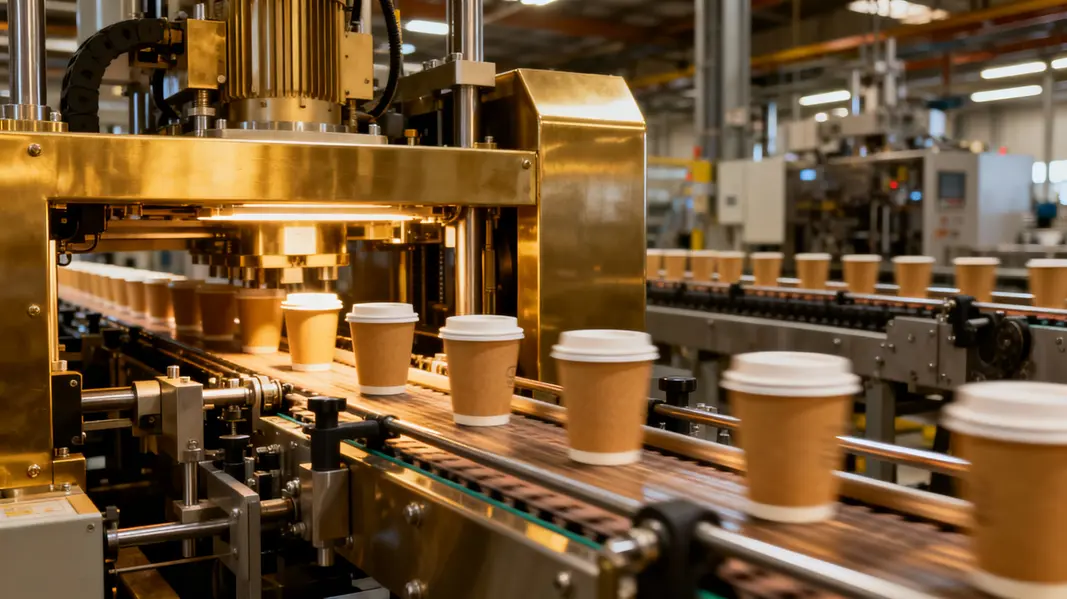
At the forefront of this technological revolution is the shift from semi-manual production lines to highly automated facilities, featuring sophisticated robotics that streamline operations. In modern cup plants, robotic systems facilitate the handling and stacking of blanks and finished cups, thus reducing the potential for bottlenecks, misfeeds, and product damage. Consequently, machines can operate at higher speeds with fewer interruptions, driving higher volumes of output. Moreover, the use of automated forming, curling, and sealing processes is enhanced by servo-driven systems, which ensure higher repeatability in production while allowing for rapid changeovers between various cup sizes and styles. This transformation not only boosts overall equipment effectiveness (OEE) but also allows manufacturers to respond more readily to customer demands for a variety of products, from standard paper cups to more intricate double-wall insulated designs.
In tandem with automation, the development of advanced barrier coatings and materials technology is revolutionizing the manufacturing process. New barrier systems—ranging from water-based to recyclable and compostable formulations—provide improved liquid resistance while significantly reducing curing times. These innovations enable manufacturers to enhance efficiency as they maintain high-speed production lines. For instance, multi-layer insulation technologies contribute to superior thermal retention, allowing for thinner cup walls and less raw material usage while maintaining the necessary structural integrity. The introduction of lightweight fiber structures further enables higher volume reel handling, reducing both costs and transportation emissions. This holistic approach not only addresses production demands but also aligns with eco-friendly practices, minimizing the environmental footprint of manufacturing processes.
The incorporation of Industry 4.0 principles has also been instrumental in elevating productivity within the takeaway coffee cup sector. By utilizing Internet of Things (IoT)-enabled machinery, manufacturers can gather real-time data on runtime efficiencies, temperature, pressure, and various quality metrics. This data stream empowers operators to optimize processes dynamically, enhancing decision-making and operational agility. Additionally, predictive maintenance algorithms, which analyze machinery conditions and alert operators to potential issues, help mitigate unplanned downtime, allowing production lines to maintain closer adherence to their rated capacities. Lastly, the implementation of integrated manufacturing execution systems (MES) facilitates seamless coordination of order scheduling, material availability, and machine status, effectively minimizing idle time and ensuring timely production cycles.
Moreover, as consumer trends shift towards greater customization and branding, the printing and design processes in takeaway cup manufacturing are rapidly evolving to accommodate these demands. High-efficiency flexographic and offset printing technologies are increasingly being integrated into production lines. These methods boast faster changeover capabilities and specialized sleeve systems, allowing for reduced setup times, which ultimately leads to increased throughput. Manufacturers are now able to support variable data strategies and regional campaigns through digital printing, enabling them to produce small, frequent orders without the need for cumbersome plate changes that often slow down production.
As operators within the food and beverage sector continue to pursue higher transaction speeds and consistent quality, the demand for takeaway coffee cups with standardized specifications is rising. This trend favors suppliers with advanced manufacturing capabilities that can offer large and stable volumes, thereby rewarding those willing to invest in technology and innovation. Automated and robotic foodservice systems—such as robotic baristas and self-service kiosks—are examples of shifts in the broader food and beverage landscape that create a direct incentive for cup manufacturers to bolster their production efficiency and reliability.
The necessity for sustainability in production is another driving force behind the adoption of new technologies. Regulatory pressures and corporate environmental, social, and governance (ESG) goals are compelling manufacturers to upgrade their processes. Innovations in recyclable and compostable barrier systems are often accompanied by the installation of new equipment optimized for these materials. Such adjustments not only adhere to environmental standards but also frequently result in improved manufacturing efficiency, thus aligning profitability with responsible production practices.
Ultimately, as takeaway coffee cup wholesale continues to evolve, the intersection of technological advancements with sustainable practices will shape the future of the industry. Forward-thinking manufacturers must seize opportunities to integrate automation and smart production technologies while remaining committed to environmentally friendly practices. These strategies will not only provide a competitive edge in a fast-changing market but also help to positively influence industry standards as a whole. The path ahead is one of innovation, where companies that embrace these changes will prosper, meeting a growing consumer demand for not just coffee cups but eco-conscious solutions that generate lasting impact without compromising on quality or efficiency.
For those looking to explore the extensive range of customizable and eco-friendly coffee cups, including options for branding and various materials, more information can be found in specialized resources.
2. The Economic Drivers Shaping Production Capacity and Efficiency in Takeaway Coffee Cup Wholesale
The economics surrounding the production and wholesale of takeaway coffee cups are complex and multifaceted, deeply intertwined with both global markets and local supply chains. Every factor, from the prices of raw materials to labor market conditions, influences not just the volume of cups produced but also how efficiently they are created. Understanding these economic drivers is crucial for businesses in the takeaway coffee industry as they navigate the challenges of price fluctuations, labor costs, and consumer demand.
First and foremost, the cost and availability of raw materials play a pivotal role in determining production capacity and efficiency. Paperboard, primarily sourced from pulp, serves as the foundational component of takeaway coffee cups. The market for pulp is notoriously volatile; for instance, in April 2024, spot prices had exceeded EUR 1,380 per metric ton due to unexpected disruptions, including strikes in Finland and mill outages elsewhere. Such volatility creates a ripple effect: as pulp prices rise, converters, who turn pulp into finished products, find their profit margins squeezed. The financial strain may force these operators to delay necessary machinery upgrades that could enhance capacity or efficiency, thereby stalling innovation in the sector and creating a bottleneck in production.
Energy costs further complicate the production landscape. The process of turning raw pulp into finished cups is energy-intensive, particularly in regions like China, where prices have seen significant increases. As energy costs rise, mills must charge more for their paper products, which in turn elevates the prices charged to wholesalers and ultimately to consumers. The combined effects of rising energy prices and supply chain disruptions, such as freight cost spikes and logistical challenges, mandate that many manufacturers adopt just-in-time production methods. However, these methods can become difficult to maintain during periods of instability, leading suppliers to keep higher safety stocks. This conservative approach limits their ability to respond quickly to customer needs, which can be detrimental in a fast-moving industry.
The labor market, particularly regarding wages and productivity, also significantly impacts capacity and efficiency. As labor costs rise due to increasing minimum wages and competition for skilled workers, converters face higher operational costs. Those costs place additional pressure on profit margins, making investments in automation or process optimization necessary but potentially unsustainable. In scenarios where profits are being squeezed by rising raw material and energy costs, firms might delay investments in the workforce, affecting their production capabilities and hampering the overall capacity of the industry.
Investment in capital improvements is often dictated by the prevailing economic climate. When businesses face stable margins and predictable demand patterns, they are more likely to funnel funds into upgrading their machinery and enhancing production processes. Such investments allow for improved capacity with high-speed cup-forming machines and advanced quality control, which in turn translates to superior product consistency and reduced waste. In contrast, during periods of instability, many converters will postpone machine upgrades, stagnating production capacity growth across the sector.
Additionally, larger manufacturers, who benefit from economies of scale, can decrease per-unit costs while enhancing production efficiency compared to smaller operations. They often leverage advanced technologies and more effective procurement strategies that redistribute costs and output across their larger facilities. Smaller producers, who may lack the financial resources for such scale, face challenges in competing on price while striving to maintain quality and service.
However, ultimately, the demand landscape is a significant driver of economic behavior in takeaway coffee cup wholesale. The growth of quick service restaurants (QSRs) and specialty coffee shops has sparked a pronounced demand for takeaway solutions. As coffee consumption rises globally and new markets—especially in Southeast Asia and the Middle East—expand rapidly, producers must adapt to higher volumes. This surge creates a high-frequency pull on cup demand, compelling wholesalers to enhance their capacities to fulfill large orders from coffee chains and independent cafés.
To navigate these economic influences successfully, coffee cup wholesalers must employ strategic pricing models that can accommodate varying raw material costs while maintaining healthy profit margins. Many firms are now engaging in dynamic pricing strategies that can allow them to adjust to fluctuations, thus helping to stabilize their revenues even amidst a turbulent supply chain environment.
Sustainability also continues to be a key consideration as many consumers are increasingly demanding environmentally-friendly solutions. As a response to growing environmental concerns, many suppliers are diversifying their product offerings to include compostable and biodegradable options. While these sustainable alternatives often come with higher production costs, the premium pricing can be justified by the increasing consumer willingness to pay extra for eco-friendly products. This presents a unique opportunity for wholesalers to position themselves competitively, all while supporting a broader shift toward sustainability.
For takeaway coffee cup suppliers, understanding these economic drivers is essential to thrive in an ever-evolving landscape. As they balance capacity and efficiency amid rising costs and fluctuating demands, the most successful businesses will be those that remain adaptable, continuously investing in technology, processes, and sustainable practices to ensure they meet both current and future market needs. Furthermore, by creating robust supply chains and investing in long-term relationships with both suppliers and customers, wholesalers can not only weather economic storms but also position themselves for growth as consumer preferences evolve.
In navigating the complexities of the takeaway coffee cup wholesale market, wholesalers will find that the interplay of economic factors is both a challenge to overcome and an opportunity to seize.
Explore more about eco-friendly takeaway solutions here.
Final thoughts
By understanding the nuances of takeaway coffee cup wholesale, business owners can significantly enhance their operations. Selecting the right type and material of cups, customized branding options, and analyzing pricing structures will not only improve customer satisfaction but also contribute to the overall success of your business. Enjoying the benefits of efficient production capacity will ensure that you meet customer demand seamlessly while upholding quality standards. Take the step today to enhance your beverage service and please your clientele.
Choose our reliable disposable tableware and packaging solutions for your business. We offer quality products that meet safety standards, with fast delivery and flexible options. Partner with us today to elevate your service – contact our team now for a tailored quote!
About us
We specialize in manufacturing and supplying disposable tableware, packaging paper, and boxes. With years of experience, we prioritize safety, durability, and eco-friendly practices. Our goal is to provide businesses with trusted, cost-effective solutions backed by responsive customer support.