
Introduction
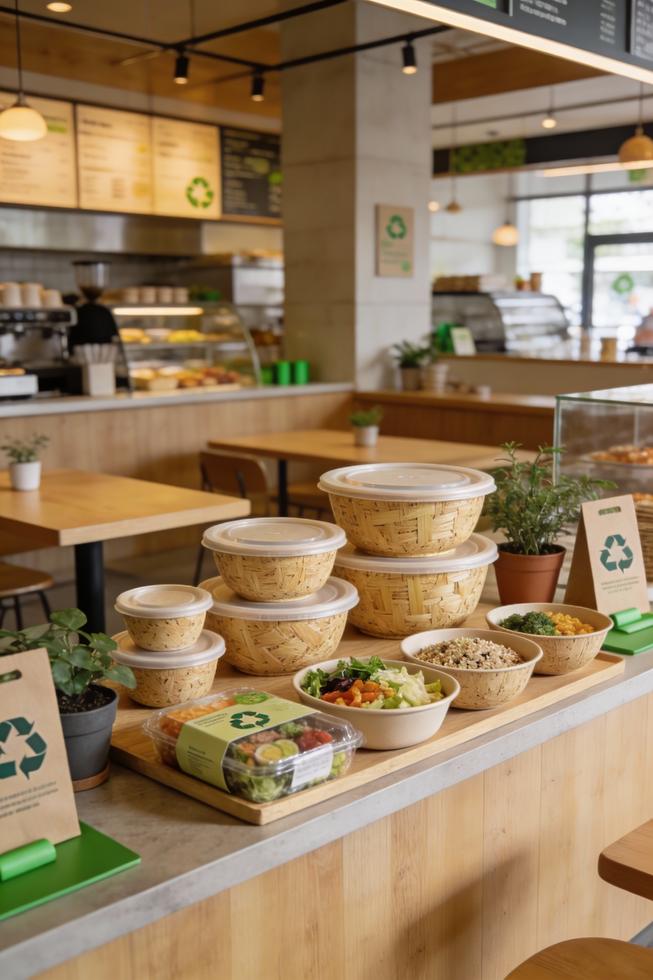
With takeout and delivery framing modern dining, packaging choices are a strategic lever for brand value, cost control, and reputational impact. Sugarcane bowls, made from bagasse—the fibrous byproduct of sugar processing—offer a practical bridge between performance and sustainability. These plant-based containers deliver oil- and water-resistance, enabling sauces and greasy foods to stay contained, while their natural fiber matrix supports a crisper presentation as food cools. They are microwave-safe and freezer-friendly, expanding menu flexibility and prep efficiency, and many markets support formal compostability through recognized certifications such as BPI, EN 13432, and ASTM standards. Available in 20oz to 32oz sizes (oval or round) with optional lids, they’re designed to integrate with takeout and quick-service workflows. Pricing around $0.29 per unit and packaging options from 50 to 300 pieces give operators scalable options to manage margins, waste, and customer experience. The breadth of certifications, coupled with reliable supply and predictable performance, helps mitigate risk when replacing legacy plastics or foam.
This piece connects three essential perspectives that matter to business owners: the environmental properties of bagasse bowls, the economic dynamics of adoption, and the social demand drivers shaping customer choices. Understanding these threads together clarifies whether sugarcane bowls belong in a brand’s packaging strategy and how to plan a phased rollout that aligns with operations and sustainability goals.
Tables of Contents
Chapter 1: Eco-Friendly Properties of Sugarcane Bowls
- Technological Pathways in the Eco-Friendly Properties of Sugarcane Bowls
- From Field to Fork: The Economic, Geopolitical, and Social Dimensions of Sugarcane Bowls
Chapter 1: Eco-Friendly Properties of Sugarcane Bowls
1. Technological Pathways in the Eco-Friendly Properties of Sugarcane Bowls
Technological pathways have quietly transformed a common agricultural byproduct into a high‑performing, eco‑conscious serviceware option. Sugarcane bowls, fashioned from bagasse, embody a chain of processing decisions that balance material science with environmental goals. Bagasse, the fibrous residue left after juice extraction, carries a substantial cellulose content—roughly half of its composition—which lends natural strength and heat resistance. This underlying chemistry enables a production route that sidesteps petrochemical feedstocks, channeling agricultural waste into a sturdy container capable of meeting today’s food‑service demands for safety, convenience, and sustainability. The pathway begins with pulping the residual fiber, then shaping it into bowls through molds under heat and pressure, followed by a drying phase that stabilizes the formed shapes. In these steps, the focus is not simply on making a container, but on harnessing the intrinsic properties of plant fibers to deliver performance that competes with conventional disposables while remaining faithful to circular economy principles. The continuity between structure and function is evident in how the material handles heat. Bagasse bowls can tolerate temperatures approaching microwave use, with practical safety in typical service settings. The commonly cited heat tolerance reaches about 95°C (203°F), which supports reheating in microwaves without excessive deformation or risk to the user. Some variants extend this tolerance further, with oven‑safe claims around 220°C for short intervals, broadening potential applications in food‑service operations that require brief oven finishes or broiling bursts. Such temperature resilience is not merely a test of endurance; it reflects the fibrous network’s capacity to distribute heat and resist rapid thermal degradation, a benefit derived from the natural composition of bagasse and the processing that crystallizes its structure into stable shapes. In parallel with heat resilience, the moisture and oil resistance profile of bagasse bowls deserves attention. The literature describing bagasse containers often emphasizes that grease resistance can be achieved without extensive synthetic coatings. The inherent porosity and surface texture of the fibrous matrix contribute to a degree of moisture resistance that is well suited to fresh or saucy foods. When coatings are used, they tend to be minimalist, designed to preserve the compostability narrative while ensuring that the container remains practical in busy service environments. The emphasis on minimal or absent coatings aligns with third‑party certification frameworks that validate compostability and environmental safety. Certifications such as ASTM D6400 or EN 13432 are frequently cited in discussions of bagasse products, underscoring the importance of independent verification rather than marketing claims. PFAS‑free credentials are also highlighted, addressing consumer and regulator concerns about potentially harmful fluorinated compounds in disposables. The consequence of these design choices is a product that is not only compostable but also traceable in its environmental narrative. The end‑of‑life story is central to the technology, and the pathway from field to bin reflects careful consideration of the entire value chain. Bagasse bowls are described as 100% biodegradable and compostable, with industrial composting times commonly framed as 6–12 weeks under conditions of about 55–70°C. The emphasis on industrial facilities matters because composting outcomes vary with infrastructure. Home composting is typically slower and less predictable, which is why third‑party certification and local waste management practice are essential to delivering the promised environmental benefits. The lifecycle advantage over conventional plastics is framed in terms of renewability and waste diversion. Bagasse derives from renewable sugarcane byproducts, avoiding petroleum feedstocks and reducing dependence on trees or fossil fuels. In contrast, conventional plastics can persist for centuries in landfills, and while some paper products are compostable, coatings or additives can complicate end‑of‑life outcomes. A plant‑based path thus offers a more predictable decoupling from landfills when paired with appropriate facilities and consumer participation. The technological narrative also recognizes practical limits. The environmental benefits are maximized when communities have access to industrial composting infrastructure. In areas without such facilities, the predicted advantages can be muted, and home composting may not achieve the same breakdown efficiency or timelines. This reality invites a discussion of verification and transparency. Because compostability claims carry real implications for waste streams, third‑party testing and certification are critical, helping to prevent greenwashing and ensuring that performance and end‑of‑life expectations align with actual facility capabilities. The broader picture of technology, therefore, intertwines material science, process engineering, and waste management policy. Every choice—from the pulping method to the degree of heat applied during molding, to the decision about coatings—reflects an attempt to optimize a delicate balance: robust performance for hot, oily or saucy foods; user safety and convenience; and a credible, ethical end‑of‑life story tied to composting standards and PFAS‑free composition. The result is a family of bowls that can be scaled to meet diverse service contexts, from quick‑serve outlets to event catering, while maintaining a coherent sustainability narrative anchored in renewable feedstock and responsible disposal. For practitioners and policymakers alike, the technology reveals a broader lesson: the success of plant‑based serviceware hinges not only on the material’s raw properties but also on how those properties interact with real‑world waste systems and consumer behavior. The integration of pulping, molding under heat and pressure, and careful drying creates a finished product whose performance emerges from the synergy of plant biology and process engineering. As operations consider expanding to bagasse‑based options, the prospect of linking production to local agricultural cycles and composting networks becomes increasingly attractive. This alignment can strengthen regional economies by valorizing byproducts, reducing waste streams, and lowering the environmental footprint of the food‑service sector. The technology is not a standalone cure but a component of a broader sustainability strategy that connects field, factory floor, and waste facility in a continuous loop. In this sense, the bagasse bowl exemplifies how engineering choices can translate ecological intent into tangible serviceware, enabling chefs and consumers to enjoy hot meals and cold desserts with a clearer environmental conscience. For readers seeking a tangible illustration of how bagasse‑based packaging fits into contemporary material science and supply chains, see the practical example of bagasse paper‑pulp packaging. bagasse paper-pulp packaging. This reference highlights how the same technological principles operate across a range of plant‑fiber packaging formats, linking the chemistry of cellulose with the logistics of compostable end‑of‑life management. The story of these bowls is thus not just about what they do in a kitchen, but about how their design, production, and disposal fit within a circular economy. As the chapter moves toward the broader social and geopolitical implications, the reader can see how the paths from field to bin intersect with policy, market dynamics, and community waste infrastructure, a connection that will be explored in the next subchapter.
2. From Field to Fork: The Economic, Geopolitical, and Social Dimensions of Sugarcane Bowls
Sugarcane bagasse bowls sit at the intersection of agricultural practice, industrial design, and public policy. They are more than a green alternative to plastic or foam; they are a signal of how a food system can redefine value creation by turning agricultural waste into a forward-looking packaging platform. The economic, geopolitical, and societal dimensions of this shift illuminate not only the viability of the product, but also the pathways through which sustainable packaging can influence rural livelihoods, regional power dynamics, and eating experiences across diverse markets. When seen through this triad, the eco bowl becomes less a niche product and more a case study in how circular economy principles move from theory into everyday practice.
Economically, the sugarcane bagasse eco bowl is positioned within a market that is expanding at a notable pace. Market analyses point to a compound annual growth rate in the ecosystem of eco-friendly bowls that translates into durable demand across takeout and quick-service formats. Bagasse itself commands a leading share of the material segment, thanks to its compostability, heat resistance, and ready availability as an agricultural byproduct. These attributes align well with the operational needs of foodservice players who seek to balance cost, performance, and environmental claims. Yet, this growth is not without friction. The very elements that underpin the business model—seasonal harvests, weather variability, and farm-level policy—translate into fluctuations in supply and price. When a region experiences a bountiful harvest, production capacity and pricing can improve, enabling manufacturers to scale. In lean seasons, costs can rise as supply tightens and margins compress. The result is a fragile equilibrium that demands agile planning, diversified sourcing, and diversified geography to stabilize price signals for buyers who operate on thin margins.
Turning the lens to value creation, the circular logic becomes particularly compelling. Bagasse is not just an alternative raw material; it is an opportunity to reframe waste as income. By converting what would otherwise be farm waste into a high-demand industrial input, the supply chain reinforces rural economies and reduces pressure on virgin wood pulp consumption. This transformation supports complementarities with other agricultural commodities, enabling farmers to realize additional revenue without expanding land use. In markets where agricultural operations cluster with food processing facilities, bagasse-based bowls can become part of a broader suite of value-added products that keep farm-to-fork cycles tight and transparent. The economics of this model hinge on the balance between agricultural output, processing efficiency, and consumer willingness to pay for features like compostability, heat tolerance, and durability. Prices for these bowls tend to reflect their performance advantages, yet remain sensitive to broader labor costs, energy prices, and the cost of compliant certification and disposal infrastructure. The result is a market that rewards both efficiency in production and clarity in environmental claims, with buyers increasingly attaching premium value to sustainability credentials alongside practical performance.
Geopolitically, the shift toward bagasse-based packaging introduces a reconfiguration of supply networks that reduces reliance on fossil-fuel–driven materials. Countries with ample sugarcane cultivation can leverage this advantage to build domestic or regional packaging ecosystems, potentially reshaping trade patterns in the packaging sector. The move away from petroleum-based plastics and other synthetic inputs has the added benefit of diminishing exposure to volatile oil markets, a factor that has long fed tensions in global energy geopolitics. Yet this shift does not come without its own vulnerabilities. The same agricultural dependency that underpins the bagasse supply can become a strategic risk: climate variability, shifting crop policies, and localized crop failures can disrupt flows of bagasse, introducing new dependencies on particular geographic regions and policies. In short, while bagasse packaging can bolster resilience by diversifying raw material sources away from fossil fuels, it also concentrates risk in the agricultural calendar and policy environment. To navigate this, many producers pursue geographic diversification, investment in from-field-to-factory traceability, and resilient logistics that can weather climate-induced disruptions. The resulting network becomes a strategic asset, not merely a production line.
Societally, the adoption of sugarcane bowls intersects health, equity, and consumer culture in meaningful ways. One of the clearest benefits is the removal of plastic or wax linings that can complicate food safety and biodegradation. Bagasse bowls are typically designed to be fully biodegradable and compostable without synthetic coatings, addressing concerns about PFAS and chemical residues that have shadowed conventional packaging for years. This aligns with rising consumer sentiment that links health risk awareness to packaging choices, particularly for hot, saucy, or fatty foods where coatings or glazes can degrade and transfer unwanted compounds. The societal payoff extends beyond personal health. Because these bowls are derived from agricultural byproducts, they contribute to environmental justice by adding value to smallholder farming systems and rural communities, rather than expanding pressures on forests or managing waste in landfills where capacity is limited. In practice, this means more robust rural incomes, better waste management signals, and stronger alignment between a company’s brand narrative and its sourcing reality. The emphasis on circularity is reinforced by standard certifications that assure compostability and safety, helping brands articulate credible environmental commitments without compromising performance.
The social value of bagasse packaging also manifests through its fit with broader circular economy objectives. The rapid biodegradability of bagasse into soil—and its temperature tolerance across a practical range—makes it a practical option for a variety of food formats, from hot meals to cold salads and desserts. This versatility is crucial for foodservice operators seeking a single, scalable solution that can serve diverse menu lines while maintaining consistent quality and presentation. Moreover, consumer demand for sustainable packaging is no longer a novelty but a defining element of brand identity. Companies can differentiate themselves through visual branding and premium finishes that communicate a genuine commitment to the environment, while retaining the functional benefits of the material. This combination of performance and provenance supports market differentiation in a crowded landscape, turning packaging decisions into strategic branding assets rather than mere cost centers.
To appreciate the broader ecosystem, consider how bagasse bowls sit within a network of sustainable packaging options. The viability of these products hinges not only on material properties and manufacturing processes but also on the availability of composting facilities and waste-management infrastructure. In regions where municipal or industrial composting is robust, bagasse bowls can follow their designed end-of-life path with confidence. In other areas, the lack of facilities can limit actual compostability, underscoring the importance of local context in evaluating environmental impact. Certifications such as those that attest to compostability and safety—alongside microwave or oven-safe performance—help bridge the gap between theory and practice, enabling adopters to claim credible environmental benefits while meeting operational needs. The certification landscape, therefore, becomes a critical enabler of market growth, reducing risk for buyers and improving predictability for manufacturers.
The economic, geopolitical, and societal dimensions are not merely descriptive; they shape corporate strategy and policy design. For manufacturers, the lesson is clear: invest in supply chain resilience, diversify sourcing, and pursue regional hubs that can buffer seasonality and policy shifts. For policymakers, bagasse-based packaging offers a pathway to reduce plastic pollution, promote agricultural value chains, and strengthen local food economies, provided regulatory frameworks are aligned with composting capabilities and consumer education. And for consumers, the shift reframes everyday meals as moments to participate in a circular economy, turning a simple bowl into a tangible expression of shared responsibility and informed consumption. In this sense, the sugarcane bowl becomes a microcosm of a broader transformation—one where material choice, social equity, and geopolitical realities converge to define what sustainable packaging can and should be.
For readers seeking a broader sense of how bagasse-based packaging fits into a wider sustainability ecosystem, one example can illustrate the kinds of product families and solutions available in this space. Disposables that blend bagasse with other plant fibers offer variations in texture, strength, and branding opportunities, expanding the palette for operators who want a cohesive, message-driven approach to sustainability without sacrificing performance. [disposable 700ml-850ml-1000ml paper pulp bagasse sugarcane biodegradable packaging for food] This example highlights how suppliers position bagasse as a versatile platform rather than a single-use anomaly, enabling a spectrum of formats, finishes, and price points to meet different customer needs.
In the end, the economic, geopolitical, and societal dimensions of sugarcane bowls are inseparable from their material properties. The bowls’ performance in heat and moisture, their compatibility with microwave and freezer use, and their actual end-of-life fate all feed into a larger narrative about how sustainable packaging can reshape markets, power regional economic development, and support healthier, more just food systems. The next chapters will delve into how these dynamics play out in manufacturing innovations, regulatory landscapes, and consumer engagement strategies, continuing the thread from technology-driven pathways to market-ready realities. The story of the eco-friendly sugarcane bowl thus becomes a compelling example of how science, markets, and society negotiate a shared future—one bowl at a time.
Final thoughts
Across environmental, economic, and social dimensions, sugarcane bowls offer a cohesive pathway for foodservice operators to modernize packaging without compromising convenience or taste. From an environmental perspective, bagasse-based bowls reduce reliance on fossil-based plastics, support high performance—oil resistance and moisture management—while allowing breathability that helps keep foods at their best. Economically, the unit economics are compelling: price points around $0.29, scalable pack sizes, and potential savings when waste handling and energy use are considered. Operational flexibility is enhanced by microwave, freezer, and even oven capabilities in certain models. On the societal side, certifications and clear disposal messaging build customer trust, turning packaging into a brand statement rather than a mere cost center.
For leaders evaluating packaging, the decision hinges on three interconnected factors: ecological performance, cost dynamics, and consumer sentiment. Map your menu needs, local composting infrastructure, and supplier warranties; pilot in select outlets; and measure waste reduction, customer feedback, and margins over a defined period. If your goal is to reduce environmental impact while protecting margins and brand integrity, sugarcane bowls can anchor a forward-looking packaging strategy.
Choose our reliable disposable tableware and packaging solutions for your business. We offer quality products that meet safety standards, with fast delivery and flexible options. Partner with us today to elevate your service – contact our team now for a tailored quote!
About us
We specialize in manufacturing and supplying disposable tableware, packaging paper, and boxes. With years of experience, we prioritize safety, durability, and eco-friendly practices. Our goal is to provide businesses with trusted, cost-effective solutions backed by responsive customer support.