
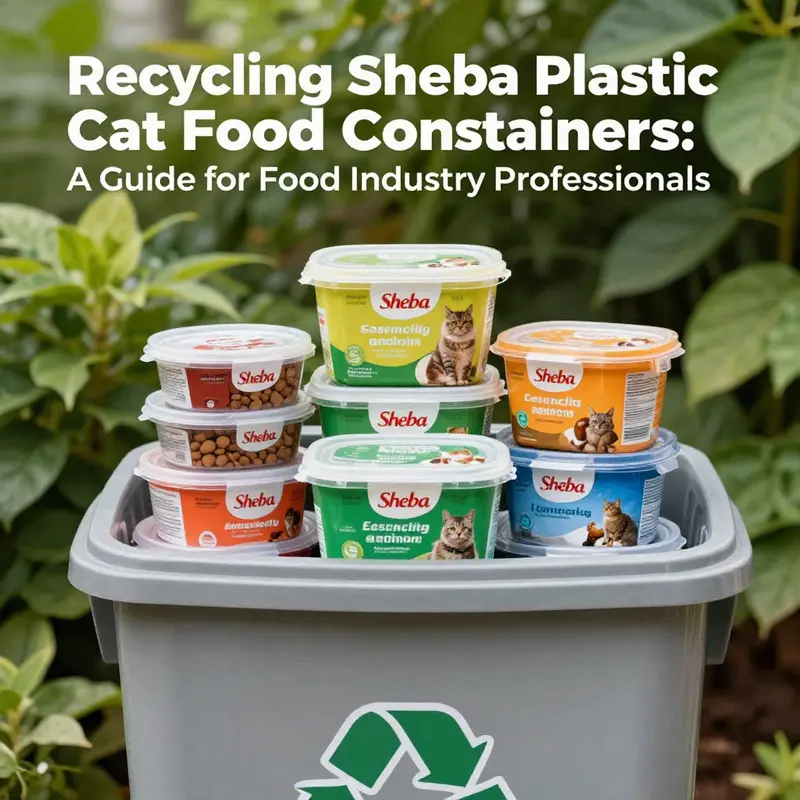
As businesses in the food and beverage sector increasingly focus on sustainability, understanding how to properly recycle packaging is becoming essential. Sheba plastic cat food containers, while often seen as waste, can be streamlined into your recycling practices to support ecological goals. By following the guidelines outlined in this article, you can gain insights into identifying recyclable materials, local recycling policies, proper preparation methods, innovative reuse ideas, and tackling recycling challenges. Let’s explore how you can make a significant impact through the responsible disposal of Sheba containers, transforming potential waste into valuable resources.
知名品牌塑料猫粮容器的回收标志与类型:洞察标签背后的循环逻辑
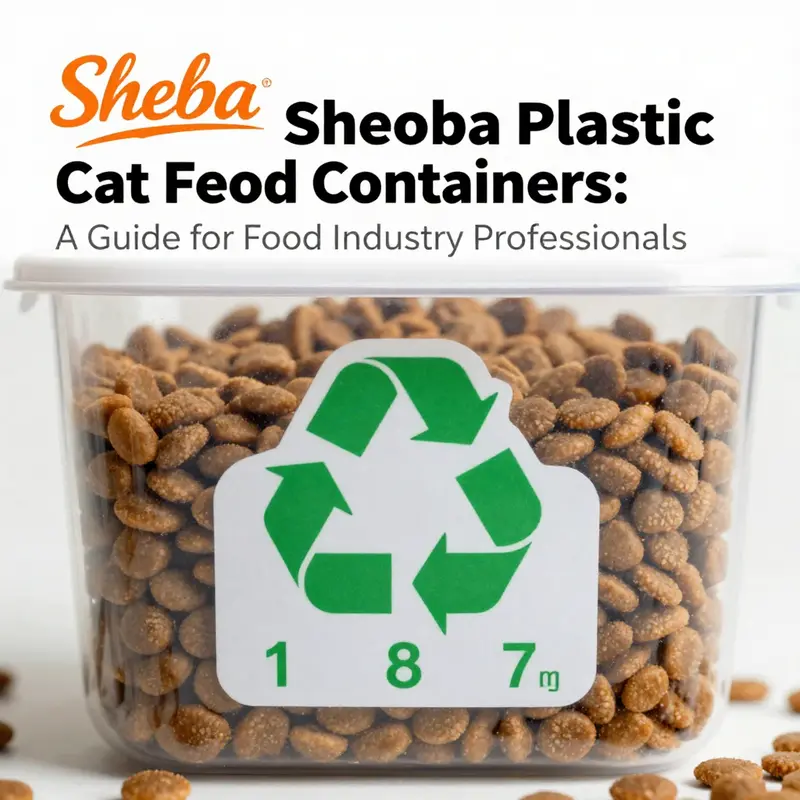
在讨论知名品牌塑料猫粮容器的回收标志与类型时,我们常被一个看似简单却极其关键的细节所引导:底部的回收符号并非仅仅是一张说明书,而是通往本地回收体系的门票。这个符号是一组紧密相关的元素组合而成——一个由三角箭头组成的圈,以及圈内的数字。它们共同指向材料的种类与可回收性的边界。理解它们,需要放慢脚步,拆解每一个部分的含义,以及它们在日常家庭行为中的实际作用。常见的包装上,数字通常落在1到7之间,分别对应不同的塑料类型与回收处理路径。最常见的是数字2和数字5,它们分别标识HDPE高密度聚乙烯和PP聚丙烯。这两种材料在家庭食品包装中很常见,数码标识背后是回收体系对材料批次的区分,也是回收站点是否接受、以及后续再加工能否稳定进行的关键。理解这一点,有助于我们作出更符合本地回收能力的选择,减少污染,提高回收效率。为了把握这一点,除了认知标识,还需要注意与之相伴的现实条件——本地回收政策的差异、容器清洁度的要求、以及混合材料带来的挑战。围绕这些因素,回收的实践才不至于流于形式,而是成为一个真正的闭环行动。
Locally Grounded Recycling: Navigating Plastic Cat-Food Container Recycling in Your Community
Plastic cat-food containers are a familiar part of many households, and they sit at a practical crossroads: they keep food fresh, they’re easy to store, and they promise convenience. Yet when the bin fills, the question often becomes less about how well the container keeps flavor and more about how responsibly we dispose of it. The truth is simple but consequential: recycling rules are local, not universal. Across cities and countries, the systems that manage plastic waste differ in what they accept, how they process it, and how much effort they require from households. This means that a container that seems straightforward to recycle in one neighborhood may require a different path in another. Understanding this local patchwork is the essential first step for anyone who wants to close the loop on packaging. It also reframes the act of discarding a familiar object as part of a broader conversation about how residents participate in waste management and how communities measure the health of their recycling streams over time. In practice, this means that the journey of a plastic cat-food container begins not with its material but with where you live and how your local system handles that material. The container itself is typically made of hard plastic and carries a recycling symbol with a number that identifies the resin type. The numbers most often found on food containers fall into categories like 1 (PET or PETE), 2 (HDPE), and 5 (PP). Each of these plastics has a different profile in recycling facilities: some are readily processed, while others require specialized streams or have limited acceptance due to contamination, grade, or market demand. To translate that packaging into a responsible outcome, you must first confirm which of these resin types your local program will accept and whether any special preparation is required. This is where the practical steps begin to diverge from general best practices and enter the realm of municipal guidelines, facility capabilities, and local consumer behavior. The first and most universal step is to check the container for a recycling symbol and the corresponding resin number. Look closely at the bottom and sometimes the sides of the container for the familiar recycling triangle with a number inside. If you find a 1, 2, or 5, you are typically in a form that some communities will accept. But the presence of the number itself is not a guarantee of acceptance. Different programs may allow PET, HDPE, or polypropylene, but they might exclude them if the item has residues, if the container is part of a composite with non-plastic components, or if it is a container that served a different kind of product or a different form of packaging. This leads to the next point: local policy. The most important thing you can do before you discard is to contact or consult your municipal waste authority. Some regions publish clear lists of accepted plastics and provide guidance on how to prepare them. In others, you may find that only a small subset of plastics is collected curbside, with broader recycling options available at drop-off facilities or transfer stations. The act of checking is not a mere formality; it is an essential part of reducing contamination in the recycling stream. Contamination—think traces of food, grease, or other packaging mixed in with recyclables—can derail a load, cause processing issues, or lower the value of the material for recyclers. For many households, the recommended preparation is straightforward: rinse the container thoroughly to remove food residue, and, where possible, remove any liners or film that may be part of the packaging. Then, to save space and make the load easier to handle, you can flatten or crush the container. The flattening practice is not universal; some programs discourage crushing if it damages the container identifications or the machines; others encourage it to maximize space in the bin. The safest rule is to follow the local guidance. If a neighborhood program supports flattening, that small action can significantly boost collection efficiency, reduce transportation footprint, and help recyclers minimize sorting effort. If your local system accepts only certain plastics, you may still be able to apply the container to other environmentally constructive uses before it reaches a recycling stream. A used container can become a small planters pot, a storage jar for screws or craft supplies, or a container for pet accessories or cleaning supplies. This form of upcycling, while not a recycling outcome per se, is a practical way to extend the life of a durable plastic object and prevent premature disposal. It is also worth noting that some communities encourage consumer participation in reusing containers for non-food storage, while others discourage this due to potential cross-contamination concerns. Understanding the policy stance in your area helps navigate this balance. The broader picture, however, extends beyond the local bin. There is a global dimension to corporate sustainability that sometimes sits next to the day-to-day realities of household recycling. While a brand behind pet food may publicize ambitious environmental initiatives, those efforts are not a substitute for local waste management practices. This is not a rebuke of corporate responsibility; rather, it is an acknowledgment that the environmental footprint of packaging is shaped by both product design and the realities of how communities collect, process, and reuse materials. In many places, the lifecycle of plastic packaging hinges on a network of systems: manufacturing choices, labeling standards, consumer habits, and the capacity of recycling facilities. A reliable end-of-life path for a plastic container requires coherent alignment among these elements. When they align, the container completes a circular journey: from kitchen to collection, to recycling, to the creation of new products that can once again come into use. But alignment is not universal, and gaps persist. This is why the local dimension matters so much. It also explains why education and clear guidance at the household level can have a multiplying effect. If households understand which plastics are accepted and how to prepare them, they can significantly improve the recovery rate and the quality of the material delivered to recyclers. The impact is not only environmental; it also speaks to the efficiency and resilience of local waste management systems, which in turn affect the price and availability of recycled content downstream. To connect these ideas more concretely, consider the practical path a resident might take. Start with a quick visual check: is there a triangular recycling symbol with a number 1, 2, or 5 on the container? If yes, plan to verify acceptance with your local authority. Then move to preparation: rinse, remove any residual film or liners if applicable, and decide whether crushing is allowed by your program. After that, decide whether to place the container in curbside recycling or to take it to a drop-off site if your policy requires it. In some places, the curbside program accepts the plastics but not the caps or closures, which may require you to separate these pieces and recycle them through a different stream. In others, every part of the container may be collected together. A small habit—being sure about what to do with the cap, the label, or the spoon that sometimes accompanies the packaging—can prevent a surprising amount of contamination. The broader context is further enriched by recognizing that not all plastics are created equal in their recycling markets. PET and HDPE commonly appear in a wide range of packaging and have relatively established markets. Polypropylene, or PP, is prized for its heat resistance and chemical stability but can present different recycling challenges across facilities. Some regions have more developed streams for these materials than others, and this variation influences what a person should expect when they place a container in the bin. The story of plastic packaging, in other words, is one of local variations, consumer responsibility, and the evolving economics of recycled materials. It is a story that demands patience, curiosity, and practical action from households. The idea is not to hunt for an impossible universal rule but to understand the local fabric in which your waste makes its way. What matters is forming a consistent routine: know your symbol, know your policy, clean and prepare, and choose the option that minimizes harm and maximizes recovery. When people in a community adopt this approach, they contribute to a healthier recycling stream and a more durable material cycle. If you want to explore further, a convenient way to connect with broader discussions about packaging and recycling is to look for resources that describe how packaging materials are categorized and handled in different contexts. For readers who prefer a direct path to manufacturer-facing packaging information, there are numerous industry pages that discuss resin types and their implications for recycling, though local policy remains the deciding factor for what ends up in the curbside bin. For those who want a broader international perspective, it is useful to consider how different regions regulate plastics, how labeling informs choices at the consumer end, and how market demand for recycled content shapes the kinds of plastics that are accepted. While global ambitions to protect ecosystems and reduce waste are essential, the practical day-to-day action still happens in kitchens, hallways, and neighborhood collection points. In that sense, every time you rinse and sort a container, you are participating in a larger system that supports both environmental stewardship and the practical realities of household life. The act scales up when communities share information about what works where they live and when recyclers and policymakers collaborate to reduce contamination, expand accepted streams, and encourage responsible re-use. To deepen practical understanding, you can also consult resources that address packaging categories and disposal practices in a localized way, such as materials focused on plastic packaging and related waste streams. For an accessible overview of packaging categories and recycling considerations, see the broader guidance on plastic packaging. This helps bridge the everyday act of recycling a household item with the larger question of how communities keep materials circulating instead of ending up as waste. As you move through your own recycling routine, remember that the container’s fate is partially determined by where you place it and how you prepare it, but it is also shaped by the availability and capability of your local systems. The interplay between these factors determines whether the container becomes part of a continuous loop or a one-way path to disposal. In the end, a thoughtful, local approach to recycling plastic cat-food containers can become a model for other packaging in the home. It demonstrates how ordinary actions, guided by clear local guidelines, can collectively contribute to cleaner streets, less pollution, and more resilient recycling markets. The steps are simple, but their cumulative effect matters. By recognizing the local nature of recycling rules, keeping containers clean, and aligning behavior with municipal guidance, households can transform a commonplace packaging item into a tangible step toward a more circular economy. As policies evolve and recycling infrastructure expands, communities can ideally move toward higher recovery rates and better quality recyclables, making the path from kitchen to re-made products more efficient and more hopeful. This is the practical heart of the chapter: local action anchored in knowledge, enabled by small daily habits, and connected to a broader, ongoing conversation about sustainable packaging and waste management. External perspectives, such as national and regional guidelines, support this local work, reminding us that what we do in our homes matters within a wider system that is continually adapting to new challenges and opportunities. For a broader context on how plastics recycling is framed in policy and practice, you can consult external resources that discuss the overall recycling framework and its evolving standards. Ephemeral fluctuations aside, the goal remains steady: reduce contamination, improve material quality, and keep plastic packaging circulating in the economy as long as possible. This ongoing effort requires both informed households and adaptable systems that can respond to changing markets and environmental signals. The chain of responsibility begins at the curb and ends with redesigned products that make recycling simpler, safer, and more beneficial for communities. In that sense, the local recycling policy for plastic cat-food containers is a microcosm of the larger sustainability project—one where everyday actions echo in the corridors of policy, industry, and the environment. The next part of our exploration will consider how manufacturers and retailers can help reinforce the right habits at home, and how communities can align standards to reduce confusion and improve outcomes for everyone involved.
From Rinse to Reuse: Cleaning and Preparing Brand-Name Plastic Cat Food Containers for Responsible Recycling
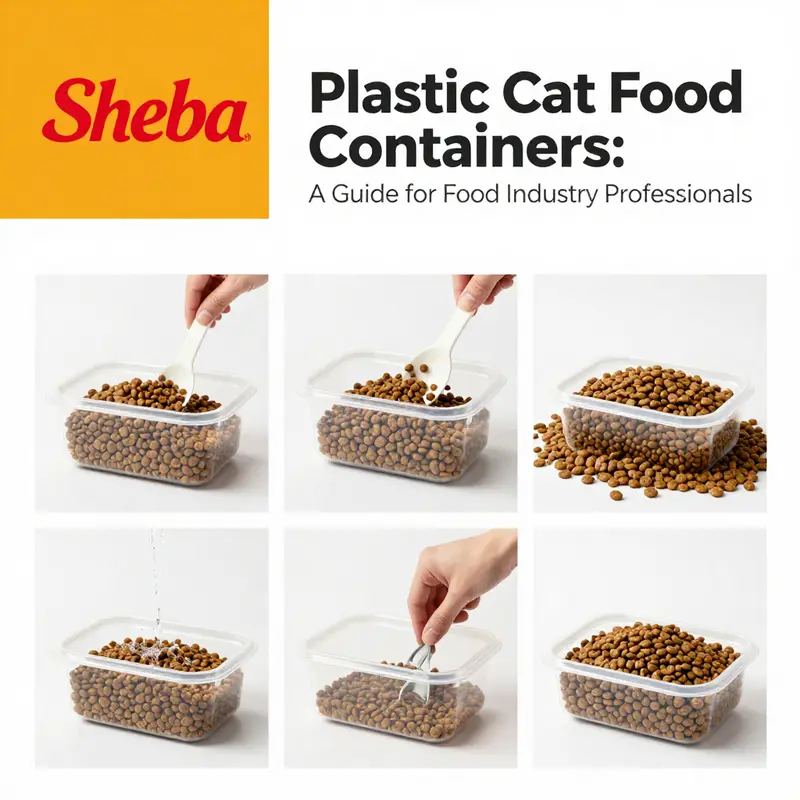
The lifecycle of a plastic cat food container begins with purpose and ends, ideally, in a closed loop where the material is reused rather than discarded. For households aiming to minimize waste, the clean-up and preparation phase is not merely a hygienic habit; it is the critical bridge between ownership and environmental responsibility. These ubiquitous plastic containers, once emptied, carry a quiet but essential duty: to be moved from the kitchen bin to a recycling stream in a way that preserves their integrity and avoids contaminating other recyclables. The approach is neither complicated nor optional. It rests on simple, repeatable steps that respect the container’s plastic chemistry, the needs of local recycling facilities, and the practical realities of everyday life. In a climate where plastic packaging remains a significant portion of household waste, treating each container with care can multiply its chances of second life and reduce the demand for new plastic production. The savings extend beyond the individual household; they echo through community systems that depend on consistent, clean input to operate efficiently. The process described here is designed to be approachable, even for those new to home recycling, and it aligns with widely accepted practices for food-grade plastics. It also acknowledges the diverse range of plastics used in pet food packaging, which commonly bear recycling codes such as 1 (PET), 2 (HDPE), and 5 (PP). Recognizing these codes helps determine whether a container is likely to be accepted by local programs, but the ultimate guide remains local policy and facility capability. In practice, the rules are simple: empty, clean, and prepare before laying the container out for recycling. The details below weave together universal cleaning science with practical tips tailored to food-grade containers, and they emphasize gentle methods that safeguard both the material and the household environment. The overarching aim is to restore the container’s utility while ensuring it does not introduce fats, oils, or residual food into the recycling stream, where they can complicate processing or compromise the quality of recovered material. This is not about sterile perfection; it is about removing enough residue to protect workers, machines, and the next stage of the material’s journey.
First and foremost, the initial cleaning is about reserve and respect. After the last portion of cat food has been eaten, the container should be emptied promptly. Gentle wiping with a paper towel or a soft cloth can remove surface oils and obvious crumbs. If the container carried fish-based or oil-rich formulations, a quick wipe to remove oily films acts as the first line of defense against stubborn stains that later stubbornly cling to the walls. This early step prevents the “wet film” from turning into a more tenacious barrier during washing and helps subsequent steps work more efficiently. The aim is not to achieve a pristine culinary container, but to reduce the amount of material that will require intensive cleaning later.
The next stage builds on the science of heat and softening. Submerging the container in warm water—around 60 degrees Celsius—for about ten minutes helps to soften dried-on residue and loosen oil films. Boiling water should be avoided, particularly with common food-grade plastics like polypropylene, which can warp or release trace substances if exposed to intense heat. The warmth must be comfortable to touch, not scalding, so that the process remains practical for daily use. Soaking also relaxes the surface, making it easier for detergents to penetrate and lift residues without excessive scrubbing. It is worth noting that this step is a preparatory measure; it does not replace the need for a proper cleaning solution and mechanical agitation, but it does make those subsequent steps more effective.
Cleaning agents designed for food-contact surfaces are essential. A neutral, food-grade detergent used in accordance with its label instructions provides a reliable base for removing fats and odor compounds. The container should be washed with a soft cloth, silicone sponge, or microfiber cloth to avoid scratches. Scratches can trap food particles and harbor bacteria, and roughened surfaces can collect oils more readily, defeating the purpose of the cleaning process. Abrasive materials like steel wool or metal scrapers should be avoided, as they can create micro-scratches that become persistent rewash traps. The goal here is thorough but gentle cleansing that preserves the container’s structural integrity for as long as possible.
For more stubborn soils, a small paste made from baking soda can be an effective, non-toxic ally. A mixture of roughly five grams of baking soda with about thirty milliliters of warm water makes a soft paste that can be applied to oily patches or color-tinged residues. Allowing this paste to sit for ten to fifteen minutes gives the mildly alkaline baking soda a chance to loosen hard-to-reach oils, after which a gentle scrub helps lift the residue. Rinsing after this step should be thorough, ensuring no baking soda remains, which could alter the taste of future uses if the container is repurposed for food storage. In cases of persistent odors, especially if the container previously held fish oil-rich foods, a mild vinegar soak can be considered. A 1:1 mixture of food-grade white vinegar and water can be poured into the container and left for one to two hours. Vinegar not only helps neutralize odor molecules but also contributes a small level of antimicrobial action that is safe for home use. This step should be followed by a complete rinse to remove any vinegar smell, which some households might find intrusive if left in the container.
Beyond odor control, there are other natural methods to refresh a container. The lemon method—fresh lemon slices placed inside the container with warm water and left to sit for a couple of hours—uses the acidity of lemon juice and the aromatic compounds in lemon zest to reduce residual odors and limit bacterial growth. This approach is particularly appealing because it uses ingredients many households already have on hand and avoids introducing additional synthetic fragrances. After any of these deodorizing steps, a thorough rinse with running water remains essential. The container should be rinsed at least three times, ensuring that no cleaning agents, vinegar, or lemon residues remain. Finally, air-drying in a well-ventilated area helps prevent mold and keeps the interior free of moisture that could encourage microbial growth. The container’s surfaces should be completely dry before it is stored or reused, as lingering moisture can promote bacteria and mildew in damp environments.
A practical habit that complements cleaning is regular inspection. If the container develops cracks, clouding, hazing, or noticeable warping, it should be retired from future use as a food container. Damaged plastic can leach more readily or behave unpredictably under temperature changes, and the risk to pets, should the container fall back into any food-use cycle, is not worth the marginal savings. Soaking, even in a diluted form, cannot fully compensate for material fatigue. These checks help protect both pet health and household hygiene while preserving the container’s value should it be diverted to recycling rather than reusing for food storage.
With the cleaning and preparation complete, the final phase focuses on the container’s fate in the recycling system and on credible alternatives to keep it in circulation. Many common plastics used in pet food packaging carry recycling codes such as 1 (PET), 2 (HDPE), and 5 (PP). These numbers indicate the resin type and provide the initial signal about recyclability. However, the acceptance of these codes varies by jurisdiction, so the most important step is to confirm local recycling policies. A quick check with the municipal recycling guidelines or the local waste management website can reveal whether these plastics are accepted, whether they must be cleaned to a certain standard, and whether there are any special requirements—such as removing caps or separating different components. In some areas, the container may be accepted only if it is clean, dry, and free of food residue; in others, it may require removal of labels or lids before recycling. The container is typically accepted as plastic packaging, but it is wise to follow the local rules precisely to avoid contamination of the recycling stream.
If the local system does not accept these plastics, or if the container is damaged beyond practical reuse, it can be repurposed for non-food uses. For example, once thoroughly cleaned and dried, the container can serve as a small storage box for household odds and ends or as a seed starter for a garden project. This kind of reuse gracefully extends the container’s life and reduces the environmental footprint, especially when the alternative would be disposal in a landfill. It is a small but meaningful way to practice a circular mindset, where buying less and reusing what exists becomes a default rather than an exception.
Throughout this process, the idea remains clear: clean, dry packaging is the key to unlocking recycling options and potential second lives. When you plan for reuse or recycling at the outset—by choosing a container with a known recycling code, by cleaning promptly, and by following local guidelines—you contribute to a system that values resource efficiency. If you decide to repurpose the container, you can explore related storage ideas within the broader family of home organization tools. For a quick path to related storage solutions, you can browse the storage containers category and consider how a cleaned container might fit into your home system. storage containers. This link provides a practical sense of how containers like these can be integrated into everyday organization, whether for pantry goods, small office items, or craft supplies.
In sum, the practical steps—from a careful initial emptying to a warm soak, from a gentle cleansing to a deodorizing treatment, and finally to an informed decision about recycling or repurposing—are designed to maximize the container’s value while minimizing environmental impact. These routines reflect a broader ethic of mindful consumption and clear, action-oriented recycling. They also respect the realities of local waste systems, acknowledging that what is possible in one city may differ in another. By embracing a consistent routine, households contribute to more efficient recycling streams, reduce litter and contamination, and honor the materials that make modern packaging so convenient. The story of each container, once a simple kitchen item, becomes part of a larger narrative about resourcefulness, responsibility, and the shared future of plastic in a circular economy.
External resource: For broader guidelines on plastics recycling in your region, you can consult credible environmental resources such as the U.S. Environmental Protection Agency’s recycling page: https://www.epa.gov/recycle
From Packaging to Practice: Transforming a Common Cat-Food Container into Everyday Eco-Tools
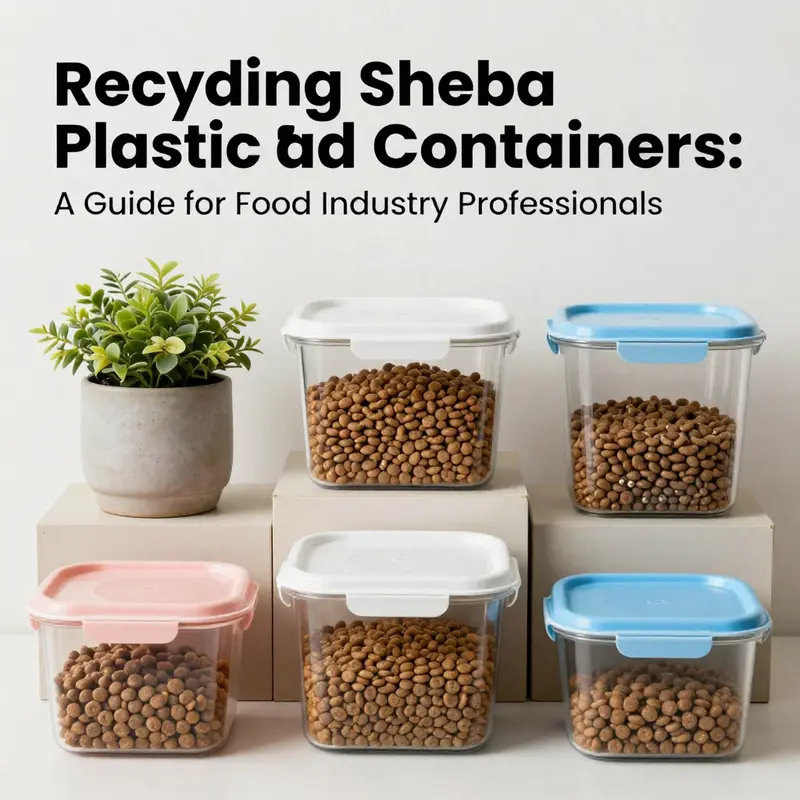
A simple, familiar plastic container often arrives with a hop in its step and a job to do, only to be discarded once its original purpose is fulfilled. Yet the tale of this everyday object can continue long after its first use when we view it through the lens of sustainability. The container in question is typically made from food-grade polypropylene, a sturdy and lightweight material that many households encounter in the pantry and the cabinet. Its design is straightforward: a tight seal, a clear view of what’s inside, and a shape that stacks neatly with other containers of similar size. Because of these traits, it is not merely trash waiting to be sorted but a potential candidate for a second life. Rather than rushing to the recycling bin, a moment of consideration can unlock a sequence of reuse options that span every room in the home. In this light, the container becomes more than packaging; it becomes a practical tool for organization, protection, and creative upcycling, a small but meaningful step toward a circular household economy. The first premise is simple and often overlooked: keeping the container clean and dry is the single most important prerequisite for successful upcycling. Residual contents should be removed, and the piece should be washed with warm water and mild soap. A thorough rinse helps eliminate odors and prevents stains from leaking into future uses. After air-drying, the container is ready for its new role. The next step is to imagine its possible destinations. In the kitchen and pantry, the container shines as a compact storage box. Its moderate capacity—commonly around 1.5 kilograms or 10 kilograms when full—suits a wide range of dry goods: rice, oats, flour, sugar, salt, spices, and dried herbs. The transparent walls allow quick content checks, saving time and reducing waste caused by overlooked items. The stackable, uniform shape saves space in crowded cupboards and on shelves, making it easier to keep the kitchen tidy and efficient. Even small items find a home: tea bags, loose tea leaves, nuts, dried fruit, or seeds can be portioned into separate compartments, each with a clear reminder of what lies inside. When used for dry goods, the container’s integrity helps protect contents from moisture and pests, extending shelf life just a little longer in a world where every saved gram matters. For households seeking to minimize waste, the simple act of repurposing a single container into multiple, reusable storage options reduces the reliance on single-use packaging across the board. If you’re looking for more ideas on compatible storage solutions, you can explore the storage containers category for related options and inspiration. storage containers.
Beyond the kitchen, the container can find new life in the realm of pet care and household organization. For families with feline companions, a clean, dry container can become a secondary reservoir for dry cat treats, crinkly toys, grooming accessories, or even medications and small health supplies. The advantage lies in its seal and its protective shape, which help maintain product freshness and prevent contamination from dust, moisture, or curious paws. Repurposing in this way also limits the scramble of scattered bags and unreliable storage in smaller living spaces. The same logic applies to other household needs, such as organizing small hardware items, buttons and threads for sewing projects, or craft supplies. Its transparent design makes it easy to locate items at a glance, while the secure lid prevents accidental spills. In this sense, the container transitions from a single-use package into a dependable organizer that reduces clutter and supports a calmer, more orderly home environment. The shift from a wasteful habit to a practical habit is not merely about saving money; it is about fostering a mindset that every object has a second chance if we approach it with curiosity and care. For those who like to travel with meals or pack snacks on the go, the container also serves as a compact, reusable lunch box. When cleaned and left to dry, it can hold meals for workdays or day trips, offering a reliable, spill-resistant vessel that travels well in a bag or backpack. In this use, it is wise to observe general guidelines about heating: some polypropylene containers are designed for microwaving or reheating, while others are not, so a quick check of the markings on the container is prudent before attempting any heat exposure. If heating is acceptable, it should be done with care, ensuring that the container is not overheated or distorted, and that hot contents are handled safely to avoid burns. In many households, this little container becomes a trusted companion for a quick, practical lunch, a portable option that helps minimize waste while keeping meals fresh and accessible. The same sturdy form lends itself to creative opportunities as well. Gardeners and plant lovers can repurpose the container as a small plantery workhorse. Poke a few drainage holes in the bottom and use it as a planter for herbs, succulents, or tiny flowering plants. The action of modifying a plastic container into a planter is not purely aesthetic; it embodies a practical approach to resource use. It allows you to repurpose rather than replace, providing a cost-effective way to nurture plants while reducing the demand for new plastic products. Even for those who enjoy hands-on crafts, the container can become a reliable scaffold for DIY projects. It can become a pencil cup on a desk, a tool organizer in the workshop, or a container for art supplies in a child’s creative corner. The hard, smooth surface offers a stable base for cutting, painting, or decoupage, turning a commonplace item into a canvas for imagination and practice. In this continuous loop of reuse, the container demonstrates a small but meaningful principle: that durable materials can travel through multiple functions before they finally retire, and that each stage of life adds value rather than waste. The broader conversation about reusing containers is not purely a personal habit. It reflects a growing collective awareness about the role of packaging in a circular economy. Local recycling programs vary widely, and not every municipality will accept every plastic type. Checking with local authorities can help determine the exact items that qualify and the proper steps to prepare them for recycling. Cleaning remains essential no matter the path chosen. Residual food scraps can invite pests and odors, so a thorough rinse is a must before composting, recycling, or donating. Crumpling or flattening helps save space in recycling streams, but if a container is cracked or showing signs of wear, it may be more prudent to repurpose it in the home rather than deposit it in a formal recycling program. In some regions, the container may be accepted for recycling as a category of lightweight plastics, while others may require it to be placed in a general waste stream if it lacks the necessary labeling or if the local facility cannot process that particular polymer. The reality is that a universal system does not yet exist for every region, which makes a thoughtful, flexible approach all the more important. If a local recycling option is unavailable or uncertain, turning the container into a new household tool remains a widely accessible, low-cost, and impactful alternative. The idea resonates across generations: children learning to care for their environment by reusing containers, adults modeling mindful consumption, and communities building practical habits that reverberate beyond the kitchen. This shared practice does not require perfect information or heroic effort; it requires a willingness to look at a familiar object and imagine a dozen different futures for it. The result is a small but meaningful stride toward less waste and greater resourcefulness in daily life. It is also worth noting how a company’s broader sustainability commitments influence consumer behavior and expectations. While a formal, brand-specific take-back program might not be openly available in every market, the materials used in many packaging systems are designed with recyclability in mind, and the steps outlined here align with common guidelines from local authorities. In this sense, consumers become partners in a broader story of responsibility—one in which packaging is designed to be durable, useful, and eventually recoverable, rather than disposable after a single session of use. The ethos of reuse, repair, and responsible disposal grows out of everyday choices, such as how we clean, store, and repurpose a simple container. And when we apply this mindset consistently, it becomes part of a larger practice: reducing waste, conserving resources, and modeling an approach to consumption that can influence others in the household and the community. The chapter you are reading lives at the intersection of practical daily choices and the larger arc toward sustainability. It invites reflection on how even a modest, familiar object can travel through multiple roles—each stage extending its usefulness and postponing its entry into landfill. To see the bigger picture, consider how corporate sustainability efforts connect with consumer habits. A leading example in this space is a major pet-care group’s initiative to restore coral reefs, which underscores the idea that responsible packaging and responsible consumption go hand in hand with environmental stewardship. You can learn more about this initiative at the external resource link provided below. This connection between brand-level commitments and household-level practices helps illuminate how everyday acts of reuse contribute to a broader, more hopeful vision of a cleaner planet. In practice, the path from one-use packaging to multi-use practicality is accessible to anyone. It requires only a moment of intentionality, a quick cleanup, and a little imagination about how a familiar container can serve as a collaborator in daily life rather than a casualty of waste. It is a small, repeatable ritual—one that, when adopted broadly, compounds into meaningful change. For readers who want a tangible next step, begin with a single container. Clean it thoroughly, dry it completely, and assign it a function that aligns with your current needs—be it a spice jar, a seed starter, a portable lunch companion, or a desk organizer. Observe how long it lasts in its new role, the ease with which it fits into your routines, and the extent to which it reduces purchases of new storage solutions. Over time, this practice becomes second nature, a reflex that respects both budget and environment. As you continue this process, you may find that your household’s approach to packaging shifts from passive disposal to active reuse, and that shift becomes a cornerstone of your daily life. External resource: https://www.mars.com/en-us/sustainability/our-impact/animals/coral-reef-restoration
Rethinking Plastic Cat-Food Containers: From Multilayer Barriers to Food-Safe Recycled Pouches
In the world of premium wet pet foods, the container is more than a vessel; it is the first line of defense for aroma, texture, and safety. Yet beneath the glossy exterior lies a packaging paradox. The most effective containers for preserving freshness are often multilayer structures, each layer chosen for a specific job—chemical resistance, oxygen blocking, moisture control, and a barrier against light. When these components are stacked in a way that seals in quality, they also seal off recyclability. The plastic cat-food container landscape thus sits at a crossroads: the need to maintain product integrity against the need to close the loop and keep packaging out of landfills. This tension is not a hypothetical problem. It is the practical consequence of decades of prioritizing shelf life and consumer appeal over end-of-life considerations. What follows is not a whimper of concession but a narrative of determination, technical ingenuity, and collaborative problem-solving that is slowly bending the arc toward a circular future for wet pet-food packaging. The journey begins with understanding why these containers are so challenging to recycle in the first place. Most of these packages rely on a combination of materials—primarily plastics such as polypropylene and high-density polyethylene, sometimes complemented by barrier layers and other polymers that act as moisture and aroma guardians. The result is a robust, heat-tolerant, and content-safe package that can withstand processing and storage conditions that would degrade lesser materials. However, that same complexity makes mechanical recycling—where practitioners shred, wash, and melt plastics to make new resin—painfully inefficient. Separation is not straightforward. The layers are engineered to work in concert; stripping them apart without contaminating the material stream requires precision, and even then, the purity of recycled streams can fall short of food-contact safety standards. In practical terms, if the recycled material is to be recaptured into new packaging or any food-contact application, it must meet strict cleanliness and compositional criteria. A trace of residue or a minuscule cross-contamination with another polymer can jeopardize the safety and performance of the resulting product. That is not merely a regulatory concern; it is a consumer trust issue. A packaging system designed to preserve freshness must not become a source of risk when recycled. This is where the sustainability dialogue often meets its most stubborn barrier: the purity standard that governs food-contact materials. The industry has long wrestled with the tension between recycling efficiency and food-safety assurances. The result has been a cautious approach to end-use recyclates, particularly for packaging destined to hold edible products. Yet the pressure to minimize environmental impact has nudged researchers and manufacturers to explore alternatives beyond conventional mechanical recycling. The most critical shift is toward advanced recycling technologies that can break down complex multilayer structures to their molecular building blocks, enabling the creation of new polymers that maintain the purity and safety required for food-contact use. In this context, a notable development has emerged from a cross-industry collaboration that signals a tangible path forward. Through a concerted effort involving a major pet-care company and polymer and packaging specialists, an approach now extends the lifecycle of these containers by using recycled polypropylene that is certified for circular use and food safety. The concept rests on advanced recycling, sometimes described as chemical recycling, which depolymerizes plastics into their constituent monomers and then repolymerizes them into high-quality polymers suitable for food-contact applications. The outcome is a recycled content that does not compromise safety, while also delivering performance that can withstand high-temperature processing. The practical impact is striking: a new generation of packaging for wet pet foods that contains a meaningful fraction of recycled content, yet remains retort-safe and able to perform under thermal sterilization. In concrete terms, this translates into a pouch or bag that can endure the rigors of seal integrity, shelf stability, and consumer convenience, all while aligning with circular economy principles. The industry milestone here is not simply the use of recycled materials; it is the achievement of food-grade safety standards in a recycled stream and the demonstration that a significant portion of the packaging can come from post-consumer sources. A typical example in this line of progress involves recycled polypropylene that has been certified for circular use and validated for food-contact safety. The packaging design then integrates this material in a way that respects the barrier properties and mechanical demands of a retort process, which subjects packaging to intense heat and pressure to sterilize contents. The result is a soft, flexible pouch that still carries the reliability and performance requirements of wet cat-food packaging. The audacity of this leap lies in its auditable supply chain and its measurable impact: by embedding around thirty percent recycled content, the new packaging demonstrates not only a reduced reliance on virgin resin but also a credible pathway to scale for similar multilayer systems. This is where the narrative moves from a theoretical aspiration to a practical, deployable solution. It demonstrates that the barrier advantages of multilayer packaging do not have to come at the expense of recyclability. The success hinges on carefully selected materials, precise manufacturing controls, and rigorous certification processes that ensure the recycled content does not compromise food safety, even under retort conditions. The broader significance extends beyond a single product category. It reflects a shift in how the pet-food industry, packaging manufacturers, and resin suppliers conceive of waste streams and value recovery. It invites a rethinking of the entire lifecycle of packaging, from the moment a consumer buys a pouch to the moment it re-enters the economy as a new product. For consumers, this shift translates into packaging that aligns with a growing expectation: products that perform as well as their predecessors but leave a markedly smaller footprint when discarded. It also invites a new consumer mindset about recycling. Sorting, rinsing, and drying remain essential steps, but the bar for recyclability is being raised through material science and policy alignment that support advanced recycling infrastructures. In practical terms, the journey from here involves not only technical refinement but also broader ecosystem development. Local recycling facilities differ in their capabilities; some can process plastics that have been reinforced or blended, while others cannot. The responsibility, therefore, is shared among manufacturers, waste-management entities, and policymakers who design and fund the necessary treatment streams. The consumer’s role remains straightforward yet crucial: rinse the container, remove any residual contents, and ensure it is prepared for the local recycling stream according to regional guidelines. If the local system cannot handle the specific multilayer structure, reusability at home becomes a compelling alternative. People can repurpose empty containers as plant pots, storage bins, or even art projects, thereby extending the material’s life while the system continues to refine its capabilities toward higher-value recycling. The narrative of packaging innovation is inseparable from documentation and transparency. As projects like these mature, clear communication about material composition, processing steps, and safety certifications becomes essential. It is not enough to claim that recycled content exists in a pouch; stakeholders must demonstrate that the recycled material has been processed to a purity level compatible with food-contact safety and that the packaging retains its integrity through heating, sealing, and consumer use. This is not an abstract ideal. It is a practical target that aligns with consumer expectations and regulatory realities. The broader industry implication is a signal that multi-material packaging can be reimagined in a circular framework, provided that the supply chain invests in advanced techniques, auditing mechanisms, and scalable processing capacity. As more brands explore this path, the ecosystem—spanning recyclers, resin suppliers, packaging converters, and food-safety authorities—must synchronize to reduce the friction points that have historically hindered recycling of complex packaging. The journey is iterative: laboratories validate material safety, pilots prove performance, and markets confirm demand. Each step strengthens the case for expanding the use of certified circular polymers in food-contact packaging. At the consumer level, the practical takeaway is empowerment through knowledge. Understanding that packaging technology shapes not only how long a product stays fresh but how responsibly it can be reintegrated into the economy helps transform unease about recycling into proactive participation. The next generation of wet pet-food packaging may look similar on a shelf, yet its interior will be crafted from recycled content with a traceable, certified path back into use. This is not mere optimization; it is a cultural shift in which packaging design, material science, and circular economy principles converge to create packaging that performs, protects, and ultimately returns to the economy as a valuable resource. For readers who wish to explore the broader landscape of packaging materials and recycling categories, a useful reference is the plastic packaging category, which provides context on how different resins are categorized and how markets evolve toward circularity. You can learn more about the range of plastics used in packaging at this resource: plastic packaging. As with any transformative effort, the path forward is not a straight line. It requires patience, investment, and collaboration, but the potential payoff is substantial: a future where premium wet pet foods are packaged in systems that deliver peak performance and, at the same time, contribute to a cleaner, more sustainable planet. This trajectory, while still in its early stages, already demonstrates that the barrier between recyclability and high-performance packaging can be bridged. The convergence of food-safety standards with advanced recycling technologies offers a credible route to scale the use of recycled content in packaging that faces the most stringent requirements. It is a compelling reminder that the choices we make in packaging design today shape the material realities of tomorrow. External reference: For a detailed industry update on food-safe recycled packaging in pet foods and related advances, see the press release from a leading global pet-care company, which outlines the shift toward certified circular PP and retort-safe packaging for wet cat-food products: https://www.mars.com/news/mars-petcare-launches-first-food-safe-recycled-plastic-pouch-for-wet-cat-food
Final thoughts
The recycling of Sheba plastic cat food containers offers a valuable opportunity for food service businesses to contribute to sustainability efforts. By understanding the recycling symbols, local policies, and preparation steps, as well as discovering creative reuse options, you can enhance your operational efficiency and environmental impact. Facing recycling challenges is part of the process, but with knowledge and proactive measures, your business can lead the way in responsible disposal. Let’s champion the cause of recycling and play a crucial role in creating a cleaner environment.