
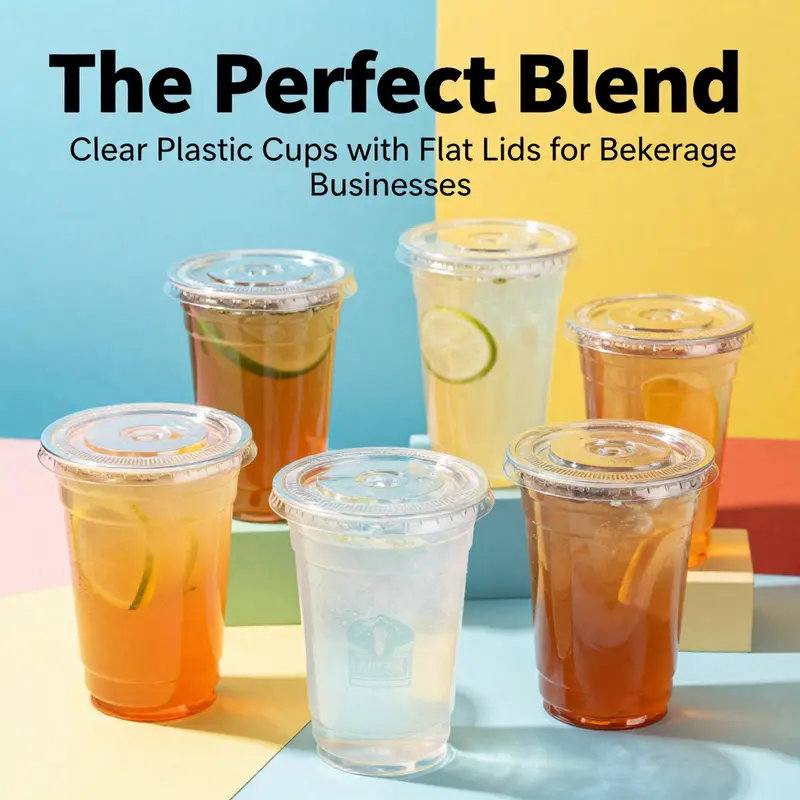
As the beverage industry evolves, the tools we use to serve our drinks must keep pace with customer expectations and sustainability goals. Plastic clear cups with flat lids have emerged as a go-to solution, especially for businesses catering to specialty drinks like bubble tea, iced coffee, and smoothies. Not only do these cups provide visibility into the delicious contents within, but they also reduce spills, cater to on-the-go lifestyles, and align with eco-friendly goals through recycled materials. This article will delve into the material composition of these cups, their features and benefits, industrial applications, sustainability aspects, and current market trends. With this comprehensive overview, bubble tea shops, beverage chains, restaurants, food trucks, catering services, and corporate procurement teams can make informed decisions about their beverage presentation!
Crystal Clarity, Hidden Chemistry: The Material Fabric of Plastic Clear Cups with Flat Lids
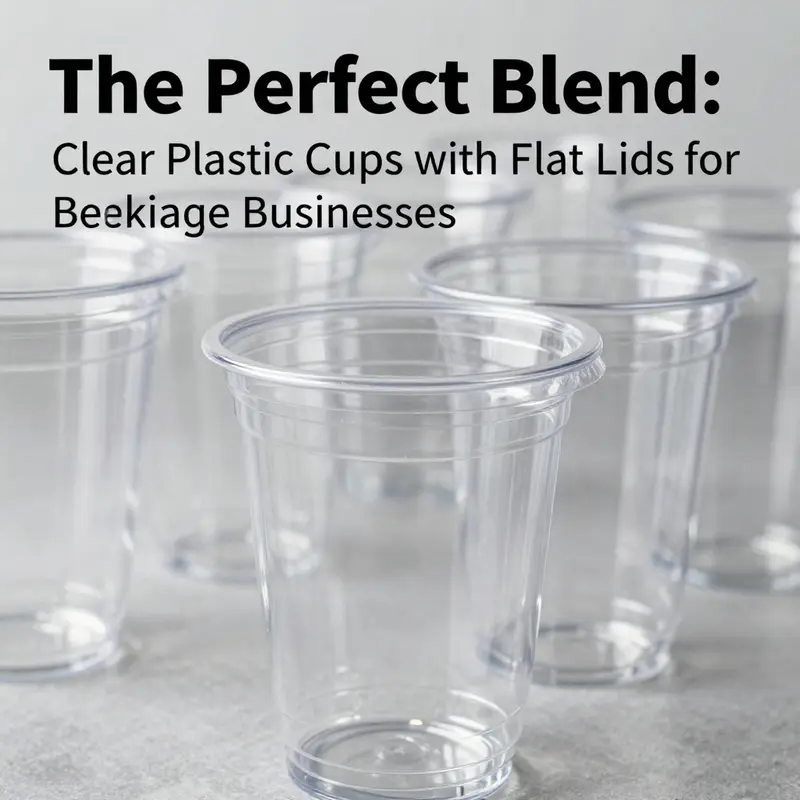
The visual promise of a clear cup with a flat lid is more than a marketing cue; it is a result of deliberate material choices that balance clarity, strength, safety, and sustainability. In busy service environments, these cups must perform under a range of conditions—from the cool, thick foam of an iced coffee to the fast-paced spill-prone reality of drive-through lanes. Every sip depends on a chain of decisions about what the cup and its lid are made from, how those materials interact with the drink, and how they fit into a broader sustainability strategy. The material palette is not monolithic. It is a spectrum in which PET, PP, PLA, and rPET each play distinct roles, sometimes overlapping in function, sometimes diverging in goals like heat tolerance or compostability. Understanding this spectrum illuminates why some venues favor a particular combination of cup and lid, and why others continually re-evaluate their choices as tastes, regulations, and environmental expectations evolve.
PET, or polyethylene terephthalate, remains a staple for many clear cups because it delivers exceptional visual clarity and reliable durability. The transparency of PET enhances the drink’s appearance, turning a beverage into a product it is almost a display case for. This clarity is particularly valuable for cold beverages and desserts, where the color, texture, and topping arrangement contribute to the consumer’s perception of quality. PET’s resistance to flavor carryover is another practical advantage; it helps preserve the beverage’s taste profile from the first pour to the last sip. Yet there is a trade-off. When hot liquids are involved, PET can warp or deform, which is a limitation for cups intended for hot beverages. In this sense, PET’s strength is most often realized in iced or room-temperature applications, where the liquid remains within a comfortable thermal envelope and the lid can maintain its seal and straw hole geometry without becoming a safety risk.
Polypropylene, or PP, often steps in where heat resistance and leaktight performance are paramount. PP is widely used for food-contact applications because it remains rigid at higher temperatures and does not leach chemicals under typical storage conditions. In the ecosystem of clear cups with flat lids, PP contributes to a different kind of reliability. It can support lids and straw holes that are designed to minimize spillage during transport while keeping the overall package lightweight. The material’s robust performance for sauces, condiments, and other semi-solid inclusions also informs decisions about the cup-lid system when a beverage might feature toppings or mix-ins that could otherwise compromise a weaker seal. The PP option, however, does not offer the same level of transparency as PET, which can influence a brand’s choice if the display of drink content is central to its branding narrative.
Biodegradable and plant-based options introduce PLA, polylactic acid, into the conversation. PLA represents a sustainability-oriented path, offering compostable lid solutions for cold drinks and desserts. The plant-derived origin aligns with broader circular economy goals and appeals to operators seeking to reduce their environmental footprint. Yet PLA carries a practical limitation: its suitability is largely confined to cold applications. For hot beverages, the material can lose its structural integrity or require protective handling to avoid deformation. In settings that emphasize composting pipelines or certified compost facilities, PLA can be an elegant fit, provided the waste stream is properly sorted and processed. Operators must also consider the life-cycle realities of compostable materials, including the existence of suitable industrial composting infrastructure and the potential for contamination if the lids are mixed with non-compostable plastics.
Another important facet of the material conversation is recycled content. Recycled PET, or rPET, has emerged as a compelling route to reduce waste and align with circular economy principles. Lids manufactured from post-consumer PET waste can retain the clarity and strength needed for everyday use while lowering the environmental footprint of each unit. In high-volume operators—those serving hundreds or thousands of transactions daily—rPET can contribute to a more sustainable procurement profile without sacrificing the reliability that customers expect. The balance, however, remains nuanced. rPET’s performance is closely tied to the quality of the input stream and the processing standards used to prepare recycled resin. When these controls are strong, rPET lids can deliver consistent optical clarity, robust impact resistance, and dependable seal integrity that businesses depend on during peak hours.
What all four material families share is a commitment to safety and regulatory compliance. Food-grade standards govern the materials that contact beverages, including the potential for chemical migration, odor, and taste transfer. Each material type brings its own regulatory considerations, dictated by regional requirements and evolving sustainability guidelines. The ideal combination—PET for clarity in cold drinks, PP for heat resistance and seal performance, PLA for compostable options, or rPET for recycled-content benefits—depends on the drink profile, service model, and waste management strategy of the venue. In practice, operators often select a cup and lid pairing that optimizes performance for the intended beverage class while leaving space to adapt to future reforms or consumer expectations.
The design of the flat lid itself is inseparable from the material story. The small, precision-cut straw hole is not a mere convenience; it is a calculated feature that strikes a balance between accessibility and spill control. The hole must be large enough to accept a standard straw with minimal effort, yet small enough to limit escapes during transit. When the lid and cup are constructed from PET or rPET, the lid’s geometry can leverage the material’s stiffness to maintain a tight fit around the straw hole, reducing slippage and leakage during tilting or some degree of agitation. In PP-equipped systems, the same geometry benefits from a higher heat resistance that helps preserve a secure seal even as the beverage temperature approaches the upper range of cold and cool drinks. PLA lids, designed for cold drinks, benefit from the stiff yet compostable nature of the material, which supports a rigid lid profile without compromising the integrity of the straw aperture.
From an aesthetic and brand-visibility perspective, the choice of material also matters. Clear PET or rPET lends a pristine, almost glass-like appearance that underscores premium presentation for specialty coffees, bubble tea, and dessert beverages. The visual clarity makes toppings—foam, pearls, or fruit bits—pop against the liquid, a factor that can influence consumer perception and willingness to pay a premium. The lid design, with its flat, unbroken surface and discreet straw hole, complements this clarity by presenting a seamless silhouette that looks purposeful on a takeout counter. This visual appeal, however, must be weighed against practical concerns. The very openness that provides a window into the beverage can also offer a pathway for condensation or external contamination if handling and storage conditions are not carefully managed. Consequently, the operating environment—cleanliness standards, staff training, and packaging workflows—becomes central to leveraging the advantages of each material choice.
In practice, the decision matrix extends beyond the bench. For businesses with high-volume throughputs, the availability of a wide range of capacities—from compact 7-ounce (210 ml) sizes to larger 1000 ml renditions—permits a single cup-and-lid platform to cover diverse beverage lines. A unified system reduces complexity in procurement, inventory, and staff training, while ensuring that the same lid geometry works across several cup diameters. Suppliers often provide a suite of compatible packaging options—straws, compostable paper bags, or alternative lunch-pack components—that accelerate end-to-end service from order to delivery. The capacity to mix and match materials, while preserving a consistent user experience, is a strategic asset in chain operations that must balance speed with sustainability goals. For readers exploring the broader landscape of plastic cups and their assemblies, see the Plastic Cups category for related product families and compatible components.
The evolving material conversation is not just about the next new resin or the greener path; it is about aligning technical performance with consumer expectations and environmental responsibility. Many operators now weigh the benefits of recycled-content lids against the compatibility of PP or PET with existing beverage lines. Others experiment with PLA lids for cold drinks in markets with mature composting infrastructures. The decisions become a narrative about what a brand stands for in the eyes of customers who increasingly value transparency about materials, end-of-life options, and the true environmental costs of disposable packaging. In this way, a seemingly simple product—a clear cup with a flat lid—emerges as a microcosm of sustainability strategy, regulatory compliance, and operational efficiency.
For readers seeking a consolidated overview of available materials and their practical implications, the chapter’s material map can serve as a guide to inventory choices, but it also invites ongoing assessment. Keeping a watchful eye on supply chain stability, resin quality, and end-of-life infrastructure ensures that the selected cup-and-lid combination continues to meet performance standards while contributing positively to the brand’s environmental narrative. The choice is rarely final; it is an evolving decision that reflects the interaction of drink type, service model, consumer expectations, and local waste-management capabilities. The material story behind clear cups with flat lids remains central to delivering an experience that is visually appealing, reliably safe, and responsibly aligned with the future of packaging.
Internal link note: For a broader view of where these cups fit within a complete packaging ecosystem, explore the Plastic Cups category. Plastic Cups category.
External resource for further reading: https://www.benjaminross.com/science-behind-plastic-clear-cup-flat-lids-iced-coffee/
Clear, Contained Convenience: The Design Ethos Behind Plastic Clear Cups with Flat Lids

The hum of a busy cafe, a stream of orders, and the quick handoffs that keep a morning routine smooth all hinge on a small but pivotal design decision: the cup. Plastic clear cups with flat lids have quietly become a backbone of the foodservice world, especially where beverages are meant to travel from counter to curb with minimal fuss. They are chosen not just for their transparency, but for a curated balance of practicality, hygiene, and on‑the‑go convenience. From specialty coffees and bubble teas to dessert beverages and premium cold drinks with toppings, these cups carry both the drink and the promise of a consistent customer experience. The flat lid, with its restrained straw hole, is more than a convenience feature; it is a carefully engineered interface between beverage and environment, between the brand on the cup and the world outside the cup sleeve. In a high-volume setting, that interface matters as much as flavor or aroma, because the moment of purchase becomes a moment of confident transport, a moment when the drink remains pristine from the moment it leaves the barista station to the moment it reaches a customer’s lips.
Clarity is the first handshake between product and consumer. A clear cup invites the eye to the color, the texture, and the toppings that may crown a drink. This visibility is not purely aesthetic; it supports order accuracy and freshness perception. When a staff member can instantly confirm that a beverage has the right amount of foam, the right gradient of color, or the extra pearls of bubble tea, service becomes more precise and efficient. In settings like offices, cafeterias, or event booths where many beverages mingle on a crowded table, the transparency of the cup reduces the cognitive load on staff and customers alike. The cup becomes almost a piece of branded theater—the liquid within framing the light, the ice catching glints, the swirls of syrup or milk creating a visual signature that can reinforce a drink’s appeal without additional labeling on the lid. This is particularly valuable for beverages designed for toppings—fresh fruit, pearls, or whipped foam—where the visual cue of a layered drink adds to perceived value and customer satisfaction.
The flat lid design enshrines a philosophy of hygiene and practical use. A flat surface provides a seal that keeps dust and insects from the straw hole, a factor that can matter in outdoor markets, borrowed-lender setups, or seasonal pop-ups. The flat lid also tends to be easier to store and stack than domed alternatives, which translates into cleaner back-of-house logistics and faster restocking. The small straw hole is a deliberate standardization; it allows easy straw insertion while minimizing the risk of accidental spills during transport. The hole’s position and diameter are calibrated to accommodate most standard straws, delivering reliable performance across a broad range of beverages. In high-volume operations, this compatibility reduces the need for multiple lid styles and simplifies the supply chain, helping staff focus on quality control rather than lid assortment.
Material choices for these cups further shape their behavior in real-world use. Often manufactured from polypropylene, these cups strike a balance between lightness and resilience. The lightweight character reduces the burden of carrying and handling for staff and customers, a subtle advantage when a customer has several drinks to manage during a day out. Yet the durability is not compromised; polypropylene resists impact and temperature swings, so the cup survives the bumps and jostles of busy takeout environments and outdoor service. The result is a container that feels sturdy enough for a busy commute but forgiving enough to be used again in a limited time frame without fear of cracking or shattering, unlike glass or ceramic. While these cups are designed primarily for cold and moderately warm beverages, there is a nuanced conversation around hot liquids. The straw hole and the general insulation profile can affect heat retention, so these cups are typically favored for iced coffee, soft drinks, lemonade, and smoothies where a hot beverage is not the primary target or where a dedicated hot cup is available for use.
Hygiene and ease of maintenance are two more decisive virtues. The smooth surface of a clear plastic cup offers straightforward cleaning by hand or dishwasher, minimizing areas where residue can cling. By design, the flat lid eliminates more complex moving parts and fiddly edges that can harbor bacteria, thereby supporting better hygiene with less effort. In settings that require rapid turnover and frequent cleaning, the intuitive geometry of a flat lid reduces scrubbing time and makes sanitization easier for frontline staff. The clear material also makes it easier to spot cloudiness or residue, enabling quick quality checks and timely replacement when needed. Taken together, these factors contribute to a safer dining experience, bolstering confidence among customers who encounter the cup repeatedly across a meal or event.
The versatility of these cups extends beyond their immediate function. They are engineered to support a range of beverages and presentations without demanding specialized equipment or accessories. The clear design lends itself to branding through color and cap design, while the simplicity of the lid helps maintain a clean, uncluttered aesthetic that can align with a brand’s visual language. In practice, this means a café can preserve its signature look—brand colors or logos printed on the cup—without needing to adjust lid design for every product line. It also means the cup’s lifecycle can align with sustainability goals, an increasingly important consideration for many operators. While plastic cups contribute to environmental concerns when used as single-use items, there is a growing emphasis on recyclable materials and designs that facilitate reuse in a circular economy. Some lids and cups are now produced with post-consumer recycled content or are designed to be compatible with recycling streams that support responsible waste management. The conversation around sustainability is not simply about material choice; it is about the entire system of use, reuse, and end-of-life recovery.
From a procurement perspective, these cups come in a spectrum of sizes to match beverage type and customer flow. A typical lineup includes smaller, grab-and-go portions around 7 ounces (210 milliliters), standard cafe sizes like 12 ounces, and customizable capacities that can go up to around 1000 milliliters for specialty cold drinks or family-sized servings. The ability to offer multiple sizes in a consistent lid-and-cup system makes inventory management more predictable and reduces the risk of mismatched components that could slow service. In addition to the cups and lids, suppliers often provide complementary packaging options that support on-the-go consumption, such as straws, compostable paper bags, or bagasse containers. These packaging choices enable a one-stop approach to procurement, improving consistency and reducing lead times for restaurants, coffee shops, and event vendors. For businesses looking to optimize their supply chain further, it is worth exploring the broader range of disposable drinkware options in related product families, especially those that align with current sustainability goals and waste reduction strategies. For a broader view of related options and sizes in the disposable drinkware family, explore the disposable drinkware category.
Cups with flat lids also bring tangible benefits to the bottom line, especially in high-volume operations. The security of a solid seal minimizes spillage and waste during transport, a feature that translates into lower product loss and better measured pour rates. Customers appreciate not having to deal with leaks or the chance of messy bags or transit sleeves; their confidence in the brand grows when a drink remains pristine from takeout to consumption. In this context, the cup becomes not only a vessel but a reliability promise that supports the overall customer experience, from the moment the drink leaves the counter to the moment it is enjoyed on foot, in transit, or at their desk. The clearer the liquid inside, the more the drink’s presentation communicates a brand’s attention to detail, from the meticulous layering of a milk tea to the shimmer of a fruit-based beverage resting under a gleaming lid.
Yet no design is without trade-offs. The small straw hole, while essential for minimizing spills, can constrain the space available for foamy toppings or thick additions. Debris such as foam or fruit bits may settle near the opening and require careful sipping or a change in drink composition for visually complex beverages. The relatively modest insulation of a flat-lid system means it is less suitable for beverages intended to be hot for long periods. In such cases, operators may opt for alternative cup designs that emphasize thermal retention. Even so, the flat lid’s practical advantages—ease of stacking, quick access for straw insertion, and a clean, dust-protected seal—often outweigh these limitations for beverages designed around cold temperatures or lightly heated servings. When planning an assortment, buyers balance the allure of clarity and convenience against the specific needs of their menu and service cadence.
Beyond performance, there is a strategic layer tied to consumer perception and brand storytelling. The clarity of a cup reflects a commitment to quality—customers can see what they are paying for, including color, texture, and toppings. The minimalistic lid design signals efficiency and reliability, values that resonate with takeout patrons who value predictability and speed. The combination of clear material and flat lid becomes a visual canvas on which beverages can shine, allowing color contrasts and topping textures to speak for themselves. As operators seek to differentiate in crowded spaces, this visual honesty—no opaque hides, no decorative lids—can become a quiet yet powerful part of a brand’s identity, a signal that emphasizes transparency in both product and service.
From a sustainability lens, there is thoughtful momentum toward using recyclable materials and enabling reuse where possible. The industry is increasingly exploring lids crafted from post-consumer recycled content and cups designed for repeated use in refillable systems. This shift aligns with broader circular economy principles, which emphasize keeping materials in use and diverting waste from landfills. While a single cup contributes only a small portion of a brand’s overall footprint, the collective impact of thousands of cups used every day can be meaningful when matched with responsible end-of-life strategies and education for customers. When selecting a cup and lid combination, operators may weigh not just the initial cost but the lifecycle implications, including how the product can be integrated into a sustainable supply chain, whether through recyclability, reuse, or compatibility with composting streams where permitted.
In summary, plastic clear cups with flat lids offer a balanced proposition for modern beverage service. They combine visibility, hygiene, and ease of use with the flexibility to support a wide range of drinks and service models. They are adaptable to the demands of fast-paced, high-volume environments while maintaining a visual appeal that enhances the drink’s perceived value. For operators looking to optimize their takeaway experience, these cups provide a robust foundation—one that lets the liquid speak for itself while the lid quietly ensures cleanliness, transport integrity, and everyday practicality. If you want to explore related options in the broader disposable drinkware family, you can examine the disposable drinkware category for more context, sizes, and configurations. And for those who want to see how design thinking in reusable systems is evolving, a broader discussion of durable, refillable options from leading manufacturers can offer additional insight into how today’s cups fit into tomorrow’s consumer expectations. External resources offer even more perspective on material choices and lifecycle considerations, including studies and guidelines on how reusable and recyclable products are integrated into daily practice across industries.
External resource for further reading: https://www.midea.com/en/product/1010901.html
null

null
Clear Conscience, Flat-Lid Futures: Rethinking Sustainability in Plastic Clear Cups
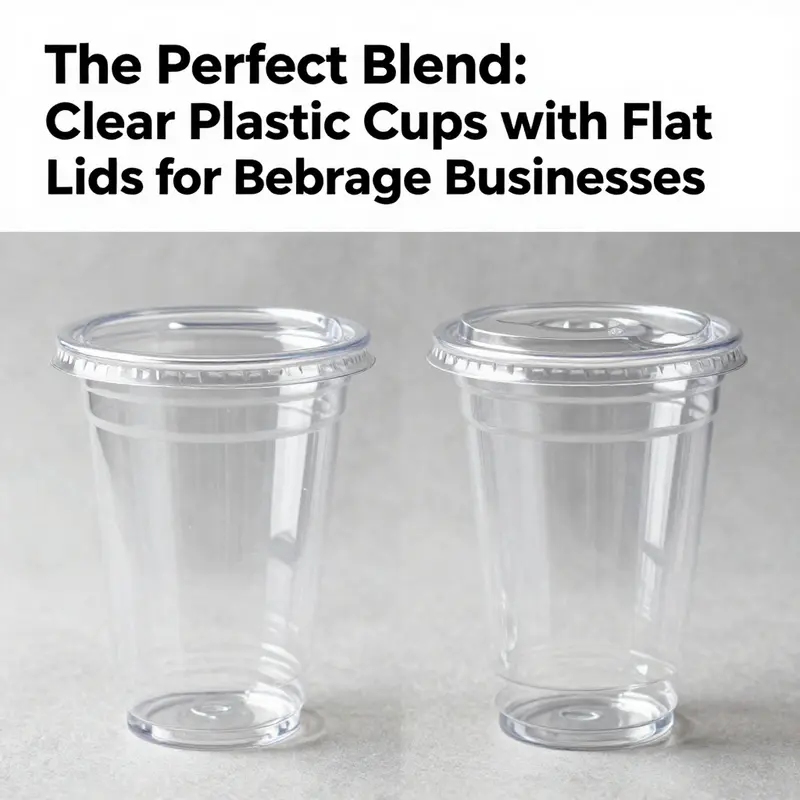
An exploration of clear plastic cups with flat lids asks a practical question: can convenience and responsibility coexist? In many service settings, these cups showcase beverages, reduce spillage, and travel quickly through busy streets. Yet sustainability is no longer an afterthought; it guides material choices, manufacturing footprints, and end-of-life plans. Advances in polylactic acid (PLA) and recycled-content plastics offer pathways to maintain performance while reducing environmental impact. PLA can be compostable in industrial facilities, while rPET content supports recycling loops, provided disposal streams are clear and compliant. The challenge remains to align product design with local waste infrastructure and consumer labeling to avoid contamination. By pairing intelligent design with transparent end-of-life guidance, brands can deliver reliable service and meaningful environmental benefits. The journey is not about a single material but about a portfolio of options tailored to context, facility capabilities, and consumer expectations.
This approach requires collaboration from suppliers, operators, and communities to ensure that compostable or recycled-content options are accepted, sorted, and processed correctly. The result is a packaging system that travels cleanly through the waste system, minimizes confusion at the point of use, and supports circularity without compromising the experience customers expect.
Clarity, Compliance, and Convenience: Market Trends and Strategic Sourcing for Plastic Clear Cups with Flat Lids
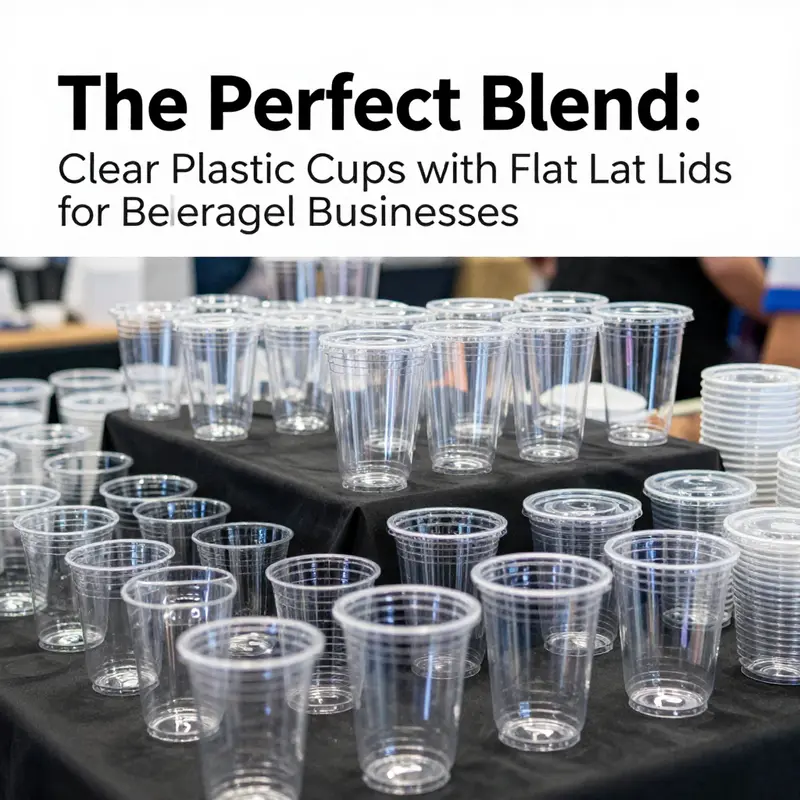
The market for plastic clear cups with flat lids sits at a crossroads where convenience, hygiene, and presentation meet the realities of high-volume foodservice. Market assessments show steady growth as operators seek reliable, visually appealing packaging that travels well and presents beverages clearly from the outside. Clear cups with flat lids, often designed with a precise straw hole, have become a staple in cafes, quick-service restaurants, and beverage programs, enabling a wide range of offerings while showcasing color, texture, and toppings through a transparent container.
Operational drivers include speed, spill resistance, and ease of use. A well-designed flat-lid system minimizes leaks with a secure seal and controlled straw access, while a clear body reinforces product storytelling and brand differentiation. These factors—speed, cleanliness, and presentation—help elevate customer satisfaction and support higher per-unit margins in competitive markets.
Sustainability has become central to supplier selection and product design. Recycled content such as rPET lids and other recycled materials are increasingly favored for waste reduction and circular economy goals. At the same time, traditional materials like food-grade PP and PET remain valued for their clarity and rigidity, delivering reliable performance across temperature ranges and usage contexts.
From a sourcing perspective, buyers seek reliability, traceability, and compliance across the supply chain. End-to-end transparency, batch-level documentation, and adherence to food-safety standards are common expectations. Platforms that bundle cups and lids with compatible packaging can streamline procurement, reduce logistics complexity, and reinforce brand consistency across channels. The result is a more resilient supply chain that supports fast service while aligning with environmental objectives.
Final thoughts
Clear plastic cups with flat lids are more than just packaging; they are essential tools that enhance beverage presentation, meet consumer demands, and provide an eco-friendly option. For bubble tea shops, beverage chains, and catering services, the choice of these cups can lead to improved customer satisfaction and operational efficiency. By understanding their material properties, features, industrial applications, sustainability implications, and current market trends, businesses can make informed decisions that elevate their brand and product offerings. Whether you’re looking to streamline your beverage service or enhance sustainability efforts, investing in high-quality clear plastic cups is a step in the right direction.