

Introduction
Navigating the world of paper cup lids can significantly impact your business’s operational efficiency and customer satisfaction. Wholesale options for paper cup lids offer variety in pricing, specifications, and materials that can suit any business model, from cafes to event organizers. Understanding the nuances of wholesale pricing structures is essential for maximizing cost-effectiveness. Additionally, compliance with food safety regulations and the growing demand for sustainability are major factors to consider when choosing the right lids. Lastly, customization opportunities can enhance your brand’s presence and connect better with your clients. Throughout this comprehensive guide, we’ll delve into these aspects, equipping you with valuable insights to aid your purchasing decisions.
Tables of Contents
Chapter 1: Understanding the Core Economics of Paper Cup Lid Wholesale Pricing
- Navigating the Pricing Labyrinth: Key Economic Influencers in Paper Cup Lid Procurement
- How Technological Advancements are Transforming the Economic Landscape of Paper Cup Lid Pricing
Chapter 2: Material Integrity and Compliance for Wholesale Paper Cup Lids: Ensuring Quality and Safety
- Material and Safety Specifications for Wholesale Paper Cup Lids
- Critical Specifications and Compliance Standards for Functional Paper Cup Lids
Chapter 3: Exploring Innovative Materials Driving Sustainability in Wholesale Paper Cup Lids
- Revolutionizing Eco-Friendly Options: Material Innovations in Paper Cup Lids Wholesale
- Bridging Sustainability and Customization: Navigating the Wholesale Market for Paper Cup Lids
Chapter 4: Unleashing Creativity: Customization and Branding through Paper Cup Lids
- Innovative Lid Designs and Custom Features: Elevating Your Brand Identity
- Transformative Branding Through Custom Paper Cup Lid Experiences
Chapter 1: Understanding the Core Economics of Paper Cup Lid Wholesale Pricing
1. Navigating the Pricing Labyrinth: Key Economic Influencers in Paper Cup Lid Procurement
The pricing structures associated with wholesale paper cup lids are intricate, influenced by a harmonious interplay of material choice, order volumes, raw material sourcing, customization demands, and logistical intricacies. Understanding these economic factors is essential for businesses seeking to optimize their purchasing strategies while maximizing cost efficiency.
Material Type and Production Costs
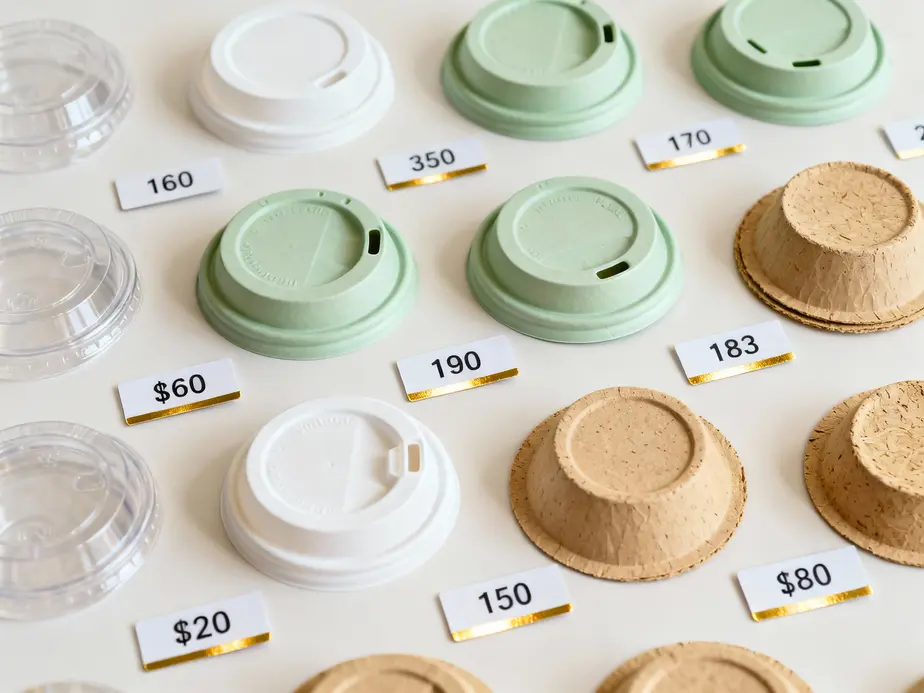
The selection of material is among the foremost determinants of wholesale pricing for paper cup lids. The standard polypropylene lids, widely produced and utilized in the foodservice industry, exemplify affordability, with prices generally ranging from $0.02 to $0.06 per unit in bulk purchases of 1,000 units or more. However, companies that prioritize eco-friendliness often opt for compostable alternatives such as PLA (polylactic acid) or bagasse lids, which command significantly higher prices, generally between $0.08 and $0.15 per unit. This price disparity is attributed to the intricacies surrounding the production of sustainable materials, which typically involve more complex manufacturing processes and increased raw material expenses. As these eco-friendly options take root in consumer preferences, businesses grappling with pricing decisions must weigh the higher upfront costs against the potential long-term benefits of ecological sustainability and brand loyalty.
Bulk Purchasing: Driving Economies of Scale
Order quantities also play a pivotal role in determining the unit cost of lids, with bulk purchasing acting as a significant lever for price reductions. As a rule of thumb, businesses purchasing large volumes—typically starting from 1,000 units—can unlock considerable per-unit savings compared to smaller, ad-hoc orders. Minimum order quantities (MOQs) for customized solutions may soar into the tens of thousands, adding a layer of complexity for businesses that may have fluctuating demand. The underlying principle is rooted in economics; larger orders enable manufacturers to allocate their fixed production costs across more items, thereby achieving economies of scale that benefit buyers as much as producers. Therefore, businesses looking to lower operating costs can strategize their procurement cycles to align with inventory demands and budgetary constraints.
Influence of Raw Material Costs
In addition to order volume, the costs associated with raw materials—particularly resin—pose another variable in the pricing equation, fluctuating based on the volatility of the oil market and the dynamics of supply and demand. Companies engaged in the procurement of paper cup lids must keep a close watch on these trends to make informed purchasing decisions. For instance, sudden spikes in oil prices may lead to increased resin costs, thereby compelling wholesale suppliers to adjust their prices accordingly. Businesses equipped with insights on raw material price movements stand a better chance at negotiating favorable terms with their suppliers or strategizing bulk purchases during stable price periods to protect their budgets from unpredictable shifts.
Customization: Adding Value or Cost
For enterprises seeking to differentiate themselves in a crowded marketplace, the option for custom-printed or branded lids presents an attractive but costly avenue for marketing. Enhanced branding can add an additional cost of $0.03 to $0.10 per lid, depending on the complexity of the design involved. Simpler printing methods and designs incur lower costs, while intricate and multi-colored processes necessitate careful budget planning. As businesses evaluate the ROI of customized lids, it becomes vital to balance the upfront costs against the potential uplift in brand recognition and customer loyalty. The decision to invest in customization represents a strategic choice that can pay dividends in heightened customer engagement and enhanced market presence.
Logistical Considerations and Supplier Location
Shipping costs exert a critical influence on final wholesale pricing. The geographical location of suppliers not only affects accessibility but also impacts overall expenses associated with transportation and delivery. While sourcing from overseas may allow businesses to capitalize on lower per-unit costs, this approach often entails higher logistics fees and extended delivery timelines. In contrast, suppliers located domestically allow for reduced shipping costs and swifter delivery options. The implications of fuel price fluctuations must also not be ignored, as they further influence logistics costs and necessitate careful selection of suppliers to enhance cost-management strategies.
Sourcing Superior Suppliers
When selecting suppliers, many businesses find it beneficial to engage with reputable distributors known for competitive pricing structures, such as Uline, Smart & Final, and WebstaurantStore. Implementing a practice of requesting samples can be invaluable prior to committing to large orders, allowing businesses to assess product durability, fit, and overall quality. In this context, suppliers providing third-party food safety documentation may come with a premium price. However, these products often reduce the risk of buying inferior goods that could lead to waste or compliance issues with food safety regulations. When evaluating supplier options, a balanced consideration of cost, quality assurance, and safety expectations forms the cornerstone of a robust purchasing strategy.
Overall, navigating the wholesale pricing structures for paper cup lids necessitates an understanding of several interconnected economic facets. By proactively engaging with material sourcing, leveraging bulk purchasing opportunities, monitoring raw material pricing, considering custom branding, and choosing suppliers wisely, businesses can effectively position themselves for success in an increasingly competitive landscape.
For further insights on sustainable options, consider exploring our offerings of eco-friendly packaging solutions.
2. How Technological Advancements are Transforming the Economic Landscape of Paper Cup Lid Pricing
In an era where environmental consciousness is paramount, the wholesale pricing of paper cup lids is undergoing a profound transformation fueled by technological advancements. This evolution is not merely a reaction to market trends but an active reshaping of how products are manufactured, delivered, and priced. As the industry adapts to economic pressures and regulatory changes, emerging technologies have surfaced as the backbone of this structural change, enhancing productivity while supporting sustainability efforts.
A principal driver of this transformation is the advent of water-based barrier coatings. Traditionally, manufacturers have relied on plastics, specifically polyethylene (PE) linings, to ensure the durability and sealing capabilities of paper lids. However, the economic burden associated with these materials—both in terms of cost and environmental impact—has prompted a shift towards alternative solutions. Water-based systems allow for the production of thinner, recyclable structures that perform effectively without the heavy reliance on costly materials. As businesses pivot away from petroleum-derived products, companies that embrace these innovations can expect significant reductions in raw material costs. For instance, the Seda Group’s EcoFit Lid, utilizing advanced coating technology, anticipates lowering wholesale prices by an impressive 20 to 40 percent.
The push towards sustainability reaches beyond mere material substitution; it’s been hastened by impending regulatory measures. The FDA’s anticipated ban on per- and polyfluoroalkyl substances (PFAS) by 2025 is a clarion call to manufacturers. This shift not only streamlines compliance costs but also aligns companies with consumer trends favoring responsible consumption. The financial ramifications of these innovations extend into the market, which anticipates a growth in metallic paper lids projected to reach USD 1.2 billion by 2036, reflecting a compound annual growth rate (CAGR) of 5.7%. This growth signals a pivotal moment in the marketplace, where pricing structures are foreseen to stabilize and evolve alongside sustainable innovations.
In addition to material advancements, automation plays a crucial role in shaping the wholesale pricing structures of paper cup lids. The integration of technologies such as Programmable Logic Controllers (PLC), Human-Machine Interface (HMI), and Internet of Things (IoT) capabilities within manufacturing processes accelerates production speeds while minimizing waste. Automation is particularly transformative for small and medium enterprises (SMEs), enabling them to participate in the wholesale market affordably. For example, transitioning away from pneumatic setups toward fully automated systems not only reduces labor costs but also improves energy efficiency.
This shift is especially noteworthy in regions with stringent regulations, where the demand for automated manufacturing solutions is soaring. Germany’s market, for instance, is projected to grow at a CAGR of 6.1%, underscoring the expanding accessibility of automated production for SMEs. In this environment, companies that can harness these technologies will likely reduce their per-unit costs, thereby enhancing competitiveness in the wholesale market.
The commitment to sustainability requires innovation at every level, prompting significant investments in research and development (R&D). Industry leaders like Huhtamaki and Amcor are investing heavily into creating recyclable materials that meet the growing expectations of consumers while remaining compliant with government regulations. This strategy not only addresses the immediate needs of the market but also builds long-term customer loyalty.
The projected expansion of the paper cups market to 6.41 million tonnes by 2031, with a CAGR of 3.45%, highlights the need for ongoing innovation across all sectors, including lap lids. Such projections offer fertile ground for new entrants and established firms to differentiate themselves through the quality and sustainability of their products. Important developments like Graphic Packaging’s projected USD 136 million investment in a curtain-coater project aim to facilitate the efficient production of high-quality cupstock used in lid manufacturing. These advancements ensure that businesses are well-equipped not only to meet current demand but also to anticipate future market needs.
However, as companies embrace these technological advancements, it is crucial to remain vigilant against potential pitfalls. Quality control measures must evolve in parallel with production capabilities; ensuring that lids not only meet the aesthetic demands of customers but also perform consistently in real-world conditions is paramount. For wholesale buyers, the emphasis on testing samples of lids prior to large orders cannot be overstated. Accepting subpar products could lead to costly liabilities associated with customer dissatisfaction or compliance issues.
While the wholesale landscape for paper cup lids is being reshaped, it is clear that a confluence of automation, innovative materials, and strategic investments in sustainability will drive future pricing structures. By leveraging these advancements, wholesalers can optimize their pricing frameworks while affirmatively responding to the dual demands of efficiency and eco-responsibility. With these instruments at their disposal, businesses are poised to not only weather changing economic tides but also proactively shape a more sustainable future for disposable products. As the industry continues to evolve, suppliers who adapt rapidly to these technological changes will climb ahead in a competitive marketplace, ensuring that their pricing strategies reflect this new reality. To see some of these innovative solutions firsthand, check out the latest biodegradable and eco-friendly packaging options that cater to the rising demand for sustainability in food service.
Chapter 2: Material Integrity and Compliance for Wholesale Paper Cup Lids: Ensuring Quality and Safety
1. Material and Safety Specifications for Wholesale Paper Cup Lids
Understanding the material choices available for paper cup lids is fundamental for any business involved in wholesale procurement. A variety of materials are utilized in the production of these lids, each offering distinct advantages and suitability for different applications. Among the most common materials are polypropylene (PP), renowned for its durability and resistance to temperatures, and polylactic acid (PLA), favored for its compostable properties appealing to environmentally conscious consumers. Selecting the right material is not just about performance but also about sustainability and safety compliance. For instance, while polypropylene lids typically come in bulk quantities starting at an economical price point of $0.02 per unit for orders over 1,000 units, compostable PLA lids tend to begin at approximately $0.08 per unit, reflecting the sustainable benefits offered by these innovative materials.
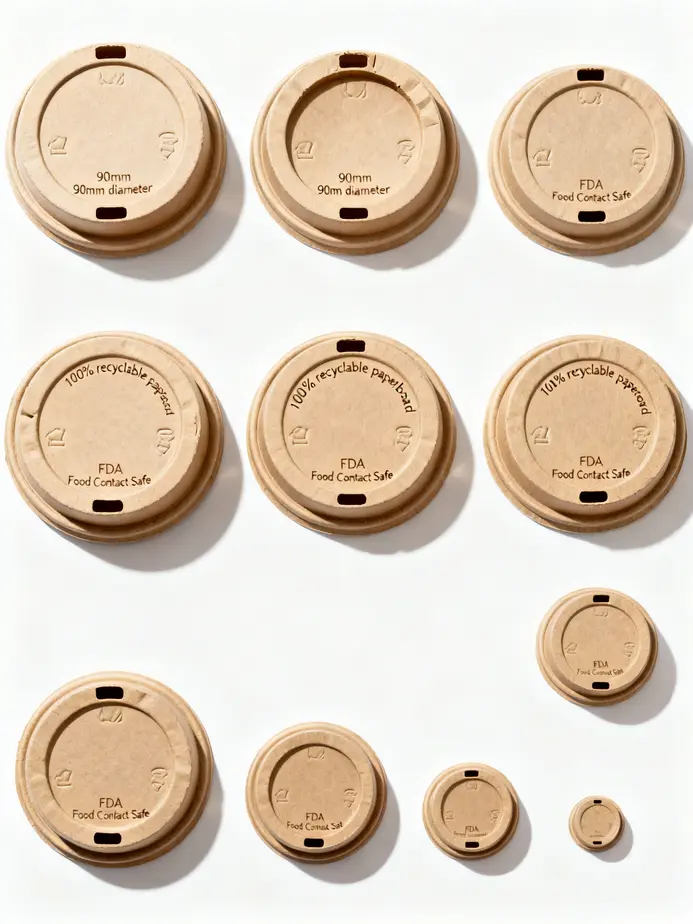
When considering material specifications, size compatibility is essential. The diameter of most lids, which can range commonly between 3.5 inches and 4 inches, needs to match standard cup sizes like 8 oz to 16 oz to ensure a snug fit without leakages that could compromise beverage quality during transport or service. Heat resistance is another critical parameter, with most standard lids proven to withstand temperatures up to 185°F (85°C). This resilience is crucial for hot drinks like coffee or tea to prevent distortion or melting during operational use.
Equally important to the material itself are the design features that enhance usability and reliability. Many suppliers incorporate snug collar grips in their lids, coupled with inner gaskets or snap ring designs, which guarantee a secure fit and heightened leak protection. Cold beverage lids typically feature either round or oval straw holes, designed to manage condensation effectively, while hot drink lids often come in flat or domed profiles with tamper-evident seals—an essential safety measure for protecting against unauthorized access to the beverage prior to consumption.
Safety standards governing the materials used in food packaging, including paper cup lids, are stringent and must adhere to relevant regulations set by authoritative bodies like the FDA. FDA compliance necessitates that all materials be food-safe, preventing any contamination that could adversely affect consumer health. This regulatory oversight calls for certifications that serve as evidence of compliance; companies must ensure that they source lids containing materials approved in accordance with standards pertaining to food contact safety. Moreover, compostable lids necessitate additional certifications, such as those from the Biodegradable Products Institute (BPI) and the Forest Stewardship Council (FSC). These certifications not only validate the environmental claims made by manufacturers but also establish credibility amongst consumers who increasingly prioritize sustainability in their purchasing decisions.
While placing bulk orders, businesses should delve into the specifics of quality testing and regulatory compliance. It is crucial to verify that all materials—particularly those incorporating polyethylene or PLA linings—are subjected to comprehensive testing for chemical migration, ensuring they meet stringent health and safety standards. Consistent production practices that meet ISO certification standards are also imperative in maintaining quality during manufacturing. Organizations, especially in the food service sector, must also check for compliance with labeling regulations, particularly important given the growing scrutiny on the accuracy of terms like “eco-friendly” and “biodegradable.” Failure to abide by these labeling laws can expose companies to heavy penalties and damage their reputation.
In terms of procurement, understanding how to match lids to cup sizes is paramount. A mismatched lid can lead to operational issues such as spills, which undermine consumer satisfaction and damage business reputation. Therefore, being equipped with appropriate measurements upfront can streamline the selection process. Key quality checks should cover seal integrity, ensuring that lids afford temper-protective features and enough durability for the intended purpose. Companies should also consider customization options when placing orders, as these can include enhanced safety designs like reinforced seals or child-safe features promoting additional security in busy beverage service settings.
Lastly, in the wholesale landscape, where the dynamics around supply chain and demand fluctuate continuously, building relationships with reliable suppliers offers an avenue for stability in sourcing. Wholesalers can bridge connections with providers who advocate for sustainable practices, especially as eco-friendly customs labels continue gaining traction amongst consumers. Establishing gateway references with trusted suppliers allows businesses to sample items prior to commitment, ensuring that the desired fit and durability are aligned with operational needs.
In conclusion, the procurement of paper cup lids for wholesale hinges on a comprehensive understanding of both the material specifications and safety compliance relevant to the food industry. With a focus on ensuring that lids conform to high-quality standards and regulations, businesses can deliver reliable products to consumers while seamlessly resonating with the ever-evolving market of sustainability. The prudent selection of paper cup lids entails aligning with verified standards that protect both consumer health and the environment, an essential practice for any enterprise in today’s conscientious consumption landscape.
2. Critical Specifications and Compliance Standards for Functional Paper Cup Lids
When it comes to sourcing paper cup lids for wholesale distribution, understanding the essential specifications and compliance standards is crucial for making informed choices that meet both operational needs and regulatory requirements. The performance of these lids not only influences the consumer experience but also impacts a business’s reputation and environmental footprint. Factors such as material composition, design features, and compliance with food safety regulations are all pivotal, contributing to the overall efficacy and sustainability of the disposable cup ecosystem.
Size and Compatibility
One of the primary considerations when selecting paper cup lids is ensuring proper size and compatibility with the cups they will be paired with. Standard lids must correspond with cup rim diameters to prevent potential leaks and spills. Typical sizes for paper cups include 8 oz (approximately 70 mm in diameter), 12 oz, and 16 oz, while special lids exist for larger beverages, including bubble tea cups, which can reach diameters of about 95 mm. Given the variations in cup designs, it’s highly advisable to test samples before committing to bulk orders. Ensuring a tight fit enhances beverage stability and minimizes the risk of accidental spills, which is particularly critical in quick-service settings.
Material Selection
The choice of material for paper cup lids greatly influences both performance and environmental impact. Commonly used materials include polypropylene (PP), known for its exceptional heat resistance, making it suitable for hot beverages. For environmentally conscious businesses, compostable options like Polylactic Acid (PLA) or bagasse present viable alternatives, though these materials generally are best suited for applications involving beverages at temperatures not exceeding 110°F (43°C). Integrating features such as double-poly coated paper can also bolster durability and moisture resistance, allowing lids to maintain structural integrity despite condensation or contact with liquids.
Moreover, sourcing materials from suppliers that comply with food-grade standards is essential. Certification from bodies such as the Forest Stewardship Council (FSC), the Sustainable Forestry Initiative (SFI), or the Programme for the Endorsement of Forest Certification (PEFC) can lend credibility to the sustainability claims surrounding the materials used.
Thickness and Durability
The thickness of the lid materials is another pivotal specification. Effective paper lids typically range from 18 pt paperboard to PET plastic, which provides sturdiness to withstand typical transit challenges. The paper weight, expressed in grams per square meter (GSM), is also significant, often fluctuating between 200 to 400 GSM. Lids must be constructed with reinforced seals and other design features that enhance their durability and prevent issues like brittleness or molding, which can deter customer use and impact brand reputation negatively.
Compliance Standards
To ensure the paper cup lids meet safety and quality benchmarks, various compliance standards must be observed. These include FDA regulations concerning food contact materials, which assure that the lids are safe for consumer interaction. Additionally, if compostable options are utilized, BPI certification becomes critical to confirm the lids’ ability to decompose as claimed. Another key aspect is verifying the heat tolerance and moisture resistance of the lids through rigorous testing, vital to avoid issues that could arise from inadequate performance in real-world scenarios.
Sustainability Considerations
In today’s marketplace, sustainability is more than just a buzzword; it’s a consumer expectation. Businesses increasingly seek paper cup lids that not only fulfill functional needs but also align with eco-friendly practices. A range of recyclable materials, including cardboard and plant-based products, can cater to this demand, especially as regulatory frameworks across regions like Europe and North America impose stricter standards for single-use plastics. Prioritizing partnerships with certified suppliers who adhere to sustainable practices can help minimize environmental impact and enhance corporate responsibility.
Design Features
The design features of paper cup lids are essential for functionality across different beverage types. For hot beverages, flat lids that offer tight inner seals are preferred due to their aptitude for minimizing leaks, thereby enhancing stability. Meanwhile, cold beverage lids often come in dome shapes or feature straw slots—particularly needed for larger drinks like bubble tea—to facilitate ventilation and avoid excessive condensation.
Incorporating advanced functionalities, such as tamper-evident seals for to-go orders, contributes to enhanced safety and confidence for both businesses and consumers. Customization options also exist; lids can be printed using processes like CMYK, allowing businesses to reinforce branding while meeting operational needs.
Wholesale Considerations
When evaluating wholesale options for paper cup lids, several factors should inform purchasing strategies. Effective leak protection and secure snap-on mechanisms are critical to ensure product integrity during transport and consumption. Matching the lid design not only with the cup size but also considering the type of beverage (hot or cold) is essential for maximizing customer satisfaction. Additionally, identifying reputable suppliers who offer flexibility in minimum order quantities—often set around 1,000 to 5,000 units—can aid businesses looking to scale operations without excessive upfront risk.
Investigating potential for customization and eco-friendly alternatives can further align a business with today’s sustainability focus while also improving their market position. Providers offering sample requests enable verification of fit and quality, ensuring business owners can make informed choices before placing large-scale orders.
In summary, understanding the various specifications and compliance standards governing paper cup lids is fundamental for any wholesaler. By prioritizing materials, design features, and regulatory adherence, businesses can ensure their products meet both functional and ethical standards, fostering greater consumer trust and product reliability. For those looking to explore a range of options, resources such as https://cofe-cup.net/shop/ offer valuable insights into the specifications and functionality details of available paper cup lids.
Chapter 3: Exploring Innovative Materials Driving Sustainability in Wholesale Paper Cup Lids
1. Revolutionizing Eco-Friendly Options: Material Innovations in Paper Cup Lids Wholesale
The shift towards sustainability in the wholesale paper cup lids market is significantly influenced by innovative materials designed to minimize environmental impact while maintaining functionality. As consumers increasingly demand eco-friendly options, suppliers are responding by incorporating recycled, plant-based, and biodegradable materials into their product lines. This integration not only enhances the sustainability quotient of disposable lifestyle products but also positions them favorably in a market that is moving toward comprehensive waste reduction and environmental responsibility.
One of the most promising innovations in the realm of paper cup lids is Recycled Plastics (RPET). RPET lids, which are crafted from up to 50% post-consumer recycled content, offer a balance of durability and eco-friendliness. These lids boast excellent clarity, crack resistance, and are fully recyclable when disposed of properly. Ideal for cold beverages, these lids fit a variety of cup sizes, particularly in the 12-24 oz range, catering specifically to takeout and delivery businesses. As the demand for environmentally responsible packaging grows, RPET’s capability to deliver both performance and sustainability underscores its role as a cornerstone in the evolution of disposable ware.
In addition to RPET, advancements in water-based coatings are facilitating a significant change in the materials used for both paper cups and lids. Traditional plastic linings often incorporate per- and polyfluoroalkyl substances (PFAS), which can pose serious environmental hazards. Water-based coatings, derived from plant-based resins, replace these harmful materials, resulting in a product that is not only biodegradable but also recyclable. This transition to non-toxic packaging solutions is increasingly driven by regulatory changes and an upsurge in consumer awareness regarding the consequences of plastic pollution – reinforcing the demand for alternatives that are as effective as they are environmentally benign.
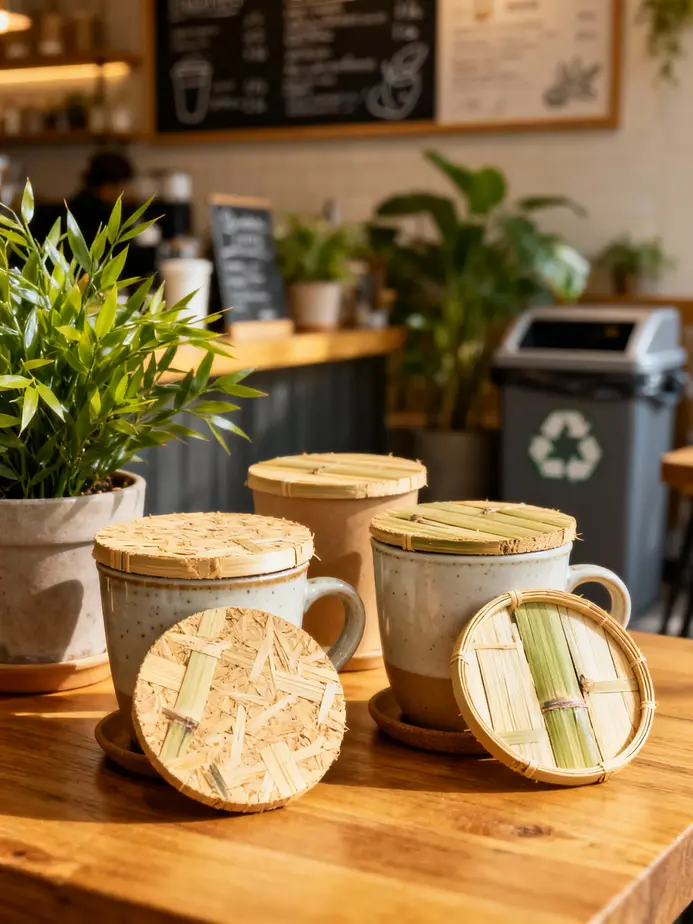
Further, the exploration of paper-based and plant-based innovations is revolutionizing the production landscape. Items such as PFAS-free fiberware lids and cups made from upcycled agave and sustainably sourced fibers are gaining traction. These products align well with consumer preferences for materials that can decompose in home composting systems or break down naturally in landfills, mirroring the durability typically associated with traditional plastic options. This is particularly appealing for both food establishments and environmentally-conscious consumers seeking high-quality, resilient packaging for hot or cold beverages.
Industry analysis indicates a significant uptick in the popularity of fiber substrates such as paper, which are projected to take a larger share of the packaging market over the coming years. Presently, fiber substrates represent approximately 20% of the global packaging market, while plastic still accounts for roughly 60%. The regulatory landscape is driving change, with new mandates and consumer expectations pushing for innovations that improve recyclability and biodegradability. With current projections indicating a 30-40% growth in demand for recycled content in packaging by 2030, it’s clear that sustainable practices are not just a trend but are paving the way for the future of the industry.
The wholesale market trend is increasingly focused on scalable eco-materials that integrate seamlessly into production lines. Options like self-sealing kraft paper and bio-based materials merge functionality with environmental sustainability, responding to the growing calls from consumers and businesses to reduce waste and reliance on single-use plastics. Collaborations, such as partnerships within sustainability-focused alliances, are fostering innovation and awareness around high-performance films and other packaging solutions that advance this movement.
Given the collective push towards sustainable practices, it’s crucial for businesses within the wholesale sector to remain vigilant about supplier credentials and verify that products meet stringent safety standards. Requesting third-party safety documentation becomes imperative to ensure that the materials are free of harmful substances, especially given the expanding market for compostable options that may otherwise remain unregulated. Brands like EcoQuality and Green Paper Products provide certifications such as BPI, which underline the compliance of their materials with industry standards.
As the wholesale market for paper cup lids evolves, it becomes essential to test samples of new materials for both durability and fit before committing to large orders. This trial phase serves to confirm that the products perform adequately under real-world conditions, affirming reliability in busy foodservice environments. Items that include anti-spill seals are especially beneficial, mitigating the risk of leakage that can lead to customer dissatisfaction or waste.
In conclusion, the wave of material innovations within the wholesale paper cup lids sector reflects a broader push towards sustainability. Whether through the integration of RPET, the adoption of water-based coatings, or the development of fully plant-based options, these advancements represent a pivotal transformation in how industries approach packaging solutions. Businesses striving for an eco-friendly image can leverage these materials not only to enhance their environmental credentials but also to meet the evolving expectations of their customers. This comprehensive grasp of sustainable advancements in packaging is not just a strategy for competitiveness but a necessary approach to fostering a more sustainable future in consumer goods.
2. Bridging Sustainability and Customization: Navigating the Wholesale Market for Paper Cup Lids
The wholesale market for paper cup lids has evolved into a dynamic arena where sustainability meets accessibility and customization. As businesses strive to adapt to changing consumer preferences and regulatory landscapes, the ability to procure eco-friendly, customizable options at scale has become paramount. Understanding this marketplace not only highlights pricing structures and supplier dynamics but also unveils the intricate balance between function and sustainability that businesses seek in paper cup lids.
The global demand for paper cup lids is witnessing remarkable growth, driven significantly by the Quick Service Restaurant (QSR) sector, cafes, and the booming takeout industry. Platforms such as Alibaba have made it increasingly easier for businesses to access various suppliers, resulting in a diverse selection of lids that cater to a wide array of needs. Prices typically range from $0.02 to $0.15 per unit, depending on materials and design specifications. With the disposable tableware market projected to escalate from USD 2.02 trillion in 2025 to USD 2.13 trillion in 2026, the urgency to innovate in this sector is palpable.
A significant trend is the accelerated shift towards sustainable materials, a response largely influenced by environmental regulations that aim to curb plastic usage. The European Union’s impending ban on plastic cups and lids by 2026 positions eco-friendly alternatives at the forefront of industry priorities. This regulatory drive has stimulated an enthusiastic response from manufacturers who are introducing innovative materials like polylactic acid (PLA) and bagasse, projected to witness a compound annual growth rate (CAGR) of 10.58% and 6.74% respectively as businesses adapt to these new standards. However, it is essential for companies to note that while compostable options are engaging, they necessitate access to industrial composting facilities to make a significant environmental impact.
Customization within the wholesale segment of paper cup lids is gaining traction as businesses look for ways to enhance their branding and align their product offerings with sustainability goals. One popular feature is branding via printing, which allows businesses to strengthen visual identity and establish brand recognition. This customization can add an additional cost of $0.03 to $0.10 per lid but can greatly enhance a customer’s overall experience and loyalty. Custom sizing is another critical aspect, offering a range of options from 8 oz to 16 oz to accommodate different beverages while ensuring a snug fit on standard cups. Moreover, the adaptability of materials means lids can reliably serve both hot and cold drinks, capitalizing on rising consumer interest in plant-based products. The increasing consumer emphasis on environmentally conscious choices enriches the demand for customized solutions that align with corporate sustainability objectives.
Still, challenges associated with customization exist. Buyers often encounter inconsistencies in sizing and potential price escalations linked to eco-friendly materials. For instance, biodegradable PLA lids must adhere to strict compliance regulations in various regions such as Europe, North America, and Australia, which adds layers to the decision-making process. Companies focused on quality must prioritize reliable suppliers and verify their commitment to producing lids that meet performance metrics pertaining to sealing and transportability, especially to avoid any leaks during service.
The dynamics of wholesale procurement for paper cup lids offer considerable benefits, particularly for businesses purchasing in volume. Large-volume discounts allow for cost-effective inventory management, which is essential for cafes and restaurants aiming to maintain profitability while offering sustainable products. Businesses emphasizing performance metrics, such as heat resistance and fit, can secure lids that not only enhance consumer experience but also speak to sustainability efforts. As the demand for sustainable products rises in emerging markets, estimated to positively impact the market by 1.1%, the procurement of eco-friendly lids reflects broader consumption trends.
However, the quality of disposable lids remains a notable concern. Many buyers share the apprehension that lower-priced lids may compromise integrity, especially when it comes to leaks. As a remedy, selecting suppliers with credible histories and verified product quality can offer peace of mind. Proper storage protocols must also be established to maintain the integrity of bulk stock, which is a critical aspect for higher-volume buyers. Moreover, suppliers that emphasize single-material constructions can facilitate recycling endeavors, bridging the gap between quality procurement and environmental responsibility.
In conclusion, the wholesale landscape for paper cup lids illustrates a growing intersection between accessibility, sustainability, and customization. As demand increases, businesses must navigate their choices carefully to ensure they are meeting not only consumer expectations but also wider regulatory compliance. A commitment to eco-friendly materials and innovative designs will continue to shape the future of this industry. Retailers that leverage these elements can position themselves as leaders in a space that is rapidly evolving, appealing both to a more environmentally conscious consumer base and adhering to the global push for sustainability. By exploring the options available through reputable wholesale providers, businesses can confidently enhance their offerings, ensuring they are part of the sustainable progression in disposable tableware.
To further supplement your engagement with sustainable packaging solutions, consider exploring how various suppliers tailor their offerings. For instance, you can check options in the customized wholesale paper cup lids that adhere to the latest eco-friendly practices.
Chapter 4: Unleashing Creativity: Customization and Branding through Paper Cup Lids
1. Innovative Lid Designs and Custom Features: Elevating Your Brand Identity
In today’s competitive landscape of the food and beverage industry, standout branding is a necessity, and paper cup lids have emerged as an unexpected canvas for this form of expression. As more businesses strive to differentiate themselves, the customization opportunities within the realm of paper cup lids have become increasingly vital. By offering an engaging array of styles, colors, and customizable features, paper cup lids not only serve their primary function of covering beverages but also act as promotional tools that amplify a brand’s visibility and ethos, especially in markets focused on sustainability.
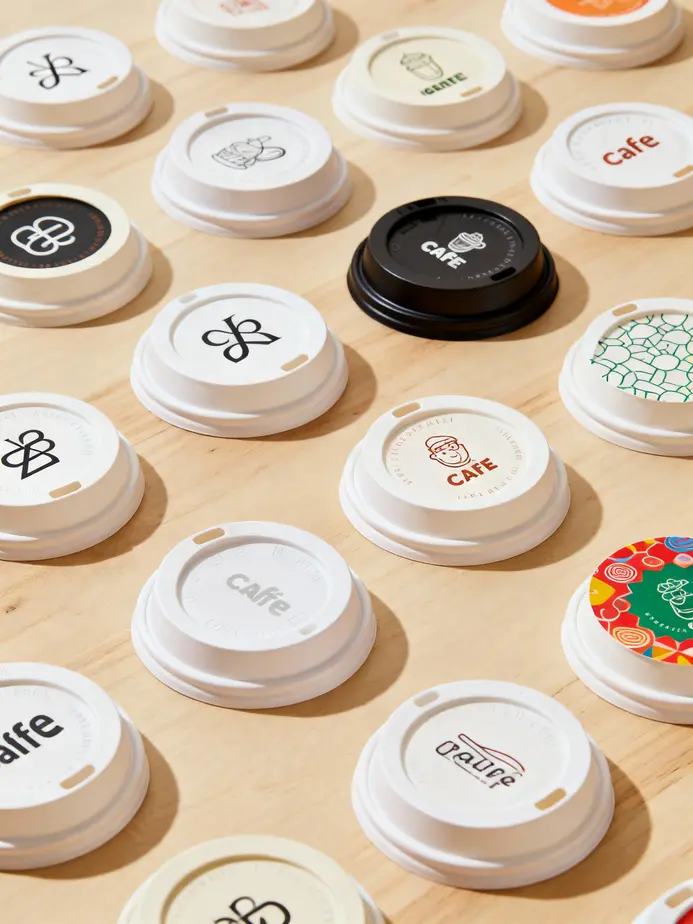
The range of available lid styles plays a significant role in enhancing functionality while meeting diverse beverage requirements. Classic flat lids, for instance, provide a secure fit with a sipping hole, making them ideal for hot coffee and teas. These lids can easily be customized with vibrant prints that reflect brand colors or unique logos, ensuring that every cup becomes a mini billboard for businesses. In contrast, rolled rim lids enhance insulation and sturdiness, which is especially important for hot drinks. The potential for embossing or debossing logos onto these lids adds a tactile quality, allowing brands to leave a memorable impression without overwhelming the user experience.
Dome lids are particularly notable for their taller profiles, permitting the inclusion of whipped cream or other toppings. These lids can be an excellent opportunity for brands to get creative with printed or embossed patterns that draw eye-catching attention. Specialty lids, designed with built-in straws or features to enhance spill resistance for smoothies, provide high branding potential with their customizable colors and designs. It’s this flexibility that positions wholesale paper cup lids as not merely functional items but as integral elements of a cohesive marketing strategy.
When it comes to customization, the benefits extend far beyond aesthetics. Incorporating brand colors and logos through high-quality printing techniques—such as CMYK digital printing, flexography, or PMS spot colors—allows businesses to showcase their identity in striking ways. Options like raised inks or foil stamping mimic traditional branding techniques, providing a premium finish that can elevate the customer’s perception of the brand. The tactile experience of a well-branded lid leaves a lasting impression, increasing brand recall and loyalty.
Following the rising consumer demand for sustainability, integrating eco-friendly materials into customization is both a strategic and ethical decision for businesses. With biodegradable materials such as bagasse, compostable paperboard, and recyclable cardboard becoming more accessible, these options align seamlessly with the trending preference for environmentally conscious packaging. Brands can convey their commitment to sustainability by incorporating these materials into the customization process, thus appealing to eco-aware consumers who prioritize ‘green’ choices in their purchasing decisions.
Interactive elements further enhance the innovative nature of customized lids. With options for embossing or debossing features, as well as the integration of QR codes that link customers to promotions or brand stories, lids can become more than just protective coverings. By introducing variable designs permitting up to twenty different prints in one run, businesses can create a series of collectible lids, turning customer engagements into fun interactions. This strategic approach not only boosts brand loyalty but also fosters a community around the product, as consumers share their unique lids on social media or engage in brand-related events.
The evolving market trends highlight significant opportunities for customization. The demand for sustainable, personalized lids continues to rise, driven by changing consumer preferences that emphasize both eco-friendliness and individuality. Coffee shops, food trucks, and event caterers can tailor their offerings with bespoke lids that enhance customer experience while branding opportunities expand beyond traditional advertising channels. Furthermore, the wholesale market has adapted to these trends, with many suppliers now offering no-minimum or low-minimum orders, making it viable for small businesses to engage in branding without the burden of excessive upfront costs.
As businesses consider their options in the wholesale paper cup lid market, they should remain aware of the importance of matching lid size to cup rim diameter, selecting FDA-compliant materials, and ensuring that any customization does not compromise the lid’s functionality, such as maintaining moisture resistance and leak-proofing. Suppliers are increasingly emphasizing these attributes, highlighting the importance of third-party safety documentation and certifications like BPI for compostable products, assuring businesses that their branding endeavors align with both quality and safety standards.
This focused approach to branding also opens doors for collaborations with creative packaging designers who can curate unique customers’ experiences. The customization potential can be a game-changer in competitive markets such as cafes and fast food chains, where customer loyalty is paramount. Engaging consumers through their cup lids not only gives businesses a platform to promote their brand but allows them to tap into new marketing strategies that leverage the physical space of these everyday items.
In conclusion, the wholesale market for paper cup lids offers vast customization possibilities that extend well beyond typical design parameters. The thoughtful integration of style, function, and branding transforms a simple lid into an instrumental player in a company’s identity and marketing strategy. As brands seize these opportunities, they not only bolster visibility but also contribute to the wider trend of sustainability that consumers increasingly expect. Ultimately, businesses prepared to adapt and innovate within this space will find themselves at the forefront of the growing demand for personalized, interactive, and eco-friendly food packaging solutions, ensuring they remain relevant in a rapidly evolving marketplace. For those ready to explore these options in greater depth, visiting platforms dedicated to customizable packaging can unveil a wealth of opportunities adapted to specific branding needs.
2. Transformative Branding Through Custom Paper Cup Lid Experiences
In an ever-increasingly competitive market, the ability to distinguish one’s brand takes on unparalleled significance. One effective avenue for achieving this is through the customization of paper cup lids in the wholesale sector. These seemingly simple accessories are not just functional; they serve as pivotal tools for enhancing brand visibility and fostering consumer engagement. Custom lids adorned with logos, colors, and unique designs can transform ordinary packaging into dynamic advertisements, offering businesses an innovative way to promote their identity wherever their products go.
The branding benefits of customized lids are plentiful. When consumers take their drinks to various locations—waiting for a morning subway, attending a festival, or simply enjoying a sunny day at the park—a customized lid boldly displays the brand’s elements. This constant exposure fosters recognition, embedding a visual cue into daily consumer routines. Just as branded paper bowls help elevate brand identity, the significance of printed lids should not be underestimated. Furthermore, many suppliers now offer no-minimum orders, facilitating access for businesses of all sizes and fostering creativity without excessive financial risk.
The enhancements available go beyond mere logos as brands can incorporate intricate artwork, striking patterns, and even special finishes such as embossing or foil stamping without the burden of die charges. Brands looking for higher visibility, especially in hot beverage markets, can utilize double-wall cups with compatible lids that serve to not only protect the contents but also carry their branding seamlessly across events or everyday interactions. Beyond this, platforms that focus on customization are increasingly streamlining the design process by providing easy-to-use online tools for proofs, enabling quick iterations and approving designs swiftly without the hassle of traditional back-and-forth exchanges.
Consumer engagement is significantly amplified through the custom printing of lids. Personalized products tend to resonate more deeply with consumers, creating memorable experiences that lead to brand loyalty. The trend towards sustainability is a powerful factor; custom options crafted from biodegradable materials attract a growing customer base that prioritizes eco-friendliness. Biodegradable lids made from materials like PLA or bagasse are ideal for addressing the desires of the environmentally aware consumer while presenting an avenue to express brand values, effectively aligning product offerings with broader social trends.
Advancements in printing technology, such as flexographic, offset, and digital printing processes, have opened up new possibilities in lid customization. Businesses seeking to explore this route can opt for designs that utilize multiple colors and sizes—from 4 oz to 24 oz—together with moisture-resistant coatings that ensure leak-proof performance. Seasonal or limited-edition designs can generate excitement and encourage sales, as evidenced by various coffee chains that frequently launch unique collectible lids.
To navigate effective customization strategies, brands must harness an understanding of their target audience. Researching demographics can provide insights into preferred colors, messaging styles, and graphic elements that are most appealing. A compelling strategy in this domain is co-branding initiatives, where two businesses, such as a coffee shop teaming up with a local bakery, can leverage each other’s customer bases—thereby amplifying visibility and engagement. The collaboration strategically benefits both entities while enhancing the overall consumer experience.
Applying wholesale perks, such as low minimums, free shipping, and quick production timelines (often around 7 days), makes differentiation more accessible for small and emerging businesses. However, engaging in customization raises particular challenges that brands must address, primarily regarding costs and lead times. Customers may find that while customized options incur higher expenses due to the design and production processes, wholesale pricing can help mitigate some of these challenges. Other providers might offer favorable terms like no plate charges, assisting businesses as they make strides toward creating a unique product presence.
Challenges may also arise from supply chain issues, especially related to minimum order quantities. However, many vendors are now offering solutions that include rapid production capabilities—turning around bulk orders in as little as five to seven days within specific regions like the USA and Europe. This agility empowers businesses that are frequently required to adapt to fluctuating consumer demands, as they can secure both quality and timeliness from reputable suppliers. It’s crucial for brands to prioritize food-grade, recyclable materials that ensure compliance, as these attributes enhance the appeal to both responsible consumers and regulatory bodies.
Ultimately, customizing paper cup lids paves the way for novel and impactful ways to engage consumers beyond the initial point of sale. As brands explore the potential of customized lids as extensions of their identity, they unearth opportunities to narratively connect with customers. The fusion of functionality and promotional potential means these lids can simultaneously elevate a brand’s aesthetic while assuring customers of their commitment to sustainability.
The dimensions of customization transcend beyond visual identity, ultimately reflecting the core values of brands that embrace change, creativity, and consumer preferences. The strategic choice of investing in bespoke designs allows businesses not only to stand out in a crowd but also to create a loyal following by turning utilities into conversational pieces. Within such a dynamic landscape, utilizing customized paper cup lids is more than just a purchase—it becomes a canvas for storytelling, employee pride, and social responsibility, ensuring that every sip taken is a step towards greater brand recognition and connection.
For businesses looking to venture into customization, evaluating tools and services offered through suppliers is crucial. Tools that allow for quick proofs can make the process smooth and efficient, while ensuring the desired quality and design is achieved before large-scale production. Therefore, as markets continue to flourish amid fluctuating consumer preferences, it is essential to recognize the latent power of customized paper cup lids—not just as protective coverings, but as vital components of holistic branding strategies.
Final thoughts
Understanding the nuances of wholesale paper cup lids is crucial for making informed decisions that positively affect both your operational costs and customer satisfaction. With various pricing structures, specifications, and compliance requirements to consider, as well as current sustainability trends and customization opportunities, business owners are better equipped to make selections that align with their values and needs. This comprehensive approach will not only streamline your procurement process but also enhance your brand’s presence in the competitive market. The right paper cup lids can elevate the customer experience and promote a responsible business model.
Choose our reliable disposable tableware and packaging solutions for your business. We offer quality products that meet safety standards, with fast delivery and flexible options. Partner with us today to elevate your service – contact our team now for a tailored quote!
About us
We specialize in manufacturing and supplying disposable tableware, packaging paper, and boxes. With years of experience, we prioritize safety, durability, and eco-friendly practices. Our goal is to provide businesses with trusted, cost-effective solutions backed by responsive customer support.