Introduction
As the demand for paper-based food packaging continues to rise, business owners increasingly recognize the necessity of reliable suppliers for paper buckets and related products. This guide offers a comprehensive exploration of key suppliers in this niche, emphasizing their sustainability practices, customization options, geographic distribution, and market demand. Each chapter sheds light on vital considerations for business owners seeking to enhance their packaging strategies, ensuring compliance with modern consumer expectations and environmental standards.
Tables of Contents
Chapter 1: Pioneering Paper Bucket Solutions: The Current Landscape of Suppliers
- Key Players Shaping the Market of Paper Bucket Packaging Solutions
- Trailblazing Innovations in Paper Bucket Packaging Solutions
- Embracing Eco-Conscious Solutions in Paper Bucket Packaging Supply
Chapter 2: Navigating Sustainability in Paper Bucket Supply Chains: Beyond Material Choices
- Responsible Sourcing and Certification: The Pillars of Sustainable Paper Bucket Manufacturing
- Harnessing Eco-Friendly Linings: The Green Revolution in Paper Bucket Manufacturing
- Embracing Recyclability and End-of-Life Solutions in the Paper Bucket Supply Chain
Chapter 3: The Art of Customization: Transforming Paper Buckets into Brand Ambassadors
- Crafting Distinction: The Role of Customization in Paper Bucket Supply
- Driving Forces Behind Eco-Friendly Customization in Paper Bucket Supply
- Harnessing Technology for Personalized Paper Bucket Solutions
Chapter 4: The Global Landscape of Paper Bucket Supply Chains
- Unpacking the Role of Asia in Paper Bucket Manufacturing and Distribution
- Innovative Approaches to Sustainability in Europe’s Paper Bucket Supply Chain
- Navigating Supply Lines: The Role of North American and Middle Eastern Paper Bucket Suppliers
Chapter 5: The Influential Shift Towards Sustainable Paper Bucket Solutions in a Changing Market
- Driving Forces Behind Paper Bucket Demand and Their Economic Implications
- Market Forces Shaping the Economic Landscape of Paper Bucket Supply
- The Intersection of Environmental Legislation and Paper Bucket Market Dynamics
Chapter 1: Pioneering Paper Bucket Solutions: The Current Landscape of Suppliers
1. Key Players Shaping the Market of Paper Bucket Packaging Solutions
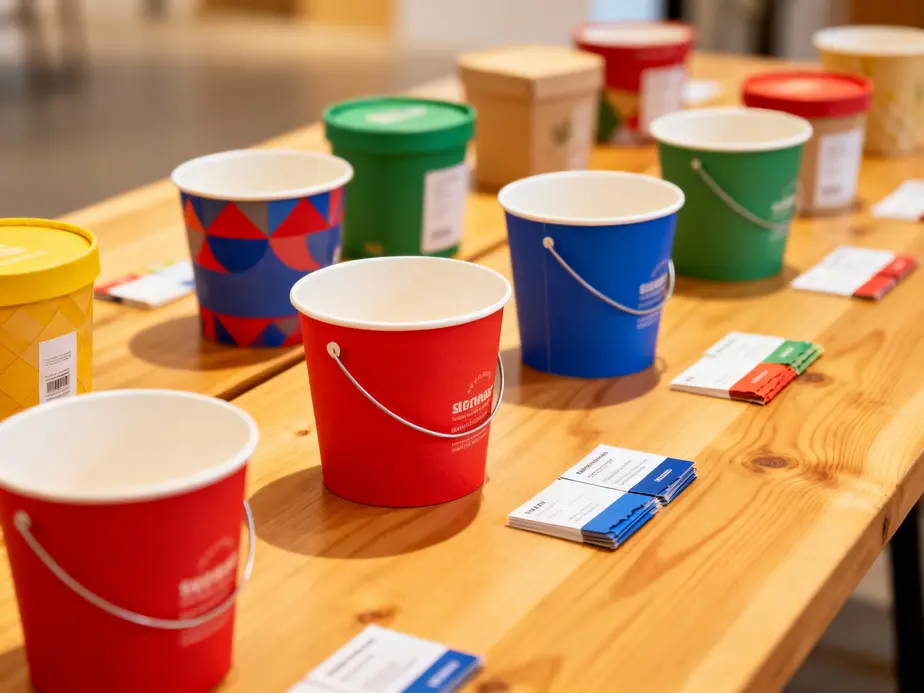
In the evolving sector of paper bucket packaging solutions, several market leaders consistently stand out, influencing not only trends but also sustainability practices within the industry. Among these companies, Univest has established a formidable presence, particularly in the Ukrainian market, boasting a production capacity of over 110 million units each month. Specializing in disposable packaging, Univest’s offerings extend across various applications including ice cream, popcorn, and fast food containers. Their commitment to sustainable practices resonates well with major clients like KFC and McDonald’s, affirming their credibility and broad appeal in over 15 European nations. Univest’s robust supply chain enables them to support high-volume demands while emphasizing eco-friendly materials within their product lines, positioning them as a leader in both quantity and quality.
Not far behind, the Zhejiang SEE Machinery Co., Ltd., alongside Paper Machinery Corporation and ACE PACK Co., Ltd., showcases the technological backbone of this industry. These manufacturers focus on producing and supplying the specialized machinery necessary for forming paper cups and containers, including buckets. The market for such equipment is quite fragmented, yet these companies today hold a market share projected at 28% of global revenue by 2025. Advances in technology are particularly noteworthy here, as these firms are engineering high-speed machines capable of manufacturing upwards of 120 units per minute, thus facilitating a rapid response to packaging converters in the food and beverage sectors.
Moving on to Detpak and the Hyde Group, these suppliers illustrate a strong alignment with contemporary consumer habits, extending their services into takeaway and catering packaging solutions. Detpak, with its focus on the quick service restaurant (QSR) market, epitomizes the push towards sustainable packaging options that cater to both environmental responsibilities and consumer preferences. Meanwhile, the Hyde Group’s commitment to biodegradable takeout packaging aligns seamlessly with increasing legislative pressure for reduced plastic use, further underscoring the importance of sustainable alternatives in food service.
Additionally, the broader landscape includes significant participation from giants like Greif, Graphic Packaging, and Amcor. Although these firms do not specifically focus on paper buckets, their production of fiber-based and paperboard packaging solutions undoubtedly influences the overall market dynamics. Greif’s commitment to manufacturing fiber drums and paperboard for various industrial uses complements the work of Graphic Packaging, known for its emphasis on recycled materials. Amcor is similarly distinguished for its innovative offerings in paper-based food packaging. Together, these companies bolster the supply chain that indirectly supports industries dependent on paper bucket packaging.
As such, the current market for paper buckets is shaped not only by the direct suppliers of bucket products but also by the machinery manufacturers and broader packaging companies. These players forge a comprehensive ecosystem that promotes sustainable practices and facilitates innovation in product offerings. Each company, whether directly involved in the production of paper buckets or in the facilitation of the machinery and materials used, plays a critical role in molding the future of food service packaging solutions, making strides towards sustainability while adapting to the ever-changing market landscape. For those interested in exploring customized solutions, visit sites dedicated to various paper-based food packaging options.
2. Trailblazing Innovations in Paper Bucket Packaging Solutions
The evolution of paper bucket packaging reflects a dynamic response to the dual pressures of sustainability and consumer convenience. As industries navigate the demands of eco-friendly practices coupled with efficient logistics, innovations within paper bucket design have risen to prominence. One noteworthy advancement is the creation of the BK1 bucket, which showcases a transformative open-and-close system. This design is not merely about functionality; it aligns seamlessly with contemporary trends in snacking and convenience, appealing to a broad range of consumers. Made from fully recyclable and mono-material, the BK1 bucket supports existing plastic recycling systems and meets the growing expectations for responsible packaging. Early adopters like Orsero and Frutti di Gil have integrated this innovative solution into their operations, with leading retailers like Edeka pioneering its use in large-scale European markets.
Beyond user-friendly designs, notable enhancements in structural integrity are shaping the landscape of paper buckets. Suppliers are employing novel carton shell packaging to secure delicate produce like berries, kiwifruit, and grapes, ensuring they remain intact throughout their journey to consumers. This design not only preserves quality but also reduces waste and operational costs significantly. Additionally, advancements such as airbag bottom technology eliminate the need for extra padding materials, streamlining the packaging process while enhancing sustainability. The introduction of microflute baskets with rPET lids marks another leap forward, optimizing automatic packaging lines and promoting efficiency in production.
In an era characterized by increasing demand for functional packaging solutions, the Papersys line stands out with its innovative use of cellulose in conjunction with cardboard. This blend generates wholly disposable packaging structures, thereby simplifying waste management and positioning suppliers as leaders in promoting environmentally-friendly solutions. By focusing on mono-material designs, companies can drastically reduce the complexity of recycling processes, aligning with the heightened consumer awareness surrounding environmental impact.
Market forces driving these innovations cannot be overlooked. The rise in consumer preference for sustainable and aesthetic packaging has led brands to seek out solutions that enhance shelf presentation while meeting stringent environmental standards. Suppliers must navigate a market eager for solutions that not only fulfill logistical requirements but also resonate on an ethical level. As a consequence, substantial growth has been witnessed in both automatic and semi-automatic packaging systems that allow for rapid customization tailored to modern retail needs.
Moreover, the efficient packing mechanisms developed for various produce items are designed to reduce waste across the supply chain. The push for sustainability has spurred the development of customized solutions, which fulfill the need for eco-friendly packaging while maintaining profitability for suppliers. Within this frame of innovation, the trend for mono-material packaging has gained significant traction, simplifying end-of-life management for consumers.
With ongoing advancements and the incorporation of groundbreaking technologies in packaging design, it is evident that suppliers are at the forefront of revolutionizing paper bucket solutions. Such measures ensure that these innovations not only fulfill market demands but also reflect a broader commitment to sustainability in food service. As the sector continues to flourish, suppliers must remain responsive to emerging trends while fostering eco-friendly practices. For those interested in exploring various paper-based packaging options further, products like those offered on Cofe Cup’s customizable paper solutions can provide insights into the possibilities ahead.
3. Embracing Eco-Conscious Solutions in Paper Bucket Packaging Supply
As consumers increasingly prioritize environmentally friendly practices, suppliers of paper bucket-related packaging solutions are adapting their strategies and operations to align with sustainability principles. The modern landscape of food packaging emphasizes the importance of responsible sourcing, reduced waste, and the use of biodegradable materials. This shift is not just a trend; it’s an essential part of corporate responsibility that addresses growing environmental concerns.
At the forefront of these changes are leading companies that provide paper-based packaging products, such as containers and buckets. Many suppliers have implemented rigorous sourcing practices, aiming to ensure that their materials come from responsibly managed forests. Certification bodies such as the Forest Stewardship Council (FSC) play a crucial role in this endeavor, helping to identify suppliers that commit to sustainable forestry practices. In fact, major food service chains like Yum Brands specify that more than 97% of their paper-based packaging must originate from verified sources, alongside a growing inclination to transition away from non-recyclable materials like polystyrene. This shift recognizes the urgency of reducing single-use plastics in food service operations, underscoring paper’s viability as a sustainable packaging alternative.
A significant factor in this transition is the increasing availability of compostable and biodegradable packaging materials. Many suppliers are exploring innovative alternatives, with biodegradable options that break down more efficiently in composting systems gaining prominence. For instance, polylactic acid (PLA) and other bioplastics are favored for their renewable nature and compostability. Innovative practices, such as using kraft paper sourced from renewable forests, not only facilitate easier recycling but are also often stronger and more versatile than traditional materials when treated appropriately for food contact. This versatility supports diverse applications, from buckets for fried chicken to disposable salad bowls.
To further boost transparency and gain consumer trust, suppliers are adopting comprehensive certification practices. Certifications from reputable organizations, such as the Biodegradable Products Institute (BPI) or TÜV Austria, help in assuring customers that their products meet necessary environmental standards. Such certifications protect suppliers from accusations of greenwashing, allowing them to market their products more effectively. Additionally, optimizing packaging design through lightweighting reduces material usage while maintaining structural integrity, demonstrating a commitment to waste reduction. For instance, strategies implemented by various coffee and takeaway accessory suppliers have successfully cut down on waste by eliminating unnecessary single-use items, such as plastic stirrers.
Retail conglomerates, such as REWE Group, are setting ambitious goals, pushing suppliers to adopt packaging strategies that focus on avoidance, reduction, and improvement. These initiatives not only promote environmental sustainability but also encourage a shift in consumer habits towards preferring eco-friendly products. Comparison of material properties shows that kraft paper outperforms plastic in renewability and recyclability, although it faces challenges regarding moisture resistance. Consequently, buyers are urged to conduct thorough vetting of suppliers by scrutinizing their pulp sources, material composition, and sustainability credentials.
In an industry evolving rapidly, the push for sustainable practices among suppliers of paper bucket-related packaging solutions is transforming traditional approaches into a future-ready paradigm. The collective movement towards responsible sourcing, innovative materials, and waste reduction reflects a significant increase in awareness that serves not only businesses and consumers but also our planet—making eco-friendly paper bucket solutions more than just a necessity in today’s marketplace. Suppliers that recognize and act upon this trend position themselves as leaders in the industry, catering to an ever-growing base of environmentally conscious consumers.
Chapter 2: Navigating Sustainability in Paper Bucket Supply Chains: Beyond Material Choices
1. Responsible Sourcing and Certification: The Pillars of Sustainable Paper Bucket Manufacturing
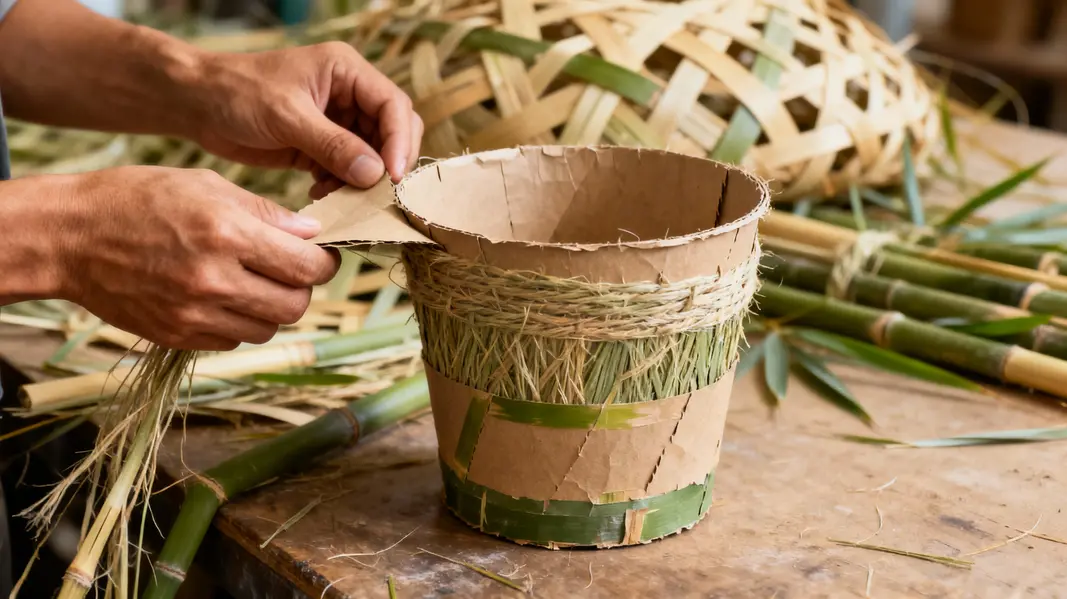
Sustainability practices in the paper bucket supply chain hinge on a commitment to responsibly sourced materials and robust certification processes. Manufacturers are increasingly prioritizing sustainably managed forests, eco-friendly linings, and comprehensive compliance checks to ensure that their products align with both environmental and food safety standards. By focusing on traceable materials and biodegradable options, these suppliers are minimizing their environmental footprint while maintaining the quality required for food service applications.
At the heart of sustainable practices is the sourcing of paper from certified forestry operations, which support conservation efforts and ensure that the production of paper products does not lead to deforestation. For instance, suppliers often use food-grade paperboard that adheres to global compliance standards, including certifications like FSC (Forest Stewardship Council) or PEFC (Programme for the Endorsement of Forest Certification). This not only guarantees that the raw materials are sourced from forests that are ethically managed but also reinforces the credibility of the products offered to consumers.
The types of paper selected for buckets, such as kraft and white paperboard, undergo rigorous evaluation for characteristics such as basis weight, tensile strength, and the absence of harmful additives. This ensures that the final product is safe for food contact and capable of withstanding the rigors of transportation and storage. Additionally, the movement towards biodegradable raw materials derived from renewable resources is a critical step that aims to reduce dependence on virgin pulp, thus conserving natural resources.
Certifications relevant to food safety play a significant role in the production process as well. Manufacturers employ materials that are tested for hygiene and food safety, ensuring that coatings—be they polyethylene (PE) or polylactic acid (PLA)—maintain their functionalities without compromising the product’s integrity. Multi-stage quality control measures are standard practice, encompassing assessments of strength, sealing properties, and visual checks to confirm compliance with international export standards.
In response to growing environmental concerns, many suppliers, like Univest and Detpak, have introduced a range of biodegradable, compostable, or recyclable options in their product lineups. For example, some products are designed with molded fiber lids that do not utilize plastic, making them compostable in industrial composting conditions. Moreover, innovations such as mono-material bucket designs—using fully recyclable cellulose-based materials—illustrate the industry’s pivot towards enhancing recyclability and sustainability.
Another area where sustainable practices manifest is in the use of alternative linings and coatings. While traditional PE coatings have long been the norm for ensuring liquid and grease resistance, the emergence of PLA-lined and other plastic-free grease-resistant coatings demonstrates an evolution in material technology. These innovations are particularly relevant in high-volume production scenarios common in fast food and cinema environments, where both functionality and environmental impact need to be carefully balanced.
The precision involved in production, from the cutting of certified paper to the use of eco-friendly inks in CMYK printing, is critical in maintaining sustainability. With capacities supporting the production of millions of units per month, suppliers are positioned to scale operations without sacrificing environmental commitments. As the demand for sustainable food packaging rises, practices in sourcing and certification will serve as vital components in the ongoing evolution of the paper bucket supply chain. For more insights into sustainable packaging options, consider exploring products designed with these practices in mind. Visit this page for examples of eco-friendly solutions.
2. Harnessing Eco-Friendly Linings: The Green Revolution in Paper Bucket Manufacturing
The eco-conscious transition in the paper bucket supply chain has brought to the forefront a variety of innovative linings and coatings that emphasize sustainability without compromising functionality. As consumer preferences shift towards more environmentally friendly packaging, suppliers have begun prioritizing materials that not only serve their purpose but also exhibit a reduced ecological footprint.
A key element in this evolution is the use of low-gram plastic linings, such as polyethylene (PE) and polylactic acid (PLA). These lightweight, thin layers are laminated onto paperboard or bamboo structures, providing essential leak resistance and structural integrity while significantly enhancing the recyclability of final products. By minimizing the thickness of these coatings, manufacturers facilitate more efficient repulping processes in recycling facilities. This approach not only decreases the carbon output traditionally associated with thicker polymer layers but also aligns with growing regulatory standards and consumer demand for responsible packaging practices.
Adding another layer to this sustainable framework are bio-based coatings derived from corn starch or PLA. These materials replace conventional petroleum-based counterparts, offering biodegradability and compostability within industrial settings. Their effectiveness is comparable to traditional coatings in terms of heat and grease resistance, which is vital for products like popcorn or ice cream buckets. These advancements in eco-friendly coatings are meeting the expectations of diverse markets that prioritize sustainability alongside performance.
Further enhancing the appeal of paper-based containers are water-based or aqueous barrier coatings, which completely eliminate the need for plastic films. By dispersing naturally into the fibers of the paper, these coatings enable full compostability and compatibility with standard recycling processes. For instance, products like the UniBucket designed for ice cream can utilize these barriers to ensure end-of-life solutions that are truly sustainable. Adopting such technology promotes progressive envelope-pushing among manufacturers, fostering a shift towards a circular economy that prefers renewable over finite resources.
In terms of production, leading suppliers like Univest showcase a commitment to sustainable sourcing by utilizing materials such as bamboo that regenerate quickly and efficiently. Not only does bamboo preserve soil health, but sourcing from FSC-certified paperboard ensures that all fibers used are responsibly harvested, reinforcing sustainable forestry practices. This dedication to environmentally sound sourcing, manufacturing efficiency through low-material applications, and multi-layer designs strengthens products without excess waste.
Moreover, the logistics and transportation methods employed by these manufacturers further support sustainability endeavors. With high-capacity outputs—such as Univest producing upward of 50 million cups monthly—combined with swift delivery protocols, such as 21-day custom shipments to Europe, the supply chain remains agile and environmentally friendly.
As these practices mature, the recycling and end-of-life scenarios for paper buckets also evolve. Barrier-coated buckets inherently sidestep landfill issues that plague traditional plastic-coated containers, and innovations like molded fiber lids enhance compostability. While challenges persist, such as the requisite infrastructure for industrial-scale biodegradation—which requires specific temperature conditions around 58°C—trends indicate a robust movement away from plastic dependency. The food service market is increasingly embracing eco-friendly packets as they strive to comply with shifting regulations and appealing branding opportunities. This evolution of linings and coatings exemplifies the potential of innovation in the sustainable paper bucket supply chain and serves as a beacon for the future of packaging solutions.
For those interested in contributing to this sustainable evolution, various eco-friendly designs are available, such as the customizable kraft paper food containers for takeaway food packaging, which further highlight this transformative journey.
3. Embracing Recyclability and End-of-Life Solutions in the Paper Bucket Supply Chain
In the evolving landscape of sustainable packaging, paper buckets represent a significant innovation aligned with circular economy principles. The focus on designing for recyclability and end-of-life solutions marks a transformative approach for suppliers in the paper bucket supply chain. By prioritizing these factors, companies are not only enhancing product efficiency but are also meeting the rising consumer demand for environmentally-friendly options.
At the heart of this approach lies the selection of materials. Many suppliers are integrating FSC-certified paperboard, whose sustainable sourcing practices help minimize environmental impact. Additionally, the trend towards using rapidly renewable resources, such as bamboo and recycled paperboard, further enhances sustainability. Some manufacturers are additionally opting for low-gram or compostable coatings that facilitate easier recycling and composting, marking a shift away from traditional plastic-lined options. These developments enable paper buckets to be repulped within standard recycling streams, supporting the broader goals of waste reduction and resource circularity.
Structural design plays a crucial role in recyclability. Manufacturers are crafting paper buckets in stackable forms with robust walls that not only optimize transport efficiency but also mitigate damage and waste during shipping. This thoughtful design minimizes material use without sacrificing performance, addressing the dual necessities of sustainability and functionality. Furthermore, smooth exteriors allow for effective branding while ensuring that the materials remain recyclable. This balance between aesthetic appeal and environmental responsibility is essential in today’s competitive market.
Beyond material and design considerations, the end-of-life implications of paper buckets are becoming increasingly significant. Suppliers are adopting recyclable and compostable materials that comply with FDA and EU standards, which is crucial for aligning with regulatory requirements. Grease-resistant coatings ensure that the integrity of the fibers is maintained during municipal recycling processes, enabling these materials to be processed effectively. Moreover, the inclusion of post-consumer recycled content not only reduces carbon footprints but also exemplifies a commitment to sustainability in every aspect of packaging.
As manufacturers pivot away from non-recyclable composites toward mono-material designs, they are enhancing repulping rates while reducing landfill waste. However, specialized facilities may be necessary to handle certain lined variants, ensuring that effective recycling protocols are in place. This focus on recyclability addresses various limitations, such as maintaining dimensional stability to prevent fiber breaks during handling—a critical consideration for packaging intended for food service applications.
Opportunities abound in developing reusable alternatives alongside single-use items designed for efficient sorting at the end of their lifecycle. This dual approach fosters a balance that satisfies consumers’ desires for convenience while addressing their environmental concerns. Driven by a growing consumer base that prioritizes eco-friendly solutions, the paper bucket supply chain is adapting and innovating in response. In effect, this dynamic evolution not only supports environmental goals but also lays the groundwork for a more responsible future in food packaging.
To explore more innovations in sustainable paper buckets, check out the latest offerings in biodegradable food container designs at Cofe Cup.
Chapter 3: The Art of Customization: Transforming Paper Buckets into Brand Ambassadors
1. Crafting Distinction: The Role of Customization in Paper Bucket Supply
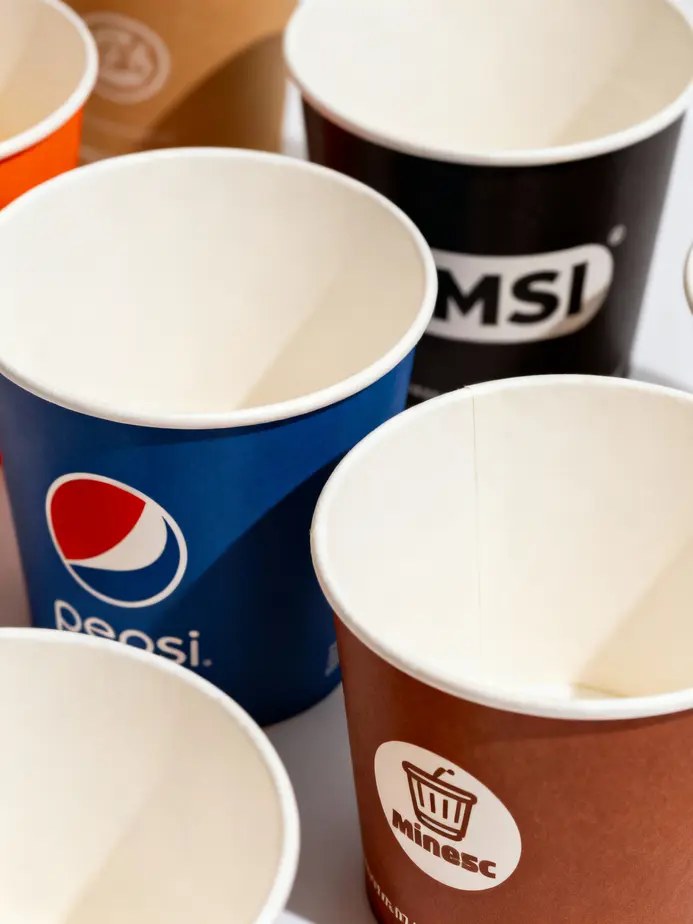
In the competitive arena of paper bucket supply, branding and customization play pivotal roles in creating an enhanced consumer experience. As businesses strive to distinguish themselves in a crowded market, offering unique and tailored solutions has become not just a luxury but a necessity. The integration of branding elements into paper buckets—ranging from colors and graphics to shapes—transforms simple containers into powerful marketing tools that resonate with consumers.
Customization begins with the foundation of design. Suppliers provide an array of options that allow brands to imprint their identities onto their packaging. Companies like Univest and Hyde Package offer bespoke shapes and sizes tailored to specific needs, enabling businesses to align their exterior presentation with the core essence of their brand. From small popcorn buckets with enticing graphics to large containers for gourmet salads, customization can lead to striking consumer impressions, leading to increased brand recall.
The printing techniques employed by suppliers are also crucial. Methods such as offset and flexographic printing support high-quality, vibrant designs that attract potential customers. Using advanced digital printing technology allows for rapid prototyping and small runs of unique designs, which is especially beneficial for seasonal promotions or specific marketing campaigns. The ability to integrate features like QR codes, which link to digital promotions or brand stories, adds another layer of interactivity. This not only engages consumers at the point of sale but also invites them to connect with the brand beyond the purchase, making the paper bucket a conduit for enhanced consumer interaction.
Material choice significantly affects both tactile experience and sustainability. Premium paper stocks, often eco-certified, not only elevate the visual appeal but also cater to a growing consumer demand for environmentally responsible packaging. Brands that prioritize sustainability can leverage their choice of materials to further enhance their reputation. Detpak’s commitment to designing sustainable products has made them a favorite among businesses looking to project an eco-conscious image, thereby aligning with the values of their target demographics.
Various industries—from quick-service restaurants to takeout services—benefit from a well-executed customization strategy. For instance, food bucket suppliers can provide multiple sizes to encourage upselling; offering a small, medium, and large option caters to different appetites while effectively maximizing sales potential. Moreover, unique designs with rounded edges can enhance safety and usability, appealing to families and individuals alike.
Seasonal themes and cross-promotions, such as movie tie-ins or holiday specials, can greatly enhance sales, tapping into consumers’ sentimental attachments during these times. For example, a limited-edition holiday-themed paper bucket can create buzz, attracting customers keen on celebrating during festive periods.
Given the rapid pace of the food service industry, effective supply chains are essential. Suppliers like Univest are noted for their swift turnaround times; they can deliver custom orders across Europe within a mere 21 days, serving high demand with remarkable efficiency. This responsiveness assures brands that they can thrive even during peak business moments, effectively utilizing customization to resonate with consumers.
In conclusion, the journey from ordinary paper buckets to exceptional branded experiences relies heavily on customization. By investing in tailored solutions, brands effectively turn their packaging into memorable merchandise that fosters distinct consumer connections, ultimately driving brand loyalty and consumer engagement. In a world where identity matters, paper buckets are conventionally simple yet uniquely brandable, presenting a lucrative opportunity for differentiation in a crowded marketplace.
2. Driving Forces Behind Eco-Friendly Customization in Paper Bucket Supply
In the ever-evolving landscape of paper bucket supplies, the twin forces of sustainability and regulatory compliance are reshaping customization trends. Businesses no longer view eco-friendliness as an optional add-on but rather as a fundamental requirement dictated by market demand and tightening regulations. With a clear shift toward recyclable mono-materials, biodegradable options, and custom branding through innovative printing, paper buckets have emerged not just as functional containers but as vehicles for responsible business practices.
One of the most significant trends is that sustainability has transitioned from being a mere buzzword to a compulsory aspect of product development. Legislative frameworks such as the European plastic bans, North America’s varying regional restrictions, California’s SB 343 “Truth in Labeling” bill, and emerging Extended Producer Responsibility (EPR) programs are forcing businesses to rethink their packaging strategies. The deadline for compliance, set for 2025-2026, is incentivizing suppliers to innovate swiftly, ensuring that their offerings not only meet legal requirements but also resonate with environmentally-conscious consumers.
Innovative designs, exemplified by the BK1 model of mono-material cardboard buckets, highlight how sustainability can be complemented with practicality. These containers are not only fully recyclable but also compatible with existing plastic recycling streams. This is essential for product logistics, shelf presentation, and responsible end-of-life management, particularly for organic and fresh produce. The capability to design products that align with sustainability standards enables businesses to enhance their green credentials while maintaining cost-effectiveness.
Customization plays an important role in branding strategies. As consumer preferences grow more sophisticated, businesses are directing resources toward creating unique packaging that tells their story. Advanced printing techniques offer the potential for distinctive branding that enhances the customer experience. The incorporation of recycled content and compostable materials further elevates brand perception, particularly when certifications such as FSC (Forest Stewardship Council) or SGS (Societe Generale de Surveillance) validate their environmental claims.
In terms of functionality, the introduction of innovative design features marks a paradigm shift in how products are packaged. Elements like open-and-close systems, carton shell structures, and airbag bottoms are becoming commonplace, alongside rPET lids made from recycled PET. These innovations reduce production costs, minimize the need for plastic fillers, and can integrate smoothly into automated packaging lines, appealing to businesses aiming to marry affordability with environmental responsibility.
Regulatory compliance is intricately woven into the fabric of these innovations, facilitated by advancements in technology. The integration of QR codes and digital product passports offers unparalleled transparency regarding recyclability, product origin, and locality of compatibility, empowering consumers with knowledge about their purchasing choices. Furthermore, barrier coatings used in mono-material buckets optimize performance while supporting sustainability objectives without compromising circularity.
Producers increasingly prioritize material sourcing, favoring suppliers with in-house production capabilities to ensure on-time delivery and responsiveness, particularly amidst unpredictable material shortages and surges during high demand periods. Balancing unit costs with sustainable practices positions businesses favorably in a competitive landscape, signaling that eco-awareness and quality are interconnected priorities.
Anticipating future growth, the market is expected to witness the advent of “Smart & Sustainable” packaging solutions by 2026. These advancements will be marked by lightweight, robust materials stemming from cutting-edge manufacturing technologies, ultimately driving innovation and compliance strategies in the paper bucket sector. As businesses align their operational practices with sustainability objectives, the customization landscape in paper packaging will continue to thrive, fostering a culture of eco-conscious supply chain strategies that appeal to both consumers and regulators alike. For suppliers looking to dive deeper into customization trends, consider exploring eco-friendly options like those detailed at cofe-cup.net.
3. Harnessing Technology for Personalized Paper Bucket Solutions
Technological advancements are revolutionizing how suppliers address the customization of paper buckets. Key innovations are enhancing not just the design but also the efficiency and sustainability of paper-based food containers, enabling suppliers to better meet the diverse needs of the food service industry. Among these innovations, automated manufacturing machines stand out, allowing for mass production at impressive speeds. These machines can produce between 40 to 60 buckets per minute, utilizing single and double PE coated paper. By integrating these machines into automated packaging lines, businesses can swiftly vary the size, shape, and functional features of their products. For instance, models equipped with open-and-close systems facilitate branding through unique designs, such as heart-shaped cutouts, appealing to customers’ emotional connections with food packaging.
In addition to automation, high-tech printing and cutting technologies contribute significantly to customization. Techniques like offset and flexographic printing enable intricate graphics and branding directly on the paper buckets. Suppliers with 24/7 production capabilities can execute individual design requests within just 21 days, ramping up operations to support significant quantities—over 110 million units monthly—including applications for ice cream and fast food. The eco-friendly approach of these methods incorporates recyclable barrier coatings, setting a standard for sustainable customization.
Material innovations also fuel customization capabilities. The development of mono-material cellulose structures, such as those found in Papersys and Carton Shell®, enhances both the recyclability and preservation qualities of the containers. These contemporary designs include airbag bottoms, which reduce the need for additional padding, and moisture-resistant treatments ideal for applications involving chilled items or heavier loads. Such innovations allow for greater flexibility, enabling brands to tailor food buckets for specific product needs while remaining committed to sustainability by aligning with recycling streams.
The emergence of smart technologies further exemplifies the customization evolution within the paper bucket supply sector. Features that integrate QR codes or NFC chips for traceability are increasingly popular. Stronger fiber formulations derived from improved pulping techniques also allow for more durable and versatile designs. This leads to the introduction of buckets with pleated sides and gussets that enable self-opening attributes, presenting a viable alternative to plastic packaging while remaining biodegradable. Full-cycle quality control from printing to molding guarantees precision in producing custom food packaging tailor-made for soups, salads, and beyond.
There’s a growing recognition among businesses for the necessity of adopting such advanced technologies. Collaborations with stakeholders foster flexibility and innovation, allowing manufacturers to push the boundaries of what is possible with paper buckets. This comprehensive approach not only meets rising consumer expectations for sustainable practices but simultaneously anticipates market trends toward greater customization. As the dual pressures of sustainability and consumer preference grow stronger, the landscape for paper bucket customization continues to evolve, driven by technological innovation.
For suppliers looking to leap into the realm of tailored solutions, options like customizable kraft paper containers are already available here. As the industry progresses, staying at the forefront of these trends will be essential for success.
Chapter 4: The Global Landscape of Paper Bucket Supply Chains
1. Unpacking the Role of Asia in Paper Bucket Manufacturing and Distribution
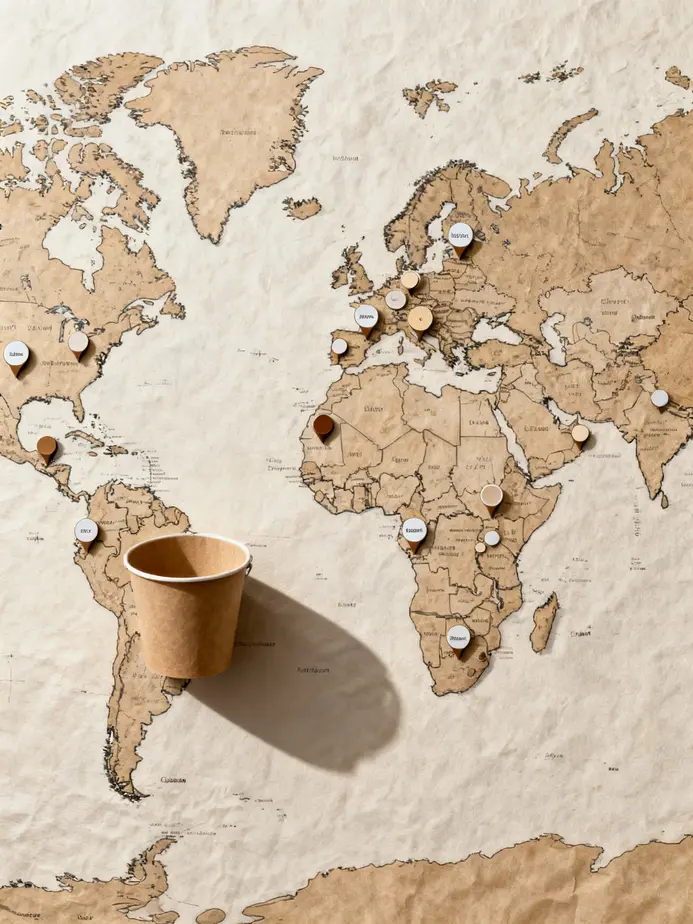
The landscape of paper bucket suppliers in Asia remains largely opaque, characterized by a lack of specific data regarding geographic distribution, dominance, and export chains. This obscurity, however, does not diminish the region’s significance, particularly as a focal point for the broader category of paper-based food packaging. East Asian countries, notably China and Vietnam, are presumed to be leading nodes in the production of molded pulp or paperboard containers. These countries excel in large-scale manufacturing, supported by established logistics frameworks that enable them to cater to both domestic and international markets.
While detailed documentation regarding the geographic distribution of suppliers specifically dedicated to paper buckets is limited, the available insights indicate that these nations potentially harbor a significant percentage of manufacturing capacity relevant to food service packaging. With rising environmental concerns driving demand for sustainable materials, manufacturers in these regions are likely adapting their portfolios to include eco-friendly options that align with global consumer preferences.
Recent trends suggest a shift towards lightweight, biodegradable packaging solutions, a movement that many Asian manufacturers are keen to embrace. Companies like Bioleader are already tapping into this shift by offering bulk eco-friendly paper products made from natural fibers, showcasing a commitment to sustainability. This aligns with the broader trend seen across the globe where businesses are increasingly mindful of their environmental impact.
However, specific data connecting the dots between production capabilities and export chains is notably scant. Available resources have not thoroughly examined how these manufacturers manage supply chains or their role in global distribution networks. Notably, companies such as Univest and Detpak, while lacking specificity around paper buckets, are emblematic of the ingrained expertise and regulatory compliance found within the Asian market, which is crucial for ensuring safety and standards in food packaging.
The intricacies of export channels that would transport these products from Asia to global markets remain less explored in current research. Nonetheless, it’s reasonable to infer that manufacturers based in East Asia benefit from extensive trade partnerships due to their geographic proximity to major shipping lanes and their integrated transport infrastructure. This integrated logistics means manufacturers can efficiently move a range of paper products, including smaller food containers, into international markets; larger paper bucket orders may warrant direct negotiations with suppliers to ensure tailored solutions.
Although it remains difficult to pinpoint the precise dynamics of supplier dominance in this niche, the inclination towards paper-based food packaging solutions, especially in urbanized areas, continues to drive growth. From moldable containers to takeout solutions, the diversification of offerings by companies like Hyde Package indicates an awareness and readiness to cater to changing market needs.
As the world becomes more attuned to sustainable practices, manufacturers in Asia are well-poised to capitalize on this transition, cementing their roles as vital players in the supply chain of paper-based packaging. Therefore, while detailed mappings of paper bucket suppliers remain sparse, the underlying trends paint a hopeful picture for the growth and evolution of paper-based packaging in Asia.
2. Innovative Approaches to Sustainability in Europe’s Paper Bucket Supply Chain
The landscape of paper bucket suppliers in Europe is increasingly characterized by a commitment to innovation and sustainability, reflecting a growing consumer demand for eco-friendly solutions in food packaging. Among the notable providers, MBPAK.EU stands out, not only for its specialization in food packaging but also for its ecological innovations. This supplier offers a range of custom options tailored for popular food items such as fried chicken and popcorn. Their product line includes FSC-certified and recyclable paperboard, which highlights responsible sourcing practices. Moreover, they utilize grease-resistant coatings made from plant-based materials that are free of plastics, alongside food-safe inks that align with sustainability goals—an appealing proposition to businesses seeking to diminish their environmental footprint.
Other prominent suppliers like Detpak contribute to this evolving sector by emphasizing sustainable paper packaging solutions across Europe, focusing particularly on fast-food chains and similar outlets. This growing emphasis on eco-friendly products reflects a significant shift in consumer preferences and regulatory enforcement aimed at reducing plastic waste. Additionally, Cupsz.com showcases its use of EU-compliant cardboard buckets, reinforcing the importance of local sourcing and manufacturing, which is designed to meet the efficiency and compliance standards increasingly demanded in the marketplace.
Geographically, suppliers predominantly operate from EU-based facilities, referencing a robust network that caters to various regions within Europe. For instance, MBPAK.EU not only provides local services but also offers global deliveries with logistical support for customs, which is beneficial for businesses sourcing from abroad. Detpak’s reach throughout Europe is impressive, though specific locations of their manufacturing facilities remain less documented. On a larger scale, manufacturers like Greif maintain a vast distribution network that spans over 40 countries, positioning themselves strategically within the European market.
In terms of market adaptation, suppliers are responding creatively to evolving consumer demands. High-volume production capabilities, which often include swift lead times of 10 to 15 days, enable these companies to support rapid changes in the food service industry. Their customization options extend across various product sizes—ranging from 32oz to over 170oz—and even include CMYK printing and OEM/ODM services. This flexibility is vital, particularly when catering to the specific needs of fast-food chains and delivery services pivoting towards more sustainable practices.
Key innovations witnessed in this sector include the integration of compostable materials and improved ventilation technologies aimed at enhancing product performance. The increasing use of responsibly sourced paper supports forest sustainability, while odor-free inks and FSC certification options further meet the regulatory requirements that large-scale food brands demand. However, challenges remain, notably the fragmented distribution data that often highlights only major manufacturers, leaving a gap in understanding the broader market landscape.
Despite these challenges, the trend towards eco-friendly packaging solutions continues to gain momentum. As businesses increasingly adopt sustainable practices, navigating the evolving terrain of paper bucket suppliers in Europe represents both an opportunity and a responsibility toward minimizing environmental impact while meeting consumer expectations. For those interested in exploring diverse product offerings, this source provides additional details.
3. Navigating Supply Lines: The Role of North American and Middle Eastern Paper Bucket Suppliers
The landscape of paper bucket suppliers in North America and the Middle East underscores the complex interplay between localized manufacturing capabilities and global supply networks. While dedicated paper bucket manufacturers are scarce, several companies play crucial roles as equipment manufacturers and suppliers of related products, addressing the evolving demands of the food packaging industry.
In North America, a significant portion of paper packaging supply is sourced from domestic converters who leverage imported machinery, primarily from China, to produce a variety of paper-based food containers. This is illustrated by companies like PaperTech, located in Franklin, Michigan, which specializes in pressed paperboard trays that can be adapted for various applications, including buckets. Not far behind is Anchor Packaging in Ballwin, Missouri, which offers thermoform and paperboard solutions that cater to the foodservice sector. The presence of these companies indicates a capacity for domestic production focused on trays and other adaptable containers that can serve similar purposes to paper buckets.
Moreover, Greif, a multinational corporation boasting a network of operations in over 40 countries, further enriches the North American supply chain. The company produces a diverse range of packaging products, including fibre drums, tubes, and cores, thereby creating synergies with the raw materials derived from U.S. timber properties. This innovative approach to sourcing timber not only supports localized supply chains but also encourages the production of bucket-like packaging solutions that align with contemporary regulatory standards and market needs. This interconnectedness within the North American sector reveals a network that relies on both domestic capacities and imported machinery.
Turning to the Middle East, the dynamics are shaped differently. High-density areas for quick-service restaurants (QSR), such as Saudi Arabia and the United Arab Emirates, are seeing targeted investments in paper container forming equipment. Leaders like Zhejiang SEE Machinery and Paper Machinery Corporation provide essential machinery that enables the production of paper-based containers. However, the lack of identifiable local manufacturers of paper buckets suggests that regional players often rely on imports or regional assemblies to meet their demands, highlighting an existing gap in localized production for specific items like buckets.
What amplifies this scenario is the growing interest in sustainable packaging solutions across the greater Middle East region, particularly influenced by adjacent markets in North Africa. The emerging demand for cardboard alternatives to plastic among countries such as Egypt and Morocco presents an opportunity for cooperation and supply chain enrichment with Middle Eastern markets. This interplay hints at the potential for future collaboration as sustainability becomes increasingly prioritized by consumers and businesses alike.
On a global level, manufacturers based in China, such as Shenzhen Fortress and Zhejiang New Debao, are actively exporting machinery involved in paper container production. Their international reach helps bridge the localized gaps in North American and Middle Eastern supply chains, making it easier for converters to access advanced technology without heavy capital investments. This trend indicates a reliance on international supply networks while navigating the challenges of after-sales service and maintenance.
In conclusion, while both regions showcase varied supply capabilities, the overarching reliance on both global machinery suppliers and localized production emphasizes a dynamic market that is evolving to meet consumer expectations and regulatory environments, propelling the paper bucket sector into a future that increasingly favors sustainability and adaptability.
Chapter 5: The Influential Shift Towards Sustainable Paper Bucket Solutions in a Changing Market
1. Driving Forces Behind Paper Bucket Demand and Their Economic Implications
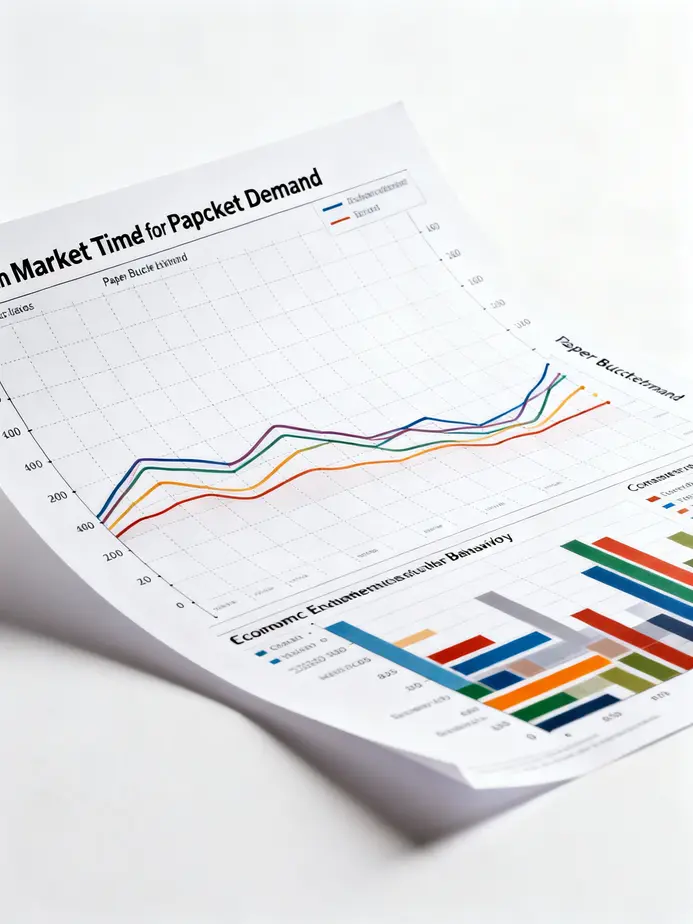
The evolving landscape of consumer preferences and regulatory frameworks is significantly shaping the market demand for paper buckets, particularly in sectors involving food packaging. Several dominant forces contribute to this shift, most notably the legislative push against plastic usage, increasing consumer consciousness regarding sustainability, growth in the food service and snacking industries, and urbanization trends in developing regions.
Regulatory Pressures and the Decline of Plastics
One of the most striking drivers of the demand for paper buckets stems from stringent regulatory measures targeting plastic products. Various regions are enacting laws to curb plastic usage, with notable examples including California’s AB 1276, which restricts plastic food-service ware, and India’s comprehensive Plastic Waste Management Amendment Rules, which impose stiff penalties for violations. Such measures are prompting industries to pivot towards alternatives like paper buckets that not only comply with regulations but also appeal to consumers seeking eco-friendly solutions. Additionally, the EU’s 2026 ban on per- and polyfluoroalkyl substances (PFAS) adds another layer of urgency, as businesses face pressure to adopt recyclable and fiber-based options, thus enhancing the attractiveness of paper as a compliant material.
Shifting Consumer Preferences Towards Sustainability
Concurrent with regulatory measures, there has been a marked shift in consumer attitudes, especially among younger demographics. This group actively seeks brands that champion environmental stewardship, demonstrating a willingness to pay a premium for sustainable products. Notably, paper buckets, like the innovative BK1 model featuring functional efficiency through its open-close system, are becoming preferred choices for their practicality in logistics and their ability to minimize environmental impact. Companies such as Orsero are recognizing these preferences, which not only meet operational needs but also amplify brand value through commitment to sustainability.
Growth in Food Service and Urbanization Trends
Parallel to these factors, the growing expansion of the quick-service restaurant (QSR) sector alongside increased snacking trends have spurred demand for bulk paper packaging solutions. For instance, Starbucks is planning to add 3,200 stores in 2024, indicative of the booming demand for food service innovations. The rise of on-the-go consumption patterns necessitates versatile packaging, enhancing the role of customizable paper containers. Furthermore, urbanization in emerging markets, particularly in countries like China, Egypt, and Morocco, presents a vigorous market for cost-effective and tailored paper solutions as infrastructure develops rapidly, driving both construction and food delivery opportunities.
Economic Challenges and Opportunities
While these market dynamics foster growth, they also present economic implications that cannot be overlooked. The transition towards paper buckets can lead to market expansion, amplifying demand for manufacturing equipment as businesses pivot from plastic to fiber-based production. However, such a transition is fraught with challenges: volatility in coated paper supplies can impact pricing and availability, with estimates suggesting up to 12% price fluctuations and elongated lead times in 2025. Additionally, the higher unit costs associated with sustainable paper products may pose production challenges, particularly amid increasing pulp shortages.
Despite these challenges, the overall trend signifies a robust opportunity for job creation within paper manufacturing and recycling sectors. Companies that proactively embrace innovation and transparency in their supply chain management stand to gain competitive advantages, preparing them for the future of sustainable packaging.
In conclusion, the interconnected drivers of regulatory change, consumer demand, industry growth, and urbanization are reshaping the market for paper buckets. As stakeholders navigate this dynamic environment, the emphasis on sustainability will continue to redefine the economic context of food packaging solutions, guiding the industry’s future.
For additional insights into sustainable food packaging solutions, explore more about customizable kraft paper options here.
2. Market Forces Shaping the Economic Landscape of Paper Bucket Supply
The economics surrounding the supply of paper buckets is deeply intertwined with larger market dynamics, material costs, and shifting consumer behaviors. Though data specific to paper buckets may be scarce, a broader understanding of the paper packaging industry provides critical insights into how economic factors influence supply dynamics.
Material Costs and Market Pressures
The cost of raw materials plays a pivotal role in shaping the pricing structure of paper buckets. Particularly in 2025, the packaging industry witnessed notable tariff impacts on essential raw materials such as tinplate steel, aluminum, and polyethylene terephthalate (PET). While these tariffs directly escalate costs in metal and plastic packaging, the ripple effect often extends to paper products, including paper buckets. Price hikes observed in spot-market costs — an increase of 4.5% month-over-month for tinplate steel in August alone — signal caution for production costs in paper-based supply chains.
In an industry often influenced by international trade policies, producers must remain vigilant to shifts in tariff structures. These complexities have a knock-on effect on sourcing strategies for manufacturers, nudging them to adopt proactive pricing strategies in response to unpredictable cost fluctuations.
Consumer Demand Trends
Current economic conditions contribute to what can be termed as ‘demand softness’ in consumer goods. As the retail, e-commerce, and manufacturing sectors report sluggish goods movement, the packaging community experiences more stable pricing patterns; this stability can be a double-edged sword. On one hand, it alleviates pressure for paper bucket producers to ramp up production; on the other, it necessitates a clear understanding of market demand nuances. The result is an environment in which packaging suppliers can optimize inventory levels without the rush to secure more expensive raw materials, fostering a sense of strategic calm amid economic uncertainty.
Boxboard Trends Impacting Production
The decline in boxboard production, particularly noted in Q3 2025, adds another layer to the supply landscape. A recorded decrease of 2% compared to the prior year prompts questions about market saturation and shifts in consumer preference towards more specific applications. Interestingly, while overall boxboard production declined, some segments experienced growth—a testament to the complex interplay of demand within a traditionally stable sector. This selective demand underscores the importance of adaptability for suppliers striving to meet evolving customer appetites, ensuring they remain relevant in a fluctuating market.
Freight and Logistics Synergies
In an environment where distribution costs endure upward pressure, logistics constraints can significantly elevate expenses linked to paper bucket delivery. Notably, the rise in van load-to-truck ratios indicates burgeoning capacity limitations within the trucking segment as companies exit the market. Increased line-haul rates could soon result in higher shipping costs, influencing overall product pricing for paper buckets and leaving suppliers to devise more efficient transportation methodologies.
A Climate of Policy Uncertainty
Lastly, the ever-evolving landscape of tariff policy introduces layers of uncertainty in the paper bucket supply chain. With policies that traverse sectoral boundaries, producers seeking clarity in raw material sourcing must navigate a landscape marked by complexity. This compels suppliers to adopt a responsive approach, balancing sourcing needs with economic considerations that may impact the availability and pricing of their end products. Thus, understanding these economic forces becomes paramount for suppliers aiming for resilience and sustained growth in this changing environment.
In conclusion, while the dynamics of the paper bucket market face several economic pressures, adaptability and strategic planning remain crucial for suppliers looking to thrive in an inherently interconnected global supply chain.
3. The Intersection of Environmental Legislation and Paper Bucket Market Dynamics
The drive towards sustainability in packaging solutions has sparked a significant transformation in the market demand for products like paper buckets. As regulations surrounding environmental standards tighten, particularly concerning food packaging, businesses are increasingly seeking alternatives that align with these mandates. Key factors at play include restrictions on substances like PFAS (per- and polyfluoroalkyl substances) in food packaging and the emergence of Extended Producer Responsibility (EPR) laws which emphasize recycling and compostability, both of which heavily favor paper products.
Recent developments underline the urgency of these shifts. For instance, Maine’s legislation will require manufacturers to disclose any PFAS intentionally added to food packaging by 2026. Similarly, California has instituted regulations prohibiting these harmful substances in various food packaging types, which will also come into effect in 2026. As consumers become more aware of health and environmental issues tied to packaging materials, there is a clear incentive for the food service industry to pivot towards safer, non-toxic alternatives like paper buckets.
Additionally, EPR laws, such as California’s SB 54, mandate significant targets for recycling single-use plastics by 2032, while the European Union’s Packaging and Packaging Waste Regulation (PPWR) is expected to introduce stringent requirements by 2026. These regulations are crafted to ensure that 65% of single-use plastic packaging is recyclable, and that all single-use packaging is recyclable or compostable by 2032, creating a robust market for recyclable and compostable materials like paper buckets. This legislative backdrop paints a picture of a potentially booming demand for paper products, as businesses not only strive to comply with these regulations but also appeal to a growing demographic of environmentally-conscious consumers.
The environmental benefits of using materials such as kraft paper further bolster the attractiveness of paper buckets. Kraft paper is known for its high recyclability, lower energy requirements during production compared to plastics, and its natural biodegradability. As the market shifts and more businesses seek to reduce their carbon footprints, kraft paper products are positioned as a preferable option over traditional plastic alternatives. This trend is also mirrored in other aspects of food packaging; suppliers like Detpak and World Centric are already capitalizing on these benefits, crafting innovative and sustainable packaging solutions that align with current regulatory frameworks.
Furthermore, the demand for sustainable packaging isn’t just a regulatory response; it reflects a broader societal move towards sustainability. Consumers are actively choosing brands that demonstrate ecological responsibility, driving manufacturers to adapt their practices accordingly. As paper bucket suppliers work to meet this consumer demand, they are increasingly likely to incorporate sustainable materials and production methods into their offerings.
It is essential to recognize that while the immediate impact of legislative measures is apparent, the long-term growth trajectory of the paper bucket market hinges on continuous innovation, compliance with evolving standards, and sustained consumer interest in eco-friendly options. The interplay between regulatory frameworks and market demand not only reveals a shifting landscape but also opens up opportunities for suppliers ready to embrace change. For further exploration into sustainable packaging options, businesses can consider engaging with suppliers offering eco-friendly solutions through collections such as those found at popular food packaging sites.
Final thoughts
A thorough understanding of the paper bucket supply landscape is essential for business owners who seek to meet growing customer expectations in the food packaging industry. By leveraging insights on key suppliers, sustainability trends, customization options, geographic distribution, and market dynamics, businesses can position themselves advantageously. Integrating these elements will not only improve service quality but also align with contemporary eco-conscious practices that resonate with consumers.
Choose our reliable disposable tableware and packaging solutions for your business. We offer quality products that meet safety standards, with fast delivery and flexible options. Partner with us today to elevate your service – contact our team now for a tailored quote!
About us
We specialize in manufacturing and supplying disposable tableware, packaging paper, and boxes. With years of experience, we prioritize safety, durability, and eco-friendly practices. Our goal is to provide businesses with trusted, cost-effective solutions backed by responsive customer support.