
Introduction
Microwave paper bowls are transforming the gastronomic landscape, offering businesses a safe, convenient, and eco-friendly way to serve food. As consumer demand for quick and ready-to-eat meals grows, the role of these specially designed disposable bowls becomes pivotal. Understanding the safety considerations and temperature guidelines associated with microwave paper bowls ensures a secure dining experience for your customers. Furthermore, knowing what to look for while selecting the right bowls will help tailor your offerings to fit diverse market needs. Lastly, discovering the best brands can elevate your product range and guarantee satisfaction. Each chapter of this guide aims to provide business owners with essential insights into microwave paper bowls.
Tables of Contents
Chapter 1: Understanding the Health Essentials of Using Microwave Paper Bowls
- Navigating Health Risks: The Hidden Dangers of Microwave Paper Bowls
- Material Choices and Their Environmental Footprints in Microwave Paper Bowl Safety
Chapter 2: Navigating Safe Heating: Temperature Guidelines for Microwave Paper Bowls
- Deciphering Heat Tolerance: Essential Insights into Microwave Paper Bowl Temperature Limits
- Navigating the Safety Landscape of Microwave Paper Bowl Usage
Chapter 3: Unlocking the Secrets of Microwave Paper Bowls: A Guide to Safe Usage
- Deciphering Microwave Safety Labels: Your Guide to Choosing the Right Paper Bowls
- Selecting the Right Microwave Paper Bowls: Key Material and Coating Insights
Chapter 4: Top Picks for Microwave Paper Bowls: Evaluating Strength and Sustainability
- Dixie Ultra and VPLUS: Top Contenders in Microwave Paper Bowls with Performance Insights
- Vegware and up&up: Balancing Sustainability with Budget Considerations
Chapter 1: Understanding the Health Essentials of Using Microwave Paper Bowls
1. Navigating Health Risks: The Hidden Dangers of Microwave Paper Bowls
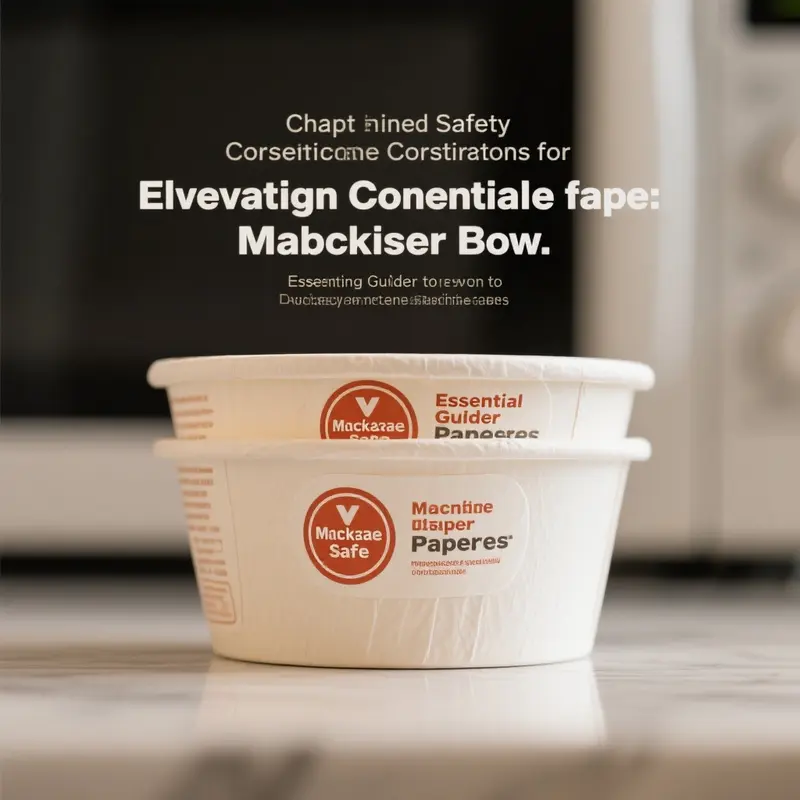
When incorporating microwave paper bowls into our cooking routines, especially for reheating or serving, it’s crucial to consider the health implications of their construction. These seemingly innocuous disposable containers have raised questions regarding their safety due to the materials and coatings used in their manufacturing. Understanding these factors is vital for anyone looking to use these bowls without jeopardizing their health.
One significant area of concern is chemical leaching. Many paper bowls are coated with protective layers to prevent leakage; however, these coatings can become problematic when heated in a microwave. For example, wax coatings, often found on budget paper products, can melt under high temperatures and mix with food, leading to a host of health issues. This is not merely a theoretical risk; wax, when ingested, has the potential to cause various health complications that could be detrimental over time.
Similarly, linings made from polyethylene (PE) and polylactic acid (PLA) are designed to improve the structural integrity of the bowls. However, research suggests that these materials can break down at high temperatures, potentially releasing harmful chemicals into the food being heated. This degradation is particularly problematic with PLA-coated paper bowls that struggle under heat exposure, raising alarm about the safety of consuming food heated within them.
Another factor to examine is toxic ink contamination. Many microwave paper bowls feature colorful branding and designs made possible through different inks and dyes. Unfortunately, these inks aren’t just harmless embellishments; they pose a real risk during microwave heating. Inks can leach into food upon exposure to microwaves, causing direct contamination. The toxins that seep into the food can be quite concerning, especially when consumed repeatedly. This risk is amplified by the lack of regulatory scrutiny surrounding the safety of inks used in food-contact materials, suggesting that many consumers may be unknowingly exposing themselves to harmful substances.
Health implications go beyond mere annoyance; numerous studies link the chemical compounds found in paper products, especially when exposed to heat, to serious health risks such as cancer and reproductive disorders. Regular exposure to these potentially toxic environments—especially for young children, pregnant women, and those with compromised immune systems—heightens the importance of being cautious. Individuals should strive to minimize their risk exposure by making informed choices about the containers in which they heat food.
Given these various health risks, selecting the right type of microwave paper bowl becomes crucial. Opting for plain, uncoated bowls clearly labeled as “microwave-safe” is one way to reduce potential dangers. Understanding the different specifications and temperature thresholds for various bowl types can further enhance safety. For instance, bowls made from kraft paper can typically withstand temperatures up to 120°C (248°F), while single-wall paper cups may be limited to 80°C (176°F). This variance means consumers must pay attention not only to labeling but also to the specific conditions under which they plan to use these containers to mitigate the risk of deformation or combustion that may arise from overheating.
The choice of brand also plays a significant role in ensuring safety. Brands like True Living, Chinet, and Vegware produce bowls that cater specifically to consumers’ needs while mitigating health risks. They often use advanced coatings designed to withstand heat better and prevent leakage. Moreover, grease-resistant coatings on these bowls serve to maintain structural integrity when holding oily or saucy foods, an added bonus that minimizes food contamination risks. By investing in high-quality, reputable brands, individuals can significantly enhance their experience with microwave paper bowls while reducing the potential health hazards.
While the allure of convenience drives many to opt for disposable options, awareness of safety cannot be overlooked. For maximum safety when microwaving food, it might be worthwhile to consider alternative materials. Glass and plain ceramic containers pose no risk of chemical leaching when heated, making them viable options worth considering. These materials, while not as convenient as single-use bowls, ensure complete safety and health protection against potential toxins.
By remaining vigilant about the kind of microwave-safe products we choose and taking proactive steps to minimize exposure to harmful chemicals, we can enjoy the practical benefits of microwave paper bowls while safeguarding our health. The next time you reach for a bowl, remember that being mindful of construction materials, coatings, and reputable brands can prevent long-term health issues. Investing a little time into educating oneself about these products pays dividends in health and safety, ensuring that mere convenience does not overshadow the imperative of well-being as we cook and serve food in our households.
2. Material Choices and Their Environmental Footprints in Microwave Paper Bowl Safety
The safety of microwave paper bowls hinges on not only their material integrity but also on the environmental implications associated with their production and disposal. Understanding the composition of these bowls is essential for consumers who wish to balance practicality with sustainability. Microwave-safe bowls, which must be explicitly labeled as such, are primarily made from various types of paperboard and treated with specific coatings that enhance their functionality without compromising safety.
Material Integrity first and foremost
At the core of any discussion about microwave paper bowls is the type of materials used in their manufacturing. The uncoated or minimally coated paper bowls, which are typically composed of wood fibers, stand out as a safer option. These bowls are often marked with a “microwave safe” label, indicating they can handle short reheating sessions without significant risk of meltdown or leakage. The coatings, which commonly include thin layers of polyethylene (PE) or plant-based polylactic acid (PLA), serve a dual purpose: they prevent liquids from soaking through the fibers and help maintain structural integrity when heated. Developers of these products ensure that they withstand typical microwave temperatures while offering a certain degree of resistance against greases and oils, which are notorious for causing structural failure in less robust containers.
Conversely, wax-coated paper bowls present potential hazards. While wax can initially seem like a practical inclusion, its melting point poses a significant risk when exposed to high temperatures. As the wax melts, it can migrate into food, leading to contamination, while also compromising the bowl’s ability to hold its shape. This degradation may result in a greasy residue on the food surface as well as deformation of the bowl itself, signaling impending structural failure. In similar vein, plastic-lined or glossy bowls, which often feel slick to the touch, may contain non-microwave compatible plastic or wax linings. When introduced to heat, these bowls can warp, melt, or even emit unpleasant odors, particularly under conditions of high fat or sugar – elements that heat more than water. If these bowls are not explicitly labeled as “microwave safe,” consumers are strongly advised against using them.
There exists yet another layer of complexity with printed bowls, especially those decorated with bright dyes or metallic trims. Heavy printing inks—which may not be designed for food safety—have the potential to leach into heated food, creating safety concerns. Additionally, metallic decorations can induce sparks or cause arcing in the microwave, which can be not only damaging to the appliance but also a fire hazard.
Health and Safety Considerations
Health implications for users extend beyond mere convenience. Chemical migration is a prevailing concern regarding materials used in microwave paper bowls. When subjected to the intense heat of a microwave, wax coatings may partially liquefy and possibly seep into food items. This can be detrimental to consumers, especially those on specialized diets or with allergies. Similarly, under heat, the inks and dyes used for decoration may leach into food, presenting risks that demand attention. Bowls containing incompatible plastics run the additional risk of softening and releasing harmful additives when exposed to high temperatures.
Alongside health implications are the risks of fire and structural failure. Paper products are susceptible to overheating and may scorch or ignite if microwaved for extended durations or if the food lacks sufficient moisture. Bowls treated with incorrect coatings can leak or deform, which not only leads to messy spills but also heightens the risk of burns when handling them. Consumers are advised to remain vigilant when using these bowls, stopping the microwave immediately in case of unusual smells (often accompanying overheating) or visible signs of scorching.
Environmental Footprint
Transitioning focus from safety to sustainability, the environmental impact of microwave paper bowls is significant, particularly concerning their materials. It is essential to consider the fiber sources—kraft paper and paperboard typically utilize wood fibers. The sustainability of these raw materials depends heavily on their sourcing, notably whether they come from responsibly managed forests. Certified practices can dramatically lower the ecological footprint, fostering a greener avenue for production. Furthermore, alternatives like bagasse, derived from sugarcane, not only offer a more sustainable option but also embody compostable qualities, appealing to environmentally conscious consumers.
The impact of coatings applied to microwave paper bowls cannot be overlooked when discussing recyclability and compostability. Materials such as PE and non-compostable wax coatings drastically complicate recycling processes, as they contaminate paper recycling streams, rendering post-consumer recycled paper less viable. For effective composting, products without coatings or those using certified compostable alternatives represent a more favorable approach. They result in reduced waste and an overall minimal environmental impact.
In conclusion, the safety and environmental implications of microwave paper bowls begin with their material choices. Consumers can protect their health and well-being while also considering eco-friendly practices by opting for bowls that maintain both structural integrity and environmental consciousness during their lifecycle. Products that prioritize these twin concerns facilitate a safer, more sustainable kitchen experience. The promise of innovation in both materials and design continues to garner interest and investment in this space. For those looking to make sustainable choices, exploring options that highlight eco-friendly sourcing can not only elevate the cooking experience but also lessen the ecological footprint associated with disposables. For those interested in discovering a variety of eco-friendly options in packaging, more insights can be found at Cofe-Cup’s collection.
Chapter 2: Navigating Safe Heating: Temperature Guidelines for Microwave Paper Bowls
1. Deciphering Heat Tolerance: Essential Insights into Microwave Paper Bowl Temperature Limits
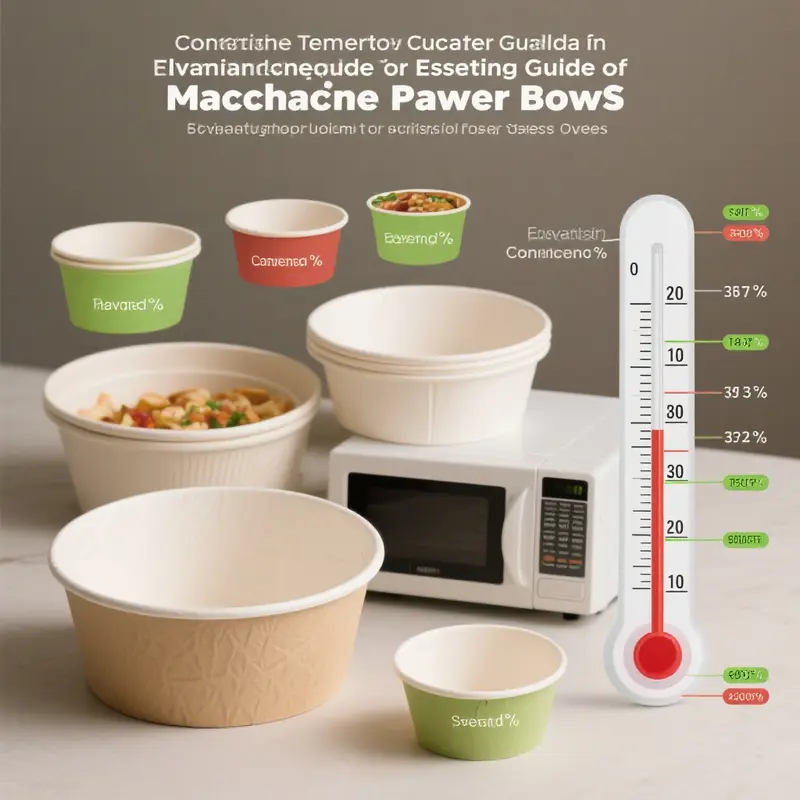
Microwave paper bowls are crafted for convenience and safety, serving as a practical solution for quickly reheating or serving food. However, understanding their temperature limits is crucial to ensure you’re using them appropriately and without compromising safety or performance. The primary consideration is that these bowls are generally designed to handle hot food temperatures up to about 190–200°F (88–93°C). Beyond this threshold, the integrity of the materials can begin to degrade, leading to issues such as warping, softening, or even leaking.
The linings of microwave-safe paper bowls, usually made of polyethylene (PE) or plant-based polylactic acid (PLA), play a crucial role in their heat resistance. For instance, while paperboard soup bowls with a PE lining are rated to endure temperatures around 190°F, any exposure to heat beyond this point can lead to structural issues. Leakage or melting is a documented concern, particularly when hot items are served in bowls that are not explicitly designed to handle higher temperatures. This fact necessitates caution when selecting the type of paper bowl used for heating food.
On the other side of this spectrum, wax-coated paperboard tends to be less resilient under high temperatures, with wax coatings generally starting to melt around 160°F (71°C). This melting not only threatens the bowl’s structural integrity but can also pose chemical contamination risks. Unlike PE and PLA coatings that are relatively stable when appropriately applied, wax can leach undesirable substances into food as it melts. Therefore, when considering the safety of food vessels in the microwave, the coating type is a significant factor that should not be overlooked.
Comparatively, polypropylene plastic containers offer a more robust alternative for microwave use, withstanding temperatures of around 200–220°F. This wider temperature tolerance margin enables the use of these containers for a more extensive range of heating applications, making them a valid choice for items that require higher heat. However, when used in conjunction with paper bowls, one must be vigilant to ensure that heat does not transfer unevenly or create hot spots within the paper bowl that could compromise its structure.
An intriguing aspect of some microwave-safe offerings is uncoated fiber bowls, which have become popular as eco-friendly alternatives. Manufacturers may mark these bowls as microwave safe, but they come with limitations. While they can endure normal microwave cooking ranges, exceeding these limits—especially during lengthy or high-temperature heating—can lead to thermal breakdown or combustion due to insufficient protection against excessive heat. Thus, users must treat these bowls with care and awareness of their practical use limitations.
Microwave heating is typically effective at keeping food below boiling point (around 212°F or 100°C), but local hot spots can develop. This occurrence is notable, especially in bowls filled with dense or thick foods, where the microwave’s uneven heating may not distribute heat uniformly. It’s essential to routinely check the contents of microwave paper bowls during reheating and avoid prolonged cooking periods, particularly with minimal food or liquid present, to mitigate the risk of scorching.
Furthermore, the composition of the bowls can vary significantly by brand. Some may incorporate additives or decorative inks that could affect their microwave safety. As a general rule, checking for a clear “microwave-safe” label before use is critical for ensuring that you’re using appropriate materials. Bowls with glossy surfaces, printed designs, or unknown coatings are best avoided, as these may overheat and pose fumigation hazards or other safety concerns.
To further enhance your experience using microwave paper bowls, here are some practical recommendations: treat these bowls as suitable vessels for brief reheating or holding hot liquids up to approximately 190°F. Avoid using them for scenarios that require broiling or where prolonged baking is necessary. This focus on safe usage can prevent mishaps in the kitchen, especially for those unaware of the delicate nature of these products.
It’s also worth noting the materials used in some disposable options. Many eco-friendly varieties utilize biodegradable materials like sugarcane or bamboo, which, while offering environmental benefits, may come with their own set of temperature constraints. Being cognizant of these features ensures that users can make informed decisions, avoiding potential mishaps while still catering to sustainable practices in their kitchen.
In conclusion, understanding the temperature guidelines and variances for different types of microwave paper bowls helps ensure safe and effective usage. With the right precautions, these bowls can provide convenience for reheating and serving hot meals while keeping safety at the forefront of microwave cooking practices. As a consumer, your awareness of these factors can dramatically enrich your culinary experience, leading to both enjoyable meal times and peace of mind about the safety of your kitchenware. For optimal choices, consider brands that offer comprehensive information regarding the capacities and restrictions of their products, further ensuring your heating processes are as safe as possible. For more options, you can explore various products available that align with these safety guidelines and facilitate your reheating needs, like those available at https://cofe-cup.net/shop/.
2. Navigating the Safety Landscape of Microwave Paper Bowl Usage
Microwave paper bowls represent a revolutionary solution for quick meals and effortless reheating. However, ensuring the safe use of these bowls entails understanding specific safety considerations, which can significantly enhance the user experience while mitigating risks associated with microwave use.
At the forefront of ensuring safety is the crucial recommendation to always check for the “microwave safe” label. This designation is not merely a marketing gimmick; it indicates that the bowl meets safety standards for microwave heating. Users must remember that if a bowl lacks this designation, it is prudent to choose alternatives like glass or ceramic. Overheating or improper usage can lead to potential hazards, including melting, deforming, and, in severe cases, releasing harmful chemicals into food.
A significant factor affecting the safety of microwave paper bowls is the type of coating applied to the paper. Bowls with wax coatings are particularly risky, as wax begins to melt at temperatures around 160°F (approximately 71°C). When melted, wax can seep into food, which raises concerns about contamination. Therefore, opting for bowls lined with food-grade polyethylene (PE) or plant-based polylactic acid (PLA) is advisable. These coatings are designed to withstand typical microwaving temperatures without compromising the structural integrity of the bowl or the safety of the food.
Another critical aspect involves the inks and dyes used on the exterior of paper bowls. Many of these bowls feature vibrant colors and branding, but heavy printing might utilize inks that can leach into your food when heated. Such leaching poses potential health risks, especially if those inks are not labeled as food-safe. Thus, choosing unprinted bowls or those explicitly marked with non-toxic ink is a wise choice for health-conscious consumers.
In terms of thermal resilience, not all paper bowls provide the same level of assurance. Generally, bowls with common linings can tolerate temperatures up to approximately 190°F. However, exceeding this threshold may not only cause structural failures, such as leaking or deforming, but it also heightens the risk of burns or spills. This situation becomes particularly critical when overheated or subjected to prolonged heating cycles, such as cooking at high power settings or dry heating without any food present.
Moreover, considering the intended use of microwave paper bowls is vital. Most of these bowls are designed for single use, which means repeat microwaving can lead to accelerated breakdown of both the paper and its coating. Reusing these bowls not only increases the risks of structural collapse but may also elevate the chances of chemical leaching.
To optimize safety during microwaving, some practical tips can significantly reduce risks. First, it’s advisable to microwave food in short intervals—around 20 to 30 seconds at a time. This practice allows users to check the food and the bowl for any signs of deformation. Additionally, avoiding particularly oily or sugary foods during long heating cycles is important, as these items can exceed water’s boiling point and create temperatures that drastically affect the integrity of paper bowls.
Another safety suggestion involves never microwaving empty bowls. Running the microwave without food inside can cause the paper to overheat quickly, leading to charring or ignition. Covering food items loosely with a microwave-safe lid or even a plain paper towel is a good practice; this method helps prevent splatter while allowing steam to escape safely.
When it comes to alarming signs, users should monitor any visible damage to their paper bowls. Common indicators of concern include softening, warping, or even scorch marks. A strange odor during heating periods can also suggest that the bowl is unsafe for continued use. It is prudent to discard any bowl that presents these issues.
Furthermore, it is important to recognize situations where using paper bowls entirely is inadvisable. If a bowl fails to sport any “microwave safe” marking and has a gloss or waxy finish, it is best to avoid using it. Likewise, high-temperature cooking scenarios, such as baking or prolonged boiling, should prompt users to transition to safer alternatives like glass or ceramic containers that will not deform or release harmful materials under stress.
For those seeking practical alternatives, heat-resistant glass and plain ceramic containers have long been considered the gold standard for microwave safety. They offer even heating, chemical stability, and structural integrity under high temperatures, making them an ideal choice for frequent reheating. Additionally, food-grade silicone can serve reliably for covering bowls but should not be used as a stand-alone structural container.
Ultimately, the safety of using microwave paper bowls depends on a keen understanding of their materials and appropriate usage guidelines. Picking quality products from reputable brands can further enhance confidence in these disposable solutions. Brands that emphasize microwave safety and reliable coatings, such as those found in specialty shops, can assure consumers they’re making knowledgeable choices about their kitchenware. For instance, various eco-friendly options that prioritize non-toxic components can also align with trends toward sustainability while delivering safety and convenience.
In conclusion, while microwave paper bowls serve as a practical tool in modern kitchens, adhering to safety protocols can vastly reduce potential risks. Understanding which bowls are appropriate for microwave use, being mindful of their coatings and inks, and knowing one’s microwave heating capabilities are pivotal steps toward achieving enjoyable and safe culinary experiences.
Chapter 3: Unlocking the Secrets of Microwave Paper Bowls: A Guide to Safe Usage
1. Deciphering Microwave Safety Labels: Your Guide to Choosing the Right Paper Bowls
When it comes to convenience in modern cooking, microwave paper bowls play a crucial role. However, ensuring their safe use necessitates an understanding of labeling that qualifies specific products for microwave use. It’s imperative to only microwave paper bowls that are explicitly marked as microwave safe. This subchapter will guide you in identifying the correct terminology and symbols that indicate a bowl’s microwave suitability while highlighting the materials and coatings that may raise red flags.
Key Terms to Identify
Begin by examining the packaging or the bottom of the bowl for specific wording that can save you from unsafe microwaving. The phrase “Microwave safe” is the most straightforward indicator of suitability. You may also come across variations such as “Microwaveable”, “Safe for microwave use”, and even terms like “Suitable for microwave ovens.” For example, a product might claim “Microwave safe for easy reheating,” which serves as a reassuring reassurance that it can endure microwave temperatures.
If the packaging lacks these clear indicators, you should consider the bowl not microwave safe. Instead, opt for materials that are glass or microwave-safe ceramic. This cautious approach will keep you safe from potential hazards in the kitchen, including melted bowls and leaked contents.
Symbols for Microwave Safety
In addition to the written labels, symbols on your paper bowls can also guide you effectively. Common symbols indicating microwave safety include the wavy lines symbol—typically represented by two to three horizontal lines that evoke the idea of heating. Sometimes these lines are displayed within a square, or they may even be illustrated on a small outline of a microwave containing wavy lines. Finding these symbols on the packaging or the product itself is a strong indicator that the item is deemed safe for microwave use.
However, it is essential to note that symbols can vary globally, and the wavy lines or microwave icon must be accompanied by the corresponding text for clarity. If you encounter bowls that display only recycling symbols or material codes without the microwave-safe designation, do not assume they are safe for use in a microwave. It’s better to exercise caution than to risk compromising both your meal and the bowl.
Materials and Coatings: Know What to Avoid
An integral aspect of identifying microwave-safe paper bowls relies on the materials they are made from and the specific coatings applied. Many commercial paper bowls utilize additional linings or coatings that could impact their suitability for microwave use. When you choose your bowl, look for those made from plain paper or reclaimed fiber, which are naturally compostable and uncoated. A plain paper bowl, when clearly labeled as microwave safe, presents a trusted option for reheating food.
Conversely, certain materials pose risks, and being aware of them can help prevent a disaster. For instance, wax-coated paperboard is a no-go because wax can soften or melt at temperatures as low as 160°F (71°C), potentially releasing harmful chemicals into your food. Thus, if you see any references to wax coatings or similar shiny finishes, prioritize your health and safety by avoiding these products.
Other risky coatings to watch for include glossy or heavily coated finishes, often incorporating chemical treatments not intended for microwave heating. Likewise, bioplastic linings like polylactic acid (PLA), although marketed as ‘eco-friendly,’ usually fall short when it comes to microwave usability. They are typically suitable for cold or moderate heat only unless explicitly labeled for higher temperatures.
If a product boasts phrases like “hot soup containers” but lacks a clear microwave-safe label, resist the temptation to use it for heating. Such marketing language usually only implies that the bowl can hold hot ingredients, but not that it can withstand the rigors of a microwave’s heating process.
Paying close attention to the details of microwave paper bowls will significantly enhance your food preparation experience. By carefully assessing the labels, understanding the meanings behind safety symbols, and recognizing which materials to steer clear of, you can confidently navigate the sea of options available in the market.
Moreover, it’s advisable to stick to reputable brands. Look for well-known names that cater specifically to the needs of microwave users, as they often rigorously test their products to meet safety standards. Brands such as True Living, Chinet, and Vegware are celebrated for their microwave-safe models, allowing you to enjoy your meals without worry.
While convenience is critical, ensuring your health and safety in the kitchen is paramount. By following these guidelines and being vigilant about what you place in your microwave, you can enjoy the benefits of paper bowls without compromising on safety. Choosing wisely not only enhances your dining experience but also streamlines your cooking process, allowing for an efficient, enjoyable mealtime.
As you get acquainted with these criteria, you’ll only pick the right paper bowls that aren’t just easy to use but are also aligned with the essential safety standards of your microwave. For additional insights into the various types of disposable food containers available, visit this comprehensive resource on eco-friendly food packaging options. Understanding your tools better will ultimately lead to a more enjoyable cooking experience.
2. Selecting the Right Microwave Paper Bowls: Key Material and Coating Insights
Selecting microwave paper bowls requires careful consideration of material and coating characteristics, as these factors can significantly impact functionality and safety. As the demand for convenient, disposable kitchenware grows, understanding what differentiates quality microwave paper bowls becomes essential for informed purchasing decisions.
Material Composition is a critical aspect of microwave safety. When assessing paper bowls, one should prioritize the use of high-quality materials, particularly those constructed from virgin fiber rather than recycled content. Virgin fiber, derived from newly harvested trees, offers superior heat resistance and structural integrity, making it less likely to warp or leak during microwave use. Lighter, less-dense materials, while cheaper, may not withstand the rigors of microwaving, leading to unpleasant spills and food contamination. Therefore, when choosing between options, opt for bowls made from sturdy, heavier paper to guarantee a better performance in the microwave.
Moreover, it’s essential to avoid bowls with decorative trims or metallic prints, which can pose a danger in microwave ovens. These embellishments can spark and result in hazardous flare-ups, risking damage to both the food and the appliance. Furthermore, glossy finishes may contain substances that break down under heat, potentially leaching harmful chemicals into food. A reliable rule of thumb is to stick with plain, uncoated paper bowls for microwave heating, especially for short durations.
The coating of the paper bowl is another vital consideration. Two common coatings in the market are Polyethylene (PE) and Polylactic Acid (PLA). PE-coated bowls are renowned for their moisture resistance, allowing them to handle hotter temperatures, generally tolerating around 180-200°F. However, for those conscious of environmental impact, it’s worth noting that PE is not recyclable or compostable and thus has been criticized for its sustainability profile.
On the other hand, PLA coatings provide a plant-based alternative, reflecting a step towards more eco-friendly disposable products. Nevertheless, PLA has a lower heat tolerance, typically only withstanding temperatures up to 110-120°F. Consequently, using PLA-coated bowls in the microwave should be limited to short durations, ideally around two minutes. If you opt for PLA-coated bowls, restricting the amount of time they spend in the microwave will help mitigate the risk of deformation or chemical leaching.
For those seeking superior performance in microwave applications, bowls made from bagasse, derived from sugarcane fiber, are an excellent choice. These bowls excel in heat and moisture resistance, comfortably enduring temperatures between 190-200°F. Not only do they perform excellently in microwaves, but they are also commercially compostable, aligning with a sustainable ethos. Bagasse bowls do not contain harmful chemicals like BPA or PFAS, making them a healthier option for food storage and reheating.
When selecting microwave paper bowls, paying attention to design and safety features is equally important. Bowls with reinforced edges enhance structural integrity, effectively managing heat and heat transfer while minimizing the risk of spillage. Always check that the bowls come with clear microwave-safe labeling, detailing their specific temperature tolerances and recommended heating durations. This guidance ensures that users do not unintentionally overheat the bowls, leading to potential safety hazards. Special attention should also be paid to avoid wax-coated paper bowls; these typically leak at temperatures above 180°F and are not suitable for microwaving. Similarly, bowls lined with synthetic coatings can leach harmful substances into food under high heat, making them a less desirable option.
While browsing for microwave-safe paper bowls, consider practical aspects such as depth and shape. Shallow bowls are particularly effective for serving dishes like salads, pasta, or snacks, allowing for quick microwaving without excess moisture build-up. Conversely, deeper bowls are ideal for liquid-based foods like soups or stews, ensuring volume without risking spillage.
Another significant factor is the nature of the food being reheated. High-fat or oily foods can reach temperatures that exceed standard paper tolerances, necessitating bowls designed specifically for higher heat exposure. Understanding these nuances will help consumers select microwave paper bowls that not only meet their immediate needs but also ensure ongoing safety during use.
Numerous reputable brands have emerged in the marketplace, catering to consumers’ growing desire for microwave safety and environmental responsibility. Names like True Living, Chinet, and Vegware offer options that boast both functionality and sustainability. It is advisable to explore these avenues, ensuring you choose compatible products tailored to your needs, especially if you engage in bulk purchasing.
To enhance your selection process, it’s also worthwhile to check user reviews and safety certifications. Many manufacturers will disclose their products’ certifications, indicating compliance with health and safety standards. Gathering insights from trusted sources can illuminate applicable options, guiding you towards making well-informed choices. For instance, bowls designed for both microwaving and compostability are a testament to evolving consumer preferences, merging convenience without compromising environmental values.
As consumer preferences evolve, manufacturers are responding with a diverse range of microwave paper bowls designed for efficiency, safety, and sustainability. The selection process can be simplified by focusing on quality materials, protective coatings, and practical features that enhance user experience. Making educated choices can lead to a notable improvement in kitchen safety and meal convenience, bringing together functionality and environmental consciousness. To explore your options further and find suitable products, consider visiting this resource: Customized Kraft Paper Bowls for Food Packaging.
Chapter 4: Top Picks for Microwave Paper Bowls: Evaluating Strength and Sustainability
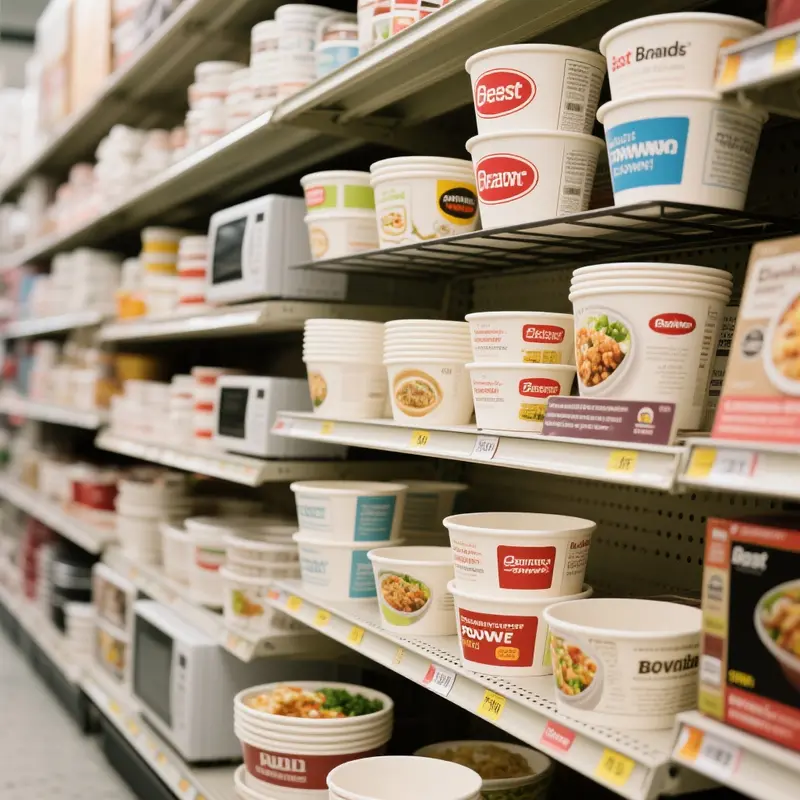
1. Dixie Ultra and VPLUS: Top Contenders in Microwave Paper Bowls with Performance Insights
Dixie Ultra and VPLUS are two of the most recognized brands in the microwave-safe disposable paper bowl market, each catering to distinct consumer preferences and needs. Dixie Ultra has established itself as a go-to option for those prioritizing durability and effective heat and leak resistance, thereby creating a niche for itself among consumers seeking robust solutions for hot meals. Meanwhile, VPLUS strives to appeal to environmentally conscious buyers by emphasizing its eco-friendly materials and overall value.
Both brands are specifically designed for everyday preferences and scenarios, including home cooking, casual dining, and catering events. Their size options and bulk packaging solutions make them ideal choices for high-volume settings, allowing users to make effective decisions for parties and daily meal prep alike.
Dixie Ultra: A Commitment to Strength and Reliability
Dixie Ultra bowls are constructed from heavyweight paperboard, fortified with a laminated barrier that resists leaking and sogginess. Marketed as using a “soak-proof shield,” these bowls stand out in their ability to handle moisture without breaking down. This characteristic is particularly important when consumers are serving hearty dishes like stews, soups, or any foods with rich sauces.
When it comes to microwave use, Dixie Ultra bowls are recommended for reheating rather than cooking. They are known to accommodate moderate temperatures, effectively holding up under the heat generated by leftovers such as oatmeal, pasta with sauce, or chili. The effective designs offered in sizes ranging from 12 to 20 ounces provide various options to cater to the needs of different servings. Furthermore, these bowls often feature appealing designs, adding a touch of festivity for gatherings and casual meals.
Dixie Ultra has received glowing reviews from consumers for their sturdiness in handling heavy, liquid-rich foods with minimal risk of collapse. Consumer testimonials highlight their leak and soak resistance, with many praising their ability to contain food without leaks, even during prolonged reheating. The feedback regarding microwave performance indicates users can confidently reheat leftovers without the concern of structural failure or mess—provided the reheating time is appropriately managed, typically favoring shorter, intermittent cycles.
VPLUS: Eco-Friendly Solutions with Adequate Performance
On the other hand, VPLUS positions itself as a contender that focuses on sustainability without compromising functionality. These bowls are touted as being made from renewable resources and are recyclable in areas equipped with appropriate facilities. Notably, VPLUS bowls stand out due to their commitment to being free from plastic foam, appealing to the environmentally aware segment of the consumer market.
VPLUS also proudly markets its paper bowls as microwave safe, claiming that they are designed for hot and cold foods alike. They are commonly utilized for everyday meals, snacks, salads, and catering due to their adaptability. However, it is important to note that users have occasionally reported experiencing some flexibility when using these bowls under heavy loads or extremely hot conditions—often a trade-off for their lighter weight design. Typical sizes range from 10 to 12 ounces, with some larger options available, aiming for convenience and affordability, especially when sold in bulk packaging.
While VPLUS bowls have garnered reasonable reviews for value and utility, some consumer feedback indicates susceptibility to bending under dense portions that exceed typical expectations. However, they remain a favorite for lighter meals, snacks, and non-saucy presentations, especially for those looking to minimize environmental impact without compromising practicality.
A Comparative Summary
When evaluating both Dixie Ultra and VPLUS, users must weigh their primary concerns when opting for microwave-safe paper bowls. Dixie Ultra is ideal for those prioritizing sturdiness and reliability for meals with sauce or liquid, while VPLUS serves well for environmentally focused consumers seeking functionality at a competitive price.
Both items stand out in their respective niches. Dixie Ultra excels in leak prevention and can handle heavier, hot meals, making it a preferred pick for those nightly dinner leftovers. Alternatively, VPLUS offers a commendable option for events like parties or outdoor gatherings where the focus lies on convenience and sustainability.
In conclusion, my analysis shows that both brands contribute significantly to the microwave paper bowl market, each with unique selling points tailored to different consumer preferences. The thoughtful design of Dixie Ultra bowls caters extensively to individuals requiring durable solutions under heat, while VPLUS meets the growing demand for eco-friendly choices without straying too far from reliability. For consumers keen on maximizing their experience with microwave paper products, these two brands remain worthy considerations, each enhancing the culinary convenience by coupling performance with distinct advantages.
For those exploring far beyond the microwave category, various eco-friendly options and custom packaging solutions can be explored at https://cofe-cup.net/shop/ to align with diverse culinary needs.
2. Vegware and up&up: Balancing Sustainability with Budget Considerations
In an evolving market, where sustainability and cost are at the forefront of consumer decision-making, Vegware and up&up represent two compelling choices for microwave paper bowls. Each brand approaches product design with differing priorities: Vegware emphasizes environmental responsibility with its innovative materials, while up&up focuses on affordability, appealing to those who need quick, practical solutions without breaking the bank.
Starting with Vegware, its 32 oz wide paper bowls are not just another disposable container; they embody a conscientious approach to food service. Crafted from sustainable paperboard, these bowls come lined with polylactic acid (PLA), a bioplastic made from renewable resources such as corn starch. This construction is designed to withstand the rigors of microwave use as well as hot and cold dishes, ranging from hearty soups and curries to fresh salads. The bowls are commercially compostable where facilities exist and meet rigorous ASTM composting standards, providing an eco-friendly alternative to conventional plastic containers.
The commitment to sustainability is further highlighted by the absence of added per- and polyfluoroalkyl substances (PFAS) in Vegware’s bowls. PFAS are often used in food packaging for their grease-resistant properties but have recently come under scrutiny for potential health risks. By opting for a product without these chemicals, consumers can enjoy their meals with greater peace of mind.
Vegware’s bowls perform exceptionally in terms of holding up under varying conditions, from being freezer-safe to maintaining stability in hotter temperatures. This makes them particularly suitable for take-out applications or catered events that feature saucy or oily foods. While these benefits come at a higher per-bowl cost—typically sold in large cases that justify the investment through long-term use—the value becomes clear for eco-conscious consumers and businesses committed to reducing their environmental footprint.
Conversely, Target’s up&up brand provides a straightforward, budget-friendly option that caters to everyday needs. These paper bowls are typically manufactured with standard paper lined with polyethylene (PE), which, while adequate for maintaining moisture and grease resistance, does not carry the same sustainability credentials as Vegware’s offerings. Public information suggests that up&up bowls emphasize convenience and disposability, making them a viable choice for less formal settings or for consumers who prioritize price over environmental impact.
For microwave usage, up&up bowls are generally safe, but they lack the comprehensive tracking regarding chemical additives found in their more sustainable counterparts. The absence of specific labeling or certification regarding PFAS or compostability can leave consumers questioning their safety and environmental impact. It’s often recommended to verify individual packages for specific microwave suitability, as performance can vary between products.
The functional design of up&up bowls provides enough heat tolerance for reheating food at home, catering well to a variety of applications—from casual family dinners to quick lunches. However, their structural integrity may not rival that of Vegware when it comes to high-heat items or heavier servings such as dense pasta dishes or mixed salads, indicating a potential weakness in their overall performance if pushed to extremes.
One significant factor to consider is what happens to these bowls at the end of their life cycle. Vegware’s products are designed for commercial compostability, aimed at a circular waste economy that avoids landfill disposal. However, the reality of composting often hinges on regional accessibility to proper facilities, which may not be accessible to all consumers. This creates a dichotomy in usability; while adopting a Vegware bowl contributes positively towards waste management efforts when done correctly, it could equally lead to issues if not disposed of in appropriate conditions.
In contrast, up&up bowls lack compostability certification and are generally destined for landfill disposal unless otherwise managed, leading to a notable concern for environmentally minded consumers who strive to minimize waste. Their lower cost, however, offers an attractive deal, particularly for events or occasions where a minimal financial investment is necessary.
For consumers who find themselves torn between these two options, understanding one’s priorities can assist in making the best choice. If sustainability and chemical safety are paramount, and, especially for those with access to composting facilities, Vegware emerges as the superior option. It appeals to individuals or businesses frequently handling hot or saucy meals, ensuring that both environmental responsibility and performance are taken into account.
For those who prioritize the cost, particularly for everyday usage in casual settings, up&up bowls serve as a manageable and effective choice. They perform adequately for simple heating needs while minimizing upfront expenditure for households operating with a tight budget.
To harmonize both sustainability and budgetary concerns, consumers can adopt a dual strategy. Use Vegware for events where presentation and environmental concerns are key, ensuring high quality and safety for heated or greasy meals. In contrast, opt for up&up when hosting less significant gatherings or casual meals, where the focus might lean towards convenience and cost efficiency rather than sustainability.
As the market evolves and more options become available, understanding the dynamics between brands like Vegware and up&up will help consumers make informed decisions that align with their values and needs. Ultimately, with a clearer picture of both offerings, it becomes easier to select the right microwave paper bowl, whether grounded in sustainability, budget, or a blend of both. Exploring practical solutions requires intentional resource-seeking, making the task of choosing the right bowl less of a chore and more about aligning purchasing habits with one’s individual or organizational philosophy.
In this landscape, choosing brands that resonate with your values—whether it’s environmental stewardship or affordability—can lead to more satisfying experiences, easing the stress associated with meal preparation and ensuring that microwave paper bowls are ready to serve with convenience and reliability.
Final thoughts
Microwave paper bowls offer significant advantages for business owners aiming to streamline their food service while meeting safety standards. By ensuring that the bowls are microwave safe and understanding their temperature limits, you can optimize customer experience and protect your business. Selecting the right products from reputable brands while adhering to safety guidelines enhances your service offerings. Keeping these factors in mind, you can successfully incorporate microwave paper bowls into your operations.
Choose our reliable disposable tableware and packaging solutions for your business. We offer quality products that meet safety standards, with fast delivery and flexible options. Partner with us today to elevate your service – contact our team now for a tailored quote!
About us
We specialize in manufacturing and supplying disposable tableware, packaging paper, and boxes. With years of experience, we prioritize safety, durability, and eco-friendly practices. Our goal is to provide businesses with trusted, cost-effective solutions backed by responsive customer support.