
Introduction
Kraft paper bowls have carved a niche in the food service industry, serving as eco-friendly, disposable containers for a variety of cuisines. Understanding their manufacturing process, quality control standards, and market dynamics is crucial for business owners looking to leverage these innovative products. This article will delve into the intricate steps involved in producing kraft paper bowls, emphasizing the importance of quality assurance in maintaining high standards, followed by insights into the market’s evolving demands and sourcing strategies. Together, these elements provide a comprehensive overview essential for anyone looking to incorporate kraft paper bowls into their business model.
Tables of Contents
Chapter 1: The Intricate Journey of Kraft Paper Bowls: From Tree to Table
- Crafting Excellence: The Step-by-Step Journey of Kraft Paper Bowl Manufacturing
- Revolutionizing Kraft Paper Bowl Production Through Technological Advances
- Assessing Economic Dynamics and Environmental Stewardship in Kraft Paper Bowl Manufacturing
Chapter 1: The Intricate Journey of Kraft Paper Bowls: From Tree to Table
1. Crafting Excellence: The Step-by-Step Journey of Kraft Paper Bowl Manufacturing
The manufacturing of kraft paper bowls is a complex yet fascinating journey, beginning with the humble wood pulp. This raw material undergoes a series of meticulous processes, resulting in versatile and eco-friendly food containers widely used in the food service industry today. Understanding this journey—from sustainable sources of wood to the final product ready for use—helps appreciate the craftsmanship and technology behind kraft paper bowls.
The journey starts with pulp preparation, where wood chips are transformed into a fibrous mass called pulp through the kraft process. This method is renowned for its effectiveness in separating cellulose fibers from lignin, the substance that binds these fibers in wood. Using a combination of sodium hydroxide and sodium sulfide, wood chips are cooked until the lignin dissolves, allowing the cellulose to remain intact. Typically composed of 30-80% recycled fibers blended with virgin pulp, the resulting pulp is cleaned through washing and screening, ensuring high standards of quality. Sustainable sourcing of wood pulp is emphasized at this stage to adhere to environmental regulations, which is increasingly important in today’s eco-conscious marketplace.
Once the pulp is cleaned, it proceeds to the paper production stage. Here, the pulp is refined and dried into flat sheets or rolls, producing what is known as kraft paper. This paper varies in grammage, tailored to meet the specific needs of different food service applications, ensuring durability and functionality in daily use. Some plants apply additional treatments to the kraft paper to enhance its suitability for various foods, setting a robust foundation for crafting bowls that can hold diverse contents from salads to hot soups.
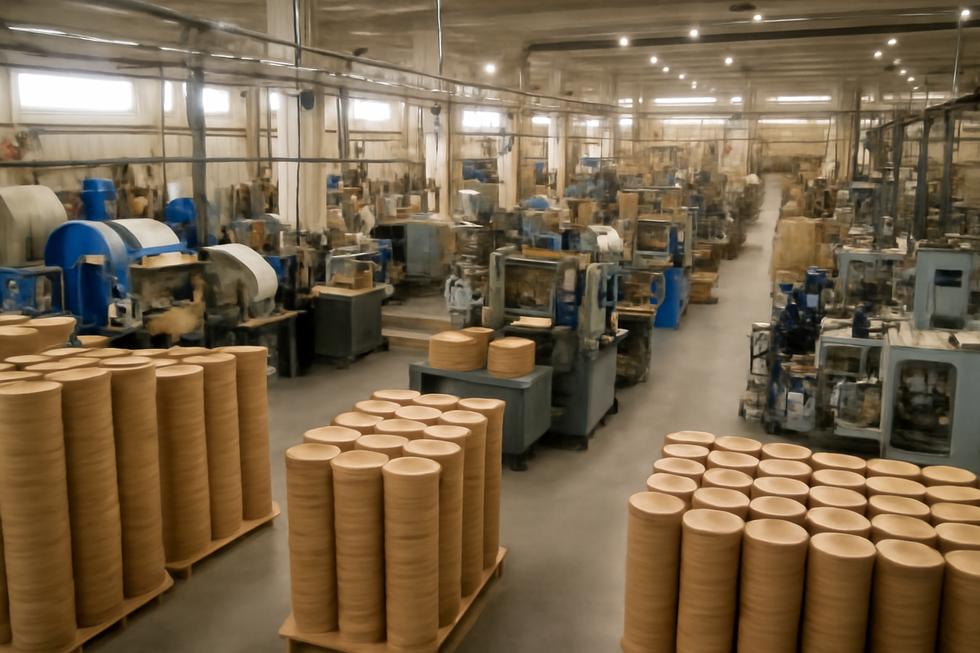
The heart of the manufacturing process shapes the kraft paper into bowls, a stage referred to as bowl forming. In modern factories, this process is remarkably efficient, thanks to advanced automated forming machines. These machines precisely cut the kraft paper into the desired shapes and sizes—ranging from smaller 500 ml bowls ideal for salads to larger 1500 ml versions designed for hearty meals. Automated systems carefully fold, shape, and seal the paper into the finished bowl form, where seams are bonded firmly to maintain the bowl’s integrity during use. Custom features, such as printed branding or specialized lids, can also be integrated at this stage, important for businesses looking to differentiate their offerings.
Post forming, many kraft paper bowls receive a coating application, crucial for enhancing their performance as food containers. Most commonly, a food-safe plant-based lining is added to the inner surface, which contributes an additional layer of insulation against the heat from hot contents like soups and sauces. This lining is also instrumental in preventing leaks from moisture, thereby preserving the bowl’s shape and ensuring dining satisfaction. Such protective layers must be carefully selected to align with the end goal of sustainability, emphasizing plant-based ingredients that cater to eco-friendly values.
As the production process nears its conclusion, quality control becomes paramount. Finished bowls undergo a series of tests to ensure they meet rigorous standards for stability, stackability, and seal integrity. This scrutiny is vital because it guarantees that the product can withstand transit conditions and the demands of customer use. Only bowls that meet these standards are packaged, ready to be shipped to a variety of food service establishments.
The packaging process is designed with care, ensuring the bowls maintain their structural integrity through distribution. Typically, bowls are stacked with protective layers and placed in boxes that minimize movement during shipping. This consideration not only ensures that the bowls reach food service operations in perfect condition but also highlights the importance of thoughtful logistics in product delivery.
Throughout this intricate manufacturing process, the emphasis on performance and sustainability is unwavering. Kraft paper bowls are not just disposable containers; they symbolize a commitment to eco-friendly practices in the food service industry. Their lightweight and nestable nature makes them highly efficient for storage and transport, a significant advantage for any food service operation. However, manufacturers remain vigilant about the limitations of unlined kraft paper bowls, which can soften when exposed to moisture. Hence, ensuring appropriate coatings are used is critical, especially when these bowls are tasked with holding liquid-based products under varying atmospheric conditions.
Moreover, the trend towards compostable and biodegradable options for kraft paper bowls reflects a growing consumer demand for environmentally responsible packaging solutions. As more businesses seek to align their practices with sustainable values, the manufacturers of kraft paper bowls must continue to adapt, creating products that not only perform excellently but also fulfill the sustainability aspirations of their users.
In conclusion, the journey of kraft paper bowls from wood pulp to final product encapsulates a synthesis of craftsmanship, technology, and an unwavering commitment to the environment. By balancing durability with eco-friendliness, these bowls effectively represent the future of disposable food containers in a world increasingly driven by sustainability and performance demands. This comprehensive understanding of the manufacturing process emphasizes the meticulous care and innovative practices involved in creating kraft paper bowls that serve food while respecting the planet.
For those interested in exploring a variety of customizable options for eco-friendly takeaway solutions, check out the extensive range of kraft paper products here.
2. Revolutionizing Kraft Paper Bowl Production Through Technological Advances
The evolution of the kraft paper bowl manufacturing process has been significantly shaped by various technological innovations that enhance efficiency, sustainability, and product quality. As global demand for eco-friendly packaging solutions rises, the kraft paper bowl industry finds itself at the forefront of converting traditional methodologies into advanced, automated systems. This integration of modern technologies not only increases production efficiency but also ensures that the products meet contemporary consumer expectations for sustainability and performance.
One of the most prominent advancements is the incorporation of automation and Industry 4.0 processes in manufacturing plants. Modern mills are increasingly utilizing artificial intelligence (AI), machine learning, and advanced process analytics. These technologies play a crucial role in predictive maintenance and process optimization, which are essential for minimizing downtime and maximizing yield. In critical areas such as paper machines and converting lines, consistent processes have become more attainable, allowing for a seamless flow of production that enhances both speed and reliability.
Moreover, advanced barrier and coating technologies have emerged as game changers in the kraft paper bowl sector. With innovations such as Spatial Atomic Layer Deposition (ALD), manufacturers can apply nanometer-thin inorganic barrier films. These coatings provide moisture and oxygen resistance, enabling kraft bowls to effectively substitute for plastic-lined containers while maintaining their essential shelf life and food safety standards. As the industry pushes for reduced reliance on plastics, these advancements support not only consumer convenience but also significant sustainability goals.
Additionally, the role of fiber and adhesive innovations cannot be overstated. The industry has embraced the use of recycled and fresh-fiber blends, especially with nanocellulose and bio-based adhesives. This not only enhances the mechanical strength of kraft bowls but also improves the overall recyclability of products. High bio-content adhesives meet performance demands while reducing the environmental impacts traditionally associated with solvent-based options. This trend toward eco-friendly materials aligns with consumers’ increasing preferences for sustainable choices in their food containers.
Furthermore, the manufacturing process has benefited from energy and water-saving measures in pulping and bleaching operations. Manufacturers are now adopting chemical recovery systems, enzyme-assisted processing, and optimized bleaching technologies. These approaches minimize energy consumption and chemical usage, leading to lower operational costs and a reduced carbon footprint. The synergy between environmental responsibility and production efficiency represents the hallmark of modern kraft paper production.
In terms of production techniques, advancements in forming, cutting, and thermal-sealing equipment have enabled manufacturers to achieve higher speeds and improved precision in bowl fabrication. High-speed thermoforming methods, alongside precision slitting and die-cutting technologies, ensure that manufacturers can produce a range of bowl sizes—from small salad bowls to larger hot meal containers—without compromising on quality. This capability is especially important in today’s market, which demands versatility in product offerings while maintaining quality standards.
The implementation of these technologies does come with its challenges. Transitioning to advanced systems often requires substantial capital investments and a skilled workforce capable of managing sophisticated equipment. Many manufacturers opt for a phased upgrade approach, balancing investment against operational capabilities to ensure a smooth transition without significant interruption to production schedules. Additionally, the introduction of new materials, especially eco-friendly options, necessitates compliance with regulatory standards for food safety and recyclability, factors that can further influence the timelines for market introduction.
Supply chain management also plays a pivotal role in the successful integration of these innovations. Variations in fiber composition affect sourcing strategies, requiring manufacturers to evaluate new supplier relationships to secure the right materials at competitive prices. This aspect is essential for maintaining production efficiency and meeting market demands without sacrificing product integrity.
In summary, the kraft paper bowl manufacturing process is undergoing a transformative phase powered by cutting-edge technological innovations. By harnessing AI, incorporating advanced materials, and optimizing production techniques, companies are not only enhancing their operational efficiencies but also meeting the growing consumer expectations for sustainable and high-quality food packaging. This ongoing evolution ensures that as the market demands shift, kraft paper bowl manufacturers are well-equipped to meet both current and future challenges head-on, ultimately leading to a greener and more efficient food service industry.
For those interested in the specific details and latest innovations in this industry, exploring various product offerings such as custom biodegradable kraft paper takeaway bowls can provide valuable insights into how manufacturers are implementing these advancements in practice.
3. Assessing Economic Dynamics and Environmental Stewardship in Kraft Paper Bowl Manufacturing
The manufacturing of kraft paper bowls is not just a technical endeavor but an intricate dance between economic incentives and environmental responsibilities. As sustainability becomes a core tenet in consumer decision-making, the kraft paper bowl industry faces the dual challenge of meeting rising demand while mitigating its environmental footprint. The economic landscape is profoundly impacted by market dynamics, cost structures, and innovation opportunities, which all intertwine with critical environmental implications stemming from production processes. Understanding this relationship is essential for sustainable growth within the sector.
From an economic perspective, the increasing demand for kraft packaging, including bowls, correlates strongly with heightened awareness surrounding sustainability. The natural attributes of kraft paper—its recyclability, compostability, and overall eco-friendliness—have positioned these products favorably in the market. As consumers gravitate toward more sustainable options, manufacturers can capitalize on this trend by achieving higher sales volumes and potentially command higher price points for their products. Such demand not only invigorates the kraft paper bowl sector but also stimulates adjacent industries, such as pulp suppliers and logistics, fostering job creation across the value chain.
However, the economic benefits come coupled with significant risks. The manufacturing process demands an array of resources that contribute to production costs: raw pulp—whether sourced from virgin forests or recycled fibers—requires careful consideration. Virgin pulp cultivates a strong final product but polarizes opinions due to its environmental impact from deforestation. Conversely, recycled pulp lessens the ecological footprint but often results in increased operational challenges such as variability in quality and contamination issues during processing. The key lies in balancing raw material choices while ensuring reliability and cost-efficiency.
Energy consumption stands as another formidable element within the production equation, as kraft paper manufacturing is energy-intensive. The pressing, drying, and forming processes drive energy demand, creating a substantial carbon footprint. Manufacturers are increasingly tasked with investing in energy-efficient technologies and exploring renewable resources to offset greenhouse gas emissions, thus protecting their bottom line while adhering to sustainability standards.
While technological enhancements can optimize energy use, they often require significant upfront capital investment. Innovations like recovery systems and improved heat integration can yield long-term savings, but implementation costs are a consideration that cannot be ignored when analyzing economic viability. This injects a complexity of potential returns on investment that varies across different production contexts.
Alongside economic considerations, the environmental implications of kraft paper bowl manufacturing are profound. The initial stages of production—from pulping to the formation processes—are characterized by high water usage. As the paper undergoes manufacturing, wastewater rich in organic materials, chemicals, and nutrients is produced, necessitating stringent treatment protocols to disinfect and mitigate hazards. Failure to implement adequate wastewater management can lead to significant ecological disturbances, including oxygen depletion in waterways and potential toxic impacts on local ecosystems.
The chemical aspects of kraft pulping—using sodium hydroxide and sodium sulfide—add another layer of complexity. Emissions linked to these chemicals can introduce air pollution concerns, releasing sulfur compounds and nitrogen oxides during various stages such as bleaching. Therefore, the integration of advanced air pollution control technologies is crucial to reducing harmful emissions and aligning production operations with environmental regulations and public health standards.
Yet the conversation surrounding environmental stewardship does not conclude with process emissions and wastewater treatment. Solid waste generated during production—sludges and lime kiln residues—demands appropriate management to avoid contaminating the surrounding soil and groundwater. The potential benefits of implementing a closed-loop system are substantial, wherein waste products can be composted or reused, cutting costs while fostering more sustainable business practices.
Despite these pressing environmental challenges, there exist viable pathways for enhancing sustainability in manufacturing. For instance, producing kraft paper bowls from recycled fibers not only minimizes the demand for raw materials but also integrates well into a circular economy model. This transition fosters resource recovery while lowering operating costs, albeit requiring stringent controls to maintain quality standards throughout the pulp processing stages.
Conversely, the practice of employing chemical recovery systems, while often capital-intensive, can dramatically decrease pollution and long-term handling costs for effluents. The advancement toward chemical-free or elemental chlorine-free bleaching processes significantly reduces the production of hazardous byproducts, high on the list of environmental concerns for consumers and advocacy groups alike.
Moreover, the end-of-life considerations for kraft paper bowls also showcase a dual advantage. These bowls, by their nature, are designed to be biodegradable and recyclable, setting them apart from plastic alternatives. However, the efficacy of recycling systems is currently hindered by contamination from food residues during consumer use. Continuing to educate consumers on the proper disposal of kraft products can enhance their end-of-life potential, pushing the industry towards greater circularity.
As the kraft paper bowl sector continues to evolve, it must remain attuned to both economic opportunities and environmental stewardship. A commitment to innovations that enhance resource efficiency, coupled with proactive strategies to address environmental impacts, will not only bolster the industry’s market position but also drive its contribution towards a sustainable future. By marrying economic rigor with ecological mindfulness, the kraft paper bowl manufacturing process stands poised to navigate the ongoing challenges of today’s marketplace.
For those looking to align sustainable practices with market demand, opportunities abound, such as developing products featuring biodegradable coatings or energy recovery systems. Each step taken towards sustainability not only strengthens a company’s economic position but also benefits the planet, showcasing a harmonious path forward in kraft paper bowl production, where profitability and environmental responsibility can thrive hand in hand.
Explore more resources on sustainable food packaging solutions here.
Final thoughts
The kraft paper bowl industry is a dynamic sector that is continually evolving in response to consumer needs for sustainable and efficient packaging solutions. The manufacturing process ensures that these products are robust and reliable, while industry standards for quality control safeguard businesses against potential issues. Furthermore, understanding market dynamics and sourcing strategies is essential for entrepreneurs who aim to benefit from the growing demand for eco-friendly disposables. By grasping these core elements, business owners will be well-equipped to navigate their journey in the kraft paper bowl market and capitalize on ongoing trends.
Choose our reliable disposable tableware and packaging solutions for your business. We offer quality products that meet safety standards, with fast delivery and flexible options. Partner with us today to elevate your service – contact our team now for a tailored quote!
About us
We specialize in manufacturing and supplying disposable tableware, packaging paper, and boxes. With years of experience, we prioritize safety, durability, and eco-friendly practices. Our goal is to provide businesses with trusted, cost-effective solutions backed by responsive customer support.