
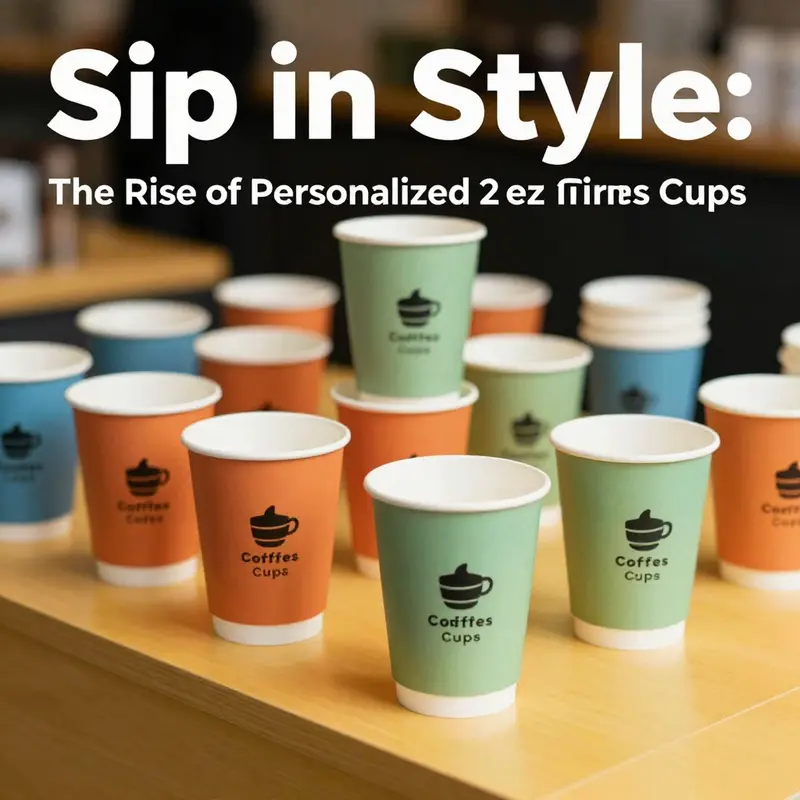
Disposable paper coffee cups, especially the 2oz size, are gaining traction in hospitality. These compact cups offer practical benefits while providing branding opportunities. They are not only functional but also enhance presentation for small servings, helping to reinforce brand identity and customer experience. This article explores customization options, production methods, environmental considerations, market demand, and emerging trends in personalized 2oz disposable paper cups.
Tiny Vessels, Big Impressions: The Craft and Value of Personalizing 2oz Disposable Paper Cups
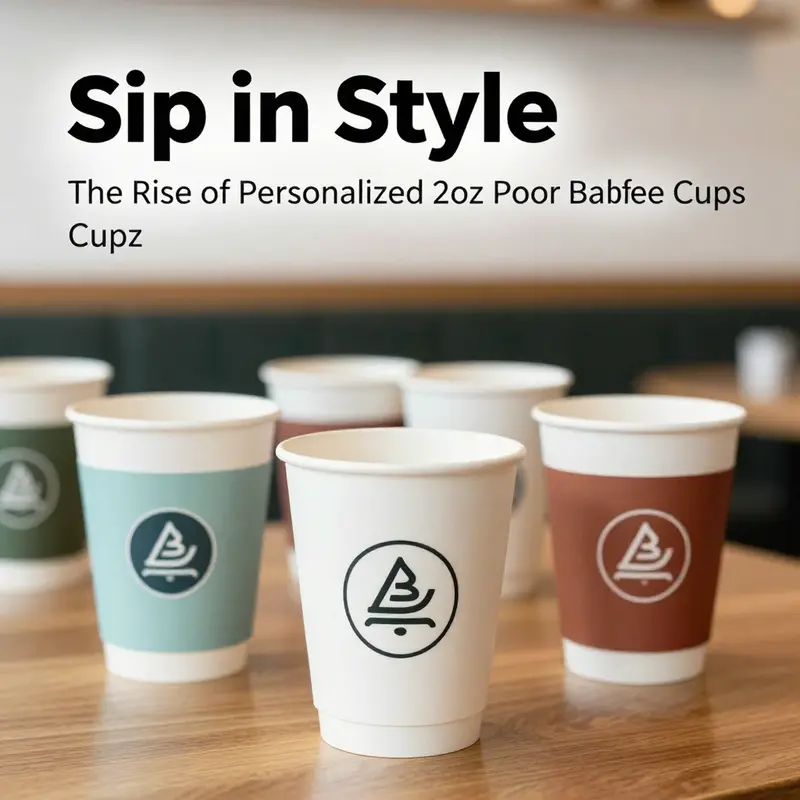
A small cup can carry a surprisingly large story. In the realm of coffee, the 2oz disposable paper cup functions as both a conduit for taste and a carrier of brand narrative. Its compact form is particularly well suited to concentrated drinks—single-origin espresso, sample portions, or travel-sized sips—that invite curiosity without demanding a full beverage commitment. The appeal of the 2oz size goes beyond mere portion control; it aligns with how modern customers experience a brand in fleeting moments of service, at events, pop-ups, or casual tastings. When a café or retailer chooses personalization for these tiny vessels, the cups stop being anonymous wrappers and begin to become ambassadors, consistently projecting logo, color, and tone with every pour. This subtle power of scale matters because attention is a finite resource, and first impressions in hospitality hinge on cohesive, recognizable packaging as much as on the beverage inside.
Customization options for these cups are expansive, yet grounded in practical constraints. The base material is food-grade paperboard, a sturdy platform that supports a variety of finishes and coatings without compromising safety or flavor. A thin inner coating—often a PE layer or, in some cases, a PLA alternative—serves to prevent leakage and preserve the integrity of hot or cold drinks. Importantly, the coating must be compatible with printing processes and recyclable pathways, because sustainability remains a meaningful consideration for both operators and guests. In terms of surface design, flexographic printing stands out as a workhorse approach. It accommodates bold, brand-forward graphics with up to three colors, delivering legible logos and crisp color blocks on a surface that is frequently touched and observed from a slight distance during service. This balance of durability, cost-effectiveness, and speed makes flexo a natural fit for 2oz cups intended for short runs or frequent event rotations. For brands aiming for more complex color work or exact color matching, offset printing can be explored in larger runs, though it may require higher minimums and longer lead times.
The environmental note accompanying personalization cannot be overlooked. The 2oz cup’s footprint is inherently smaller than larger counterparts, contributing to material efficiency and a lighter overall waste profile. When the coating is separated properly during recycling, the cups can remain compatible with municipal recycling streams that accept coated paper products. This is particularly relevant in a market increasingly guided by consumer expectations around sustainability. The environmental story is not just about end-of-life destiny; it also encompasses the production phase. Factories that highlight total quality assurance, including inspections and certifications, provide reassurance that even seemingly small lots are consistently safe and well made. In many cases, buyers will encounter CIQ or similar verification processes as part of a broader supply chain governance framework. That said, the logistics of first-time orders often require patience: typical lead times range from 30 to 45 days, while repeat orders can move more quickly, sometimes within 7 to 15 days. Sample cups are frequently offered to reduce risk and help brands align on tolerances for thickness, coating gloss, and print fidelity, with buyers typically covering shipping costs for these samples. This practical structure—careful material selection, robust customization, and patient but predictable production timelines—creates a reliable pathway for brands to test and scale their visual identity in miniature form.
Beyond the technical and environmental considerations, the 2oz personalized cup becomes a strategic touchpoint for brand engagement. In the café culture lexicon, the act of handing over a cup with a distinctive logo or color motif can reinforce a customer’s memory of a visit or event. The small scale invites repetition: customers who encounter the same consistent look in multiple contexts—at a counter, in a workshop, or during a sponsored tasting—begin to associate those visual cues with the quality and experience of the beverage itself. This consistency translates into stronger recall and a more cohesive brand ecosystem, especially when the same color palettes and typography appear across cups, lids, and supporting packaging. When designed thoughtfully, these cups do more than hold liquid; they become portable, transient billboards that travel with the consumer from moment to moment.
In practice, thoughtful customization also intersects with practical constraints that influence whether a brand leans into full branding or leaner design. Some operators favor a single-color logo for maximum legibility and fastest print runs, while others embrace multi-color schemes that echo a broader brand campaign. The printing approach must align with the design intent. Flexo printing, with its reliability and scalability, tends to dominate 2oz customization, while ink quality, curing processes, and the choice of inks—whether food-safe flexographic inks or alternative formulations—impact durability on a cup destined for hot beverages or chilled samples. The ink’s performance under heat exposure, its resistance to smudging, and its ability to maintain color integrity across a range of temperatures all factor into final choices. At the same time, the raw material itself—paperboard weight, density, and coating thickness—plays a critical role in how well a given print job reads in a crowded service environment, where lighting, movement, and steam can all affect visibility. In short, the most effective 2oz cups are not merely printed; they are engineered to sustain appearance and function under real-world conditions.
From a procurement perspective, the customization curve is shaped by both design intent and supply chain realities. For brands evaluating suppliers, clear communication about minimum order quantities, lead times, and quality assurances helps set expectations and reduces friction in the process. The ability to tailor the raw material and cup weight is a practical option, enabling customers to calibrate between sturdiness and cost. The pricing sweet spot often hinges on a balance between the complexity of the print (colors, sharpness, and registration) and the desired batch size. As a result, smaller campaigns or trial runs can leverage the 2oz format to deliver a branded experience with minimal risk, while establishing the groundwork for broader deployment across locations or events.
For readers considering how to navigate these choices, the phrase to recall is intentional packaging: a deliberate alignment of form, function, and aesthetics. The 2oz cup is not a mere vessel; it is a micro-brand instrument. A consistent, well-executed design can coordinate with lids, napkins, and other takeaway components to create a unified customer touchpoint. Yet it is essential to respect the constraints of the medium—font legibility at small scales, color contrast against a warm brown ceramic backdrop, and the practical realities of wear and tear in a bustling environment. A single, well-conceived design can achieve more impact than a dozen fragmented attempts across different sizes. As brands think through the lifecycle of their packaging, they should also consider how the 2oz option may serve as a learning platform for bigger sizes, offering a controlled environment in which to test branding elements before scaling up.
When looking at the broader trend toward personalization, these cups reflect a shift in hospitality and retail toward deeper, more tactile brand interactions. Guests are not just consumers of a beverage; they are participants in a crafted experience. The 2oz cup, with its intimate scale, offers a unique moment to convey story, warmth, and attention to detail. This is especially valuable for events, pop-up shops, or mobile venues where quick, repeatable impressions matter. The ability to customize logos and designs in a cost-effective format makes it feasible to run seasonal campaigns, localized promotions, or co-branded initiatives without overwhelming logistics or budgets. In that sense, the 2oz personalized cup becomes a flexible, high-impact element within a brand’s packaging family—an invitation to pause, notice, and remember.
For readers who want to explore practical pathways to implementation, consider how packaging printing choices can support your specific goals. Packaging printing options offer a palette of approaches—from color fidelity and durability to cost efficiency and print turnaround. If you’re curious about how the printing method can be matched to your design ambitions and production requirements, you can explore more about packaging printing here: Packaging printing. This resource helps illuminate how small-format customization can be integrated with broader branding systems, ensuring that even the tiniest vessel contributes to a coherent, memorable customer journey. The interplay between material science, printing technology, and strategic design makes the 2oz cup a surprisingly potent vehicle for brand storytelling.
External reference: https://www.alibaba.com/product-detail/Custom-Logo-Disposable-Paper-Coffee-Cup-Mug_1600585934744.html
From Coating to Custom Print: Material Make-up and Production Craft of 2oz Personalized Disposable Paper Cups
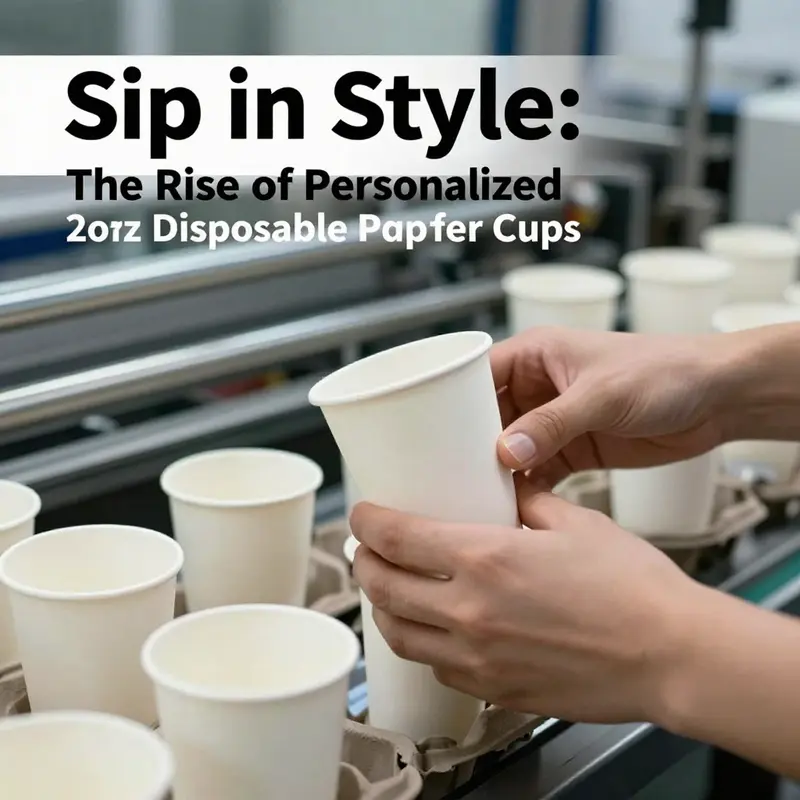
Tiny in size but substantial in function, the 2oz disposable paper cup stands at the intersection of material science, process engineering, and brand storytelling. It is a vessel designed for precision: a seamless barrier to leaks, a surface ready for clean, durable branding, and a format that suits small servings of espresso, samples, or travel-ready tastings. The chapter that follows traces how the cup’s core materials and the steps that transform raw sheets into reliable, personalized vessels shape every sip and every impression. The story begins with composition, moves through manufacture, and ends in a marketplace increasingly hungry for customization and responsibility. Within the broader family of paper cups, manufacturers tailor sizes and finishes paper cups to meet specific hospitality moments, from high-volume buffets to intimate tasting events. This link anchors the chapter in a practical ecosystem where design choices ripple into customer experience and sustainability outcomes.
Material composition is the first decision point. Disposable paper cups for hot and cold beverages rely on food-grade paperboard, chosen for its clean surface, barrier properties, and safety in contact with liquids. The exterior is built to be strong enough to withstand handling during service, while the interior must maintain a barrier against moisture. A thin layer of polyethylene (PE) is commonly applied to the board to create that water-repellent shield. This coating prevents the cup from softening or soaking through during a hot pour, ensuring structural integrity from first contact with a drink to final disposal. In response to environmental concerns, some producers are experimenting with biodegradable alternatives such as polylactic acid (PLA), derived from renewables like corn starch. PLA-coated cups can offer comparable barrier performance while presenting a more favorable disposal profile under industrial composting conditions. The choice between PE and PLA is thus a balance: cost, barrier durability, and the intended end-of-life pathway, all weighed against regional recycling or composting infrastructure and regulatory expectations.
Production techniques for these cups are a careful choreography of material science and high-speed manufacturing. The process typically begins with careful material sourcing, ensuring paperboard meets food-safety standards for contact with beverages. The coated board travels to coating stations where PE or PLA is applied to the appropriate surfaces, forming a waterproof barrier that preserves both the cup’s integrity and its handle-free design. Next comes die-cutting, where precision equipment shapes the coated sheets into the basic cup bodies and bottoms. The cut pieces flow through forming machines that fold, seal, and align edges to produce a smooth-walled cylinder, without wrinkles that could harbor leaks or complicate stamping of logos. Quality control follows at multiple checkpoints: thickness uniformity, coating continuity, seam strength, and the absence of defects that could compromise performance. The final stage is customization, a domain where branding materials meet printing technology. Exterior surfaces receive high-quality CMYK prints using food-safe inks. Printing can happen before assembly on flat blanks or after shaping on the finished form, depending on equipment and design requirements. In either case, the result is a cup whose surface is both visually vibrant and durable, able to resist scuffing during handling and staying legible through a drink’s journey from cup to consumer.
Customization is more than decoration; it is a strategic differentiator for cafes, events, and retail promotions. Suppliers increasingly offer OEM services that let customers specify unique colors, weight characteristics, and logo designs to match a brand’s voice. The raw material choice, including paperboard weight and coating type, can be part of the customization package. With the right combination of board grade, coating, and printing, a 2oz cup can carry crisp branding without sacrificing performance under heat or moisture. The small format makes it feasible to run short, targeted campaigns—perfect for sampling programs, limited-time tastings, or gift-with-purchase promotions—where the perceived value of the packaging strengthens the overall customer experience. The ability to print directly on the cup exterior—not just on a sleeve or lid—often yields higher brand recall because the message becomes inseparable from the drinking moment. As the industry evolves, some manufacturers are integrating sustainability-driven options into customization packages, offering PLA-lined cups with recyclable or industrially compostable pathways. This reduces the negative footprint associated with traditional PE-coated cups, aligning branding efforts with consumer expectations about responsible packaging.
The applications space for 2oz personalized cups is defined by immediacy and intimacy. They excel in single-serve contexts, serving espresso shots or ultra-short beverages in sampling stations, trade shows, boutique tastings, or flight-sized menus at airports and cafés. The smaller format lowers waste and allows operators to curate experiences with precise portion control. The branding on these cups serves as a portable advertisement, outlining a business’s ethos and drawing customers into the next moment of the beverage experience. Market trends reveal a growing consumer demand for visually striking, durable prints that withstand the rigors of transport and the heat of a poured drink. Yet, alongside aesthetics, there is a parallel emphasis on sustainability. The rise of PLA-based coatings and the exploration of compostable or recyclable end-of-life pathways reflect a broader industry shift toward reducing post-consumer waste and meeting evolving regulatory expectations in regions adopting Extended Producer Responsibility (EPR) frameworks. In places where waste management infrastructure supports it, PLA may offer advantages; in others, PE remains the practical baseline given established recycling streams and lower cost. The industry’s ongoing challenge is to harmonize print quality, barrier performance, and end-of-life options in a way that does not compromise the customer’s experience.
From a regional perspective, production hubs around the world are adjusting to these pressures. Companies in various markets are expanding capabilities to coat, print, and form cups with a tighter integration of sustainability considerations. This often means investing in equipment that enables higher-precision printing and more efficient use of coating materials, as well as exploring alternative barrier technologies that can meet stringent food-safety requirements while offering improved recyclability. The evolution of 2oz personalized cups is thus not a solitary design problem but a systems challenge: how raw material choices, coating technologies, print processes, and disposal options come together in real-world supply chains. The result is a product that can be customized to tell a brand story inside the cup, while also enabling responsible disposal practices after the last drop is gone.
For readers seeking practical examples of the packaging ecosystem in action, the online catalog of a major supplier ecosystem can offer further context about how these components fit together in real-world orders. A commonly used reference point for practitioners exploring the full spectrum—from raw material options to final prints—is the broader category page dedicated to paper cups, which provides a sense of scale, capability, and customization potential across sizes and finishes. This internal resource helps connect the material choices described here with the larger portfolio of disposable items used in hospitality and retail settings. External researchers and procurement teams can leverage those connections to compare substrate weights, coating types, and printing tolerances across different suppliers and geographic regions.
External resource for technical specifications and sourcing: https://www.alibaba.com/product-detail/Custom-Printed-Disposable-Paper-Coffee-Cups_1600457982386.html
Smallest Servings, Largest Footprints: Rethinking the Sustainability of Personalized 2oz Cups
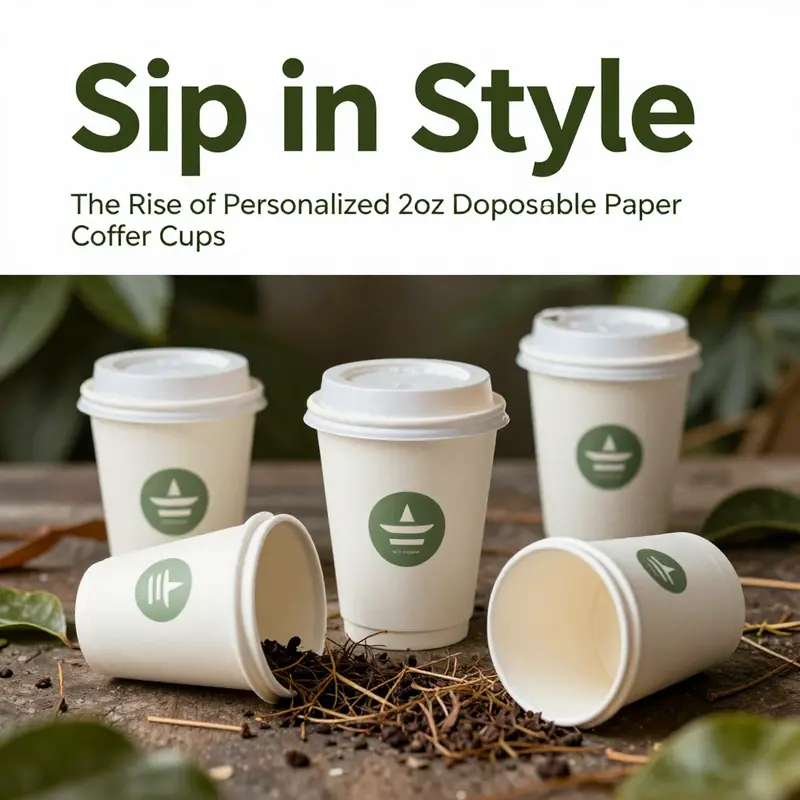
Two ounces is a small vessel, but it carries big questions. In the world of coffee service, the personalized 2oz disposable paper cup acts as a tiny stage for brands and storytelling. It promises a crisp, single-serve experience—great for tastings or samples. Yet this small cup also highlights a broader tension: the environmental cost embedded in its production, use, and disposal. Understanding the life of the cup from cradle to end of life helps illuminate options that promise less waste and better stewardship.
Material composition is the first knot. A typical 2oz cup combines a paper body with a protective lining to prevent leakage under heat and cold. The lining is often polyethylene or PLA. This multi-material structure makes recycling challenging; many cups end up in landfills or energy-recovery streams. The result is a material mix that resists straightforward recycling.
The production footprint sits atop the materials. Paper is sourced from forests with certifications, but the lifecycle uses substantial water, energy, and chemicals. Inks and coatings added for branding increase resource use. Personalization requires more printing passes and curing, boosting embodied energy and GHGs, especially in a small format.
Customization brings brand value but also ecological impact. Printing inks must meet safety standards and may hinder recycling. The whole cup may become less recyclable when paper, plastic, and ink are combined.
End-of-life realities complicate matters. Some cups are marketed as compostable or biobased, but industrial facilities are not universally accessible. Home composting seldom works for such cups. Contaminated streams can render compostable cups unusable. If disposed where facilities are not equipped to process them, they behave like conventional waste.
Design and supply chain choices matter. Certifications reassure buyers but do not automatically reduce impact. Buyers should seek partners with sustainable material choices and clear end-of-life plans, including reduced ink coverage and consumer disposal guidance. Reusable options may offer lower long-term impact if a system exists to support washing and return.
The social and cultural dimensions matter too. Personalization can build affinity, but it also calls for responsible messaging about disposal and opportunities to shift to reuse. Design can lean toward simpler branding to reduce coatings, lowering end-of-life complexity.
What does a sustainable path look like? Prefer coatings that aid recyclability, water-based inks with low toxicity, and fewer layers. Communicate clear disposal guidance and explore reusable options where feasible. Consider the broader system: are there accessible end-of-life options in the market? Do production practices minimize water and energy use? These questions guide a more responsible approach that values waste avoidance and resource efficiency.
For buyers navigating catalogs, a portfolio that includes disposable, compostable, and reusable options helps match use-case to environmental responsibility. A broader perspective on recycling and waste shows that renewable or compostable materials do not automatically translate to easy end-of-life. The path forward lies in aligning materials with disposal infrastructure and consumer behavior, and in designing products with end-of-life in mind.
Tiny Vessels, Big Impressions: Navigating Demand, Design, and Profit with Personalized 2oz Disposable Paper Cups
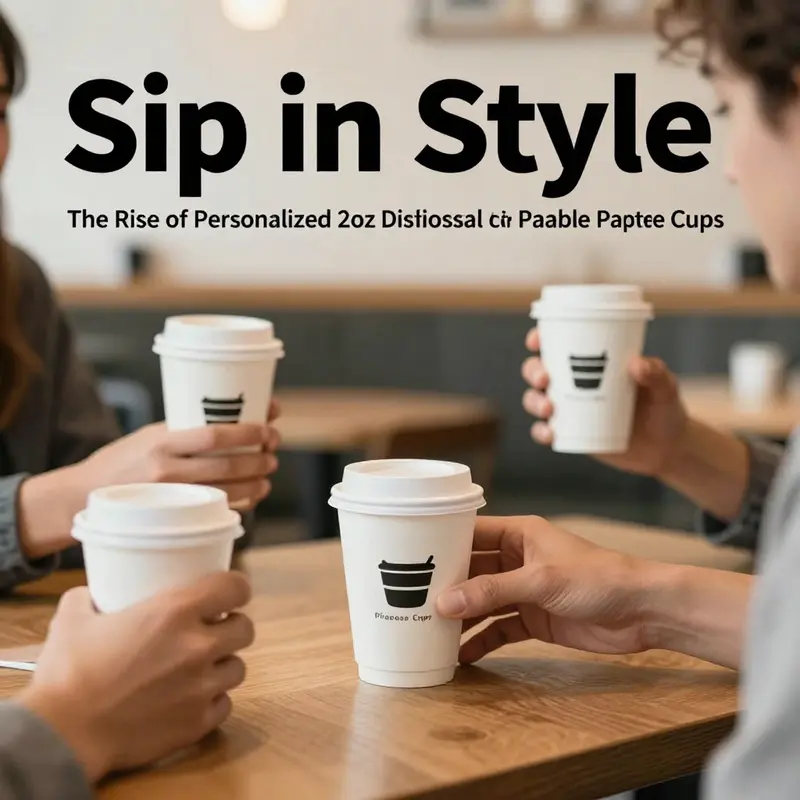
In the spectrum of coffee service, the 2oz personalized disposable paper cup occupies a quiet, almost artisanal corner. It is small in physical presence but large in potential impact. These compact cups are designed for precise portions—single shots of espresso, premium cold brews, or sample servings that invite a curious palate to explore a brand’s range without committing to a full-size drink. The novelty is not merely in the drink they hold but in the story they tell as customers encounter them. The cup becomes a tiny, portable billboard that travels from bar to table, from event to street corner, carrying a brand’s logo, colors, and a design language that customers can instantly recognize. In environments where speed, convenience, and customization converge, the 2oz format can transform ordinary tastings into branded experiences and, in turn, reinforce a boutique, quality-first image that larger, mass-market vessels sometimes miss. The appeal is twofold: practicality for quick, controlled servings and strategic branding that nudges customers toward recall and preference when they encounter the wider menu or the next tasting session.
What makes these cups particularly compelling is their ability to be customized across the full spectrum of the supply chain, from the raw material mix to the final print. The cups are produced from food-grade paper, often with a lining—PLA or a plastic coating—that prevents leakage and protects the integrity of the beverage while ensuring a consistent thermal barrier. This combination of safety and function is essential when serving hot espresso or delicate, layered cold drinks. The line between utility and branding blurs here, because the coating and the material choice influence not only performance but also the sustainability narrative that accompanies the product. In markets where customers are increasingly aware of environmental impact, the packaging narrative—how a cup is made, what it is lined with, and how it is disposed of—adds another layer to the value proposition. The idea of eco-friendliness, even when sourced in small volumes, can convert a simple sample serve into an opportunity for trust-building with a community of coffee enthusiasts who value transparency and responsibility.
Design and customization sit at the heart of this niche. Manufacturers offer full customization of the raw material profile, cup weight, and, most visibly, the logo and artwork. The printing workflow—often flexographic or offset—supports vibrant, durable inks that stay legible through the rigors of hot beverage contact. Ink safety is not a mere afterthought; it is a binding requirement for any food-contact surface. The correct combination of ink type, coating compatibility, and food-grade substrate ensures that the branding remains crisp even after multiple handoffs and brief refrigeration or cooling. In practice, a café or event manager can specify a visual identity that mirrors a broader campaign—color palettes, typography, and even micro-detail motifs that resonate with a target audience. The result is a cohesive customer journey, where the cup itself acts as a carrier of brand personality as potent as the drink inside.
Yet the journey from concept to cup is not without its tensions. The 2oz format is inherently a niche in the broader cup market, which means production carries higher setup demands relative to larger sizes. Precision matters: the smaller the volume, the more sensitive the forming, coating, and printing processes become. This translates into higher per-unit costs on a small run and more exacting quality control. In the real world, suppliers advertise low unit prices only when orders scale toward tens or hundreds of thousands of pieces; minimum order quantities (MOQs) can easily hover around fifty thousand cups. The economics then hinge not solely on unit cost but on the total cost of ownership—setup, artwork proofs, color matching, and the logistics of a fast-moving project timeline. For smaller brands or for limited-edition campaigns, outsourcing to OEM services can mitigate some of these risks. A design-led approach, paired with a reliable manufacturing partner, can unlock custom runs that align with marketing calendars without requiring a perpetual stockpile.
Pricing and practicality also intersect with the persistent challenge of recycling. Industry analyses highlight that, despite a consumer preference for recyclable packaging, the economics of recycling paper cups remain problematic. Contamination from food residue and the need to separate plastic or PE linings from the fiber matrix add layers of cost and inefficiency. In practice, this dampens a portion of the sustainability advantage often claimed for paper cups. As a result, while the 2oz personalized cup can position a brand as thoughtful and modern, its environmental story must be carefully crafted. Communicating a credible commitment to responsible sourcing, waste reduction, and end-of-life options becomes as important as the print on the cup itself. In markets where certifications such as FSC or FSSC are valued, these credentials can help differentiate offerings and reassure buyers who weigh ecological impact alongside aesthetics and price.
From a distribution perspective, the supply chain for 2oz cups is shaped by lead times and MOQs more than by the immediacy typical of standard formats. Lead times can stretch if a factory shoulders specialized coatings, prints, and a unique pigment set for a campaign. The trade-off for customization is speed: shorter runs may require more frequent reorders, creating a rhythm that favors brands with predictable promotional calendars and clear, pre-approved artwork. Shipping costs—an ever-present friction for small runs—can materially affect upfront investment. The combination of higher unit costs and freight adds to the overall hurdle for new entrants, especially those testing a concept in a few stores or at a single event. Still, this constraint is not a dead end. It encourages brands to design campaigns around staged rollouts, where each phase builds on the last, leveraging the 2oz cup’s role as a tactile touchpoint for customers who appreciate attention to detail in even the smallest packaging decisions.
For marketers considering these cups as part of a broader experiential strategy, the emphasis should be on how the cup’s design and material choices reinforce the story of the beverage. A 2oz serving is an invitation to savor and reflect; it is an opportunity to create a moment of brand recognition that accompanies tasting notes, aroma, and texture. The physical experience—the feel of the cup, the weight of the vessel, the way the ink wears over time in a consumer’s hand—can be choreographed to echo the product’s positioning, whether it aspires to premium, artisanal, or accessible luxury. In fact, some brands weave these micro-episodes into loyalty programs, offering a seasonal or limited-edition print that fans can collect, sparking social sharing and word-of-mouth promotion. The tactical task is to fuse compelling design with durable production practices, ensuring colors remain consistent across runs and across different printing batches. This is where a close collaboration between brand team, packaging suppliers, and printing partners becomes critical. The result is not merely a cup but a portable ambassador of quality.
From an operational viewpoint, the supplier ecosystem for personalized 2oz cups tends to include a spectrum of capabilities—from coating specification to print customization to post-press finishing. FSC and FSSC certifications often surface as a reassurance to buyers seeking responsible suppliers who meet rigorous food-safety standards. A customer-friendly pathway emerges when manufacturers offer OEM services that adapt to a client’s exact specifications, enabling message clarity and consistent branding across multiple campaigns. The practical takeaway for a brand exploring this option is to invest early in artwork production, color proofs, and a clear brief about cold versus hot beverage performance, as the liner and the substrate behave differently under temperature stress. The balance between ink durability, legibility, and environmental considerations will guide decisions about whether a matte or glossy finish, a bold high-contrast palette, or a more restrained, minimalist approach best serves the intended audience.
In the end, the viability of personalization at the 2oz scale rests on a triad: a clear understanding of market demand, disciplined control of production and supply costs, and a truthful, compelling sustainability narrative that does not overstate the environmental benefits. The niche is real and growing, especially within specialty coffee and experiential channels where customers seek new ways to engage with a brand. The equation becomes practical when strategy aligns with operational capability: curated, limited-run designs that leverage branding as a differentiator; robust supplier relationships that deliver predictable lead times and quality; and a framing of sustainability that informs consumer choice without creating misleading expectations. If these elements align, the 2oz cup becomes more than a vessel. It becomes a strategic instrument—one that can amplify brand memory, drive incremental trial, and, with careful management, contribute to a sustainable business model that thrives on creativity as much as on efficiency.
For brands exploring how packaging and printing choices shape perception, consider the range of options in packaging printing. packaging printing.
External perspective on sustainability and waste is essential to contextualize these opportunities. For a deeper, external look at the evolving handling of disposable cups and waste-to-value considerations, see the discussion in Reconsidering PAPER CUPS: Waste to value-added. https://www.sciencedirect.com/science/article/pii/S235243612500007X
Small Cups, Big Impressions: Personalization, Sustainability, and Practical Innovation in 2oz Disposable Paper Coffee Cups
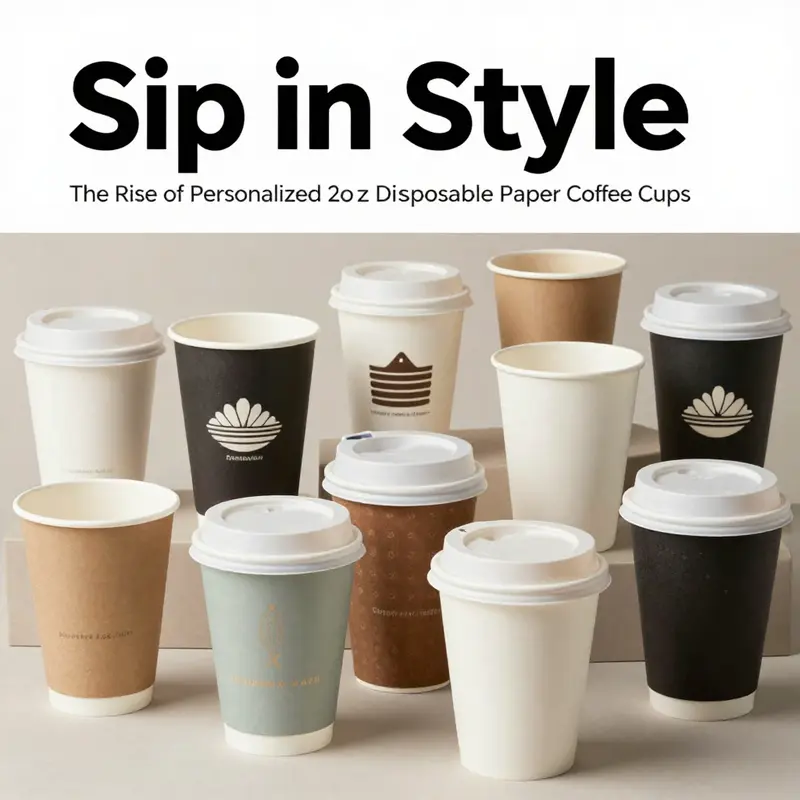
The 2oz disposable paper coffee cup sits at a peculiar crossroads in the beverage world. It is small enough to function as a sample, a flight, or a concentrated espresso shot, yet it carries more weight than its size suggests. In a marketplace increasingly driven by first impressions and brand touchpoints, these miniature cups have evolved from simple vessels into canvases that carry identity, intention, and a quiet pledge to responsibility. The story of this seemingly modest format is therefore not just about size; it is about how efficiency, aesthetics, and ethics converge in a single, practical item that often disappears after a moment of use, leaving behind a trace of brand memory and a question about sustainability. What begins as a utilitarian need—serving a precise portion with minimal waste—quickly becomes a strategic choice for cafes, at-events organizers, and retailers who understand that every touchpoint with a customer is an opportunity to reinforce values and taste.
Sustainability has moved from a niche concern to a core requirement in the design and production of these cups. The shift toward eco-friendly options is not merely a marketing line; it reflects a broader rethinking of the life cycle of single-use items. In the world of 2oz cups, the industry is experimenting with plant-based coatings, notably PLA derived from cornstarch, to replace traditional polyethylene linings. The appeal is clear: the coating can improve biodegradability and reduce the environmental footprint of the cup. Yet the nuance matters. PLA’s performance hinges on industrial composting facilities, which means that local waste infrastructure and consumer behavior determine the ultimate fate of the cup after use. In practice, this invites a careful balancing act between durability in transit and end-of-life outcomes. Brands leaning into this space often pair a compostability message with practical guidance for customers, encouraging proper disposal while acknowledging that municipal programs vary by region. The result is a more honest conversation about what green means in everyday packaging and how a 2oz cup can contribute to a more circular economy without compromising safety and convenience.
Personalization sits at the heart of why the 2oz format has become more than a fleeting novelty. As coffee culture has matured, so has the appetite for meaningful branding that travels beyond a storefront or a single cup sleeve. The 2oz size is an invitation to experiment. A bold logo, a vivid color palette, or a delicate motif can transform a tiny vessel into a portable advertisement and a small ambassador for a brand’s story. The printing capabilities that support this transformation have advanced rapidly. Digital printing, with its ability to handle short runs and quick turnarounds, has lowered barriers for cafes and event organizers who want to test new designs or seasonal campaigns without tying up capital in large inventories. The result is a shift from mass production to curated, on-demand customization that still respects scale when needed. Functionality accompanies aesthetics in these designs. Ergonomic improvements, better insulation, and innovative cup structures help the cup perform under heat and pressure, ensuring the espresso or sample drink arrives at an optimal temperature while the cup itself remains comfortable to hold. The interplay of form and function is not an afterthought but a deliberate design principle that connects brand identity to consumer experience in a tangible, tactile way.
Material choices and manufacturing processes reinforce the practical dimension of these cups. The raw material selection—paper stock, the inner liner, and any additional coatings—must balance barrier properties, printability, and consumer safety. The 2oz format, by virtue of its small size, must maintain structural integrity when filled with hot liquids, which places a premium on precise coating weights and seal technologies. Companies in this space often offer customization not only of the logo and pattern but also of the cup weight and the coating, enabling a holistic approach to performance and sustainability. This means a brand can opt for a lighter cup with a thinner coating to reduce material use, provided the cup still performs reliably in both hot and cold conditions. It is this kind of nuanced engineering—where a micro-scale decision can influence environmental impact—that marks the professional evolution of disposable paper cups beyond mere disposable convenience.
The regulatory landscape has sharpened the lens through which these products are developed and marketed. Regulations around single-use plastics have intensified globally, elevating the importance of certified compostable and recyclable paper cups. In practice, this translates to increased scrutiny of materials, production processes, and end-of-life credentials. A 2oz cup that declares compostability must align with recognized standards and, ideally, be part of a broader waste-management ecosystem that accommodates its specific attributes. For businesses, this regulatory environment yields both risk and opportunity: the risk of non-compliance and the opportunity to differentiate through transparent materials declarations, third-party certifications, and consistent messaging about disposal. The trend toward responsible packaging is unlikely to abate; it will push suppliers to innovate not only in the cup’s immediate performance but in how brands communicate stewardship to customers who care where their small but meaningful purchases go after they are consumed.
Market dynamics underpin much of this evolution. The 2oz size remains especially attractive for cafés experimenting with tasting menus or hospitality programs that crave price discipline and rapid service. For retailers, sample programs and promotional campaigns benefit from the low unit cost associated with smaller runs and the flexibility of short lead times, particularly when paired with digital printing. The market is increasingly driven by a blend of customization, sustainability, and speed, with a growing willingness to adopt new materials and processes that align with a brand’s ethos and consumer expectations. In this context, suppliers who can offer an end-to-end solution—ranging from substrate selection and coating options to print design and packaging integration—stand to capture share in a competitive landscape that prizes both message and mechanism.
For readers seeking a broader sense of the ecosystem surrounding customizable 2oz disposable paper cups, a wider network of suppliers and options can be explored through wholesale platforms that highlight the breadth of offerings, including MOQs and reprint capabilities. If you are considering prototyping or scaling a campaign, the ability to test designs with minimal commitment is a practical advantage. A recent snapshot of the market highlights how short-run digital printing has democratized customization, enabling smaller operators to present distinctive branding with the same visual impact once reserved for larger orders. This democratization is a key factor in why the 2oz cup remains a fertile ground for experimentation and brand storytelling, especially in sectors where sampling and experiential marketing drive customer engagement.
The experience of choosing and using a personalized 2oz cup, then, embodies a confluence of values and strategies. It is about telling a story in a single gesture: the moment a customer receives a tiny vessel that not only holds a beverage but also communicates a brand’s commitment to quality, aesthetics, and responsibility. It is about balancing the practical demands of service with the broader expectations for sustainability and transparency. It is about recognizing that even the smallest cup can carry a larger message—a message that resonates with modern consumers who seek both taste and purpose in the brands they encounter. For those who want to see how a broader category of disposable drinkware can support such ambitions, the category page offers a gateway to related formats and ideas, and can be a useful reference point as the conversation about packaging evolves.
As the market learns and adapts, the 2oz personalized cup will continue to reflect the pace of innovation in materials, print technology, and sustainability standards. The next chapters will explore how downstream packaging strategies integrate these cups into broader campaigns, how events and hospitality programs leverage them for experiential value, and how ongoing certification and regulatory developments will shape what it means to offer a truly responsible, highly visible way to present a tiny but telling drink. For those who want to peek into the broader assortment of packaging and related accessories, the disposable drinkware collection provides a convenient entry point to understand the full spectrum of options that can accompany a concise 2oz cup without losing sight of environmental and brand priorities. This is where small cups begin to tell bigger stories, and where the craft of design, material science, and consumer psychology converge in a single, unassuming vessel. disposable drinkware category.
External resource: https://www.alibaba.com/product-detail/Custom-Disposable-Paper-Coffee-Cups-2oz-20oz_1600598773547.html
Final thoughts
As the beverage sector evolves, personalized 2oz disposable cups combine practicality with strong branding. They support sustainability goals and offer a versatile canvas for marketing across cafes, events, and food trucks.