
Introduction
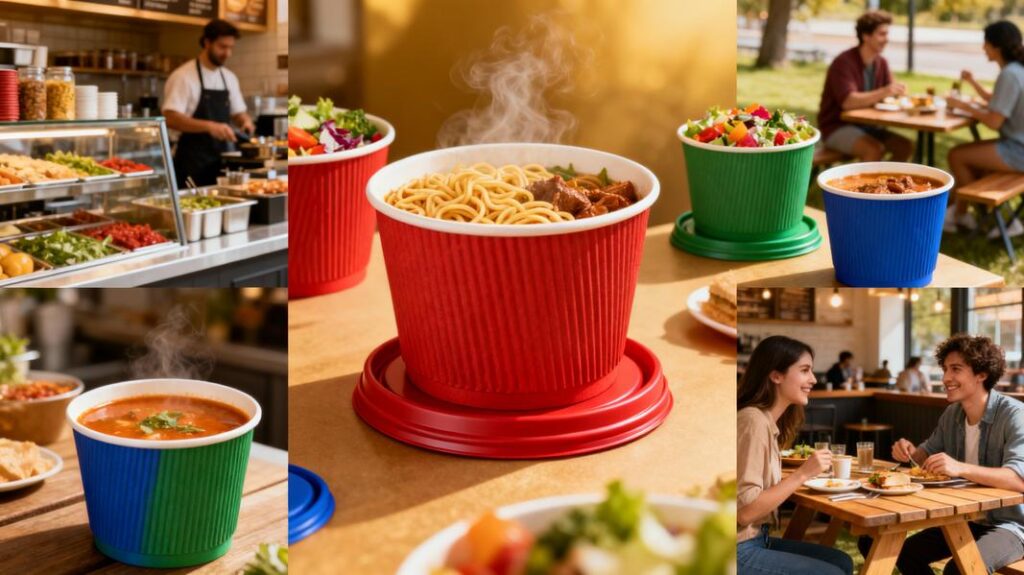
Deep paper bowls have become increasingly integral to modern food service operations, especially for businesses that serve soups, stews, and chili. Their unique design and heavy-duty construction ensure that they can accommodate a range of liquid-based dishes without leaking or spilling. This article delves into the key features that make deep paper bowls an excellent choice for business owners, common uses that maximize their utility, and the broader economic impact of incorporating these products into your service offerings. Each chapter aims to equip you with the necessary insights to make informed decisions for your business needs.
Tables of Contents
Chapter 1: The Essential Role of Depth and Capacity in Deep Paper Bowls
- Maximizing Usefulness: Depth and Capacity in Deep Paper Bowls
- Durability and Resilience: The Cornerstones of Deep Paper Bowl Construction
- Streamlined Usability and Environmental Consciousness: The Dual Edge of Deep Paper Bowls
Chapter 2: The Versatility of Deep Paper Bowls in Culinary Settings
- Practical Applications of Deep Paper Bowls in Serving Liquid and Saucy Dishes
- Dynamic Uses of Deep Paper Bowls for Saucy and Hearty Culinary Delights at Events
- Effective Use of Deep Paper Bowls in Takeout and Delivery Services
Chapter 3: Transforming the Food Landscape: The Rise of Deep Paper Bowls in Retail and Foodservice
- Deep Paper Bowls: Navigating Retail Presence and Economic Influence in Modern Dining
- Transforming Business Models and Market Opportunities through the Adoption of Deep Paper Bowls
- Deep Paper Bowls: Availability and Economic Implications in a Global Market
Chapter 1: The Essential Role of Depth and Capacity in Deep Paper Bowls
1. Maximizing Usefulness: Depth and Capacity in Deep Paper Bowls
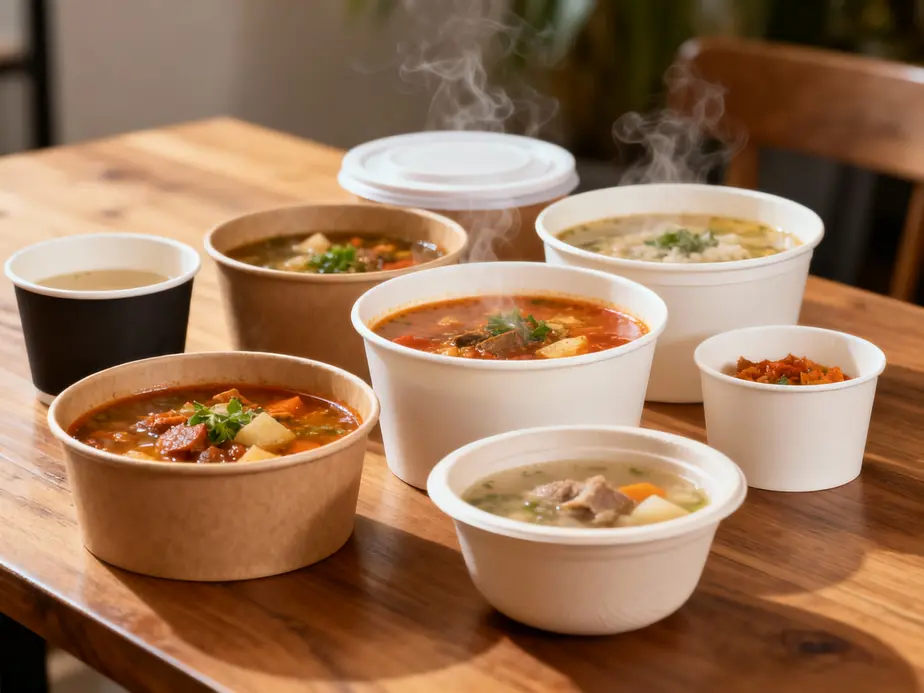
In the bustling world of food service, where convenience meets culinary delight, deep paper bowls have carved out a vital niche. Their extra depth and capacity stand out as defining features, allowing for a diverse range of applications while simultaneously enhancing the overall consumer experience. Understanding these dimensions provides valuable insight into how deep paper bowls are designed to meet the myriad needs of the food industry, from restaurants to catering operations.
One of the most prominent advantages of deep paper bowls is their extra depth. This unique geometric design sets them apart from traditional, shallower containers, creating a more functional packaging solution. When it comes to food service, the depth of a bowl translates directly into increased utility. Essentially, deep bowls allow for the containment of larger servings of liquid and semi-liquid foods—think hearty soups, thick stews, and saucy noodles—without the fear of spills during transport.
Navigating the Depth vs. Diameter Trade-Off
The design of these bowls responds to the critical depth vs. diameter trade-off that food packaging must navigate. For example, conventional bowls often sacrifice depth for a wider diameter, promoting display over functionality. In contrast, deep paper bowls leverage a narrow and deep structure, enabling them to maintain a compact footprint while maximizing vertical space. This adaptation allows for creative culinary presentations: layered salads, grains topped with proteins, and other meals can be served without compromising ingredient integrity.
Extra depth not only improves containment but allows for the inclusion of various toppings and garnishes without risking damage under lids. For operations aiming for aesthetic appeal, the ability to provide a clear headspace for toppings ensures that the visual allure of a well-assembled dish isn’t lost. Thus, the deep structure enriches both the practicality of serving and the pleasure of eating.
Larger Capacity for Greater Versatility
The connection between depth and capacity is pivotal. Deep paper bowls typically come in a range of sizes, from 16 ounces, ideal for single-serving soups or small salads, up to larger containers of 32 ounces, perfectly suited for hearty main-course bowls or shareable family-style servings. This spectrum facilitates a multitude of dining scenarios: whether it’s a cozy solo soup at home or a lavish catered indulgence at an event, there exists a deep bowl option tailored for each occasion.
Capacity truly enhances operational versatility. In a catering context, for example, operators can serve a diverse selection of dishes, from perfectly portioned appetizers to delicious, larger entrees. Furthermore, portion control remains an engaging theme in today’s dining experiences, where consumers appreciate generous servings that feel fulfilling but well-managed. Deep bowls support this balance, presenting customers with satisfying portions without overflow.
Material Specifications Supporting Structural Integrity
Beyond form and function, the materials used in the construction of deep paper bowls reinforce their ability to hold depth and capacity securely. These bowls typically consist of high-quality paperboard made from virgin fibers or molded fibers specifically engineered for food safety. Thicker paperboard often features enhancements like double-wall constructions or rib-reinforcements, dramatically increasing durability. Such structural integrity is essential for ensuring the bowl holds its shape, even when filled with dense liquid or heavier ingredients.
The coatings used, often grease and moisture-resistant, significantly impact performance by preventing leakage and sogginess, a common drawback in disposable plateware. Biodegradable and compostable options contribute an eco-friendly perspective, catering to a growing demographic concerned about sustainability. This fusion of innovative materials and thoughtful design proves indispensable in addressing the demands of both consumers and businesses alike.
Broader Implications for the Food Service Industry
The practical applications of deep paper bowls weave into the larger fabric of the food service industry. Aside from thriving in conventional restaurant environments, these bowls have grown inappropriateness for take-out operations, given their capability to preserve food quality during transportation. Suppliers have observed a notable increase in demand for deep paper bowls in delivery services, aligning well with the trend toward more substantial single-bowl meals, which marry convenience with gourmet dining.
For catering services or large gatherings, deep bowls simplify logistics. They neatly resolve challenges related to serving a variety of dishes while managing portion sizes effectively. As preferences shift toward hearty, one-bowl meals and hassle-free dining experiences, deep paper bowls will undeniably remain central to any successful food operation.
In conclusion, deep paper bowls epitomize the upward trajectory of food packaging solutions, driven by the twin features of additional depth and capacity. Such design characteristics foster not only operational efficiency but also cater to evolving consumer preferences, bridging aesthetics with function in meaningful ways. The innovations stemming from deep paper bowl manufacturing signal an exciting evolution in sustainable, practical, and appealing food service solutions.
2. Durability and Resilience: The Cornerstones of Deep Paper Bowl Construction
When selecting bowls for food service, the need for resilience and durability cannot be overstated, particularly in the context of deep paper bowls. These bowls are tailored to manage not just hot foods but also liquid-based dishes, appealing to the demands of both commercial kitchens and home dining settings. At the heart of their design is a commitment to sturdy construction, which places these bowls at the forefront of disposable tableware options. Each deep paper bowl is meticulously crafted from high-quality paperboard materials, engineered to resist tearing and collapsing. This robust design allows them to hold a significant amount of weight without compromising their structural integrity, making them suitable for hearty meals like stews, soups, and chili.
The strength of a deep paper bowl resides in its multi-layered construction. Notably, a food-grade, plant-based interior coating enhances leak resistance, providing a reliable barrier that prevents the contents from seeping through. This coating not only protects the paper from moisture but also upholds the visual appeal and usability of the bowl, which is essential during meal service. Further elevating their durability, deep paper bowls are produced from sustainably sourced paperboard. This carefully chosen material is pivotal because it balances the need for strength with an eco-conscious approach. The sourcing of paper products aligns with sustainability goals, ensuring that consumers are not just selecting a functional product but one that reflects environmental responsibility.
Another critical aspect of deep paper bowls’ construction is their stable base design. This feature is particularly crucial in maintaining equilibrium and preventing spills during use, which can be a significant concern with deep bowls when filled to capacity. The design aspect allows for ease of handling, whether in casual family dinners or bustling commercial food service environments. This thoughtful design consideration is further complemented by the deep profile architecture of the bowls. The depth not only contributes to their capacity but also serves a practical purpose: it offers an extra layer of support, allowing the bowls to manage heavier portions effectively. This is particularly advantageous when serving thicker dishes, which are often more prone to spills if housed in shallower alternatives.
Temperature variations also play a critical role in the performance of deep paper bowls. These bowls have been engineered to withstand extremes, from serving piping hot broth to cold salads without the risk of degradation or breakdown of materials. This temperature resilience is a game-changer for both consumers and food service professionals as it facilitates multi-purpose usage of the bowls, enhancing their practicality. Whether used for serving hot, steaming soup during a winter gathering or cold pasta salad at a summer picnic, the consistent performance offers peace of mind that food safety and presentation are preserved.
Particularly noteworthy is how these bowls eliminate worries related to food contamination or leaks. With the plant-based coating, the risk of unintended food exposure to external elements is minimized significantly. This feature proves invaluable, not only during meal preparation but also when serving food outdoors or for takeaway, where environmental factors could jeopardize the integrity of the meals being served. Thus, the deep paper bowl is not just a vessel for food; it serves as a protector of culinary experiences, allowing for seamless transitions from kitchen to table.
Moreover, these bowls are readily available at various retailers, making them an accessible choice for various consumer needs. With package counts ranging from 50 to 115, catering to small family dinners or large events becomes a more manageable task. Such convenience in availability ensures that no set-up is interrupted due to a lack of reliable serveware, significantly benefiting hosts and food service professionals alike.
In conclusion, the robust construction of deep paper bowls exemplifies how advancements in disposable dinnerware can meet the high demands of modern food service. The integration of sturdy materials, thoughtful design, and eco-friendly coatings not only ensures leakage prevention but also upholds the responsibilities associated with serving hot and cold dishes. With deep paper bowls at the forefront of disposable tableware, users can embrace both practicality and sustainability. Such forward-thinking design sets the stage for a new era in disposable dining, where function and responsibility coexist beautifully.
For interested suppliers looking to explore various options in food packaging, check out the expansive range of products available here: Cofe Cup’s Product Range.
3. Streamlined Usability and Environmental Consciousness: The Dual Edge of Deep Paper Bowls
The evolution of deep paper bowls marks a significant innovation in disposable tableware, harmonizing convenience with a sense of responsibility towards our planet. Designed primarily for the rigors of serving liquid-rich foods like soups, stews, and robust salads, these bowls offer a sturdy structure that not only enhances usability but also fosters sustainable practices that cater to the modern consumer’s conscience.
At the core of the deep paper bowl’s allure is its distinctive shape, which significantly reduces spills. With depths ranging from 15 to 28 ounces, these bowls are particularly suited for holding substantial portions of chunky chili or pasta laden with sauce. The extra depth acts as a barrier against splatter, making them an ideal choice not just for casual gatherings but also for more formal settings. Whether used for a family meal or a catered event, their capability to contain liquids securely transforms serving dynamics, allowing hosts to focus on enjoyment rather than caution.
An essential aspect of the user experience is the strength and durability of these bowls. Constructed from heavy-duty paperboard or molded fiber, they are engineered specifically to withstand the weight of robust dishes without collapsing. Many manufacturers have embraced advanced technology to ensure that these products are not only functional but also comfortable to handle. Features such as flared rims lend themselves to better gripping, reducing the risk of accidents during transport. Moreover, their design supports stable stacking, which is beneficial for both storage and serving efficiencies in commercial kitchens or during large gatherings.
Complementing this usability is the innovation of leak-resistant interiors. Many deep paper bowls incorporate food-grade coatings that provide a robust barrier against moisture. This feature not only keeps the bowls rigid but also maintains cleanliness by preventing contents from seeping through and staining tables or serving surfaces. In an era where convenience is paramount, these enhancements echo the need for disposable items that do not compromise on cleanliness or usability.
Moreover, the nature of deep paper bowls as single-use items brings with it a time-saving advantage. Eliminating the need for washing dishes post-event allows for smoother undertaking of meals, particularly in busy food service environments. The practicality associated with deep paper bowls is substantial for catering services, food trucks, and outdoor events, where quick cleanup can dramatically improve operational efficiency.
Yet, the modern consumer is also acutely aware of environmental implications. As such, the sustainability features of deep paper bowls are essential. Many bowls are crafted from sustainably sourced materials, such as paperboard from renewable forests or fiber derived from agricultural byproducts like sugarcane bagasse or perennial grasses. This choice represents a pivotal shift from conventional fossil-fuel plastics, aligning consumer desires with eco-friendly options.
The recyclable or compostable nature of many deep paper bowl designs further underscores their role in promoting sustainability. Not only are some bowls fully recyclable when kept clean, but others also boast BPI-certified compostability, breaking down effectively in industrial composting facilities within a few months. This environmental consciousness resonates with businesses committed to reducing waste and fostering a greener planet.
Additionally, the absence of plastic or wax linings in high-quality bowls alleviates consumer concerns related to chemicals and microplastics. Products designed without added PFAS represent a conscientious choice for health-conscious individuals. The appeal of deep paper bowls accompanies a lowered carbon footprint through their production process, often involving rapidly renewable grasses that are carbon-neutral and cultivated without the need for synthetic pesticides or fertilizers, thereby supporting sustainable agricultural practices.
In light of increasing legislation promoting waste reduction and plastic bans, deep paper bowls provide a viable solution for both consumers and businesses seeking to align with new regulations. They enable food service operators and event organizers to comply with guidelines while providing convenient and functional serviceware. The integration of sustainability with convenience paves the way for a more mindful consumer culture.
Ultimately, deep paper bowls epitomize a harmony between usability and ecological stewardship. Their robust design assures reliable performance while their composition caters to an evolving commitment to sustainability. For those on the lookout for reliable disposable solutions, the deep paper bowl proves indispensable, allowing everyday convenience to coexist with a commitment to preserving the environment. In this age of responsible consumption, it stands out as a practical choice that simplifies both meal service and environmental impact.
For those considering adding eco-friendly options to their repertoire, deep paper bowls offer both utility and conscience in their disposable serviceware, driving home the message that convenience does not have to come at the cost of our planet.
Chapter 2: The Versatility of Deep Paper Bowls in Culinary Settings
1. Practical Applications of Deep Paper Bowls in Serving Liquid and Saucy Dishes
Deep paper bowls have carved a niche for themselves in both casual dining and professional catering, serving as an indispensable tool for a variety of culinary presentations. Their robust design and ample depth make them perfectly suited for a range of hot, saucy, or liquid foods, ensuring not just convenience but also enhancing the dining experience for guests.
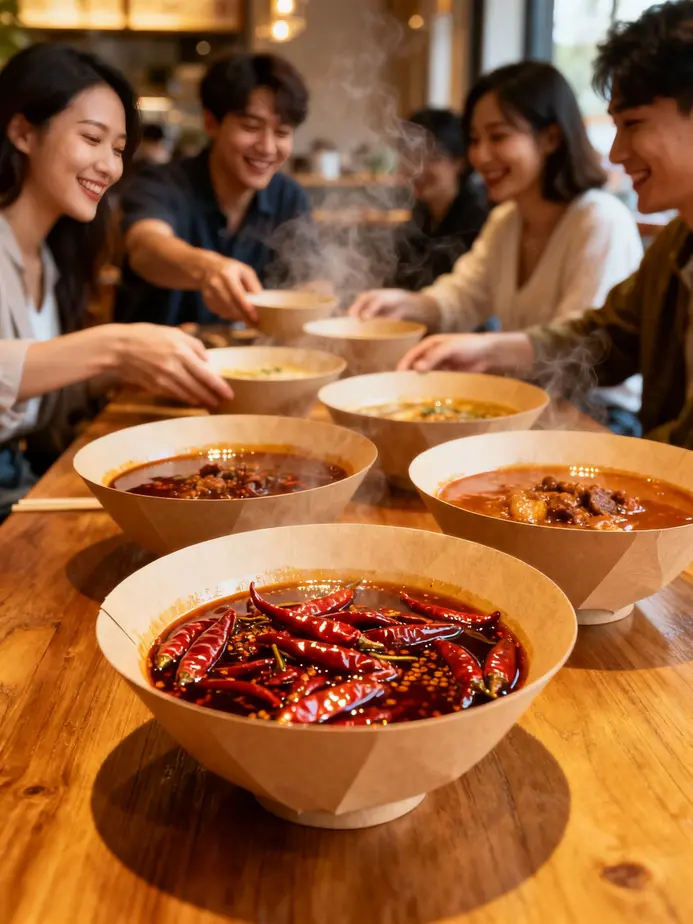
One of the most compelling uses of deep paper bowls is their ability to hold hearty stews and chili without the risk of spillage. Standard flat plates simply cannot accommodate the bulk and liquid these dishes often contain. When it comes to comforting meals such as beef stew or chili con carne, the depth of these bowls prevents both accidents and messy tables, allowing diners to enjoy their meal without distraction. This feature is particularly beneficial in family gatherings, potlucks, and outdoor events where clean-up is a major consideration. The necessity to keep sauce and broth contained makes deep paper bowls the obvious choice for serving things like chili and rich stews, which tend to dribble and splash if served in more shallow dishes.
Deep paper bowls shine especially in food-to-go scenarios. They are ideal for soup servings in restaurants and cafes, often utilized in takeaway operations. With their wax or fiber linings, these bowls effectively hold liquid-rich foods, preventing moisture from leaking through the side. This design characteristic not only enhances customer satisfaction by ensuring the food arrives hot and without spills, but it also supports commercial kitchens in delivering efficient and effective service. Soups like ramen or bisques can transport easily to patrons without the worry of drips and leaks that might mar the dining experience.
Furthermore, the versatility of deep paper bowls extends beyond soups and sauces to include foods like burritos and mixed dishes. A variety of cuisines tend to mix solid and liquid components; for example, a burrito bowl filled with rice, beans, salsa, and guacamole can become cumbersome if the container isn’t designed adequately. With a capacity that generally ranges from 15 fl oz to 28 oz, these deep bowls can handle the mix of textures without compromising their structural integrity. The ability to contain both the saucy components and the dry ingredients ensures that every bite is flavorful, and helps in the ordered presentation of takeaway meals.
In commercial settings, deep paper bowls offer a practical solution for food service versatility. Catering events feature diverse menus, and the requirement for seamless transitions between hot and cold offerings is pivotal. From serving hot pasta dishes to salads, deep paper bowls can play multiple roles in a single event. They allow for easy serving, reasonable portion management, and can be a part of an aesthetically pleasing display when lined. Their appearance and functionality coupled with sustainability considerations—such as using eco-friendly materials—make them a smart choice for establishments focused on minimizing waste.
Durability is among the key advantages that enhance the appeal of deep paper bowls. Designed to withstand hot temperatures, many models can safely hold food served up to 120 degrees Fahrenheit without bending or leaking. Their capacity and construction mean they can also host chunkier foods without collapsing under pressure. This robustness not only minimizes the risk of product failure while in use but also reassures consumers about their functionality.
Moreover, the rise of environmental consciousness has fueled the development of eco-friendly options in disposable tableware. Many manufacturers produce deep paper bowls that are compostable, ensuring that they decompose in just a few months under the right conditions. This aspect of deep paper bowls, combining usability with responsibility, caters to a growing demographic of eco-aware consumers who prioritize sustainable practices. Businesses that utilize these eco-friendly bowls can market their efforts towards environmental stewardship, adding value to their service and a competitive edge in the market.
With deep paper bowls being readily available from major retailers in varied counts, they cater to both household needs and commercial quantities. Home cooks purchasing them in smaller packs can prepare meals for family gatherings, while food establishments can stock bulk sizes suited for daily operations.
In conclusion, the practicality and versatility of deep paper bowls make them essential in serving liquid and saucy dishes across culinary environments. Beyond just a disposable option, they enhance the dining experience by offering a reliable medium for both the consumer’s comfort and the provider’s efficiency.
2. Dynamic Uses of Deep Paper Bowls for Saucy and Hearty Culinary Delights at Events
When it comes to hosting events, the seamless integration of convenience and functionality is crucial, especially when serving a variety of hearty or saucy dishes. Deep paper bowls have become an essential component in event catering, thanks to their robust design that accommodates a wide range of foods without the risk of spills or leaks. The depth of these bowls provides a practical solution for both hosts and guests, making them ideal for gatherings that feature rich and flavorful dishes.
At many events, particularly those that celebrate comfort food, deep paper bowls serve as the vessel of choice for thick, heavy main dishes. Classics such as chili, stews, and curries benefit from the deep walls of these bowls that prevent sloshing while guests move about. Instead of worrying about having the contents of a plate spill during a casual conversation or while navigating through a crowd, attendees can focus on enjoying their meal. The extra depth in these bowls notably decreases the chances of accidentally soiling clothes or table linens, which can dampen the festive mood.
Additionally, deep paper bowls excel when serving layered “bowl” meals that feature grains, proteins, and a variety of toppings. Dishes such as burrito bowls, poke bowls, and rice topped with flavorful sauces fit perfectly within these bowls’ curves, allowing hosts to present a visually pleasing dish. At buffet-style events, this encourages guests to customize their own meals, a trend that has gained popularity and enhances the communal feel of the dining experience. The ease of assembling a hearty bowl of food directly in a sturdy vessel promotes social interaction, turning mealtime into an experience rather than merely a necessity.
Moreover, event-friendly gatherings often include party foods that are meant to be entertaining rather than formal. This is where loaded nachos, mac and cheese with mix-ins, and barbeque meatballs take center stage. Deep paper bowls cleverly contain such messy delights, helping prevent toppings and sauces from migrating onto surrounding tables or guests. This is particularly important for the enjoyment of the meal; rather than dealing with a spillage whilst still trying to indulge in the spicy flavors, bowls keep the rich contents in place, allowing for a satisfying culinary experience.
Soup-based dishes also find their home in deep paper bowls, as events often feature classics like ramen, pho, chowders, and broths. The leak-proof design of these bowls provides assurance to hosts that they can serve hot soups without the dread of leaks staining white tablecloths or ruining elegant setup. For caterers, these practical yet attractive bowls streamline service while catering to guests who might be sampling several different items. By utilizing compostable options, hosts can contribute positively to the environment, allowing them to prioritize sustainability alongside guest comfort.
Desserts are not overlooked either, as deep paper bowls accommodate indulgent treats that are rich, wet, or topped with various delights. Ice cream sundaes, cobblers drizzled with warm sauces, and desserts layered with whipped cream benefit from the added real estate of the bowl’s depth. Here, the design allows for ample toppings without overflow, ideal for dessert buffets that want to impress guests with variety and creativity. By keeping liquids and toppings secured within the bowl, guests can savor every bite without the stress of a messy cleanup.
Additionally, deep paper bowls cater exceptionally well to the needs of events like weddings, corporate functions, and large parties where minimizing cleanup efforts is paramount. Opting for disposable yet sturdy bowls reduces not only cleaning time but also the potential for breakage commonly associated with traditional tableware. For organizers aiming for eco-friendliness, compostable deep paper options represent a sustainable choice for serving heavy dishes while also simplifying post-event responsibilities.
When catering for children or casual service at larger gatherings, deep paper bowls prove their worth once again. Kids’ meals and picnic-style service often invite spills, but the generous sides of these bowls help contain enthusiastic movements at social events. Their resilience and design also lend themselves positively to school functions and community dinners, ensuring that hearty foods can be served with ease, allowing young guests to enjoy their meals without worry.
In conclusion, deep paper bowls are more than just a serving vessel at events; they represent an innovative solution to modern hosting challenges. Their extra depth, heavy-duty construction, and often compostable materials ensure they are perfectly suited for virtually any menu featuring hearty, saucy, or heavily laden dishes. When the goal is to maintain control over the dining experience while minimizing cleanup, deep paper bowls emerge as the epitome of convenient yet elegant serving solutions, allowing gatherings to exude a sense of warmth and hospitality that lasts long after the last bite has been taken.
3. Effective Use of Deep Paper Bowls in Takeout and Delivery Services
Deep paper bowls have carved a significant niche in the food service industry, particularly in takeout and delivery options. Their design and functionality cater specifically to the challenges of serving liquid-heavy and chunky foods. When one orders a steaming bowl of chili or a hearty soup, the deep paper bowl becomes the unsung hero that prevents spills and mitigates the risks associated with transporting such meals. The essence of their practical design lies not only in their depth but in their robust construction, making them essential tools for any food outlet looking to enhance customer satisfaction.
At the core of their utility, deep paper bowls excel in serving a wide range of food applications. They are well-suited for traditional comfort foods including soups, noodles, and chili. The depth of these bowls ensures that hot liquids remain contained, reducing the likelihood of spillage that can lead to customer complaints. No diner wants to find their entrée has leaked all over a takeout bag, and research indicates that a significant percentage of takeout complaints (up to 18%) arise from this very issue. By employing deep paper bowls, food businesses can significantly enhance the reliability of their takeout and delivery services.
Beyond soups and chilis, the versatility of deep paper bowls extends to salads, pasta dishes with sauce, and even grain bowls. For instance, a salad served in a shallow bowl may result in ingredients toppling over the sides, especially when dressed generously. However, with deep paper bowls, restaurants can cater to customers’ appetites with ample servings that also keep the contents neatly contained. The thick kraft paper construction of these bowls is designed to withstand moisture, ensuring that food remains fresh and appetizing during delivery, maintaining the intended flavor and temperature.
Moreover, deep paper bowls lend themselves well to a variety of meal formats. In the increasingly popular bento-style dining, where multiple components are served together, these bowls can cater to different items without mixing them together. Their capacity allows for a harmonious arrangement of different flavors and textures, giving consumers a balanced meal experience without compromising on aesthetics or practicality.
The structural advantages of deep paper bowls also merit attention. When combined with leak-resistant lids, these bowls offer an invaluable feature for takeout operations—moisture retention without degradation of quality. Foods served at hot temperatures, up to about 120 degrees Fahrenheit, can be comfortably held in these bowls without the risk of grueling spillage or warping of the container itself. This durability is crucial in the fast-paced food service environment where operational success often hinges on a dependable packaging solution.
For food businesses, cost-effectiveness is a prominent reason for employing deep paper bowls. They provide bulk packaging solutions that help streamline logistics while reducing costs linked to spillage and food wastage. Whether for a small café or a large restaurant chain, the ability to order in bulk means that establishments can focus on delivering quality food without the constant worry of potential packaging failures. Their stackable design allows for efficient storage, making them ideal even in compact kitchens with limited space.
When considering their broader impact on the food service industry, deep paper bowls are not just functional items; they symbolize a growing trend towards sustainable orders. With the increasing shift towards environmentally friendly practices, many manufacturers are producing these bowls with eco-conscious materials. Bowls designed with PE or PLA coatings provide additional leak resistance and moisture-lock capabilities while also being more biodegradable than traditional plastic containers. With consumers becoming increasingly aware of their environmental footprint, offering deep paper bowls can align food businesses with sustainability efforts, appealing to ethically-minded customers.
In summation, deep paper bowls significantly enhance the dining experience for customers opting for takeout or delivery. Their design is meticulously crafted for traditional meals that risk spillage, providing structural support that allows operators to confidently serve a range of dishes from soups to salads. As restaurants look to improve their packaging solutions and uphold customer satisfaction, these bowls will likely remain at the forefront of food service innovations. With the right approach, from aesthetic appeal to practical use, deep paper bowls can elevate the perception of any establishment while ensuring that meals arrive as intended.
For businesses looking to explore the full range of options available in disposable packaging, companies are offering a variety of solutions, including customizable and eco-friendly bowl options that can meet diverse culinary needs. Check out this comprehensive selection of biodegradable food containers that can complement the deep paper bowl offerings, providing a cohesive service experience.
Chapter 3: Transforming the Food Landscape: The Rise of Deep Paper Bowls in Retail and Foodservice
1. Deep Paper Bowls: Navigating Retail Presence and Economic Influence in Modern Dining
The burgeoning demand for deep paper bowls signifies a pivotal shift in how we approach convenience and environmental sustainability in both mass retail and foodservice settings. As consumers become more health and eco-conscious, these products have proliferated due to their functionality and alignment with contemporary dining preferences. Deep paper bowls not only meet the growing need for durable, leak-resistant containers for a range of sauces and soups but are also emerging as a staple in the expanding market for single-use tableware that prioritizes environmental impact.
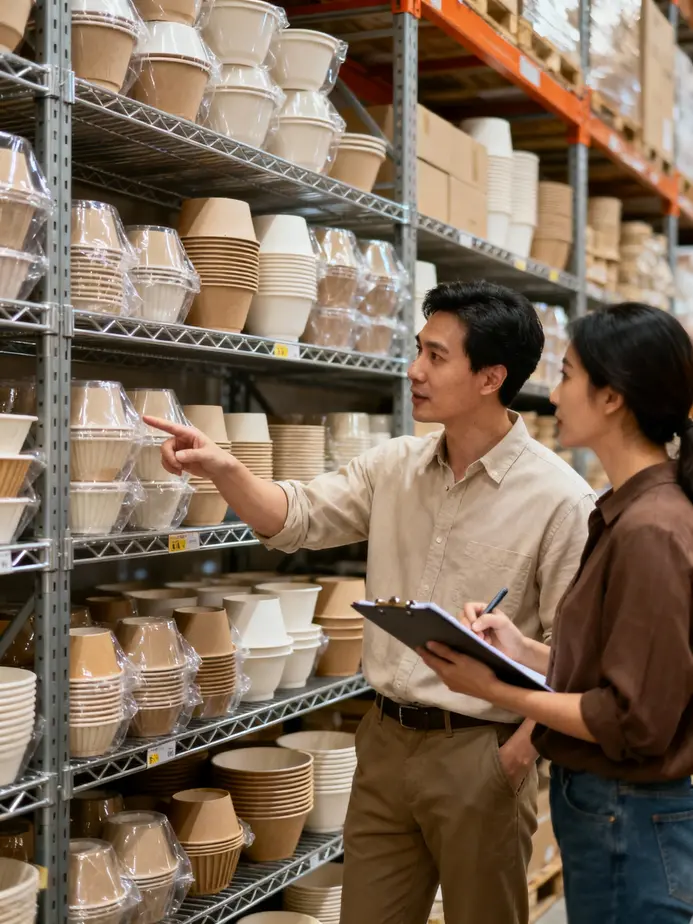
In mass retail environments, such as grocery stores and big-box retailers, deep paper bowls have achieved widespread availability and acceptance. Major retailers recognize their value and have positioned them prominently among disposable tableware options. Products like the Hefty Extra Deep Paper Bowls have become common household items, with packages that cater to various consumer needs, featuring counts ranging from 50 to 115 units. This accessibility speaks volumes to a systemic change in consumer behavior, as deep bowls outperform shallow alternatives, driven by a marked increase in bowl-based meals comprising soups, stews, and grain bowls. The bowls category is projected to grow at a compound annual growth rate (CAGR) of 7.27% through 2030, a reflection of evolving dining habits and preferences.
As dining trends shift noticeably towards meals that utilize deeper containers, the role of deep paper bowls in supermarkets and convenience stores has expanded. Specific items, like soup-based meal kits, have influenced the need for deeper, more resilient bowl designs. This requirement is particularly crucial for takeaway orders, where liquids must remain contained during transit. The enduring popularity of comfort foods, such as chili and brothy dishes, has resulted in a landscape where permanent fixtures like deep paper bowls are imperative for leveraging curbside pickup and delivery options.
Within the foodservice sector, including quick-service restaurants (QSRs), fast-casual eateries, and catering services, the demand for deep paper bowls continues to soar. In such contexts, robust features are critical; the design of these bowls facilitates effective portion control, quick reheating, and ease of transportation and serving. Many foodservice operations have transitioned to these paper formats, leveraging their practicality in menus that often consist of salads, grain bowls, and various prepared meals. Deep paper bowls, designed to marry robustness with elegant functionality, have become the go-to choice for settings that require leak-proof options that are also conducive to food presentation. The introduction of window lids enhances appeal by allowing visibility of multi-ingredient dishes, further strengthening customer engagement and satisfaction.
An essential aspect of the economic impact stemming from deep paper bowls lies in the ongoing material shift from plastic to paperboard. This change reflects a broader societal movement towards sustainable and eco-friendly products, driven by regulatory pressures and consumer preferences for green options. Legislative actions against single-use plastics in numerous regions have propelled the paperboard segment to become the fastest-growing substrate in the disposable tableware market. With a CAGR projected at 8.27% through 2030, paperboard is rapidly outpacing traditional rigid plastics as brands align themselves with recyclable and environmentally friendly narratives, often highlighted in their Environmental, Social, and Governance (ESG) reporting.
As manufacturers innovate to enhance the durability and utility of deep paper bowls, significant capital investments in fiber-based manufacturing lines have taken place. These advancements aim to generate high-barrier paperboard and mono-material solutions that maintain leak resistance and heat tolerance. Such innovations not only respond to consumer expectations but also align with industry requirements for quality and functionality.
The economic ramifications of deep paper bowls extend towards the wider food trays and bowls market, which is projected to reach USD 24.19 billion by 2031. This represents a significant increase from approximately USD 18.02 billion in 2026, with deep paper bowls contributing notably to this growth trajectory. The category’s lucrative nature hinges on its ability to attract incremental revenue through diverse serving formats aimed at various consumer needs.
With a transition towards paper formats, suppliers experienced an observable shift in spending patterns; funds were reallocated from plastic manufacturing towards efficient paperboard-based solutions. This favor is directed towards suppliers adept at managing coated paperboard, molded fiber, and high-barrier papers at scale, capable of meeting the increasing demand from both retail and foodservice entities.
In essence, the surge of deep paper bowls represents more than just a trend; it embodies a dedication to sustainability while responding adeptly to consumer preferences. As the landscape continues to evolve, the role of these bowls within broader dining experiences, coupled with their economic impact, will remain a topic of significance as both consumers and brands prioritize responsible consumption and innovative dining solutions.
2. Transforming Business Models and Market Opportunities through the Adoption of Deep Paper Bowls
The emergence of deep paper bowls marks a significant shift in how foodservice and retail businesses approach their product offerings, chiefly through the lens of cost-effectiveness and market segmentation. While initially perceived as premium packaging options, deep paper bowls are gaining traction across various sectors due to their functional advantages and alignment with evolving consumer preferences towards sustainability. This not only informs corporate cost structures but also motivates strategic market repositioning, driving economic impacts that extend well beyond mere packaging.
Cost Structure Transformation
At their core, deep paper bowls illustrate a nuanced approach to packaging compared to traditional formats such as thin plastic bags or basic plates. Although they typically command a higher unit price due to increased material use and advanced barrier coatings, the conversation must expand beyond the initial cost per unit. When examining the total cost of ownership in foodservice settings, deep paper bowls showcase remarkable value. For instance, when compared to standard disposable plastic or foam products, many businesses find that integrating paper bowls can yield overall savings in operational costs.
The key lies in the overarching efficiencies they provide. These bowls streamline operations by minimizing labor-intensive processes such as washing and handling reusable dishware. In high-volume environments like quick-service restaurants and large catering events, switching to deep paper bowls can mitigate dishwashing requirements, reduce breakage losses, and facilitate inventory management. With the right strategic implementation, businesses can transform their cost structures, counterbalancing the per-unit premium through enhanced operational efficiencies.
Waste Management and Compliance Advantages
Further benefitting businesses are the waste management and compliance cost reductions associated with deep paper bowls. As regulations around plastics become more stringent, these biodegradable or recyclable bowls significantly reduce the complexity and costs tied to waste handling. Institutions and large venues facing environmental compliance burdens often find that transitioning to paper-based tableware can lead to reduced fees and simplified waste disposal protocols. Moving towards eco-friendly solutions not only supports regulatory compliance but also enhances the branding of these facilities as environmentally conscious. This shift resonates with increasingly eco-aware consumers, allowing businesses to align their values with market expectations while reaping economic advantages.
Grasping Market Segmentation and Premium Positioning
The ability to tap into sustainable market segments presents another avenue where deep paper bowls are reshaping economic landscapes. Businesses are leveraging their commitment to eco-friendly practices to differentiate product lines and enhance brand image. Retailers are discovering that consumers are willing to pay a premium for items packaged in environmentally friendly paper bowls. The emergence of eco-conscious branding caters to a demographic that increasingly prioritizes sustainability in their purchasing decisions, thereby allowing higher margins on these products.
The strategic use of deep paper bowls in consumer packaged goods, particularly in sectors like pet food and ready meals, enhances the market’s appeal. By producing bundle deals and promotions, businesses can soften the perceived price premium, thereby facilitating a broader adoption. This approach distributes fixed packaging costs across larger sales baskets, effectively managing consumer price sensitivity while maintaining profitability.
Demand Trends and Economies of Scale
Market trends reinforce the economic rationale for transitioning to deep paper bowls. The disposable tableware sector, predominantly occupied by paper products, is projected to witness significant growth. With an expected compound annual growth rate (CAGR) of approximately 6.2%, the market’s total value is forecasted to rise dramatically over the next decade. This growth is attributable to the rising scale and sophistication in paper manufacturing processes, allowing for more complex packaging designs such as deep bowls that, in turn, lower unit costs over time.
Businesses that invest in these innovative packaging solutions not only capitalize on current market trends but also position themselves advantageously for future demand. As scalability enhances production efficiencies, deep paper bowls become more economically viable, increasing their attractiveness for operators across fast food, cafes, and caterers.
Sustainability as an Economic Driver
With the growing insistence on environmental accountability across demographics, deep paper bowls present robust opportunities for businesses seeking to enhance their sustainability profiles. As they reinforce the economic argument for eco-friendly products, businesses can harness this momentum to bolster sales. When consumers associate deep paper bowls with greater environmental benefits, businesses benefit from heightened loyalty and premium pricing, building a competitive advantage in a crowded marketplace.
In conclusion, the implications of deep paper bowls reach well beyond their surface functions. They energize market dynamics by improving cost structures, facilitating waste management, expanding market segmentation, and supporting sustainability initiatives. As businesses continue to evolve in response to consumer expectations and regulatory landscapes, deep paper bowls stand out as a pivotal element in strategic economic planning for foodservice and retail sectors.
3. Deep Paper Bowls: Availability and Economic Implications in a Global Market
Deep Paper Bowls: Availability and Economic Implications in a Global Market
Deep paper bowls play a pivotal role in the disposable foodservice packaging sector, reflecting evolving consumer preferences and environmental considerations. Their broad availability can largely be attributed to a well-structured global supply chain that efficiently meets the increasing demands of an expanding foodservice industry. This subchapter explores the intricate network of supply, production, and the economic ramifications tied to the popularity of these versatile bowls.
Global Manufacturing Landscape
Primarily anchored in China, the manufacturing of deep paper bowls harnesses advanced technologies and automated systems to respond to international demand. The China-based manufacturers leverage their mature supply chains to optimize production capabilities, resulting in cost efficiencies that are crucial for competitive pricing on the global market. Simultaneously, the Asia-Pacific region stands out as a dominant player in the production of disposable tableware, including deep paper bowls. This is fueled both by local consumption and export needs.
Additionally, the Middle East has emerged as an innovative manufacturing hub, particularly through suppliers based in countries like Dubai. These manufacturers are not only catering to regional markets but are also exporting a diverse range of compostable products, thereby solidifying their relevance in the global supply chain.
The diversity of formats available—spanning from casual catering to fine dining—enables operators across various segments to deploy these bowls effectively. This adaptability is further showcased by robust production figures, highlighting that paper-based plates and bowls are expected to claim a significant share, potentially 48.5% of the disposable plates market by 2025. Such stats illustrate not only the prevalent manufacturing capabilities but also the generational shift towards sustainable packaging solutions.
Economic Drivers and Market Growth
The economic impact of deep paper bowls cannot be understated. The global disposable plates market, which includes deep paper bowls, is projected to experience rapid growth. Forecasted to expand from USD 9.24 billion in 2026 to USD 16.8 billion by 2036, this growth at a CAGR of 6.2% portrays the burgeoning consumer demand for sustainable, efficient products that do not compromise on performance.
Central to understanding the economic dynamics is a recognition of cost drivers that influence the price structure of deep paper bowls. The materials utilized—such as FSC-certified paper and eco-friendly fibers like bamboo or sugarcane—are subject to fluctuating terms of environmental compliance and raw material costs. Their prices are inherently tied to the stability and trends within the pulp markets, affecting the overall pricing dynamics of disposable food service items.
Deep paper bowls require particular attention in their design to ensure that they resist grease and moisture through appropriate coatings. This necessity adds to the manufacturing complexity and cost, distinguishing them from simpler plate designs. Thus, investing in automated packaging machinery has become a strategic advantage, allowing manufacturers to scale up efficiency while controlling labor costs. Rapid processing times lead to decreased production costs per unit, further making deep paper bowls a viable packaging choice in various food service contexts.
Regional Dynamics and Distribution
The availability and distribution of deep paper bowls do not solely rely on manufacturing efficiency but also on a well-coordinated logistics network. Global sourcing companies prioritize end-to-end supply chain management, encompassing warehousing, customs processing, and distribution tailored specifically for disposable products. This holistic approach enables manufacturers and distributors to negate potential delays typically associated with high-volume imports or exports, which, in turn, aids in the steady availability of products at retail and foodservice outlets.
Large distributors simplify procurement for super-centers, membership clubs, and institutional food providers by aggregating multiple manufacturers’ product lines into singular offerings. This consolidation not only boosts efficiency but also offers customers variety and accessibility, ensuring that deep paper bowls are always within reach for both consumers and businesses alike.
Regional dynamics also influence market behavior. Areas with higher concentrations of food manufacturing and catering services tend to showcase a faster turnover and a greater variety of deep paper bowl designs tailored to local culinary trends. Consequently, this regional adaptability creates a competitive edge through quicker response times and personalized customer service.
Navigating Risks and Strategic Implications
Nevertheless, the deep paper bowl market is not without its challenges. Manufacturers and distributors face risks related to shifting consumer preferences toward compostable or sustainable products and the regulatory landscape concerning packaging waste and recyclability. These pressures necessitate constant innovation and a proactive approach to managing risks.
In conclusion, the deep paper bowl market illustrates a delicate balance of supply and demand, underpinned by strategic manufacturing, distribution, and economic implications. As consumer awareness grows, adapting to the evolving expectations for sustainable disposables will play a crucial role in shaping the future landscape of this packaging niche. Tapping into the potential of deep paper bowls, manufacturers and distributors alike can align themselves with progressive market trends while capitalizing on economic viability, which is essential for long-term sustainability and success in this competitive arena.
For those interested in exploring eco-friendly packaging solutions like recyclable and biodegradable options, various detailed resources are available, including the custom kraft paper salad takeaway bowls.
Final thoughts
In conclusion, deep paper bowls are an essential tool for modern businesses that prioritize efficiency and presentation. Their sturdy design enables safe serving of a variety of liquid-based dishes, while their availability in numerous sizes makes them versatile for different occasions. By adopting deep paper bowls, businesses can enhance customer experience and streamline operations—all of which contribute positively to the bottom line. This means smart planning and investment in quality disposable tableware can yield significant benefits for your food service operation.
Choose our reliable disposable tableware and packaging solutions for your business. We offer quality products that meet safety standards, with fast delivery and flexible options. Partner with us today to elevate your service – contact our team now for a tailored quote!
About us
We specialize in manufacturing and supplying disposable tableware, packaging paper, and boxes. With years of experience, we prioritize safety, durability, and eco-friendly practices. Our goal is to provide businesses with trusted, cost-effective solutions backed by responsive customer support.