
Introduction
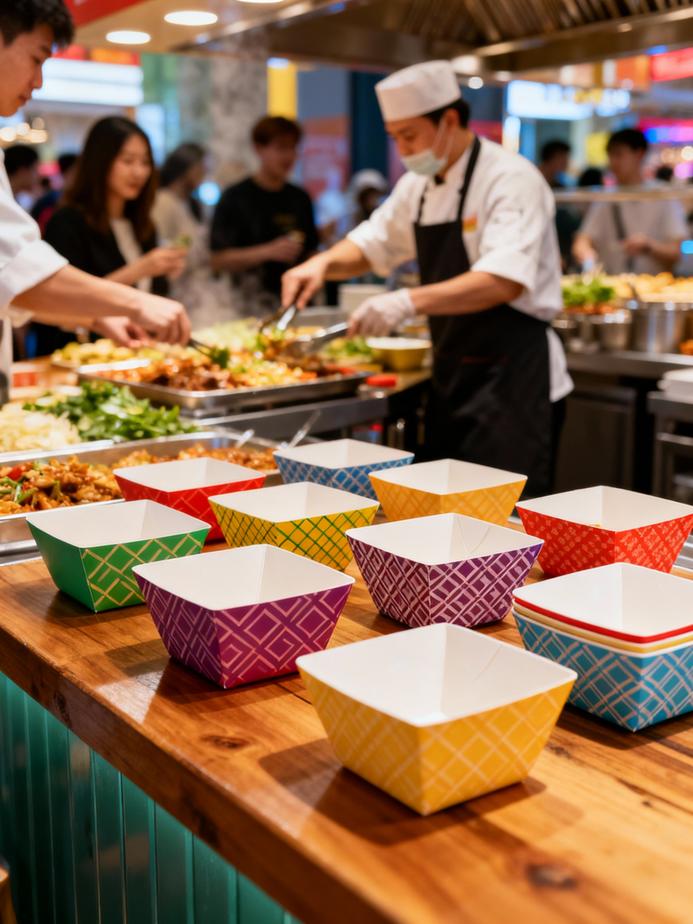
As consumer demand for personalized and visually appealing food packaging grows, customized square paper bowls are emerging as a popular choice for businesses of all types. These bowls not only offer structural benefits over traditional round bowls but also provide ample surface area for branding and marketing. This article delves into the intricate manufacturing process that makes these square bowls possible, the various techniques available for customization that allow businesses to express their brand identity, current economic impacts and trends within the market, and the sustainability considerations that come into play in their production. Together, these chapters paint a comprehensive picture of why customized square paper bowls matter in today’s competitive food service landscape.
Tables of Contents
Chapter 1: Innovating Food Packaging: The Creation of Customized Square Paper Bowls
- Crafting Quality and Branding: From Material Selection to Printing in Square Paper Bowl Manufacturing
- Transforming Material into Structure: The Die-Cutting and Forming Processes of Customized Square Paper Bowls
Chapter 2: Elevating Brand Identity Through Innovative Custom Printing Techniques for Square Paper Bowls
- Exploring Advanced Printing Methods for Unique Customization of Square Paper Bowls
- Crafting Unique Identities: Material Versatility and Design Innovation in Square Paper Bowls
Chapter 3: Analyzing Economic Trends in Customized Square Paper Bowl Production
- Forecasting Growth and Economic Significance of Customized Square Paper Bowls
- Economic Drivers and Emerging Trends Shaping the Future of Customized Square Paper Bowls
Chapter 4: Eco-Friendly Innovations in Customized Square Paper Bowl Production
- Harnessing Sustainable Materials for Customized Square Paper Bowls: Crafting a Greener Future
- Eco-Conscious Manufacturing: The Path to Sustainable Customized Square Paper Bowls
Chapter 1: Innovating Food Packaging: The Creation of Customized Square Paper Bowls
1. Crafting Quality and Branding: From Material Selection to Printing in Square Paper Bowl Manufacturing
The journey of producing customized square paper bowls begins with meticulous material preparation, laying the groundwork for the product’s overall quality and functionality. The choice of raw materials is pivotal, influencing both the bowl’s performance and its ecological footprint. Manufacturers predominantly opt for kraft paper or thick cup stock, materials well-regarded for their strength, durability, and food-safe properties. These materials can withstand hot liquids and oily foods, crucial for today’s diverse culinary landscape. Moreover, they are typically renewable and recyclable, aligning with sustainable practices that are increasingly demanded by consumers and regulatory bodies alike.
Kraft paper, known for its lightweight yet robust attributes, is often treated with coatings that enhance grease resistance. This customization is not merely about aesthetics; it also serves to ensure that the bowls maintain their structural integrity when presented with various food types. Manufacturers carefully fine-tune the thickness of the paper to optimize durability and comply with food safety regulations, which vary regionally but often focus on preventing contamination and ensuring consumer safety.
The paper is typically delivered in large rolls, selected with attention to quality—to prevent curling during subsequent production steps that might compromise the integrity of the final product. As the first stage of the manufacturing process, this material preparation yields significant implications for the remaining phases.
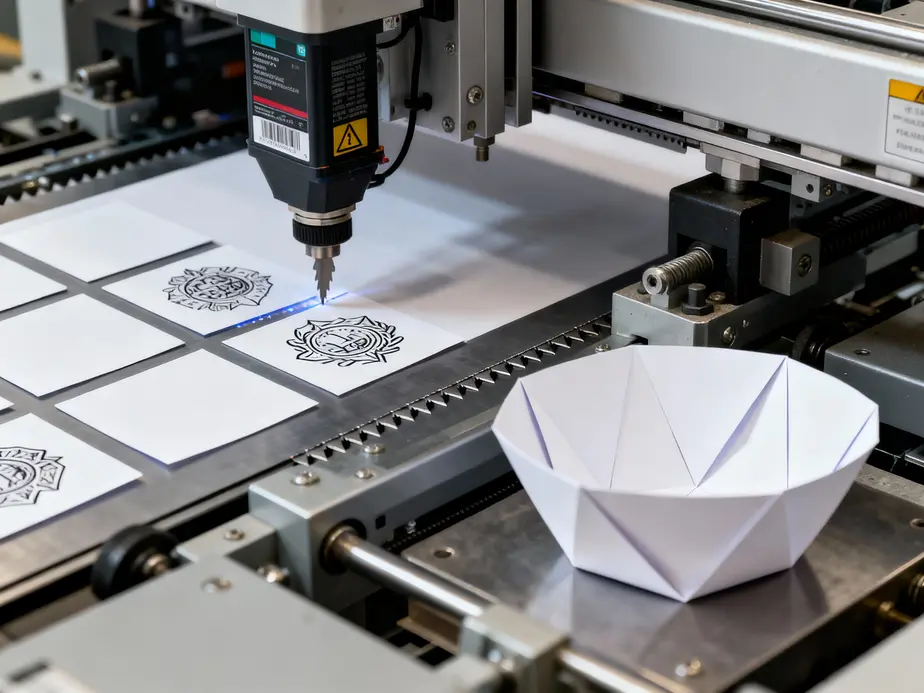
Once the materials are procured, the next crucial step is the printing process. For customized square bowls, printing takes center stage, bridging the gap between functionality and branding. Specially designed paper cup printing machines are employed to print on the kraft paper rolls. These machines are built to handle the thickness of heavy cup stock while precisely applying vibrant graphics, logos, and various branding elements. The use of water-based inks is recommended for these applications, ensuring safety and odorlessness—a non-negotiable aspect when dealing with food packaging. By using inks that conform to food safety standards, manufacturers eliminate the risk of harmful chemical leaching into the food, thus catering to health-conscious consumers.
During the printing process, maintaining a proper tension is crucial. Heat-induced curling or misalignment can result in operational jams, thus leading to inefficiencies and potential quality control issues. The accuracy achieved in this phase not only helps in safeguarding machine functionality but also accentuates the visual appeal of the product. Each bowl, depending on customer preferences, can showcase colorful designs or brand-specific elements, significantly enhancing the customer experience, whether in a salad bar or a take-out setting.
The integration of both quality materials and exceptional printing sets the stage for the subsequent manufacturing steps involved in creating square paper bowls. After printing, the paper roll is directed towards die-cutting, where high precision is paramount. Square paper bowls demand exactitude in shaping; the die-cutting process converts the printed paper into specific shapes—known as ‘fans’ or blanks. Accuracy here is critical; a deviation of even half a millimeter can lead to leaks or other structural defects in the final product. This precision aligns directly with consumer expectations, promising a sturdy and leak-proof bowl for various dining applications.
Following die-cutting, the blanks advance to the forming phase. Utilizing sophisticated machinery like the JBZ 500Y Paper Bowl Machine, manufacturers can automate the sealing process effectively. This machine applies side sealing via ultrasonic or heat methods, ensuring that the edges are bonded securely. The bottom bonding is equally significant, as it reinforces the structural strength of the bowl, thus guaranteeing it can hold its contents without risking leakage failures.
The advancement of technology in this phase is instrumental; automation markedly enhances production efficiency while making it easier for manufacturers to maintain quality control standards. These machines are designed specifically for the production of square or rectangular paper bowls and trays, demonstrating their scalability in an industrial context. They automate the stacking and packaging of bowls, which streamlines operations and contributes to faster turnaround times.
Moreover, the opportunity for customization during both the printing and forming processes allows brands to differentiate their offerings significantly. A simple logo or unique design can not only elevate brand visibility but can also create a memorable dining experience for customers. Taking this into account, manufacturers increasingly recognize the importance of offering personalized solutions to meet the diverse needs of their clients.
Partnerships with reputable manufacturers can bolster quality assurance in the production of customized square paper bowls. Companies like Newtop Machinery and others specialize in providing complete lines capable of handling the diverse demands of custom paper bowl production, including robust systems for printing, die-cutting, and forming. As food packaging trends toward enhanced sustainability and customized experiences, maintaining a strong collaborative relationship with suppliers who understand these dynamics becomes essential for success in the market.
In conclusion, the manufacturing of customized square paper bowls is a complex interplay of material selection, printing precision, and advanced technology. Each phase of production plays an essential role in shaping the final product that meets the market’s rising expectations for quality and sustainability. Through meticulous attention to detail and reliance on innovative machinery, manufacturers can ensure that their square paper bowls not only serve practical needs but also reflect the identity and values of the brands they represent. For those looking to explore options or acquire innovative solutions in this field, visiting dedicated suppliers’ websites can offer further insights into available products and custom capabilities.
2. Transforming Material into Structure: The Die-Cutting and Forming Processes of Customized Square Paper Bowls
The journey from simple paper rolls to customized square paper bowls is intricately tied to the precise processes of die-cutting and forming. These stages not only define the shape of the final product but also ensure its structural integrity and suitability for various culinary applications. In the manufacturing landscape of customized square paper bowls, accuracy in these processes is paramount, as any slight deviation can lead to functional flaws that could affect customer satisfaction.
Die-Cutting: The Genesis of Shape
Die-cutting serves as the crucial starting point for transforming printed paper into usable forms that will ultimately become square bowls. In this stage, a large roll of printed paper is placed beneath a cutting die—a specially designed metallic template that shapes the paper into outlines that can be assembled into bowls. The pressing action of the die features a deliberate force applied uniformly to ensure the desired geometric shape is achieved.
The corner cases are particularly notable: for square bowls, maintaining sharp, clean corners without causing any distortion or curling is essential. Any misalignment here can escalate into larger issues during the subsequent forming phase. The die-cutting machines used for this process are often sophisticated, employing laser or automated guided technology to achieve high dimensional tolerances. For instance, precision requirements often dictate that mouth diameter tolerances be held within ±0.3mm. This level of accuracy is critical—deviations as minor as 0.5mm can lead to inadequate sealing of bowl edges, opening the door to leaks that could render the container unsatisfactory for food packaging.
Furthermore, manufacturers of customized square paper bowls must consider the material facts surrounding the die-cutting. The selected paper stock needs to be compatible with water-based inks that enhance branding while ensuring food safety. During die-cutting, the printed designs must withstand the pressure exerted during cutting and subsequently, folding without compromising their visual quality. This ensures not just functionality, but brand presentation remains intact.
Forming: Shaping Into Functionality
Once die-cutting has produced the flat blanks, the next step—forming—takes these two-dimensional shapes and crafts them into three-dimensional bowls. This stage is an embodiment of engineering that combines both mechanical precision and thermal techniques, where each blank is methodically assembled into its final shape. Advanced paper bowl machines streamline these operations, significantly reducing manual labor and enhancing efficiency. In a modern production line, numerous actions are woven into a seamless process that begins with positioning the die-cut blank on a forming mold.
The formation of the bowl involves several critical actions, each designed to optimize the resulting product’s utility. The first step is the wrapping of the blank around the mold to create the perimeter of the bowl. This positioning must be meticulously executed, or else structural complications may arise later on. Once wrapped, side sealing is achieved through ultrasonic or heat bonding—both effective methods for fusing the edges of the paper together. This ensures a unified container wall capable of withstanding the stresses of storage and transportation.
A pivotal part of forming is the integration of bottom reinforcement. For square bowls, this function becomes even more significant due to stress concentration points formed at the corners. Reinforcement typically involves crimping and sealing a supportive base to ensure the bowl can sustain weight and retain its shape irrespective of the contents it bears. Important specifications include a minimum width of 5mm for this reinforcement to maintain structural soundness.
Completing the forming process, the rim finishing involves rolling and curling the top edge of the bowl. This not only offers comfort for the end-user but also provides enough rigidity to accommodate various lids if required, thus enhancing the bowl’s utility in a fast-paced food service environment.
Considerations for Customization and Quality Control
Customization in square paper bowls introduces an additional layer of complexity that manufacturers must deftly navigate. Square designs necessitate tailored molds that allow for an even wall thickness throughout the entire structure, particularly in the corners, which may be subjected to higher loads. Every design must be scrutinized for quality assurance, particularly during die-cutting and forming stages where defects can emerge. Leading manufacturers prioritize quality control, often implementing testing protocols to verify compliance with safety standards such as SGS reports for heavy metal migration and FDA approvals.
Striking a balance between production speed and operational reliability is also crucial. Many modern machines can churn out up to 120-160 bowls per minute, yet achieving sustainable profitability often requires running at a more conservative pace if it means reducing downtime due to issues like jams or misalignment. A well-tuned machine running steadily at 90 bowls per minute often becomes more commercially viable than one designed for higher speeds but plagued by operational failures.
The integration of these methodologies into the manufacturing process of customized square paper bowls demonstrates a synthesis of creativity, precision, and reliability. Each cut, seal, and formed edge tell a unified story of innovation tailored for efficiency and customer satisfaction in food packaging. As manufacturers continue to refine their processes, the potential for square paper bowls to evolve in design and functionality remains expansive, inviting future innovations while retaining the hallmarks of accuracy and sustainability critical to today’s marketplace.
Chapter 2: Elevating Brand Identity Through Innovative Custom Printing Techniques for Square Paper Bowls
1. Exploring Advanced Printing Methods for Unique Customization of Square Paper Bowls
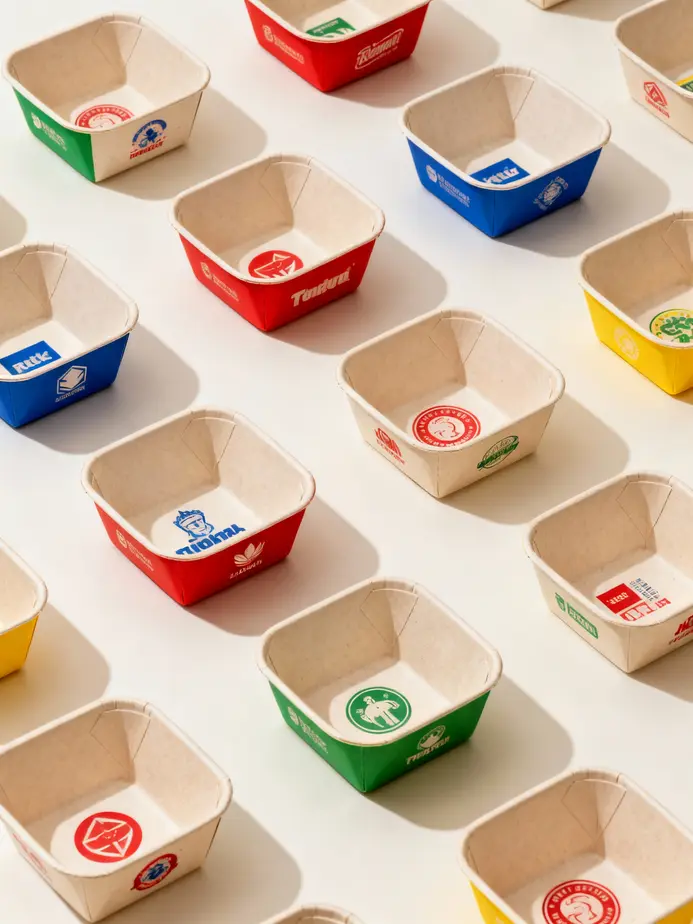
In the ever-evolving landscape of food packaging, the customization of square paper bowls presents an exciting avenue for enhancing branding opportunities and meeting consumer demands for unique dining experiences. Custom printed square paper bowls not only serve a functional purpose but also function as powerful tools for marketing and engagement. Achieving vibrant and long-lasting designs on these bowls requires mastering various innovative printing techniques, each offering distinct advantages tailored to different customization requirements.
One of the most prominent methods is sublimation printing, which continues to gain popularity in the realm of food packaging. This technique is particularly effective for creating detailed and colorful designs on coated materials often used for square paper bowls. Sublimation utilizes specialized sublimation papers, such as the 117 GSM sheets often employed in commercial printing operations. By transferring ink through a heat press directly to polyurethane-coated surfaces, this method ensures that the final product exhibits crisp images that are not only visually appealing but also resistant to wear and tear. The ability to minimize warping and ghosting means that intricate logos or artistic elements maintain their integrity even under rigorous handling, making this process ideal for food service environments.
Moreover, pad printing is another indispensable technique when it comes to customizing square paper bowls. This method excels in transferring images and designs from a printing plate to the often irregular surfaces of bowls. Utilizing pneumatic machines, pad printing employs sealed ink presses to ensure a precise application of ink. The advantage of pad printing lies in its ability to deliver accurate patterns across multiple product runs, providing consistent quality. This makes it particularly useful for brands looking to replicate their logo or promotional imagery across a wide array of packaging formats. Given the importance of maintaining design integrity on the product itself, it stands out as a reliable method for achieving high-quality finishes on square paper bowls.
When preparing square paper bowls for customization, it is crucial to consider the selection of the right materials. Using specialty textured or smooth finishes compatible with various printing methods—such as laser, inkjet, letterpress, or even foiling—is vital. The chosen paper should effectively support the customization techniques being employed. Proper preparation prevents issues related to ink absorption and adherence, ensuring that the final product meets both aesthetic and functional standards. By selecting the correct substrate, brands can confidently proceed with their chosen printing technique, knowing that their designs will pop while maintaining the structural integrity of the bowl.
Limitations do exist within these techniques, particularly concerning the specificity of square paper bowls. While valuable insights can be gleaned from techniques applied to circular bowls, adaptations will be necessary for square shapes. The uniqueness of the geometry presents a challenge that requires careful calibration of printing plates and processes. Additionally, the availability of direct guides for customized square paper bowls is limited, requiring those interested in customization to be adaptive and innovative in their approach.
Testing for durability is paramount, especially in sublimation printing, where it tends to perform best on a well-coated substrate. Brands should conduct rigorous assessments to ensure that the finishes chosen stand up to the rigors of food packing, including moisture, temperature fluctuations, and various handling conditions. Implementing these quality checks is essential to safeguard the investment in custom printing and contribute to the overall positive brand experience.
Furthermore, combining printing techniques opens doors to enhanced customization possibilities. For instance, while sublimation printing leaves a visually striking finish, pairing it with foil-stamping or embossing can further enhance tactile appeal, delivering a multi-sensory experience to the consumer. Such hybridization of techniques positions the square paper bowl as a versatile promotional vehicle, capable of transforming a simple food package into a memorable brand touchpoint.
Beyond tactile and visual enhancements, the design process for customized square paper bowls can extend into the realm of sustainability. As consumers become increasingly eco-conscious, using biodegradable inks and responsibly sourced paper contributes not only to the visual appeal of the bowls but also to the ethical narrative of the brand. This is where the design philosophy should not only reflect brand values but also resonate with consumer expectations. Balancing aesthetics with sustainable practices will elevate a brand’s profile, fostering a deeper connection with conscientious consumers.
In conclusion, the realm of custom printing for personalized square paper bowls is rich with possibilities. It beckons businesses to embrace innovative printing techniques like sublimation and pad printing, each providing its own set of benefits that can be tailored to create unique, brand-specific products. By carefully selecting materials and experimenting with combinations of techniques, brands do not merely create food containers; they articulate their identity and values through each meticulously crafted bowl. This method of expression through food packaging stands to redefine consumer interactions, turning disposable items into cherished components of a dining experience, a trend sure to continue as culinary exploration meets creative branding. Businesses eager to delve into this customization journey should consider investing the time and resources necessary to explore the myriad techniques available. For more information on custom printed options, check out unique food packaging solutions at Cofe Cup.
2. Crafting Unique Identities: Material Versatility and Design Innovation in Square Paper Bowls
In the quest to create customized square paper bowls that reflect brand identity and meet specific functional demands, the intersection of material choice and design innovation plays a pivotal role. The unique geometry of square bowls lends itself to innovative applications, making them not only aesthetically appealing but also practical for diverse food offerings.
Material Composition
At the heart of customized square paper bowl production is the choice of high-quality, food-grade paperboard. This essential material is characterized by its robust nature, allowing it to stand up against the rigors of food packaging without compromising safety or structural integrity. Manufacturers present a range of material options tailored for different applications. Generally, paper options include corrugated paper for added strength, whiteboard for clean designs, and coated paper aimed at moisture resistance. Specialty papers designed for eco-friendliness or distinctive visual appeal can also make their way into production lines, showcasing the industry’s commitment to sustainability and innovation.
Selecting the right thickness measured in grams per square meter (gsm) is fundamental to ensuring that the bowls do not succumb to sogginess. Recommendations suggest a gsm ranging from 230 to 260 to maximize durability. Moreover, incorporating liner coatings elevates the functionality of these bowls. Traditional polyethylene (PE) coatings offer reliable waterproofing but often fall short in terms of recyclability, creating a potential environmental drawback.
Conversely, Polylactic Acid (PLA) liners provide a compostable alternative, appealing to brands focused on sustainability. However, they require specific waste management systems to ensure proper disposal, highlighting a paradox in environmentally friendly packaging solutions. Furthermore, many manufacturers cater to the growing health consciousness by offering bowls designed to be 100% biodegradable, microwave-safe, heat-resistant, and oil and water-resistant. This versatility opens doors for consumers looking for both sustainable and practical dining solutions.
Design Customization
The customization of square paper bowls extends beyond material selection and delves into innovative design options. Printing plays a central role in this personalization. Different techniques, such as digital and offset printing, present unique advantages. Digital printing is particularly advantageous for small production runs or intricate, multi-color designs, providing flexibility for brands that regularly update their visual messaging or marketing campaigns.
On the other hand, offset printing tends to be more economical for larger orders and can produce graphic that commands a significant visual presence. Combining full-color graphics with brand messaging, including logos and even QR codes, these techniques enhance a bowl’s marketing potential, effectively turning the product itself into a canvas for communication.
Moreover, visual customization enhances the bowl’s appeal by allowing brands to display custom logos and personalized branding prominently. This feature is essential in building a unique brand identity that resonates with consumers, particularly in a marketplace ripe with similar offerings. Options like different finishes and minimal embellishments help maintain a polished appearance during peak service periods, a vital factor in the fast-paced food industry. Additionally, printing can utilize sophisticated color-matching systems such as CMYK or Pantone, ensuring that branding appears vibrant and accurate across various production runs.
Functional Features and Custom Dimensions
Adding specialized functional features elevates these bowls from mere packaging to an integral part of the customer experience. For instance, incorporating vented lids can assist in maintaining food temperature and freshness, while custom packaging enhances overall aesthetics and usability. Brands can further differentiate their offerings by selecting unique shapes, colors, and structural designs that cater specifically to their menu items and service needs.
While the emphasis might often be on round bowls in some references, the fact remains that manufacturers also accommodate the customization of square shapes, allowing businesses to explore unique culinary presentations. This flexibility is crucial as consumers increasingly seek diverse dining options that not only taste good but look appealing. The ability to modify sizes of square bowls to hold varying portions of food can streamline operations in settings ranging from casual eateries to upscale dining venues.
As an extension of customization, brands can explore bespoke packaging options that align with their ethos, reflecting their commitment to sustainability and innovation. For example, a brand focused on organic meals may opt for sugarcane fiber square bowls, which are eco-friendly, biodegradable, and robust enough to hold hot entrees without compromising structural integrity.
Industrial Efficiency and Scalability
In addition to material and design flexibility, the manufacturing efficiency of square paper bowls is noteworthy. Modern production lines utilize specialized equipment capable of managing complex die-cutting and forming. For instance, the JBZ 500Y Paper Bowl Machine automates the processes of creating precise square bowls and trays, implicating a shift towards streamlined production methods built to accommodate high-volume orders without sacrificing quality.
Videos from manufacturers highlight the industrial scalability, showcasing how automated processes function seamlessly to stack and package bowls efficiently. This level of automation supports brands interested in scaling up their production while retaining the flexibility to customize orders based on customer demand.
In summary, the customization of square paper bowls navigates the confluence of material choice and vibrant design, driven by a desire for innovation and sustainability. As businesses recognize the importance of branding through packaging, opportunities for creative expression within the constraints of functionality will continue to evolve, allowing brands not only to stand out but to resonate deeply with consumers. Embracing this approach not only fulfills immediate culinary requirements but also establishes a long-lasting connection with the eco-conscious modern diner.
Chapter 3: Analyzing Economic Trends in Customized Square Paper Bowl Production
1. Forecasting Growth and Economic Significance of Customized Square Paper Bowls
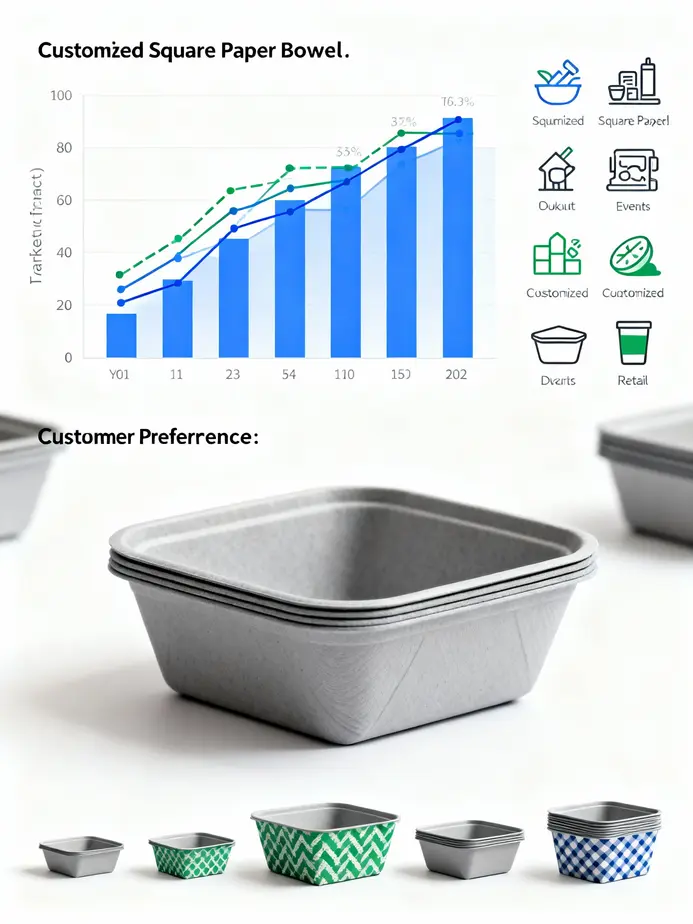
The economic impact and market trends surrounding customized square paper bowls are reflective of broader shifts within the food service packaging industry, notably influenced by sustainability demands and consumer preferences. Though specific market data focusing solely on customized square paper bowls remains scarce, analyzing trends in related markets provides critical insights into their potential growth trajectories.
According to recent analyses, the paper cups market is projected to grow significantly, expanding from approximately USD 14.7 billion in 2025 to USD 28.4 billion by 2035, at an impressive CAGR of 6.8%. This growth aligns with trends in the disposable plates market, which is expected to rise from USD 8.7 billion in 2025 to USD 15.9 billion over the same period, demonstrating a CAGR of 6.2%. The broader disposable food service products market is also showing robust expansion, with expectations to reach USD 33.2 billion by 2027 and an annual growth rate of 3.8%. The growth of these related markets suggests a burgeoning demand for all types of disposable food containers, customized square paper bowls included.
A noteworthy trend driving market growth is customization. As competitiveness intensifies within the food service sector, operators are increasingly seeking ways to differentiate their offerings through unique packaging solutions. Customized square bowls, made from eco-friendly kraft paper and carry additional branding opportunities through printed logos and designs, are particularly inventive solutions catering to client needs across various food outlets, from quick-service restaurants to caterers. The amplified focus on sustainability is propelling demand for materials that are not just practical but also align with eco-conscious consumerism. A growing sector within the market is for kraft paper containers, mirroring the rising awareness of environmental considerations and the demand for biodegradable packaging solutions. The synergy between consumer preferences for pristine and hygienic food operations and the convenience of takeout services has positioned customized square paper bowls as a practical solution across diverse segments, especially in the café culture and outdoor events.
The economic impact of customized square paper bowls further stems from an heightened need for reliability in food packaging. Customizable options offer advantages in hygienic, convenient, and biodegradable solutions, making them desirable for consumers and businesses alike. Businesses are increasingly monitoring regulatory environments, striving to comply with local sustainability mandates, which provides an added impetus toward the adoption of compostable and recyclable materials. Within such frameworks, paper-based products emerge victorious and are on-track to capture 48.5% of the disposable plates market by 2025. Their cost efficiency and recyclability play principal roles in this projected dominance.
In tandem with these existing trends, innovations in printing technologies are influencing market dynamics. The rise of flexographic printing—expected to grow from USD 20.94 billion in 2026 to USD 27.71 billion by 2031—is enhancing customization avenues within flexible packaging. Notable prospects include vibrant custom designs that embellish paper bowl aesthetics and elevate branding potential. With the wholesale adoption of kraft paper bowls particularly prevalent in high-volume food businesses such as festival vendors and catering services, the marketing strategies centered around customized square paper bowls can feasibly align with evolving consumer tastes.
In summarizing growth projections, the prevalence of single-use tableware, particularly in institutional sectors, is poised for further increases as we approach 2036. The rapid adoption of ‘grab-and-go’ formats—such as portioned salads and soups packaged in sizes ranging between 8-32 oz—indicates that market demand is not only growing but transforming to meet contemporary consumer needs. Moreover, compliance with emerging sustainability regulations is compelling businesses to seek appropriate packaging solutions that not only fulfill day-to-day operational needs but also adhere to shifting environmental policies.
While a distinct market share for customized square paper bowls is yet to be fully realized and reported, the dynamics at play in related fields suggest a promising trajectory influenced by customization and sustainability. As trends continue to unfold, businesses within the food service industry are encouraged to explore options tailored to their operational needs while remaining mindful of broader market shifts.
As the market evolves, businesses and producers can stay updated on the latest trends and consumer preferences associated with customized square paper bowls. To explore more about sustainable packaging options and alternatives, visit Cofe-Cup. With the food packaging landscape continuously changing, leveraging insights from market data can position businesses favorably in anticipation of consumer preferences returning to focus on both function and environmental impact.
2. Economic Drivers and Emerging Trends Shaping the Future of Customized Square Paper Bowls
Customized square paper bowls are becoming a cornerstone of sustainable foodservice packaging, a transition driven by a combination of economic factors and changing consumer preferences. As the demand for eco-friendly solutions surges, understanding the economic impacts and market trends surrounding these products becomes imperative for stakeholders in the food packaging industry.
Market Growth Dynamics
In the wake of increasing awareness regarding plastic pollution and environmental responsibility, the market for disposable foodservice packaging is projected to thrive. Customized square paper bowls are at the forefront of this trend, largely due to a notable shift in consumer demand for sustainable packaging options. Regulatory actions, such as plastic bans and heightened attention to biodegradable products, have bolstered the appeal of paper-based disposable solutions. Recent statistics predict that the broader market for paper-based disposables will experience a compound annual growth rate (CAGR) ranging from 3.8% to 6.2% through 2036, which provides a promising outlook for products like customized square paper bowls.
Evolving Food Industry Trends
As food consumption patterns evolve, the preferences for convenience dining and parcel shipping have significantly affected packaging needs. The growth of e-commerce combined with the rising trend for off-premises dining—where consumers prioritize takeout and delivery options—has prompted foodservice operators to seek packaging that not only protects food but also enhances its appeal. Customized square paper bowls cater to this need by offering unique shapes that are both functional and visually appealing.
The booming demand for specialized packaging is also reflected in industry growth projections. The global disposable plates market, which includes customizable square bowls, is forecasted to reach $16.8 billion by 2036, highlighting the extent of opportunity within this segment. Moreover, advancements in flexographic printing technology, projected to grow at 5.76% CAGR, are enabling foodservice brands to create eye-catching and unique packaging that resonates with consumers on a visual level.
Sustainability in the Market
The core economic driver for the acceptance of customized square paper bowls within the foodservice sector stems from the increasing regulatory focus on sustainability. According to recent analyses, paper-based products hold a 48.5% market share in disposable packaging, attributable to their cost efficiency and inherent attributes like grease resistance and compostability. These products are aligned with global regulatory trajectories aimed at reducing reliance on single-use plastics, particularly in Europe and North America.
Such regulations not only push manufacturers towards sustainable practices but also influence consumer purchasing behavior. An increased preference for environmentally friendly packaging leads to year-on-year growth in demand for customizable solutions, in part due to the growing visibility and actions of brands that prioritize sustainable practices.
Technological Advances and Manufacturing
The manufacturing landscape for customized square paper bowls is also evolving thanks to technological advancements. As the production process becomes more efficient, lower entry barriers are emerging for new players in the market. Innovations, including hydraulic paper-forming machines that produce custom shapes with lower energy consumption, are setting the stage for a more sustainable production process. By 2030, the expected dominance of hybrid eco-machines is projected to be 60% of installations, further enhancing manufacturers’ ability to adapt to market demands while ensuring sustainability.
Alongside these advancements, improvements in the supply chain have also catalyzed market growth. Enhanced efficiencies in the paperboard supply chain, alongside rising percentages of recycled material use, not only expand product availability but also contribute to lowering emissions associated with logistics. These efficiencies drive profitability, particularly as regulations increasingly favor sustainable packaging solutions.
Challenges and Opportunities Ahead
Despite the positive economic outlook, the market for customized square paper bowls faces challenges that producers must navigate. Seasonal demand peaks can lead to volatility in production and supply chain management. Additionally, rising transportation costs could impact overall profitability, necessitating strategic planning for manufacturers.
However, significant opportunities exist within this challenging landscape. Producers have the chance to innovate functional upgrades, such as designs that enhance load-bearing capabilities or integrate smart technologies that communicate sustainability efforts. By aligning with “smart & sustainable” trends expected to gain momentum by 2026, businesses can position themselves favorably against competitors.
Moreover, operators can gain consumer trust and added marketability by certifying their products with Forest Stewardship Council (FSC) standards, ensuring responsible sourcing and appealing to eco-conscious consumers. By addressing both challenges and opportunities fluidly, customized square paper bowls are well-poised for continued growth within quick-service restaurants, catering industries, and institutional food service operations.
In conclusion, the blend of regulatory shifts, technological innovations, sustainability demands, and strategic market positioning is steering the future of customized square paper bowls towards impressive growth. For stakeholders involved in this thriving market, the capacity to adapt and innovate is crucial to capitalizing on these economic trends. As the industry evolves, ongoing analysis and engagement with emerging trends will be necessary to sustain momentum and drive profitability in the years to come.
For further exploration of customized packaging solutions, visit cofe-cup.net.
Chapter 4: Eco-Friendly Innovations in Customized Square Paper Bowl Production
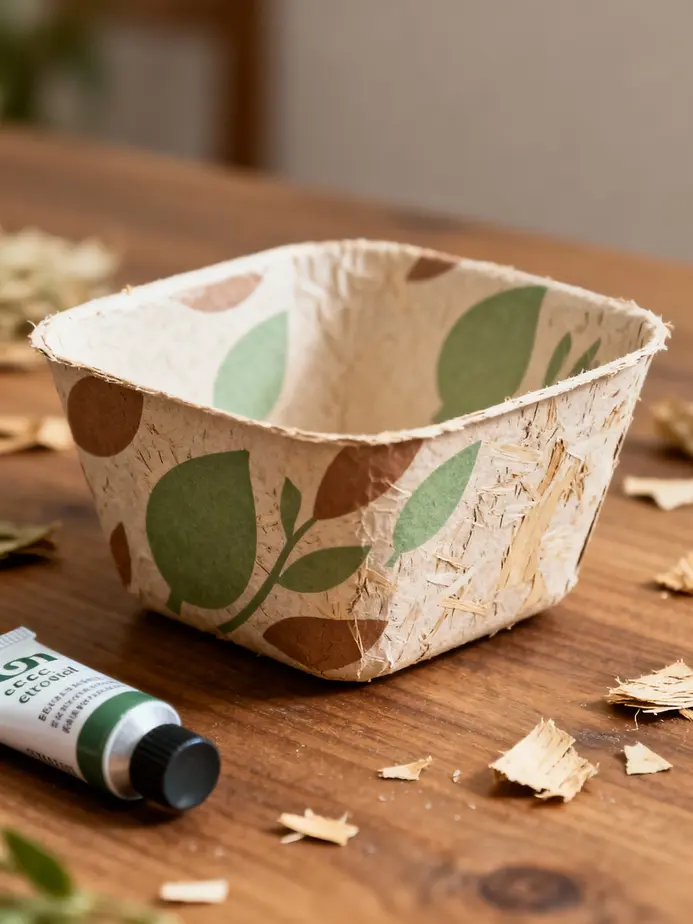
1. Harnessing Sustainable Materials for Customized Square Paper Bowls: Crafting a Greener Future
The evolution of the customized square paper bowl directly aligns with growing consumer demand for environmentally friendly packaging solutions. As businesses increasingly seek to highlight their commitment to sustainability, the choice of materials used in these paper bowls becomes paramount. Customized square paper bowls primarily find their substance in materials like kraft paper, PLA-laminated paper, and various plant-based fibers, most notably sugarcane bagasse. Each of these materials contributes distinct advantages regarding sustainability, biodegradability, and overall environmental impact, contrasting sharply with traditional plastic materials that have dominated food packaging for decades.
Kraft Paper: A Renewable Choice
At the forefront of sustainable paper bowl production is kraft paper, renowned for its robustness and heat resistance. Unbleached and processed with minimal chemicals, kraft paper supports safe food handling, making it ideal for transporting hot foods, such as soups and noodles. This material is fully renewable, arising from sustainably managed forests, leading to reduced carbon emissions throughout its lifecycle. Advantages extend beyond its structural integrity; the square designs crafted from kraft paper enhance space efficiency during transport and storage. The flat edges of square shapes maximize the use of packaging space, resulting in lower shipping costs and reduced environmental footprints.
PLA-Laminated Paper: Biodegradable Performance
Another exceptional material is PLA (polylactic acid)-laminated paper, which offers an alternative to petroleum-based films commonly used in traditional packaging. PLA is derived from renewable resources such as corn starch, allowing for enhanced leak-proofing and insulation—ideal for maintaining the temperature of food items. The biodegradability of PLA enhances environmental benefits, as these bowls can decompose naturally in industrial composting conditions, contributing to waste diversion efforts. However, companies must ensure their waste management partners can accommodate this type of material to realize its environmental advantages fully.
Plant-Based Fibers: An Innovative Approach
Additionally, the advent of plant-based materials like sugarcane bagasse signifies a groundbreaking shift towards waste-free production systems. As a byproduct of the sugar refinement process, bagasse is not only compostable but also demonstrates excellent heat resistance, making it suitable for hot food applications. This innovative utilization of agricultural waste underlines a commitment to circular economy principles, where waste is minimized, and resources are reused. Another advantage is that it meets international standards for compostable materials while enhancing brand image as eco-conscious.
Transitioning to these sustainable materials yields significant environmental benefits. From the manufacturing phase onwards, the production of customized square paper bowls emphasizes lower waste generation and a reduced carbon footprint. For instance, biodegradability is vital. Unlike plastics, which can persist in ecosystems for hundreds of years, these sustainable options break down naturally, fostering healthier soil and ecosystems when composted properly. This feature taps into consumer preferences, as more individuals and businesses strive to reduce plastic usage, often turning to eco-friendly alternatives and pushing for regulations that support these transitions.
Lowering the Environmental Impact
The advantages of renewable sourcing don’t stop at compostability. The environmental impact of using kraft paper and other plant-based fibers extends to lower water consumption and diminished greenhouse gas emissions during manufacturing. With reduced energy requirements for production and transportation, companies leveraging these materials can meet sustainability targets while appealing to eco-conscious consumers. This is becoming increasingly relevant as consumers voice their preferences for products that align with sustainability values, encouraging businesses to lean into sustainable practices.
Moreover, the square design of these bowls contributes to resource efficiency. The stability created by square geometry not only allows for better packing during shipment, extending shelf life and minimizing spoilage but also reduces the amount of material needed overall—thereby enhancing the ecological balance associated with food packaging. Less material use means fewer resources consumed, further amplifying the sustainable message.
Sustainable Production Practices
To fully harness these materials’ benefits, businesses must adopt sustainable production practices aligned with global standards. For example, implementing zero-waste processes in selecting materials and manufacturing routines is essential. Oil-resistant and microwave-safe treatments can engage eco-friendly chemicals for minimal environmental impact and adherence to food-contact-safe certifications. The push towards using unbleached kraft or bagasse supports minimal chemical usage and promotes health and safety standards. Furthermore, ensuring that PLA-laminated options don’t lead to permanence in landfills mandates careful attention to end-of-life waste management strategies.
Although there are obstacles associated with adopting fully biodegradable materials, particularly the reliance on commercial composting facilities, companies that navigate these challenges can create distinctive market positioning. While initial costs might be higher compared to plastic alternatives, the long-term benefits of operational efficiencies and enhanced brand loyalty from an environmentally conscious customer base outweigh financial challenges.
In summary, the customization of square paper bowls stands not only as a functional choice for food service applications but also as a pivotal move towards sustainability. The shift to kraft paper, PLA-laminated paper, and other eco-friendly materials encapsulates an industry trend that prioritizes environmental wellness alongside consumer needs. As we combat plastic pollution and advocate for sustainable packaging, embracing these innovative materials is more than just good practice; it’s essential for protecting our planet and securing a greener future. Businesses keen to step into this market can explore various sustainable options by examining existing product listings that prioritize environmental considerations, enhancing their packaging strategy while evolving with consumer expectations.
2. Eco-Conscious Manufacturing: The Path to Sustainable Customized Square Paper Bowls
In the quest for sustainable food packaging solutions, customized square paper bowls stand out as an innovative answer to reducing environmental impact. Their production not only emphasizes eco-friendly materials but also incorporates advanced manufacturing processes that prioritize sustainability at every step. By choosing renewable resources, optimizing production techniques, and focusing on end-of-life compostability, the industry is paving the way for a more environmentally conscious future.
Central to the production of customized square paper bowls is the selection of materials, which crucially influences their overall sustainability. The use of kraft paper, derived from sustainable sources, is a primary example of how material choice can align with environmentally friendly practices. Kraft paper bowls are fully biodegradable and recyclable, making them a superior alternative to traditional plastic options. They offer a robust solution for food service that mitigates pollution and waste generation. Moreover, molded fiber bowls, produced from sugarcane bagasse—a byproduct of sugarprocessing—serve as another sustainable option. This choice not only reduces agricultural waste but also lessens the carbon footprint associated with the production of packaging materials.
In an age where the climate crisis demands urgent action, sustainable material sourcing is paramount. Kraft paper, noted for its strength and versatility, departs from the conventional reliance on oil-based products, aligning perfectly with eco-conscious consumer preferences. This switch from petroleum to plant-based materials signifies a larger movement toward renewable resources in the packaging industry. By harnessing agricultural byproducts like sugarcane, manufacturers are not only producing compostable products but are also reducing the need for new raw materials, thus conserving valuable resources while supporting sustainable farming practices.
The production process for customized square paper bowls has also evolved dramatically, thanks to the integration of advanced technologies aimed at minimizing both waste and energy consumption. Modern manufacturing facilities are increasingly adopting precise production cycle control systems, enabling them to monitor and optimize every stage from cutting to molding. This level of control allows manufacturers to drastically reduce material waste, as real-time adjustments can be made based on the specific requirements of the production run.
Moreover, the implementation of offset and flexo printing strategies provides an innovative avenue for enhancing sustainability. These printing methods optimize ink usage and significantly lessen material waste compared to traditional techniques. High-speed production machines, such as those capable of generating 120-160 units per minute, further enhance efficiency, not only streamlining operations but also decreasing the per-unit energy consumption associated with production.
Another critical aspect of sustainability is understanding the end-of-life scenario for products. The terms biodegradable and compostable are often used interchangeably, yet they possess distinct meanings essential for proper waste management strategies. While biodegradable products can decompose over time, compostable products are designed to break down into nutrient-rich soil under controlled conditions—at elevated temperatures typical of industrial composting facilities.
Customized square paper bowls made from molded fiber or FSC-certified paperboard with plant-based linings represent an ideal blend of both qualities, ensuring a responsible approach to product lifecycle management. These bowls can safely compost within existing systems, thereby contributing positively to soil health rather than ending up in landfills. In contrast, many plastic alternatives often contribute to long-term environmental pollution, highlighting the importance of selecting truly compostable options within the food service framework.
Transitioning from plastic to paper-based bowls reflects an industry-wide commitment to waste reduction and lower carbon footprints. This shift is essential not only for mitigating the environmental ramifications of plastic waste but also for promoting sustainable practices among food service operations. Industries focused on sustainability can tap into consumer sentiment that increasingly favors environmentally friendly products. Packaging that can decompose adds to a brand’s positive image, resonating with customers’ values and encouraging responsible consumption choices.
In conclusion, the pathway toward sustainable customized square paper bowl production lies at the intersection of innovative design, eco-friendly materials, and conscientious manufacturing processes. Each element plays a vital role in reducing the environmental impacts associated with traditional packaging methods. As the demand for sustainable food service products continues to grow, so too does the necessity for companies to adopt these practices. By committing to responsible material selection and sophisticated production techniques, manufacturers can ensure that their square paper bowls contribute to a healthier planet while supporting the circular economy principles prevalent in the modern age.
For businesses looking to make an eco-conscious choice, exploring reliable options for kraft paper box packaging can provide additional insights into sustainable food container alternatives. As the industry evolves, it is essential to stay informed and adapt, creating a lasting impact through every customized square paper bowl produced.
Final thoughts
In conclusion, customized square paper bowls not only serve as a practical solution for food packaging but also align with businesses’ branding needs and sustainability goals. Their unique manufacturing process, combined with advanced customization techniques, caters to the evolving preferences of consumers. By understanding the economic impact and market trends associated with these innovative products, as well as the important considerations surrounding sustainability, business owners can make informed decisions that benefit both their brand and the environment. Embracing customized square paper bowls may very well be the next strategic move for a brand seeking to enhance its market presence while catering to a green initiative.
Choose our reliable disposable tableware and packaging solutions for your business. We offer quality products that meet safety standards, with fast delivery and flexible options. Partner with us today to elevate your service – contact our team now for a tailored quote!
About us
We specialize in manufacturing and supplying disposable tableware, packaging paper, and boxes. With years of experience, we prioritize safety, durability, and eco-friendly practices. Our goal is to provide businesses with trusted, cost-effective solutions backed by responsive customer support.