
Introduction
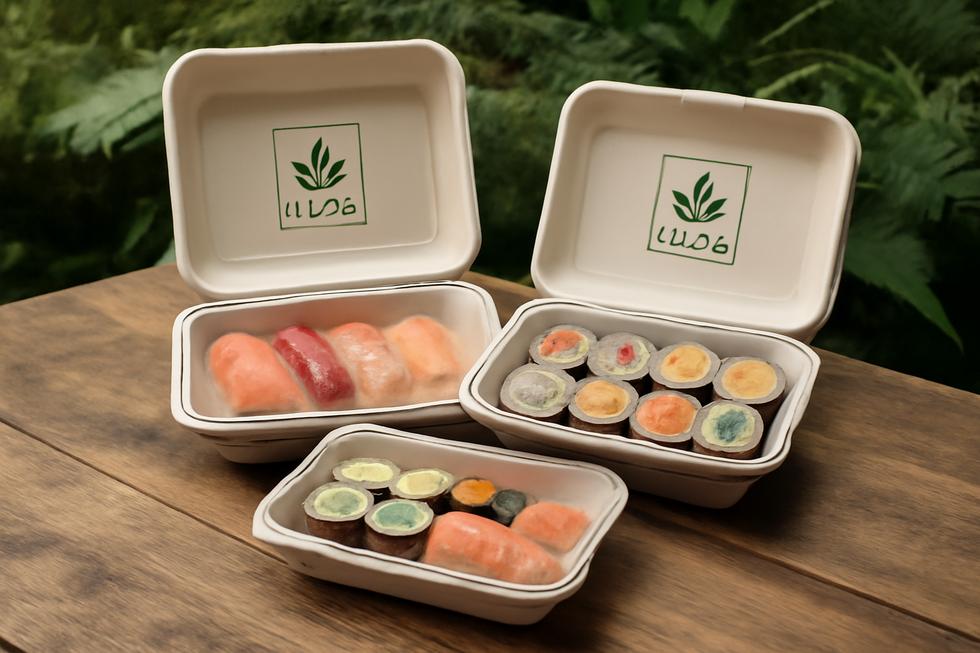
As the food industry increasingly shifts towards sustainable practices, customized bagasse sushi boxes are capturing the attention of business owners looking to innovate. Made from bagasse, the fibrous byproduct of sugarcane processing, these boxes are not only eco-friendly but also versatile enough to suit various culinary needs. This article delves into the customization options available, the manufacturing processes involved, compliance regulations that must be adhered to, and a market analysis highlighting the economic considerations of bagasse sushi boxes. Understanding these aspects will equip businesses with the knowledge they need to seamlessly integrate these sustainable packaging solutions into their operations.
Tables of Contents
Chapter 1: Elevating Brand Identity with Customized Bagasse Sushi Box Design
- Maximizing Brand Appeal: Innovative Branding and Printing Options for Bagasse Sushi Boxes
- Tailored Structural and Material Innovations for Sustainable Bagasse Sushi Boxes
Chapter 1: Elevating Brand Identity with Customized Bagasse Sushi Box Design
1. Maximizing Brand Appeal: Innovative Branding and Printing Options for Bagasse Sushi Boxes
In a market where both sustainability and branding increasingly dictate consumer choices, the customized bagasse sushi box stands out as a dual solution. Businesses looking to echo their commitment to environmental consciousness while enhancing their brand presence can significantly benefit from tailored branding and printing options. The versatility inherent in bagasse as a food packaging material not only supports eco-friendly principles but also allows companies to inject their unique identity right into their packaging, transforming simple food boxes into a canvas for brand storytelling.
One of the most impactful branding methods for bagasse sushi boxes is through printed graphics. Options such as flexographic printing and digital printing allow businesses to imprint their logos and designs with clarity and vibrancy. Flexographic printing is particularly cost-effective for larger runs, resulting in uniform high-quality graphics that can feature striking colors and refreshing designs. On the other hand, digital printing shines in smaller batches, providing advanced capabilities for intricate, full-color photographic prints. These printing techniques open the door for enhancing visual engagement, enabling brands to create eye-catching designs that resonate with customers.
For those seeking tactile experiences, embossed or debossed logos represent an innovative way to elevate brand recognition. This process uses custom molds to create distinct shapes or logos that stand out, both visually and physically. The tactile experience adds a layer of sophistication and uniqueness, drawing attention during the unboxing experience as customers engage with the product more intimately. However, businesses should weigh the initial tooling costs and minimum order quantities against the potential benefits of increased brand prestige through tactile branding.
The incorporation of window cutouts or clear lids can further enhance the customer’s visual interaction with the sushi offerings while presenting challenges to compostability. Brands that rely on visible consumer engagement might find that clear windows allow diners to appreciate the aesthetics of sushi prior to purchase. Nevertheless, this feature necessitates a careful balance between showcasing delicious food and maintaining sustainable practices. Brands should consider using clear options made from PLA or PET to diminish the environmental impact while still engaging customers visually.
In addition to visual elements, the implementation of coatings and laminates for grease resistance is essential. A thin PE (polyethylene) or PLA (polylactic acid) coating protects printed surfaces from moisture and grease, maintaining aesthetic integrity, which is vital for food packaging. However, businesses must ensure that such coatings align with the certification needed for compostability since PE does not meet those criteria, while PLA does. Choosing the right coating is critical not only for the protection of the branding but also for emphasizing a commitment to sustainable practices.
Color matching significantly enhances branding cohesively across various products. The ability to match specific colors—including popular Pantone colors—ensures that branding remains consistent and visually appealing. When customers see familiar colors across different packaging mediums, it reinforces brand recognition and loyalty. This attention to detail in color allows brands to present a unified appearance, enhancing their competitive edge.
Beyond visual and tactile branding, businesses can customize internal compartments and layout changes in bagasse sushi boxes. These modifications can help keep sushi pieces secure and prevent them from touching unwanted surfaces during transit. By customizing the design to better retain food quality, brands demonstrate a commitment to both quality and customer experience. Such attention to functional detail showcases consideration for the consumer, further solidifying loyalty.
Navigating the nuances of run-size and minimum order quantities (MOQs) can present challenges for brands. Customizations often come with specific requirements; for example, embossed logos or specialty inks may necessitate higher MOQs and additional upfront tooling costs. Conversely, simple printed logos generally involve lower MOQs and shorter lead times. A well-defined breakdown of costs—including sample/tooling fees, unit pricing, artwork setup, and production lead times—should be critically analyzed to avoid unexpected financial burdens.
On the operational side, there are essential details and trade-offs to consider before finalizing specifications. Companies should carefully evaluate different printing methods’ compatibility with bagasse’s surface texture, ensuring high-resolution prints maintain quality. While flexographic printing reaches a high level of efficiency for larger production, there may be caveats related to the textural surface of bagasse that necessitate special coatings for retaining image clarity.
When engaging with suppliers, a set of practical recommendations can facilitate better outcomes for businesses. It’s wise to delineate between must-have features—such as ensuring food-safe coatings aligning with compostability claims—and the nice-to-have items, which might include aesthetically pleasing enhancements like metallic foils or complex shapes in embossed logos. This organization can prevent unnecessary expenditures and streamline the customization process.
Moreover, companies need to request material specifications and certification details upfront to establish compliance with food safety regulations. Access to compostability certifications, such as those from BPI or OK Compost, assures businesses and consumers alike of their sustainability pledges. Completing physical tests and real food trials further validate the practicality of design features, ensuring the sushi inside remains untouched by the outer packaging.
Finally, when discussing with potential suppliers, inquiries regarding the specific printing methods available, coating options, and any compliance certifications become vital. Understanding suppliers’ capabilities offers crucial insights into practical feasibility and adherence to sustainability standards. Each question serves to forge a clearer path towards achieving a personalized and eco-friendly brand experience that resonates with customers.
By considering these diverse branding and printing options, businesses can turn their customized bagasse sushi boxes into powerful brand ambassadors. The right combination of aesthetics, functionality, and sustainability translates into a compelling marketing tool that elevates not just product visibility but the entire business proposition—melding culinary art with eco-conscious engagement, one sushi box at a time. This commitment not only attracts customers but retains them, creating a lasting impression that prompts repeat business and fosters brand loyalty.
2. Tailored Structural and Material Innovations for Sustainable Bagasse Sushi Boxes
The rise of sustainable packaging solutions has found a promising ally in customized bagasse sushi boxes. These boxes, made from sugarcane bagasse, represent not only a contact with nature but also flexibility in design and functionality, making them ideal for sushi packaging. Companies are able to architect these boxes to suit diverse needs through extensive structural and material customization options. This versatility is critical in a food service environment where presentation and functionality are paramount, especially when handling sushi, an artful cuisine reliant on aesthetics.
In terms of materials, bagasse stands out due to its inherent strength and compostable properties, setting a sturdy foundation for various food items, including sushi. Its fibrous texture offers an unexpected resilience, surpassing that of traditional packaging materials such as paper and cardboard. However, the customization doesn’t stop there. Manufacturers often employ coatings that bolster performance and consumer experience. One prevalent option is a PE-coating on the interior, crafted to resist moisture and grease. This layer ensures that the freshness of ingredients, particularly those susceptible to sogginess like rice and fish, is preserved by forming a barrier against liquids.
Another innovative material enhancement includes the addition of PLA coatings. This not only elevates the packaging’s sturdiness but also facilitates vibrant printing possibilities that align seamlessly with branding efforts. Utilizing these coatings, businesses can amplify their brand identity while maintaining environmental integrity; both PLA and bagasse are biodegradable, ensuring that businesses do not compromise their sustainability commitments for aesthetics or functionality.
Furthermore, the inclusion of compatible lids represents another layer of customization that caters to visibility and protection – enhancing user experience while keeping the food secure during transport. Available in materials such as PET and bamboo pulp, these lids can be designed to conform to the overall aesthetic of the bagasse box. They are often transparent or semi-transparent, allowing for a tantalizing glimpse of the sushi within, instantly capturing the attention of potential customers.
The structural customization options are equally extensive. Catering to the nature of sushi, these boxes can be tailored in a variety of sizes and configurations. Some designs include compartments specifically crafted for sauces and utensils, while others are styled solely for single servings or multi-item arrangements. This attention to detail addresses both practicality and consumer preferences, ensuring that the sushi maintain its allure from kitchen to customer. A snug fit design, in particular, can eliminate slippage risks, ensuring that intricate rolls remain intact. This is particularly important considering that sushi presentation is a vital element of the dining experience.
When it comes to shapes and designs, the possibilities are nearly limitless. Custom molds can be created to accommodate unique shapes, such as octagonal or rectangular forms, which may better complement certain sushi types. This flexibility allows businesses to experiment with combinations that augment their menu offerings and branding. Adding embossed logos or printed designs gives the packaging a premium feel, enhancing its marketability. With customer experience inherently connected to packaging, such features help in building a memorable brand image amongst customers.
Windows are another innovative feature that some box designs incorporate. Adding a clear window not only showcases the food but also serves to reinforce the freshness and quality of the product. This design element can be vital in competitive settings, where first impressions can significantly influence purchasing decisions. In addition, reinforced edges aid in stackability during storage and delivery, making the boxes easier to manage without compromising their integrity.
Manufacturers cater to a variety of minimum order quantities and offer lead times ranging from 4 to 8 weeks depending on the complexity of customization. This nuanced understanding allows businesses of different scales to engage in sustainable practices without being hindered by logistical constraints.
Beyond these innovations, businesses must be cognizant of regulatory requirements. Compliance with food safety standards and certifications for compostability is non-negotiable. Sustainable designs that strain to balance performance and environmental impact must also be thoroughly tested, as seen with bagasse sushi boxes that frequently undergo rigorous evaluations for crush and moisture resistance.
The sustainability aspect remains perhaps the most alluring feature of customized bagasse sushi boxes. These containers not only minimize ecological footprints but are also certified to break down in to components within 90 days under composting conditions. As consumers’ preferences steadily incline towards eco-friendly practices, using bagasse boxes allows restaurants and food businesses to enhance their brand reputation while contributing positively to the environment.
Full customization possibilities are vital for branding. Businesses can adopt printing techniques such as flexographic printing to imprint logos, colors, and slogans on the boxes, reinforcing brand identity effectively and memorably. By bridging the gap between aesthetic appeal and functional utility, these customized bagasse sushi boxes manifest the perfect collaboration between sustainable practices and innovative packaging solutions. As consumer expectations evolve, having the ability to offer eco-friendly packaging that encapsulates quality and care sets businesses apart.
As the market continues to adapt, opting for customized bagasse products will not only meet consumer demand but also pave the way for a greener future in food service. Choosing the right structural and material enhancements unlocks opportunities that align culinary experience with sustainability—an increasingly important factor in today’s market. The shift towards eco-friendly solutions is not just a trend; it is a commitment to a better tomorrow for the planet while offering the finest sushi experiences today.
Final thoughts
Customizing bagasse sushi boxes offers business owners a unique opportunity to stand out while adhering to sustainable practices. As the demand for eco-friendly packaging continues to rise, understanding customization options, production practices, compliance regulations, and market trends will not only help businesses capitalize on this trend but also position them as leaders in environmentally responsible packaging solutions. Embracing customized bagasse sushi boxes could very well be a pivotal move in enhancing brand visibility and appealing to eco-conscious consumers.
Choose our reliable disposable tableware and packaging solutions for your business. We offer quality products that meet safety standards, with fast delivery and flexible options. Partner with us today to elevate your service – contact our team now for a tailored quote!
About us
We specialize in manufacturing and supplying disposable tableware, packaging paper, and boxes. With years of experience, we prioritize safety, durability, and eco-friendly practices. Our goal is to provide businesses with trusted, cost-effective solutions backed by responsive customer support.