

As the beverage industry continues to innovate, the choice of materials is paramount for businesses like bubble tea shops, restaurants, and food trucks. Clear coatings for plastic cups have emerged as a valuable tool to improve not just the aesthetic appeal but also the safety and durability of these containers. In this comprehensive guide, we will explore the materials and processes behind clear coatings, discuss the regulatory framework surrounding their use in food services, delve into how they can enhance brand aesthetics, evaluate their protective qualities, and consider the environmental implications of using clear coats. Each chapter provides insights crucial for professionals in catering and corporate settings to make informed choices that enhance both their product offerings and their brand image.
Beyond the Clear Surface: Material Realities and Coating Strategies for Plastic Cups
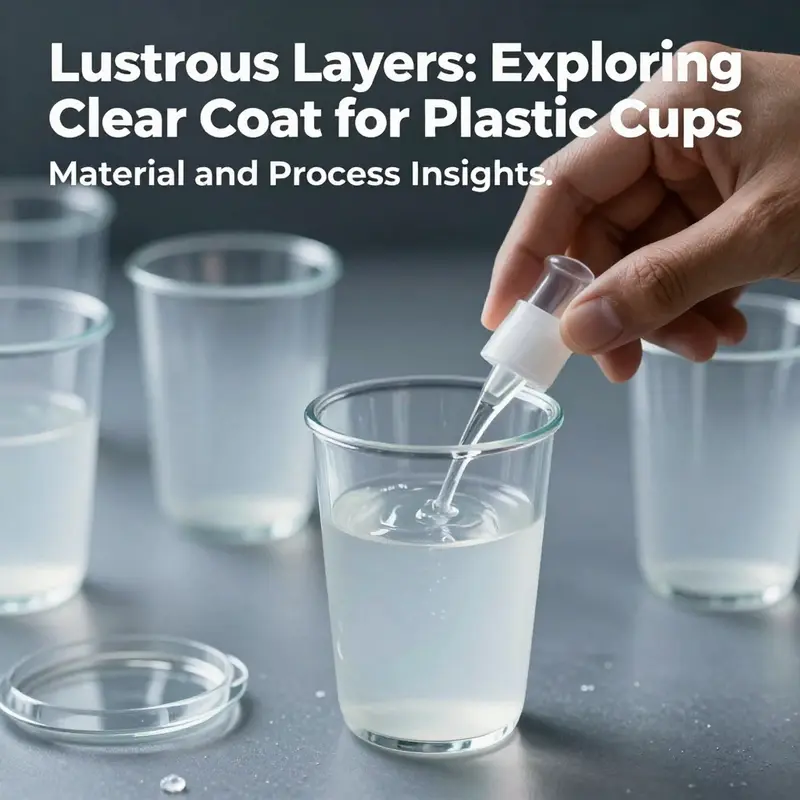
Coatings for clear plastic cups occupy a space between surface polish and engineering performance. In many manufacturing setups, cups are formed from clear polystyrene (PS) or PET and delivered as a transparent, rigid substrate. When brands seek enhanced surface durability, stain resistance from beverages, or a lasting gloss, the option of applying a thin, transparent coating becomes relevant. This is not standard for every cup, but it is a real pathway for premium, reusable, or high-traffic programs where the benefits justify added process steps.
Material choices and adhesion form the first axis. PET provides good clarity and chemical resistance, but its surface energy and finishing requirements demand careful pretreatment to enable a durable bond. PS can be more amenable to wetting with certain coatings, yet surface scratches and haze can arise if the coating is not properly formulated or cured. The goal is to create a strong, food-safe interface that remains intact under heat, abrasion, and repeated handling.
Pretreatment steps such as plasma activation, corona discharge, or flame treatment are commonly used to raise surface energy and introduce polar groups that improve adhesion. The coating chemistry then must balance clarity, hardness, and flexibility. Waterborne polyurethane and acrylic systems are common choices in industrial contexts for their balance of optical properties and chemical resistance, while UV-curable or low-VOC solvent-based systems offer rapid curing and strong surface performance. The key challenge is selecting a resin system that adheres well to PS or PET, cures without inducing cloudiness, and remains safe for contact with foods and beverages.
Application and curing can be more complex than a single spray pass. Surface preparation, coating application (spray, dip, or dip-with-wipe), and curing regime (UV or thermal) must be tuned to minimize residual solvent, shrinkage, or thermal distortion of the cup. UV-curable coatings can deliver fast cure with relatively low heat input, but the substrate must be compatible with the UV process. Thermoset or solvent-based coatings may require longer drying times and careful control of monomer migration.
Regulatory and safety considerations are critical. Any surface treatment intended for cups that contact food must meet food-contact standards and avoid migrated contaminants. This constraint narrows viable coating chemistries and affects the cost and throughput of production lines. Sustainability considerations also matter: coatings add material and processing steps, but they can extend cup life or enable recyclability under controlled conditions. Designers must weigh end-of-life implications, VOC content, and compatibility with intended recycling or composting streams.
In practice, the decision to coat a plastic cup is context-dependent. For mass-market disposable cups, coating every unit is rarely justified. For premium programs, reusable cup systems, or brands seeking a glass-like surface with abrasion resistance, a carefully formulated, food-safe clear coating can be advantageous. Validation should cover staining from common beverages, heat exposure, and long-term durability under repeated handling and washing. Optical performance must stay transparent and glossy as the cup ages, with process controls to prevent pinholes, hazing, or color shifts.
For readers seeking practical direction, the core message is to align substrate compatibility, food-safety compliance, and a curing pathway that preserves optical clarity. Although there may not be a single off-the-shelf solution for all disposable cups, the framework remains: choose a compatible coating chemistry, ensure adhesion through surface preparation, apply a controlled thin layer, cure appropriately, and verify compliance with food-contact standards. Collaboration with coating specialists can be valuable to tailor a system to substrate (PS or PET), curing method (UV or heat), and end-use requirements (hot beverages, sweetened drinks, or pigment-containing beverages).
Cross-domain resources on coatings in engineering contexts can help frame adhesion, cure, and long-term performance concepts. When translating automotive or industrial coating science to consumer packaging, a careful translation of performance goals into cup-relevant specifications remains essential.
Safeguarding Taste and Trust: Regulatory Pathways and Safety Considerations for Food-Safe Clear Coats on Plastic Cups
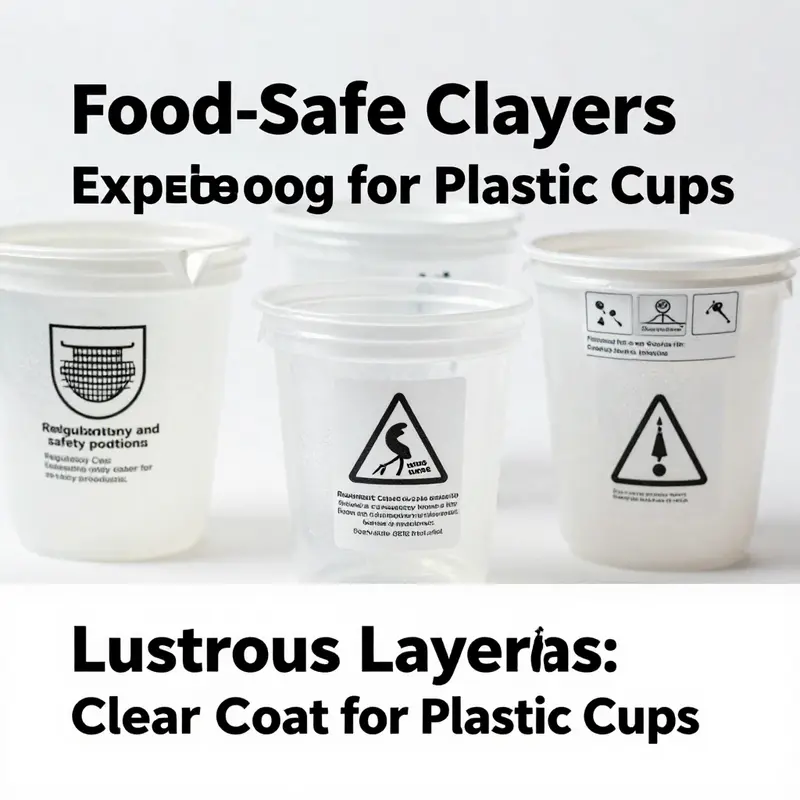
The idea of applying a clear, food-safe coating to a plastic cup sits at the intersection of material science, manufacturing practicality, and consumer health. In many mainstream production lines, the surface of a disposable cup is formed directly through injection molding of a resin such as PET or PP, leaving a smooth, inherently functional finish. Yet in certain markets—especially premium or customized applications—manufacturers explore surface treatments or ultra-thin clear layers to enhance gloss, impart improved scratch resistance, and deliver an added barrier against moisture or beverages. The allure is clear: a cup that looks more pristine, maintains its appearance longer, and carries a credible guarantee of safety with respect to contact with food and drink. But the transition from a traditional molded surface to a coated one introduces a complex cascade of regulatory, toxicological, and testing requirements that cannot be glossed over. The path from concept to compliant product is less about a single part specification and more about a tightly woven regulatory strategy that aligns chemistry, processing, and consumer protection in a single, auditable chain of evidence.
At the heart of this path lies a core challenge: any coating intended to contact food or beverages must be scrutinized for migratory potential. Coating components that migrate into the cup’s contents can pose toxicological risks, even at low levels. Regulators across major jurisdictions have built a framework that emphasizes safety through rigorous assessment, clear ingredient inventories, and demonstrable stability under real-use conditions. The U.S. regulatory framework, anchored by the Food and Drug Administration, treats materials that come into contact with food as a domain where chemistry must be matched to science, with every substance either approved for its intended use or found on a positive list of permitted substances. The European Union relies on EFSA’s assessments and its own regulatory conventions to ensure that coatings introduced into the market do not compromise consumer health. In China, the NHC and related standards shape how food-contact materials are evaluated and approved. Taken together, these systems do not merely regulate the coating itself; they regulate the entire lifecycle of its use—from raw materials and formulations to end-use performance during exposure to heat, acidic or fatty foods, and repeated use. This integrated approach creates a delicate balance: coatings must offer functional benefits while staying within the safety margins defined by each regulatory body and reflected in the official inventories and dossiers that manufacturers must maintain.
In practical terms, the regulatory landscape requires several layers of assurance. First, all substances used in coatings must have explicit regulatory authorization for their intended use in food-contact applications. This authorization frequently appears in regulatory inventories—such as the FDA’s recognized lists in the United States, or the European Union’s Positive List—and, in China, within specific GB standards governing food-contact materials. Second, coatings must undergo toxicological evaluation to confirm that their components do not pose risks when in contact with food and, possibly, with hot beverages. Third, materials must be documented for traceability. The regulatory burden extends beyond the initial approval: ingredients must be monitored for any changes in purity, source, or processing that could alter their safety profile, and migration testing must be designed to simulate real-world conditions closely. The overall objective is to ensure that, under typical use, the coating remains stable, does not degrade into hazardous byproducts, and does not exceed predefined migration limits into the beverage or food.
Stability and migration testing occupy a central role in this framework. A clear coat intended for cups must demonstrate resilience under heat, acidity, and the presence of fats or oils. A cup may contact cold beverages for most of its life, but many consumer scenarios involve hot or warm drinks that elevate the risk of coating degradation. Repeated use of a cup in an industrial or consumer setting further compounds the challenge, requiring data that migration remains within safe boundaries even after multiple cycles of heating and cooling. The testing regime is not merely about one-off laboratory measurements; it is about building a defensible dossier that can withstand regulatory scrutiny and, importantly, reassure customers that the product is safe in everyday use. This is where collaboration with accredited laboratories and independent toxicologists often becomes indispensable. Migration testing, conducted under realistic temperature and contact time scenarios, feeds directly into regulatory submissions or internal risk assessments that support the product’s market readiness.
For manufacturers seeking to navigate this terrain, the path typically involves bringing on board specialized expertise. A consultancy with deep experience in food-contact materials can help craft a regulatory strategy that aligns with the U.S., EU, and Chinese frameworks. Such firms offer comprehensive support, from initial material selection and toxicology review to formulation optimization and preparation for formal regulatory submissions, like the FDA’s Food Contact Notification process. The value of this partnership lies not in a single test or document, but in the synthesis of chemistry and compliance into a cohesive plan that can adapt to evolving standards and new scientific data. The consultant’s role often includes coordinating with accredited labs to execute migration and stability studies, interpreting results against regulatory thresholds, and translating scientific findings into practical manufacturing guidance. This collaborative approach ensures that the coating not only performs as intended but also stays within the legal boundaries required for sale in target markets.
The actual testing and validation phase is where theory meets factory floor reality. Performance testing must confirm a coating’s optical clarity, adhesion, resistance to scratching, and, importantly, its chemical inertness in contact with a range of beverages, including those with varying acidity and sugar content. Migration testing, conducted under conditions that mimic real-life use (for example, hot water exposure, acidic beverages, or fatty liquids), provides the empirical basis for safety claims. The outcomes—whether demonstrating compliance or identifying a need for formulation adjustments—guide subsequent iterations in formulation, application method, and curing processes. The outcome is a robust, regulatory-aligned story about product safety, not a vague assurance. The final documentation forms the backbone of certifications, consumer trust, and the ability to defend the coating choice should questions arise from regulators, customers, or auditors.
From a manufacturing perspective, the choice to pursue a food-safe clear coat is a strategic decision that extends beyond compliance. It touches on supply chain reliability, cost implications, and the potential impact on production throughput. Materials chosen for coatings must be compatible with existing resins and processes to avoid costly changes to molding temperatures, curing times, or downstream handling. The coating formulation must not only pass migration and stability tests but also integrate smoothly with adhesion promoters, primers, or surface pretreatments that may be in use to ensure a durable, uniform finish. The end goal is a coating that preserves the cup’s aesthetic appeal while delivering a predictable, auditable safety profile. In this context, the collaboration between chemists, process engineers, and regulatory specialists becomes essential. It is not enough to have a coating that looks clear and pristine; the coating must also be demonstrably safe under the full spectrum of conditions it will encounter in real-world use.
For readers seeking practical avenues to explore surface finish options without sacrificing safety, it helps to picture the coating landscape as a spectrum rather than a single solution. Food-grade surface treatments can take the form of ultra-thin transparent layers or additive-enhanced resins that modulate gloss and abrasion resistance while staying compatible with food-contact regulations. In all cases, the formulations must be traceable and supported by a regulatory dossier that documents ingredient safety, intended use, and performance under expected conditions. If you are researching surface-finishing options for plastic cups, you may want to consult category resources that catalog relevant materials and applications—such as the plastic cups assortment within a broader disposable-drinkware collection. This resource can provide context on available finishes, processing parameters, and potential performance trade-offs in a real manufacturing environment. See the Plastic Cups catalog for an overview of typical cup materials and handling considerations: Plastic Cups catalog.
As you consider the path from concept to compliant product, it becomes clear that the regulatory and safety considerations outlined above are not mere gates to pass through; they are design constraints that shape material choice, processing methods, and testing plans from the outset. The most reliable way to approach a food-safe clear coat project is to embed regulatory thinking into early-stage product development. Engage toxicologists and regulatory scientists early, define acceptable migration thresholds for target markets, and build your validation strategy around those criteria. Maintain a living dossier that tracks ingredient inventories, supplier qualifications, batch-level test results, and any deviations in processing that could affect safety. In practice, this approach offers a degree of resilience against regulatory shifts, because the dossier emphasizes transparency, traceability, and data-driven decision-making rather than reactive compliance after the fact.
This chapter intentionally threads a clear throughline from regulatory theory to practical application. It centers on the understanding that a coating designed to contact beverages must be more than a cosmetic enhancement; it must be a reliably safe interface between container and consumer. The journey—from material selection through toxicology assessment, migration testing, and regulatory submission—creates a narrative of safety that is legible to regulators, customers, and manufacturing teams alike. The result is a clear coat that does not merely look glossy; it earns trust by proving its safety in the complicated, real-world ecosystem of food-contact products. For readers planning further exploration, the regulatory map provides a compass: knowing where your substances come from, how they behave under heat and contact, and how their safety is demonstrated will determine whether a coated plastic cup can become a dependable, widely accepted option in the market. And in the end, that trust translates into consumer confidence, a critical asset in any product categorized as disposable but intended to be safe, predictable, and reliable every time a cup touches a lip.
External resources and general regulatory references can guide deeper reading on official standards and procedures. For regulatory context and official guidance on how food-contact materials are evaluated in the United States, the FDA provides detailed resources and updated materials on food-contact materials and safety testing. See the FDA’s resources at https://www.fda.gov/food/food-contact-materials for foundational policy and procedural guidance.
To further explore related packaging and surface-finish considerations in the broader market, readers may find it useful to examine related product categories and supplier ecosystems that discuss disposable tableware, packaging finishes, and surface treatments in a broader sense. Access to related content can be found within the site’s broader packaging and disposable tableware sections, which offer context on the range of materials and finishes typically used in disposable drinkware and plates. For example, the plastic cups category provides context on materials, formats, and compatibility that can influence coating decisions and processing parameters.
External reference: FDA resources on food-contact materials and safety testing provide official guidance on regulatory expectations, migration limits, and the scope of safety assessments for coatings and other surface treatments used with food-contact applications. https://www.fda.gov/food/food-contact-materials
null
null
Guarding Clarity and Endurance: The Subtle Strength of Clear Coats on Plastic Cups
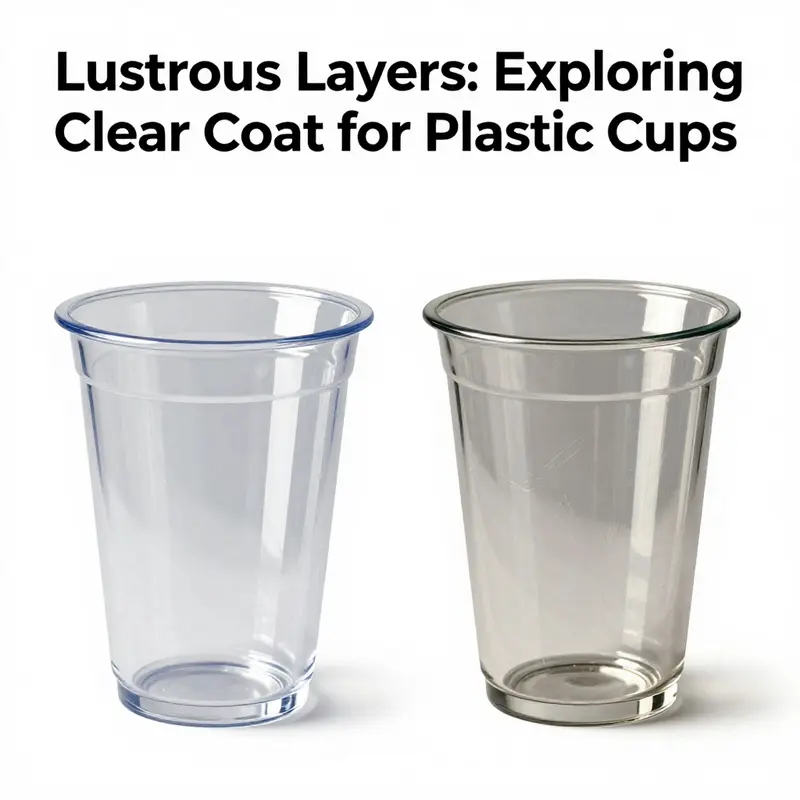
In the realm of plastic cups, the path from raw polymer to final, liquid-ready vessel is usually straightforward: a rapid molding process, a surface that remains smooth and nonporous, and a finish designed to carry a logo, pattern, or color with minimal distortion. The notion of applying a clear protective layer after molding is not a universal practice, especially for mass-produced, one‑time use cups. Yet as brands seek longer-lasting visuals and as environmental goals push toward fewer replacements and more reusable systems, the idea of a dedicated clear coat reemerges with renewed practicality. The research landscape suggests that while traditional, off‑the‑shelf clear coats are not a standard feature of every cup, there is a growing interest in surface treatments that deliver three interconnected benefits: enhanced protection of the artwork, improved surface performance, and maintained or improved food safety. In other words, a well-formulated clear coat can turn a simple printed cup into a more durable carrier of a brand message, without compromising the cup’s role in food contact and consumer use.
The core value proposition of a clear coat on plastic cups rests on its ability to act as a barrier. Clear coatings are designed to shield printed designs from the rigors of handling, washing, and environmental exposure. Scratches, microabrasions, and scuffing can dull the sharpness of a logo or a fine graphic, particularly on cups used in outdoor events or high-traffic venues. A transparent layer, properly chosen and applied, reduces the likelihood that these surface challenges will erode the visual fidelity of the cup over time. When a design remains crisp, the overall perception of quality rises in tandem with consumer confidence in the brand. This is especially critical for beverages that transform colors or reveal subtle gradients, where even minor surface wear can alter legibility and visual impact. A clear coat does not just protect; it preserves the integrity of the original artwork and its color accuracy as it interacts with light, whether under bright sun at an outdoor festival or under indoor lighting in a concession stand.
From a materials standpoint, the most relevant substrates for disposable and reusable cups are non-porous polymers such as polypropylene and polystyrene. These materials present advantages in safety and printability, yet they also pose adhesion challenges for coatings. The cup surface resists chemical binding and can exhibit low surface energy, which makes achieving durable adhesion a careful, chemistry-driven task. Therefore, coatings intended for PP or PS must be formulated with compatibility in mind. Food contact safety is non‑negotiable; every candidate coating must demonstrate that it does not leach harmful substances into beverages and that it maintains its integrity under typical usage conditions, including exposure to warm liquids, repeated handling, and occasional rinsing or washing. In practice, this means that coatings often rely on food-grade resin chemistries, tested for coating adhesion, abrasion resistance, chemical resistance, and heat tolerance. The protective layer should not introduce flavors or odors and must stay clear and optically stable through the life of the product.
For brands that rely on outdoor promotions or reusable cup programs, the role of a clear coat expands beyond mere protection. A durable finish helps ensure that the printed or decorative elements survive frequent contact with hands, table surfaces, and cleaning regimes. In venues such as stadiums, fairs, or campus events, cups may be carried, stacked, and washed repeatedly, sometimes in industrial facilities. In these scenarios, a high-quality clear coat translates into persistent legibility of the brand message and consistent color fidelity. The coating also contributes to moisture resistance, a practical advantage when cups encounter damp hands, condensation on trays, or accidental splashes. When the coating is correctly selected, its optical character—whether a high-gloss sheen that heightens brilliance or a subtle matte that reduces glare—can be tuned to align with the brand’s visual language, creating a coherent experience from the first glimpse to the last sip.
At the aesthetic level, the presence of a clear coat can be more than a functional perk. A glossy finish can intensify color depth and perceived quality, while a matte or satin finish invites a modern, understated look that may pair better with minimalist branding. The interaction with other surface elements, such as a transparent sticker or a clear design motif, benefits from the coating’s ability to preserve clarity. When a cup features a graphic under a clear top layer, the coating must maintain transparency without introducing haze or yellowing over time. This aspect of surface chemistry—maintaining optical clarity under UV exposure and routine use—becomes central to long-term consumer satisfaction. In the best cases, the clear coat acts as a bridge between the artwork and the consumer’s experience, ensuring that the intended aesthetic remains intact as the cup travels from vendor to customer and back again through reuse or disposal.
Beyond appearance, durability and safety considerations intersect with environmental and regulatory realities. Consumer and industrial markets increasingly emphasize longevity as a sustainability strategy. Coatings that extend the usable life of a cup—especially in reusable or hot‑beverage contexts—can reduce waste by delaying the need for replacement. Yet this benefit must be balanced against recyclability and end-of-life options. Some coatings, while excellent at protecting surface appearance, introduce layers that complicate material separation or alter the resin composition at the recycling stage. A thoughtful approach thus weighs not only the protective performance but also how the coated cup will be processed at end of life, what recyclers can handle, and whether the coating itself can be removed or remains compatible with the recycling stream. For manufacturers pursuing sustainability goals, the challenge is to identify clear coatings that deliver durability and safety while preserving recyclability, or to design integration strategies where coatings are engineered to be compatible with post-consumer processing.
From a testing and standards perspective, the practical value of a clear coat is validated by adherence, abrasion resistance, chemical resistance, and heat endurance. Standardized protocols guide how coatings perform when subjected to rubbing, scratching, contact with beverages, and repeated dishwashing cycles. In the reported results, properly applied clear coats can increase the lifespan of a plastic cup by a meaningful margin—up to about half again as long as uncoated counterparts. While this statistic speaks to the potential gains, it also underscores the variability of performance based on substrate, coating chemistry, curing method, and the exact usage scenario. It is a reminder that coating success is not a matter of a single formulation, but of a carefully matched system that harmonizes substrate, application process, and end-use conditions. For professionals evaluating options, the goal is to identify a coating that delivers durable adhesion to polypropylene or polystyrene, resists peeling with repeated handling, and endures the stress of industrial dishwashing without compromising safety or flavor neutrality.
In evaluating the practical route from concept to implementation, it helps to consider the broader ecosystem of surface finishes available to cup manufacturers. Some producers pursue integrated approaches—embedding functional additives into the polymer resin during molding to achieve a level of surface protection without post-mold coatings. Others explore coating technologies that are applied in controlled environments, such as spray or dip processes, followed by curing through heat or ultraviolet light. The choice between a pre-formulation strategy and a post-mold coating depends on factors such as production speed, cost, and regulatory compliance. Each path has its own advantages and trade-offs: pre-formulation can simplify post-processing but may constrain the range of design options, while post-mold coatings can customize surface properties but require precise process control and robust safety testing. In all cases, the coatings chosen for polypropylene and polystyrene cups must demonstrate reliable adhesion, minimal impact on recyclability, and compatibility with the cup’s intended temperatures and cleaning regimes.
For readers who want a more market-facing lens on these options, it is useful to think about coating decisions in terms of brand experience and lifecycle performance. A clear coat is not merely a protective shell; it is a component of storytelling. It preserves the visual narrative the cup carries, ensuring that logos remain legible, colors stay true, and the overall presentation does not degrade after extended exposure to light, moisture, or handling. When a brand chooses to invest in a durable coating, it signals a commitment to quality and consistency across its disposable and reusable cup lines. It also invites a conversation about durability, cleanliness, and environmental responsibility—elements that increasingly define consumer trust in packaging and drinkware. The technical considerations naturally converge with consumer expectations: a coating must be safe, invisible in use, pleasant to touch, and effective across the life of the cup.
To place these ideas in a practical context, consider the stock of plastic cups available to a brand that runs seasonal promotions at outdoor venues or operates a reusable cup program on a campus. In such cases, a coating that preserves print integrity and withstands the wear of frequent washing can make the difference between a promotional item that fades and one that endures. The right coating supports not just the visible design but the relationship between the cup and the consumer—one that is built on reliability, aesthetics, and a sense of value. For designers and engineers who are mapping out a new line of cups, this means weighing coating chemistries against substrate compatibility, guest expectations, and the realities of cleaning and reuse cycles. It also means considering downstream implications for packaging and distribution—whether the coated cup will be part of a broader line that includes lids, sleeves, or other accessories, and how those elements interact with surface finishes.
In closing, the narrative around clear coats for plastic cups is one of careful balance. It is about choosing a protective layer that respects the plastic’s chemistry while enhancing the user experience, without compromising safety or end-of-life options. The best outcomes come from collaborations across chemistry, mechanical design, and sustainability strategy—an alignment of coating performance with brand storytelling and environmental stewardship. If you are exploring coatings for plastic cups, a practical starting point is to review the range of surface finishes available for the plastic cup category and to assess the compatibility of those finishes with your specific cup material and use scenario. For a broader view of where these cups fit in the market, see the plastic cups product category. In the end, durability and protection through a well-conceived clear coat can transform a simple vessel into a durable canvas for a brand’s message, while contributing to longer life cycles and more responsible consumption patterns.
External reference: https://www.plasticstoday.com/industry-news/2025/12/durable-clear-coatings-boost-plastic-cup-performance
Clear Coats, Clear Conscience: Environmental Impacts and Innovations for Plastic Cup Coatings
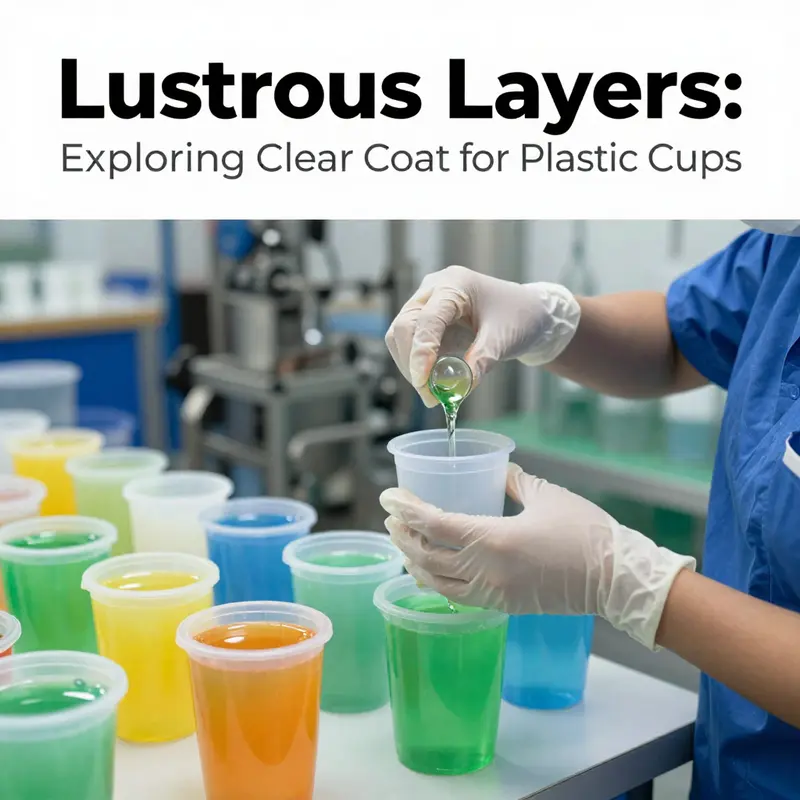
Coatings applied to plastic cups sit at the intersection of surface performance and environmental responsibility. When people think of a clear coat, they often imagine a glossy shield on a car or a protective layer on furniture. In the world of disposable cups, the same instinct holds, but the stakes are different. The coating, whether built into the material or applied as a surface finish, can alter not only the cup’s appearance and resilience but also how the cup behaves at the end of its life. The shift from traditional, barrier-focused solutions toward more sustainable options reflects a broader rethinking of single-use packaging—how it’s made, how it performs during use, and how it is treated after it ceases to serve its purpose. In this chapter, the conversation moves beyond aesthetics to examine the environmental logic that guides coating choices, the material science that enables greener options, and the practical implications for manufacturers, retailers, and consumers who demand both performance and responsibility.
At the most basic level, many disposable cups rely on a lining or a surface treatment to prevent liquid seepage and to maintain a clean, glossy surface. Historically, a plastic lining—often a polyethylene or similar polymer—has served as a liquid barrier. While effective for preventing leaks, these linings complicate recycling. The lining adds material that must be separated or redirected in the waste stream, and it can impede the ability of the cup to be processed with standard recycling streams. The result is a higher likelihood that cups end up in landfills, or are downcycled into lower-value products. In other words, the seemingly simple choice to coat a cup can ripple into whether the cup is accepted by recyclers or recognized as part of a circular economy.
A growing body of work points toward aqueous coatings as a more environmentally friendly alternative to traditional plastic linings. Water-based coatings align with the broader movement toward lower volatile organic compound (VOC) emissions and safer processing conditions. They tend to break down more readily under industrial composting conditions than their solvent-based counterparts, and they can be formulated to meet stringent food-safety standards. The environmental benefit stems not only from reduced chemical emissions during production but also from better end-of-life outcomes. When a cup with an aqueous coating reaches the recycling stream, its composition remains largely compatible with PET or PP systems, preserving the integrity of the material loop. In some configurations, the coating itself is designed to be removed or de-emphasized during recycling, minimizing contamination and simplifying the separation process.
The materials choices for the cup itself also shape the environmental profile of coated systems. PET and PP continue to be favored for clear disposable cups because they combine clarity, strength, and recyclability. PET, in particular, offers a high recycling value and solid optical performance, which makes it a practical choice for beverages that demand a transparent, clean aesthetic. PP brings heat resistance and a light footprint, which can be advantageous for hot beverages and for weight-sensitive applications like large-volume events. When coatings are introduced into these materials, the objective shifts from simply enabling leakage protection to preserving recyclability and optimizing end-of-life processing. A well-conceived coating strategy can maintain the cup’s clarity and surface feel while allowing the base resin to continue through standard recycling channels with minimal hindrance.
Beyond material compatibility, the design and production choices surrounding coatings influence environmental outcomes. For example, the emergence of aqueous coatings has converged with industry efforts to reduce MOQs and enable scalable sustainability. In practice, this can translate into PET-based 16-ounce clear cups offered with substantial production runs yet designed to be compatible with recycling streams and industrial composting where applicable. The real-world implication isn’t merely about a greener chemical footprint but about creating packaging that fits within established waste-management infrastructures. Such alignment reduces the friction that often arises when a product is perceived as end-of-life problematic, encouraging higher adoption of sustainable options in large-scale events and everyday use alike. A practical illustration of scale is the availability of custom 16-ounce clear disposable cups made from PET with MOQs low enough to be meaningful for organizers and institutions that are serious about sustainability.
In considering coatings, it is essential to maintain a balance between performance, safety, and environmental integrity. Food safety remains non-negotiable; coatings must meet stringent standards so that they do not contaminate beverages or migrate into the liquid. This constraint guides formulation choices, ensuring that any surface treatment remains inert under typical drinking conditions and heat exposure. For hot beverages, the coating must tolerate temperature fluctuations without cracking, dulling, or imparting off-flavors. For cold beverages, optical qualities such as gloss, clarity, and scratch resistance matter, but not at the expense of recyclability or food safety. The challenge is to achieve a durable surface that preserves the user experience while allowing the cup to re-enter the material stream after use. In this context, the idea of a coating becomes a design decision as much as a chemical choice, shaping how the cup performs during service and how it behaves after disposal.
From a consumer perspective, the environmental narrative around coatings often hinges on transparency and verifiability. People want to know that the cup they choose for a conference, wedding, or festival will look pristine and feel reliable, but they also want confidence that their choice supports sustainability goals. Clear coatings can contribute to this narrative by enabling longer-lasting gloss and less visible wear, which in turn influences perceptions of quality and value. Yet the ultimate test is end-of-life compatibility. When a coating contributes to a cup that is efficiently recycled or composted in appropriate facilities, it earns a place in responsible packaging decisions. Conversely, coatings that complicate recycling or hinder composting risk undermining the very sustainability story they aim to tell. The industry’s challenge is to deliver coatings that satisfy both performance demands and environmental benchmarks, a balance that increasingly guides R&D and supplier selection.
In practice, makers of clear disposable cups are increasingly embracing a lifecycle perspective that aggregates material choices, processing technologies, and end-of-life pathways. The lifecycle view begins with the raw materials and moves through manufacturing, distribution, consumer use, and waste management. Throughout this cycle, the interaction between the cup base and its coating is critical. A coating that leaches minimal residuals during use and is engineered to separate cleanly during recycling supports high recycling rates and reduces contamination in the recycling stream. This, in turn, preserves the value of PET and PP feedstocks and minimizes the need for virgin material inputs. The result is a system in which the coating serves a functional purpose without becoming a barrier to resource recovery. In dialogue with circular economy principles, such coatings are not merely refinements; they are strategic enablers of sustainable disposal and material reuse.
For industry professionals, one actionable takeaway is the importance of aligning coating strategies with local and regional waste-management realities. In regions where industrial composting is robust, aqueous-coated cups can be designed to maximize compostability along with recyclability elsewhere. In places without industrial composting infrastructure, the emphasis shifts toward maximizing recyclability and minimizing coating-related contamination. This contextual approach helps manufacturers tailor solutions to their customers’ needs while preserving the overarching objective: to reduce environmental footprint without compromising safety or performance. The availability of scalable options, such as PET-based clear cups designed for large orders, further supports businesses aiming to integrate sustainability into their procurement and event-planning processes. A practical demonstration of this trend is the growing accessibility of 16-ounce PET cups with clear aqueous coatings for organizations that require both clarity and responsible waste handling at scale.
A broader implication of these developments is the need for clear, consistent labeling and consumer guidance. When a cup employs an aqueous coating, there should be clear messaging about its intended end-of-life pathway, whether recycling, composting, or a combination. Consumers who understand the environmental logic behind coatings are more likely to participate in proper disposal streams, which amplifies the positive impact of improved coatings. On the supply side, researchers and manufacturers are working to standardize terms and certifications so that facilities can interpret coatings’ composition and behavior with confidence. This harmonization reduces confusion and helps ensure that the environmental benefits are realized in practice, not just in theory. In this way, the coating becomes an information layer, guiding behavior as much as a functional layer on the cup’s surface.
From a design perspective, the future of clear coatings for plastic cups is likely to hinge on continued integration of material science advances with systems thinking about waste management. Innovations may include bio-based or recycled-content coating formulations that maintain food safety and optical performance while reducing fossil-fuel inputs. Another promising direction involves coatings that can be more easily separated from the host resin in recycling facilities, enabling higher purity streams for PET and PP recovery. Even as these ideas mature, the core objective remains constant: deliver a surface finish that lasts through service, contributes to a lower overall environmental footprint, and fits seamlessly into the circular economy. As the dialogue between performance and sustainability deepens, clear coatings for plastic cups can evolve from a supportive accessory to a strategic lever for responsible consumption and production.
The conversation is not purely theoretical. Real-world production and procurement choices reflect the balance described above. Industry players recognize that sustainability is not a single feature but a composite performance profile: clarity, barrier behavior, temperature tolerance, food safety, recyclability, and the practicalities of manufacturing at scale. This integrated view informs decisions about material selection, coating technology, and supplier partnerships. For businesses planning events, menus, or retail packaging, the payoff is a more resilient supply chain and a clearer message to customers about environmental responsibility. The evolving landscape suggests that coatings will increasingly be viewed not just as a cosmetic layer, but as a responsible design element that supports both user satisfaction and resource stewardship.
For readers seeking a concrete example of how these concepts translate into market offerings, consider the broader packaging ecosystem that accommodates clear, recyclable cups and compatible surface finishes. A representative approach combines PET or PP cups with aqueous coatings to maintain clarity and barrier performance, while prioritizing end-of-life recovery. This configuration helps maintain the value of the base material in recycling streams and reduces the burden on landfills. The broader industry movement toward sustainable coatings and materials aligns with consumer expectations for greener choices, even at large-scale events. To explore a practical product set that illustrates these principles, you can view contextually relevant options in the Plastic Cups category within the packaging and drinkware collections. Plastic Cups
External reference for further technical context and market-scale considerations: https://www.alibaba.com/product-detail/Custom-16oz-Clear-Disposable-Plastic-Cups-PET-Cups1600438297685.html?spm=a2700.galleryofferlist.normaloffer.d_title.3a4d5c95JwRgYb
Final thoughts
In summary, clear coats for plastic cups represent an innovative advancement that can greatly benefit businesses by enhancing safety, visual appeal, and sustainability. By understanding the materials and processes involved, adhering to safety regulations, leveraging aesthetic opportunities, recognizing their durable protective qualities, and opting for sustainable options, beverage businesses can elevate their brand and product integrity. As you consider the future of your beverage service or product line, integrating high-quality clear coatings can position you ahead in an increasingly competitive landscape, ensuring customer satisfaction and trust.