
Introduction
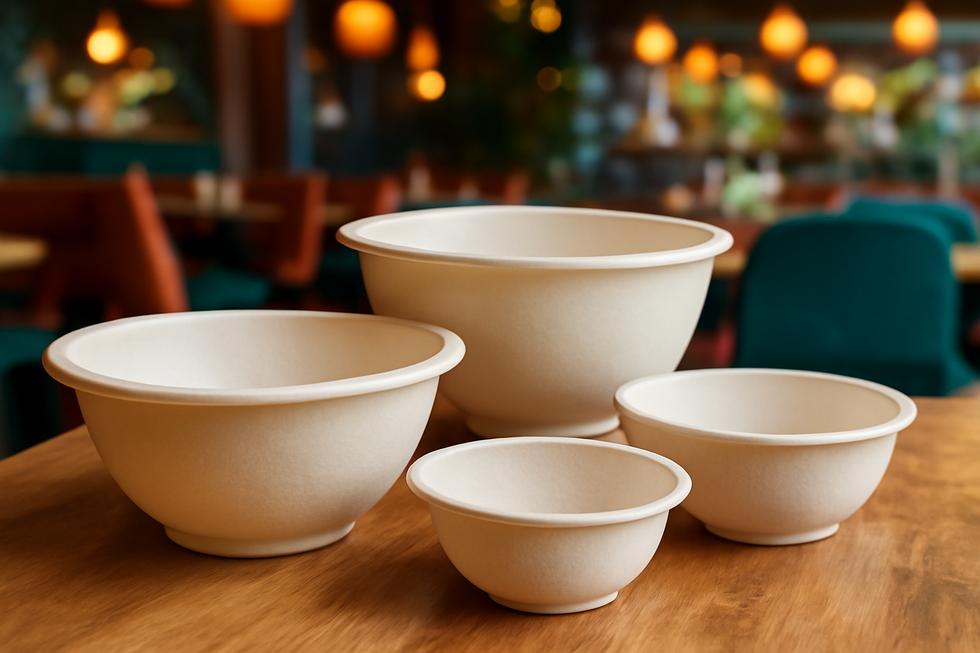
As businesses increasingly shift towards sustainable practices, China’s sugarcane bowls, made from biodegradable sugarcane bagasse, represent a valid solution for eco-conscious tableware. These innovative bowls not only provide a reliable alternative to traditional plastic options but also contribute to reducing environmental impacts by utilizing agricultural waste. This article delves into the manufacturing processes behind these bowls, their sustainability and environmental impact, current market trends, their cultural relevance, and how they compare with other tableware options. Each chapter aims to paint a comprehensive picture that highlights the advantages and opportunities presented by sugarcane bowls in the modern marketplace.
Tables of Contents
Chapter 1: Innovative Techniques and Sustainability in the Production of Sugarcane Bowls
- Advancements in the Crafting of China’s Eco-Friendly Sugarcane Bowls
- Balancing Economic Growth and Ecological Responsibility in Sugarcane Bowl Production
Chapter 1: Innovative Techniques and Sustainability in the Production of Sugarcane Bowls
1. Advancements in the Crafting of China’s Eco-Friendly Sugarcane Bowls
The manufacturing of sugarcane bowls in China stands at the forefront of eco-innovation, harnessing advanced technologies that elevate the production process of these biodegradable tableware items. Utilizing sugarcane bagasse, the fibrous by-product of sugar extraction, manufacturers convert this agricultural residue into high-quality, compostable bowls through a series of efficient and environmentally friendly techniques.
At the core of this manufacturing process is the automated thermoforming technology. This multifaceted approach entails several critical stages, namely pulping, molding, and finishing, each meticulously designed to optimize output while minimizing ecological impact. The journey begins with raw bagasse fibers, which constitute about 24-27% of the total weight of harvested sugarcane. This abundance of fibrous material is subject to thorough processing, where it is cleaned and then compressed into dense pulp boards to guarantee impurity-free production.
The Pulping Stage: Initial preparation involves hydra-pulpers, devices designed to soak the bagasse in clean water and agitate the mix until a soft consistency is achieved. This refinement process is crucial; it transforms the fibrous substance into a smooth texture suitable for further manipulation. Food-safe additives are then incorporated, enhancing both water and grease resistance, ensuring the bowls meet food safety standards throughout their lifecycle.
Molding Techniques: The pivotal molding phase deploys precision molds that capitalize on thermoforming methods, applying both high heat and pressure to shape the wet pulp into bowls. During this crucial phase, the bowls not only take on their definitive form but also undergo sterilization, ensuring they are safe for immediate food use. This technique eschews the need for plastic additives, positioning sugarcane bowls as a robust alternative in the environmentally-conscious market.
After shaping, the bowls are trimmed using automated processes to eliminate any rough edges, yielding a smooth, professional finish. Further quality assurance steps such as UV disinfection, metal detection, and durability testing are integral in safeguarding compliance with food safety protocols. This rigorous quality control ensures that all products not only meet but often exceed industry standards, solidifying the reputation of sugarcane bowls in both local and international markets.
Chinese manufacturers like Hefei Sumkoka Environmental Technology Co., Ltd. are leading the charge in these technological advancements. Their operations exemplify precision and innovation, utilizing state-of-the-art hydra-pulpers and pipeline pumping systems to complete the pulp-to-bowl journey efficiently. The advent of high-capacity precision thermoforming molds means that production can be scaled without a loss in quality, catering to the ever-growing demand for sustainable dining solutions.
What sets these sugarcane bowls apart is their desirable properties, such as microwave safety and superior heat retention compared to traditional plastic alternatives. These characteristics enhance their usability in diverse settings, from casual picnics to upscale dining. Moreover, their compostable nature is a hallmark of sustainable practice; these bowls can decompose naturally within months, making them a formidable competitor against traditional disposable products that contribute significantly to landfill waste.
The integration of advanced technologies like AI in quality monitoring is another emerging trend, reflecting a concerted effort to refine production processes further while adhering to stringent environmental regulations. The continuous evolution within this industry not only showcases an unyielding commitment to sustainability but emphasizes a proactive approach to repurposing agricultural by-products, illustrated by the fact that roughly two to three tons of bagasse are repurposed for every ton of sugar produced.
Thus, the production of sugarcane bowls represents a holistic approach to sustainable manufacturing that aligns with broader trends advocating for environmental responsibility. The commitment of Chinese manufacturers to innovate sustainably is not merely about meeting demand but represents a paradigm shift towards a future where disposable tableware can coexist with ecological preservation, reflecting a balance between consumption and conservation in modern society. For more on sustainable options, check out the variety of biodegradable products available in the market today.
2. Balancing Economic Growth and Ecological Responsibility in Sugarcane Bowl Production
The manufacturing of disposable bowls derived from sugarcane bagasse offers a fascinating interplay between economic viability and environmental responsibility. As global demand surges for sustainable alternatives to traditional plastic tableware, China’s sugarcane bowl production stands at the forefront, showcasing innovative practices that not only repurpose agricultural waste but also stimulate the local economy.
The journey of sugarcane bowls begins with the utilization of bagasse, the fibrous residue left after extracting juice from sugarcane. This material is inherently biodegradable and compostable, making it an ideal candidate for environmentally-friendly products. The manufacturing process starts with the collection of this waste, which is then processed into dry pulp boards. These boards undergo several steps including soaking, crushing, refining with food-safe agents, and finally, molding into the desired bowl shapes. Each phase of this process is meticulously designed to enhance the quality and durability of the final product, ensuring that it meets safety standards for food use.
From an economic perspective, the sugarcane bowl manufacturing sector creates numerous job opportunities across various stages of production. Regions in China, such as Anhui Province, benefit significantly as these facilities often provide employment to recruits from the surrounding rural areas, bolstering local economies. The large-scale production of biodegradable products facilitates a booming export market as global consumers increasingly favor sustainable packaging solutions, ensuring that Chinese manufacturers like Hefei Sumkoka remain competitive. The process not only maximizes resource efficiency by transforming agricultural byproducts into marketable goods but also encourages an entire ecosystem focused on sustainability.
However, while economic advantages are substantial, attention must also be directed to environmental impact. The energy-intensive nature of manufacturing—characterized by high heat and pressure required for thermoforming—does contribute to a carbon footprint. Although specific emissions data from these operations remain underreported, the industry collectively is shifting towards more sustainable practices. The inherent biodegradability of sugarcane bowls represents a significant improvement over traditional plastics, which can persist in the environment for centuries. By transitioning away from petroleum-based materials, manufacturers reduce reliance on fossil fuels, contributing positively to the fight against environmental degradation.
Additionally, China’s advancements in this sector align with global sustainability goals, where combating plastic pollution is paramount. Disposable sugarcane bowls decompose naturally, alleviating long-term ecological hazards associated with single-use plastics and providing a foothold in the broader narrative of waste reduction. The environmental benefits, coupled with job creation and support for rural economies, present an optimistic view of the future of tableware manufacturing.
Despite these advantages, the industry faces challenges as well. Initial setup costs for equipment and molds can be prohibitively high, particularly for small-scale manufacturers who might wish to enter the market. This economic barrier may stymie growth and innovation in local contexts, underscoring the importance of public policy and investment in sustainable practices to support emerging companies within this green revolution.
The interplay of economic growth and ecological responsibility in the manufacturing processes of sugarcane bowls reveals a progressive narrative where local economies flourish while contributing to global sustainability efforts. This dual focus not only propels technological advancements in biodegradable product manufacturing but also paves the way for a cleaner, more responsible approach to consumerism—one bowl at a time.
Final thoughts
China’s sugarcane bowls stand out as an exemplary choice for businesses aiming to adopt sustainable practices without compromising on quality. By leveraging innovative manufacturing processes, these eco-friendly products significantly mitigate environmental impacts, cater to a growing market trend towards green alternatives, and resonate culturally with consumers looking for responsible dining options. The comparative advantages over traditional tableware only underscore their significance in the modern tableware landscape. Ultimately, embracing sugarcane bowls not only enhances a business’s commitment to sustainability but also aligns its offerings with the evolving consumer preferences, providing a holistic approach to responsible service.
Choose our reliable disposable tableware and packaging solutions for your business. We offer quality products that meet safety standards, with fast delivery and flexible options. Partner with us today to elevate your service – contact our team now for a tailored quote!
About us
We specialize in manufacturing and supplying disposable tableware, packaging paper, and boxes. With years of experience, we prioritize safety, durability, and eco-friendly practices. Our goal is to provide businesses with trusted, cost-effective solutions backed by responsive customer support.