
Introduction
Disposable paper buckets from China are rapidly becoming the go-to choice for businesses across various sectors. Designed for food packaging, these buckets not only offer functionality but also align with sustainable practices, making them essential for modern enterprises. This article dissects the manufacturing landscape, highlighting the eco-friendly materials used and the product variety available in the market. By understanding these facets, business owners can make informed choices in their packaging solutions, ensuring they meet both operational needs and consumer preferences.
Tables of Contents
Chapter 1: Navigating the Cutting-Edge Innovations in China’s Disposable Paper Buckets Landscape
- Pioneering Manufacturing Techniques and Sustainable Solutions in China’s Disposable Paper Bucket Sector
- Navigating Economic Currents in the Disposable Paper Buckets Industry
- Environmental Policies and Consumer Trends Shaping the Future of Disposable Packaging
Chapter 2: The Green Revolution in Food Packaging: Eco-Friendly Innovations in China’s Disposable Paper Buckets
- The Science Behind Sustainability: Unpacking the Material Composition of China’s Eco-Friendly Paper Buckets
- Embracing Sustainability: The Eco-Conscious Journey of China’s Disposable Paper Buckets
- Economic Viability of Eco-Friendly Materials in China’s Disposable Paper Bucket Industry
Chapter 3: Exploring the Eco-Conscious Spectrum: The Versatility of Disposable Paper Buckets
- Innovative Features and Multifaceted Applications of Disposable Paper Buckets from China
- The Role of Disposable Paper Buckets in the Evolving Food and Beverage Landscape
- Balancing Eco-Friendliness: The Environmental Footprint of China’s Disposable Paper Buckets
Chapter 1: Navigating the Cutting-Edge Innovations in China’s Disposable Paper Buckets Landscape
1. Pioneering Manufacturing Techniques and Sustainable Solutions in China’s Disposable Paper Bucket Sector
China’s disposable paper bucket manufacturing has reached remarkable heights, driven by technological innovations and an unwavering commitment to sustainability. As global appetite for convenience food packaging grows, manufacturers in China have tapped into both automation and advanced material technologies to meet rising demands. This evolution is characterized by the convergence of traditional manufacturing processes with modern advancements in eco-friendly materials, resulting in high-quality, customizable, and sustainable packaging solutions for the food and beverage industry.
Automation: A Leap Forward in Production
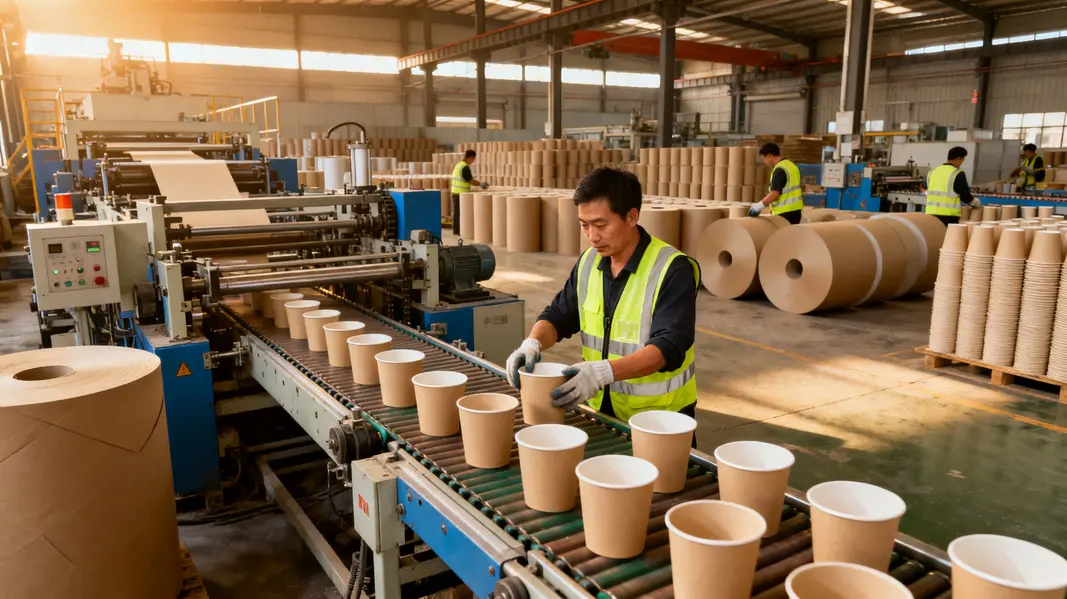
Automation has played a pivotal role in transforming the production landscape of disposable paper buckets. The shift from manual labor to automated systems has not only streamlined production speeds but has also enhanced precision. Advanced machinery designed for the rapid formation of paper containers allows for high-volume outputs with minimal waste. These machines incorporate smart technology that optimizes cutting and folding processes, thereby reducing material loss and ensuring consistent quality in the final product. This embrace of automation reflects a broader trend in manufacturing where efficiency is paramount and sustainability initiatives are increasingly prioritized.
Moreover, automated production lines have improved the overall durability of disposable paper buckets. Manufacturers can create thicker, sturdier designs without compromising on weight or stackability, which is essential for effective storage and transportation. This balance between durability and lightweight design is particularly crucial for food packaging, where strength must coexist with the need for efficiency in logistics. By facilitating bulk production methods, these automation technologies contribute significantly to lowering costs associated with manufacturing and distribution.
Material Innovations: Enhancing Performance and Sustainability
Another critical advancement in China’s disposable paper bucket sector is the innovation of materials used in production. Manufacturers are now focusing on the development of advanced paper coatings, which enhance the performance of buckets against moisture and grease. This allows for better food protection, ensuring that products remain viable and appealing for longer periods. New laminate technologies and printing techniques not only enhance the aesthetic appeal through vibrant branding but also improve the functional characteristics of the buckets, making them more resistant to various environmental stresses.
Sustainable materials are at the forefront of these innovations, with an increasing number of producers opting for biodegradable options. The shift towards materials like polylactic acid (PLA) and other plant-based substances aligns with both consumer preferences and stricter environmental regulations. In this context, Chinese manufacturers are leading the way in crafting packaging solutions that are not only functional and durable but also significantly more environmentally friendly. These advancements highlight the industry’s responsiveness to global climate concerns and changing market demands, placing sustainability at the core of innovation strategies.
Sustainability Initiatives and Market Adaptations
The commitment to sustainability goes hand in hand with the burgeoning need for food delivery services in urban settings, where disposable paper buckets have found a strong market. The rise of food delivery platforms is reshaping consumer expectations and elevating eco-conscious packaging solutions to vital importance. As a result, manufacturers are investing in low-water processes and enhancing recyclability across their production lines, positioning themselves favorably in an increasingly competitive marketplace.
In practical terms, this has resulted in the development of heat- and grease-resistant paper options that minimize environmental impact. Innovations like the use of sustainable coatings—ranging from PLA to water-based and paper coatings—exemplify the move towards comprehensive eco-friendly production methods. This not only allows brands to promote a greener image but also fosters consumer loyalty in a marketplace that is becoming more informed and critical about sustainability practices.
Market Trends Influenced by Technological Advancements
Accompanying these technological advancements are key market trends that significantly influence the disposable paper bucket industry in China. One prominent trend is the growing emphasis on high-volume customization, which allows food service providers—from coffee shops to fast-food chains—to brand their packaging effectively. This customization can encompass everything from printed logos to tailored designs that resonate with targeted demographics.
Additionally, the demand for innovative functional features such as sealing capabilities and stacking efficiency highlights the flexibility of manufacturers to adapt to customer needs. This adaptability not only caters to the specific requirements of various sectors but also describes a broader trend where packaging is increasingly seen as an integral component of the overall customer experience rather than merely a protective covering for the product.
By embracing these advancements, the disposable paper bucket manufacturing sector in China is redefining the boundaries of what is possible in packaging solutions—blending efficiency, customization, and sustainability into a cohesive narrative that aligns with both consumer expectations and environmental responsibility. As the landscape of food service packaging evolves, Chinese manufacturers stand as frontrunners in leveraging innovation to meet the complexities of modern packaging needs, ensuring they remain at the cutting-edge of the industry.
2. Navigating Economic Currents in the Disposable Paper Buckets Industry
The manufacturing of disposable paper buckets in China is an intricate tapestry woven from diverse economic threads, balancing both opportunities and challenges. As the global market pivots toward sustainability, the demand for eco-friendly packaging solutions, such as paper buckets, has surged significantly. This is particularly true in food packaging applications, where sectors like fast food and takeout have evolved to favor alternatives over traditional plastic options. In recent years, consumer behavior has shifted dramatically, influenced by heightened environmental awareness and the consequences of the COVID-19 pandemic. Consumers are increasingly gravitating toward products that align with sustainable practices, which is a significant driver supporting the disposable paper buckets sector. Thus, the functionality of these buckets in various food packaging scenarios—from popcorn at cinemas to takeout meals—has solidified their status in the market.
One of the salient factors influencing the demand for these products is the rapid expansion of delivery services, particularly during and post-pandemic. This growth trajectory has placed immense pressure on manufacturers to innovate and adequately supply a burgeoning market eager for sustainable options. The increasing restrictions on single-use plastics, implemented by both government authorities and conscientious consumer groups, have catalyzed investment in biodegradable materials. Eco-friendly paper buckets are poised to meet this evolving demand, appealing to various market segments, including restaurants, food stalls, and multinational fast-food chains. These chains are often under pressure to source more environmentally-friendly products, making disposable paper buckets an attractive solution due, in part, to their recyclability.
However, the economic landscape is not without its fluctuations. The cost of raw materials, such as paper pulp and recycled paperboard, remains a pivotal concern for manufacturers. The dynamics of these commodity markets can be volatile, leading to fluctuating production costs that directly impact profit margins. Recent data indicates that while containerboard production is expected to face a modest decline in prices—by around 3%—through 2025, the broader implications for manufacturers are nuanced. The interconnectedness of raw material costs and market demand raises the stakes for companies operating in this space. Manufacturers not only have to remain competitive but also manage their operational expenses carefully, ensuring that they can absorb potential hiccups in material pricing without sacrificing service quality or product availability.
Additionally, regulatory factors increasingly shape the operational framework of this industry. Governments around the world are implementing stricter sustainability regulations, pushing manufacturing towards greener practices. In China, such changes have opened new doors for companies like AnCheng, which have adapted their operations to blend compliance with global standards while capitalizing on consumer desire for biodegradable products. This adaptation aids companies in gaining a competitive advantage and ensures they remain relevant in an ever-tightening regulatory environment.
Despite the promising outlook, the sector faces stiff competition from alternative packaging solutions, particularly those emerging in the biodegradable plastic category. As eco-conscious businesses explore an array of packaging options, the pressure on disposable paper bucket manufacturers becomes palpable. Increased competition can lead to price reductions, impacting profitability and eroding market share. Such conditions are compounded by projected muted demand for packaging solutions in upcoming years, particularly in the e-commerce and retail sectors. As companies anticipate a decline in these areas by 2026, an ongoing challenge for manufacturers will be sustaining profitability amid downward pricing pressures.
Moreover, effectively navigating consumer preferences poses its own set of challenges. The rapid evolution of consumer behavior often demands prompt adaptation from manufacturers. Sustainable practices are no longer optional but essential aspects of business strategies. Companies in China’s disposable paper buckets sector must remain agile, responding swiftly to shifts in consumer expectations for customizable, aesthetically pleasing designs that reflect their brand values. This market readiness can significantly shape how companies differentiate themselves in a crowded field. With customization often extending to printed designs and logos, manufacturers are not only providing functionality but also leveraging branding opportunities for their clients.
In sum, while the manufacturing sector for disposable paper buckets in China stands on the precipice of significant growth driven by increasing sustainability demands, it must also adeptly navigate a fluctuating economic landscape rife with challenges. The interplay of raw material costs, regulatory changes, marketplace competition, and evolving consumer preferences underscores the complexity of sustaining business profitability in this burgeoning yet competitive field. As manufacturers innovate and adapt to these ever-changing dynamics, the focus will undoubtedly remain on maintaining quality and environmental responsibility, ensuring that their offerings appeal to both businesses and environmentally conscious consumers alike. To explore a diverse array of customizable food packaging options, visit Cofe Cup’s collection.
3. Environmental Policies and Consumer Trends Shaping the Future of Disposable Packaging
The landscape of China’s disposable paper bucket manufacturing and market is significantly shaped by a confluence of environmental policies and evolving consumer preferences. With a strong emphasis on sustainability, these factors not only influence production practices but also steer market trends toward eco-friendly alternatives. As a result, manufacturers are increasingly innovating to meet not just domestic demand but also the requirements set forth by global markets increasingly focused on reducing plastic waste.
In recent years, the impetus for adopting biodegradable materials has surged, closely aligned with government-led initiatives for greener packaging alternatives. The introduction of regulations aimed at minimizing plastic usage within the food service sector has prompted manufacturers in provinces such as Fujian, Zhejiang, Anhui, and Hunan to transition from conventional materials to eco-friendly options, including kraft paper and bamboo pulp. This transformation is further mirrored by consumers, who are now more conscious of their environmental footprint. With a growing endorsement of biodegradable products, especially in sectors like fast food and takeout, the demand for products like disposable paper buckets has demonstrated resilience amid fluctuating economic conditions.
Moreover, significant societal shifts are evident as public sentiment leans towards sustainability. The rise of environmental awareness among consumers plays a pivotal role in pushing manufacturers to embrace solutions that align with green initiatives. For instance, popular items such as popcorn buckets, which range from 85oz capacities with lids suitable for movie theaters and food service, are now being produced with biodegradable PLA coating options instead of traditional plastics. This shift corresponds with a marked increase in consumer willingness to pay a premium for packaging perceived as environmentally friendly. Hence, brands that prioritize sustainability in their packaging strategy are gaining momentum, enhancing their competitive edge in the market.
The geopolitical landscape, although not immediately apparent in the market dynamics of disposable paper buckets, also has indirect influences that warrant attention. Despite China being a low-cost producer of such packaging materials, global trade dynamics can create fluctuations in supply chain efficiency and pricing stability. Factors such as sustained pricing for packaging raw materials are forecasted to remain stable through 2026. This stability supports China’s capability to maintain its position as a leading supplier of disposable paper packaging on the global stage. However, in light of broader economic tensions, including those between the U.S. and China, there may be underlying pressures that could elevate shipping costs or impact feedstock imports essential for producing moisture and grease-resistant coatings.
Nevertheless, the existing concerns surrounding global plastic usage are resulting in unique market opportunities for Chinese manufacturers. The anticipated decline in global demand for conventional plastics, particularly polystyrene and polypropylene, is nudging businesses toward exploring paper-based alternatives. Additionally, heightened awareness of environmental issues is nurturing a fertile ground for growth in the paper packaging sector, making it an attractive domain for companies seeking to expand. These factors converge to suggest that Chinese manufacturers can leverage their existing infrastructure and expertise to cater to custom wholesale segments, tapping into niche markets that other countries may find less accessible.
Despite the thriving demand for disposable paper buckets stemming from fast food service domains, manufacturers must also navigate several challenges that could hamper growth. Increasing global inventory levels hint at potential overcapacity, which can lead to price competition and reduced profit margins. To mitigate these challenges, companies must focus on innovation in product design and explore diversification strategies that extend beyond traditional food packaging solutions.
In light of these dynamics, companies such as Xiamen Zi Heng Environmental Protection Technology Co., Ltd. and Hyde Group are leading the charge in producing high-volume, customizable disposable paper buckets that adhere to stringent food-grade and environmental standards. The evolutionary landscape they embody exemplifies a balancing act between profitability and sustainability. As they develop advanced technologies for efficient production—such as integration of water-based or biodegradable linings—they not only comply with domestic policies but also cater to international buyer expectations for eco-friendly solutions.
This dual focus on sustainability and customer satisfaction ultimately points to a robust future for the disposable paper bucket market in China. Moving forward, it will be essential for manufacturers to continually adapt to shifting consumer trends and regulatory environments while seizing the opportunities that arise from a global marketplace increasingly leaning towards eco-friendly products. As the sector evolves, the adaptability of markets such as disposable paper buckets will further solidify China’s standing in the responsible packaging movement, driving innovation and reshaping food service packaging for years to come.
Chapter 2: The Green Revolution in Food Packaging: Eco-Friendly Innovations in China’s Disposable Paper Buckets
1. The Science Behind Sustainability: Unpacking the Material Composition of China’s Eco-Friendly Paper Buckets
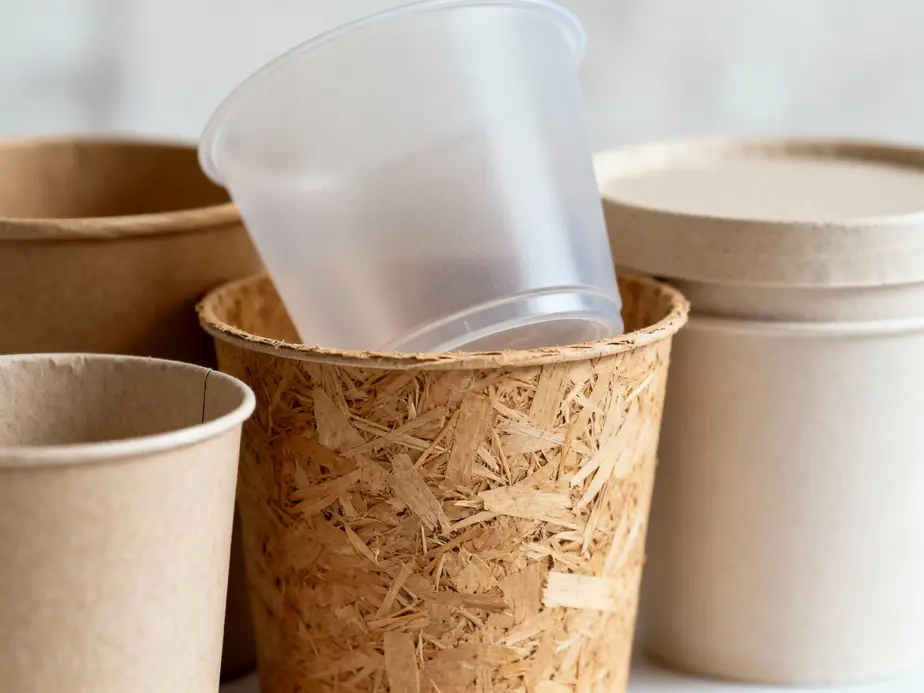
In an era where sustainability stands at the forefront of consumer preferences, China’s production of disposable paper buckets is a salient example of the intersection between innovation and environmental responsibility. At the core of these eco-friendly alternatives are materials that not only promise durability and functionality but also significantly reduce environmental impact. The foundational component used in crafting these buckets is primarily food-grade paperboard, commonly known as kraft paper. This raw material is typically sourced from responsibly managed forests or consists of recycled post-consumer waste, promoting a circular economy.
One of the standout features of these disposable paper buckets is their remarkable resistance to moisture and grease, allowing them to cater to a wide range of food items. Items like popcorn, salads, and soups can be confidently served in these buckets as they are designed to withstand both hot and cold temperatures. This resistance is crucial, as many food service businesses, including cinemas and restaurants, require reliable packaging solutions to maintain food quality during transport.
To achieve these resistance properties, the paper buckets undergo treatment with a variety of coatings. It is noteworthy that many manufacturers opt for plant-based materials for these coatings, choosing options such as PLA (polylactic acid) derived from corn starch, bio-based substances, and compostable bioplastics. This choice moves away from conventional petroleum-based plastics, providing a greener alternative that aligns with modern environmental standards. Companies like Xiamen Zi Heng Environmental Protection Technology Co., Ltd. and Hyde Group prioritize eco-friendly production methods, ensuring that their products resonate with the growing demand for sustainable packaging.
Among the innovations in material use, the inclusion of recycled paper variants is particularly significant. These options contribute substantially to minimizing environmental footprints by reducing the reliance on virgin pulp, ultimately leading to lower carbon emissions associated with sourcing new materials. Nonetheless, it is important to acknowledge that recycled paper may slightly compromise moisture resistance compared to its virgin counterparts. This aspect emphasizes the delicate balance manufacturers must strike between sustainability and packaging performance.
Kraft paper continues to be a popular choice in eco-friendly product lines, given its sturdiness and versatility. Many offerings in the market are also FSC-certified, which denotes that the wood used in the production process comes from forests managed in a responsible manner. Such certifications foster consumer trust and enhance brand reputation, especially as individuals become more conscientious about the environmental footprints of their purchases.
The manufacturing practices adopted in China seamlessly blend technology and sustainability. Organizations strive to ensure 100% recyclability and compostability of the finished products. While some paper buckets have a polyethylene (PE) lining intended for durability, the shift toward fully eco-friendly alternatives aims to fulfill global sustainability goals. By prioritizing biodegradable materials and minimizing traditional plastic usage, manufacturers contribute positively to a greener future.
Furthermore, the design of these buckets offers practical benefits, like stackability, which optimizes storage and transportation efficiency. Their lightweight nature coupled with robust construction allows for cost-effective solutions within an industry that often seeks to minimize logistics expenses. As businesses pivot towards sustainable practices, many find that these eco-friendly buckets have become economically viable alternatives to traditional plastic options.
The perception of eco-friendly paper buckets among consumers is also evolving. Increasing awareness regarding environmental issues has spurred a demand for greener packaging solutions. Consequently, these buckets have become highly sought after, not just for their practicality, but also for their association with sustainability and ecological responsibility. Consumers now actively seek out packaging options that reflect their values, thereby driving the market towards more sustainable practices.
Quality considerations remain critical within the production realm. Variability in material sourcing can lead to discrepancies in the overall performance of paper buckets. Thus, maintaining high standards in sourcing is paramount to ensuring consistency and reliability in product offerings.
No detailed data has surfaced regarding the use of synthetic polypropylene (PP) in these buckets, suggesting that the focus remains steadfast on sustainable alternatives. While global suppliers may share similarities with Chinese products, the unique blend of PLA and kraft paper solutions characterizes a significant portion of this market segment.
In conclusion, the synergy between sustainability and material innovation within China’s disposable paper bucket industry marks a compelling evolution in food packaging solutions. As environmental concerns grow, the strides made toward eco-friendly designs, robust materials, and responsible manufacturing practices not only cater to market needs but also set an inspiring precedent for future food packaging endeavors. For more insights into various eco-friendly packaging solutions, explore options such as customized kraft paper boxes for food from relevant suppliers which maintain sustainability at their core.
2. Embracing Sustainability: The Eco-Conscious Journey of China’s Disposable Paper Buckets
As global awareness about environmental sustainability heightens, Chinese manufacturers of disposable paper buckets are increasingly pivoting towards eco-friendly practices and materials. These shifts are not merely a response to regulatory pressures but also reflect a profound acknowledgment of consumer preferences for environmentally responsible products. In particular, the production processes of these paper buckets, used extensively in the foodservice and entertainment industries, have become focal points in developing sustainable packaging solutions.
A central aspect of this eco-friendly movement is the adoption of recycled paper. Many leading Chinese manufacturers incorporate post-consumer or post-industrial materials into their paper bucket production. By doing so, they significantly reduce their reliance on virgin wood pulp, leading to a smaller carbon footprint. This recycling approach not only addresses waste management issues but also enhances the recyclable qualities of the buckets in municipal systems. However, the use of recycled paper can present challenges; notably, it may offer slightly less moisture resistance, a crucial factor for food packaging. Despite these limitations, the environmental benefits often outweigh the performance drawbacks, thus aligning with sustainability goals cherished by theaters and food service providers alike.
Additionally, the introduction of bio-based coatings marks another significant step towards sustainability in the manufacturing of disposable paper buckets. Manufacturers are progressively moving away from traditional petroleum-based plastics. Instead, they are exploring coatings derived from renewable sources such as corn starch and polylactic acid (PLA). This bio-based technology not only enhances biodegradability but also allows for compostability in industrial facilities. The performance of these new materials rivals that of conventional coatings, ensuring that the buckets maintain their structural integrity while supporting a circular economy. However, these innovative solutions often come with higher production costs and necessitate specialized disposal processes, posing challenges that manufacturers must navigate.
The search for practical and sustainable materials has also led to the rise of compostable alternatives. Companies like Haoyuan Packaging are innovating by utilizing materials such as sugarcane bagasse. These alternatives are 100% compostable, and they degrade swiftly without leaving harmful residues. Such advances are notable in the context of increasingly urgent concerns about plastic pollution and its detrimental effects on the environment. The durability of these compostable products makes them a viable option for both casual and formal events, further pushing the industry towards greener packaging solutions.
In addition to material innovation, prominent manufacturers in China are embracing rigorous sustainability practices throughout their operations. For example, companies like Hyde Group and Leabonpack are at the forefront, prioritizing the use of food-grade, eco-friendly materials in their products. These manufacturers ensure that their processes incorporate water-based linings and traceable virgin paperboard, thus enhancing the safety of food packaging while catering to environmentally conscious consumers. Such practices not only strengthen their brand image but also align with broader global sustainability targets and consumer expectations for recyclable or FSC-certified packaging.
However, despite the evident progress, the industry faces significant challenges. The higher costs associated with bio-coatings and compostable materials pose constraints on production. Additionally, there is an inherent need for infrastructure investments to facilitate composting, which can vary substantially between regions. The volatility in the market for recycled content, such as recycled PET (rPET), also presents challenges; in times when raw virgin materials become more affordable, manufacturers may be less inclined to incorporate recycled options, jeopardizing sustainability efforts.
Nevertheless, the trajectory for the Chinese disposable paper bucket manufacturing industry suggests a promising future marked by innovation and resilience. There is a noticeable trend favoring eco-buckets, especially with an increasing array of reusable designs and the integration of post-consumer recycled (PCR) content. This evolution is significantly influenced by policies mandating recycled content, as governments and regulatory bodies push businesses towards more sustainable practices. As awareness about sustainability continues to burgeon among consumers, manufacturers are also recognizing the commercial imperative to adapt.
In conclusion, the integration of sustainability-oriented practices in the production of disposable paper buckets illustrates a crucial movement in the Chinese packaging industry. It highlights a commendable commitment to reducing environmental impact while fulfilling the versatile needs of food service and entertainment sectors. As these manufacturers continue to innovate and adapt, the future of disposable paper buckets looks not only greener but also increasingly indispensable in the landscape of sustainable packaging solutions. This insightful journey towards eco-conscientious manufacturing practices serves as a blueprint for other industries aiming to enhance their environmental stewardship effectively.
3. Economic Viability of Eco-Friendly Materials in China’s Disposable Paper Bucket Industry
The growing emphasis on sustainability and the adoption of eco-friendly materials in the manufacturing of disposable paper buckets signifies a transformative shift within China’s burgeoning packaging industry. As environmental concerns increasingly shape consumer preferences, manufacturers are compelled to embrace practices that not only address these concerns but also promote economic resilience. The effective use of sustainable materials in production processes presents an array of opportunities and challenges, ultimately influencing the economic landscape of disposable paper bucket manufacturing.
The notable transition to eco-friendly materials in disposable paper bucket production primarily reflects the increasing market demand for sustainable packaging solutions. With consumers becoming more environmentally conscious, businesses must respond effectively by adopting products that resonate with this new consumer ethos. Sustainable materials such as Kraft paper and biodegradable coatings provide a pathway to reduce the overall carbon footprint associated with production and disposal. This alignment with consumer values can enhance brand loyalty and potentially lead to increased market share as customers favor companies that prioritize an eco-friendly approach. Furthermore, brands can leverage their commitment to sustainability as a key marketing point, signaling their foresight and responsibility to environmentally-minded consumers.
Despite the overall positive sentiment surrounding sustainable practices, there are inherent economic considerations tied to the shift towards eco-friendly materials. Transitioning to renewable resources necessitates not only a change in raw material sourcing but also an overhaul of production processes. Manufacturers may face initial capital investments in new machinery or technologies to accommodate sustainable materials without compromising quality. The case study of companies like Xiamen Zi Heng Environmental Protection Technology Co., Ltd. demonstrates that while embracing biodegradable options can present upfront costs, the long-term profitability derived from attracting a dedicated consumer base often outweighs these initial expenditures.
Moreover, the economic viability of using sustainable materials will ultimately depend on market dynamics, including supply chain adaptations and customer willingness to pay for sustainable packaging. As the market for eco-friendly packaging continues to expand, economies of scale may emerge that could reduce the costs associated with sourcing sustainable materials, thereby diminishing the financial burden on manufacturers. Industry leaders thus need to closely monitor fluctuations in pricing and demand, aligning their production strategies accordingly, and potentially introducing tiered pricing structures that accommodate varying levels of eco-friendliness while remaining competitive.
Challenges within the supply chain also affect the economic viability of implementing eco-friendly materials. Sourcing high-quality, sustainable raw materials from renewable forests can involve complexities, including logistical hurdles and variability in material availability. The global push towards sustainability has intensified competition for these materials, pushing costs higher. However, as manufacturers streamline their sourcing processes and establish more reliable supply chains, the associated costs may stabilize, fostering a more predictable economic environment.
Additionally, an essential element of this economic exploration is the role of government policies and international standards in shaping the industry landscape. China’s commitment to environmental sustainability is reflected in its legislative efforts to incentivize eco-friendly manufacturing processes. Policies aimed at recycling and waste reduction can provide financial support to manufacturers that adopt sustainable practices. This layered approach facilitates a more accessible transition to eco-friendly materials, as governmental backing has the ability to mitigate financial risks associated with such investments. Manufacturers willing to align with national sustainability goals can access various forms of subsidies or tax incentives, mitigating some of the costs involved in transitioning to sustainable practices.
Amid this complex landscape, collaboration within the industry can play a pivotal role in promoting the economic advantages of eco-friendly materials. Building networks that support knowledge sharing between manufacturers can stimulate innovation. Companies can learn from one another, sharing successful strategies for integrating sustainable materials into their supply chains while cultivating a community rooted in environmental responsibility. Collaboration with suppliers of biodegradable coatings or alternative materials may also enhance efficiency and result in a more robust industry.
In conclusion, the economic viability of eco-friendly materials in China’s disposable paper bucket manufacturing sector is multi-faceted, encompassing consumer demand, supply chain complexities, government policies, and collaborative efforts. The advantages gleaned from adopting sustainable materials—both economically and in terms of brand reputation—may ultimately outweigh the challenges that are inherently tied to such a significant shift. As the packaging industry evolves, manufacturers that tap into eco-friendly solutions stand poised not only to bolster their economic standing but also to contribute positively to China’s broader sustainability efforts. This commitment to transforming the landscape of food packaging reinforces a critical intersection between economic profitability and ecological stewardship, shaping a future where progress in these arenas coexists harmoniously.
Chapter 3: Exploring the Eco-Conscious Spectrum: The Versatility of Disposable Paper Buckets
1. Innovative Features and Multifaceted Applications of Disposable Paper Buckets from China
Introduction to Disposable Paper Buckets
In recent years, disposable paper buckets from China have emerged as an innovative solution for food packaging applications. This surge in popularity can be attributed to their eco-friendliness, robust design, and the versatility to accommodate a range of food items. Whether for a bustling food truck or a lavish cinema, these buckets have become indispensable in the quest for sustainable and functional packaging.
Diverse Materials and Construction
The primary construction material for these paper buckets is kraft paper, renowned for its strength and sustainability. Chinese manufacturers utilize various eco-friendly materials, including 100% pure kraft paper and biodegradable PLA film—an alternative to conventional plastics. These options not only support sustainability but also appeal to a growing demographic of environmentally-conscious consumers. The design of these buckets can vary from single-wall to multi-layer structures, enhancing their durability, moisture resistance, and oil resistance. With temperature resistance capabilities reaching up to 120°C for oils and 100°C for water, they are uniquely qualified for both hot and cold food items.
Variety of Product Types
The range of disposable paper buckets is expansive, encapsulating several product types tailored for specific applications. At the forefront are popcorn buckets, which are typically used in movie theaters. These buckets frequently come with matching lids made from various materials such as paper or polypropylene (PP), ensuring optimal freshness and convenience. Similarly, soup bowls and salad containers are designed in various sizes—from 205 ml to 1410 ml—to meet diverse consumer needs.
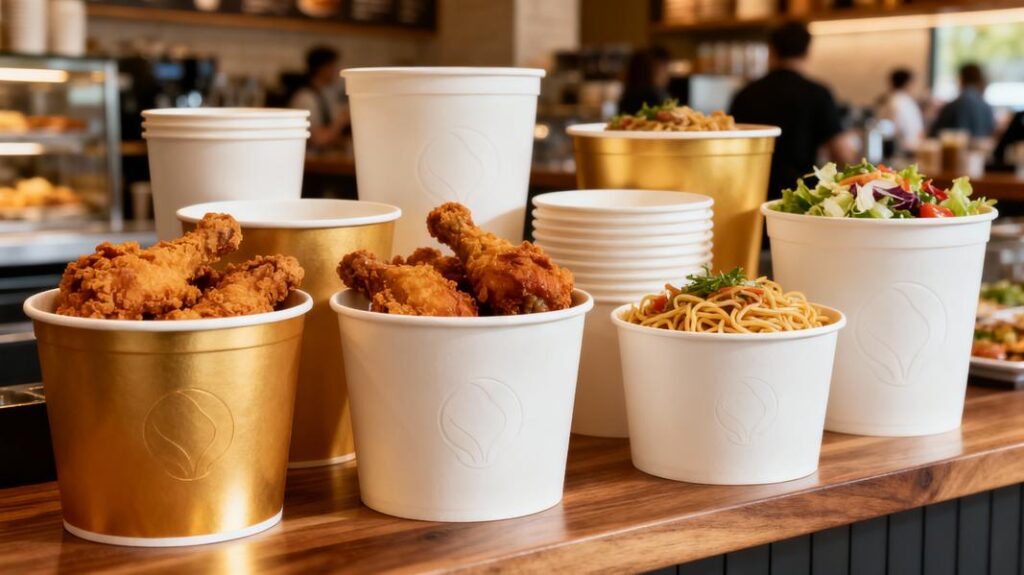
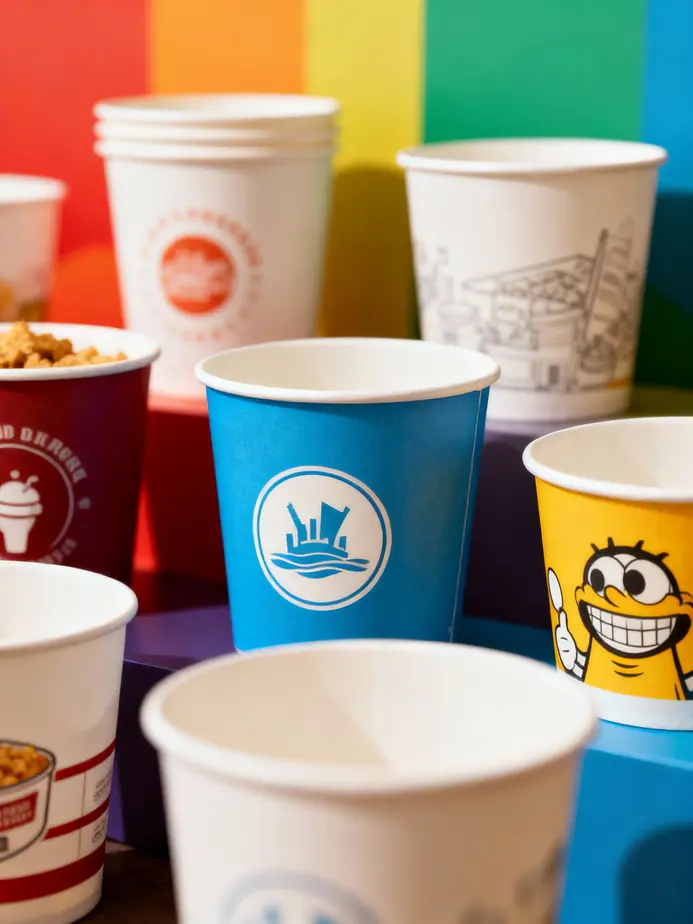
For the food service industry, Chinese suppliers also produce specialty food buckets, perfect for serving fried chicken or take-out noodles. These buckets combine practicality with branding opportunities; many manufacturers offer customization options, allowing businesses to print logos and designs, thus enhancing visibility and customer recognition.
The design flexibility extends to complementary items such as kraft paper cups and pizza boxes, creating comprehensive packaging solutions from single sources. This approach not only streamlines the procurement process but also supports businesses in their commitment to sustainability.
Sustainable Features and Certifications
The eco-friendly attributes of these disposable paper buckets extend beyond the materials used. Many variants come with certifications that align with international safety and environmental standards. For instance, CE certification affirms compliance with European safety standards, giving consumers confidence in the product’s reliability. Moreover, the use of soy-based inks for printing ensures that even the branding process remains environmentally sound.
Benefits that Drive Demand
The demand for disposable paper buckets is spurred by several key benefits that address the needs of modern consumers and businesses alike. Firstly, the eco-friendliness of various products, many of which are biodegradable and compostable, resonates with today’s sustainability-minded clientele. This appeal is further enhanced by the ability for consumers to source these products directly from manufacturers, often at reduced costs compared to intermediate suppliers.
Additionally, many manufacturers provide all-in-one solutions—from customization to shipping—making it easy for businesses to order tailored products for different events, whether for promotional campaigns, food festivals, or everyday dining. Quick sampling options and competitive pricing strategies create an attractive proposition for potential buyers, solidifying these products’ placement in the food packaging market.
Versatility Across Industries
The versatility of disposable paper buckets extends to various industrial applications. They are a critical component for outdoor events, catering services, and even home use. Their design allows for secure stacking, enabling efficient transport and storage, which is particularly valuable for businesses managing limited space. Furthermore, the aesthetic appeal of these buckets, often enhanced by high-quality finishes and customizable designs, makes them suitable for upscale dining experiences.
Exploring Additional Applications
Beyond traditional food service uses, the range of disposable paper buckets also meets the needs of diverse markets. For instance, recent trends in health-conscious and environmentally friendly packaging have driven the creation of items such as biodegradable takeout bowls and kraft paper soup buckets. These innovations cater to the needs of various consumer bases, from health food enthusiasts to busy parents seeking convenient meal solutions.
The emphasis on customization and sustainability makes disposable paper buckets not just a fleeting trend but an essential part of a modern, eco-conscious lifestyle. The ability to adapt designs and materials ensures that as consumer preferences evolve, manufacturers can swiftly meet those demands.
Conclusion
The landscape of disposable paper buckets from China is marked by its innovation and environmental commitment. With robust designs, diverse applications, and a variety of features that cater to different needs, these products represent a crucial aspect of the food packaging industry. As the movement towards sustainability continues to grow, so too will the adoption of these versatile and eco-friendly packaging solutions across various sectors.
2. The Role of Disposable Paper Buckets in the Evolving Food and Beverage Landscape
Disposable paper buckets manufactured in China have carved out a distinct niche in the food and beverage industries, adapting seamlessly to a variety of applications that prioritize convenience and sustainability. With the global shift towards eco-friendly packaging solutions, these paper buckets represent a compelling alternative to traditional plastic containers—enabling restaurants, cinemas, and takeout services to meet consumer demands for greener options while also maintaining operational efficiency.
In the food sector, disposable paper buckets are adeptly utilized for packaging an assortment of popular items, including popcorn, fried chicken, snacks, soups, salads, and combo meals. Their inherent qualities, such as lightweight design and stackability, make them exceptionally convenient for high-traffic environments like cinemas and food concession stands. Not only do they provide practicality in storage and transport, but they also enhance the overall dining experience by ensuring food remains fresh and warm during transit.
Design and Functionality
The versatility of these paper buckets hinges on innovative design features tailored for specific food items. For instance, popcorn buckets generally range from 85 ounces, allowing moviegoers to enjoy a generous serving while encouraging minimal waste through effective portion control. A well-designed bucket provides adequate insulation, keeping hot items—such as freshly cooked fried chicken—moist and flavorful, which is crucial for customer satisfaction and repeat business.
What further distinguishes these disposable paper buckets are the various coatings employed, enhancing their moisture and grease resistance. These coatings, made from bio-based substances like PLA, a corn-starch derivative, or water-based options, ensure compliance with FDA food-contact safety standards. By withstanding temperatures of up to 175°F (80°C), these buckets preserve the integrity of both hot and cold food items, reinforcing their reliability in fast-paced food service settings.
Dual-Compartment Designs and Broader Applications
Moreover, dual-compartment designs are becoming increasingly popular, allowing establishments to creatively combine snacks and beverages in a single, convenient package. This feature is especially appealing in scenarios such as fast food outlets or during large events where consumers seek quick, integrated meal options. Such innovations facilitate the packaging of diverse food items, including paper tubs for appetizers, burgers, fries, hot dogs, and soups in disposable formats. Enabling customers to enjoy multiple culinary choices without the hassle of multiple containers enhances the dining experience and aligns with modern convenience culture.
Several Chinese manufacturers, such as AnCheng, have emerged as leaders in producing these specialized buckets, consistently emphasizing renewable sourcing materials and sustainable practices. This focus aligns with the broader trend within the food packaging industry to increase the use of recycled content and biodegradable practices, thereby reducing reliance on less environmentally-friendly alternatives like polystyrene (PS). According to recent market data, there was a notable 15-20% decrease in PS usage over the past year, illustrating a significant shift toward adopting paper-based packaging solutions.
Sustainability Trends and Consumer Preferences
The responsibility to support sustainability resonates strongly with current consumer preferences. Businesses are now actively promoting initiatives around “eco-buckets,” leveraging brand loyalty programs by offering reusable variants. This not only enhances their commitment to sustainability but also improves their brand image among increasingly eco-conscious consumers. In addition, establishments such as theaters and restaurants are engaging in corporate campaigns to encourage recyclable usages, fostering a community-oriented approach to environmental stewardship.
Sustainability isn’t merely a trend; it represents a fundamental shift in consumer attitudes. In response, brands are integrating natural packaging into their marketing strategies, employing packaging materials that bolster their environmental commitments. The popularity of disposable paper buckets dovetails with this movement, as they are not only cost-effective but also cater to the demands of consumers seeking eco-friendliness.
Thus, the integration of disposable paper buckets into the food and beverage industry opens doors to myriad applications and innovations. The capacity for customization, including printed logos and designs, also allows brands to maintain a competitive edge while promoting their commitment to sustainability and convenience. The evolution of disposable paper buckets exemplifies how the food sector can embrace and adapt to changing consumer preferences without sacrificing quality or operational efficiency.
The utilization of disposable paper buckets represents an important facet of the food industry’s commitment to sustainability and practicality. As businesses continue to prioritize eco-friendly solutions, the future of packaging looks promising, with Chinese manufacturers leading the charge in innovating and supplying sustainable options to meet the evolving needs of the global market. For those interested in exploring customizable options, this link provides a closer look at available products that exemplify these ecological advancements.
3. Balancing Eco-Friendliness: The Environmental Footprint of China’s Disposable Paper Buckets
The rise of disposable paper buckets in China, particularly for food service, showcases a growing commitment to sustainability within the packaging industry. These buckets, broadly utilized for snacks like popcorn and meals like soups, stand out as environmentally friendlier options compared to their plastic counterparts. However, understanding their environmental impact requires an exploration of their lifecycle from manufacturing to disposal, allowing us to identify both the advantages and challenges they present in cultivating a sustainable future.
Resource Use and Production
Disposable paper buckets are predominantly made from renewable materials, such as wood pulp sourced from sustainably managed forests or recycled paper, minimizing the need for virgin resources. This utilization is crucial, as it significantly lowers the carbon footprints and energy demands associated with production compared to traditional plastic packaging. Nonetheless, the manufacturing processes involved in producing these paper products can pose environmental challenges. The pulping of paper, often reliant on intensive water and energy consumption, contributes to detrimental emissions, particularly in regions where eco-efficient practices are not yet standard. Progress toward zero-waste production processes must become central to manufacturers’ agendas, ensuring that the environmental benefits of paper buckets are realized without offsetting gains through pollution from unsustainable practices.
Biodegradability and Waste Management
When it comes to waste management, disposable paper buckets exhibit clear advantages due to their inherent biodegradability and recyclability. Many of these products are designed with compostable features, utilizing natural coatings such as PLA (polylactic acid derived from corn starch) or bagasse (sugarcane fiber), which facilitate decomposition in industrial composting facilities. This transformation reduces landfill waste, promoting a circular economy where materials are repurposed rather than discarded.
However, not all coatings enable such green pathways. Buckets lined with petroleum-based plastic coatings, such as polyethylene (PE), compromise the recyclability of paper and hinder complete breakdown in composting systems, which can lead to environmental repercussions if disposed of improperly. Consequently, while paper-based products hold strong potential for eco-friendliness, their environmental benefits can be severely undermined by inadequate disposal and the presence of non-biodegradable materials.
Challenges in Disposal Practices
The challenge regarding proper disposal cannot be overstated. Despite the existence of modern facilities capable of composting, improper disposal in non-industrial settings often leads to incomplete decomposition, exacerbating local waste problems. This situation is further complicated by the use of PET lids, typically attached to these buckets. When subjected to high temperatures, PET can deform and let out harmful toxins, thereby increasing the environmental impact of an otherwise sustainable bucket. Recognition of these challenges is essential for stakeholders across the food service industry, which must push towards integrated waste management strategies, ensuring that every step—from manufacturing to disposal—is aligned with eco-friendly practices.
Sustainability Improvements on the Horizon
Chinese manufacturers are increasingly prioritizing sustainable production methods and materials that meet international environmental standards, such as ASTM and BPI, which cover compostability and eco-friendliness. The shift towards bagasse or PLA coatings reflects a growing consciousness about pollution and resource renewal. In particular, the trend towards utilizing recycled paperboard not only responds to consumer demands for greener products but also plays a crucial role in reducing plastic pollution, particularly in high-volume sectors like takeout food. This realignment toward sustainable materials indicates broader confidence in the market’s ability to adapt and leverage eco-friendly practices.
Additionally, zero-waste production claims are becoming more common, with certifications from recognized entities like the FDA and LFGB adding credibility to manufacturers’ sustainability appeals. However, diligence in verifying these claims through rigorous testing for components like heavy metals is vital to ensure that manufacturers remain committed to producing genuinely safe and sustainable food packaging options.
In summary, the path to genuine environmental sustainability for disposable paper buckets in China is feasible but requires careful consideration of material choices, sourcing from renewable resources, and the establishment of effective composting infrastructure. These factors combined dictate the overall efficacy of paper buckets in reducing environmental footprints. Current assessments point to bagasse options presenting the lowest impact, reinforcing the need for continued innovation and improvement in eco-friendly practices that can lead the industry toward a greener future. The increasing emphasis on sustainability within this market has the potential to shape consumer behaviors and drive significant changes in operational practices.
For more examples of environmentally friendly packaging solutions, visit Cofe Cup.
Final thoughts
China’s disposable paper buckets present a wealth of opportunities for businesses aiming to enhance their packaging strategies. Their eco-friendly materials and diversity cater to various applications, from food service to customizable branding options. Understanding the manufacturing processes and material benefits can empower business owners to make responsible choices that resonate with consumers who prioritize sustainability. Embracing these solutions can not only streamline operations but also bolster your brand’s commitment to environmental responsibility.
Choose our reliable disposable tableware and packaging solutions for your business. We offer quality products that meet safety standards, with fast delivery and flexible options. Partner with us today to elevate your service – contact our team now for a tailored quote!
About us
We specialize in manufacturing and supplying disposable tableware, packaging paper, and boxes. With years of experience, we prioritize safety, durability, and eco-friendly practices. Our goal is to provide businesses with trusted, cost-effective solutions backed by responsive customer support.