
Introduction
As the food industry increasingly shifts towards eco-friendly solutions, 1500ml paper bowls stand out as a versatile option suitable for various dining contexts. These disposable, food-grade containers are crafted from high-quality kraft paper, allowing for both hot and cold meal applications. Business owners can maximize their offerings while aligning with environmental values through the adoption of these bowls. This article will explore the design and material properties of 1500ml paper bowls, their manufacturing processes, market applications, and sustainability impact, providing comprehensive insight for business considerations.
Tables of Contents
Chapter 1: Innovative Aspects of Material Engineering in 1500ml Paper Bowls
- Exploring the Composition and Design Attributes of 1500ml Paper Bowls
- Design Specifications: Their Role in Shaping 1500ml Paper Bowls
- Biodegradability and Sustainability: Navigating the Green Frontier of 1500ml Paper Bowls
Chapter 2: Streamlining Production: The Advanced Techniques Behind 1500ml Paper Bowls
- Innovative Manufacturing Techniques in the Production of 1500ml Paper Bowls
- Upholding Standards: The Essential Role of Quality Control in 1500ml Paper Bowl Manufacturing
- Embracing Sustainability in the Lifecycle of 1500ml Paper Bowls
Chapter 3: Exploring the Versatile Roles of 1500ml Paper Bowls in Modern Food Services
- Strategic Uses of 1500ml Paper Bowls in Streamlined Food Packaging and Delivery Solutions
- Transforming Waste into Resources: The Economic Benefits of 1500ml Paper Bowls in Sustainable Practices
- Navigating the Shift: Societal Pressures and the Embrace of 1500ml Paper Bowls
Chapter 4: Eco-Conscious Choices: The Role of Material Composition in the Sustainability of 1500ml Paper Bowls
- The Interplay of Material and Production Techniques on the Environmental Footprint of 1500ml Paper Bowls
- Navigating the Lifecycle and Environmental Responsibilities of 1500ml Paper Bowls
- Navigating Certifications, Benefits, and Challenges in the Sustainability of 1500ml Paper Bowls
Chapter 1: Innovative Aspects of Material Engineering in 1500ml Paper Bowls
1. Exploring the Composition and Design Attributes of 1500ml Paper Bowls
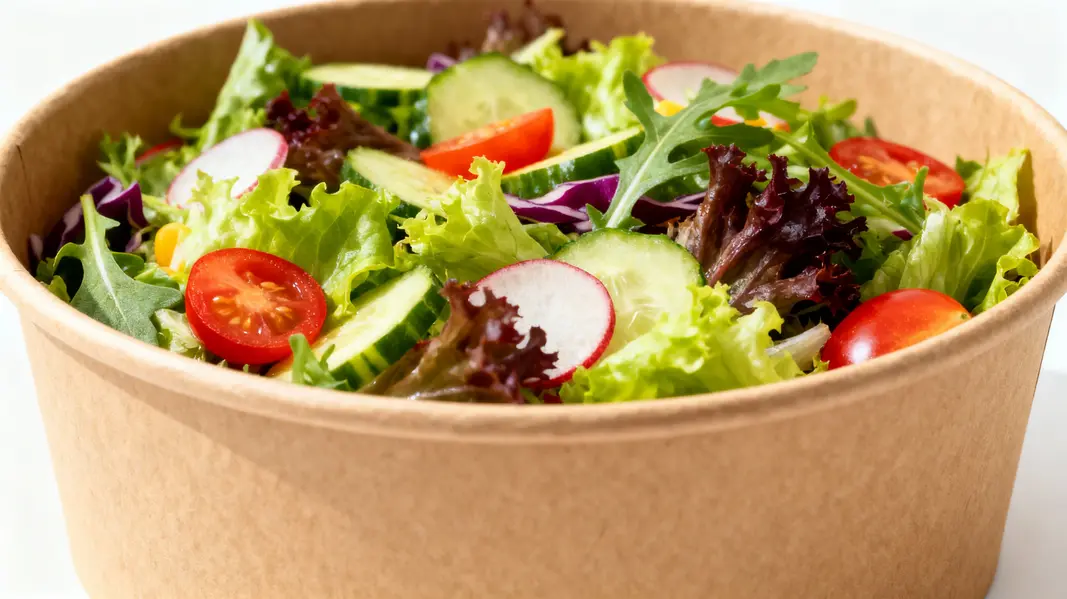
The 1500ml paper bowl has emerged as a favored option in the disposable food container market, notable for both its functionality and environmental credentials. Understanding the intricacies of its material composition is vital for manufacturers, food service providers, and environmentally conscious consumers alike. At the heart of these bowls lies kraft paper, recognized for its food-safe properties and sustainability. Kraft paper has gained prominence not just for its structural integrity but as a biodegradable option that significantly reduces environmental footprints associated with standard disposable products.
The construction of these bowls generally features a heavy paper stock typically around 16.5-pt thickness. This ensures durability and optimal performance in various food service applications, from hot meals to salads. The choice of kraft paper is deliberate, as it offers excellent moisture resistance and strength, an essential aspect when dealing with liquids and hot foods. Many 1500ml paper bowls are designed with either single-wall or double-wall structures. The single-wall variant is sufficient for conventional use, while the double-wall construction provides extra reinforcement and insulation, which becomes critical when dealing with hot servings, preventing heat transfer to consumers’ hands.
A notable aspect of design is the versatility offered through various models. Some 1500ml paper bowls contain compartments, enhancing their usability for serving mixed food items. This characteristic foregoes the necessity of multiple containers for different food types, thereby streamlining the dining experience, especially in catering settings. Standard dimensions of approximately 17.5 x 14 x 6.5 cm facilitate a balanced portion size, perfect for satisfyingly generous servings without compromising on presentation.
The eco-friendliness of these bowls remains a strong selling point. They are marketed as biodegradable options made from materials intended to decompose naturally, thus contributing to waste reduction. In different environments, such as food trucks or events, having disposable yet eco-sensitive options becomes an invaluable asset. This sustainability angle enhances their appeal among consumers who prioritize green solutions in their purchasing decisions.
While kraft paper predominates, alternative materials also exist in the same category for those seeking additional features. For example, polylactic acid (PLA) is a biodegradable option derived from renewable resources like corn starch, enhancing the bowls’ compostability. Meanwhile, polypropylene (PP) linings can add heat resistance but limit complete biodegradability, presenting a trade-off that various manufacturers must consider based on the intended use of their products.
Moreover, waterproof coatings are sometimes utilized, providing critical protection against moisture without compromising the paper’s compostability. While explicit details on such coatings are not universally standardized across all manufacturers, reputable food-grade certifications help ensure their use aligns with food safety standards such as those from regulatory bodies like the FDA.
The design attributes of these bowls further elevate their market readiness. The exterior offers options for customization, allowing businesses to print logos or branding directly onto the bowl surface. Additionally, these bowls are designed in shapes that can accommodate stacking for efficient storage and transport. Features like leak-proof flaps or matching lids are commonly available, catering to the logistics of take-out cuisine and ensuring customer satisfaction during delivery.
In terms of practical applications, the 1500ml paper bowl excels across various settings, from catering services to busy restaurant take-out operations. Their disposability meshes seamlessly with the fast-paced dining environment that modern consumers demand, making them an excellent choice for those seeking convenience without forsaking environmental responsibility.
While numerous benefits abound, it’s important to recognize limitations in variability based on manufacturers and specific product offerings. Some alternative options, such as fully plastic containers, are outside the scope of paper products but may arise in competitive discussions.
Ultimately, the 1500ml paper bowl serves not just as a vessel for culinary creations but as a reflection of contemporary demands for quality, practicality, and sustainability in food service. The blend of expertly engineered materials and thoughtful design considerations positions these bowls at the forefront of both consumer preference and ecological accountability. For more information on similar sustainable food packaging options, refer to sources focusing on eco-friendly solutions, such as those at Art Flow Packaging.
2. Design Specifications: Their Role in Shaping 1500ml Paper Bowls
The design specifications of 1500ml paper bowls are fundamental to their functionality and usability, influencing various aspects from material selection to manufacturing processes. Manufacturers focus on capacity, dimensions, shape, and compatibility with lids to create an optimal product for diverse food service applications. With a standard capacity of 1500ml, these bowls typically feature common top diameters of 145-185mm and heights ranging between 61-64mm. For instance, a frequently utilized model for salad bowls measures 18516061/64mm, indicating the importance of precise dimensions in meeting user needs while ensuring compatibility with automated production techniques.
The shape of these bowls, predominantly round or cylindrical, is crucial for efficient stacking and fitting of lids. A round design not only supports even stacking but also helps maximize space during transport. This structural choice is especially relevant in contexts such as food trucks, where space is premium and efficient storage solutions are necessary. Plain designs are typically custom-molded to accommodate specific requirements of buyers while maintaining a strong connection to functionality. These bowls often incorporate a single compartment, designed for ease of serving and transporting food items.
Lid compatibility further enhances the usability of 1500ml paper bowls. These bowls are designed to work with various types of lids, including PET, PP, and paper lids, with standard rim designs to facilitate secure closures. The integration of lids prevent leaks, proving essential for both hot and cold food items. An example of effective lid design can be seen in the incorporation of φ172mm paper lids, which not only enhance portability but also ensure that the contents remain secure during transit.
As the capacity of 1500ml bowls necessitates wider diameters (ranging from 165-185mm) and adjusted heights, it is essential for the production process to maintain structural integrity throughout molding and ejection phases within automated machinery. This efficiency reduces risks during manufacturing, allowing for greater customization tailored to specific food volumes, such as salads and other takeout items. The synergy between design shapes and manufacturing processes promotes optimal performance and user satisfaction.
The specifications also heavily influence the material composition of these paper bowls. The primary materials include food-grade paper or kraft paper, available in white or brown variants. The base material must possess the desired thickness to prevent collapse while providing sufficient strength to contain a 1500ml volume. Typically, this involves using papers with a weight comparable to 37.5g, similarly rated for disposable plastic counterparts but adjusted for the specific features of paper. Coating options may also be deployed for enhanced grease and oil resistance, vital for food service applications that require durability and consumer safety.
The specifications of the bowls further balance recyclability and sustainability purposes. With increasing environmental awareness, manufacturers focus on creating bowls that are recyclable, biodegradable, and eco-friendly. This focus conserves natural resources while still providing high-quality solutions. For instance, custom alternatives can modify these standard bowls for specific functionalities such as microwave utilization or improved heat retention.
At the core of these design specifications lies a critical consideration: ensuring that the bowls remain lightweight yet rigid enough to support various food options. The design fosters a competitive edge in the market by allowing for bulk packaging, accommodating 50-600 pieces per carton, which increases efficiency in distribution and reduces handling costs. Such tailored, responsive manufacturing processes reflect the significant impact of design specifications on the market viability of the 1500ml paper bowls. For further insights into customizable designs and their advantages, refer to relevant articles on customized kraft paper bowl packaging.
3. Biodegradability and Sustainability: Navigating the Green Frontier of 1500ml Paper Bowls
As environmental awareness continues to shape consumer preferences and business practices, the design and material composition of 1500ml paper bowls reflect crucial steps toward sustainable packaging solutions. Emphasizing biodegradability, these bowls are crafted predominantly from kraft paper, a natural material sourced from wood pulp that aligns with eco-friendly objectives. The inherent properties of kraft paper not only allow for ease of biodegradation but also contribute to a reduced environmental footprint when disposed of properly. Each bowl, typically measuring approximately 185mm in diameter and 160mm in height, weighs around 37.5g, making them lightweight and easy to transport while minimizing waste associated with heavier materials. Additionally, these bowls are generally packaged efficiently, with 50 pieces per bag and 12 bags per carton, further reducing the environmental impact during transit.
In an effort to diversify their environmental credentials, manufacturers are increasingly adopting compostable materials in their offerings. For instance, lines such as ECOfusion utilize premium cardboard and plant-based coatings that not only support hot and cold food applications but also ensure complete compostability without leaving harmful microplastics behind. This shift is pivotal, as it aligns with the rising expectation for products to be not only functional but also responsible. By leveraging innovative barrier materials like water-based coatings or polylactic acid (PLA)—derived from renewable sources—these paper bowls effectively mitigate reliance on traditional plastics. This comprehensive approach to materiality serves to safeguard food while simultaneously championing sustainability.
Moreover, the design features of 1500ml paper bowls are instrumental in their environmentally friendly narrative. The stackable design allows for greater transport efficiency and less storage space in retail environments, which contributes to lower carbon emissions during distribution. By avoiding non-recyclable linings that tend to complicate the recycling process, manufacturers are actively minimizing the bowls’ entire lifecycle impact on the planet.
However, the effectiveness of these eco-friendly solutions heavily depends on proper disposal methods. For instance, composting is a viable end-of-life option that promotes complete degradation when bowls are processed in controlled facilities. On the other hand, recycling is a more complex endeavor influenced by factors such as food contamination. Instances where food residues remain on the bowls can inhibit the recycling process and lead to them being diverted to landfills. This underscores the necessity for consumer education, highlighting the need to ensure that items are adequately cleaned before disposal to realize their full sustainability potential.
The exploration of these biodegradable options reveals significant limitations and challenges that still need addressing. For example, the coatings used in production can vary widely among brands; some legacy paper bowl designs incorporate polyethylene linings that pose recycling difficulties. This inconsistency can lead to consumer confusion regarding the best disposal methods, which may ultimately affect the overall environmental benefits intended by transitioning to paper alternatives. Furthermore, regional discrepancies in composting infrastructure can further complicate matters. Not all areas have access to industrial composting facilities, which diminishes the effectiveness of compostable products in certain markets.
In conclusion, the evolution toward using biodegradable materials for 1500ml paper bowls signifies a meaningful commitment to environmental stewardship. As manufacturing practices advance and consumer preferences shift, the alignment of these products with broader sustainability initiatives presents a promising path forward. While producers undertake the responsibility of adopting eco-friendly materials and designs, a collective effort from consumers in adopting proper waste management practices is equally vital for sustainable success. Ultimately, embracing these advancements can contribute significantly to reducing the carbon footprint associated with food packaging.
To learn more about eco-friendly packaging solutions, visit Cofe Cup.
Chapter 2: Streamlining Production: The Advanced Techniques Behind 1500ml Paper Bowls
1. Innovative Manufacturing Techniques in the Production of 1500ml Paper Bowls
The production of 1500ml paper bowls reflects a sophisticated integration of material science and automation, designed to efficiently meet consumer demands for convenience and sustainability in food service. The journey from raw materials to finished product is a well-orchestrated process primarily driven by advanced machinery, setting it apart from traditional manufacturing methods that often start from raw pulp. This subchapter delves into the intricate manufacturing processes, key materials, and environmental implications associated with these popular disposable food containers.
At the heart of 1500ml paper bowl production is the use of PE-coated paper. This material is essential for providing moisture resistance and waterproofing capabilities, which are crucial for containers designed to hold hot or wet foods. Additionally, food-grade cardstock or kraft paper contributes to the structural integrity of the bowls, allowing them to maintain their shape even when filled with substantial quantities of food. Customization options through the application of food-safe inks enable branding and design adaptability, enhancing market appeal. For environmentally conscious consumers, the introduction of biodegradable variants utilizing eco-friendly coatings is increasingly prominent, responding to the growing demand for sustainable packaging solutions.
Core Manufacturing Techniques
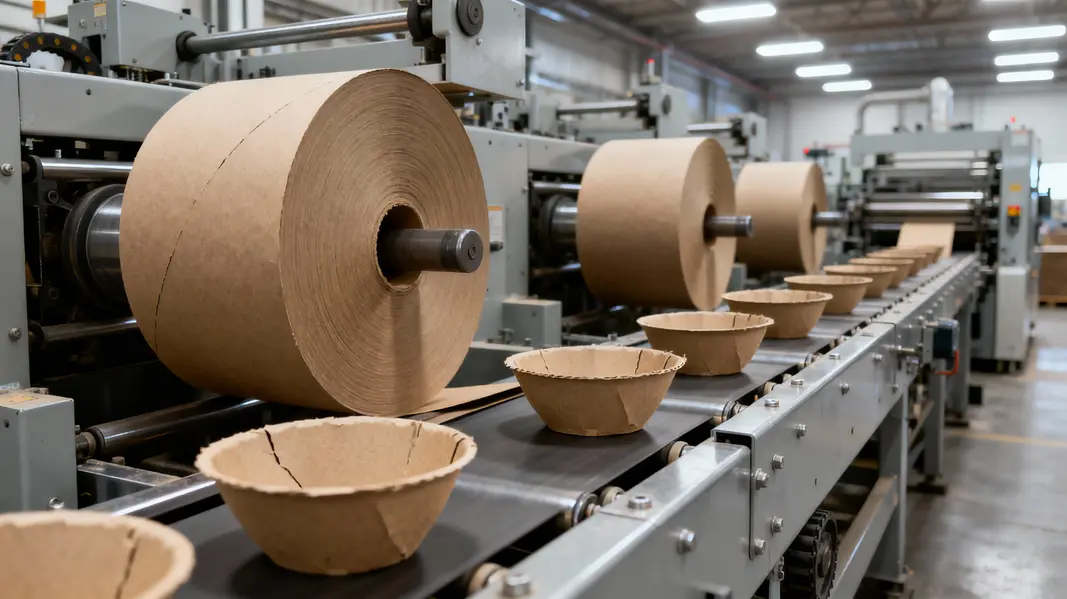
The manufacturing process for 1500ml paper bowls involves several key stages, each designed to maximize efficiency and product quality. The initial step is printing, where food-grade inks are applied to large rolls or sheets of the coated paper, allowing manufacturers to create vibrant, customized designs that attract consumer interest. Following printing, the sheets undergo die-cutting, where they are shaped into fan-like blanks, a precursor to forming the actual bowls.
Next, the shaping and forming stage uses Programmable Logic Controller (PLC) controlled machines. This step involves loading the pre-cut paper sheets into the machine, which then applies heat to soften the material. The machine folds the edges, rolls up the sides, and seals seams using state-of-the-art ultrasonic techniques or adhesives. This precise mechanization ensures that the bowls take on their characteristic deep and wide forms efficiently.
A critical component of this process is bottom sealing, where pre-cut bottoms are attached to the walls of the formed bowls. This step involves heating, folding, and knurling the edges, further enhancing the strength and durability of the product. Rim curling is the next step, where the edges of the bowls are rolled. This not only adds to the bowl’s aesthetic appeal but also reinforces its strength, ensuring that it withstands the rigors of transport and customer use.
Each bowl undergoes rigorous quality control checks, ensuring that any defects are identified and rectified before they are packed for distribution. This level of attention to detail underscores the importance of quality assurance in maintaining the standards expected by consumers and businesses alike.
The integration of advanced automation throughout these processes significantly reduces the reliance on manual labor, enhancing production speed and efficiency while minimizing waste. Unlike craft methods, such as paper mache—a labor-intensive process unsuitable for mass production—modern machinery allows for a streamlined approach focused on consistency and quality.
Environmental Considerations
In light of rising environmental awareness, the industry has made strides in utilizing FSC-certified and recycled PE-coated materials. Many manufacturers are not only focused on creating durable products but also on embracing practices that reduce waste generation. The ongoing development of biodegradable paper bowls with plant-based coatings signifies a positive shift toward sustainable packaging. This evolution in manufacturing techniques aligns with global trends prioritizing eco-friendly solutions in food service operations.
As consumer preferences move toward sustainability, the manufacturing of 1500ml paper bowls stands as a testament to innovation in both design and production methodologies. The combination of advanced machinery, high-quality materials, and a commitment to environmental responsibility underscores the potential for these products to cater to modern demands while mitigating ecological impacts. The future of paper bowl production will likely continue exploring new materials and manufacturing techniques, further enhancing their viability in the evolving landscape of food packaging.
2. Upholding Standards: The Essential Role of Quality Control in 1500ml Paper Bowl Manufacturing
Quality control (QC) is a critical component in the manufacturing process of 1500ml paper bowls, which cater to the growing demand for disposable, eco-friendly food containers. With a capacity suitable for serving large meals such as salads or pasta, it is imperative that these bowls meet stringent standards across various manufacturing phases, from raw material selection to final inspection. A robust QC system not only assures product safety but also enhances customer satisfaction and compliance with relevant regulations.
The journey of ensuring quality begins with the meticulous inspection of incoming raw materials. Food-grade paperboards, such as kraft or white paper, undergo intensive assessment to confirm they adhere to regulatory standards. Specific tests measure the thickness and moisture content of the paper, minimizing the risk of defects in the final products. Furthermore, microbial limits testing determines whether the raw materials are free from harmful contaminants, ensuring food safety. Additive testing is equally vital, as it checks for the presence of undesirable chemicals, including fluorescent whitening agents and heavy metals. This foundational assessment guarantees that only the highest quality materials proceed to production.
As the manufacturing process begins, a series of critical controls are implemented. Among the first steps is pulping, where wood fibers are processed into pulp, followed by sheet formation. The application of polyethylene (PE) coatings is essential for moisture and heat resistance, enhancing the bowl’s functionality. Each stage of this production requires real-time monitoring, notably during the coating application, where critical temperature control ensures optimal adhesion.
Beyond process monitoring, QC extends to rigorous testing of the bowls formed from the coated sheets. ASTM F2824 testing evaluates the peel seal strength for lidded bowls, ensuring they can be securely sealed without compromising integrity upon opening—a crucial feature for takeout applications. Regular microbial testing during production stages ensures that contamination risk remains negligible, while equipment maintenance checks minimize defects that might stem from mechanical inconsistencies.
The final product inspection is another layer of the comprehensive QC system, encompassing visual assessments and dimensional verification. Inspectors diligently check for any visible deformities or coating inconsistencies while confirming that the bowls conform to capacity specifications, typically around 1500ml with standard dimensions of 6-7 inches in diameter and 2.5-3 inches in height. Water resistance tests are instrumental in determining the effectiveness of the applied coatings, ensuring that the bowls can withstand moisture while holding their structural integrity.
Emphasizing performance, heat exposure trials are conducted to guarantee that the bowls can endure temperatures from 85°C to 95°C for a duration of 30-45 minutes with minimal deformation. Drop strength tests further validate the durability of the bowls during handling and transportation, crucial for maintaining quality during distribution.
The manufacturing of 1500ml paper bowls also aligns with several international standards, such as ISO 9001, which focuses on maintaining quality management systems throughout the production process, and FDA regulations that confirm the safety of materials intended for food contact. Additionally, FSC certification reflects a commitment to sustainable sourcing of materials—an important feature for environmentally conscious consumers.
Despite rigorous QC protocols, challenges exist within the manufacturing process. Variability in materials from suppliers can lead to discrepancies in product quality. Moreover, consistent machinery maintenance and the provision of ongoing training for staff are paramount to sustaining high standards. Implementing batch testing, maintaining a clean production environment, and adhering to proper certifications are effective strategies to combat these challenges. As the industry evolves, continual advancements in QC technologies and practices will pave the way for higher quality, regulatory compliance, and consumer satisfaction.
In this light, the intersection of quality control and sustainable manufacturing practices underscores the significance of creating reliable, eco-friendly disposable 1500ml paper bowls that not only meet market demands but also enhance public health and environmental standards. By implementing rigorous testing and adherence to production protocols, manufacturers can ensure that every bowl delivered holds up to consumer expectations and regulatory requirements. For those interested in exploring packaging solutions that marry innovation with sustainability, options such as customized eco-friendly containers are becoming increasingly popular, as seen in various offerings that leverage kraft paper for reliable, dependable food storage.
3. Embracing Sustainability in the Lifecycle of 1500ml Paper Bowls
Sustainability has become a driving concern in various industries, especially within food packaging. The manufacturing of 1500ml paper bowls exemplifies this shift towards more eco-conscious practices, focusing on reducing waste and utilizing renewable resources. As public awareness of environmental issues grows, manufacturers are motivated to adopt sustainable strategies that align with both consumer demands and regulatory standards. The journey of a 1500ml paper bowl from production through to disposal embodies the importance of sustainability in packaging solutions.
A significant hallmark of sustainable manufacturing is the use of materials that are sourced responsibly. Manufacturers often turn to food-grade paperboard that is derived from FSC-certified forests, ensuring that the wood used for their products comes from responsibly managed sources. Beyond conventional paper, innovative materials such as NoTree® bamboo and sugarcane bagasse are emerging as popular alternatives. These materials offer significant environmental benefits; they are tree-free and fully renewable, providing a competitive edge in the market as consumer preferences shift towards greener options.
The coatings applied to these bowls further reinforce their sustainability credentials. Eco-friendly coatings such as compostable Polylactic Acid (PLA), derived from renewable plant starches, endow the bowls with water and oil resistance necessary for containing a variety of foods. Importantly, PLA breaks down in commercial composting facilities within approximately 180 days, significantly shorter than traditional plastic options. The use of aqueous barriers offers a noteworthy alternative to conventional polyethylene linings, allowing the 1500ml paper bowls to maintain their integrity while remaining fully recyclable, thus contributing to a circular economy approach.
Precision is key in the manufacturing processes employed for these bowls. Techniques such as die-cutting and folding ensure high-quality production while minimizing material waste. The adoption of sustainable inks, free of harmful chemicals like PFAS, enhances the ecological integrity of the product. This recognition of environmental impact extends even to the branding options available for these bowls. By promoting logos on renewable substrates, companies improve hygiene standards for high-fat foods while aligning themselves with the rapidly growing green procurement movement.
Manufacturers face challenges in implementing these sustainable practices, particularly concerning the regional availability of composting and recycling facilities. In markets where the infrastructure is lacking, the sustainability benefits can be compromised. However, as the global focus shifts toward plastic reduction and waste management, the necessity for facilities that can accommodate composting and recycling will likely pave the way for improved circular design strategies within the foodservice industry.
The benefits of constructing 1500ml paper bowls from sustainable materials extend to both businesses and consumers alike. By utilizing eco-friendly solutions, brands can effectively communicate their social responsibility to customers, potentially enhancing their market appeal. Moreover, the integration of custom designs and features, such as matching compostable lids, underscores a commitment to reducing the environmental footprint in food packaging—a vital consideration as consumer awareness continues to rise.
In conclusion, the manufacturing of 1500ml paper bowls presents a clear opportunity to leverage sustainable materials and processes. With ongoing advancements in technology and materials science, manufacturers can enhance their production methods while contributing to a healthier planet. As the industry progresses, maintaining a focus on sustainability will be crucial, ensuring that every step from sourcing to end-of-life aligns with the values of eco-conscious consumers seeking packaging solutions that protect both food and the environment. For those interested in exploring a full range of sustainable options, the market continually evolves, with suppliers offering an extensive selection including customized kraft paper solutions.
Chapter 3: Exploring the Versatile Roles of 1500ml Paper Bowls in Modern Food Services
1. Strategic Uses of 1500ml Paper Bowls in Streamlined Food Packaging and Delivery Solutions
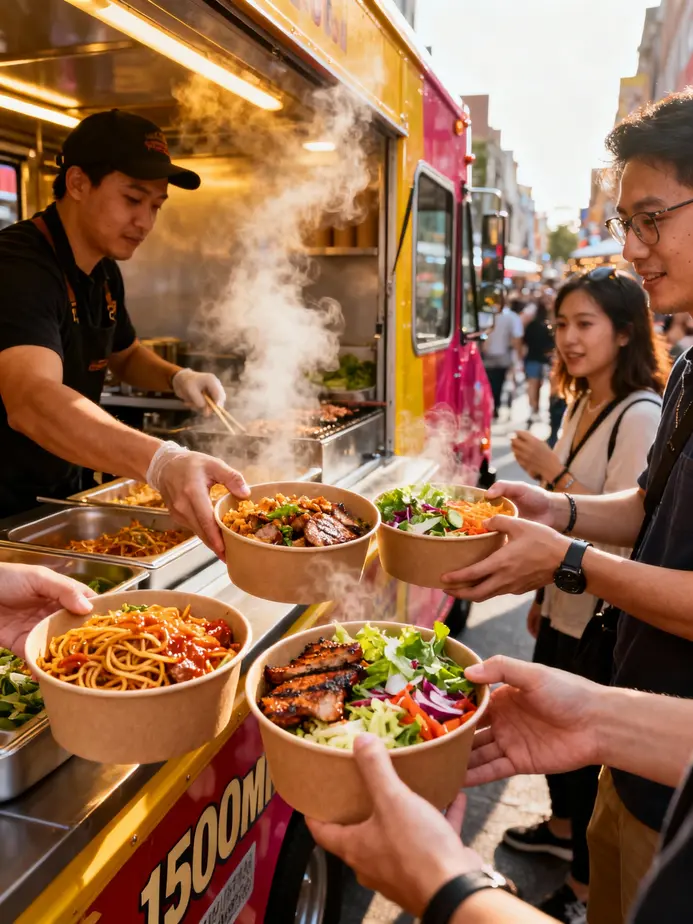
The rise of the 1500ml paper bowl reflects a rapidly evolving food service landscape, where convenience and sustainability are increasingly prioritized. These disposable, food-grade containers are more than mere packaging; they are strategic assets in food delivery and service. Their robust design allows for versatility in serving various meals—covering everything from fragrant soups and steaming noodles to colorful salads and fresh fruits. Their applications span across takeout, restaurant services, and large-scale catering, making them indispensable for food industry players.
One of the primary applications of 1500ml paper bowls is in the packaging of salads and cold food items. Perfectly sized to accommodate generous portions, their aesthetic kraft paper construction provides an appealing, natural look that resonates well with health-conscious consumers. These bowls enable food providers to present vibrant salads—layered with fresh ingredients—in an alluring manner, contributing to the dining experience even before the meal is served. The biodegradable aspects of some models further enhance their eco-friendly appeal, allowing establishments to align with sustainability goals while catering to the modern customer’s demand for responsible packaging. By incorporating biodegradable kraft paper options, restaurants not only fulfill environmental commitments but also distinguish their brand in a crowded market.
Moreover, the functionality and strength of 1500ml paper bowls make them a go-to choice for hot food takeout and delivery. Their design typically includes leak-proof features, ensuring safe transport of steaming rice, hearty soups, or comforting noodle dishes. Enhanced with double-layer insulation and reinforced bottoms, these bowls prevent unintentional spills, which are pivotal in maintaining meal quality during delivery. Restaurants utilizing these bowls can count on robust pricing strategies and enhanced customer satisfaction, knowing their food will arrive intact and at the ideal temperature. To streamline their menu offerings, some suppliers even customize these bowls with specific compartments designed to separate different meal components, maximizing usability and customer satisfaction.
In the context of restaurant and catering services, 1500ml paper bowls have carved out a significant niche. Fast-food establishments, event planners, and beverage shops recognize the added value of offering customizable packaging solutions. These versatile bowls come with branding opportunities through sleek printing options of 1-8 colors, which allows businesses to reinforce their identity through packaging. At an event or festival, seeing a recognizable logo on the bowl not only enhances brand visibility but also contributes to brand loyalty among patrons. The ability to tailor bowl designs with specific business narratives can transform a simple meal into a marketing channel, making food packaging a critical aspect in promotional strategy.
The eco-friendliness of 1500ml paper bowls doesn’t stop at their initial use. With attributes such as high-temperature resistance, oil and water-proofing, and stackable designs, these bowls lend themselves to efficient storage and preparation. Suppliers often provide a range of certifications—FDA, EN13432, and OK Compost—that assure businesses of their product’s quality and environmental safety. This focus on quality aligns with the increasing consumer movement against single-use plastics, thereby fuelling a heightened demand for sustainable food delivery solutions.
The market growth surrounding 1500ml paper bowls does indeed correlate with an overwhelming consumer preference leaning towards environmentally-friendly alternatives. Many manufacturers in China now offer minimum order quantities suited for both small businesses and large commercial enterprises, highlighting the adaptability of these essential packing solutions. With continuous innovations in design and material composition, the 1500ml paper bowl stands as a pivotal element in modern food service, effectively bridging the gap between quality, convenience, and sustainability in the ever-demanding food marketplace. To explore the various options available in sustainable food packaging, one can check the offerings of customized kraft paper bowls, ensuring that choices align with eco-friendly principles.
2. Transforming Waste into Resources: The Economic Benefits of 1500ml Paper Bowls in Sustainable Practices
The increasing economic appeal of 1500ml paper bowls in sustainable food service solutions can be traced back to their recyclability and compostability, which actively contribute to reducing environmental costs, while also supporting market growth in eco-friendly packaging solutions. Although specific financial data regarding the 1500ml variant remains scarce, the broader economic implications of this shift are significant.
As restaurants, food trucks, and catering companies face pressure to adopt more sustainable practices, the adoption of 1500ml paper bowls represents a strategic option. Unlike traditional plastic containers, these kraft paper constructions are designed to be eco-friendly, ensuring minimal environmental impact without compromising functionality. For example, the BIO-PAPER-SB007 model, which can accommodate 600 units per carton, is designed with efficiency in mind, allowing food service establishments to not only meet rising regulatory demands but also appeal to environmentally-conscious consumers. This dual strategy enhances marketability while supporting sustainable operational strategies.
In the realm of cost savings, bulk packaging remains a prominent factor. For instance, a purchasing model offering small boxes at competitive rates, such as £73.95 for 300 units, demonstrates the potential for economies of scale. This bulk pricing not only lowers the per-unit cost but also signifies a shift towards more environmentally sustainable packaging alternatives. By transitioning to paper-based options, food service establishments may also see reductions in waste management expenses. The decreasing reliance on single-use plastics due to stricter regulations results in a competitive edge for establishments adopting biodegradable alternatives.
Another compelling aspect of 1500ml paper bowls is their versatility in holding both hot and cold foods, making them ideal for various applications within the food industry. The ability for these bowls to seamlessly transition from salad to pasta, or even soups, enhances their appeal to food service providers. Furthermore, consumer behavior indicates a steady increase in the demand for affordable yet sustainable food packaging solutions. This trend aligns perfectly with the integral role of 1500ml paper bowls, providing both a functional and decorative solution to businesses that prioritize sustainability.
Significantly, the environmental impacts tied to their use reveal a potential decrease in the associated disposal costs through comprehensive composting and recycling programs. Current data suggests that many consumers are willing to pay a premium for eco-friendly packaging, demonstrating a market shift that food service providers can leverage for increased profitability while adhering to sustainable practices. Indeed, without effective disposal routes, traditional packaging methods limit the full sustainability benefits of using paper bowls, but aligning with composting initiatives can support broader waste reduction goals.
It is crucial to highlight that while the transition is economically viable, awareness and education in practical application among consumers remain paramount. For instance, the effective disposal strategies can be integral to maximizing the sustainability benefits of these products. Exploring avenues such as community engagement or customer education on proper disposal methods allows businesses to not only augment their brand value but also contribute significantly to societal environmental responsibilities.
The competitive landscape regarding packaging alternative materials continues to evolve. While 1500ml paper bowls present clear advantages, ongoing research into the ROI of adopting such sustainable practices is essential for food services to secure a leading position in eco-friendly offerings. As consumer preferences shift towards greener choices, the economic viability of products like these paper bowls illuminates a pathway toward a sustainable future in the food service industry. The drive for efficient packaging solutions not only minimizes waste management costs but positions businesses favorably against a backdrop of increasing environmental regulations.
The future of packaging may very well hinge on the effective adoption of user-friendly, eco-conscious alternatives like the 1500ml paper bowl, representing a significant leap towards integrating sustainable practices within the core operations of the food service sector. As this market continues to mature, it is clear that the interplay between economic efficiency and environmental responsibility will remain a vital driver for innovation in food packaging solutions.
For more insights on packaging solutions and eco-friendly practices, visit Cofe Cup.
3. Navigating the Shift: Societal Pressures and the Embrace of 1500ml Paper Bowls
The transition towards 1500ml paper bowls is largely informed by a blend of societal pressures, environmental concerns, and emerging regulations that prioritize sustainability. As governments worldwide enact laws to reduce the prevalence of single-use plastics, consumers are responding with heightened awareness and preferences for eco-friendly alternatives. This shift is not merely a response to policy; it reflects a significant cultural change, one that is being solidified through collective consumer action and brand alignment with sustainable practices.
At the forefront of this transformation are regulatory changes that create a difficult environment for traditional plastic packaging. For instance, numerous municipalities have begun enforcing bans on polystyrene and placing restrictions on non-recyclable plastics, thereby catalyzing the demand for eco-friendly substitutes like paper-based products. These regulations compel restaurants and takeout services to rethink their packaging strategies, leading many to embrace paper bowls as a viable alternative. This regulatory evolution acts not only as a compliance measure but also as a motivator for businesses to revamp their brand most responsibly.
Equally significant is the rising environmental awareness among consumers. Recent market research indicates that around 70% of buyers express a pronounced preference for sustainable packaging options. This overwhelming support for environmentally friendly solutions is changing purchasing behaviors and influencing business practices. Companies that adopt sustainable packaging solutions, including 1500ml paper bowls, are frequently rewarded with improved brand perception. This alignment with environmental, social, and governance (ESG) values appeals to a broad customer base that increasingly favors brands committed to sustainable practices.
One key advantage of paper bowls lies in their biodegradability. Paper products, especially those that are uncoated or PLA-coated, undergo a faster biodegradation process than their plastic counterparts. For environmentally conscious consumers, the ability to dispose of used packaging in an ecosystem-friendly manner is paramount. In an era where such values drive purchase decisions, the lifecycle of a product holds weight, leading to a preference for paper bowls within the food service industry.
Changing demographics further accentuate this move towards sustainable packaging solutions. Urban populations and younger consumers, who tend to prioritize sustainability, actively seek compostable and eco-friendly product options. Brands that resonate with these demographics, such as Eco-Products and World Centric, showcase the market’s demand for environmentally responsible alternatives. This evolving landscape presents businesses with a significant opportunity to enhance their market reach by catering the growing contingent of environmentally mindful consumers.
Moreover, the practical advantages offered by 1500ml paper bowls cannot be understated. The lightweight nature of paper products ensures that shipping costs are minimized, offering a dual benefit. Not only do these bowls meet environmental objectives, but they also present a cost-effective solution for businesses, thus reinforcing their attractiveness as a packaging choice. The paper’s adaptability allows it to maintain structural integrity across a range of food types, including salads and hot meals, thus ensuring effective utility in various culinary settings.
Furthermore, the lessons gleaned from the broader market trends regarding the adoption of larger paper containers provide insights applicable to 1500ml paper bowls. While the specific data on this particular size may be limited, the overarching drivers influencing consumer behavior towards high-volume packaging solutions remain applicable. As businesses prioritize sustainability, integrating eco-friendly packaging into their operational models becomes not just a preference but a necessity, paving the path toward a future where paper-based products are integral to the food service industry.
The ongoing dialogue around sustainable packaging solutions signifies a shift in priorities within the marketplace. As such, the growing significance of 1500ml paper bowls is expected to reflect care for both the environment and consumer preferences alike, resulting in a sustainable future for food service packaging. For further insights into complementary products, interested businesses can explore additional resources like the SmartBuy Paper Lunch Box Buying Guide.
Chapter 4: Eco-Conscious Choices: The Role of Material Composition in the Sustainability of 1500ml Paper Bowls
1. The Interplay of Material and Production Techniques on the Environmental Footprint of 1500ml Paper Bowls
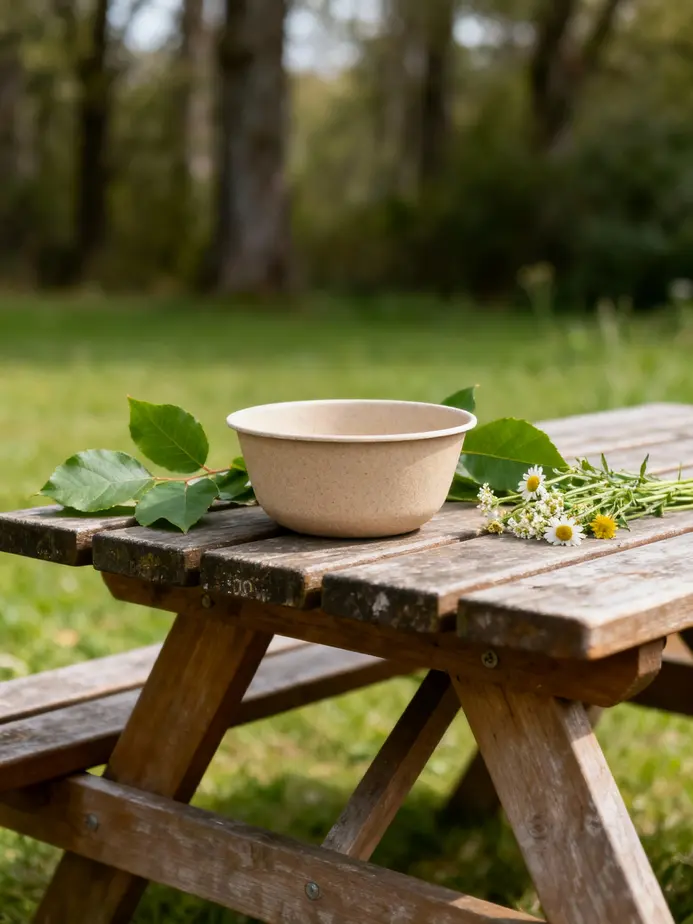
The 1500ml paper bowls represent more than just a convenient food packaging solution; they embody a commitment to sustainability rooted in their material composition and production techniques. Crafted primarily from biodegradable kraft paper, these bowls serve as alternatives to single-use plastics that dominate the food service industry. With a typical thickness of 16.5 pts, these bowls often feature single or double-wall designs, providing strength and liquid resistance critical for holding salads, hot meals, and takeout items. The brown kraft paper, primarily derived from renewable wood pulp, decomposes more rapidly than its petrochemical counterparts, making it an environmentally friendlier option in a world grappling with plastic pollution.
This shift towards using kraft paper in food service is driven by a growing consumer demand for products that lessen environmental impact. The production of these paper bowls involves sourcing materials that are significantly less harmful to the planet compared to traditional plastic options such as polypropylene (PP) or polyethylene terephthalate (PET). While paper production does carry its own environmental concerns—most notably water and energy consumption in the pulping process—advanced manufacturing techniques are evolving to mitigate these impacts. For instance, manufacturers increasingly prioritize sourcing their wood pulp from sustainably managed forests, helping to ensure that production does not contribute to deforestation.
Producing 1500ml paper bowls is not just about raw materials; the manufacturing process itself plays a critical role in their overall sustainability. The creation of these bowls typically involves minimal processing when constructing plain brown designs, which not only streamlines production but also conserves energy. This efficiency becomes increasingly significant when considering the scale at which these bowls are produced, with manufacturers offering bulk order options that frequently include minimum orders of 500-600 pieces. Compartmentalized designs tailored for salads and takeout emphasize leak-proof features, which further enhance their effectiveness and reduce food waste.
Nonetheless, the environmental benefits associated with 1500ml paper bowls can be influenced by various factors in their production. For example, double-wall constructions, while providing enhanced insulation and durability, inherently necessitate a greater volume of material. This uptick in resource usage can counterbalance some of the ecological advantages touted by eco-friendly packaging proponents. Additionally, some bowl variants incorporate linings made from non-biodegradable materials. These coatings may impede the overall compostability of the bowl unless proper disposal methods are followed, particularly in industrial composting facilities where conditions are ideal for breakdown.
Table 1, presented below, succinctly details the materials and potential environmental impact associated with different types of paper bowls:
| Material Type | Key Composition | Sustainability Benefits | Potential Environmental Drawbacks |
|————————-|———————————————————————-|————————————————|—————————————————|
| Kraft Paper | Virgin/recycled wood pulp, brown color | Biodegradable, renewable, eco-friendly label | Water-intensive production, possible chemical treatments |
| Double-Wall Paper | 16.5-pt stock (inner for liquid, outer for strength) | Enhanced insulation without foam plastics | Higher material volume increases resource use |
| Alternatives (e.g., PLA/PP hybrids) | Plant-based PLA or plastic blends | Compostable options, FDA-certified | Slower degradation if mixed materials |
While 1500ml paper bowls present a viable solution to reducing plastic waste in the food packaging sector, the advancements in manufacturing, coupled with sustainable sourcing, are essential for enhancing their ecological profile. Consequently, the journey toward more sustainable food packaging involves continuous evaluation of materials, production processes, and proper end-of-life disposal strategies.
In emphasizing eco-friendly design, it is crucial for consumers and manufacturers alike to remain informed about the compostability and recyclability of paper products, ensuring that choices made today lead to a healthier planet tomorrow. For those seeking innovative, sustainable packaging options, retailers such as cofe-cup.net provide an array of customizable kraft paper bowls that align with an eco-conscious ethos. Always checking the material source and industry certifications will go a long way in supporting responsible environmental practices.
2. Navigating the Lifecycle and Environmental Responsibilities of 1500ml Paper Bowls
The end-of-life disposal methods for 1500ml paper bowls significantly impact their environmental footprint and the overall sustainability of food packaging. These bowls, predominantly constructed from kraft paper or cardboard, are marketed as biodegradable and compostable, providing an eco-friendly alternative to traditional plastic containers. However, the effectiveness of these claims hinges on the disposal approach adopted by consumers and businesses alike. By understanding the variations in disposal methods, we can ultimately enhance the environmental benefits of these disposable bowls.
The intrinsic properties of 1500ml paper bowls, primarily their composition of natural wood pulp, contribute to their sustainability profile. Examples such as the BIO-PAPER-SB007 model, characterized by a robust tear resistance and compressive strength, demonstrate that these bowls can endure the rigors of food storage while remaining environmentally responsible. When disposed of properly, they can decompose naturally, a virtue that positions them as a viable option in the fight against single-use plastics, which continue to pollute our landscapes and waterways.
Composting stands as the most effective method for disposing of these bowls, particularly in commercial settings. When sent to certified industrial composting facilities, clean and dry bowls can break down in a matter of months, returning valuable nutrients to the soil and reducing landfill waste. This contrasts starkly with landfilling, where lack of oxygen generates harmful methane emissions and negates the advantages of biodegradable materials. For consumers interested in composting, it is vital to understand that home composting is less efficient without optimal conditions, as the decomposition process can take significantly longer due to cooler temperatures and varying microbial activity.
Recycling presents another potential pathway for disposal, yet it requires stringent conditions to be successful. Clean bowls, devoid of food residues, may be accepted in specialized recycling facilities. Unfortunately, contamination from fats, oils, or additional linings often obstructs recycling efforts, leading to quantifiable waste. Therefore, while the capability for recycling exists, practical execution remains limited, often depending on the infrastructure available in an area.
When juxtaposed with plastic alternatives, the environmental disparity becomes even more pronounced. For example, a standard 1500ml plastic bowl, typically weighing around 37.5g, presents extended durability in landfills—often taking hundreds of years to degrade. Consequently, the use of paper bowls can drastically mitigate pollution risks associated with plastics, fostering consumer confidence in sustainability efforts by businesses within the food industry.
The environmental footprint of 1500ml paper bowls can be considered relatively minimal, especially when adopting responsible disposal practices. Creating a circular economy through composting or recycling can optimize their effectiveness further, significantly curtailing resource waste and fossil fuel reliance. However, it is essential to understand that increased usage frequency can amplify associated transport emissions. With the packaging volume averaging 0.205m³ per carton of 600 bowls, logistics plays a critical role in determining the overall ecological impact.
Despite the appealing eco-friendly claims, limitations persist in the current understanding of the lifecycle of 1500ml paper bowls. Research typically falls short concerning detailed degradation timelines or comprehensive lifecycle analyses, presenting challenges to fully gauge their environmental implications. With variances in local waste management capabilities, the real-world impact of these bowls can fluctuate, necessitating further investigation into their long-term effects on our planet.
In summary, while 1500ml paper bowls offer significant promise as sustainable packaging solutions, realizing their full environmental potential requires deliberate choices by both consumers and manufacturers regarding end-of-life disposal methods. As the market increasingly embraces biodegradable options, fostering a culture of accountability in disposal practices will determine the ecological legacy of these products, steering us toward a more sustainable future. For additional insights into eco-friendly packaging solutions, consider exploring the range of products available at Cofe Cup.
3. Navigating Certifications, Benefits, and Challenges in the Sustainability of 1500ml Paper Bowls
The increasing demand for disposable food packaging has brought the 1500ml paper bowl into the spotlight, celebrated for its versatility in restaurants, food trucks, and at-home dining. However, the sustainability of these bowls and their environmental impact hinges on various factors, including effective certification processes, material composition, and responsible disposal practices. In navigating these elements, understanding certifications such as the Forest Stewardship Council (FSC) and the Programme for the Endorsement of Forest Certification (PEFC) is crucial. These certifications confirm that the paper used in production comes from responsibly managed forests, thereby playing a pivotal role in reducing deforestation and supporting biodiversity. In addition, bowls made from kraft paper typically possess a lesser ecological footprint compared to their bleached counterparts, generating lower carbon emissions due to decreased chemical processing.
The advantages of 1500ml paper bowls stand out significantly in various applications. One of the most compelling benefits is their biodegradability. Unlike plastic, which remains in landfills for centuries, paper bowls can decompose within months in suitable conditions. They also offer a substantial reduction in carbon emissions during the recycling process; kraft paper bowls emit approximately 35% less CO₂ when recycled than polypropylene plastic options. This eco-friendly profile resonates with consumers increasingly concerned with environmental issues, leading to improved public perception by up to 40% when using kraft packaging.
Additionally, paper bowls, when properly treated, provide excellent grease resistance, making them ideal for a wide range of foods, including hot soups and salads. Their capacity to withstand temperatures between 180°F to 200°F facilitates efficient takeout service without compromising food safety. Furthermore, they can be easily customized in size and design, allowing brands to enhance their visibility while emphasizing their commitment to sustainability.
However, it is essential to acknowledge the downsides of 1500ml paper bowls. One significant challenge is their water resistance; while they perform well under high temperatures, they are susceptible to leaks and structural integrity issues if exposed to excessive moisture unless coated with specific barriers. Consequently, the use of traditional wax coatings may not always be feasible, particularly with growing restrictions on PFAS substances in food packaging.
The cost also represents a barrier for some businesses. Generally, paper products can carry a premium due to processing expenses; while kraft paper bowls can be relatively economical, they still often come at a higher price than their plastic alternatives. The perception of higher costs can hinder broader adoption, particularly for small enterprises, highlighting the need for cost-effective sourcing strategies.
Moreover, the environmental benefits linked to paper bowls depend largely on responsible production and disposal practices. The paper manufacturing process is water-intensive and can lead to eco-unfriendly outcomes if not managed sustainably. Research indicates that around 49% of consumers are unaware of the proper disposal methods for compostable materials, leading to contamination within recycling streams. This underscores the necessity for robust consumer education initiatives that promote awareness of sustainable practices.
To mitigate these challenges, businesses can focus on sourcing certified products with the FSC or PEFC labels to ensure that they are using ecologically responsible materials. Furthermore, establishing partnerships with suppliers can advance product design, particularly in developing more effective leak-resistant technologies and minimizing production waste. By elevating awareness and positioning 1500ml paper bowls as viable alternatives to plastic, the food service industry can lead the charge toward a more sustainable future. Understanding these dynamics provides a clearer picture of how 1500ml paper bowls contribute to ecological sustainability. For more options in eco-friendly food packaging solutions, explore our range of customized containers, designed to meet the varying needs of consumers and businesses alike.
Final thoughts
In the evolving landscape of food service, 1500ml paper bowls offer business owners a practical and eco-friendly choice. Their innovative design and manufacturing processes yield durable, disposable containers that cater to a wide range of culinary applications. By integrating these bowls into food service operations, businesses can not only enhance their offerings but also contribute to sustainability goals. The versatility of 1500ml paper bowls makes them an exceptional addition to any food packaging strategy, supporting both operational efficiency and environmental stewardship.
Choose our reliable disposable tableware and packaging solutions for your business. We offer quality products that meet safety standards, with fast delivery and flexible options. Partner with us today to elevate your service — contact our team now for a tailored quote!
About us
We specialize in manufacturing and supplying disposable tableware, packaging paper, and boxes. With years of experience, we prioritize safety, durability, and eco-friendly practices. Our goal is to provide businesses with trusted, cost-effective solutions backed by responsive customer support.