Introduction
The 1000ml paper bowl is quickly becoming a staple in the food service industry, particularly for takeaway and catering operations. Designed with both functionality and sustainability in mind, these bowls offer numerous advantages for business owners seeking effective packaging solutions. This article will delve into the material and construction, dimensions and capacity, versatility and applications, and the market availability and manufacturing processes related to these bowls, providing a holistic understanding of their value in food service applications.
Tables of Contents
Chapter 1: Crafting Excellence: The Intricate Material Layering of 1000ml Paper Bowls
- Exploring the Dual Structure: Kraft Paper and Protective Coatings in 1000ml Bowls
- Innovative Construction Techniques for the 1000ml Paper Bowl: Balancing Strength and Safety
- The Eco-Efficiency of Material Selection in 1000ml Paper Bowls
Chapter 2: Exploring the Essential Dimensions and Capacity of a 1000ml Paper Bowl for Food Service
- Deciphering the Capacity and Dimensions of a 1000ml Paper Bowl: Key Features for Practical Usage
- Navigating the Cost-Effectiveness and Market Viability of 1000ml Paper Bowl Production
- Transforming Everyday Choices: The Societal Impacts of 1000ml Paper Bowls
Chapter 3: Innovative Solutions Boosting the Functionality of 1000ml Paper Bowls
- Harnessing Sustainability and Advanced Coating Technologies in 1000ml Paper Bowls
- Driving Profitability: The Economic Advantages of Versatile 1000ml Paper Bowls in Foodservice Operations
- Embracing Ecological Responsibility: The Societal Impact of 1000ml Paper Bowls in Contemporary Food Service
Chapter 4: The Global Landscape of 1000ml Paper Bowl Manufacturing and Supply
- Navigating the Global Supply Chain for 1000ml Paper Bowls: Insights and Opportunities
- Exploring the Composition and Market Dynamics of 1000ml Paper Bowls
- A Deep Dive into the Manufacturing and Market Dynamics of 1000ml Paper Bowls
Chapter 1: Crafting Excellence: The Intricate Material Layering of 1000ml Paper Bowls
1. Exploring the Dual Structure: Kraft Paper and Protective Coatings in 1000ml Bowls
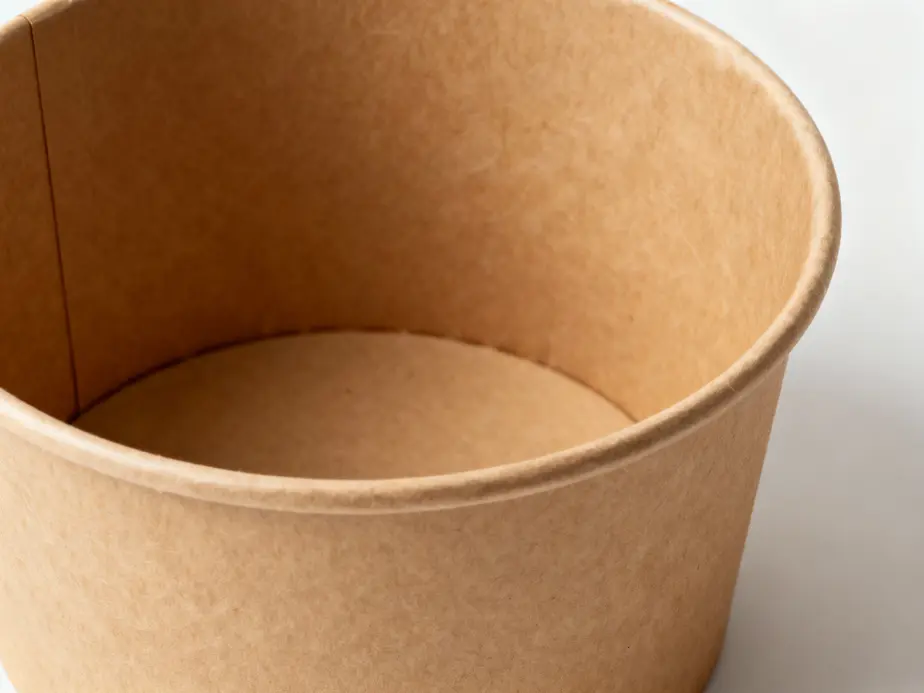
The modern 1000ml paper bowl is a product of meticulous design and advanced material engineering. At its core, this bowl is constructed from food-grade kraft paper, a material renowned for its durability and efficiency in food service. Typically produced from virgin wood pulp, this kraft paper provides not only a robust structure capable of holding significant food volumes but also an appealing aesthetic due to its characteristic brown appearance. This natural hue stems from the unbleached fibers that give kraft paper its strength.
The kraft paper used in the construction of these bowls generally adheres to a weight range of 250 to 350 g/m², ensuring sufficient thickness to prevent collapse under the weight of its contents. The choice of thickness is a vital consideration, as it impacts the bowl’s mechanical strength, heat resistance, and load-bearing capabilities. The inherent properties of kraft paper allow it to maintain its shape while still being adequately flexible for functional use.
However, relying solely on kraft paper presents challenges, particularly concerning moisture, oil, and grease resistance. Raw paper is prone to absorption, which compromises its structural integrity and usability when filled with hot or liquid foods such as soups, stews, and salad dressings. To combat this, the inner surface of the bowl is typically treated with a protective coating, enabling it to withstand the rigors of various food applications.
The most common coating applied to a 1000ml kraft paper bowl is polyethylene (PE), a thin layer that enhances the bowl’s water- and grease-proof properties. This functional barrier is crucial for containing a variety of dishes while preventing leakage and ensuring that the bowl retains its form even when filled with hot liquids. PE coatings are generally thin, measured in microns, and are either laminated or extrusion-coated onto the paperboard prior to the bowl’s formation. The heat resistance offered by PE makes it ideal for holding hot contents such as noodle dishes or porridge, where a failure in the bowl could mean a messy and wasteful disaster.
In recent years, a growing ecological awareness has led to the introduction of alternative coatings for these bowls. Some manufacturers now use compostable materials such as polylactic acid (PLA) or water-based coatings that offer a plastic-free option for environmentally conscious consumers. These alternatives maintain the integrity and usability of the bowls while also boasting compostability, allowing them to decompose more readily in appropriate facilities. However, it is important for buyers to ensure that products are clearly labeled as such, as many bowls still rely on the more traditional PE coating.
Commercial listings reflect this bifurcated approach to coating, with many products clarifying their material composition. A typical entry might present itself as, “material: Biodegradable Kraft Paper; colour: brown; food grade: yes”—highlighting the eco-friendly capabilities of the kraft paper while subtly indicating the presence of a protective layer. While these materials bolster the effectiveness of the bowl in various food service contexts, businesses must be diligent in emphasizing that despite the recyclable claims of the kraft outer layer, the internal coating can determine the overall disposal method.
In practical applications, the dual-layer structure offered by kraft paper and protective coatings speaks volumes about the functionality of the 1000ml bowl. These bowls are engineered not only to cater to the aesthetic and service needs of the food industry but also to meet the functional requirements necessitated by diverse cuisines—from creamy pasta to fresh salads. As food service evolves, so too does the technology behind these practical food containers, ultimately striving for a balance between usability and environmental responsibility. For those in the food industry seeking versatile, safe, and effective packaging solutions, these bowls represent a perfect blend of tradition and innovation, equipped to meet modern challenges.
As the demand for eco-friendly packaging continues to expand, innovations in the materials used for these 1000ml bowls are likely to evolve further, paving the way for more sustainable practices in food service that meet the needs of today’s consumers. For more information on eco-friendly options and to browse a selection of biodegradable containers, you can explore options at cofe-cup.net.
2. Innovative Construction Techniques for the 1000ml Paper Bowl: Balancing Strength and Safety
The construction of the 1000ml paper bowl is a meticulous process that blends innovative design with robust material selection, ultimately ensuring both durability and safety for food service applications. The journey begins with the careful selection of materials that form the backbone of the bowl’s design. Food-grade virgin wood pulp base paper is utilized, chosen for its ability to meet national safety standards while providing a stable performance profile devoid of impurities. The foundational material typically boasts a weight of 400-500 GSM, lending strength necessary to uphold the structural integrity and functionality of a bowl intended for substantial servings.
Critical to the performance of the bowl is the implementation of barrier systems that effectively combat moisture and grease. The standard choice, polyethylene (PE) coating, consists of a 25-35 GSM layer that confers impressive resistance against moisture and grease, crucial for containing liquid-rich foods. This coating pan withstands heat up to 120°C, making it suitable for hot food service contexts. In scenarios demanding enhanced thermal insulation, such as for serving soups or stews, manufacturers may apply a double-layer coating technique. Alternatively, for eco-conscious businesses seeking biodegradable options, a PLA (Polylactic Acid) coating, while slightly more expensive, offers comparable protection against moisture, thereby catering to diverse market preferences.
Manufacturing processes further elevate the bowl’s quality. Utilizing high-pressure molding techniques allows for a uniform thickness throughout the bowl, which is essential for achieving that coveted smooth finish. This process is engineered to enhance structural integrity, eliminating weak points that could lead to breaks or leaks under pressure. To bolster the bowl’s strength, ribbed reinforcements may be incorporated into the design, supporting the vessel when filled with heavier liquid contents. Such structural innovations not only enhance aesthetics but also directly reduce the likelihood of collapse during service.
The sealing methodologies employed in the production of these bowls also play a pivotal role in their overall durability. The reinforced edge sealing technique is utilized to create a robust barrier against leakage. This is accomplished through a combination of thermal and adhesive sealing methods that securely unite the layers, effectively locking out moisture. For divided bowls—where compartments are necessary to segregate food items—the edges are crafted to ensure dividers sit slightly below the rim. This precaution prevents contamination of contents during transport and ensures seamless handling for various cuisines.
A key aspect of the construction methods implemented for 1000ml paper bowls is adherence to stringent safety and compliance standards. All materials must undergo rigorous testing and certification to be deemed food-grade safe, in compliance with FDA regulations regarding materials in direct food contact. Migration testing is conducted to ensure that no harmful substances seep from the bowl into its contents, safeguarding consumer health. Furthermore, the adhesives utilized—predominantly starch-based or polyvinyl acetate formulations—are selected for their non-toxic properties, effectively preventing any risk of contamination.
Quality assurance throughout the production cycle reinforces the commitment to durability and safety of these paper bowls. Drop tests, tensile strength evaluations, and burst strength testing are conducted to validate that the bowls can endure typical operational stresses. The thickness of the paper and the bonding strength of the adhesives are critical factors determined during these tests, especially under full-load conditions, to replicate the real-world scenarios that the bowls will face upon reaching the consumer.
Ultimately, the combined efforts in material selection, innovative construction techniques, and rigorous testing protocols culminate in the production of a reliable and safe 1000ml paper bowl. These bowls not only perform exceptionally but also cater to the dynamic needs of the food service market, providing businesses with a disposable solution that does not compromise on quality. For those interested in exploring custom branding options for enhancing customer engagement, various suppliers offer personalized products that blend sustainability with market appeal. An example can be found in customize your own kraft paper bowls.
3. The Eco-Efficiency of Material Selection in 1000ml Paper Bowls
As the demand for eco-friendly alternatives increases, the material choices associated with the construction of 1000ml paper bowls demand careful consideration not only for their functionality but also for their environmental impacts. The predominant ingredient in these bowls is wood pulp—either sourced from virgin trees or recycled paper. While virgin pulp provides a base, it raises legitimate concerns regarding deforestation and resource depletion. Conversely, recycling paper offers a solution that greatly reduces energy and water use, achieving potential reductions of up to 70% in resource consumption. This shift not only mitigates the need for hazardous tree harvesting but also contributes positively to waste reduction efforts in manufacturing processes.
Additionally, the rise of biodegradable coatings, such as those derived from corn starch or polylactic acid (PLA), enhances the sustainability of paper bowls while addressing their resistance to moisture and grease. These plant-based additives allow the bowls to decompose naturally, returning to the earth within weeks to months, particularly when subjected to industrial composting conditions. This contrasts sharply with polyethylene (PE)-coated versions, which can linger in landfills for years. In light of this, selecting bowls that utilize biodegradable materials casts a favorable spotlight on their environmental performance, offering a breakthrough in packaging solutions.
Notably, the impacts of different material choices vary significantly. For instance, virgin paper contributes to a moderate carbon footprint due to the processing involved in pulp creation, while opting for recycled paper can reduce that footprint by 20-50%. When considering biodegradable coatings sourced from sustainable crops, the carbon footprint lowers even further, emphasizing the criticality of sustainable sourcing in the lifecycle of paper bowl production.
Sustaining a focus on eco-friendly practices involves adhering to responsible manufacturing ethos. For instance, the production of 1000ml bowls via pulp molding or thermoforming consumes varying levels of energy and water, dependent on design intricacies. Single-wall bowls, often favored for dry food applications, generally consume less material than their double-wall counterparts, which require enhanced insulation—each design choice comes with its implications for waste and resource use.
The transportation of these products also involves considerations of size and material weight. The typical 1000ml bowl has a substantial surface area, requiring approximately 20-30 grams of paper per unit. This not only influences the carbon footprint but also the ecological impact if these products are not actively recycled. Selecting stackable designs can reduce transport emissions by maximizing space and weight efficiency during shipping and storage, thereby offering additional environmental benefits.
Once in consumer hands, these bowls face various end-of-life scenarios. Uncoated or minimally coated paper bowls are conducive to home composting, allowing for a relatively straightforward disposal method. Coated varieties, however, demand industrial facilities for proper breakdown due to their complex material composition. It’s here where the risks of methane generation in landfills from unused or improperly disposed products become apparent. Focused efforts towards establishing or enhancing composting infrastructure are crucial in optimizing the post-consumption phase of 1000ml paper bowls, given that proper management can significantly limit their environmental impact.
Encouragingly, lifecycle assessments (LCAs) reveal that paper bowls have the potential to generate 50-80% less waste compared to traditional plastic options, such as polystyrene, provided that they’re sourced and processed responsibly. As evident, the ecological pathway taken within the lifecycle—ranging from raw material extraction, through construction, to the final disposal—shapes the sustainability profile of 1000ml paper bowls significantly. To summarize, opting for materials such as FSC-certified wood pulp, paired with PLA linings and recycled content, stands out as the pinnacle of eco-efficient choices for those invested in green packaging solutions.
For further insights into eco-friendly packaging practices, consider exploring additional information on sustainable options that align with modern consumer demand for responsible and biodegradable food packaging.
Chapter 2: Exploring the Essential Dimensions and Capacity of a 1000ml Paper Bowl for Food Service
1. Deciphering the Capacity and Dimensions of a 1000ml Paper Bowl: Key Features for Practical Usage
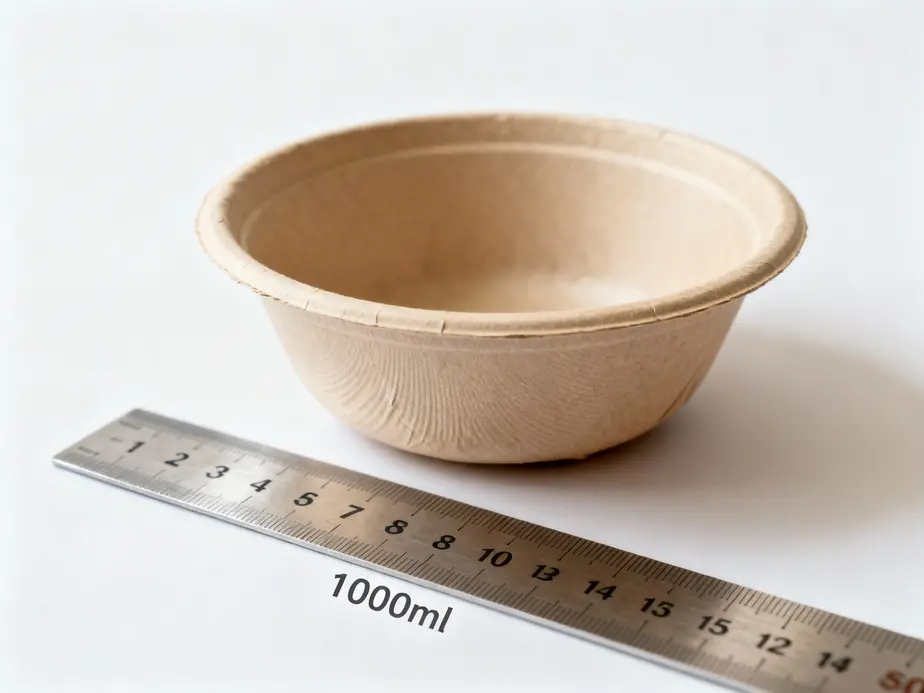
Understanding the dimensions and capacity of a 1000ml paper bowl is vital for its effective use in various food service applications. Designed to hold exactly 1 liter, or 1000 milliliters, the external dimensions of a standard bowl typically measure approximately 17.5 cm in diameter and 14 cm in height. These measurements can vary slightly depending on the manufacturer and the specific design of the bowl, but the general form remains consistent across the industry. Textile variations in external sizes may lead to slight adjustments in capacity; however, the labeling remains a reliable indicator of usability.
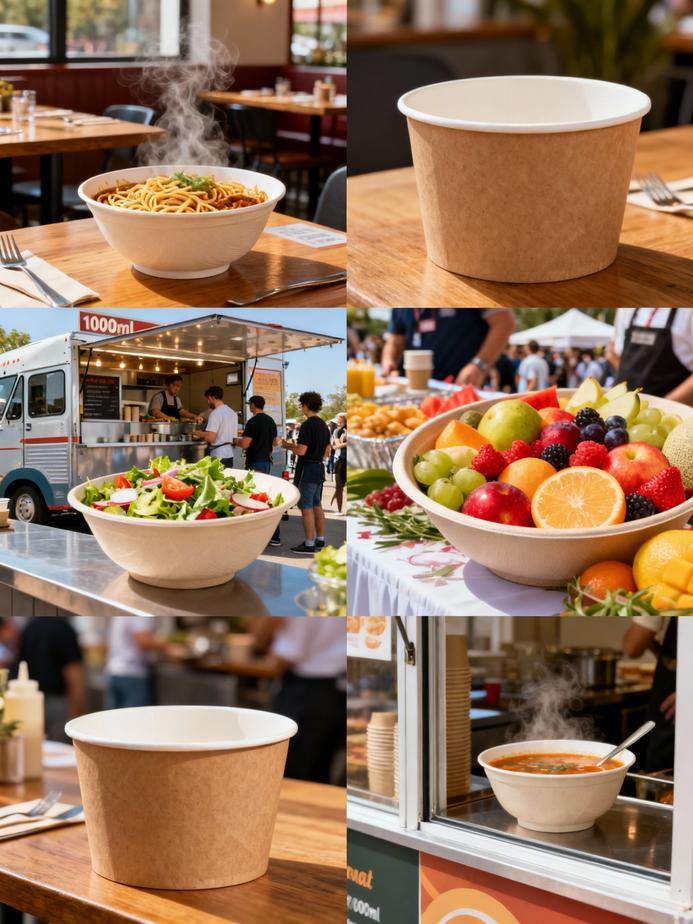
The 1000ml capacity of these bowls qualifies them to serve generous portions, making them particularly advantageous in settings such as restaurants, catering services, and takeaway joints where portion control is necessary. This ample volume allows for a variety of meal types, including but not limited to, soups, salads, and desserts. The bowls are engineered to accommodate both hot and cold food items, affording culinary establishments the flexibility to shape their service offerings according to customer preferences. Additionally, the capacity supports versatile applications from serving a single portion to facilitating shareable appetizers or side dishes.
The construction material of the 1000ml paper bowl further complements its design and function. Primarily made from kraft paper, a type of paper recognized for its strength and durability, these bowls often include a food-grade, polyethylene coating. This lining possesses moisture resistance, ensuring that the contents remain contained without leaking or compromising the integrity of the package. The 280gsm paper chosen for most bowls renders them sturdy enough to withstand the rigors of food transport while providing a commitment to safety as they are FDA-approved for food contact.
Beyond the standard kraft paper options, the growing trend towards environmentally friendly packaging has introduced alternatives such as bagasse, a biodegradable byproduct from sugarcane processing. These eco-conscious bowls offer similar performance levels for hot and oily foods, catering to restaurants poised to embrace sustainability while serving their customers effectively.
As the demand for takeaway containers evolves, the versatility of 1000ml paper bowls stands out. A typical bowl may feature a straightforward single-compartment design, which enhances manufacturing efficiency and simplifies portioning. Some versions come with optional lids that enhance usability, facilitating easy transport of meals without spills, ensuring consumers have a hassle-free experience when enjoying food on the go. The presence of secure lids also minimizes contamination, providing an extra layer of safety for both the food and the consumer.
Customization options are another focal point worth discussing. Many manufacturers offer branding solutions and personalized designs for 1000ml bowls, allowing food service businesses to elevate their marketing presence while maintaining functionality. Custom printed logos or designs can create an appealing visual aspect that resonates with consumers, making the packaging integral to marketing efforts.
In terms of logistics, the 1000ml paper bowls are packaged in bulk quantities, which simplifies inventory management for restaurants and vendors. Typically available in packs of 50 or more, this bulk purchasing option allows businesses to streamline their operations when ordering and restocking supplies. Moreover, the efficiency of industrial machines that produce these containers, functioning at speeds of 50-70 pieces per minute, ensures that demand can be met promptly and effectively, further supporting the rapid turnaround crucial in the food service industry.
In summary, the dimensions and capacity of the 1000ml paper bowl are pivotal to its role in modern dining scenarios. These bowls provide substantial porportioning capabilities paired with reliable material construction that supports both traditional and eco-friendly practices. Whether it’s framing up a dish for immediate consumption or perfectly packing takeaway meals to-go, the design choices and features embedded within these bowls account for significant benefits that cater to the diverse needs of food services today. For additional options in meal packing solutions, one might explore various customized containers that further enhance food presentation and security.
2. Navigating the Cost-Effectiveness and Market Viability of 1000ml Paper Bowl Production
The production of 1000ml paper bowls is intrinsically linked to a myriad of economic factors that determine not only their manufacturing processes but also their viability in the competitive food service market. Central to these economic dynamics are material costs, economies of scale, regulatory compliance, and the complexities of raw material sourcing, all of which come into play when considering the dimensions and capacity of these versatile food containers.
Material Costs and Their Impact on Production Economics
The foundation of the economic landscape for the 1000ml paper bowl begins with the material costs. The fabric of these bowls, typically crafted from kraft paper, is subjected to varying price points depending on their weight and specifications. Basic budget-grade bowls, generally ranging from 300 to 350 grams per square meter (GSM), are priced between $0.18-0.25 per unit. In contrast, standard bowls with enhanced features and proper ventilation escalate the cost to between $0.25-0.35. Premium options, designed with compartments and exceptional durability, can reach as high as $0.35-0.50. This tiered pricing structure illustrates that the larger capacity of the 1000ml bowl necessitates greater material investment than smaller alternatives, like the 500ml versions often utilized for side dishes, thereby influencing overall production costs.
Additionally, the precision involved in the manufacturing process dictates that manufacturers use a specific material ratio: 1 ton of bottom paper for every 4-5 tons of bowl material. This careful consideration maximizes production efficiency while ensuring structural integrity, which is crucial for maintaining quality across production batches. The integrative approach to material selection not only affects the cost but also the end-user experience, impacting the bowl’s performance during use.
Economies of Scale and Market Entry Barriers
The production of 1000ml paper bowls inherently involves significant capital investment for specialized machinery designed for high-volume output. Established manufacturers, such as Dart Containers, have capitalized on economies of scale. They can offer lower per-unit costs due to decades of scaled production practices. This financial advantage presents a formidable barrier for new entrants in the market—especially those aiming to meet the demands set forth by major quick-service restaurant chains seeking millions of standardized units at competitive rates. As the disposable food service sector is projected to grow from $70.2 billion in 2025 to $116.6 billion by 2035, these economies of scale will become even more critical, further favoring established producers who can adapt swiftly to market shifts and demand spikes.
Navigating Regulatory Landscapes
Regulatory compliance stands as another pivotal factor influencing production strategies. With various states in the U.S. imposing bans on materials like expanded polystyrene and PFAS chemicals, manufacturers are now compelled to innovate alternative coating technologies—transforming how they produce paper bowls. For instance, the UK has introduced a plastic packaging tax, impacting procurement practices for foodservice operators reliant on compliant materials. In regions like the UAE, the imposition of a single-use plastic ban underscores the velocity at which regulatory frameworks can shift demand towards fiber-based solutions, albeit at a steeper price point. These evolving regulations may entail an increase in production costs—between 50-100% more than conventional plastics—directly affecting profit margins for smaller enterprises.
Challenges in Raw Material Sourcing
The sustainability of 1000ml paper bowl production is heavily dictated by the availability and sourcing of raw materials. Fluctuations in the availability of renewable resources can result in increased freight costs and supply chain burdens. This situation disproportionately impacts smaller businesses, which struggle with the inflated prices of imported materials compared to larger firms with more established logistics networks. Recent capacity expansions in the industry, such as Star Paper Mills’ new recycled container board mill in Abu Dhabi, signal a response to regulatory demands but require substantial capital investments, pointing to an ongoing tension between sustainability goals and the economic realities of manufacturing.
Operational Considerations for Manufacturer Capacity
Capacity considerations directly relate to how 1000ml bowls are perceived in the market. As a premium segment, these bowls are crafted with thicker materials (minimum of 300-350 GSM) to support larger food portions, thus increasing production complexity and material costs in direct comparison to smaller bowls. This heightens the need for manufacturers to evaluate their operational efficiencies to optimize profits while maintaining product integrity. Furthermore, the return on investment (ROI) associated with high-quality packaging is significant; investing in superior packaging options can yield considerable savings by reducing delivery failures, an essential factor in achieving operational excellence in the competitive landscape of disposable food containers.
This interconnected web of economic factors defines the production landscape for 1000ml paper bowls. By strategically navigating the nuances of material costs, economies of scale, regulatory compliance, and supply chain efficiencies, producers can enhance their competitive stance while fulfilling the needs of a rapidly evolving market. The importance of understanding these factors cannot be understated, as they ultimately shape both the innovative possibilities within the industry and the broader trajectory of sustainable food service practices.
3. Transforming Everyday Choices: The Societal Impacts of 1000ml Paper Bowls
The adoption of 1000ml paper bowls in everyday life signifies a pivotal shift towards eco-conscious practices and sustainable consumption patterns. These bowls, primarily crafted from kraft paper and treated with a food-grade coating, serve a dual purpose: providing functional food containment while promoting environmental benefits. This underscores the significance of dimensions and capacity in enhancing their societal relevance, especially in a world grappling with waste management challenges.
One of the most pressing matters today is waste reduction. Conventional plastic packaging contributes heavily to ocean pollution and landfill overflows. In contrast, 1000ml paper bowls, especially when produced from biodegradable materials like cornstarch or sugarcane fiber, actively combat this crisis. By offering a viable alternative to plastic, these bowls facilitate a transition towards greener practices. Their capacity of 1000ml is particularly adept for medium-sized meal portions, making them a practical choice for takeout services and home dining experiences. This usability aligns well with the increasing consumer demand for sustainable solutions in their food packaging choices.
Moreover, the choice of materials plays a crucial role in defining the environmental impact of 1000ml paper bowls. The use of biodegradable substances ensures that when these bowls are disposed of, they decompose naturally, mitigating their long-term effect on the environment. Unlike traditional plastic, which may linger for hundreds of years in landfills, the rapid biodegradability of these bowls aligns with contemporary efforts to manage waste effectively. This material consideration not only highlights innovation in the food service sector but also echoes the collective responsibility consumers hold towards environmental stewardship.
From a practical standpoint, the dimensions of the 1000ml paper bowls are tailored for efficiency. The size, approximately 150mm in diameter and 75mm in height, accommodates a range of food types—from hearty soups to vibrant salads, as well as assorted desserts. This versatility makes them an integral component of various culinary traditions, particularly in cuisines that emphasize fresh ingredients and balance, such as poke bowls and Asian takeout meals. Thus, they seamlessly fit into both commercial food businesses and household settings, exemplifying how functional design can dovetail with environmental kindness.
The societal implications extend beyond mere convenience and environmental impact; they encapsulate a broader change in consumer mentality towards sustainability. As awareness around the effects of single-use plastics increases, so does the push for biodegradable and recyclable alternatives. The embrace of 1000ml paper bowls reflects a significant cultural shift as society moves towards prioritizing eco-friendly options in daily consumption. This trend not only signals a positive change in consumer preferences but also encourages businesses to innovate and adopt sustainable practices. In addition to using environmentally friendly materials, many manufacturers now offer customization options that allow businesses to brand their products while adhering to ecological standards.
However, it is essential to recognize that the positive societal impact of 1000ml paper bowls hinges on comprehensive disposal practices. While the bowls are designed to be biodegradable, the reality of their effectiveness depends largely on accessible composting infrastructure and consumer education regarding proper disposal. Without these systems in place, the full environmental benefits may not be realized. Therefore, advocating for improved waste management policies alongside the adoption of biodegradable products is crucial for ensuring that such innovations yield significant environmental benefits.
Ultimately, the 1000ml paper bowl is more than just a functional item; it is a symbol of a larger movement towards sustainable living. By prioritizing eco-friendly materials and efficient designs, society can make strides towards reducing waste and reimagining food service packaging. As consumers increasingly seek out sustainable options, the significance of these bowls expands, highlighting the powerful impact of informed choices in shaping a greener future. To explore various options available in the market, including customizable designs, businesses and consumers can visit Green Eco Paradise, thus emphasizing the importance of collective action towards sustainability.
Chapter 3: Innovative Solutions Boosting the Functionality of 1000ml Paper Bowls
1. Harnessing Sustainability and Advanced Coating Technologies in 1000ml Paper Bowls
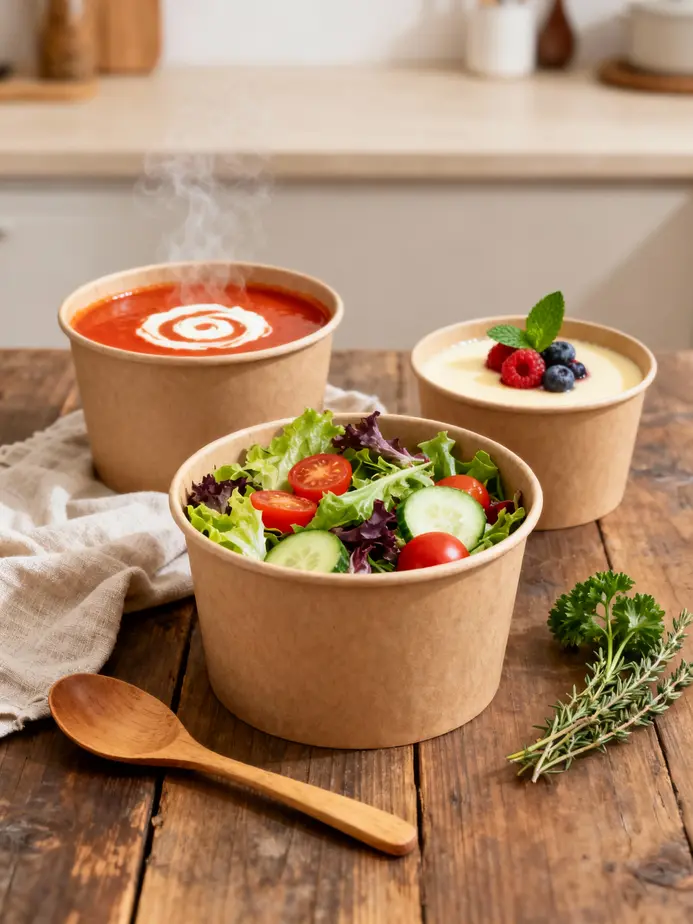
The evolution of 1000ml paper bowls reflects a dynamic response to the pressing demands of modern food service, driven by sustainability and innovative technology. As the global food industry intensifies its focus on eco-friendly solutions, manufacturers are innovating beyond traditional materials and methods to create versatile paper bowls that cater to diverse culinary applications while minimizing environmental impact.
One of the standout advancements is the introduction of biopolymer coatings, particularly polylactic acid (PLA) coatings derived from renewable resources such as corn starch. These coatings offer remarkable resistance to liquids and grease, thereby enhancing the bowl’s ability to safely contain both hot and cold food items. Unlike conventional polyethylene coatings, PLA coatings maintain the compostability of the paper bowl itself, aligning with the growing consumer preference for sustainable packaging options. This innovation not only addresses concerns about plastic pollution but also provides establishments with a way to engage in eco-friendly practices without sacrificing food safety and quality. For instance, products like the EcoPlus 1L Compostable Container exemplify how modern design can enhance rigidity while remaining environmentally conscious through their Forest Stewardship Council (FSC) certification.
In addition to coatings, advancements in barrier technologies play a crucial role in enhancing the functionality of 1000ml paper bowls. Water-based barrier technologies, such as those employed in GreenBox Pro, ensure that these bowls are fully recyclable within mixed paper recycling streams. This feature is particularly attractive for businesses aiming to adopt zero-waste practices, allowing them to serve diverse food offerings—from ramen to fresh salads—without the added burden of non-recyclable logistics. With the ability to recycle bowls after use, restaurants can significantly decrease their environmental footprint, achieving a sustainable cycle in their supply chain.
Manufacturing processes have also undergone significant refinement to bolster the integrity of the paper bowl. Precision die-pressing and innovative heat-sealing techniques minimize the need for adhesives and enhance structural stability. Modern manufacturing capabilities allow for robust bottom designs that withstand the weight and temperature of hearty meals, reducing the risk of leakage and deformation during transport. As a result, operators in the food service industry can confidently use these bowls for takeout meals that include hot stews, pasta dishes, or even desserts, all while ensuring their customers receive food that maintains its intended quality and presentation.
The production advancements also extend to material quality, whereby manufacturers utilize high-quality coated paper ranging from 150 to 350 grams per square meter specifically engineered for 1000ml capacities. This not only improves the bowls’ performance but also enhances their visual appeal, making them suitable for a range of dining experiences—from casual fast food to upscale takeaways.
The introduction of bio-based hot melt adhesives further exemplifies the commitment to sustainability in production methodologies. These adhesives cure quickly and are compatible with high-temperature applications, ensuring that the assembly of bowls remains efficient without compromising on the end product’s compostability. This innovation promises foodservice operators the flexibility to innovate menu items while adhering to environmental standards.
Market shifts are inevitable in the face of increasing scrutiny over single-use plastics, leading many businesses to pivot towards alternatives like PLA and bagasse. The emergence of companies producing innovative solutions, such as Quit Plastic’s 1000ml rectangular containers set to launch with a focus on compostability, demonstrates a proactive approach to anticipated regulatory changes against plastic use. The 2026 plastic bans, already prompting readiness within the industry, emphasize a critical turn towards sustainable practices that will likely become the norm rather than the exception.
Moreover, design improvements, including microwave-safe and vented lid options for 1000ml bowls, enhance their usability for a plethora of cuisines, making them ideal for takeaway applications where consumers prioritize convenience alongside quality. Emphasizing biodegradable choices is not just a trend—it’s a vital response to consumer demands for responsible dining solutions, further underscoring the resilience and adaptability of 1000ml paper bowls in the current marketplace.
Incorporating these innovations not only enhances the culinary experience but also defines the future of food packaging within an increasingly environmentally-conscious economy. As manufacturers continue to push the envelope of what’s possible with sustainable materials and advanced technologies, the versatility and appeal of 1000ml paper bowls are bound to expand, establishing them as a cornerstone in the food service landscape.
2. Driving Profitability: The Economic Advantages of Versatile 1000ml Paper Bowls in Foodservice Operations
The 1000ml paper bowl has emerged as a pivotal component in enhancing economic efficiency within the food service industry. Its versatility allows operators to creatively cater to various food applications, ranging from the popular combo meal offerings to streamlined takeaway and delivery options. As restaurants and food vendors strive to minimize waste, maintain cost-effective operations, and adapt to environmentally-friendly practices, the adoption of these bowls is not just beneficial; it is essential.
The key to their economic impact lies in their innovative design. Specifically, the divided configurations within these bowls provide specific compartments for proteins, grains, vegetables, and sauces, typically accommodating 30-50 ml portions per compartment. This thoughtful layout supports portion control, which is increasingly vital in a market that sees constant shifts in food costs. By offering customers a visually appealing and organized presentation, these bowls also help enhance the overall dining experience, which can lead to increased repeat business.
Moreover, their robust construction from kraft paper, often coated with food-safe materials, ensures that they are both durable and leak-proof. With 400-500 GSM paper alongside PE or PLA coatings, these bowls can handle a wide temperature range, from hot soups to cold salads, all without compromising integrity throughout the meal’s transit. This versatility curtails instances of structural failures and delivery problems, ultimately saving operations from potential losses.
In an ever-evolving market, the 1000ml paper bowl also efficiently integrates with current food preservation technologies like Modified Atmosphere Packaging (MAP). This technology takes advantage of specific gas mixtures to extend food shelf life, preserve nutritional content, and prevent spoilage. For food service establishments, this translates to significant cost savings through reduced waste. By controlling oxygen levels and retaining moisture, operators can reduce transportation costs related to spoilage and extend the freshness of their offerings, thus increasing customer satisfaction.
Transitioning from more expensive plastics to these eco-friendly alternatives also yields substantial economic benefits. With consumers increasingly leaning toward environmentally-conscious options, utilizing 1000ml paper bowls positions businesses as responsible operators in an industry under pressure to comply with strict regulations against single-use plastics. The subsequent reduction in disposal fees due to decreased environmental impact further supports the financial argument for making this switch.
Operational efficiencies are enhanced not only through sustainability practices but also through functionality. The heat-retaining features of these bowls cater to nearly 80% of combo meal requirements, while low minimum order quantities of around 50,000 units for customized options allow for scalable solutions that businesses can adopt easily. Operators can thus make informed decisions based on their supply chains, ensuring that they get the best value while reducing excess inventory costs.
Additionally, adopting 1000ml paper bowls is economically advantageous when considering their potential to boost revenue through premium meal packaging. Many establishments are opting for custom printed designs to elevate their brand image, further attracting customers who value both quality and presentation. The 15-25% lower total costs associated with these efficient models highlight their overall effectiveness not just in terms of savings but also in enhancing revenue through appealing visual branding.
In sum, the 1000ml paper bowl is far more than just a vessel for food; it is a critical player in the food service industry’s shift toward more economical and sustainable practices. When utilized thoughtfully, these containers can drive profitability by optimizing material use and enhancing customer satisfaction while also complying with evolving consumer demand for sustainable alternatives. Given their significant advantages, it’s clear that the rise of the 1000ml paper bowl is a trend that reflects broader changes in the foodservice landscape, inviting both operational efficiency and improved economic outcomes.
3. Embracing Ecological Responsibility: The Societal Impact of 1000ml Paper Bowls in Contemporary Food Service
In recent years, the 1000ml paper bowl has emerged as a remarkable innovation within the realm of food service, effectively addressing the increasingly sophisticated needs of modern dining while demonstrating profound ecological responsibility. As urban lifestyles push for convenience and efficiency, these bowls offer a versatile solution for various foods, from nourishing soups and salads to delectable desserts, while being receptive to current sustainability movements.
The construction of these containers generally involves kraft paper, often enhanced with a food-grade coating to bolster durability without compromising safety. Given their size—holding around one liter—they facilitate portion control and significantly enhance takeaway dining experiences. Particularly in bustling urban settings, the demand for quick, accessible meals has soared, necessitating packaging solutions like the 1000ml paper bowl that are both practical and secure. Equipped with leak-resistant properties, these bowls ensure that patrons can transport both hot and cold foods without the risk of spillage, thus catering to the prevalent preference for on-the-go consumption.
Incorporating these bowls into food service setups facilitates not only the ease of meal transport but also streamlines operational efficiency. Restaurants and delis that rely on them eliminate the need for dishwashing, thus minimizing labor and resource consumption. This translates into substantial cost savings for businesses, enabling them to redirect resources towards enhancing food quality or customer service. Similarly, the presence of seasonal or locally inspired dishes, served conveniently in paper bowls, acts as an attractive draw for consumers looking for novelty alongside ease.
Moreover, the shift towards biodegradable materials in food packaging is more than merely a trend; it aligns with a growing societal consciousness regarding environmental sustainability. Traditional plastic packaging, which has long dominated the food service industry, presents a significant threat to the ecosystem, contributing to pollution and landfill congestion. In contrast, the 1000ml paper bowl provides a compelling, eco-friendly alternative. Made from renewable resources, such as wood pulp, these bowls decompose faster than their plastic counterparts once disposed of, thereby reducing the overall carbon footprint associated with disposable food packaging. This ecological awareness resonates particularly well with millennial and Gen Z consumers, who increasingly favor brands that demonstrate ecological responsibility in their operational practices.
The versatility of 1000ml paper bowls extends to culinary landscapes across various cuisines, from artisanal salad bars to Asian takeout, reflecting a cultural shift towards incorporating global flavors into everyday dining. As restaurants adapt to the growing popularity of meals that are both nutritious and convenient, these bowls serve as an ideal medium for innovative dishes such as poke bowls and hearty noodle soups. Their adaptability further supports catering businesses, allowing for diverse food offerings that cater to various dietary preferences, thereby addressing the competing demands of health-conscious consumers.
For establishments looking to distinguish their offerings, custom branding options for 1000ml paper bowls enable a unique marketing opportunity. By aligning package design with branding, businesses can enhance their visibility in a crowded marketplace while reinforcing a commitment to sustainable practices. Customization also allows food service providers to tell a story about their environmental commitments, capturing customer loyalty through shared values.
In conclusion, the societal relevance of the 1000ml paper bowl extends beyond simple practicality; it embodies a fusion of convenience, innovation, and ecological mindfulness. By addressing the contemporary demand for quick-service dining while promoting sustainability, these bowls have become integral to the modern culinary experience. As food service continues to evolve, embracing disposable options that prioritize functionality and the environment will remain a focal point, with the 1000ml paper bowl leading the charge in responsible dining solutions. For businesses interested in elevating their takeaway offerings, 1000ml paper bowls stand out as a practical yet innovative choice that meets consumer expectations while contributing to a healthier planet. For more details about the versatility of paper bowls, visit 1000ml Disposable Food Containers.
Chapter 4: The Global Landscape of 1000ml Paper Bowl Manufacturing and Supply
1. Navigating the Global Supply Chain for 1000ml Paper Bowls: Insights and Opportunities
The manufacturing and distribution ecosystem of 1000ml paper bowls reveals a dynamic interplay among various global players, primarily concentrated in regions like China and India. These countries are not only productivity powerhouses but have also established themselves as pivotal suppliers in the realm of disposable food packaging solutions. Historically noted for their extensive production capabilities, both China and India have capitalized on the increasing demand for eco-friendly, disposable food containers as consumer habits shift towards takeaway and fast service formats. This has led to a flourishing market characterized by swift evolution and adaptation to current consumer preferences.
Manufacturers such as Ningbo Qianlin in China and Hunan Kyson Tech Co., Ltd. are at the forefront of the 1000ml paper bowl industry. With over a decade of expertise, Ningbo Qianlin offers diverse models, including brown kraft salad bowls designed for heavy-duty use. Their focus on quality aligns with increasing hygiene standards and consumer expectations for safe food contact materials. Similarly, Hunan Kyson Tech specializes in distributing various sizes of disposable kraft paper bowls, addressing market needs with options including smaller capacities. This adaptability is vital as food trends favor versatility in packaging, with bowls that can accommodate everything from salads to hearty soups.
In India, platforms like IndiaMart showcase numerous suppliers, particularly those based in Pune, who supply a diverse array of 1000ml paper bowls. These products often emphasize characteristics such as thickness, which can range from 250 to 330 GSM, ensuring quality and durability. Verified exporters in the region facilitate seamless access to the international market, providing an extensive selections of round, white, and brown options that cater to both local and global demands. The integration of these suppliers into larger e-commerce frameworks has significantly eased the procurement process for international buyers, showcasing a blend of traditional manufacturing prowess and modern digital commerce.
As businesses seek custom solutions to enhance their branding, many manufacturers offer personalized options. For instance, suppliers featured on Alibaba are noted for customizable packages that can include eco-friendly printing options, lids, and tailored designs specific to the needs of businesses, from small restaurants to larger food service chains. This level of customization is increasingly relevant, as companies strive to distinguish their products in a crowded marketplace and forge a direct connection with environmentally-conscious consumers.
The aforementioned platforms—Alibaba, Made-in-China, and IndiaMart—serve as vital conduits in the global supply chain. They connect manufacturers with international buyers eager to capitalize on sustainable practices. Notably, Alibaba boasts a wide cross-section of suppliers, and a firm like YoonPak emphasizes its commitment to sustainability with FDA-approved kraft paper products. This focus on eco-friendliness is not merely a trend but a necessity as regulatory pressures and consumer demands demand environmentally responsible practices in packaging. Crafting biodegradable and recyclable solutions plays a major role in how these companies market their products.
In the European market, companies like MartinsCastro in Portugal exemplify efficiency in distribution, offering quick shipping times of just three business days for their 1000ml kraft salad bowls with lids. Such operational fluidity reflects a growing age of instant fulfillment that buyers increasingly expect from suppliers. This illustrates not only the importance of product quality but also operational agility in a globally connected marketplace. The expansion of these supply chains has ensured a steady availability of products to meet consumer needs efficiently.
In conclusion, the landscape of 1000ml paper bowls is intricately linked to an elaborate supply chain that ensures global reach and adaptability to market forces. As sustainability continues to dominate consumer preferences, manufacturers and suppliers alike are evolving in response, leveraging technology and logistics to maintain their competitive edge. Companies that prioritize eco-friendliness alongside product versatility are well-positioned to thrive in this evolving arena. By maintaining a pulse on market trends and supply dynamics, stakeholders can unlock substantial opportunities within the burgeoning sector of disposable packaging solutions, particularly with the versatile 1000ml paper bowl serving as a cornerstone of modern food service.
2. Exploring the Composition and Market Dynamics of 1000ml Paper Bowls
The proliferation of 1000ml paper bowls in the food service industry highlights a significant shift towards more sustainable, effective, and versatile food packaging solutions. These bowls, primarily constructed from kraft paper, are designed to cater to the burgeoning demand for disposable food containers that can adequately support both hot and cold menu items. Understanding their structural composition and market availability is crucial for appreciating their role in modern food service applications.
At the core of these containers is the material composition, which typically consists of food-grade kraft paper. This paper is often treated with a polyethylene (PE) coating that adds essential protective attributes. The standard thickness of this paper is around 280gsm, and the food-grade lining ensures that the bowls maintain structural integrity—thereby preventing leaks and aiding in heat retention. The utilization of high-quality virgin wood pulp not only meets safety regulations set by authorities like the FDA but also fulfills the requirement for functionality in various food applications, ranging from savory soups to sweet desserts.
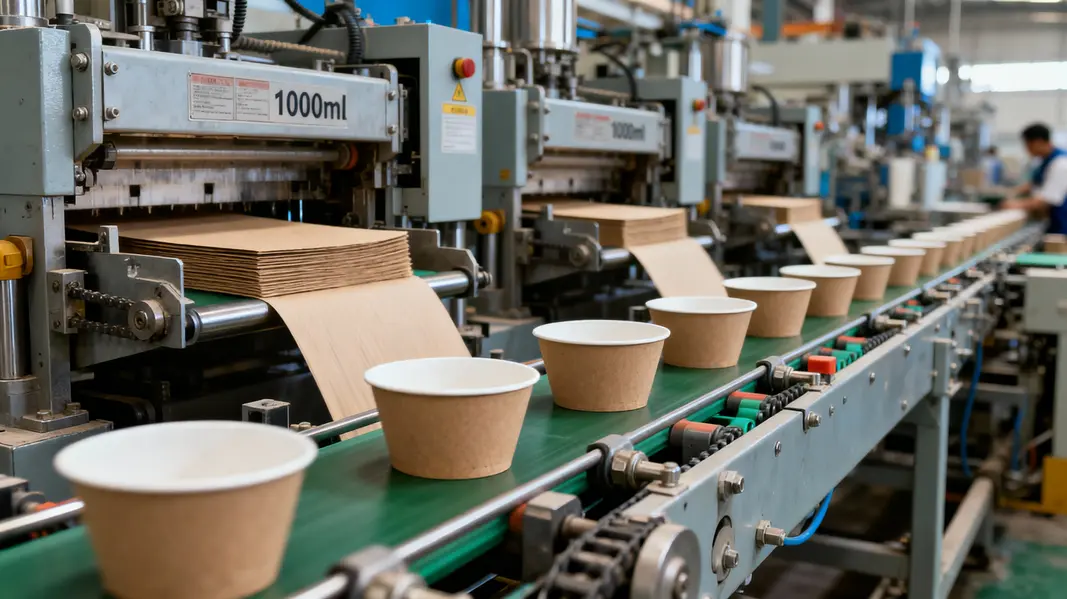
Manufactured predominantly in China, the production of these bowls involves advanced industrial processes that ensure efficiency and quality. The bowls are typically produced at rates ranging from 50 to 70 pieces per minute and can come tailored to individual business branding needs. The process starts with sourcing impurity-free base paper, which is subsequently coated with PE on one or both sides to assure waterproofing, oil resistance, and improved thermal insulation. Depending on the intended use, manufacturers can opt for a single or double-layer construction, with additional options available for clients requiring enhanced insulation properties.
Market availability for 1000ml paper bowls is robust, facilitated by numerous online platforms, notably Alibaba and Made-in-China. These suppliers offer an array of customizable options, including the integration of branded logos and variations in sizing, such as 500ml and 750ml to accommodate different food portions. Minimum order quantities typically start around 50,000 pieces, which caters to the needs of both large-scale food businesses and smaller takeout services. Notably, production capacities can peak at 200,000 pieces a day, enabling suppliers to meet diverse consumer demands swiftly, with lead times averaging 20 to 30 days after placing an order.
In addition to customization, the market underscores the availability of eco-friendly alternatives, responding to consumer demands for sustainability. Many 1000ml paper bowls are made from recyclable materials, integrating environmentally responsible practices into their production. This trend is perhaps indicative of a broader shift in the food service industry wherein waste reduction and sustainability take precedence. Environmental concerns, coupled with the preference for materials that can safely serve food, have led to increased focus on biodegradable coating options and streamlined manufacturing processes.
The various material choices available for the production of 1000ml paper bowls highlight a conscious effort towards balancing robustness and environmental responsibility. Manufacturers can utilize combinations of kraft paper, LDPE (low-density polyethylene), and even multi-layer structures where needed for specific applications, such as aseptic packaging. Such versatility ensures that the bowls not only serve their practical purpose but also adhere to growing sustainability standards—from microwave safety to biodegradability.
The printing processes employed also reflect innovation and customization in the production of these bowls, utilizing flexographic or offset printing techniques that allow for vibrant branding opportunities while maintaining the integrity of the materials. Whether it’s a vibrant graphic for a food truck or a minimalist logo for a sophisticated restaurant, these bowls can effectively represent a brand’s image. As we move into the future, trends and consumer preferences signal that the availability of various sizes, including the popular 1000ml, will remain constant, supported by a steadily growing demand across the globe.
With the combination of robust structural attributes, innovative manufacturing practices, and widespread availability, 1000ml paper bowls embody a strong food service industry solution. Their role in facilitating convenient takeaway options while catering to food safety and environmental considerations cannot be overstated. As the landscape of food service continues to evolve, one can expect these paper bowls to remain a cornerstone of takeaway culture, marrying functionality with sustainability.
For businesses seeking sustainable packaging solutions, products like eco-friendly paper bowls provide an innovative answer to both practical and environmental challenges.
3. A Deep Dive into the Manufacturing and Market Dynamics of 1000ml Paper Bowls
The availability of 1000ml paper bowls in today’s market reflects a robust response to the growing demand for sustainable and versatile food container solutions. Predominantly manufactured in regions such as China, these bowls have undergone a meticulous manufacturing process that ensures they meet the necessary industry standards while also being accessible to consumers and businesses alike.
Starting with the manufacturing processes utilized for these paper bowls, the journey begins with the careful selection of raw materials. High-quality food-grade virgin wood pulp is paramount, as this choice guarantees that the final product is free from impurities. Compliance with national safety standards is a non-negotiable aspect of this stage. Manufacturers may also choose to use a double-layer design, which enhances insulation properties, making the bowls suitable for a variety of hot and cold foods.
Once the raw materials are secured, the next critical step is coating. Advanced machinery applies polyethylene (PE) uniformly, providing a waterproof layer that is crucial for preventing leaks and ensuring durability. For bowls intended to hold hot foods, a double-coating technique is often employed to enhance resistance against heat.
Following the coating, the process of printing and drying comes into play. Using flexographic machines, manufacturers print customized designs, logos, and vibrant colors on the bowls. This stage is critical not just for branding but also for maintaining aesthetic appeal. The printed bowls are then dried at strategically high temperatures to ensure that colors do not fade, thus preserving the visual quality essential for food presentation.
The next phase involves die-cutting, where large sheets of coated paper are transformed into individual bowl shapes. The precision of this process is vital; it ensures that the edges are clean and ready for assembly. This is followed by the forming of the bowl bottoms through slitting and pressing techniques that contribute to the bowl’s structural strength.
Final assembly occurs using specialized paper bowl machines, which efficiently fold, glue, curl, and seal the sides. The assembly process ensures that the bowls maintain their shape even when filled with food. With standard specifications of 1000ml, these bowls can also be customized in various sizes like 500ml and 1500ml, meeting diverse consumer needs efficiently.
When it comes to market availability, these 1000ml paper bowls are primarily produced by suppliers in China, with large production capacities allowing for the daily output of around 200,000 pieces. Minimum order quantities typically start from 50,000 pieces, allowing businesses to purchase in bulk, which can be crucial for catering services and restaurants. Lead times, usually ranging from 20 to 30 days, allow for logistics planning and ensure timely delivery to meet urgent needs.
Emphasizing qualities such as disposability, microwave safety, and heat/oil resistance, these bowls are marketed for various food applications, encompassing everything from vibrant salads and hearty noodles to festive party platters. This versatility not only broadens their market appeal but also positions them as a practical choice for both home users and commercial establishments.
The adherence to industry standards is another cornerstone of their manufacturing process. Produced using food-grade norms, the bowls utilize coated paperboard laminates that ensure both safety and eco-friendliness. Structures employing techniques such as a PE/Paper/PE laminate are designed to prevent contamination, making them suitable for storing liquids up to 1000ml. Variants with enhanced aseptic properties can even utilize a sophisticated 7-layer build for additional barriers against food spoilage.
A commitment to recyclability ties back into the eco-conscious narrative that drives demand for such disposable products. As more consumers prioritize sustainability, manufacturers are keenly aware of the need to produce products that comply with environmental standards while maintaining functionality and aesthetic appeal. This balance between eco-friendliness and consumer expectations exemplifies the innovative spirit within the industry.
For businesses looking to harness the potential of these containers, exploring options such as
customized ecologically-friendly packaging solutions can align with modern consumer values and set them apart in a competitive food service market.
Final thoughts
In conclusion, the 1000ml paper bowl stands out as a versatile and reliable packaging option for food service businesses. With its strong construction, optimal dimensions, and varied applications, it caters perfectly to both hot and cold food needs. By understanding the manufacturing processes and market availability, business owners can confidently integrate these bowls into their operations, enhancing service quality and efficiency. Investing in these sustainable solutions not only benefits your customers but also aligns with growing eco-conscious trends in the food industry.
Choose our reliable disposable tableware and packaging solutions for your business. We offer quality products that meet safety standards, with fast delivery and flexible options. Partner with us today to elevate your service – contact our team now for a tailored quote!
About us
We specialize in manufacturing and supplying disposable tableware, packaging paper, and boxes. With years of experience, we prioritize safety, durability, and eco-friendly practices. Our goal is to provide businesses with trusted, cost-effective solutions backed by responsive customer support.