
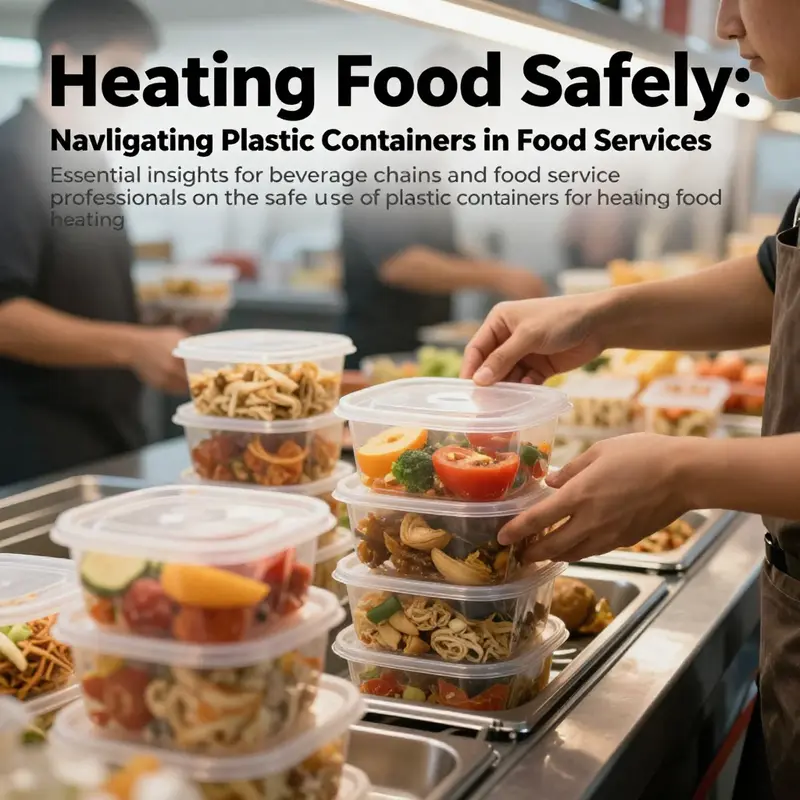
As food service professionals, ensuring the safety and quality of your products is paramount. When it comes to heating food in plastic containers, understanding the nuances can be the difference between compliance and risk. While many benefit from the convenience of plastic, there are guidelines and regulations that must be observed to avoid health hazards. This article will delve into the conditions under which plastic containers can be used for heating, the associated risks, the scientific principles at play, and best practices that can safeguard your business. By the end, you’ll be well-informed to make safer choices for your heating processes.
When Plastic Meets the Microwave: Safe Heating, Labels, and the Real Limits of Plastic Containers
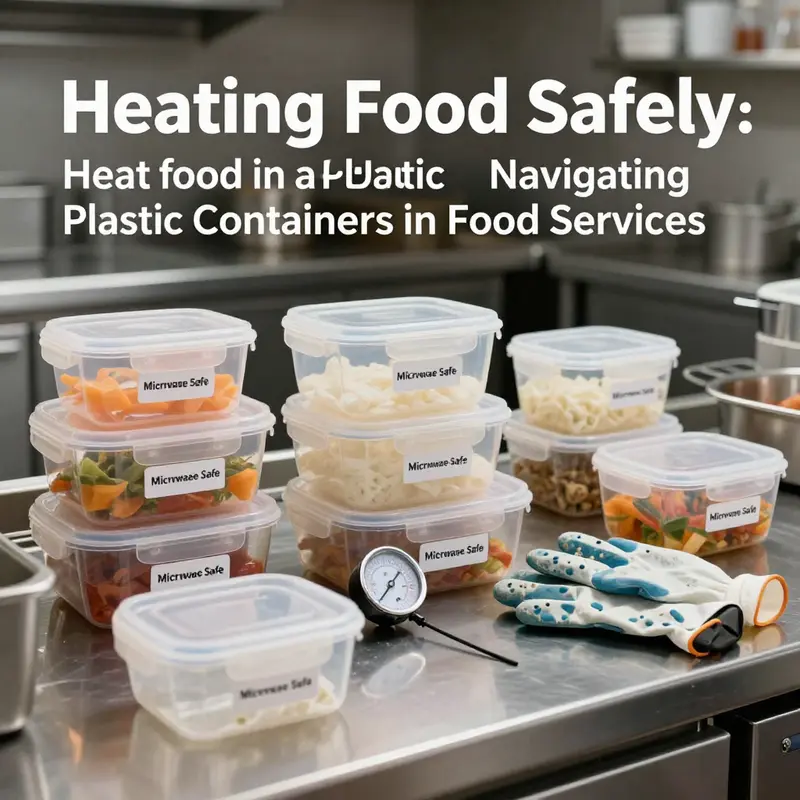
The question of whether you can heat food in a plastic container is more nuanced than a simple yes or no. It depends on the container’s material, how it’s been tested, and how you use it. At its core, the issue is not personal preference but chemistry and regulation. Plastics are diverse, and not every one is designed to withstand the heat and turbulence of a microwave. The practical takeaway is straightforward: only use containers that are clearly labeled as microwave-safe, and even then, heat with care. The label is not a magic shield; it is a promise backed by testing. When you see the microwave-safe symbol or the explicit designation from a manufacturer, you’re looking at a product that has passed a battery of tests designed to measure chemical migration under simulated microwave conditions. These tests are not arbitrary. They reflect real-world scenarios—acidic foods like tomato sauce, fatty foods with oils, and even foods with alcohol—that can influence how much, if any, substance might migrate into your meal during heating. The concept of safety here hinges on the idea that any leached substances stay well below levels regulators deem harmful. Yet the label is not a guarantee against all risk. Heat itself weakens molecular bonds in plastics, increasing the chance of leaching, especially when the container is scratched, warped, or past its prime. The moment you suspect damage, the math shifts: even a microwave-safe plastic can become a risky container if its surface is compromised. The simplest rule is: preserve the integrity of the container. Do not heat in cracked, discolored, or deformed plastics, and consider replacing worn items before they fail under heat stress. This is not alarmist; it is practical caution rooted in the physics of polymers and the way the body processes chemicals. The science guiding these practices is anchored in reputable standards and regulatory frameworks that require evidence before a product is cleared for microwave use. In many jurisdictions, including the United States, the Food and Drug Administration oversees food contact materials under broad safety laws. A container marketed for microwave use must demonstrate that it can withstand the temperatures and conditions typical in a microwave without releasing harmful levels of chemicals into food. The label “microwave safe” means the manufacturer has passed tests that simulate heating across various temperatures and food types. The testing spans acidic, fatty, and even alcoholic foods to capture a wide range of real-world scenarios. If the container passes, it can bear the designation. The existence of this label is a cue to take heating seriously, not to treat it as a risk-free shortcut. In practice, though, the system is designed to minimize risk, not to eliminate it entirely. Even with a microwave-safe container, heat can intensify chemical migration if you heat foods for long periods or at high power, especially if the container is damaged or used beyond its intended purpose. The distances between the label and the actual experience in your kitchen are bridged by common-sense checks: inspect the container for wear, avoid long heating times, and never reuse single-use plastic wraps or takeout containers for reheating. These are not mere suggestions; they are guardrails that help you keep the risk in perspective while enjoying the convenience of reheating in plastic when appropriate. The types of plastics themselves matter. Polypropylene (PP, commonly designated as #5) and polyethylene (PE, often labeled as #2) are among the plastics more commonly considered for microwave use because they tend to resist higher temperatures without significant chemical migration. However, even these materials are not universally safe for every situation. The chemistry inside a microwave is not uniform. Fatty foods, acidic sauces, and alcohols can all interact with plastics differently, influencing leachate behavior. This is why the simple act of heating tomato sauce in a plastic container is not a universal green light; it depends on the specific container’s composition, its condition, and the duration of heating. Conversely, some plastics simply should never be heated in the microwave. Polystyrene (PS, #6) and polyvinyl chloride (PVC, #3) have long been flagged as problematic for heating due to the likelihood of releasing toxic substances when exposed to heat. Even when these plastics are labeled BPA-free, the absence of BPA does not guarantee safety. Alternatives like BPS or BPF may raise similar concerns because they can behave in the body in comparable ways. In other words, “BPA-free” is not a blanket safety guarantee; it is a red flag to read further and still proceed with caution. The takeout or vacuum-sealed plastic packaging often falls into the category of materials not intended for heating. These items may harbor additives and construction methods not suitable for exposure to microwaves. They are designed primarily for transport and short-term storage, not for the stresses of heat and rapid moisture movement inside a microwave cavity. The risk with such packaging is twofold: chemical migration and structural failure. As a container is heated, its material can soften or warp, forming micro-cracks that provide pathways for small molecules to migrate more easily into food. Repeated heating or reuse of these kinds of plastics compounds the risk. The safest approach, when possible, is to bypass plastic altogether for heating. Glass and ceramic containers are inert, typically free from the migrating chemicals associated with some plastics, and they withstand high heat better over repeated uses. If you must rely on plastic, transfer the food to a microwave-safe container that is explicitly designed for heating. Then, after heating, you can return the food to the original packaging for storage if the packaging is suitable for cold storage, but never reuse or reheat in the same single-use plastic. This practice aligns with the precautionary guidance that emphasizes reducing our exposure to potential leachates by allocating heating duties to materials with more robust resistance to heat. The practical steps in the kitchen are clear: always check the label before microwaving. If the container lacks a microwave-safe designation, do not use it in the microwave. If you see a microwave-safe label, consider the container’s condition. A fresh, undamaged container is more reliable than an older or compromised one. If you notice cracks, warping, discoloration, or a rough surface, replace the container. And remember that heat is cumulative. A container that has endured years of use and multiple cycles of heating and washing may accumulate micro-damage that isn’t visible yet but can still affect safety. Beyond the container itself, the way you heat also matters. Do not overheat. Running a microwave on full power for an extended period can push the limits of even microwave-safe plastics, increasing the chances of chemical migration and physical damage. Shorter heat cycles, proper stirring, and letting food sit briefly after heating to even out temperature can minimize hotspots and reduce the risk of overexposure to heat on any given area of the container. A useful practice is to vent or loosen lids to prevent steam buildup, which can exacerbate pressure and internal temperatures. Also, avoid heating fatty or highly acidic foods in non-specified containers, as fats and acids can accelerate corrosion or soften plastic in ways that encourage migration. If you are unsure, the safest strategy is to transfer to glass or ceramic and heat there, then move the warmed contents to their final dish for serving. The broader regulatory backdrop reinforces the message that the microwave is a controlled environment with strict expectations for safety in food contact materials. The FDA’s framework emphasizes that plastics marketed for microwave use have been tested for chemical migration under realistic conditions. Yet the system is not intended to create risk-free situations; it is designed to reduce risk to acceptable levels. The importance of testing, labeling, and consumer vigilance cannot be overstated. If you ever question whether a container is safe, err on the side of caution. The cost of avoidance is minimal compared to the potential health consequences of chronic exposure to leachates from unsuitable plastics. In practical terms, this means choosing containers made from PP or PE, ensuring they’re labeled microwave-safe, and inspecting them regularly for wear. It also means embracing a more deliberate approach to heating: smaller portions heated in shorter bursts, allowing a brief pause between cycles to reduce peak temperatures, and transferring food to a non-plastic vessel when possible. For cooks who want to navigate this space with confidence, the available guidance supports a simple mode of operation: verify, vent, and limit. Begin by verifying the label before every heating. If the label is missing or unclear, avoid heating in that container. Next, vent the container to prevent pressure buildup from steam; crack the lid or use a vented microwave-safe lid. Finally, limit heating duration to the minimum required to reach the desired temperature, especially for moisture-rich or fatty foods. If you are reheating leftovers, consider splitting portions into smaller containers to distribute heat more evenly and reduce the maximum heat exposure of any single container. This approach reduces the likelihood of hotspots where temperature peaks could drive more aggressive leaching. It also makes it easier to monitor the container’s condition over time. The bottom line remains consistent: plastic can be safe for microwave heating, but only under clearly defined conditions and with ongoing attention to the container’s integrity and to the heating process. When in doubt, move to glass or ceramic, and use plastic only when you are certain it is explicitly designed and labeled for microwave use. To help you navigate this landscape, consider browsing the Plastic Packaging category for materials and options that align with safety goals and practical meal prep needs. Plastic packaging category. By staying informed, you can enjoy the convenience of reheating while keeping exposure to potentially harmful substances as low as reasonably achievable.
External resource: https://www.fda.gov/food/food-contact-materials
Heating Food in Plastic: The Hidden Dangers Behind the Microwave-Safe Label
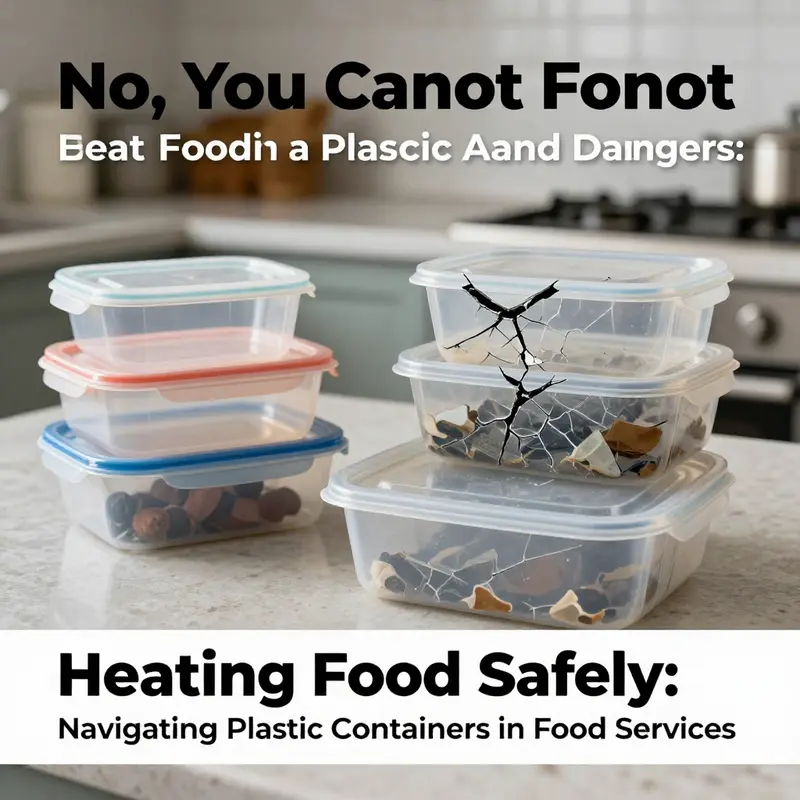
The impulse to reach for a plastic container when you want to reheat a meal is understandable. It feels efficient, keeps the routine simple, and can seem innocuous in a busy kitchen. Yet behind that everyday choice lies a tangle of chemistry, physics, and long-term health considerations that most people do not see as they press the start button. The question “can you heat food in a plastic container?” is not a simple yes or no. It hinges on the type of plastic, its age, its design purpose, and how you intend to heat the contents. In practical terms, the safest path is often to avoid plastic altogether for heating. But if you must use plastic, there are important rules, limits, and trade-offs to understand, ones that go beyond the label you see on the container and the convenience it promises.
To begin, it helps to recognize that plastics are not a monolithic material. They differ profoundly in structure, rigidity, heat tolerance, and chemical composition. Some plastics are designed to withstand microwaves and high temperatures with minimal chemical migration; others are better suited for cold storage or short exposure to warm foods. The most widely discussed safety distinctions center around specific polymers. Polypropylene, marked as PP or sometimes labeled as #5, and polyethylene, marked as PE or #2, have long been considered more stable under heat than some of the alternatives. They’re commonly used in food-grade packaging and storage items because they resist deformation and melt when heated does not occur as readily as with other plastics. Still, stability does not equal risk-free performance. Heat can still drive subtle changes. In short, even the so-called safer plastics have limits, and those limits matter when the heat and duration of reheating rise.
On the other end of the spectrum sit polymers such as polystyrene (PS, often labeled #6) and polyvinyl chloride (PVC, #3). These materials carry well-documented concerns when heated. PS can emit residues that migrate into food under microwave or high-heat conditions, while PVC can release toxic fumes or plasticizers as the heat intensifies. These are not merely theoretical warnings; the chemistry and public health literature consistently point to both leaching and odoriferous byproducts as potential issues when these materials are used for heating. The risk is not uniform across all PS or PVC items in the wild, but the precautionary principle is clear: heating in these materials is best avoided, especially when you cannot guarantee the container’s integrity or its intended use in the microwave.
Then there is the reality of degraded or aged plastics. A container may carry a pristine label when new, yet after repeated use—scratches, cracks, discoloration, or warping can appear—its structural integrity and barrier properties deteriorate. Heat can accelerate that deterioration, increasing the chance that chemical additives migrate into food. The same is true for containers that have undergone rough handling or improper cleaning. A tiny fissure might seem inconsequential, but as temperatures rise, it can become a conduit for chemical migration or even for microplastic particles to shed into the meal you are reheating. This is a subtle but important part of the risk calculus: not all risk comes from the material’s baseline chemistry alone, but from its condition and how it has endured over time.
A critical piece of the conversation is the distinction between labeling and actual performance. A container may bear a microwave-safe label or symbol, and that label means the product has undergone testing to assess heat resistance and chemical migration under defined conditions. Yet the label does not guarantee complete safety under every heating scenario. The tests are conducted to ensure that, under specific, standardized conditions, the amount of substances migrating into food remains below regulatory thresholds. Those thresholds are not arbitrary; they are designed to protect vulnerable populations and align with international safety standards. However, it is important to understand that the margin of safety is a function of both the temperature and the duration of heating. Short, quick reheats at moderate power are different from long, high-temperature cooking cycles. The same container can perform acceptably in one scenario and become a less favorable option in another.
Beyond chemical leaching, there is the growing body of research on microplastics and nanoplastics. Even containers considered food-grade can shed tiny particles when heated, and those particles can find their way into food and beverages. The microscopic world released during heating is not something most people picture as they pop a lid. Yet the numbers reported in laboratory studies are striking: heating a common polypropylene takeout container for a few minutes can release millions of microplastic particles and billions of nanoplastic particles into the food. The implications of ingesting these particles are still being explored, but early evidence points to potential chronic inflammation and a variety of unclear long-term health effects. The concern extends to all stages of the plastic life cycle, including the additives that give plastics their flexibility and durability. The problem is not only the materials themselves but how heat can alter their behavior, increasing the likelihood of migration and fragmentation when subjected to microwaves or high-temperature environments.
To translate this science into practical guidance, it helps to connect the dots between labeling, material type, and acceptable use. When you encounter a container labeled microwave-safe, you are seeing a product that passed specific heat-resilience tests. But those tests do not guarantee safety in all situations. If the container is not labeled microwave-safe, do not assume it is safe to heat; the absence of a microwave-safe designation usually signals that the material has not been tested for heat-related chemical migration. A good rule of thumb is to treat any unlabeled or doubtful container as unsuitable for heating. If a container is visibly damaged—cracked, melted, discolored, or warped—do not heat with it, even if it bears a microwave-safe label. Damage can alter the polymer matrix, ease chemical migration, and create hotspots that intensify exposure in localized areas of the food.
In practice, the safest approach is straightforward: opt for glass or ceramic containers for heating and reheating. These materials generally resist the kind of chemical migration that is most concerning in heated plastics, and they do not shed microplastics in the same way. They also distribute heat more evenly, which reduces the risk of hot spots that can cause localized overheating and greater chemical release. If you need to reheat foods in a microwave or conventional oven, consider transferring the food to a microwave-safe glass dish or a ceramic container equipped with a vented lid. The lid helps control moisture and pressure, while the transparency of glass allows you to monitor the heating progress without lifting and inspecting the container too frequently, which could introduce thermal shocks or steam burns.
That said, plastic remains deeply embedded in modern kitchens for its convenience and versatility. When plastic must be used, prudence is essential. Choose containers made from food-grade PP or PE plastics from reputable sources, and confirm that they are explicitly labeled for microwave use. Avoid containers that are scratched, cracked, or stained, and discard any container that has become warp-prone or discolored. Reuse of single-use takeaway packaging for reheating is especially risky; such packaging is rarely designed for multiple heating cycles and may contain residues or additives not intended for repeated exposure to heat. Remember that the label can help, but it is not a license to heat recklessly. The context of use matters: shorter reheats at lower power, gentle stirring, and allowing foods to cool for a moment before handling can reduce the concentration of migrating substances compared with prolonged, high-heat exposure.
If you still decide to use plastic containers, there are ways to minimize risk and to make the process safer. First, verify that the plastic is labeled microwave-safe and intended for food contact. Second, inspect the container for damage and replace anything with cracks or warps. Third, avoid containers that are likely to be compromised by high heat, such as takeout boxes or packaging from restaurants that have been exposed to rough handling or long storage times. Fourth, consider pre-emptive strategies like transferring food to a glass or ceramic vessel before heating, or using plastic only for short reheating bursts rather than full cooking. And fifth, avoid heating fatty or oily foods in plastic for extended periods, as fats can enhance the migration of certain additives. These steps cannot erase the underlying risks, but they can reduce exposure and give you more control over how your meals are heated.
The question then becomes: what do you do about the larger habit of relying on plastic for heating? The answer lies not in a single action but in a set of practices that align everyday convenience with a precautionary approach to health. One practical shift is to embrace containers designed for reheating, with materials chosen for stability under heat. Another is to plan meals in ways that minimize the need for reheating in plastic—storing portions in glass or ceramic and reheating them in the same type of container. In some households, this small change ripples outward, guiding choices about dishware, kitchen storage, and even the way groceries are organized and prepared. For someone who needs a lightweight, throwaway option for travel or work, there exists a category of disposable containers designed for safe use with microwaves, though even here you should read the packaging carefully and avoid any container that seems compromised or unsuitable for high heat. If you need easy-to-access options for safer serving, you can explore dedicated containers like disposable lunch boxes that are specifically designed for reheating in microwaves and then disposal, rather than repurposing packaging that was never intended for repeated heating. For more on the kinds of disposable options available in this category, you can explore a dedicated page that aggregates disposable lunch boxes and related products. disposable lunch boxes.
Ultimately, the core message is consistent with public health guidance across jurisdictions: while it is possible to heat certain plastics safely under controlled conditions, the safest practice is to minimize plastic use in heating altogether. If you can, heat in glass or ceramic, and reserve plastic for cold storage or short-term reheating only when the container is clearly labeled for microwave use and is in good condition. The risk calculus grows with temperature and duration, and the duration of exposure to heat is a major driver of chemical migration and microplastic release. The human body is resilient, but it does not have an easy mechanism for processing a constant stream of plastic-derived substances. The long-term health implications are not yet fully understood, but the evidence we do have points toward caution and restraint when relying on heated plastics for meals.
For those who want a broader, science-informed perspective on the risks of microplastics and long-term exposure, it can be helpful to consult global health resources. A widely cited source explains that microplastics and nanoplastics are found in many environments and have been detected in human tissues, raising concerns about chronic inflammation and potential associations with various diseases. While research continues to refine our understanding, the precautionary principle remains a prudent guide for daily choices around heating food in plastic. For an overview of the global microplastics issue and health considerations, see the World Health Organization’s microplastics fact sheet: https://www.who.int/news-room/fact-sheets/detail/microplastics. This external resource provides context for how scientists and policymakers view the implications of microplastics in food systems and the environment, reinforcing why careful handling of plastics during heating matters beyond immediate convenience.
Heat, Plastic, and Health: Unpacking the Real Costs of Microwaving Food in Plastic Containers
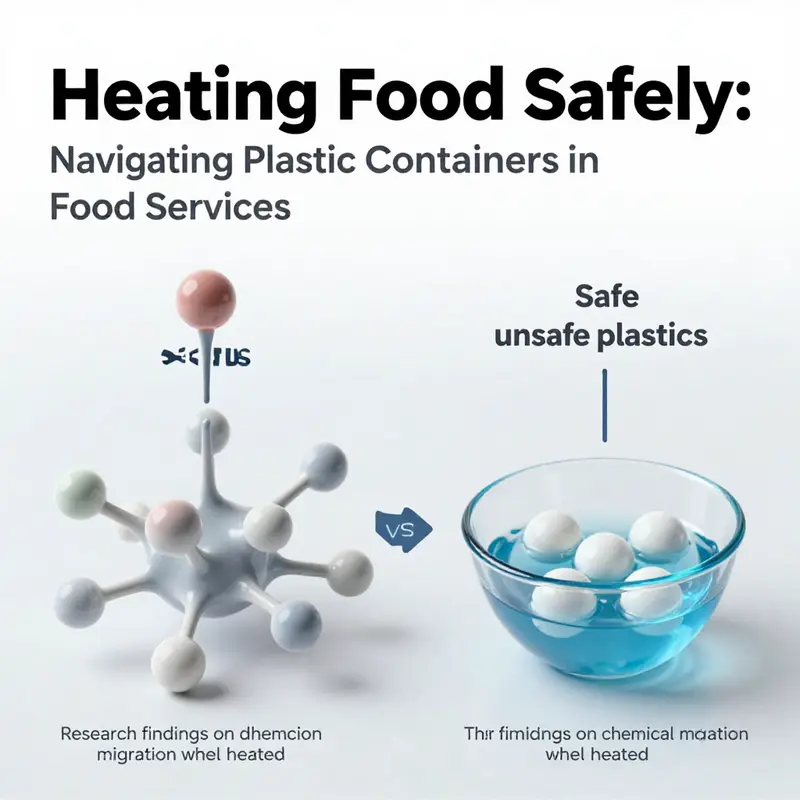
Every day, millions reach for a familiar plastic container to heat yesterday’s leftovers, a quick lunch, or a mugful of soup. The impulse is simple: heat in place, on the same plate you’ll eat from, without the extra dishwashing. The convenience is undeniable. Yet beneath that ease lies a tangle of science and safety questions about what happens when plastic meets heat, fats, and food in a microwave. The chapter that follows asks not for a blanket verdict but for a careful, evidence-based look at what heating food in plastic containers really means for our health, our kitchens, and our choices about how we eat. The conversation begins with the plastics themselves—their labeling, their chemistry, and the way heat can alter their behavior. The labels are meant to reassure, but they can also obscure what happens when a container is heated, especially in the presence of fat, acids, or long heating times. To understand the risks and the decisions that follow, we must connect laboratory findings with everyday habits, the subtleties of material science, and the practical wisdom of choosing safer cooking and reheating practices. The result is a more nuanced perspective on a topic that seems straightforward but, in truth, rests on a complex stack of materials, standards, and real-world use.
At the heart of the discussion are the plastics themselves. Not all plastics are created equal when it comes to heat. In consumer packaging and containers, two families frequently make the cut for food contact: Polypropylene, known chemically as PP and often labeled as #5, and Polyethylene, labeled PE and commonly found as #2. Both are prized in kitchens for their toughness, clarity, and resistance to cracking. They have a track record of withstanding higher temperatures without softening in the way that some other plastics do. But even within these two categories, the performance under microwave conditions varies with additives, fillers, and manufacturing. The opposite end of the spectrum includes materials like Polystyrene (PS, #6) and Polyvinyl Chloride (PVC, #3). These are less compatible with heating and, in many cases, can release substances that alarm health professionals when exposed to heat. This basic taxonomy matters because it shapes not only safety guidelines but also the everyday choices people make when they decide to heat food in plastic containers. The goal is not to cast every plastic as a villain or to argue against plastic entirely, but to illuminate when and why plastic can be safe, and when the risks outweigh the convenience.
A core element of safety labeling is simple in appearance but loaded with implications: the microwave-safe designation. When a container bears a microwave symbol or the words “microwave safe,” it indicates that the product has undergone a testing regime designed to measure heat resistance and chemical migration. The claim is more than a label; it is a promise that the container, within defined temperature ranges and timeframes, should not release chemicals into food at levels considered unsafe by recognized standards. Yet the caveat is essential. The testing that supports a microwave-safe label enshrines important thresholds, and those thresholds are set to be conservative enough to protect most consumers across typical usage patterns. The bottom line in the literature is that such labels can offer a reasonable degree of reassurance, but they do not guarantee an absolute absence of chemical migration. That distinction matters because kitchen realities often involve longer heating times, hotter temperatures, and foods that interact with the container’s material in ways that laboratory tests may not fully capture.
This nuance leads to a more troubling part of the story: microplastics and nanoplastics. Recent research has raised concerns about the manner in which heating, even in containers deemed microwave-safe, can promote the release of tiny plastic particles into food. In some studies, microwaving has been associated with a dramatic increase in microplastic and nanoplastic shedding—an effect that is amplified by heat and by the presence of fats and oils, which act as solvents, pulling more chemicals from the plastic into the food. One study of note reported that as little as three minutes of microwaving could release billions of nanoplastic particles per square centimeter from a single container. Although this figure has become a dramatic symbol in discussions about safety, it underscores a real risk: the tiny particles can travel into the body and potentially accumulate in organs, where long-term exposure is a matter of growing concern for public health researchers. The mechanistic picture is clear. Heat destabilizes the polymer matrix, and additives designed to give plastics their strength—such as plasticizers—can migrate into the food. In fatty foods, this migration is magnified because fats solubilize certain additives more effectively, increasing both the concentration and the likelihood of exposure. While researchers continue to map the precise health implications of chronic, low-level microplastic exposure, the trajectory of evidence is enough to warrant caution and to push for safer practices in everyday cooking.
What these findings imply for the home kitchen is not a proclamation of doom, but a call to balance convenience with precaution. The science does not suggest that microwaving in plastic is always deadly or that a single heating event will cause harm. It does suggest that the risk is not static; it changes with the plastic type, the presence of fats or acids, the duration of heating, and the condition of the container. A container that is relatively new, undamaged, and labeled microwave-safe may perform better than an older, cracked, or warped one—but even then, the risk is not eliminated. The more important takeaway is that the safest practice, when possible, is to minimize heating plastic contact altogether. Glass and ceramic containers, by their inert nature and their resistance to leaching, offer a more predictable environment for reheating foods. They do not absorb flavors, stains, or microplastics, and they do not present a medium through which chemicals can migrate as readily as some plastics do under heat. This is not an anti-plastic manifesto; it is a call to discernment in daily routines.
The practical upshot of this science translates into a few clear guidelines that fit into ordinary cooking habits. First, if you must heat in plastic, start with a container labeled microwave-safe and constructed from a food-grade plastic such as PP or PE. Check for any signs of damage—cracks, warping, or discoloration are red flags that the material may have already undergone structural changes, increasing its propensity to shed substances when heated. Second, avoid heating fatty foods in plastic containers, especially for longer durations. Fat acts as a solvent in this context, drawing more chemicals out of the plastic and into the meal. If your meal is rich or oily, the risk gradient rises and the benefit of switching to a glass or ceramic vessel becomes more compelling. Third, practice venting. Do not seal the container tightly; leave a small vent to allow steam to escape. This not only reduces pressure that can complicate heating but also minimizes the conditions under which the polymer might push more substances into the food. Fourth, observe the limits of time and temperature. Shorter heating cycles with occasional stirring often create a more even temperature profile and reduce localized hotspots where chemical migration can intensify. Fifth, avoid reusing old takeout or vacuum-sealed packaging for heating. These materials are typically engineered for containment and transport, not for repeated heating cycles or for exposure to the higher temperatures associated with microwaves. In almost every dataset, the safest umbrella remains the least contact with heated plastic whenever feasible.
For households that still rely on plastic for storage and occasional reheating, there is a practical middle ground. When you do store or reheat in plastic, lean toward containers designed for repeated food contact and avoid those that carry older labels or unknown provenance. In this context, the landscape of plastic packaging offers a spectrum of products. Some are designed to be recyclable and BPA-free, others are marketed as microwave-safe by manufacturers with varying degrees of independent verification. If you are evaluating your options, seeking out containers that emphasize simple, food-safe formulations can help. Within the broader category of plastic packaging options, you will find products aimed at minimizing chemical migration and maximizing performance under heat. For those who prefer a quick, practical reference in lieu of wading through technical data, a concise rule of thumb emerges: temperature and time matter more than the mere presence of a label. A container might be labeled microwave-safe, but the way you use it—how long you heat, whether you stir, whether the meal is fatty—will ultimately drive the level of chemical exposure. In this sense, the label is a guide, not a guarantee, to risk-free heating.
To connect practical choices with the broader science, consider how storage and heating decisions interweave with kitchen organization and food safety culture. A systematic approach begins with assessing what you’re heating and how, and ends with the simple step of transferring to a more inert vessel before final heating if needed. A bowl or a shallow dish made of tempered glass or ceramic often heats more evenly and avoids the localized overheating that can occur with deeper, curved plastic containers. The goal is not to demonize plastics in every scenario but to recognize where they offer real utility and where they pose avoidable risks. In day-to-day life, this means adopting a layered strategy: use plastics with proven heat resistance and food safety credentials for short heating tasks; when in doubt, switch to glass or ceramic for higher-heat or longer reheating. The habit of doing so can significantly reduce the cumulative exposure that might come from repeated use of suboptimal plastics across week after week of meals.
For readers seeking to deepen their understanding beyond general guidance, the science literature offers a body of evidence that supports these cautious conclusions. It highlights that even under careful labeling and testing, the dynamic environment of a kitchen—where containers might be microwaved at high power, used with acidic sauces, or filled with mixed ingredients—creates conditions that move beyond the controlled conditions of laboratory tests. The overarching message from researchers and health authorities is consistent: limit plastic heating where possible, and favor inert materials for heating, especially for repeated or long-duration heating. When plastic is used, choose options that are specifically designed for food contact and are free of known contaminants, then monitor for signs of wear. Do not reuse single-use takeout packaging for heating, and avoid heating plastic that has become brittle or cracked. These practices align with a growing consensus that the safest approach is to reduce plastic exposure in the heating process while maintaining the practical benefits of modern food packaging.
In the end, the question of whether you can heat food in a plastic container does not have a single, universal answer. It depends on the plastic type, the presence of a microwave-safe label, the condition of the container, and the specific heating scenario. The science does not offer a blanket prohibition, but it does offer a clear risk–benefit calculus. If ease of use, portability, and cost are the dominant factors in your daily life, you can make plastic work under certain constraints. If, however, your priority is minimizing potential chemical exposure and reducing microplastic ingestion, the safer path is clear: prefer glass or ceramic for heating, reserve plastics for cold storage or short, low-heat tasks, and keep a careful eye on the labeling, the condition of your containers, and the overall heating times you apply. For a practical route that keeps you anchored in evidence while recognizing everyday needs, the combination of cautious use for appropriate plastics and a default switch to inert materials for the bulk of heating tasks offers a balanced, realistic approach.
From a practical standpoint, the kitchen remains a place where science translates into daily choices. This translation happens not in a laboratory, but in the rhythm of reheating, stirring, and tasting. It happens in the way we read labels, the way we inspect containers before use, and the way we decide when to switch materials mid-meal. If you’re seeking straightforward guidance for a typical household, the rule of thumb is simple: heat in plastic only when the container is clearly labeled microwave-safe, made from a food-grade plastic like PP or PE, and in good condition; otherwise, opt for glass or ceramic and keep the plastic for cold storage and short reheating on lower settings. This approach reduces the cumulative exposure risk while preserving the practical benefits that plastics offer in food storage and transport. And as with many aspects of health and safety, the best choice is often the one that prioritizes prevention, rather than remediation after exposure.
For those who want to bridge the knowledge with practical shopping and decision-making, consider exploring categories and options in plastic packaging that emphasize safety and sustainability. A practical way to approach this is to focus on containers that are advertised as safe for repeated heating and free of BPA and other controversial additives. While no single solution fits every meal or every household, combining careful product selection with mindful heating practices offers a robust strategy. You can also look to other materials as defaults for the most heat-intensive tasks, such as reheating sauces, stews, or fatty dishes, where the risk gradient is higher. The objective is not to shun plastic entirely but to ensure that when plastic is used, it is used in the most informed, cautious way possible. In this sense, everyday cooking becomes not only a routine of nourishing meals but an ongoing practice of risk management, evidence-based decision making, and thoughtful shifts toward safer materials when warranted.
Ultimately, the conversation about heating food in plastic containers is less about a binary choice and more about a thoughtful, informed approach to kitchen safety. It invites readers to reflect on how science, labeling, and personal habits intersect in the most ordinary of actions: warming a plate of food. It invites a reevaluation of the convenience we often take for granted and prompts us to weigh the immediate benefits against longer-term health considerations. The result is a more resilient, informed kitchen culture—one that respects the science, honors safety, and remains flexible enough to adapt to changing materials, regulations, and household needs. If you want to explore further practical options and the nuances of different plastics in everyday use, you may consult resources within the broader catalog of packaging and storage solutions that highlight safety-focused choices. plastic packaging options can be a starting point for identifying safer storage and reheating tools, especially when you are redesigning your kitchen routines around safer materials. As with all science-informed decisions, staying current with guidance from health authorities and credible research will help you tailor your practices as new evidence emerges. External resources, such as peer-reviewed syntheses of the risks associated with microwaving in plastic, provide a broader context for what you do next in your kitchen journey, and they remind us that science is an ongoing conversation, not a fixed verdict. External resource: https://www.scientificamerican.com/article/why-microwaving-food-in-plastic-is-dangerous/
Heat with Confidence: Reheating Safely with Plastics and Alternatives
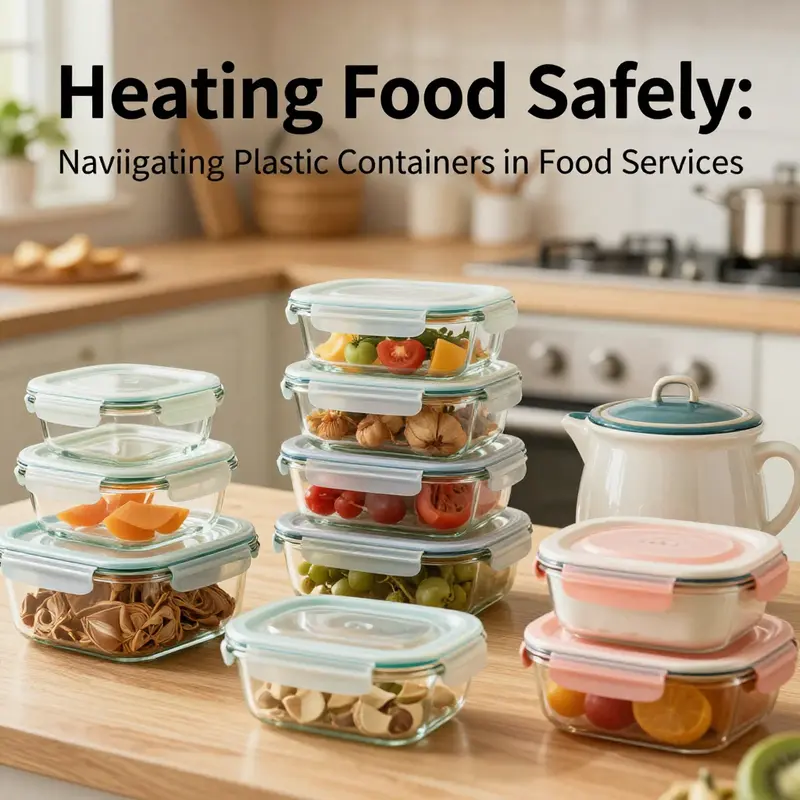
Reheating food often involves plastic containers, but heat and certain plastics can release substances into food. This chapter explains practical guidance for safe reheating, when plastic can be acceptable, and stronger alternatives like glass and ceramic. The goal is to help you taste your leftovers with fewer safety concerns while minimizing chemical exposure.
First, check labeling and the container’s condition. Look for microwave-safe or heat-safe labels, and inspect for cracks or warping. Even labeled plastics have limits; avoid fatty, acidic, or very hot foods in plastic for long heating. When in doubt, transfer to a microwave-safe glass or ceramic container before reheating.
Safer options include glass and ceramic, which are generally non-reactive and handle heat reliably. Silicone can bridge the gap when used within temperature guidelines, but it also requires mindful use. Use plastic only briefly and favor non-plastic options for regular reheating whenever possible.
Final thoughts
Navigating the complexities of heating food in plastic containers is crucial for any food service provider. By following established guidelines, staying informed on the types of plastics that are safe for heating, and considering alternatives like glass and ceramic, you can ensure the integrity of your food and the safety of your customers. Embracing these best practices not only enhances your operational efficiency but also reinforces your commitment to health standards. Make informed decisions around your packaging and heating methods to maintain quality service in your business.