

Disposable plastic cups have become essential for various industries, especially in bustling Pretoria, where beverage businesses and event planners seek versatile solutions. This guide offers insights on where to find these must-have items, from online platforms to local retailers, while also addressing the pressing environmental concerns surrounding their use. The evolving landscape of disposable plastics influences purchasing decisions for bubble tea shops, restaurants, catering services, and corporate teams alike. As we delve into each chapter, you’ll gain valuable information on sourcing, market options, eco-trends, and trusted suppliers, helping you make informed choices that align with your business needs.
From Global Warehouses to Pretoria Tables: The Digital Quest for Disposable Plastic Cups
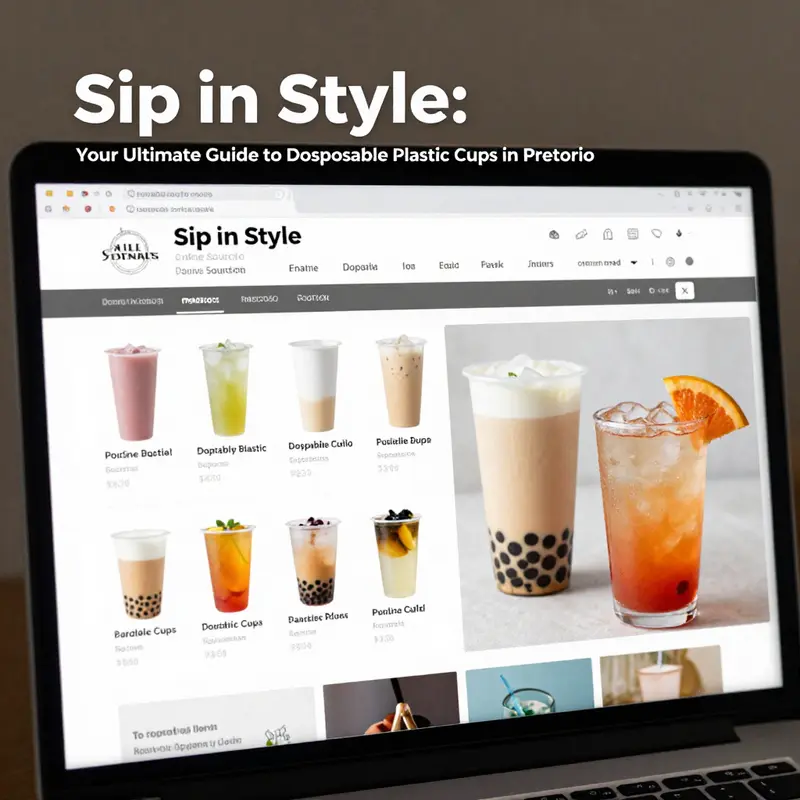
Online channels have reshaped how Pretoria buyers access disposable cups, blending local immediacy with global capacity. Procurement managers can source standard sizes quickly, then layer in customization such as branding, colors, and lid compatibility as needed. The result is a flexible procurement ecosystem that can scale from small events to large campaigns while still honoring local delivery realities, regulatory requirements, and waste management goals.
The backbone of this approach is the geographic clustering of plastics producers that supply cup components, printing services, and packaging solutions. Pretoria benefits from hubs that specialize in injection molding, thermoforming, and high speed labeling, enabling a broad palette of geometries, wall thicknesses, and printing capabilities. Buyers can compare hot beverage and cold beverage designs, evaluate resistance to leaks, and negotiate lead times with confidence when the supplier network around them is backed by robust regional logistics.
Cost dynamics in online sourcing hinge on volume, material choice, and customization. Unit costs typically decline with larger orders, thanks to automation and amortized tooling. Yet total cost of ownership matters: freight, duties, and potential returns or redevelopments must be factored in. A disciplined sourcing plan may begin with a modest pilot, followed by staged expansions aligned with event calendars. In Pretoria, the ability to test prototypes locally and to validate branding across printing runs often translates into faster go no go decisions and reduced risk.
Material choices for cups commonly include polypropylene (PP) and polyethylene terephthalate (PET). PP offers heat tolerance and rigidity for hot beverages, while PET provides clear presentation for cold drinks. Biodegradable options such as PLA are gaining interest, particularly among brands seeking environmental credentials. However, PLA performance can vary with heat and humidity, and industrial composting facilities may be required for end of life disposal. Buyers weighing environmental goals should examine lifecycle implications, disposal streams, and the alignments with local waste infrastructure before committing to a given material.
Beyond the product itself, the online sourcing journey emphasizes supplier reliability and quality assurance. Pretoria buyers value vendors who own their tooling, labeling lines, and packaging equipment, because this combination supports faster iterations, clearer communication, and tighter quality control. Certifications, traceability, and compliant food contact standards help reduce risk during events where timing is critical. Equally important is supplier scalability: a partner who can flex capacity to accommodate sudden demand or design refinements can simplify event planning and budgeting.
In practice, translating these capabilities into a concrete workflow means defining requirements up front, requesting samples, and validating performance through small test batches. A typical path might include establishing a technical brief (size, material, insulation, and lid compatibility), reviewing catalog options, and ordering prototypes to test printing fidelity and dimensional accuracy. Only after a validated pilot would a larger order be placed, with contingencies for reprints or adjustments if needed. A well designed procurement process keeps logistics in view—lead times, freight terms, and supplier performance metrics—so cups arrive in Pretoria when they are needed for the event calendar.
For readers exploring online channels, reputable platforms often present detailed product listings, MOQs, and vendor performance data. Some suppliers offer end-to-end services, ranging from cup geometry to branding and packaging, which can streamline the workflow for Pretoria campaigns that hinge on consistent branding and reliable delivery. The optional use of alternative materials, including biodegradable variants, can support sustainability goals when paired with a clear plan for end-of-life management and recycling streams.
Finally, a pragmatic view recognizes that Pretoria’s local market complements online channels. Supermarkets, office supply stores, and wholesale food-service distributors provide quick replenishments for routine operations, while online channels handle larger campaigns and customization. A hybrid approach, standard cups for routine service plus online sources for branding heavy or high-volume orders, balances reliability, cost, and speed.
The broader policy landscape also matters. Global trends toward single-use reduction, packaging restrictions, and waste-management incentives influence supplier behavior and consumer expectations. While Pretoria may not have a local ban, understanding these shifts helps buyers anticipate changes in pricing structures, availability of materials, and introduction of more sustainable options, such as recyclable or compostable cups and improved recycling streams.
To translate these ideas into action, Pretoria buyers can follow a practical sourcing workflow: define beverage and branding requirements, survey online catalogs for in-house tooling and rapid prototyping, request samples, test printing fidelity and dimensional accuracy, and run a pilot before scaling. This approach prioritizes reliability and branding alongside cost awareness, and it stays responsive to the realities of South Africa’s logistics and waste-management ecosystem.
For readers seeking real-world context, reference catalogs and supplier listings illustrate how many vendors present customizable, transparent cup options, including packaging and printing services. The broader takeaway is a disciplined, evidence-based approach to online sourcing that balances global capability with local delivery capacity, while aligning cup choices with environmental goals and Pretoria’s waste-management framework.
From Aisles to Avenues: Navigating Pretoria’s Markets and Retailers for Disposable Plastic Cups

Pretoria wears its crowds lightly, a city of embassies and townships, of buzzing malls and quiet corners where cash registers chime as easily as city birds. The disposable plastic cup, unassuming yet indispensable, sits at the crossroads of convenience, budget, and planning. In a city that blends government precincts with lively market lanes, the search for these cups unfolds as a small, practical map of local commerce. For organizers, families, and small businesses alike, the journey to secure disposable cups in Pretoria is less a single purchase and more a path through a network of retailers, wholesalers, and informal vendors who understand the tempo of events large and small. The cups come in many sizes, colors, and finishes, and the choices echo the diversity of the city itself: a last-minute birthday gathering, a charity bake sale at a school, or a corporate function that requires a steady stream of standard-clear options or something a touch more festive. The question, then, becomes not merely where to buy but how the city’s retail ecosystem supports reliability, price stability, and the capacity to adapt to a demand that can swing with seasons, weather, and the cadence of community life.
Across Pretoria, the everyday entry points for disposable cups are the city’s supermarkets. These are not mere shelves; they are logistical hubs where supply chains, promotions, and consumer habits intersect. In neighborhoods and precincts from Centurion’s broad avenues to Mamelodi’s lively streets and Waterkloof Glen’s understated retail clusters, major supermarkets curate a section for party supplies and disposable tableware. It is here that the casual shopper finds a straightforward range—cups in clear and assorted tints, in a handful of common sizes, easy to stock and easy to recycle when possible. These outlets are designed for quick replenishment and impulse buys as much as for bulk needs, so a shopper planning a school fete or a community event can walk in, pick up a stack of cups, and be on their way with minimal disruption to the day’s schedule. The convenience matters, especially when time is short and plans must be executed with surgical efficiency. The rhythm of these supermarkets mirrors the city’s own tempo: constant, reliable, and familiar enough to trust when the clock is ticking.
Beyond the bright aisles of supermarkets, Pretoria’s retail landscape widens with dedicated party supply retailers and wholesale distributors tucked into industrial zones and bustling retail hubs. These spaces tend to specialize in bulk offerings, and their staff bring experience from catering, events, and corporate services. For organizers who need to outfit a larger gathering, or who require a consistent supplier for recurring events, these venues offer the advantages of bulk pricing, consistent stock, and the potential for customization in some cases. The experience of shopping at these outlets is often more transactional than the supermarket, yet it rewards preparation. A well-timed visit can yield discounts for larger orders, and staff can guide buyers toward options that balance cost, durability, and practicality. The city’s traders in this segment understand that cups are a pragmatic tool—small enough to be forgotten until they are needed, sturdy enough to handle hot or cold beverages, and adaptable to a range of event styles, from corporate lunches to fundraisers in community halls.
The environmental dimension enters more saliently as awareness grows about waste and resource management. Pretoria shoppers and wholesalers are increasingly attentive to alternatives that reduce environmental impact. Biodegradable and compostable cups, often made from plant-based materials, are now part of the decision mix for many buyers. The online and offline conversations about disposables have shifted from sheer price to longer-term considerations: how long a cup lasts in use, how easily it breaks down after disposal, and what recyclability options exist in the city’s waste streams. For organizers, the choice between a traditional plastic cup and a more eco-friendly option is now part of the planning conversation, influencing not only the purchasing decision but also the messaging around an event’s sustainability commitments. This shift aligns with a broader trend across markets dealing with global scrutiny of single-use plastics, and Pretoria’s retailers mirror this trend by stocking a variety of environmentally conscious options alongside the standard lineup.
The micro-technologies of stock and display also shape the Pretoria shopping experience. In stores and markets, the cups are presented in ways that optimize visibility, quick decision-making, and inventory control. Pack sizes range from small, family-sized sets to large, warehouse-friendly bundles. The display logic is straightforward: clearly labeled sizes, a quick visual comparison of thickness and rim quality, and the ability to calculate how many cups will be needed for a given guest count. For anyone organizing a community event or a school function, the practical takeaway is simple: know your audience, estimate headcount, consider the serving method (hot or cold drinks), and translate that into a purchase quantity that minimizes waste while avoiding shortages. It is a balance act familiar to most planners, yet in Pretoria it is aided by a retail ecosystem that supports quick turnarounds and easy access to multiple suppliers.
While the big-box supermarkets provide dependable options, the city’s local markets and open-air spaces offer a more textured shopping experience, especially for those who enjoy comparing textures, colors, and designs that speak to a particular vibe. Market vendors can surprise with competitive pricing on bulk buys and occasionally offer bundles that pair cups with compatible plateware and cutlery, creating convenient, one-stop solutions for small community events or neighborhood gatherings. The Neighbourgoods Market in nearby Woodstock and the Sunday Market at the National Museum in Pretoria, while not always stocked for high-volume needs, are excellent places to source disposable tableware in a more artisanal or locally oriented context. These venues provide a cross-section of options—everything from practical, no-frills cups to more decorative or uniquely styled pieces that can complement a themed event. They remind buyers that a disposable cup is more than a vessel; it is a small part of an atmosphere, a cue that shapes the guest experience as surely as music, lighting, or seating arrangements do.
For those who prefer the convenience of online ordering, Pretoria residents increasingly turn to digital platforms that offer fast delivery and the ability to compare prices and product details from the comfort of home or the office. Online shopping reduces the friction of a last-minute purchase, supporting planners who need to replenish stock after unexpected spillages or to scale up for larger gatherings. The digital shelves also invite a broader array of choices in color, thickness, and design, expanding the palette beyond the standard clear cups to include hues and finishes that align with specific event themes. The ability to read reviews, check delivery windows, and arrange for doorstep delivery is especially valuable for time-sensitive plans, and it complements the in-person shopping options that keep Pretoria’s retail ecosystem vibrant and responsive.
An important thread running through Pretoria’s disposable-cup landscape is the interplay between local accessibility and global sourcing. While many buyers rely on nearby stores and regional distributors for fundamentals—size, capacity, and price—some opt to source from international or national suppliers that offer bulk volumes, customization, and consistent quality across shipments. For organizations that run recurring events, this can translate into a more predictable procurement cycle, even if it requires longer lead times. The tradeoff often comes down to a balance between cost efficiency and logistical simplicity. In practice, buyers in Pretoria weigh whether a bulk order from a distant supplier aligns with their event cadence, storage capacity, and ability to handle larger upfront commitments. The city’s commercial landscape supports both modes, reflecting a mature market where supply chains, warehousing networks, and delivery services converge to meet diverse needs.
For someone setting up a small community function, the shopping approach might start with the local supermarket’s party aisle. A practical plan would be to pick up a dozen or so packs, ensuring a margin for spillage and last-minute guests, and then move to a wholesale or party-specialist shop if the headcount grows beyond initial estimates. If the event carries a sustainable or eco-friendly message, a shopper could sample a few options—some traditional plastics and a few compostable varieties—and consider the end-of-life logistics at the same time. The decision framework expands into how cups fit into the broader waste-management plan: are they recyclable within the city’s municipal system? Do they align with a chosen composting program? This is where a thoughtful buyer not only secures cups but also aligns the purchase with responsible disposal and municipal capabilities. In Pretoria, such alignment often matters as much as price and availability, because it translates into tangible outcomes for the event’s environmental footprint.
As with many urban economies, the Pretoria experience is shaped by the rhythm of the seasons. Festive periods, school holidays, and community fundraisers arrive with their own cadence, nudging the demand curve up or down. In preparation for peak periods, retailers may temporarily increase stock levels, or offer promotions that encourage buyers to commit to larger orders in advance. Conversely, quieter periods reward shoppers with straightforward choices, clearance bundles, and opportunities to diversify with eco-friendly options at modest price points. For organizers juggling multiple events, this rhythm translates into a dynamic purchasing calendar, one that blends the specificity of a guest list with the pragmatism of inventory planning. The result is a marketplace that feels at once familiar and adaptive—an environment where the disposable cup remains a tiny but telling indicator of how Pretoria organizes its social life, binds communities, and sustains small businesses.
In the broader context of the city’s retail ecosystem, the role of information becomes central. Consumers benefit from clear labeling, straightforward packaging, and accessible details about size, material, and whether a cup is suitable for hot beverages. Suppliers benefit from reliable feedback loops, which help refine offerings to meet local preferences and regulatory expectations. The best experiences for buyers come from the combination of tangible, in-store sensory evaluation and the assurance that online channels can deliver when needed. For organizers who manage ongoing needs—monthly markets, school events, or recurring fundraisers—the most reliable strategy is a diversified sourcing approach: maintain a core stock from a trusted local supplier for everyday use, supplement with occasional bulk purchases from a wholesale partner when cost and scheduling align, and keep a flexible online option for contingency and scale. This blended approach mirrors Pretoria’s own mix of established commerce and entrepreneurial energy, where small-scale vendors and larger retailers coexist, each contributing to the city’s capability to host events of varying scale with confidence.
If one looks closely at the city’s supply chain logic, it becomes clear that the disposable cup is more than a disposable item. It is a reliable, repeatable element that supports hospitality, education, cultural activities, and social engagement. The variety of sources—in-store, wholesale, and online—gives Pretoria a resilient procurement system that can absorb shocks, accommodate last-minute requests, and respond to the evolving preferences of residents and visitors. For anyone planning a significant function, the takeaway is straightforward: map out your event’s timing, guest numbers, and disposal considerations; then anchor your buying strategy around a base of dependable in-store options, enhanced by bulk or specialty providers for larger needs. In this city, the cup becomes a microcosm of practical logistics, environmental consideration, and the community’s capacity to gather, celebrate, and share, one cup at a time.
If you want to explore a broader catalog that includes disposables and related tableware, you can look into the disposable tableware category on our site for more choices and guidance. This resource can help you compare options and determine what fits your event’s tone and budget. disposable tableware.
External resource for further context: for a sense of online marketplaces and broader availability, refer to a leading online retailer’s catalog of disposable cups, which illustrates how such products are presented and delivered in a modern e-commerce environment. https://www.takealot.com/disposable-plastic-cups/ct105472
Shifting Tides in Pretoria: From Disposable Cups to Circular Solutions
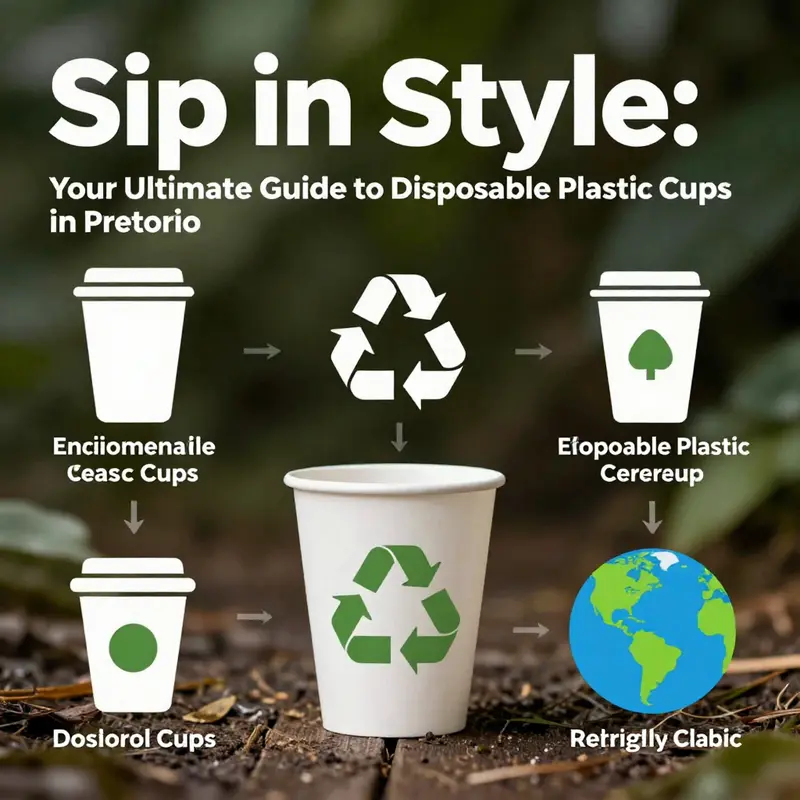
In Pretoria, the shift away from disposable cups is guided by environmental awareness, health concerns, and policy experimentation. The city sits at the crossroads of rapid growth and a rising demand for safer, more sustainable packaging. As shoppers, caterers, and municipal agencies test reuse schemes, deposit-return pilots, and improved waste collection, the fate of disposable cups becomes a window into broader systemic changes. Health considerations, such as chemical migration from certain plastics, drive interest in safer materials and better handling practices. Authorities are exploring extended producer responsibility to shift some end-of-life responsibilities onto manufacturers. At the same time, businesses weigh the economic implications of cleaning logistics, energy use, and customer convenience. The result is a gradual move toward a circular economy model where cups can be returned, cleaned to high safety standards, and reused rather than discarded. Pretoria’s path offers lessons for other cities seeking to balance convenience with health and ecological resilience.
Pretoria’s Disposable Cups: Sourcing, Sustainability, and the Marketplace Beyond Local Stores
In Pretoria, disposable cup sourcing unfolds across a spectrum that blends convenience with responsibility. Buyers navigate three core channels: local supermarkets and office-supply outlets for last-minute needs, specialized catering distributors for mid-size events, and international platforms for large orders with branding options. The goal is an affordable, durable cup that performs under heat, stacks well, and supports recycling or composting where feasible. Local suppliers offer quick replenishment and the chance to inspect quality, while international partners provide scale, customization, and consistent lead times when planned. Sustainability considerations are now central: look for compostable certifications, traceability in the supply chain, and packaging that minimizes waste. In Pretoria, regulatory awareness and consumer expectations are converging toward transparent environmental claims, so buyers should request third-party test results, product dossiers, and clear guidance on end-of-life disposal. A practical procurement rhythm is to map annual demand, identify a preferred international partner for branded runs, and maintain a reliable local backup for emergencies. Though costs can vary, balancing price with performance and environmental credentials yields a resilient cup strategy capable of serving both intimate gatherings and city-wide events. The chapter emphasizes tests and samples, realistic lead times, and explicit disposal messaging so that cups support a consistent guest experience without compromising budgets or sustainability goals.
Final thoughts
As the demand for disposable plastic cups continues to rise in Pretoria, understanding how to source them effectively can significantly benefit your business. From leveraging online platforms to exploring local markets and recognizing the influence of environmental trends, businesses can optimize their purchasing strategies. As the landscape evolves, staying informed on suppliers and regulations will empower you to make choices that not only meet your operational needs but also align with sustainability goals. Invest in quality disposable plastic cups today for a better tomorrow in your beverage services and events.