
Introduction
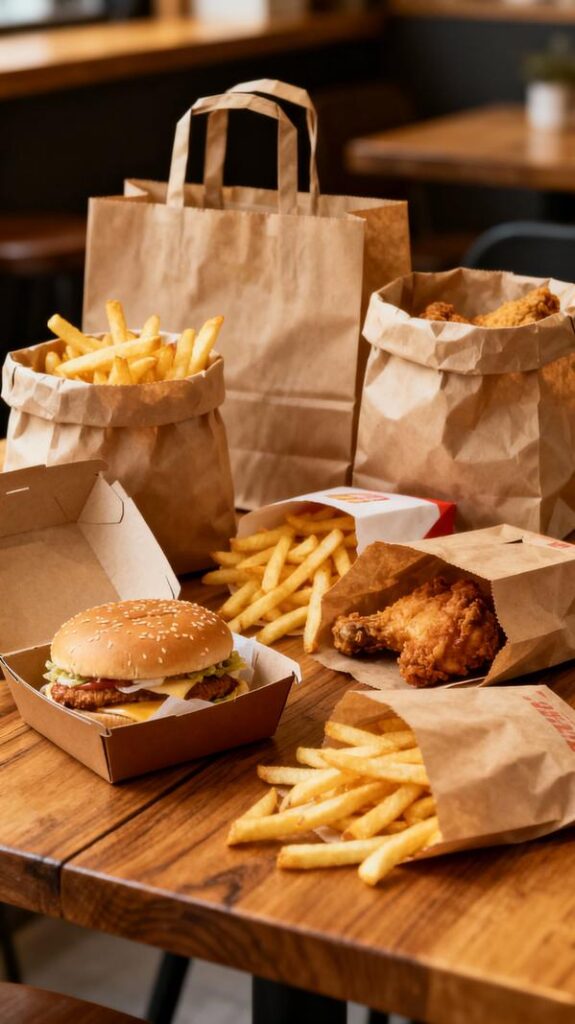
In the fast food industry, packaging plays a crucial role, both in functionality and branding. Fast food paper bags, typically crafted from grease-resistant kraft or specialty paper, are essential items for any food service business. These bags are not only designed for practicality—keeping food secure and fresh—but they also offer unique branding opportunities that can enhance customer loyalty. As we explore types and designs of these bags, delve into the realms of branding and customization, examine sustainable manufacturing practices, and evaluate current market trends, it becomes clear that fast food paper bags are more than just containers—they are essential tools in the competitive landscape of fast food retail.
Tables of Contents
Chapter 1: Exploring Fast Food Paper Bag Designs: From Standard to Specialty for Every Need
- Innovative Fast Food Paper Bag Varieties: Tailoring Choices for Practicality and Aesthetics
- Crafting Brand Identity Through Material Aesthetics and Custom Design in Fast Food Paper Bags
Chapter 2: Crafting Identity: The Art of Design and Customization in Fast Food Paper Bags
- Visual Storytelling: Design and Customization Techniques in Fast Food Paper Bags
- Unpacking the Benefits of Material Choices for Effective Fast Food Packaging
Chapter 3: Emerging Technologies Enhancing Sustainability in Fast Food Paper Bag Manufacturing
- Innovative Materials and Processes Paving the Way for Eco-Friendly Fast Food Packaging
- The Synergy of Cost Efficiency and Environmental Stewardship in Fast Food Paper Bag Production
Chapter 4: Navigating the Economics of Sustainable Packaging Solutions in Fast Food
- The Financial Landscape Shaped by Evolving Trends in Fast Food Paper Bags
- Navigating Market Trends: Economic Drivers and Transformations in Fast Food Paper Bags
Chapter 1: Exploring Fast Food Paper Bag Designs: From Standard to Specialty for Every Need
1. Innovative Fast Food Paper Bag Varieties: Tailoring Choices for Practicality and Aesthetics
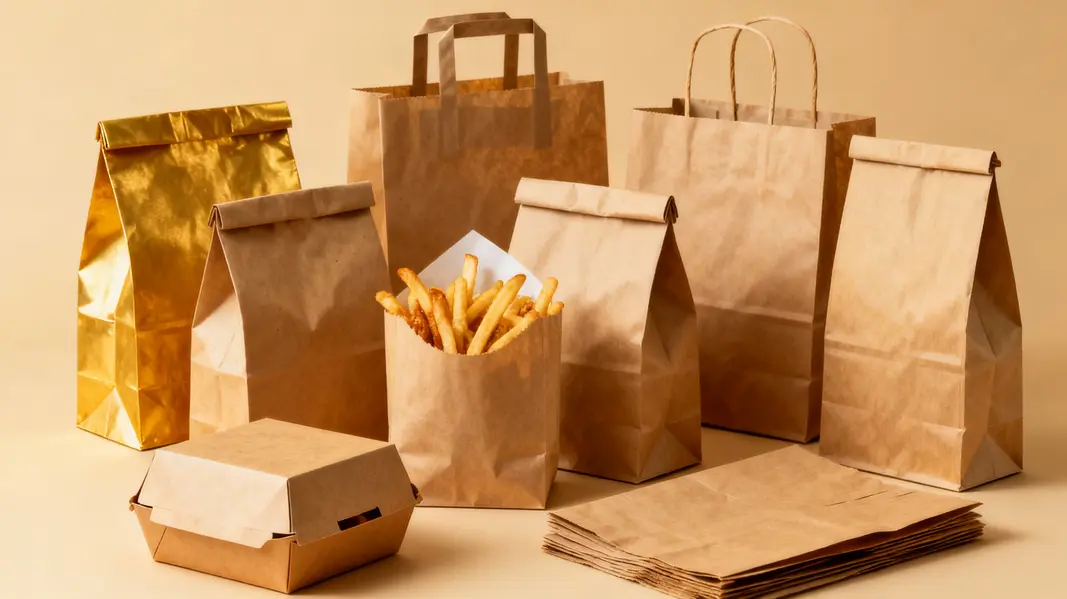
In the bustling world of fast food, packaging plays a pivotal role—not just in protecting food but also in enhancing the customer experience. Fast food paper bags are designed with diverse specifications, optimizing both functionality and visual appeal. Among these, the standard kraft paper bags, gusseted bags, and handle-free options stand out as the backbone of packaging solutions in fast food operations, each offering distinct advantages tailored to specific dining scenarios.
Standard Paper Bags are a staple in fast food environments. Typically crafted from lightweight, recyclable kraft paper, these bags are an economical choice for packaging dry or lightly greasy food items. They serve well for sandwiches, burgers, fries, and bakery goods, featuring either open-ended tops for quick access or fold-over closures for added security. The material itself is fundamental; being biodegradable, it strikes a chord with eco-conscious consumers and helps brands lead with sustainability in their marketing strategies.
These bags provide a natural aesthetic with a rustic look that aligns well with many modern brands focused on eco-friendliness. They can easily be customized, allowing chains to imprint logos or messaging directly onto the packaging, enhancing their visibility at minimal cost.
However, while they offer many benefits, there are some limitations to consider. For instance, standard paper bags may not perform well when tasked with holding oily or wet foods without additional coatings. Their ability to resist moisture can vary, potentially resulting in leaks if the bag isn’t suited for the contents. Additionally, as durable as they are, they may tear under heavy loads. This necessitates careful selection based on the type of items being served, especially during peak service hours.
Gusseted Paper Bags, on the other hand, present an innovative solution for larger-volume needs. With expandable pleated sides, these bags can accommodate more substantial or irregularly shaped food items, making them ideal for family meals or combo orders where a mix of different foods is common. Their unique design helps them stand upright, which adds stability and presents well for takeout.
The durability of gusseted bags is notable, as they are typically made from a thicker paper stock than standard options. This increased rigidity allows them to carry heavier loads without compromising the integrity of the packaging. The variety in size also means they can cater to a broad spectrum of meal types, from single item orders to elaborate spreads.
Cost factors play a critical role in choosing gusseted bags; they are generally more expensive than standard bags due to their construction and material use. Brands need to weigh this against the advantages of improved capacity and presentation, particularly in environments where appealing to the customer’s visual sensibilities is paramount.
Another innovative design is the Handle-Free Paper Bag. These bags have gained traction among high-end fast food and casual dining establishments for their elegant, modern appearance. Without protruding handles, they offer a sleek silhouette that is more space-efficient during transport and storage. For businesses where branding and customer experience intersect significantly, these bags can be an effective marketing tool.
Handle-free designs can also include clever integrated handles for easier carrying. This clever play allows fast food outlets to merge style with practicality, especially for products like takeaway bakery items, where a refined presentation enhances overall experience without complicating transit.
Despite their aesthetic appeal, handle-free bags tend to be better suited for lighter fare, making them less ideal for heavier items or extraordinary quantities. This limits some of their usability, necessitating brand owners and operators to understand their customer base and typical order volumes closely.
Each type of paper bag is multifaceted, serving not only as a vessel for food but also as a canvas for branding and an environmental statement. For instance, many brands now actively seek out recyclable or biodegradable materials for their paper bags. Organizations offering these bags often provide certifications to ensure sustainable practices are observed—from production all the way through to disposal, assuring customers of their commitment to the planet.
The fast food paper bag landscape is continually evolving, a reflection of broader societal trends toward sustainability and quality. Brands that choose to invest in their packaging not only enhance the functionality of their services but also reinforce their values to consumers who are increasingly concerned about environmental impacts. The shift towards eco-friendly practices will likely see even more innovations in packaging materials and designs in the near future.
Having an awareness of these attributes will prove vital for restaurant operators. They should evaluate characteristics like grease resistance—particularly important for items like fried food and sandwiches, where, for instance, wax-coated bags provide additional strength against oils and moisture. Understanding load capacity will also be crucial, especially when consumers are ordering more than one item or sharing meals.
The options available extend beyond basic choices, offering a chance for culinary businesses to distinguish themselves. Additionally, details such as custom printing options—from vibrant full-color logos to minimalistic designs—can help further establish a restaurant’s identity in an increasingly competitive market.
In conclusion, fast food paper bags are a critical component of the dining experience, evolving to meet both customer needs and corporate responsibility. From standard kraft designs to more sophisticated gusseted and handle-free bags, each type holds significance in providing not just practicality but also enhancing the brand image while maintaining an alignment with sustainability goals. The thoughtful selection of fast food paper bags can ultimately influence customer satisfaction, brand perception, and the environmental impact of the food service industry, making it a crucial area of focus for restaurants today. For those looking for sustainable options, visit Cofe-Cup’s eco-friendly packaging to explore a range of options.
2. Crafting Brand Identity Through Material Aesthetics and Custom Design in Fast Food Paper Bags
In the competitive landscape of the fast food industry, companies are continually seeking ways to capture consumer attention and enhance brand loyalty. Fast food paper bags are more than mere vessels for packaging; they stand as a crucial aspect of a restaurant’s branding strategy. Their design is not only a reflection of logo and style but also encompasses material selection and customization options that resonate with today’s environmentally conscious consumers. Utilizing kraft paper as the primary material, these bags combine functionality with sustainability, positioning brands favorably in the eyes of modern diners.
Material Selections for Function and Sustainability
The predominant choice for fast food paper bags is kraft paper, known for its strength, versatility, and recyclability. Derived from wood pulp, kraft paper is engineered to exhibit exceptional tear resistance and capacity, crucial for carrying heavier fast food items such as burgers or fried products. Variations in material afford brands the opportunity to align their packaging with their values and target audience preferences.
Unbleached kraft paper, with its rustic brown appearance, exemplifies eco-friendliness and appeals to consumers looking for sustainable options. Conversely, bleached or white kraft delivers a polished, clean surface that stands out with vibrant color prints, making it an ideal choice for restaurants aiming to convey sophistication and quality. Recycled paper options also provide a compelling narrative, allowing brands to showcase their commitment to reducing waste and encouraging sustainability in their packaging choices.
For a more premium feel, coated papers, such as clay-coated kraft or poly-coated, prevent moisture and grease penetration, ensuring food items remain fresh and visually appealing. This moisture resistance is especially vital for items prone to leakage, such as oily fries or juicy burgers. Some packaging innovations also embrace specialty options, such as laminated films that permit windows in sandwich wedges, allowing customers a sneak peek at their meal—a tactic proven to engage customers further and enhance perceived value.
Determining the right material hinges on balancing cost, environmental impact, and intended usage—each choice sending clear signals to the consumer about the brand’s identity and philosophy. While sturdier kraft paper bags are justified for heavy-duty items, high-end establishments may invest in premium coatings for aesthetic enhancement and brand perception.
Customization: A Canvas for Brand Communication
The customization of fast food paper bags allows brands to transform standard packaging into a dynamic marketing tool. Custom printing options range from simple logos to elaborate designs, with many suppliers offering up to 10 colors or high-definition options. Specific designs work best on certain types of kraft paper; darker designs typically yield better results on unbleached brown stock, while lighter, more vibrant hues can shine on the bright white surface of bleached kraft. This adaptability supports a broad range of brand aesthetics from playful and whimsical to chic and sophisticated.
Handles and bag styles further enhance the user experience. Twisted or cord handles not only make transport easier but also dimensionalize the brand experience with a tactile feature that reinforces quality. Various styles—fold-top, square-bottom, and pinch-bottom designs—offer stability and facilitate efficient packing, crucial for high-volume takeaway services. Brands can choose sizes that cater to specific menu items, with standard options widely available, including dimensions such as 7.5″ x 3.1″ x 8.3″ for small bags or 9.4″ x 4.3″ x 12.2″ for medium sizes.
Additional features such as greaseproof linings can enhance functionality, ensuring that customers enjoy their meals without the mess. Moreover, incorporating windows allows visibility of enticing products, making customers more likely to choose certain items on the menu. Other finishes might include glossy or matte lamination, which not only improve durability but can also elevate the bag’s aesthetic appeal, appealing to customers’ sense of touch.
Market Positioning Through Eco-Conscious Choices
As consumer preferences shift toward more sustainable choices, the demand for eco-friendly packaging options rises. Fast food paper bags crafted from recyclable kraft material fulfill criteria for being both sustainable and practical. These bags stand out in an era where plastic waste is heavily scrutinized, catering to environmentally conscious diners who value eco-friendly practices. Reinforcing the sustainability narrative goes beyond creating a positive image; it addresses a significant consumer shift toward brands that prioritize environmental responsibility. The observable effects of utilizing sustainable materials extend to enhanced customer loyalty and a favorable brand image.
Moreover, by promoting durability and maintaining clean aesthetics, fast food paper bags play an integral role in managing customer perceptions regarding product quality. Products packaged attractively in hardy, reliable bags enhance the likelihood of repeat purchases, a crucial aim for restaurants in a market crowded with competitors. Cost-effective bulk procurement (often ranging from $0.03 to $0.09 per bag) encourages high-volume restaurants to engage in sustainable practices without sacrificing profit margins. Premium options justify higher pricing by adding a layer of custom design elements important for brand differentiation.
In conclusion, the art of crafting fast food paper bags encapsulates a complex interplay between material selection, customization options, and sustainability efforts, all while focusing on driven brand identity and consumer satisfaction. Through innovative designs, brands can effectively reinforce their messages while connecting with consumers on an emotional level. As the landscape of fast food continues to evolve, presenting a commitment to quality, aesthetics, and sustainability via well-designed paper bags will remain a key strategy for successful market positioning in the food service industry. For those looking for options to align their packaging with these principles while enhancing brand engagement, suppliers like Cofe Cup offer a variety of solutions tailored to meet diverse branding needs.
Chapter 2: Crafting Identity: The Art of Design and Customization in Fast Food Paper Bags
1. Visual Storytelling: Design and Customization Techniques in Fast Food Paper Bags
In the fast food industry, where competition is fierce and consumer attention spans are fleeting, the packaging serves as an essential element in crafting a brand’s identity. Fast food paper bags attract customers not only with their functional purpose but also through their design and customization options, which together create a compelling visual narrative of the brand. This aspect of branding is far more than simply placing food items in a bag; it is about presenting a story that resonates with customer values and preferences.
The Impact of Design Choices
Design is critical in shaping consumer perceptions, and fast food paper bags are no exception. When customers approach a fast food outlet, their first interaction with the brand often occurs through its packaging. As such, the visual aspects of paper bags—color schemes, logos, typography, and graphics—play a crucial role in establishing a strong brand presence. Each element communicates a message, whether consciously or subconsciously, and can significantly influence consumer behavior.
Color Schemes
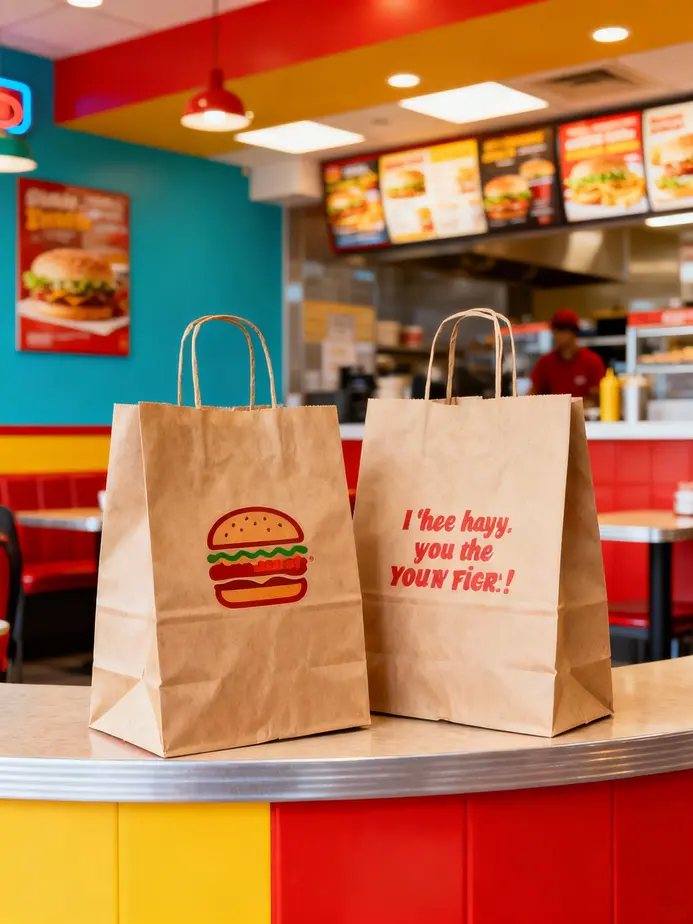
Color has profound psychological effects and can evoke emotions that drive purchasing behavior. Fast food chains often utilize bright colors like red and yellow, which are believed to stimulate appetite and evoke feelings of warmth and urgency. Consistency across all marketing materials reinforces brand recognition and builds a cohesive identity. For instance, a brand that uses distinct color palettes effectively ensures that customers can quickly identify their products amidst a crowded market.
Logo Placement and Typography
A brand’s logo must be prominently displayed on its paper bag to maximize visibility from various angles. This ensures that the branding remains top-of-mind for consumers. Additionally, the typography must align with the brand’s overall personality, enhancing the bag’s visual appeal while maintaining legibility. A playful script might suit a family-oriented brand, while modern sans-serif typefaces may convey a more sophisticated image. These choices are crucial as they directly affect brand recall and consumer engagement.
Illustrations, Graphics, and Sustainability Messaging
Beyond basic branding, unique illustrations and graphics can significantly enhance the consumer experience. Creative designs can grab attention and differentiate a brand from competitors. For example, incorporating illustrations that reflect the product, like a whimsical burger or fries, can build an emotional connection with consumers, making the unboxing experience more memorable.
Sustainability is increasingly a priority for consumers, particularly among younger demographics who favor eco-friendly practices. By integrating messaging about sustainability directly into the design—such as using recycled materials and promoting biodegradable options—brands can not only improve their image but also appeal to environmentally conscious consumers. This strategy could compel customers to choose a brand above others, cementing loyalty and enhancing overall brand identity.
Exploring Customization Techniques
Customization extends beyond mere aesthetics; it enables brands to connect with consumers on a more personalized level. By providing tailored experiences, fast food brands can invite customer participation, thereby fostering deeper engagement. There are several techniques that fast food outlets can leverage for effective customization of paper bags:
Print Techniques
Different print methods can greatly influence the quality and vibrancy of designs. For instance, flexography offers a cost-effective solution for producing high-volume, high-quality prints suitable for large orders. In contrast, digital printing allows for short runs with high customization, giving brands the flexibility to adapt their messaging for seasonal campaigns or special promotional events. Heat transfer methods provide a robust solution for multi-color designs that do not compromise on quality.
Diverse Bag Styles
A variety of bag styles can cater to specific items being sold. Flat paper bags provide a versatile, basic option, while gusseted bags offer additional space for bulkier items. Handle bags enhance the user experience, making them convenient for customers on-the-go. Each style can be tailored to different product types, further enhancing the brand’s appeal and functionality.
Event-Based and Seasonal Customization
Special branding for promotions and events can take customization to new heights. Limited-edition designs for holidays or local events can drive impulse purchases and leverage the excitement surrounding those occasions. Seasonal themes can breathe life into brands, creating a buzz that encourages customers to engage more passionately with their offerings.
Personalization for Consumers
The trend of consumer personalization is gaining traction as brands seek to create memorable experiences. Some fast food chains have begun to offer options for consumers to personalize their bags with names or custom messages. Such initiatives enhance the emotional connection customers feel toward the brand and enhance their loyalty to it.
The Broader Impact on Brand Identity
The consequences of thoughtful design and customization efforts extend far beyond immediate consumer recognition. A well-designed paper bag can encapsulate a brand’s essence and convey its values, making lasting impressions in customers’ minds. Unique design features can substantially increase brand awareness and purchase intent, while emotionally-driven elements create a connection that fosters loyalty.
Fast food paper bags that showcase sustainability practices leave a positive impression on environmentally conscious consumers, transforming a simple delivery mechanism into a tool for brand storytelling. Through innovative packaging, fast food brands can articulate their commitment to social responsibility, appealing to a growing demographic that values ethical consumption practices.
In summary, the design and customization of fast food paper bags play a critical role in shaping brand identity, influencing consumer perceptions, and promoting sustainable practices. Companies that harness the power of visual storytelling and explore innovative customization options stand to enhance their engagement with customers, improving loyalty and solidifying their position in a competitive market. This thoughtful approach to packaging transcends functionality, transforming fast food paper bags into pivotal marketing tools that resonate with modern consumers.
2. Unpacking the Benefits of Material Choices for Effective Fast Food Packaging
Fast food packaging has evolved beyond mere functionality; it now plays an essential role in brand identity and consumer perception. Among the various components of packaging, the material chosen for fast food paper bags significantly influences both the aesthetic appeal and practical usability of the products within. Among these materials, kraft paper stands out as the premier choice due to its inherent qualities and compatibility with the fast-paced environment of food service. Brown kraft paper, in particular, is revered for its strength, recyclability, food safety, and exceptional printability. The durability of this material is critical not only for holding various food items—ranging from hot burgers to chilled sandwiches—but also for arresting the attention of consumers with vibrant logos and designs that can be printed in up to ten colors.
Utilizing brown kraft not only enhances branding strategies through superior visibility but also aligns with the growing consumer preference for eco-friendly products. Fast food establishments are increasingly competing on sustainability fronts, making kraft paper’s natural appeal and biodegradability valuable assets for branding. Its robust texture offers superior tear resistance, which is essential for handling greasy or heavy food items without fear of breakage. There is a growing recognition that packaging reflects the quality of the product it contains. Therefore, brands strive to convey a sense of cleanliness and quality through the choice of materials. This perception is particularly potent when compared to plastic bags, which are often regarded as inferior in terms of hygiene and environmental impact.
For businesses aiming for enhanced customization options, various materials are available that can facilitate high-resolution brand imaging. For instance, laminated kraft and recyclable multiwall papers can create smooth surfaces conducive to showcasing intricate designs on both sides of the bag. Utilizing materials like ProActive Recyclable® FiberCool can introduce additional functionality into the packaging, such as moisture barriers and window options that allow consumers to see the contents without compromising on recyclability. Additionally, features like EasyPeel closures add convenience for consumers, enhancing their overall dining experience.
The table below illustrates the differences between key material types commonly used for fast food paper bags
| Material Type | Branding Strengths | Fast Food Suitability | Sustainability Notes |
|—————————-|——————————————————|—————————————————-|————————————————–|
| Brown Kraft | Natural rustic look; full-color printing; logo visibility on streets | Durable for sandwiches/burgers; lightweight; food-safe | 100% recyclable; FSC-certified options; biodegradable |
| White/ Bleached Kraft | Smoother for premium prints; less staining | Lighter items; cleaner aesthetic | Recyclable but less ‘natural’ appeal |
| Laminated/ Multiwall (e.g., FiberCool) | 10-color flexo printing; moisture protection | Hot/chilled foods; strength for delivery | Curbside recyclable; de-laminates easily |
| Recycled Paper | Eco-messaging boosts trust | Everyday snacks; cost-effective | Aligns with green branding; variable strength |
Selecting the right material involves balancing several factors, from branding strength to sustainability. Brown kraft’s durability makes it an economical choice for establishments needing high-volume packaging that retains visual appeal on busy streets. Conversely, luxury brands often opt for premium laminated options that preserve the freshness of gourmet offerings while presenting an upscale image that communicates quality.
While the pursuit of visual appeal is significant, the functional attributes of paper bags cannot be overlooked. Choosing twisted handles can enhance the carrying experience for consumers, allowing them to transport multiple meals with ease and comfort. This small consideration can significantly influence consumer satisfaction—the type of handle impacts usability, which in turn reflects on brand perception.
The sustainability movement has catalyzed significant changes in consumer preferences. More customers seek brands that reflect their eco-conscious values. Highlighting features such as FSC sourcing or clearly marked recyclability on bags can convert packaging from a mere necessity into a strategic marketing tool. Brands that effectively communicate their commitment to sustainability see increased customer loyalty as consumers often prefer aligning themselves with brands that embody their values.
Some notable examples can be drawn from case studies of fast food chains that have embraced eco-friendly practices by using recyclable bags that maintain the brand aesthetic. This intentional branding influences recall and customer decision-making—third-party studies have reported that consistent design elements effectively increase brand awareness in both retail and food service contexts.
Incorporating materials like brown kraft not only speaks to customer preferences for sustainability but also furthers company narratives focused on environmental responsibility. With the decline of single-use plastics, transitioning to paper packaging presents an opportunity for fast food businesses to rethink their branding strategies to foster connections with their consumers’ values.
Moving ahead, brands must continue to innovate within the material landscape for paper bags. Research is vital to develop new materials that can support high-volume, eco-friendly packaging without compromise. Continuous advancement in packaging technology has already introduced alternatives that marry sustainability with superior function.
Therefore, understanding the dynamic interplay of material selection within branding and design can open new avenues for fast food chains looking to enhance their market presence. By leveraging strategic material choices, brands not only present their food offerings in an appealing manner but also reinforce their sustainability messages, ultimately transforming everyday paper bags into effective tools for branding.
To summarize, in the realm of fast food, the stakes have never been higher. Each paper bag serves a dual purpose: it must preserve food integrity while simultaneously acting as a silent ambassador for the brand. Through thoughtful material selection, fast food chains can carve out a unique identity that resonates with modern values while ensuring that their branding stands tall against competitors. Understanding the evolving landscape of consumer preferences will ultimately guide brands towards making the best material choices for their paper bags, turning packaging into an effective marketing vessel.
Chapter 3: Emerging Technologies Enhancing Sustainability in Fast Food Paper Bag Manufacturing
1. Innovative Materials and Processes Paving the Way for Eco-Friendly Fast Food Packaging
As the fast food industry navigates the pressing challenge of sustainability, technological innovations in the manufacturing of paper bags play a pivotal role in transforming traditional packaging solutions. With the awareness surrounding environmental issues growing, fast food brands are increasingly seeking alternatives to plastic that do not compromise on performance or aesthetics. This shift has catalyzed a wave of innovation in barrier coatings, materials used, and manufacturing processes aimed at reducing the environmental impact of packaging while still delivering the required functionality for food service.
Barrier Coatings: Bridging the Gap Between Paper and Plastic
One of the most crucial advancements in paper bag manufacturing lies in the development of functional barrier coatings. These coatings enhance the paper’s ability to withstand the moisture and grease that typically necessitate plastic packaging. Traditionally, polyethylene (PE) has dominated this space due to its impressive oil resilience and heat durability, albeit at the cost of recyclability. While poly-coatings still play a role in the market, a more environmentally friendly alternative is rapidly gaining popularity—fluorine-free greaseproof treatments.
These fluorine-free options not only comply with food safety regulations but also address environmental concerns linked with traditional fluorinated chemicals. Brands aiming for a sustainable image are gravitating toward these coatings, as they help maintain the integrity of food packaging without the associated ecological footprint. This movement not only enhances the appeal of fast food items but also aligns with the growing consumer preference for products that reflect ecological consciousness.
Material Innovations: The Shift to Compostable and Sustainable Solutions
The concept of packaging paper bags has evolved beyond simple functionality; it now emphasizes sustainability with the rise of what is referred to as the “paperization” of food packaging. Central to this shift is Kraft paper, a high-quality material that utilizes natural fibers for its strength while also being recyclable. This advancing technology also integrates compostable materials into the manufacturing process, marrying the best attributes of paper with eco-friendly characteristics.
In addition, water-based coatings are emerging as a sustainable breakthrough, replacing petroleum-based solutions that have long been the industry standard. By utilizing renewable bio-based materials, manufacturers can enhance their packaging’s environmental profile while still producing robust products capable of withstanding the rigors of fast food service.
Fast food brands are also leveraging these innovations to create dual-purpose packaging solutions. For instance, bags designed with water-resistant coatings not only fulfill the needs of greasy food items but also appeal to operational efficiencies in fast-paced restaurant environments. By offering a product that meets both performance needs and ecological responsibilities, manufacturers are solidifying their positions in the market.
Refining Manufacturing Processes for Sustainability
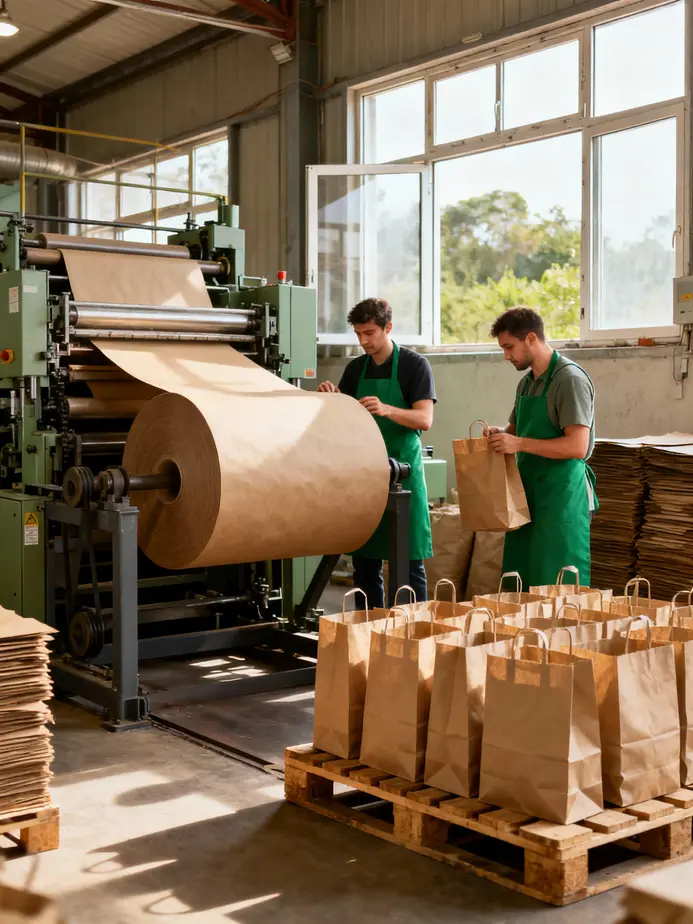
The environmental impact of manufacturing processes is another critical area where technology is playing a transformative role. Modern production lines increasingly incorporate machinery designed with sustainability principles at the forefront. From sourcing renewable materials to utilizing energy-efficient processes, the industry is actively reducing its overall carbon footprint. This focus on sustainability extends to every part of the supply chain as well, prompting manufacturers to work closely with suppliers of raw materials to ensure their sourcing practices align with ecological standards.
Additionally, improvements in logistics fuel these efforts further, as lightweight paper bags significantly cut shipping costs and energy usage during transportation. The cumulative impact of these refinements translates into a meaningful reduction in the carbon emissions associated with manufacturing and distribution.
Market Impact and Future Outlook
The implications of these innovations are profound. The barrier-coated paper bag market is on a trajectory to grow remarkably, with projections estimating a rise to USD 1.84 billion by 2035. This unexpected growth indicates a shift in consumer behavior favoring eco-friendly options, pushing brands to reevaluate their packaging materials and practices. The competitive edge gained by adopting these sustainable innovations can greatly enhance a brand’s market positioning. As consumers become more conscientious about the implications of their purchases, companies that effectively communicate their sustainable practices can differentiate themselves in a crowded marketplace.
Furthermore, the lightweight design of modern paper bags not only lessens their carbon footprint during transport but also improves a restaurant’s efficiency in both service and delivery. This operational advantage, combined with an enhanced brand image, situates fast food chains that embrace these innovations as forward-thinking leaders in sustainability.
Conclusion: A Path Ahead
With such an array of technological advancements converging on the fast food paper bag sector, it is clear that the future lies in balancing performance with sustainability. As the industry continues to evolve, the ongoing development of barrier coatings, compostable materials, and efficient manufacturing processes will become even more critical. Not only do these innovations promise to mitigate the environmental impacts associated with traditional packaging, but they also pave the way for a new era where eco-friendly practices become integral to the identity of fast food brands. By recognizing and harnessing these technological advancements, the fast food industry can lead the charge toward a more sustainable future, proving that convenience and environmental responsibility can indeed go hand-in-hand. For those looking to explore more innovative packaging options, resources such as customized kraft paper bags offer a glimpse into the possibilities awaiting brands eager to embrace sustainability in their operations.
2. The Synergy of Cost Efficiency and Environmental Stewardship in Fast Food Paper Bag Production
The fast food industry is in a unique position to embrace sustainable practices in the manufacturing of paper bags, creating a dual advantage: economic efficiency and environmental responsibility. By leveraging materials like kraft paper, integrating recycled content, and employing energy-efficient production machinery, manufacturers are not only reducing their operational costs but also minimizing their ecological footprints.
Economic Benefits of Sustainable Manufacturing
One of the most significant economic advantages of adopting sustainable practices in fast food paper bag production is the high efficiency achieved through advanced manufacturing technologies. Automated machinery is capable of producing tens of thousands of bags each day, which lowers labor costs and enhances overall productivity. The continuous operation of these machines enables manufacturers to meet the demands of quick-service restaurants (QSRs) for customized, branded bags without sacrificing quality. The ability to swiftly adapt designs and incorporate branding elements contributes to a more competitive market position.
The cost-effectiveness of using sustainable materials cannot be overstated. Recycling paper significantly reduces the energy and raw material costs associated with production as it requires less energy than sourcing virgin pulp from trees. This is particularly advantageous at a time when plastic feedstock prices are volatile and often on the rise. Transitioning to a model that primarily uses recycled paper helps stabilize expenses, providing restaurants with predictable operational costs that are essential in a fast-paced food service environment.
Additionally, lightweight paper bags facilitate easier handling and storage, resulting in smoother operations within restaurants. With fewer occurrences of tear-related waste during item transport, businesses save not only on materials but also on the losses incurred from damaged products. The efficiency of these bags supports rapid service and enhances customer satisfaction, vital elements in maintaining a loyal consumer base.
Environmental Advantages of Eco-Friendly Practices
The integration of sustainable practices offers substantial environmental benefits, significantly contrasting with traditional plastic options. Fast food paper bags, particularly those crafted from biodegradable kraft or recycled materials, contribute to a lower carbon footprint and support a circular economy. U.S. recycling rates for paperboard approach an impressive 80.9%, illustrating the ease with which customers can dispose of these bags responsibly. This availability for recycling, coupled with the biodegradable nature of paper, enhances consumer confidence in their ecological impact. While plastics are notorious for their lengthy decomposition periods—often spanning hundreds of years—paper bags can return to the earth in a matter of months under the right conditions.
Public policy is increasingly leaning toward eco-friendly practices, with many regions instituting plastic bans. By producing paper bags, companies not only comply with regulations but also position themselves as proactive leaders in sustainability. Moreover, innovations such as energy-efficient motors, water-based adhesives, and solvent-free inks further shrink the carbon footprint during production, making sustainable practices economically and ecologically viable.
Catering to Consumer Preferences
Consumer sentiment reflects a growing preference for environmentally friendly options; studies reveal that 57% of U.S. consumers prefer paper over plastic bags. This shift in consumer behavior encourages fast food outlets to enhance their brand image by implementing sustainable choices. As advancements in paper technology improve the performance of these bags—particularly regarding barriers that maintain the quality of food items—performance gaps that may have previously deterred some business owners have begun to close. Greaseproof coatings and breathable designs are only a few examples of innovations addressing contamination risks while reinforcing functionality.
Moreover, the alignment of sustainable practices with the specific needs of fast food kitchens aids in reducing contamination risks associated with food packaging. For instance, specialty designs tailored for particular menu items can alleviate concerns such as sogginess for fried foods or loss of freshness for baked goods.
Commitment to Long-Term Sustainability
In passing on the benefits of sustainability to consumers, restaurants create a commitment to long-term ecological practices that resonate with the increasing environmental awareness among consumers. As customer bases become more eco-conscious, restaurants embracing these practices can differentiate their offerings. The choice to prioritize sustainable packaging materials opens avenues for engaging storytelling—showcasing how companies are participating in larger environmental movements and contributing to community well-being.
Furthermore, sustainable manufacturing enhances corporate social responsibility (CSR) initiatives, fostering stronger relationships between consumers and brands. Establishing a narrative centered on sustainability and responsibility not only drives sales but also cultivates loyalty in a competitive marketplace.
Conclusion
In summary, the synergy between economic viability and ecological stewardship in the manufacturing of fast food paper bags is profound. By employing sustainable materials and practices, manufacturers not only create economic opportunities that streamline production but also contribute significantly to environmental preservation. As the fast food industry evolves, a commitment to green practices will unlock new potentials for innovation, customer connection, and long-term industriousness in a world increasingly focused on sustainability.
Chapter 4: Navigating the Economics of Sustainable Packaging Solutions in Fast Food
1. The Financial Landscape Shaped by Evolving Trends in Fast Food Paper Bags
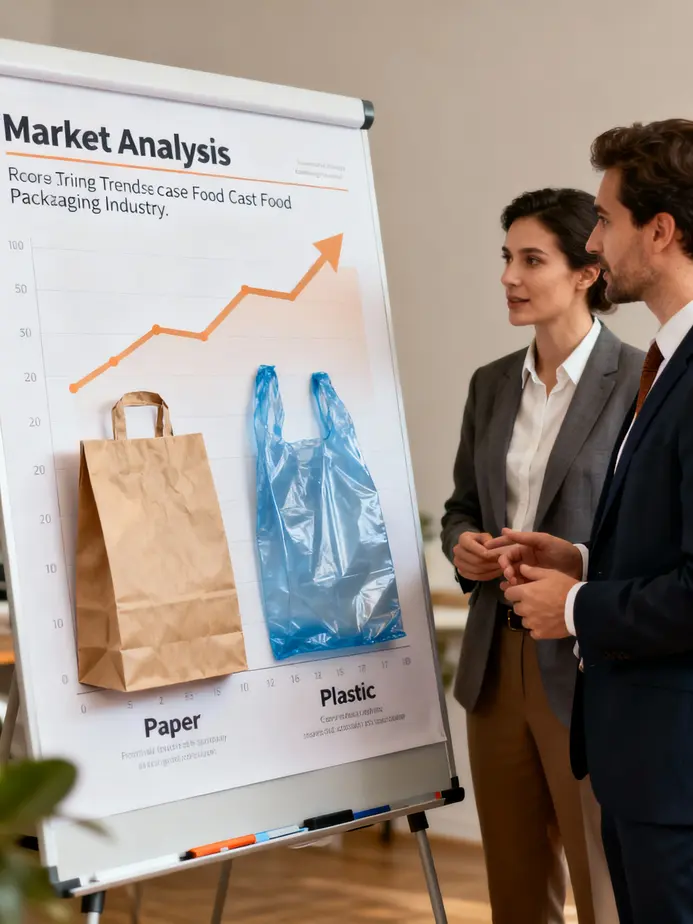
The fast food industry is currently undergoing a significant transformation, notably marked by a decisive shift towards sustainable packaging solutions like paper bags. As regulatory measures aimed at curbing plastic usage ramp up across the globe and consumer preferences tilt towards environmentally friendly choices, the economic dynamics surrounding fast food paper bags are evolving in profound ways. This transformation is represented in the anticipated growth of the global paper bags market, projected to surge from USD 6.38 billion in 2025 to an impressive USD 9.13 billion by 2032. A notable segment of this market is the high-barrier paper bags, which cater specifically to the food and beverage sector—a segment expected to account for 40.9% of the high-barrier paper bag market in 2025, propelling its value to approximately USD 1.84 billion by 2035.
While the embrace of paper bags provides an avenue for fast food chains to enhance their brand image through sustainable practices, it also imposes new costs associated with material procurement and production processes. Unlike traditional plastic options, high-barrier paper bags entail a more intricate manufacturing process, often requiring multiple layers for effective grease resistance and moisture prevention, which subsequently raises production costs by 10% to 20% when compared to conventional plastics. However, the economic implications of this shift are layered; while upfront costs may escalate, businesses that adapt to these changes stand to gain significantly from improved brand reputation and compliance with shifting regulations regarding plastic usage in regions such as the US, UK, and France.
As fast food chains adopt these eco-friendly alternatives, consumer awareness surrounding sustainability is burgeoning, presenting an opportunity to attract a more eco-conscious demographic. Enhanced brand reputation can translate to increased sales, underscoring the dual economic impacts of adopting sustainable packaging practices. The compatibility of high-barrier paper bags with fresh food items—protecting against factors like moisture, grease, and external contaminants—means that they not only represent a compliance necessity but also reinforce food quality and reduce waste, further appealing to consumers’ growing preference for reliability in their food choices.
Amid these trends, the heightened customization seen in paper bag designs lends itself to a more significant impact on brand visibility and customer experience. Fast food chains often enhance their designs with distinctive branding or seasonal themes, reinforcing marketing messages that resonate with their target audience. The rapid growth in the B2C segment of the fast food market underscores an accelerated compound annual growth rate driven by the increasing need for businesses to demonstrate their commitment to sustainability while nurturing customer loyalty. For instance, in India, a market currently witnessing an impressive adoption of lightweight and printable paper bags, restaurants have begun to utilize these materials extensively for bakery items and snacks, aligning with consumer expectations and regional regulations.
However, these economic advantages do not come without their own set of challenges. The packaging landscape is also influenced by broader trends in raw material supply, particularly concerning containerboard production. In North America, a notable reduction in containerboard capacity, shrinking by nearly 10% or approximately 4 million tons in 2025, has resulted in fluctuating fiber prices. This reduction in capacity exposes fast food establishments to both higher costs and potential supply chain vulnerabilities, as paper bag manufacturers navigate the intricacies of sourcing their materials in a recovering market.
A significant deciding factor in how fast food chains manage their transition towards paper packaging will undoubtedly be their ability to leverage innovations in manufacturing technologies and design. The ongoing consolidation within the packaging industry, seen through mergers among significant players such as International Paper and Novolex, may stabilize market prices but could also limit the choices available to fast food suppliers. Such consolidation often leads to efficiency gains; however, it imposes constraints on pricing and competition, necessitating that restaurant chains remain strategic about their supplier partnerships to retain cost-effective solutions.
Additionally, the implementation of Extended Producer Responsibility (EPR) regulations in 2026 will escalate labeling and recycling costs, further impacting the financial landscape for fast food chains. These regulations aim to ensure manufacturers take on the financial and logistical responsibilities tied to their product packaging at the end of its life cycle. As chains prepare for these regulations, costs associated with compliance will likely be passed on, indirectly raising operational expenses in the fast food sector.
Despite the compounded challenges posed by rising production costs, evolving regulatory environments, and shifting consumer preferences, the long-term outlook for businesses that successfully navigate this transition is promising. Innovations aimed at reducing waste, such as resealable bag designs that align with 57% of consumers’ requests for on-the-go snack options, illustrate a significant opportunity to justify premium pricing. Fast food chains that adapt to these innovative approaches stand to benefit from market expansion estimates reaching USD 1.13 billion in high-barrier paper by 2026. Ultimately, while the initial costs of transitioning from plastic to paper may be daunting, the potential for sustainable sales growth rooted in consumer demand for eco-friendly practices presents a compelling case for investment in paper packaging solutions.
To explore a range of packaging solutions that underscore sustainability initiatives within the fast food industry, check out Cofe Cup’s selection of customizable kraft paper options.
2. Navigating Market Trends: Economic Drivers and Transformations in Fast Food Paper Bags
The fast food paper bag market is currently at a pivotal crossroads, shaped by multiple interwoven trends that are transforming the economic landscape. As consumer preferences shift towards sustainability, along with stricter regulations pushing for the phase-out of single-use plastics, the demand for fast food paper bags is on a pronounced upswing. Understanding these dynamics is crucial, as they dictate not only market growth but also the strategic decisions made by businesses within the fast food sector.
A major catalyst in this transformation is the increasing emphasis on sustainability. The growing awareness of environmental issues has spurred demands for eco-friendly alternatives, particularly as regions such as the US, UK, and France implement stringent bans on plastic bags. These regulations compel fast food retailers to embrace paper packaging solutions, which are perceived as more sustainable. This shift not only aligns with regulatory compliance but also enhances brand loyalty among eco-conscious customers. The fast food paper bag market is projected to expand significantly, as evidenced by the high-barrier paper bags—a crucial product attribute for countering grease and moisture, which are essential for maintaining food freshness and quality.
The high-barrier paper bag market itself is a segment expected to swell from USD 1.13 billion in 2026 to USD 1.84 billion by 2035, showcasing an impressive compound annual growth rate (CAGR) of 5.63%. Projections indicate that by 2025, food and beverage applications will constitute approximately 40.9% of the market share. This robust growth trajectory highlights the increasing reliance on paper packaging solutions that fulfill both practical needs and customer desires for sustainability.
Design innovations also play a crucial part in the evolution of fast food paper bags. Brands are adopting minimalist layouts that emphasize bold typography and natural kraft textures, projecting an image of authenticity and environmental responsibility. Furthermore, the introduction of features such as custom die-cuts and reinforced bottoms enhances bag functionality, catering to the needs of modern consumers who prioritize on-the-go convenience. A significant 57% of consumers express a preference for packaging that complements their fast-paced lifestyles, revealing that the aesthetics of paper bags will not only influence usability but also their potential as effective marketing tools. Indeed, engaging designs transform fast food bags into mobile advertisements that resonate well on social media platforms, as they effectively blend utility with branding.
However, this vibrant market is faced with economic challenges that could influence pricing and availability. Mergers and acquisitions among industry giants, such as International Paper and Novolex, are contributing to a landscape of consolidation that might limit competition and drive prices higher. Additionally, a projected 10% decrease in North American containerboard capacity suggests a tightening supply, which could exacerbate costs in an already competitive market. Extended Producer Responsibility (EPR) regulations further complicate matters, potentially leading to increased prices due to lower mill utilization rates, which are expected to stand at 77% in 2025 within Europe.
Despite these challenges, the fast food paper bag market shows resilience, driven by demographic shifts and regional dynamics. Emerging markets, particularly in Asia-Pacific regions like India and China, are experiencing rapid growth in the demand for lightweight, printable high-barrier bags suited for snacks and ready-to-eat meals. This aligns with the evolving preferences of consumers who increasingly value environmental implications, suggesting that sustainable packaging solutions are likely to gain prominence in these markets.
Conversely, regions such as North America and Europe continue to evolve through regulatory upgrades and technological integrations. Notably, the integration of digital shelf technologies, alongside the increasing popularity of social media platforms like TikTok for advertising, marks a paradigm shift in how fast food companies position their brands in a digital marketplace. These dynamics create both opportunities and hurdles, compelling businesses to adapt rapidly to keep pace with consumer trends and regulatory changes.
In conclusion, the fast food paper bag market is flexibly navigating through a landscape markedly shaped by environmental, economic, and consumer-driven trends. Through the lens of sustainability, design innovation, and economic challenges, the market not only faces potential growth but also a reinvention of the packaging paradigm itself. As fast food brands continually adapt to these multifaceted market trends, the notion of a paper bag evolves into a strategic element that intertwines environmental responsibility with consumer engagement, positioning it as a crucial player within the broader packaging economy.
Final thoughts
The journey through the world of fast food paper bags reveals their critical role in modern food service operations. From the variety of designs available and the branding potential they offer, to the need for sustainable practices and understanding market trends, these bags stand as more than mere containers for food. They are integral to a restaurant’s identity and customer experience. As businesses evolve, embracing innovative packaging solutions not only meets consumer demands but can also elevate brand perception immensely. As such, investing in quality fast food paper bags can yield significant dividends.
Choose our reliable disposable tableware and packaging solutions for your business. We offer quality products that meet safety standards, with fast delivery and flexible options. Partner with us today to elevate your service – contact our team now for a tailored quote!
About us
We specialize in manufacturing and supplying disposable tableware, packaging paper, and boxes. With years of experience, we prioritize safety, durability, and eco-friendly practices. Our goal is to provide businesses with trusted, cost-effective solutions backed by responsive customer support.