

Introduction
Selecting the appropriate paper lids for cups is more than just a matter of aesthetics; it’s a crucial decision that impacts your business’s service quality, customer satisfaction, and environmental footprint. With various types of paper lids available, such as flat, dome, rattle, and straw-friendly, each designed for specific beverage types and uses, understanding their unique features can help you make an informed choice. Additionally, the material options – from compostable bioplastics to traditional paper – play a significant role in sustainability and customer appeal. Finally, key considerations around fit, leak resistance, and compatibility with cup sizes are essential for ensuring that your choice aligns with your operational requirements. This article will guide you through these important aspects, equipping you to make knowledgeable decisions regarding paper lids for cups.
Tables of Contents
Chapter 1: Exploring the Versatility of Paper Cup Lids: Focus on Flat Lids
- In-Depth Examination of Flat Lids in the Paper Cup Lid Landscape
- Navigating the Landscape of Dome and Rattle Lids in Paper Cup Design
Chapter 2: Evaluating Material Performance for Effective Paper Cup Lids
- Critical Performance Metrics of Paper Lid Materials in Beverage Applications
- Weighing the Environmental and Economic Trade-offs of Paper Lid Material Options
Chapter 3: Ensuring Quality and Performance in Paper Cup Lid Selection
- The Critical Role of Lid Fit and Seal Integrity in Beverage Enjoyment
- Choosing the Right Materials and Coatings for Optimal Paper Cup Lid Performance
Chapter 1: Exploring the Versatility of Paper Cup Lids: Focus on Flat Lids
1. In-Depth Examination of Flat Lids in the Paper Cup Lid Landscape
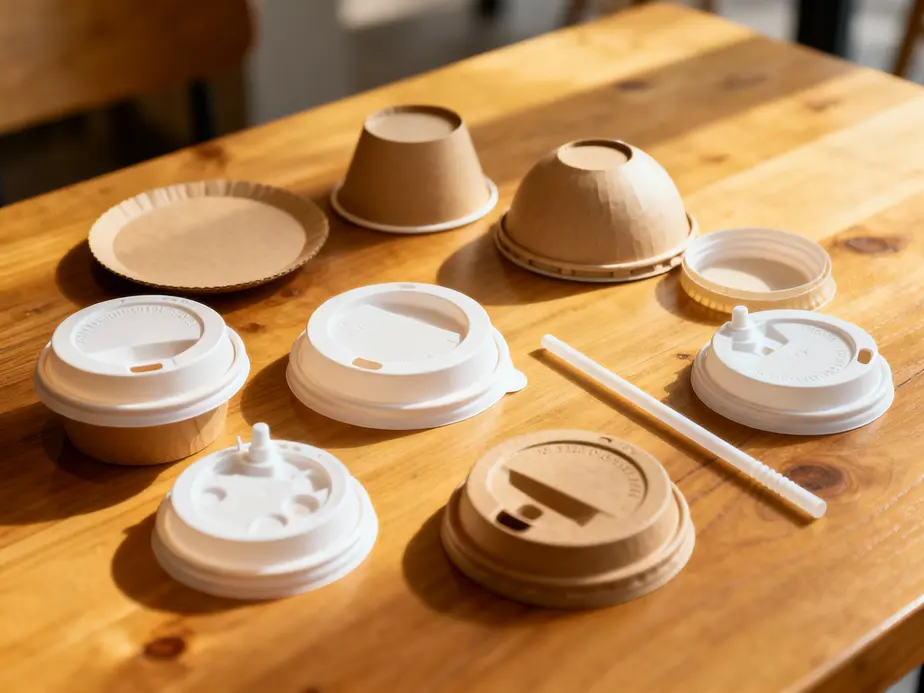
Flat lids serve as one of the essential components in the world of paper cup closures, fundamentally designed to secure various beverages, particularly hot drinks. These lids represent a straightforward yet effective barrier against spills and contribute to maintaining the beverage’s temperature. Unlike dome lids, which rise above the rim to accommodate toppings, flat lids sit flush against the cup, creating a sleek and minimalistic closure that is often preferred in fast-paced food service scenarios.
Design Features and Functionality
Flat lids are characterized by their simplistic design. They are typically made to press onto the cup’s rim, creating a secure fit. A key feature of many flat lids is the small sip opening, usually covered by a sliding tab or flip mechanism. This design facilitates convenient access to the beverage while preventing excessive evaporation and keeping the drink hot. For hot beverages like coffee and tea, this upper edge design minimizes air exposure, which can help in preserving the ideal drinking temperature for an extended period.
Moreover, these lids are often crafted from materials that exhibit heat resistance, effectively managing thermal transfer from the hot beverage to the user’s fingers. This ensures that even when the cup is filled with scalding hot coffee, the user can hold it comfortably without the risk of burns.
Primary Use Cases of Flat Lids
While primarily tailored for hot beverage service, flat lids also find utility in cold drink applications, albeit to a lesser extent. Their prominent use is seen in establishments that thrive on efficiency, such as coffee shops and catering services. These lids pair seamlessly with standard cup carriers, making them a common choice for takeaway orders.
Hot Beverages: Flat lids excel in their intended applications, including coffee, tea, and hot chocolate. Their flush design is particularly advantageous for transport, significantly decreasing the chances of spills during transit, a crucial factor during busy morning rushes at cafes. The secure closure helps in reducing the risk of liquid escaping the cup, maintaining not only cleanliness in the service area but also enhancing customer satisfaction through the reliable delivery of beverages.
Cold Beverages: Although flat lids can be used for certain cold drinks, they are not as commonly preferred. It’s essential to note that cold beverages often require lids designed specifically for straw insertion, such as dome lids equipped with opening slits. However, flat lids can serve effectively for simple cold drink offerings like iced coffee or juices, particularly where no straw is necessary. They assist in keeping the cold beverage fresh while significantly reducing the likelihood of spills during serving.
Evaluating the Advantages
Flat lids offer several advantages that distinguish them in the marketplace:
- Heat Resistance: As previously mentioned, flat lids are built to withstand high temperatures without damaging the structure. The ability to resist heat enhances their functionality, particularly in hot beverage service.
- Reduced Evaporation: By sealing tightly against the rim, they help to minimize evaporation. This is particularly important when serving aromatic beverages, where fragrance contributes to the overall drinking experience.
- Stackability: Flat lids can be easily stacked, aiding more efficient storage and transport than their bulkier dome counterparts. This attribute reduces logistical costs for businesses and supports easier inventory management.
- Cost-Effective: Their simple design often translates into lower production costs, allowing food service businesses to maximize profitability while providing a high-quality product to consumers.
Addressing the Disadvantages
Despite the notable benefits, flat lids present several challenges as well:
- Difficult Opening Mechanism: While they provide a secure fit, some users may struggle with the lid’s opening mechanism, particularly when it involves sliding tabs. Users often prefer quick access, which can sometimes make flat lids impractical in high-demand situations.
- Sealing Issues: On damaged or deformed cup rims, flat lids may not seal effectively, leading to potential leakage. This is an important consideration for businesses prioritizing customer experience.
- No Resealability: Once a flat lid is opened, it generally cannot be resealed effectively. This limitation can be crucial for consumers who may want to save their drink for later.
Material Choices and Environmental Considerations
Material selection for flat lids has evolved significantly in response to increasing demand for environmentally friendly packaging solutions. Traditional plastic flat lids are becoming less favored as more sustainable options emerge from bioplastic sources such as PLA or plant-based substances like bamboo pulp.
Compostable flat lids offer a more eco-conscious alternative to single-use plastic, aligning with growing consumer preferences aimed at reducing waste. However, a challenge remains in regard to infrastructure; compostable materials require specific industrial composting facilities for effective breakdown. Additionally, some compostable lids may warp under high temperatures, limiting their applicability in hot beverage services.
When considering flat lid options, ensure that the materials used comply with FDA regulations, guaranteeing that they are food-safe. Furthermore, measuring compatibility with cup diameters is crucial, as choosing the wrong size could lead to significant operational inefficiencies. Standard flat lids are adaptable for a variety of cup sizes, typically ranging from 8 to 16 ounces, with precision in matching lids to the corresponding cup type being essential.
Conclusion and Future Insights
Flat lids are a fundamental aspect of the beverage service industry, encapsulating both simplicity and efficiency. As consumer preferences shift towards sustainable solutions, the innovation in materials for flat lids will likely continue to grow, reflecting the broader environmental consciousness permeating various sectors. Businesses eager to align with these trends might explore offerings of composable and sustainable flat lids that cater to an eco-minded clientele.
In a rapidly changing market, understanding the nuances of different lid types, particularly flat lids, is key to optimizing beverage service and meeting evolving customer expectations.
2. Navigating the Landscape of Dome and Rattle Lids in Paper Cup Design
In the world of disposable beverage packaging, paper cup lids play a crucial role in enhancing user experience, especially for hot and cold beverages. Among the various designs available, two types stand out for their unique functionalities: dome lids and rattle lids, or snap-on lids. Understanding their differences, applications, and implications can not only help in selecting the right lid but also in maximizing customer satisfaction and minimizing environmental impact.
Dome lids, characterized by their elevated, curved shape, excel in accommodating frothy beverages or drinks topped with whipped cream. The added vertical space prevents overflow from foam or toppings, making them particularly suitable for beverages like cappuccinos, iced lattes, and various gourmet coffees. This design not only ensures that customers can enjoy their drinks without fear of accidental spills but also allows baristas to showcase intricate toppings, elevating the aesthetic appeal of the beverage.
On the other hand, rattle lids, known for their innovative snap-on feature, secure tightly around the cup’s rim through an inner ring that locks into place. This design provides a robust seal, mitigating risks of leaks and spills during transport, ideal for drive-thru settings where customers demand both convenience and reliability. The snug fit created by rattle lids ensures that no matter the journey, whether it’s a quick dash to the car or a longer commute, the contents remain safely contained.
When evaluating these two lid types, it helps to compare their strengths and weaknesses as they relate to specific use cases. Dome lids, while brilliant at accommodating and showcasing frothy drinks, do tend to be bulkier, which can impact stackability in supply inventories. Their structure often requires more material than flatter lid designs, raising considerations around resource allocation and sustainability. However, they shine in enhancing customer experience by allowing for creativity in beverage presentation.
Conversely, rattle lids shine in their practicality and functionality. The security they offer is paramount for customers seeking to enjoy their drinks on the go without the hassle of unintended spills. This feature makes them particularly popular in environments where customers prioritize convenience, such as coffee shops and fast-food chains. However, the need for precise matching of cup and lid sizes to ensure the tight fit can pose a challenge. Different brands may have slightly varying specifications, which can limit interoperability, leading to potential frustration for operators managing multiple suppliers.
Both dome and rattle lids are integral aspects of the broader paper lid ecosystem, which increasingly emphasizes environmental sustainability. Manufacturers are innovating to produce lids from eco-friendly materials such as PLA (polylactic acid) and bagasse, which are biodegradable and compostable alternatives to traditional petroleum-based plastics. This shift not only addresses growing consumer demand for environmentally responsible packaging but also positions brands favorably in an increasingly competitive market.
Moreover, the development of compostable materials has implications for the choice between dome and rattle lids. Dome lids, with their larger size and material footprint, can be heavier in packaging waste, something conscientious consumers are increasingly aware of. In contrast, rattle lids often utilize less material without sacrificing performance, aligning better with sustainable practices valued by many businesses today.
The choice between dome and rattle lids thus involves a balance between practicality, consumer appeal, and sustainability. Beverage retailers must consider their clientele when deciding on the type of lid to implement. For establishments heavily focused on gourmet coffee and drinks with frothy toppings, dome lids may enhance their branding and customer experience. However, for drive-thru locations where speed and practicality take precedence, rattle lids’ superior leak resistance could be the determining factor.
Another consideration involves beverage temperature. Dome lids can sometimes struggle under high heat, especially if made from certain materials that do not withstand sustained temperatures well. This can lead to warping or compromised seals when high-temperature drinks are involved. Rattle lids, however, often boast enhanced heat resistance, making them suitable for a broader range of hot beverages without the risk of damaging the lid or the seal. This functionality creates a strong argument for their use in settings where multiple beverage types are served, thus highlighting their versatility in meeting customer needs.
Furthermore, retailers should also account for storage space and display aesthetics. Dome lids are generally bulkier and take up more vertical space for storage. This can be a crucial aspect in environments where space is at a premium, such as smaller cafes or food carts. The ease of stackability becomes a significant point in favor of rattle lids, allowing establishments to manage their inventory efficiently while maintaining quick access for staff.
In reflecting on these characteristics, it becomes evident that dome and rattle lids fulfill distinct functions in the beverage market. While they both contribute positively to customer experiences in their unique ways, the specific choice between the two should hinge on various factors including drink type, customer preferences, and sustainability goals. By aligning lid selection with operational strategies and customer expectations, retailers can not only enhance the drinking experience but also bolster their brand reputation and environmental credentials.
Ultimately, both dome and rattle lids serve essential roles within the ecosystem of disposable paper cups. Their design considerations, material choices, and manufacturing innovations are all critical to advancing the usability and practicality of disposable beverage packaging. Understanding these elements can guide businesses in making informed choices that cater to their specific needs while promoting a sustainable future. For more information on customizable paper cup solutions, consider visiting Cofe Cup.
Chapter 2: Evaluating Material Performance for Effective Paper Cup Lids
1. Critical Performance Metrics of Paper Lid Materials in Beverage Applications
When selecting paper lids for cups, the choice of material profoundly influences not only the functionality of the lid but also the overall drinking experience. Every material possesses unique performance characteristics that cater to different beverage types, which are essential for ensuring customer satisfaction and minimizing waste. Understanding these characteristics is crucial for manufacturers, businesses, and consumers seeking the ideal combination of sustainability and performance.
Polypropylene (PP): The Versatile Champion
Among the plethora of materials available, polypropylene (PP) emerges as the dominant contender for hot beverage lids. Its remarkable temperature resistance—capable of withstanding up to 100°C—makes it suitable for everything from steaming coffee to boiling tea. This resilience allows PP lids to maintain their integrity and functionality without deforming, providing a robust seal that minimizes the risk of spills, a critical factor for drive-thru services and on-the-go consumption.
The structural rigidity of PP further enhances its performance; it boasts an impressive snap-fit design with a low pop-off rate of merely 2-4%. Such secure fitting is essential in preventing accidental leaks, ensuring that brisk movements—an inevitable part of our fast-paced lifestyles—won’t result in soggy bags or stained clothing. Moreover, PP lids are moderately recyclable, aligning with growing consumer awareness and advocacy for eco-friendly alternatives.
Polystyrene (PS): The Budget-Friendly Alternative
In contrast, polystyrene (PS) is a cost-effective option often selected for cold or moderate-temperature beverages. Priced lower at $0.03 to $0.05 per lid, PS caters to budget-sensitive establishments. Despite these advantages, its performance faces limitations, particularly regarding heat resistance. With a safe operating range of only 80-85°C, PS can be suitable for drip coffee; however, serving hotter beverages like espresso presents risks of deformation or collapse. A higher pop-off rate of 8-12% indicates that users should exercise caution when using PS lids on warmer beverages to avoid unwanted spills.
Given its structural weaknesses, PS is best suited for dine-in settings or events with less robust handling. While its recyclability is limited at 10-15%, the low cost appeals to businesses seeking to cut expenses in high-volume service environments.
Polylactic Acid (PLA): The Sustainable Challenger
For those inclined towards environmentally friendly options, polylactic acid (PLA) presents an attractive alternative. This plant-based polymer, derived from resources like corn starch, promotes a vision of sustainability, being compostable in industrial environments. However, PLA’s performance is significantly hampered when it comes to temperature resistance, with its softening point starting at around 45°C. As such, PLA is ill-suited for hot beverage applications, making it practical primarily for cold or short-use items.
In terms of structural integrity, PLA often struggles under heat and load, which presents challenges for your typical bustling café environment. These weaknesses limit its application scope primarily to eco-focused markets in states with stringent sustainability regulations, restricting overall usability.
Polyethylene (PE) Coated Lids: The Heat Barrier
When considering the effective use of paper cups, polyethylene (PE) coating on lids is another popular option. Designed to embrace both hot and cold drinks, PE can withstand temperature variations ranging from 100-120°C, making it suitable for boiling liquids. This ability ensures that users can confidently use these lids on various cup types without fear of degrading performance.
However, a significant drawback of PE is its limited recyclability due to the coating. In many scenarios, coated materials face challenges in recycling systems designed primarily for pure substrates, leading to environmentally detrimental outcomes. Thus, while PE ensures a secure seal, the implications for sustainability should not be overlooked.
Compostable Coatings: Sowing Green Solutions
Emerging in the eco-friendly packaging domain, water-based compostable coatings offer an alternative that can withstand hot drinks up to 90°C or more, depending on the formulation. These coatings effectively provide moisture and grease resistance while promising biodegradability. They are particularly appealing in takeaway and delivery models emphasizing sustainability. However, one must tread cautiously regarding recyclability, as their nature can reduce the overall recycling potential of the underlying paper substrate.
Bagasse: A Natural Fiber Solution
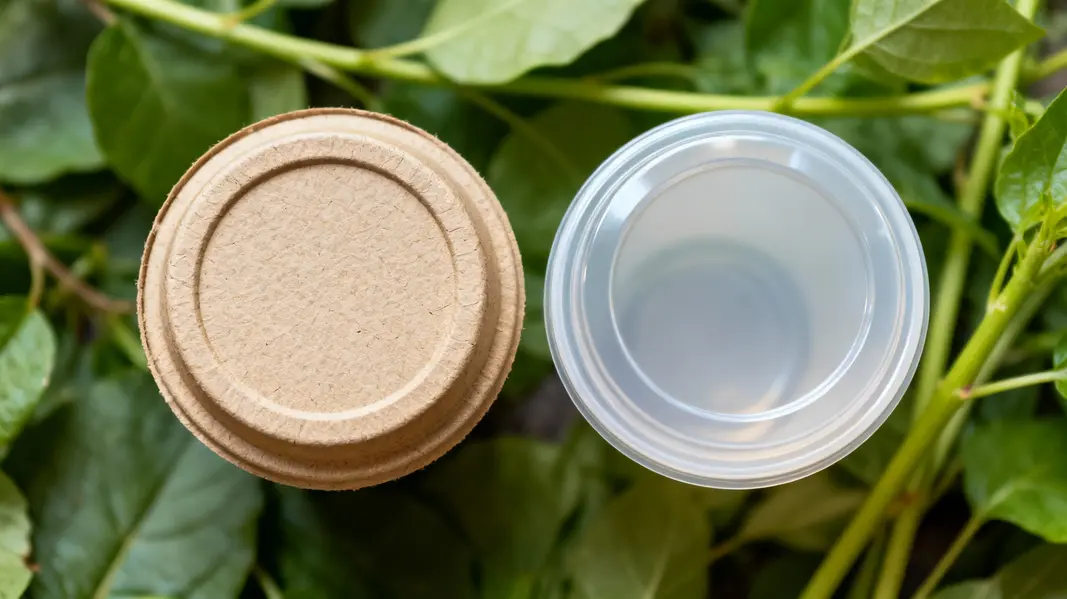
Lastly, bagasse, derived from sugarcane fiber, brings a robust and plastic-free option to the table. Boasting good heat resistance, bagasse effectively serves both hot and cold beverages while maintaining structural integrity. The full compostability of bagasse aligns perfectly with current consumer preferences for sustainable products.
Yet, despite its advantages, the application of bagasse lids remains niche, primarily because they are less common in the mainstream production of disposable lids. The industry continues to explore the potential of bagasse to meet growing demands for eco-friendly solutions, but manufacturing scalability presents a challenge.
Summary of Performance Characteristics
To streamline this narrative, the comparative analysis of these primary materials underscores the intricate balance between performance metrics and sustainability aspirations. The below table summarizes the key aspects for straightforward evaluation:
| Material | Heat Resistance | Structural Rigidity & Snap-Fit | Recyclability/Compostability | Ideal Application | Limitations |
|———-|—————–|——————————-|——————————|——————|————-|
| PP (Polypropylene) | 95-100°C | High rigidity; excellent snap-fit (2-4% pop-off) | 60-70% recyclable; FDA compliant | Hot beverages, delivery | None major for hot drinks |
| PS (Polystyrene) | 80-85°C | Moderate rigidity; moderate snap-fit (8-12% pop-off) | 10-15% recyclable | Iced/moderate temps | Warps at 90°C+ |
| PLA (Polylactic Acid) | 45-80°C | Prone to deformation | Compostable (industrial only) | Eco-markets; cold use | Poor for hot drinks |
| PE Coating | 100-120°C | Good barrier; supports seal | Limited due to coatings | Hot/cold beverages | Often non-recyclable/compostable |
| Water-Based Coating | 90°C+ | Moisture resistant; PFAS/BPA-free | Biodegradable; compostable | Takeaway; sustainable use | Reduced recyclability |
| Bagasse | Heat-resistant | Strong, plastic-free | Fully compostable (industrial) | Sustainable alternative | Less common, not recyclable |
In summary, while PP remains the champion for high-performance lids, especially for hot beverages, eco-materials like PLA and bagasse are emerging as strong contenders to meet sustainability demands. Ultimately, the choice of material should be dictated by the specific needs of the beverage type being served and the desired balance between performance and environmental impact. As consumer preferences shift towards more sustainable solutions, the industry will undoubtedly continue to innovate, seek alternatives, and challenge norms to find harmony in performance and eco-friendliness.
2. Weighing the Environmental and Economic Trade-offs of Paper Lid Material Options
The landscape of paper cup lids is rapidly evolving, influenced by environmental considerations and shifting market dynamics. As the demand for sustainable alternatives to traditional plastic options grows, paper lids present a compelling case. Not only do they offer greater recyclability and compostability than their plastic counterparts, but they also align with regulatory changes aimed at reducing plastic waste. Understanding the environmental and economic impacts of paper lids is crucial in navigating this transition, considering both their benefits and limitations.
Environmental Impacts
Paper and fiber lids are primarily lauded for their lower environmental footprint compared to plastics, primarily due to their recyclability and compostability. By minimizing plastic pollution, these lids address a significant ecological concern, particularly in the context of beverage service. For instance, companies like Starbucks have adopted fiber-based lids for their compostable cups, pledging to use 100% compostable or recyclable packaging by 2030. This move reflects a growing corporate responsibility to adhere to sustainability goals and regulatory requirements, particularly in progressive markets such as California and Washington, which will enforce stricter recycling mandates by 2032.
However, challenges exist in achieving maximum sustainability. Many paper cups still incorporate plastic linings, which complicate the recycling process unless these materials are separated. Recent innovations in lid design are increasingly focused on enhancing fiber recycling capabilities, possibly even achieving negative carbon footprints in related items like paperboard trays. With consumers focusing heavily on recycling options when making purchasing decisions, companies that prioritize environmentally friendly packaging are likely to gain a competitive edge.
On the other side of the spectrum, plastic lids increasingly face scrutiny under environmental regulations. Their widespread use contributes to long-term contamination risks, stemming from the reliance on fossil fuels and their non-recyclability. Consumer attitudes are shifting rapidly, with many people now prioritizing recyclability as a defining factor when selecting products. Projections indicate a looming 30-40% supply gap in recycled plastics by 2030, which casts doubt on the long-term viability of plastic lids. With growing regulatory pressure, particularly from states advancing bans on various plastic products, companies must re-evaluate their long-term strategies involving plastic-based packaging.
Economic Impacts
When examining the economic aspects of paper and fiber lids, initial costs can often exceed those of their plastic counterparts, primarily due to the need for innovation in barrier technologies that enhance functionality while maintaining sustainability. Nonetheless, the long-term market outlook is increasingly favorable for paper products. As regulations make non-plastic options more desirable, producers of fiber lids stand to access a broader customer base that actively seeks eco-friendly alternatives. This shift not only aligns with consumer preferences but also fosters loyalty in a market demanding accountability from its producers.
Surveys reveal that consumers are often willing to pay a premium for sustainable options, further incentivizing companies to pivot towards paper-based solutions. In this regard, market strategies that integrate sustainability are not merely an ethical consideration but a strategic imperative. A report from Bain underscores the point, labeling disregard for sustainability as a “serious strategic miscalculation” within the packaging industry.
On the contrary, while plastic lids might currently present lower upfront costs and familiarity within the market, a paradigm shift appears imminent. Increasing compliance costs associated with environmental regulations and the impending shortage of recycled materials signal escalating expenses for producers reliant on plastic. With over fourteen states poised to enact bans, businesses must anticipate these uncertainties, which could lead to significant financial ramifications.
The economic implications of choosing between paper and plastic extend to supply chain dynamics and consumer behavior. As more manufacturers pursue cost-effective, sustainable alternatives, innovation in production processes will likely emerge. For instance, the fiber lid market is beginning to adopt minimalist designs that communicate sustainability while optimizing the resource input needed for manufacturing. This evolution creates a dual benefit: reducing environmental impact and improving production efficiencies, which is crucial for maintaining competitiveness as costs fluctuate.
Comparative Summary
The table below lays out a comparative summary of material options for paper lids, highlighting their respective environmental and economic pros and cons:
| Material | Environmental Pros | Environmental Cons | Economic Pros | Economic Cons |
|—————|———————————————————|——————————————————–|—————————————————–|—————————————————–|
| Paper/Fiber | High recyclability/compostability; regulatory compliance; consumer preference | Potential moisture issues if not stored properly; plastic linings complicate recycling | Premium pricing potential; long-term market gains from regulations | Higher initial innovation/R&D costs |
| Plastic | Proven functionality (spill-proof, heat retention) | Low recyclability; impending supply gaps; regulation bans | Lower current costs; existing market familiarity | Regulatory fines and shortages lead to rising future costs |
Conclusion
In conclusion, while paper lids currently showcase strong environmental and growing economic advantages, the path toward universal adoption is complex. Major producers must strategize carefully, balancing functionality, cost, and sustainability. The transition towards sustainable packaging represents an opportunity for publishers to enhance their market presence—albeit at the cost of initial implementation hurdles. Moving forward, hybrid solutions that combine functionality with environmental considerations will be vital in ensuring the broad acceptance of sustainable paper lids in a rapidly changing market landscape. As entities evaluate their next steps, there’s a clear consensus: embracing sustainability is no longer a mere trend; it is a necessity for long-term viability in the packaging space.
Chapter 3: Ensuring Quality and Performance in Paper Cup Lid Selection
1. The Critical Role of Lid Fit and Seal Integrity in Beverage Enjoyment
The fit of a lid and its ability to maintain a robust seal are paramount when selecting paper lids for cups, defining not only the user experience but also the operational reliability in various beverage contexts. An optimal lid fit is more than just a specification; it is a design philosophy that influences the enjoyment of every sip.
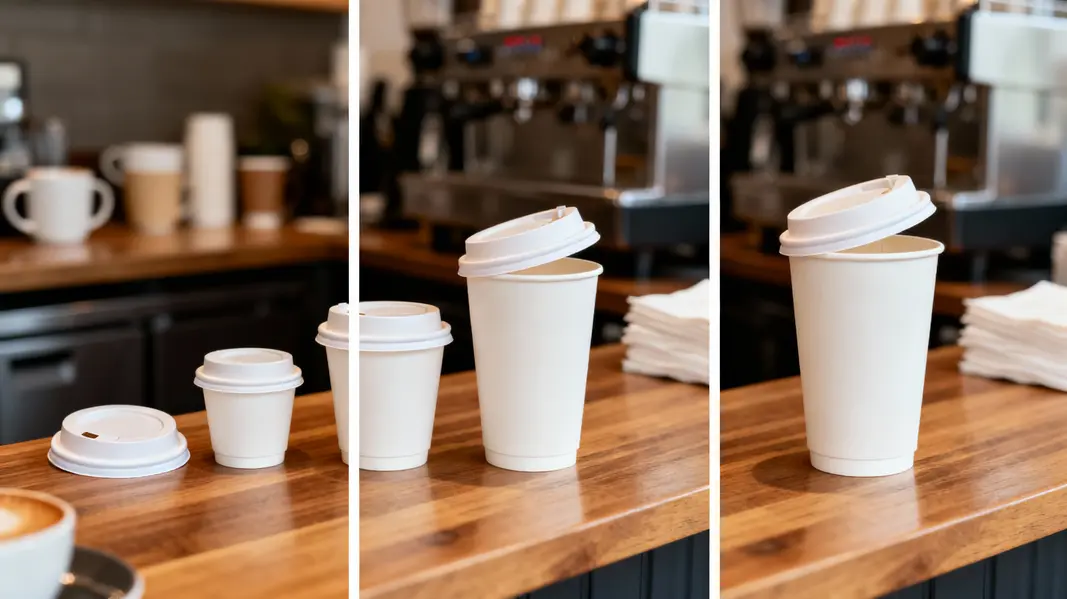
To achieve an effective fit, manufacturers typically design lids so that the inner diameter exceeds the cup rim by 0-0.3mm. This precise dimensional matching is essential; it allows for an easy application of the lid without requiring excessive force while simultaneously ensuring that the lid will not pop off during normal handling or when the cup is tilted at a 45° angle. Deviations in size, particularly those beyond 0.5mm, pose a risk for both deformation and poor sealing, leading to potential spillage, which can diminish customer satisfaction and trust in a brand.
The integrity of the seal is intricately linked to the lid’s design and materials, which collectively must achieve a leak-proof rating of less than 5% to be deemed effective. Achieving such rigid compliance necessitates the implementation of high-quality materials and innovative design features that maximize the efficacy of the closure. For instance, lids made from polyethylene (PE) or polylactic acid (PLA) linings on food-grade paperboard are often utilized to enhance seal integrity. However, the seal’s effectiveness must withstand rigorous testing protocols to ensure reliability in real-world conditions.
Testing involves subjecting the lids to extreme scenarios, including hot water pressure shakes at temperatures between 85-90°C, while friends and partners vigorously shake the cups for up to 20 times. Additionally, consistent checks across multiple samples—20 or more—help ensure that each batch meets the required safety and performance standards. These rigorous tests safeguard against manufacturing variances that could lead to compromised seal integrity.
Material compatibility plays a vital role in selection, particularly when dealing with hot beverages. The use of double-walled, insulated designs with PE linings proves advantageous, as they can handle temperatures up to 90°C without degrading. However, PLA-based options represent a compromise, limiting their applications to beverages around 49°C due to risks of warping, raising the potential for leakage. This crucial aspect of material selection is compounded as manufacturers pair lids with sip-hole channels that extend between 5-8mm, effectively mitigating burn risks by innovatively lowering the surface temperature of the beverage before it reaches the consumer’s lips.
From a consumer’s perspective, the visual and tactile cues provided by a well-fitted lid significantly enhance perceptions of quality and performance. A tight rim connection instantly communicates structural integrity, which is crucial for on-the-go lifestyles where spillage can lead to embarrassment and dissatisfaction. Moreover, heat retention offered by a quality lid can affect customer experience—too often, ineffective lids lead to drinks cooling prematurely or spilling, which can directly influence a business’s reputation and its bottom line. Especially for cafés and restaurants relying on to-go orders, delivering beverages that remain hot and intact until consumed is fundamental for culinary success.
An essential step in ensuring quality during production involves pre-bulk testing of lid sizes and their corresponding cups. This process often employs precise ±0.01mm calipers to measure the rims, alongside sampling between 50-100 lids for each cup type. This level of diligence ensures adherence to FDA compliance, eliminating manufacturing inconsistencies that might otherwise compromise food safety and performance.
Additionally, the choice of lid style—ranging from snap-on for hermetic seals to heat-sealing or screw-on designs—is critical, especially when considering environmental limits, such as avoiding the use of lids with polymers that may soften under high temperatures. A pivotal consideration lies in the focus on ecological sustainability, where many consumers are increasingly favoring products that echo a commitment to environmental responsibility. Thus, manufacturers are tasked to strike a balance between form, function, and sustainability, ensuring that consumers are served with products that are not only effective but also support eco-conscious values.
In conclusion, choosing the right paper cup lid is not merely a matter of functionality but is intertwined with aspects of consumer experience, brand image, and sustainability. The interplay between lid fit and seal integrity defines the performance of lids in practical applications across various beverage types. By prioritizing rigorous testing, quality materials, and careful design, businesses can ensure their customers enjoy a seamless beverage experience, reinforcing brand loyalty and operational success. As the market continually evolves, the importance of these considerations will remain essential for both product developers and consumers alike. For additional insights on the nuances of disposable coffee lids, consider exploring resources that specialize in the intersection of quality and environmental considerations in packaging strategies.
2. Choosing the Right Materials and Coatings for Optimal Paper Cup Lid Performance
The selection of paper cup lids is influenced significantly by the materials and coatings used in their construction. Understanding these elements is essential not only for ensuring the functionality of the lids themselves but also for addressing broader concerns related to safety, performance, and environmental impact. Paper lids serve primarily as protective barriers for beverages, and hence their effectiveness derives from the careful consideration of the materials employed and the coatings utilized in their production.
At the core of paper lid technology is the varied array of materials available, each uniquely suited for specific applications based on their physical properties. Plastic-based lids dominate the market, particularly those fashioned from polyethylene terephthalate (PET). These lids are typically transparent, offering a visual appeal that allows consumers to see the beverage inside. They provide robust durability; however, the quality of PET can vary, leading some products to be thinner and more susceptible to deformation under heat or pressure—a critical flaw for hot beverages that demand rigidity and structural integrity.
On the other end of the spectrum, compostable options are becoming increasingly popular as businesses pivot toward sustainable practices in packaging. Lids made from CPLA (crystalline polylactic acid) are derived from renewable resources, presenting a significant advantage in environmental stewardship. Designed to be commercially compostable, these lids fit securely on hot beverages, mitigating safety concerns for both consumers and establishments serving coffee and tea. The shift to such materials not only addresses legislative pressures surrounding plastic usage but also aligns with consumer preferences for sustainable alternatives.
In choosing materials, it is equally vital to consider the coating and sealing mechanisms that directly influence performance, particularly regarding temperature tolerance and leak prevention. Hot beverage lids need to withstand thermal expansion without compromising their structural integrity. The precision of the rim specifications—typically ranging from 3.51 to 3.54 inches in outer diameter—directly impacts how effectively a lid seals a cup. A well-fitting lid balances the dynamic interplay between the cup’s rim and the lid’s inner profile, thereby optimizing the seals that play a crucial role in preventing spills during transport.
Spill prevention matters significantly for vendors who serve beverages on-the-go. The quality of the lid material and the precision of its fit determines the overall effectiveness of the seal. Without an airtight mechanism, flimsy designs can lead to leaks that tarnish a company’s reputation or result in wasted product, ultimately affecting profitability.
Size compatibility is another critical consideration in the selection of lids. Lid sizes must correlate with specific cup sizes and beverage applications. The conventional range for hot paper cups spans from 10 to 24 ounces; however, specialized applications—for instance, those that accommodate bubble tea—typically necessitate lids designed for cups with a 95mm rim. A mismatch can lead to poor sealing and functional failure, negating the purpose of providing an accessible and enjoyable drinking experience.
Environmental considerations increasingly influence manufacturer choices in both materials and coatings. The adoption of compostable and bioplastic alternatives signifies a notable advancement toward reducing waste associated with food and beverage packaging. While glass and metal containers are often reusable, the single-use nature of disposable paper lids puts into question their long-term sustainability. Consequently, innovative advancements in plant-based polymers like sugarcane and bamboo pulp are essential as the industry strives to meet consumer demands for eco-friendly products.
Nevertheless, it is crucial to note that these eco-conscious materials come with their own set of challenges. For instance, CPLA lids require specific industrial composting facilities for effective breakdown, meaning not all communities are equipped to handle such materials properly. Furthermore, these lids may not withstand high temperatures as well as their plastic counterparts, leading to concerns about warping in hot-serving contexts. This raises questions about how much performance can be sacrificed in favor of environmental considerations, a topic that will likely persist as manufacturers innovate within the realms of sustainability and efficiency.
In the selection process, stakeholders must prioritize not only the right material but also the appropriate coating that imparts essential properties like heat resistance and durability. Perfecting the balance between different attributes is key. For example, a lid designed to accommodate a hot beverage must prioritize insulation to safeguard against burns and shield the drink from external contaminants without compromising the lid’s integrity under heat.
When evaluating the myriad options available, it is also worth considering application. The function of the lid in conjunction with the beverage type should drive selection decisions. Cold beverage lids, for instance, may feature holes or perches for straws that necessitate specialized designs to avoid splash-back or leakage. This functionality must also exhibit resilience against condensation, a common concern for cold drinks that may form moisture barriers affecting grip and usability. Whether the application is for casual consumption or on-the-go service, the combined interplay of material, design, and functional capabilities culminates in a holistic approach toward delivering a seamless consumer drinking experience.
Ultimately, the landscape of paper cup lids is both diverse and evolving. Through diligent attention to material and coating compatibility, beverage vendors and manufacturers can ensure that they not only meet the functional needs of their offerings but also contribute positively to broader sustainability efforts. As the industry adapts to changing consumer preferences and regulatory demands, embracing innovative materials while maintaining high standards of performance will be pivotal. Stakeholders must remain vigilant, continuously assessing their options to enhance the efficacy, safety, and eco-friendliness of paper cup lids. For more information on various eco-friendly packaging options, explore the variety available at Cofe-Cup.
Final thoughts
In today’s competitive business landscape, selecting the right paper lids for cups is an essential aspect of offering quality service and meeting customer expectations. By understanding the different types of lids available, the materials they are made from, and the key considerations in selecting them, businesses can significantly enhance customer satisfaction and promote sustainability. Investing in the right paper lid solutions not only supports drink presentation but also aligns with growing environmental demands. Make your choice wisely to ensure a seamless experience for your customers and create a responsible impact in your industry.
Choose our reliable disposable tableware and packaging solutions for your business. We offer quality products that meet safety standards, with fast delivery and flexible options. Partner with us today to elevate your service – contact our team now for a tailored quote!
About us
We specialize in manufacturing and supplying disposable tableware, packaging paper, and boxes. With years of experience, we prioritize safety, durability, and eco-friendly practices. Our goal is to provide businesses with trusted, cost-effective solutions backed by responsive customer support.