
Introduction
The demand for eco-friendly and disposable tableware has surged, making large paper bowls a staple in the food service industry. For business owners seeking efficient and sustainable solutions, understanding supplier options, material choices, and prevailing market trends is vital. This comprehensive guide explores these key areas, helping you make informed decisions for your business. Each chapter will delve into different aspects of large paper bowl wholesale, starting with the diverse suppliers available, followed by crucial material and size considerations, and concluding with an analysis of current market demands.
Tables of Contents
Chapter 1: Supplier Options for Large Paper Bowl Wholesale: Customizability Meets Bulk Production Efficiency
- Exploring High-Volume Customization: Leading Manufacturers in Large Paper Bowl Wholesale
- Exploring Eco-Friendly Wholesale Options for Large Paper Bowls: Sustainable Choices for Culinary Needs
Chapter 2: Navigating Material and Size Dynamics in Large Paper Bowl Wholesale
- Essential Material Characteristics and Size Capacities in Large Paper Bowl Wholesale Decisions
- Crucial Dimensions and Material Insights for Large Paper Bowl Wholesale
Chapter 3: Navigating the Dynamics of Demand for Large Paper Bowls
- The Forces Shaping Trends and Demand in the Wholesale Large Paper Bowl Market
- Redefining Convenience: Sustainability and Aesthetic Innovations in Large Paper Bowls
Chapter 1: Supplier Options for Large Paper Bowl Wholesale: Customizability Meets Bulk Production Efficiency
1. Exploring High-Volume Customization: Leading Manufacturers in Large Paper Bowl Wholesale
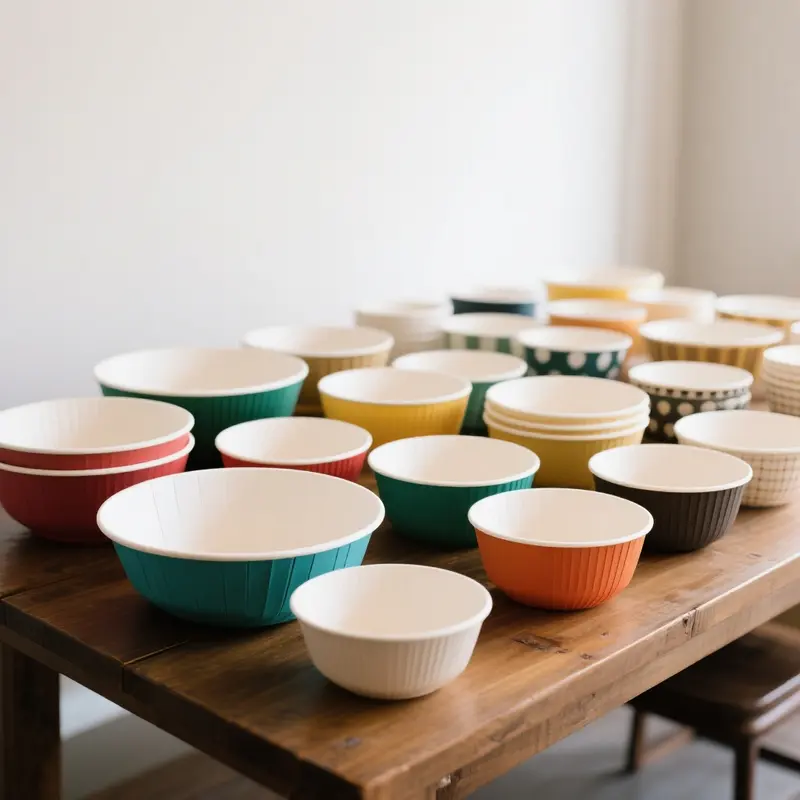
When businesses seek large paper bowls for catering, foodservice, or events, the options available in the wholesale market are numerous, particularly when customization and high volume are at the forefront. Finding the right supplier can transform operational efficiency while enhancing brand visibility through customizable features. This discussion narrows down a selection of manufacturers that excel in producing large paper bowls, emphasizing those that support customization, understanding their unique offerings, and identifying strategic factors for businesses or distributors.
Maibao / MBPAK emerges as a premier destination for businesses prioritizing large kraft and white paper bowls tailored to specific needs. With the ability to produce sizes ranging from 16 oz to 40 oz, along with custom larger sizes, Maibao is adept in rapid customization backed by a robust infrastructure. The company boasts three factories based in Guangzhou, facilitating quick turnarounds on orders of substantial quantities. Moreover, they utilize premium food-grade paperboard and offer various linings, including PLA and water-based coatings, which cater to diverse regulatory standards regarding food safety. Their capacity for fulfilling orders for internationally recognized brands like Lavazza underscores their ability to handle intricate requirements across multiple locations, making them an optimal choice for chain restaurants and franchises.
Beyond specialized manufacturers, Ancheng stands out due to its comprehensive approach to paper food packaging. For those businesses seeking a streamlined source for not just bowls but a wide array of complementary products—like boat trays, takeaway boxes, and food buckets—Ancheng is the answer. Their capacity to provide matching packaging lines allows businesses to maintain consistency in branding, thus simplifying sourcing decisions. This is particularly advantageous for small cafes or food trucks aiming to present a cohesive appearance in their offerings.
Another notable player is Hyde Package, a provider of an expansive range of biodegradable tableware and disposable paper packaging products. Hyde specializes in mixed orders—including paper bowls, bags, cups, and containers—making them a versatile option for project-based sourcing that requires a variety of products. Their focus on custom wholesale orders positions them as a suitable partner for businesses involved in event catering or expanding service menus, which often necessitate diverse container options.
For buyers who prefer a blend of materials, Food Container Manufacturer caters to those needing a mix. They manufacture a variety of disposable tableware, including thick kraft bowls and plastic options. Their ability to supply a mix of products, including bowls, lids, and cutlery, is particularly appealing for catering operations or events where diverse menu items require different styles of presentation. This flexibility across material types not only addresses varying customer preferences but also allows businesses to negotiate prices better by ordering in bulk across multiple product lines.
When sustainability becomes the core consideration, Poly Pack Enterprises takes the spotlight with their commitment to biodegradable disposables made from materials such as bagasse, corn starch, and bamboo. They provide a range of compostable options that break down within 90 to 180 days in composting environments. Choosing Poly Pack can significantly enhance a brand’s sustainability positioning, aligning with environmentally conscious consumers’ values and needs. Businesses looking for eco-certifiable biodegradable bowls would find this option particularly compelling, as it moves beyond traditional paper products to more innovative materials that have a reduced environmental impact.
In addition to these established manufacturers, businesses can also leverage Alibaba, a multi-supplier marketplace that simplifies the process of discovering numerous verified suppliers for large paper bowls. With more than 100 suppliers available, it enables quick comparisons of product offerings, certifications, and pricing across various manufacturers. The platform is beneficial for those looking to understand market prices and availability, honing in on custom printed and large paper bowls while fluidly navigating between suppliers to secure the best deal for their needs.
Choosing the right supplier necessitates consideration of several factors paramount to both operational success and brand integrity. For businesses focused on high-volume orders, it is vital to evaluate a supplier’s production capacity and scalability. Engaging with manufacturers like Maibao / MBPAK, which boast high-speed production lines and substantial monthly output capabilities, ensures that demand can be met consistently without compromising quality.
Another critical factor in the selection process involves ensuring compliance with relevant certifications. As food safety is a priority in any business engaging in food service, checking for certifications such as BRC, ISO, SGS, and FDA/EU food-contact compliance can help mitigate risks connected to product liability. The nuances in certification across markets make this an imperative consideration, particularly when navigating international regulations for companies operating globally.
In summary, the quest for large paper bowls wholesale, especially with customization and high-volume production, involves strategically selecting manufacturers that align with the specific operational needs and branding aspirations of businesses. Each supplier discussed offers distinct advantages, allowing for tailored solutions that support not just bulk purchasing but also comprehensive packaging needs—from styles, sizes, and materials to sustainable options. As businesses forge partnerships in this critical aspect of their operations, the right ideation and supplier selection can set the foundation for success, ensuring they attract customers with functional, branded, and appealing service packaging—attributes that are increasingly vital in today’s competitive market landscape.
For more information on customized sustainable packaging solutions, visit Customized 2000ml Kraft Paper Box Packaging for Food.
2. Exploring Eco-Friendly Wholesale Options for Large Paper Bowls: Sustainable Choices for Culinary Needs
In today’s growing market for sustainable food packaging, sourcing large paper bowls wholesale has become not just a logistical consideration but an ethical one. Businesses are increasingly drawn to suppliers who align with eco-friendly values, ensuring that their foodservice operations minimize environmental impact without compromising quality. This exploration of eco-conscious suppliers highlights a range of reputable companies providing compostable, biodegradable, and responsibly-sourced paper bowl options that cater to a variety of culinary needs.
Starting with specialized compostable bowl suppliers, Fast Food Pak stands out for its commitment to creating compostable paper bowls tailored specifically for restaurant use. These bowls are designed for convenient and responsible disposal, and they reinforce a brand’s dedication to sustainability. Another key player in this segment, Key Compostables, markets its World Centric® fiber bowls made from bamboo and unbleached plant fibers. These materials, known for being both renewable and compostable, result in bowls that are versatile enough to handle both hot and cold foods, making them a desirable choice for food operators focused on sustainability.
For businesses needing both functionality and practicality in their inventory, suppliers like FMSI offer a lineup of 23 oz compostable paper bowls complete with lids. These bowls are great for meal prep as they are stackable, microwave-safe, and freezer-safe. FMSI exemplifies how eco-friendly products can also meet the specific operational demands of the foodservice industry.
Moving beyond niche suppliers, several broad food-packaging manufacturers have recognized the potential of large paper bowls in the eco-friendly market. Ancheng is one such manufacturer that provides a comprehensive array of paper food packaging solutions, which include not only paper bowls but also food buckets and takeaway boxes. The option to customize these products for branding purposes allows restaurants and food businesses to maintain their identity while adhering to environmentally responsible practices. Similarly, Hyde Group focuses on biodegradable tableware and large paper bowls constructed from materials that align with eco-friendly principles. Their diverse offering makes it easy for clients to source various products from a single supplier, simplifying procurement processes.
Luzhou Pack further expands the market by specializing in sustainable fiber packaging. Their emphasis on compostable products, such as bagasse lids and cups, ensures that customers can find a matching set of eco-friendly bowls and drinking containers. This approach not only promotes convenience but also enhances the overall aesthetic of an eco-conscious dining experience.
For those looking to streamline sourcing further, global wholesale marketplaces provide an excellent venue to compare various suppliers. Platforms like Alibaba feature hundreds of verified suppliers of disposable plates, bowls, and related tableware. This expansive selection includes many providers of paper and compostable bowls at competitive prices, facilitating direct comparisons in terms of minimum order quantities (MOQs), pricing, and certifications. Businesses can filter options based on material selections from unbleached kraft paper to bamboo, depending on specific eco-credentials needed for their operations.
In choosing the right supplier, several key points are essential to specify when sourcing large eco-friendly paper bowls. First, the material and lining options should be clearly defined. Options like unbleached kraft paper or bamboo and bagasse fibers should be considered alongside the availability of coatings such as PLA or water-based options instead of traditional polyethylene (PE). This choice has significant implications for the bowls’ composting capabilities; using PLA can enhance industrial compostability, which is a priority for many sustainable restaurants. Certification is another critical concern. When engaging suppliers, ask for documentation confirming compliance with standards like EN 13432, ASTM D6400, and others to ensure that the products are indeed compostable in accordance with recognized environmental standards.
The definition and specific size requirements for what constitutes a “large bowl” must also be clarified. Many suppliers use the range of 24 to 32 oz for entrees or salad bowls as a guideline, but checking actual product offerings is vital. For example, FMSI’s offering of a 23 oz bowl provides a good middle ground for meal prep needs, balancing capacity with portion control.
Moreover, understanding the intended use of these bowls is crucial. Whether they will be used for hot or cold foods heavily influences the type of material and coating required. For instance, greasy or liquid foods necessitate higher grease resistance, while items meant for meal prep should retain their shape and maintain food integrity in the microwave or freezer. As restaurants expand their takeout and delivery options, this compatibility becomes increasingly important, urging suppliers to innovate further towards robustness and reliability.
In summary, as businesses pivot towards sustainable food packaging solutions, the range of large paper bowls available from eco-conscious suppliers has never been more diverse or accessible. By focusing on sourcing from specialized compostable bowl manufacturers and leveraging broad food-packaging manufacturers, restaurants and foodservice operations can effectively fulfill their environmental responsibilities while maintaining culinary excellence. Emphasizing verified sourcing allows companies not only to meet customer expectations for sustainability but also to establish themselves as leaders in responsible dining. The journey to eco-friendly food service can begin with a simple yet impactful selection from the right suppliers, encouraging an all-around positive experience for businesses and their patrons alike. For those interested in a well-balanced approach to sustainable food packaging, Cofe’s selection of eco-friendly containers represents a viable option in the growing market of disposable ware.
Chapter 2: Navigating Material and Size Dynamics in Large Paper Bowl Wholesale
1. Essential Material Characteristics and Size Capacities in Large Paper Bowl Wholesale Decisions
When considering large paper bowls for wholesale purposes, understanding the interplay of materials and sizes is crucial for meeting both operational efficiency and environmental sustainability. Large paper bowls, typically defined by their capacity ranging from 24 to 50 ounces, serve a diverse range of culinary applications, from hearty soups to family-style salads. However, the right choice hinges not just on the size but significantly on the material from which these bowls are made, impacting both functionality and ecological footprint.
Core Material Options for Large Paper Bowls
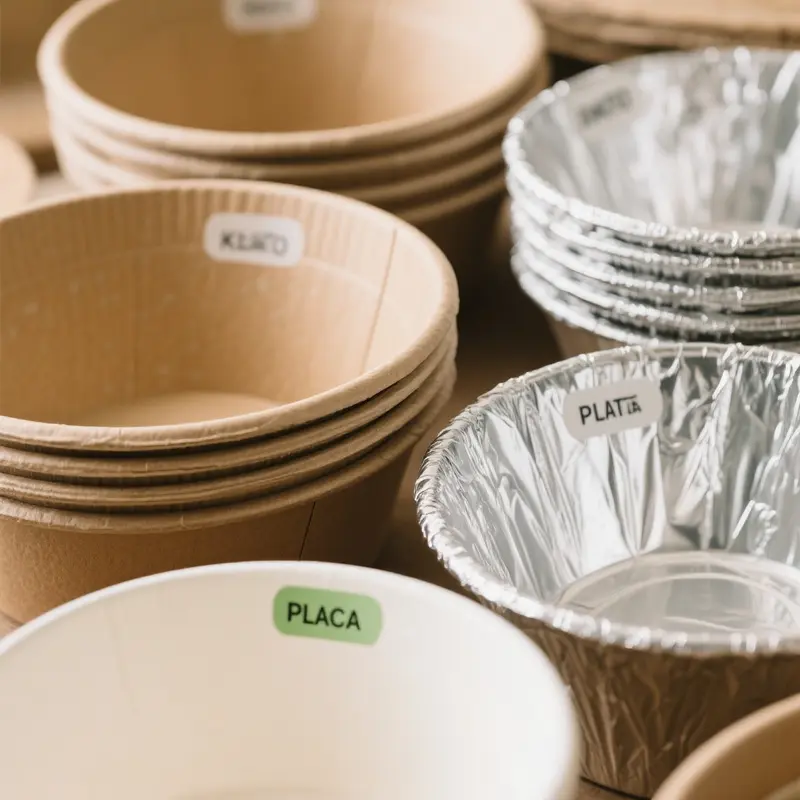
Multiple material choices exist for crafting large paper bowls, each exhibiting distinct properties favorable for different food-types and user experiences. Most large paper bowls are made from kraft paperboard, sugarcane/bagasse, bamboo pulp, or mixed wood pulp, each of which meets specific needs in the food service and catering sectors.
Kraft Paperboard remains one of the most widely used materials in manufacturing. Both virgin and recycled versions provide a sturdy base for bowls used with hot and cold foods alike. Their structural integrity offers excellent stacking and transport capabilities, ideal for operations where bulk serving is common. Typically, kraft bowls range in capacity from 24 to 50 ounces, making them suitable for various meal sizes. To enhance their functionality, these bowls are often lined with protective coatings; options include polyethylene (PE), polylactic acid (PLA), or water-based solutions. Each coating type serves to create a barrier against liquid and grease, providing confidence that meals can be served without the risk of leakage or degradation.
Another promising material, sugarcane or bagasse, has gained traction due to its eco-friendly characteristics. This fiber material, from the by-product of sugar production, results in heavy-duty bowls that are microwave-safe, accommodating capacities of up to 48 ounces. A key advantage of bagasse bowls lies in their natural resistance to heat compared to traditional foam alternatives, making them a preferred option for serving hot foods such as ramen or chili while maintaining an environmentally conscious profile. Composed of renewable resources, bagasse bowls ideally support brands looking to promote sustainable practices.
Furthermore, bamboo pulp is an emerging contender in the eco-friendly packaging domain. Products created from bamboo fiber, such as specially designed bowls with PLA coatings, boast microwave safety and recyclability, adept at holding both hot liquids and heavier meals. Their inherent strength and rapid growth cycle underline bamboo’s appeal, marking it as a superior choice for businesses emphasizing sustainability without compromising on product integrity.
Conversely, mixed wood pulp or generic paperboard offerings are frequently found in the disposable bowl market. These bowls, while often less focused on environmental claims, still meet essential durability standards necessary for food service operations. They fit the needs of customers who prioritize cost-effectiveness and efficiency over environmental certifications, often suitable for general catering services or large-scale events.
Coating and Lining Technologies: Weighing Performance Against Sustainability
Coating technologies play a vital role in the effectiveness of large paper bowls. The right lining not only ensures the bowl’s ability to hold liquids and greasy items but also influences its recyclability and environmental impact.
Polyethylene (PE) coatings have been the traditional choice for many paper bowls and soup containers. Known for their strong moisture and oil barriers, PF-coated bowls perform excellently under heat, proving vital for kitchens needing reliability. However, issues arise at the end of the product lifecycle, as PE-coated bowls pose recycling challenges, complicating efforts to minimize environmental footprints.
In contrast, polylactic acid (PLA) presents a plant-based alternative that aligns with eco-friendly priorities. Often used with bamboo pulp, PLA serves as a bio-laminate that offers comparable grease-proofing abilities while allowing some potential for industrial composting. Businesses leveraging PLA options can note heightened environmental awareness among consumers, positioning them effectively in the marketplace. Yet, it’s crucial to consider local composting infrastructures as the feasibility of PLA composting can vary significantly by region.
Lastly, manufacturers are developing water-based or aqueous coatings as a promising alternative. These coatings are marketed for their lower environmental impact and potential for recyclability, striking a balance between performance and sustainability. While about as effective against moisture and oils, water-based coatings can be advantageous for clients keen on reducing their plastic use without sacrificing food safety.
Understanding Size Classes for Bulk Applications
When classifying sizes in wholesale packaging, suppliers typically categorize bowls into small (≤16 oz), medium (16–24 oz), and large (24–50 oz) segments. Most businesses seeking large paper bowls will focus primarily on the 24–50 oz range, necessary for fulfilling meal prep, catering, and event services where hearty servings are often required.
For instance, bowls sized 24-32 oz are predominantly utilized for serving single-serve meals in environments such as fast-casual dining and catering buffets. Observationally, retailers like Walmart emphasize bowls within the 20-24 oz range, demonstrating customer demand for sturdy products that accommodate larger portions.
Conversely, the 32-48 oz class consistently finds favor among catering operations and events where family-style meals are served. These larger bowls make it easy to portion out generous servings while offering the necessary structural integrity to withstand the serving and transport process.
This exploration of the critical materials and sizes used in large paper bowls outlines the importance of selecting the right products based on business needs and sustainability goals. By taking into account the advantages of various materials and the implications behind their coatings, companies can adopt a more informed approach. Considering materials such as kraft, bagasse, and bamboo fiber not only enhances consumer trust but also aligns with an increasingly eco-conscious market.
Ultimately, whether opting for heavy-duty, grease-proof bowls or eco-friendly options, businesses can confidently streamline their selections while appealing to consumer preferences for quality and sustainability. This strategic navigation through materials and sizing ensures they meet the growing demand for both functional and environmentally responsible food packaging, setting the stage for successful wholesale endeavors. For those exploring further into eco-friendly innovations in food packaging, check out this resource that delves into customizable eco-friendly solutions for various food serving needs.
2. Crucial Dimensions and Material Insights for Large Paper Bowl Wholesale
When diving into large paper bowl wholesale, understanding the dimensions and materials involved is essential to meet both functional and environmental demands. This analysis highlights how capacities are selected based on specific use cases and the intersecting role of geometric dimensions and material properties in creating the perfect bowl. The synergy between size, capacity, and material performance fundamentally influences the effectiveness and applicability of these products in various food service settings.
Understanding the Implications of “Large”
The term “large” in the context of paper bowls typically corresponds to sizes ranging from 12 oz to 32 oz, with 16 oz serving as a common benchmark. For bustling food service operations, including restaurants and catering, this sizing is pivotal. The typical capacity tiers illustrate a range wherein:
- 10–12 oz serves well for small soup or side servings.
- 16 oz accommodates single-serve entries such as salads or noodle dishes.
- 24–32 oz+ caters to family-size or extra-large needs, perfect for large salads and take-out meals.
For instance, a 12 oz bamboo fiber soup bowl boasts a diameter of approximately 3.9 inches (99 mm) and a height of 2.9 inches (73 mm), while more extensive configurations like a rectangular take-out box—with dimensions around 7.75 inches by 5.5 inches by 2.5 inches—can conservatively hold 66–71 oz. This variance in size illustrates how different geometries allow for a significant leap in capacity, underscoring that the volume can grow with the effective diameter squared and multiplied by the height, as captured mathematically as:
[
\text{Volume} \propto \text{(effective radius)}^2 \times \text{height}
]
Designers must relate size directly to functional requirements. Increasing diameter alongside height enhances the overall capacity, ideally suited for salads, while height-focused expansions work best for soups and stews when a compact footprint is desirable. Therefore, when specifying large paper bowls for wholesale, remember to capture key metrics:
- Top diameter: Essential for lid compatibility and stacking operations.
- Base diameter: Critical for stability during serving and packaging.
- Height: Influences the overall aesthetic and usability in terms of fitting into standard serving setups.
- Overflow capacity vs. nominal capacity: The nominal capacity often does not account for the headspace required to prevent spillage, typically needing an allowance of about 5-10% over nominal.
Material Choices: A Deeper Dive
The relationship between bowl size and material choice represents another layer of this multidimensional analysis. As bowl size increases, the structural integrity afforded by material selection becomes increasingly crucial. The larger the diameter and the more substantial the fill weight, the greater the bending stresses on the bowl walls. This necessitates material systems with appropriate stiffness and resistance properties.
Common materials employed in large paper bowls include:
- Bleached and unbleached paperboard with PE or PLA lining: This combination offers robust performance for both hot and cold food items. The poly coating ensures a strong water and grease barrier, which significantly enhances usability for liquid-based meals like soups. PLA, being plant-based, is increasingly favored for its compostability. These materials withstand hot fills and brief microwave heating when adequately thickened.
- Bagasse (sugarcane fiber) bowls: Known for their impressive environmental credentials, these molded fiber options can resist wetness and oil better than traditional paper materials. They are ideal for large bowl applications (16 oz and above), designed with appropriate wall thickness and structure to sustain performance under varying conditions.
- Bamboo fiber and pulp bowls: These bowls combine rigidity with environmentally sustainable attributes, often featuring PLA linings for added durability during hot food applications. They achieve an excellent balance of thickness and usability, positioning them as premium options in various food service settings.
- Standard paper bowls: These are generally manufactured from multi-ply pressed paper featuring coatings for added strength. Such bowls, like the popular Chinet 16 oz, find homes in domestic parties where a reliable and affordable option is necessary for various food types.
When considering larger bowl dimensions, say moving from diameters of around 4 inches to 6–7 inches, the increases in material complexity must be addressed. A higher grammage and wall thickness improve stability and usability, and features designed to stiffen the bowl—like rolled rims and ribbing—become essential. Lightweight and thinner materials may suffice for smaller bowls, but larger formats require conscientious selections that accommodate the intended food types and serving conditions.
Integrating Size and Material in Wholesale Decisions
The interplay between size and material critically enhances the functionality of large paper bowls. Take for instance when a business desires a 24 oz bowl primarily intended for heavy, moist items like soups. The choice of a bagasse bowl may offer the necessary wet strength, while a PLA-coated option provides biodegradability, hitting both performance and sustainability benchmarks. The method of blending materials directly with size specifications can lead to more successful product applications. Considerations must include not only the visual appeal but also thermal resistance and the type of food the bowl will contain.
In wholesaling large paper bowls, it is imperative to identify suppliers who can offer customization based on the dimensions that best suit your needs. Look for manufacturers capable of adjusting the size, thickness, and composition of their products to create bowls that meet your specific environmental and performance standards.
Conclusion
Thus, when engaging with large paper bowl wholesale, consider both size and material properties as paramount in guiding your purchasing decisions. Selecting the right dimensional attributes paired with suitable materials directly affects usability, consumer satisfaction, and brand perception within the competitive food service landscape. By prioritizing functionality alongside eco-friendliness, businesses can better serve their audiences while promoting sustainable practices in their operations, understanding that the right paper bowl serves as a crucial yet often overlooked element in the culinary experience.
Chapter 3: Navigating the Dynamics of Demand for Large Paper Bowls
1. The Forces Shaping Trends and Demand in the Wholesale Large Paper Bowl Market
The landscape of wholesale large paper bowls is being transformed by a myriad of dynamic factors that reflect broader shifts in consumer behavior, market expansion, sustainability concerns, and regulatory alterations. At its core, the demand for these products is intricately tied to the evolving disposable tableware market, driven by changing dining habits and the urgent call for eco-friendly alternatives.
An analysis of the disposable plates and tableware market reveals a compelling growth trajectory, with projections indicating an increase from approximately USD 8.7 billion in 2025 to a staggering USD 16.8 billion by 2036. This upward trend underscores a compound annual growth rate (CAGR) of about 6.2%, highlighting the notable penetration of paper-based products. By 2025, these eco-conscious materials are expected to command approximately 48.5% of the disposable tableware market. This shift towards paper stems from their inherent attributes of biodegradability, cost-effectiveness, and versatility in food service applications.
One of the most significant influences driving this transition is the mounting pressure for sustainability across every sector, including food service packaging. Emerging consumer preferences are steering brands toward more responsible practices, with approximately 66% of consumers demonstrating a clear preference for eco-friendly packaging. This environmentally focused demographic is bolstering demand for paper and compostable fiber bowls, positioning them as superior alternatives to traditional plastic and foam options. While the consumption of plastic still appears robust globally, particularly in regions experiencing rapid urbanization, the backlash against plastics is palpable. For instance, the market for plastic tableware is anticipated to reach $8.4 billion by 2035, but this rise, at a meager growth rate of 1.6%, is under scrutiny from evolving consumer attitudes and stricter environmental regulations.
In light of this growing scrutiny, many regions are enacting stringent regulations concerning single-use plastics, implementing bans, taxes, and extended producer responsibility (EPR) schemes to discourage their usage. Such legislative actions serve not only to mitigate environmental damage but also to actively encourage businesses to consider biodegradable paper products, significantly enhancing the market for large paper bowls. These developments create fertile ground for companies specializing in eco-friendly packaging, positioning large paper bowls as essential tools for takeout and catering services.
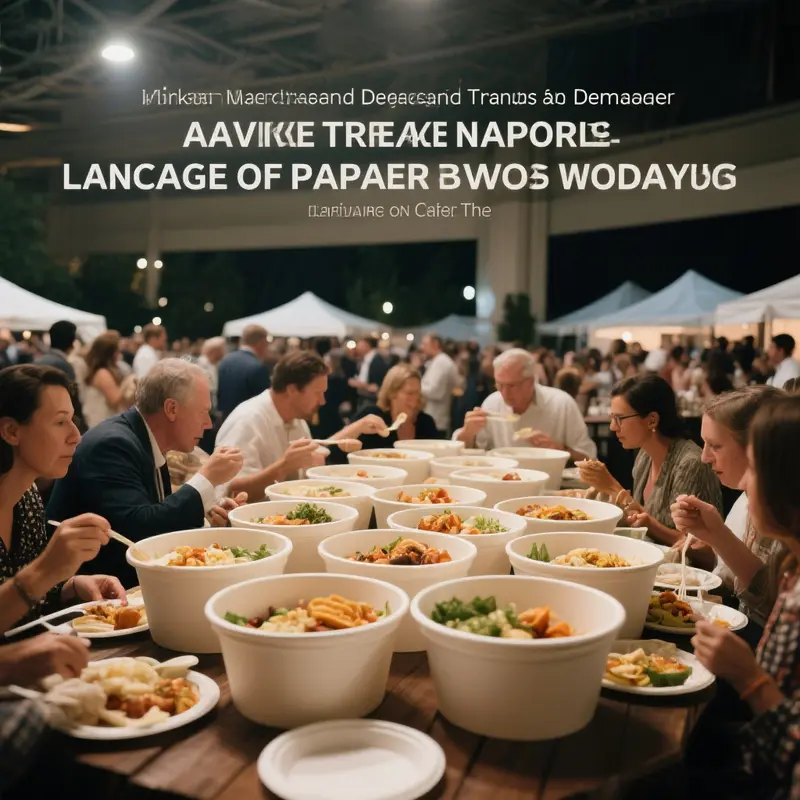
Simultaneously, the rapid expansion of food service establishments and innovative dining solutions are propelling the demand for disposable tableware, including large paper bowls. The growth in the quick-service restaurant sector, catering services for events, and institutional feeding programs necessitates large bowls suitable for a diverse range of meals, from shared servings of salads to steaming noodle dishes. The surge in consumer preference for convenience dining, alongside a notable increase in outdoor gatherings and events, has fortified the position of wholesalers and distributors. They are now more than ever focused on meeting the bulk ordering needs of businesses requiring capacious, durable, and visually appealing large bowls.
An important element influencing purchasing decisions is the intersection of design, branding, and consumer experience. Modern packaging and tableware play a pivotal role in shaping brand perceptions and enhancing customer experiences in dining. As social media proliferates, demand for aesthetically pleasing and unique designs is surging. Current trends favor minimalist yet sophisticated designs that resonate with conscious consumers. Around 45% of individuals report being influenced by the effectiveness of packaging, which signifies the potential for loyalty towards brands that invest in high-quality paper bowls adorned with striking prints and styles. This trend is particularly apparent in niche markets such as desserts and ice creams, where over 60% of consumers prefer creatively designed bowls that strike a balance between style and function.
Moreover, technology is redefining how wholesalers approach the customization and appeal of their products. Digital printing technologies are anticipated to witness a significant surge, projected to grow by approximately 25% over the next five years. These advancements allow for shorter production runs and the ability to rapidly adapt to seasonal trends with eye-catching seasonal designs on paper bowls. Paper substrates prove far superior to their plastic counterparts for high-quality printability, accentuating the appeal of paper bowls as versatile and stylish options for bulk purchases.
In addition to aesthetic considerations, the performance of products has been enhanced through innovative coatings that bolster moisture resistance and overall durability. Recent developments have focused on advanced barrier coatings that improve paper tableware’s ability to hold various food types without compromising integrity. This quality does not merely serve convenience; it aligns with health standards and enhances user experience. Additionally, suppliers are increasingly emphasizing proper handling and storage techniques, ensuring that moisture-sensitive biodegradable products like PLA-lined bowls are not compromised before reaching consumers.
As the market continues to evolve, it is clear that versatility, sustainability, and aesthetics are intertwined gears propelling the large paper bowl wholesale industry forward. Industry players must remain vigilant, adaptable, and responsive to these macro trends in consumer behavior and regulatory landscapes, which continue to shape market demand. Ultimately, the alignment with consumer values, particularly regarding environmental impact, coupled with innovative design solutions, will dictate success in this competitive arena.
Navigating these challenges calls for a keen understanding of market dynamics, empowering stakeholders to effectively position their brands amidst changing consumer preferences.
For those interested in exploring options to enhance their offerings with environmentally friendly products, the wholesale market presents numerous solutions, including a vast array of kraft and processed paper bowls available from various suppliers. By capitalizing on the current momentum towards sustainability and thoughtful design, businesses can engage a growing consumer base eager for eco-friendly dining solutions and contribute positively to the mission of a more sustainable future.
2. Redefining Convenience: Sustainability and Aesthetic Innovations in Large Paper Bowls
In an age where consumer preferences increasingly lean towards sustainability, the large paper bowl wholesale market is undergoing profound transformations. This evolution is not merely rooted in regulatory pressures against plastic but extends to a growing consumer consciousness about environmental impact, aesthetics, and functionality. Major market analyses reveal that sustainability ranks as the primary growth driver in the realm of paper-based disposables. Firms are responding to this demand by enhancing their product lines with innovative materials and unique designs, ensuring relevance and appeal within a competitive marketplace.
As brands pivot away from plastic tableware towards fiber-based alternatives, large paper bowls are seeing a surge in demand. The shift is evident in sectors such as quick-service restaurants (QSR), catering, and delivery services, where traditional plastic bowls are being swiftly replaced by eco-friendlier options. This trend aligns with evolving regulations globally, particularly in regions taking a hard stance against single-use plastics. Projections indicate that by the mid-2020s, eco-friendly packaging could dominate around 30% of the packaging sector, especially among food service providers increasingly emphasizing their sustainable practices.
In response to these trends, manufacturers are not only prioritizing sustainability but also focusing on the performance of their products. The introduction of advanced materials and innovative barrier technologies has significantly strengthened the functionality of large paper bowls. These enhancements ensure resistance to moisture and grease without compromising on recyclability or compostability. For instance, many manufacturers now employ coatings made from water-based dispersions or bio-waxes, which comply with compostability standards, replacing traditional polyethylene (PE) linings.
Moreover, biodegradable solutions have expanded within the industry, reflecting a robust demand for compostable and eco-friendly products. For instance, large paper bowls lined with polylactic acid (PLA), a biodegradable polymer derived from renewable resources, are becoming increasingly available for both hot and cold applications. The trend aligns with waste-reduction principles, indicating that the future growth of disposables is inherently tied to sustainable practices, projected to deepen between 2030 and 2035 as infrastructure for biodegradable materials becomes more established.
Beyond sustainability, design innovation plays a crucial role in enhancing market appeal and driving demand for large paper bowls. Today’s consumers are not merely looking for utility; they are drawn to aesthetically pleasing and unique tableware that enhances their dining experience. The rise of social media platforms has made ‘Instagrammable’ products more significant than ever, compelling brands to prioritize striking designs that catch the eye and encourage sharing. This trend has encouraged manufacturers to explore premium print technologies, special finishes, and distinctive structural designs, which elevate the perceived value of disposable items.
The demand for minimalist, brand-centric graphics is also reshaping packaging strategies. Brands increasingly recognize that a significant percentage of consumers (approximately 45%) are influenced by effective packaging in their purchasing decisions. Large paper bowls adorned with straightforward branding and sustainability messages resonate deeply with eco-conscious consumers, enhancing both transparency and brand loyalty. Such designs can amplify the market presence of food brands and retailers, making them more competitive within a crowded marketplace.
As digital printing technologies evolve, they present exciting opportunities for customization and short-run production of large paper bowls. Projected to grow at around 25% over the next five years, this sector allows brands to develop seasonal designs and localized branding more effectively than traditional printing methods permit. The ability to produce custom designs without incurring significant setup costs enables mid-sized restaurant chains and e-commerce food brands to adapt quickly to changing consumer preferences and trends.
In addition to aesthetic considerations, functional innovations are critical in enhancing the performance of large paper bowls. As the market shifts towards disposable products, emphasis is being placed on improved structural integrity, enabling these bowls to withstand the rigors of high-demand scenarios—whether it’s takeout, delivery, or catering events. Enhanced rigidity and usability make this packaging not only attractive but reliable for consumers looking for convenient dining solutions.
The increased emphasis on sustainability affects all segments of the large paper bowl wholesale market. Major suppliers are broadening their lines to include options that not only satisfy environmental considerations but also meet the diverse needs of consumers. For example, offerings now include options with various sizes, capacities, and designs that cater specifically to the fast-paced foodservice environments. Suppliers can easily adapt their offerings based on geographic preferences and usage scenarios, meeting the unique demands of different market segments.
These trends are reflected by various suppliers in the market, including those such as Xiamen Zi Heng Environmental Protection Technology Co., Ltd. and Jolly Chef. Their focus on eco-friendly options has positioned them as critical players in a rapidly evolving wholesale landscape, catering to clients who prioritize sustainability and performance. By pushing the boundaries of design and functionality, these companies are setting industry standards that elevate consumer expectations across the board.
As we look towards the future, the wholesale market for large paper bowls will continue to grow and innovate, influenced by ongoing shifts in sustainability practices, evolving consumer preferences, and the need for enhanced product functionality. The marriage of design and eco-friendliness serves not only to meet current market demands but also aligns with a broader movement towards reducing the ecological footprint of food service products. Cognitive shifts such as these signal to suppliers and manufacturers alike that adapting to consumer demands for innovative, sustainable disposable tableware is no longer just an option; it’s an essential practice in a competitive market.
With that, the large paper bowl wholesale industry stands at the intersection of sustainability and design, where functional innovations and aesthetic advancements create a rich tapestry of products designed not just for single-use, but as pivotal elements in the growing conversation about environmental responsibility and consumer choice. As this dialogue continues, one thing is abundantly clear: the future of disposable tableware will be colored green, not just in color but in spirit, as we embrace the ethos of sustainability in every dish served, especially in the towering forms of large paper bowls that represent a versatile and essential solution for modern dining experiences.
For further insights and product offerings, businesses can explore specialized wholesale options that emphasize both ecological responsibility and innovative design, allowing them to thrive in this new paradigm of large paper bowl wholesale. To dive deeper into the available choices, visit Sustainable Paper Bowl Solutions for Food Service.
Final thoughts
As businesses pivot towards sustainable and disposable food service options, understanding the landscape of large paper bowl wholesale becomes imperative. Selecting the right supplier, material, and size can significantly impact your operational efficacy and customer satisfaction. By staying informed about prevailing market trends and emphasizing eco-friendly solutions, your business can not only meet customer demands but also position itself as a leader in the sustainable packaging movement. Embrace these insights to enhance your product offerings and foster growth in your food service operations.
Choose our reliable disposable tableware and packaging solutions for your business. We offer quality products that meet safety standards, with fast delivery and flexible options. Partner with us today to elevate your service – contact our team now for a tailored quote!
About us
We specialize in manufacturing and supplying disposable tableware, packaging paper, and boxes. With years of experience, we prioritize safety, durability, and eco-friendly practices. Our goal is to provide businesses with trusted, cost-effective solutions backed by responsive customer support.