
Introduction
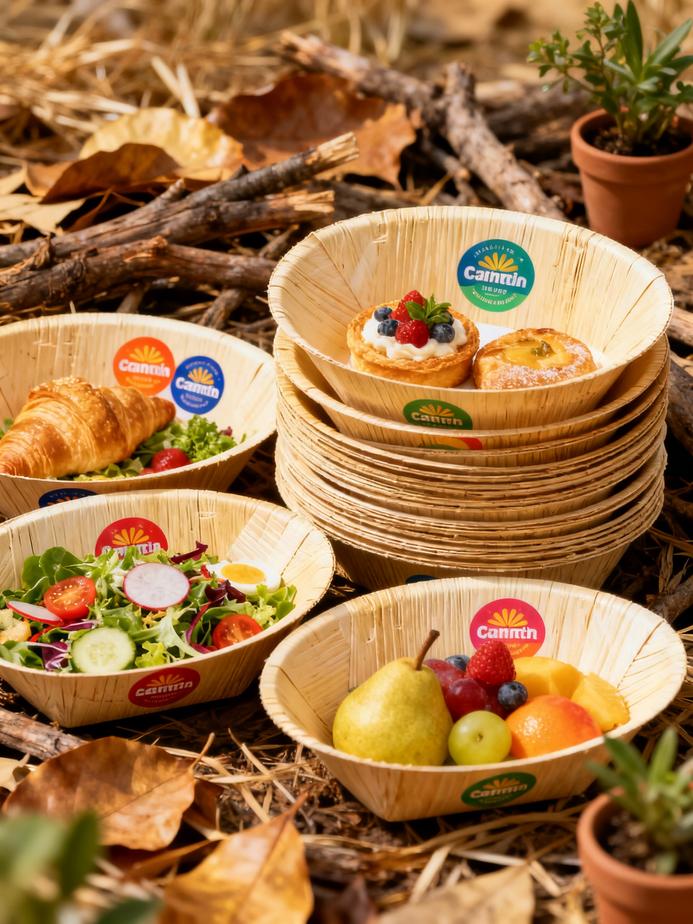
As consumer preferences shift toward sustainability and personalization, business owners are increasingly seeking innovative packaging solutions. Customized sugarcane clamshells present an eco-friendly option that not only preserves food quality but also serves as a canvas for brand expression. This article delves into the intricacies of customization and personalization, the sustainable features that set these clamshells apart, and the diverse application areas that can benefit from this innovative packaging. Each segment aims to equip business owners with valuable insights into how customized sugarcane clamshells can enhance both brand identity and environmental responsibility.
Tables of Contents
Chapter 1: Transforming Food Packaging: Unleashing the Power of Customization in Sugarcane Clamshells
- Elevating Your Brand: The Art and Science of Customization in Sugarcane Clamshells
- Navigating the Cost and Design Landscape for Tailored Sugarcane Packaging Solutions
Chapter 2: The Economic and Environmental Synergy of Customized Sugarcane Clamshells
- Harnessing Economic Advantages Through Sustainable Practices with Customized Sugarcane Clamshells
- Innovative Advances Enhancing the Sustainability of Customized Sugarcane Clamshells
Chapter 3: Harnessing Eco-Friendly Solutions: Customized Sugarcane Clamshells for Modern Food Service
- Elevating Food Service with Customized Sugarcane Clamshells in Restaurants, QSRs, and Takeaway Packaging
- Maximizing Freshness and Efficiency: Customized Sugarcane Clamshells for Food Delivery and Ghost Kitchens
Chapter 1: Transforming Food Packaging: Unleashing the Power of Customization in Sugarcane Clamshells
1. Elevating Your Brand: The Art and Science of Customization in Sugarcane Clamshells
In the ever-evolving landscape of food packaging, customized sugarcane clamshells have emerged as a compelling choice for businesses aiming to enhance brand visibility and product integrity. These eco-friendly containers, crafted from renewable sugarcane bagasse, offer a remarkable canvas for customization that intertwines branding with sustainability. As we delve into the customization and personalization aspects of these clamshells, it is essential to understand the array of options available and the limitations imposed by the materials and manufacturing processes.
Logo Customization Options
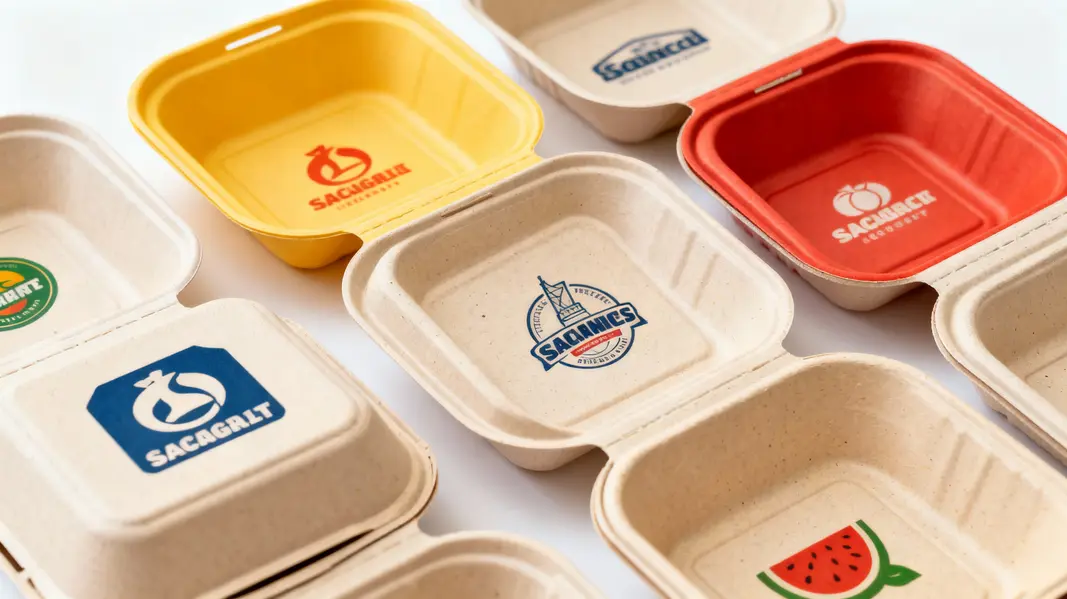
The first and most prominent avenue for customization lies in logo decoration. Businesses can opt for a variety of printing techniques tailored to their branding strategies. The most common choice is the application of a singular color flexo or offset print on the lid’s outer surface. This technique utilizes water- or soy-based inks that align with the compostability standards of the product, ensuring a clean visual presentation without compromising environmental values. However, brands seeking to make a mark must prepare for the requirements associated with this method, which typically calls for high-order minimums—often exceeding 10,000 units per design. Businesses must furnish vector artwork—AI, EPS, or PDF files—to ensure optimal print fidelity.
For those prioritizing a more tactile branding strategy, embossed or debossed logos in the mold can serve as a striking alternative. This method carves the logo directly onto the molded board without using inks, thus maintaining the clamshell’s compostability. While this technique demands a custom mold and entails significant tooling fees, it provides an elevated branding experience that resonates with consumers, particularly for high-volume, long-term sales. Moreover, private-label printing on the outer cartons delivers another layer of branding flexibility, especially suitable for distributors who prefer generic clamshells for their internal use but aim to distinguish their shipments visually. This approach reduces the immediate cost of custom clamshells while still allowing brands to present a professional image through outer packaging.
Exploring Material Variability
Diving deeper into the construction of sugarcane clamshells reveals that not all sugarcane containers are created equal. Though they share a common base in bagasse, manufacturers can vary critical material parameters that affect performance, durability, and aesthetics. This flexibility in material selection allows brands to customize not just the appearance but also the functional characteristics of their packaging.
One primary variable is the fiber blend incorporated into the clamshells. While the core component is sugarcane bagasse, some manufacturers introduce blends with wood pulp or bamboo to enhance the strength and whiteness of the clamshells. Such adaptations yield improvements not only in strength and durability but also improve the overall visual appeal, aligning with diverse branding needs. Additionally, additives like sizing agents or internal binders can bolster oil and water resistance, critical factors for food packaging to maintain product integrity.
Another significant aspect of customization lies in the basis weight or thickness of the clamshell. A heavier grammage can result in stiffer walls, improved stack strength, and higher heat resistance, making the containers suitable for a broader range of food types, from salads to hot entrees. Standard heat resistance levels hover around 200-220°F, ensuring that products can be enjoyed at optimal temperatures without compromising the clamshell’s structural integrity. However, while increased thickness enhances performance, it does lead to a rise in material costs, which must be factored into budgetary considerations.
Moreover, the type of coatings and barriers utilized in manufacturing can significantly affect the clamshell’s functionality. Many clamshells are unlined and feature internal sizing for necessary protection. However, adding biobased or biodegradable coatings can bolster grease resistance, which is crucial for dishes like pasta or curry. These coatings must also comply with compostability regulations to ensure that the packaging remains environmentally friendly.
Finally, customization extends to color palettes and surface finishes as well. The standard off-white or beige color offers a natural and organic aesthetic, but options exist for creating brighter shades using optical brighteners; however, these can sometimes interfere with certification processes. The surface texture—whether smooth or slightly textured—affects everything from the clamshell’s print quality to its tactile experience for the consumer, influencing perceptions of quality and care in branding.
Design and Shape Customization
When it comes to overall design, buyers are often faced with two primary pathways: selecting between stock (private-label) clamshells or opting for fully custom designs. Stock clamshells come pre-existing in standard sizes—such as 6×6, 8×8, and 9×9 inches—allowing businesses to add their logos while retaining the established geometry and hinge design. This option is generally quicker with reduced tooling costs, making it favorable for start-ups or companies testing new product lines.
On the other hand, fully custom clamshells offer unparalleled opportunities for innovation, enabling brands to develop unique dimensions, functional features, and even multiple compartments tailored to specific food items. However, this tailored approach comes with higher upfront tooling costs and longer lead times, requiring businesses to approach the development process strategically.
Overall, the customization and personalization of sugarcane clamshells transcend mere aesthetic enhancements; they are about aligning packaging with branding narratives and operational needs. The intricate balance between visual identity, material choice, and regulatory compliance underscores how businesses can craft meaningful packaging solutions that resonate with eco-conscious consumers. As restaurants, catering services, and food delivery avenues increasingly pivot toward sustainable options, investing in the right bespoke sugarcane clamshells becomes not only a practical decision but a pivotal step towards showcasing commitment to sustainability alongside brand integrity. In this ever-competitive market, standing out often means embracing the intricacies of customization—building a bridge between what consumers desire and the values that brands represent.
As brands explore these multiple pathways to customization, aligning their choice of clamshells with broader sustainability goals allows them to express their identity while contributing to a healthier planet. To discover more about the latest options available, brands can explore various offerings, including eco-friendly packaging solutions that seamlessly integrate form, function, and sustainability in one cohesive experience. They can find comprehensive insights on sustainable packaging options that serve both aesthetic and functional needs at the following source: sustainable packaging insights.
2. Navigating the Cost and Design Landscape for Tailored Sugarcane Packaging Solutions
Customized sugarcane clamshells offer a remarkable opportunity for brands to stand out in the competitive food packaging market while promoting sustainability. Made from sugarcane bagasse, a renewable and biodegradable material, these containers not only serve functionality but also reflect a brand’s commitment to environmental responsibility. However, while pursuing customized packaging solutions, businesses must navigate a complex landscape of costs and design variables.
When considering the level of customization of sugarcane clamshells, brands typically find that costs vary significantly based on the complexity of the design and the specifics of production processes. Understanding the hierarchy of customization options helps manufacturers to strategically choose what aligns best with their budget and marketing goals.
At the lowest cost level, utilizing stock clamshells without any branding serves as the most economical option. This straightforward approach allows brands to benefit from the sustainable aspects of sugarcane packaging while avoiding additional expenses associated with customization. These plain containers are a practical choice for businesses looking to implement a sustainable narrative without committing a significant portion of their budget to branding. Retail and food service establishments that prioritize functionality over aesthetics often opt for this route, making it an excellent choice for pilot programs or when the focus is primarily on a sustainability message rather than brand visibility.
The next tier of customization involves branding stock clamshells with a logo or graphic. Incorporating custom logos or a simple design enhances the visibility of the brand while remaining relatively cost-effective. The added cost typically ranges from $0.05 to $0.15 per unit, a small increment when considering the potential for increased consumer recognition. Businesses that choose this route can work with their suppliers to produce vibrant prints, utilize vector files for clarity, and balance their branding needs with the overall sustainability ethos they promote. Here, the challenge is ensuring that the design choices reflect the brand’s identity while still conveying a clear commitment to environmental stewardship.
For those looking to strike a balance between branding and customization, a semi-custom, private-label approach offers the middle ground. This option allows brands to leverage existing tooling for manufacturing while providing narrow adjustments regarding size and compartment variations. Such semi-custom solutions cater well to small and mid-sized chains that desire a unique look without incurring the high costs associated with fully bespoke designs. The cost implications are manageable, often involving only modest mold modification charges. For businesses that have consistent product dimensions, this approach allows for customization that resonates at a foundational level without overwhelming financial investment.
The most advanced level of customization involves creating a fully bespoke clamshell, encompassing unique shapes, sizes, closures, and embossed branding. This option entails an investment that can reach into the tens of thousands of dollars for new mold creation, making it essential for brands with high volume and long-term consistency in their product line. While this level of customization can be cost-prohibitive for smaller operations, it is particularly advantageous for national chains or products where the packaging itself is part of the customer experience. Innovative shapes or tailored compartment designs can distinguish a product in a crowded market, aligning packaging closely with brand messaging.
As businesses deliberate on how to best tailor their sugarcane clamshells, several key design variables come into play that can influence costs and functionality. Initially, elements such as size and internal volume require consideration. The footprint of the clamshell, whether it be an 8″ x 8″ or a 6″ x 6″ design, dictates material usage and consequential costs. Larger containers naturally necessitate more bagasse, which can increase unit price. Furthermore, taller clamshells or those requiring intricate geometry often lead to increased forming complexity and drying times in production, nudging costs further upward.
Another important factor is the choice of compartment configurations within the clamshell. Single-compartment designs cater well to main dishes like burgers or sandwiches, whereas two or three compartments can accommodate more intricate meal setups. While more compartments enhance usability, they also contribute to material and mold complexity, adding to the per-unit costs. Businesses must balance the operational benefits of compartmentalization with the aesthetic and budgetary considerations.
The lid design also plays a critical role in both functionality and presentation. Options range from simple, single-piece hinge designs to more intricate separate lid/base configurations. Closure types, such as friction locks or snap locks, directly influence user experience, making it imperative for brands to align their closure choices with the product they are offering. Strong closures and leak-resistant features often require stricter tolerances during manufacturing, which can further drive up costs. Therefore, it is essential to evaluate how these design choices impact the overall perception of the product while keeping budget constraints in mind.
Branding methods also vary, with embossing or debossing as options that integrate the brand identity directly into the packaging. Such methods enhance the premium perception of the product while avoiding the recurring costs associated with printing materials. However, embossing requires intricate mold details, pushing initial setup costs. The permanence of this branding method often proves advantageous in fostering long-term brand recognition.
Ultimately, businesses interested in customized sugarcane clamshells must conduct a thorough analysis of their goals and budgetary constraints. Each dimension of design and functionality interplays with cost, making a well-thought-out strategy essential for achieving the desired outcome. By consciously selecting the right combination of options and dimensions, brands can not only meet their packaging needs but also communicate their commitment to sustainability effectively. As consumer demand for eco-friendly packaging continues to grow, investing in customized sugarcane clamshells represents an opportunity to forge stronger connections with environmentally conscious customers, reinforcing brand loyalty through thoughtful, impactful products.
For those interested in exploring the available designs and configurations of sugarcane clamshells, detailed vendor sites such as Cofe Cup’s customizable packaging options serve as valuable resources for understanding potential solutions.
Chapter 2: The Economic and Environmental Synergy of Customized Sugarcane Clamshells
1. Harnessing Economic Advantages Through Sustainable Practices with Customized Sugarcane Clamshells
Customized sugarcane clamshells are not just packaging solutions but are pivotal in aligning business goals with sustainable practices. By leveraging the benefits of sugarcane bagasse—an agricultural byproduct—the clamshells provide substantial economic advantages while simultaneously addressing environmental concerns. The following narrative examines these interwoven elements, highlighting how businesses can not only bolster their bottom line but also enhance their sustainability profiles through the adoption of these innovative containers.
The economic benefits of utilizing customized sugarcane clamshells start with the inherent cost-effectiveness of using agricultural waste. Sugarcane bagasse is a fibrous residue from sugarcane processing, previously dismissed and often burned, making its availability virtually free compared to virgin raw materials. As a result, manufacturers can deliver these biodegradable clamshells at competitive prices, allowing businesses to reduce operational costs while embracing eco-friendly packaging.
Moreover, customized sugarcane clamshells diminish reliance on volatile plastic and wood pulp prices, which are subject to fluctuations due to market dynamics and environmental regulations. By choosing clamshells made from sugarcane fibers, companies can mitigate their exposure to these risks, ensuring stable pricing and consistent supply. This aspect appeals particularly to food service providers and retailers that seek cost predictability.
Scaling production further underscores the economic advantage. As manufacturers of sugarcane clamshells ramp up production, they often benefit from economies of scale. Ordering in larger quantities—commonly container-load minimum order quantities—can yield significant per-unit cost reductions. This is especially beneficial for distributors and food chains that frequently require substantial packaging volumes. Optimized logistics associated with larger orders further enhance the affordability of these sustainability-focused solutions.
Logistics efficiency closely ties back to the clamshell design itself. Their robust construction and space-efficient stacking help reduce damage during transport, optimizing storage space and lowering overall logistics costs per product. Buying sugarcane clamshells not only positively impacts the environment but also contributes to more streamlined operations, encouraging higher margins.
As businesses look to extend their branding strategies, sugarcane clamshells offer unique value. Manufacturers support extensive customization options, which include applying logos and designs directly onto the packaging. This transforms the clamshells into powerful marketing tools, allowing brands to communicate their commitment to sustainability right at the point of sale. Such efforts not only enhance brand visibility but also resonate with environmentally conscious consumers, creating a compelling differentiation in a crowded market.
Moreover, tapping into the emerging market of eco-aware consumers can lead to enhanced business opportunities. Studies show that consumers increasingly gravitate toward brands that prioritize sustainability. Utilizing sugarcane clamshells positions brands favorably in this segment, often allowing them to command premium pricing. Consequently, businesses can enjoy increased revenue while contributing positively to the environment.
Turning to the sustainability features of sugarcane clamshells reveals a comprehensive narrative that supports their economic benefits. As made from renewable agricultural byproducts, these clamshells epitomize sustainable packaging by diverting waste materials from traditional disposal methods. This shift not only addresses the growing global issue of landfill waste but also contributes to a circular economy model where resources are revalued and recycled rather than discarded.
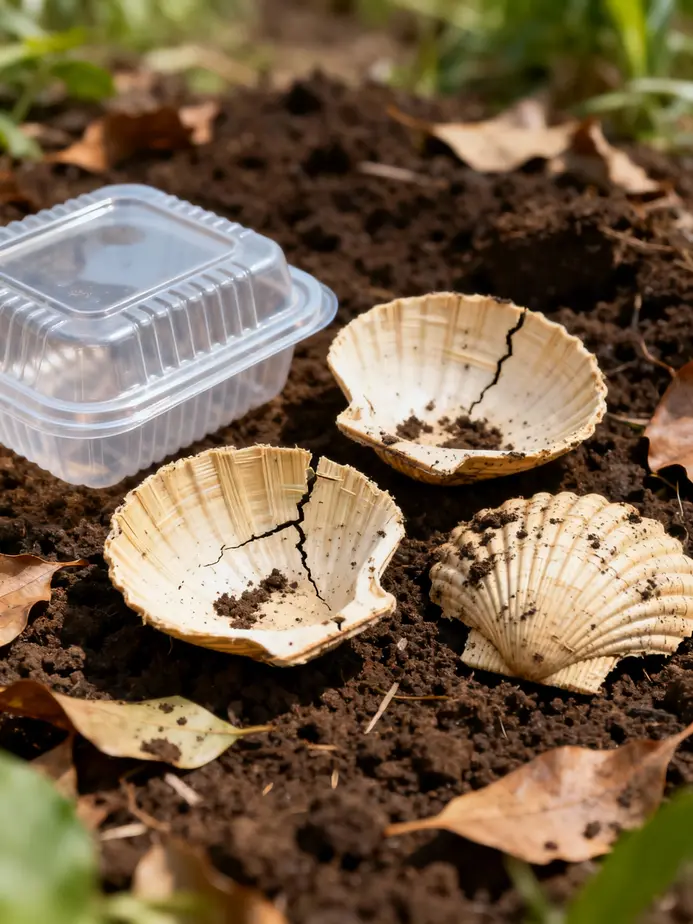
The compostability and biodegradability of customized sugarcane clamshells further illustrate their environmental merit. In a commercial composting context, these containers can fully decompose within 30 to 90 days, leaving behind only water and organic matter. This natural breakdown contrasts sharply with conventional plastics that persist in the environment for centuries, thereby empowering brands to meet stringent plastic reduction targets without compromising on performance.
Yet, it is not enough simply to replace one material with another. The process of manufacturing sugarcane clamshells contributes to a lower carbon footprint per unit, particularly when scaled. This is attributed to using an existing agricultural byproduct, making the production process more efficient and less taxing on the environment.
As businesses navigate increasing regulatory pressure and consumer demand for responsible environmental practices, transitioning to sugarcane clamshells provides a straightforward solution. These containers help companies meet compliance standards related to single-use plastics, enhancing their reputation as responsible players in their respective industries. The certifications that many sugarcane clamshells attain, such as EU EN13432 and US ASTM D6400, serve as verifiable proof of their sustainability, reinforcing consumer trust and brand loyalty.
In addition, the benefits are not confined to merely the economic and environmental realms; switching to customized sugarcane clamshells fosters operational agility. Businesses can experiment with various compartment configurations and sizes, adapting their packaging to diverse product needs while still preserving structural integrity for both lightweight and moderately heavy items. This adaptive capability makes sugarcane clamshells equally viable for restaurants, catering services, food delivery, and retail food packaging.
Furthermore, strong product protection inherent in clamshell design enables enhanced display visibility, promoting product appeal at the point of sale. As a result, businesses can gain competitive advantage, as visually appealing packaging can significantly influence consumer purchasing decisions. This synergy between aesthetics, function, and sustainability serves as a robust foundation for any company seeking to elevate its brand integrity while meeting customer expectations for environmentally responsible practices.
As we look toward the future, one cannot overlook the transformative potential of customized sugarcane clamshells. Beyond their dual focus on economic benefit and sustainability, these packaging solutions present an opportunity for companies to lead in a market that increasingly values ecological consciousness. In such a dynamic landscape, those who embrace innovative solutions like sugarcane clamshells are poised to capture both profitability and a strong sustainability narrative that is becoming critical to brand identity. By making informed choices today, brands not only contribute positively to the environment but also prepare themselves for a more sustainable future, aligning themselves with broader environmental and social governance targets.
As the foodservice industry moves forward, the use of customized sugarcane clamshells stands out as a holistic strategy that meets consumers’ changing demands while delivering significant economic value. Companies looking to strike the right balance between profitability and responsibility will find that the investment in customized sugarcane clamshells is not merely a cost but a strategic move toward sustainable growth. For those eager to explore further options in sustainable packaging, the range of products available, including various clamshell designs tailored for specific food items, signifies that innovation in the packaging sector remains both vibrant and essential.
Choosing to implement such methodologies not only aids companies in establishing a positive brand narrative but simultaneously catalyzes a shift toward broader industry transformation, reinforcing the message that sustainable choices can coexist with economic success. Embracing this dual focus will surely reward forward-thinking brands in a world that increasingly demands responsibility, sustainability, and transparency.
2. Innovative Advances Enhancing the Sustainability of Customized Sugarcane Clamshells
Innovative technology plays a pivotal role in elevating the sustainability of customized sugarcane clamshells. Through a multifaceted approach encompassing material advancements, precision design, and eco-conscious production methods, manufacturers are crafting a greener future for packaging solutions. Each innovation not only addresses the urgent need for environmentally friendly alternatives but also meets the rising consumer demand for customizable, high-performance food containers.
At the forefront of this progression is advanced bagasse pulping and fiber engineering. The modern techniques employed within the pulp and paper industry have transformed sugarcane bagasse, a byproduct of sugar production, into a reliable and consistent feedstock for manufacturing clamshells. Using high-efficiency pulping systems, fiber can now be mechanically and chemically processed to yield uniform, moldable materials. This not only reduces reliance on virgin wood pulp but also repurposes waste, effectively minimizing resource depletion. The ability to convert what was once an agricultural waste product into a viable packaging material is a significant leap toward sustainability within the industry.
Incorporating techniques such as fiber optimization allows producers to create clamshells that are both lightweight and durable. By refining the fibers and employing innovative blending technologies, manufacturers can produce thinner products without compromising on rigidity or impact resistance. This reduction in material use per unit not only leads to cost savings but also significantly lowers the environmental footprint associated with packaging production. These advancements underline the principle of making eco-conscious choices that lead to a biodegradable solution without sacrificing functionality.
Moreover, cleaner chemistries and reduced bleaching processes enhance the sustainability of sugarcane clamshells. With optimized pulp washing techniques and a focused reduction in chemical bleaching, manufacturers are achieving necessary aesthetics—such as food-grade whiteness—while consuming less water and generating lower effluent. This environmentally sound approach further underscores the commitment of the packaging industry to adhere to stringent global environmental standards.
Additionally, precision molded-fiber forming has revolutionized how clamshells are designed and produced. Digital design technologies, particularly through the use of 3D CAD and CNC machining techniques, allow for the creation of intricate, customized mold designs that meet specific branding needs. This technological capability supports efficiency in fiber use while enabling a myriad of shapes, compartment layouts, and branding features to impressively showcase product contents. High-pressure thermoforming techniques optimize the manufacturing process, leading to clamshells that have smooth surfaces, superior stackability, and enhanced fit—attributes essential in today’s fast-paced food service environment.
An equally important area of innovation is the development of next-generation coatings and barrier technologies. The evolution of water-based barrier coatings has eliminated the need for traditional plastic linings, rendering the clamshells not only compostable but also capable of resisting oil, grease, and moisture—key factors in preserving food quality. These water-based formulations offer a sustainable alternative that aligns seamlessly with the overarching goal of reducing plastic pollution. Furthermore, tuned coating grammage—the precise application of barrier coatings based on the actual use case—represents a strategic move towards minimizing chemical waste and energy use during production. This optimization ensures that the clamshells can effectively handle various food types without compromising their integrity or environmental compliance.
As for the performance of these biodegradable clamshells, engineering advancements ensure heat and soak-proof capabilities. The combination of innovative fiber engineering strategies and effective coating technologies yields containers that can withstand hot and greasy foods. This exceptional utility promotes the displacing of traditional plastic and foam options, furthering the aim of creating a comprehensive eco-friendly packaging ecosystem.
The pursuit of sustainability is also manifesting through customization technologies that preserve environmental integrity. For example, branding can now be integrated directly into the molds used for clamshell production, reducing the need for additional inks or labels. This strategy not only enhances brand visibility but also eliminates the carbon footprint associated with printing processes.
In instances where printing is necessary, modern techniques utilizing low-impact, water-based inks come into play. These inks significantly lessen volatile organic compound (VOC) emissions compared to solvent-based systems, enhancing compostability and reaffirming a commitment to clean, green packaging solutions. This synergy between branding and eco-conscious practices showcases how designers and manufacturers can harmonize aesthetics with sustainability goals.
The developments in modular sizing and format systems further streamline production and logistics. By designing compatible sizes and configurations, manufacturers can drastically reduce complexity in their supply chains. This standardization of fiber formulations not only simplifies processes but also limits waste generation—a complexity multiplier that many industries face.
Finally, adopting cleaner, more efficient manufacturing processes is paramount in advancing the sustainability agenda of sugarcane clamshells. The integration of energy produced from the bagasse itself into production facilities represents a groundbreaking innovation. Harnessing this bioenergy significantly reduces reliance on fossil fuels, thereby questioning the traditional paradigms of energy consumption in manufacturing.
In conclusion, the confluence of these technological advancements delineates a significant progression in the evolution of customized sugarcane clamshells. Each innovation is a step towards a more sustainable future that does not compromise on performance, customization, or brand integrity. As the demand for environmentally friendly packaging increases, the sugarcane clamshell stands out as an exemplary model of how thoughtful innovation can lead to substantive change in the packaging industry, aligning closely with global sustainability goals. For more about environmentally responsible packaging solutions, explore additional options in innovative food containers.
Chapter 3: Harnessing Eco-Friendly Solutions: Customized Sugarcane Clamshells for Modern Food Service
1. Elevating Food Service with Customized Sugarcane Clamshells in Restaurants, QSRs, and Takeaway Packaging
Customized sugarcane clamshells have emerged as a leading choice in the food packaging landscape, particularly within restaurants, Quick Service Restaurants (QSRs), and takeaway operations. Their versatility and eco-friendliness make them not just a necessity, but a strategic asset for food establishments aiming to align with sustainable practices while enhancing brand presence. As we delve into the various application areas of these clamshells, it’s evident that they serve multiple functions tailored to the unique dynamics of each segment in the food industry.
In casual and full-service restaurants, customized sugarcane clamshells are revolutionizing how meals are served and packaged. One key application is in the presentation of lunch specials and combo sets. Restaurants often employ 2- or 3-compartment clamshells that allow for visually appealing and organized meals, with clear demarcation of different items. These clamshells accommodate portion control and enable restaurants to differentiate their menu offerings creatively. For example, a main dish could occupy one section while sides are stratified in others, enhancing customer experiences through attractive meal presentations.
Another compelling application of sugarcane clamshells in dining establishments is for leftover packaging, commonly referred to as doggy bags. Traditionally, disposable containers made from foam or plastic dominated this segment; however, the rise of sustainability-focused dining has seen a shift toward eco-friendly solutions. Sugarcane clamshells provide a robust alternative that is both biodegradable and compostable, appealing to environmentally conscious consumers who prefer to reduce their plastic footprint. These containers are ideal for a variety of food types, from hearty pastas and rich curries to grilled dishes and rice plates, making them versatile enough to meet diverse culinary offerings.
When catering for events or corporate gatherings, restaurants can also opt for these customized clamshells as they are perfect for serving in-house prepared meals intended for off-site serving. Their design can easily be adapted to accommodate bulk serving styles, ensuring that larger portions maintain their quality without compromising aesthetic presentation. Organizing meals in visually appealing, branded packaging elevates the entire catering experience, transforming a regular meal into a feast that resonates with both sustainability and taste.
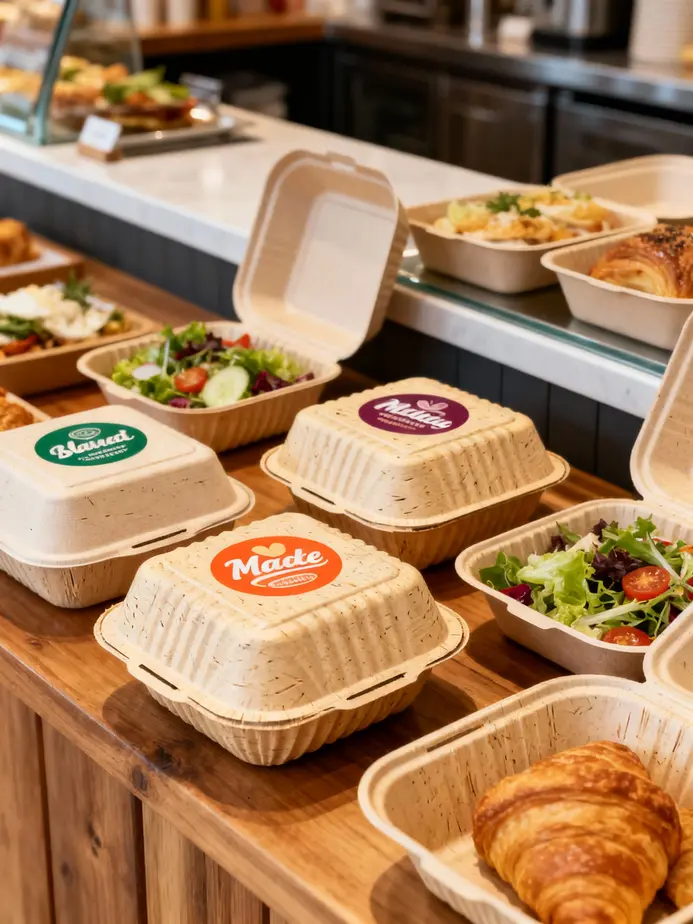
Smaller clamshell sizes are particularly beneficial for packaging cold items and desserts. For instance, salads, cut fruits, and pastries are all perfect fit, allowing customers to view the freshness of items through transparent windows. The ability to customize these containers with branding, colors, and designs not only attracts the eye but also communicates a restaurant’s commitment to quality and environmental responsibility directly to patrons. Such strategies are essential for creating lasting impressions, encouraging repeat customers.
Furthermore, restaurants can leverage customized clamshells to solidify their eco-forward brand positioning. Techniques like custom shapes, external embossing, or printed designs allow outlets to underline their sustainability credentials right at the table. Each clamshell serves as a silent ambassador for the restaurant’s mission, portraying a strong commitment to environmental stewardship that resonates more deeply with today’s eco-aware consumers.
In the realm of Quick Service Restaurants (QSRs), the practicalities of using customized sugarcane clamshells shine through phenomenal efficiency and structural integrity. Items such as burgers and sandwiches often require single or double burger boxes, and hinged clamshells that are engineered with strength and leak resistance. These attributes assure customers that even the sauciest of items can be enjoyed on the go without the fear of spills or messes.
Moreover, QSRs capitalize on the adaptability of sugarcane clamshells through the use of smaller containers tailored for fries, sides, and snack boxes. These clamshells can manage oily and greasy foods, ensuring that customers receive their orders in immaculate condition. The multi-compartment designs are especially effective for value meals, where an assortment of items can be assembled swiftly while maintaining consistency across serving sizes. Notably, this aspect is critical in fast-paced service environments where speed and efficiency are paramount.
Breakfast menus also benefit from the incorporation of sugarcane clamshells; items like pancakes, egg muffins, and hash browns require suitable housing that maintains their intended warmth and texture during travel. QSR chains who prioritize breakfast takeout can thus leverage these containers to attract the morning rush without compromising the quality of what they’re sending out. The stackability and structural integrity of sugarcane clamshells serve particularly well in high-throughput operations such as drive-thrus, which often depend on efficiency and seamless packaging solutions to keep lines moving swiftly.
Limited-time offers (LTOs) represent yet another opportunity where customization can thrive. For promotional items or premium menu offerings, clamshells can be uniquely designed with custom embossing or specific lid patterns. Such differentiation not only elevates the presentation of these offers but also creates positive, memorable connections for customers who seek novelty in their food choices.
When it comes to takeaway and food delivery, sugarcane clamshells reinforce their status as the packaging of choice. For hot main dishes, their resilience against heat up to 200–220°F means they are perfectly suited for servings of greasy foods like curries, pasta, or grilled meats. The need for effective meal prep and ready meals packaging is addressed through compartmented clamshells that reflect brand aesthetics while being functional and easy to handle. This adaptability is particularly significant for food service operations focused on meal subscriptions and health-conscious preparations.
Additionally, with the resurgence of cloud kitchens and food aggregators, there’s a pressing need for cohesive, sustainable packaging solutions like sugarcane clamshells. These customizable containers can enhance brand visibility across multiple virtual brands operating out of a single facility, providing uniformity in sustainability and design. Over time, as customers become accustomed to seeing these eco-friendly packages, brand recognition solidifies, leading to higher customer retention and loyalty.
Third-party delivery platforms also stand to benefit when using sugarcane clamshells, as their robust construction minimizes leaks and deformities often encountered during long-distance transport. In today’s competitive environment, well-packaged food promotes positive customer experiences leading to favorable reviews and repeat orders. Reinforcing the quality of the food with quality packaging ensures customers associate great taste with strong brand ethics.
Finally, for family packs and sharing meals, larger or multi-compartment clamshells can be employed for dishes that cater to multiple diners. Items like BBQ platters, biryani trays, and sushi set boxes can be neatly organized, making it easier for families or groups to share meals without the hassle of separate packaging. This format encourages communal dining experiences, adding a social dimension to meal enjoyment that customers are increasingly valuing.
Overall, customized sugarcane clamshells represent a crucial advancement in food packaging solutions for restaurants, QSRs, and takeout services, merging sustainability with brand identity. With the various applications tailored for diverse needs, they create a seamless transition from dining to delivery—all while nurturing environmental responsibility. As these practices continue to evolve, the adoption of such innovative packaging solutions will undoubtedly grow, forging a path towards a more sustainable and cohesive food service industry. Products like these provide not just functionality but also an avenue for organizations to communicate their commitment to sustainability effectively, ensuring a blend of convenience and conscientiousness in every culinary endeavor.
2. Maximizing Freshness and Efficiency: Customized Sugarcane Clamshells for Food Delivery and Ghost Kitchens
Customized sugarcane clamshells have emerged as vital components within the burgeoning food delivery market and the innovative realm of ghost kitchens. With their unique manufacturing process utilizing compressed sugarcane bagasse, these containers embody sustainability while also addressing several operational needs of modern foodservice businesses. Not only do they help mitigate environmental impact, but their design offers practical advantages that cater specifically to food delivery platforms and the dynamic operations of ghost kitchens.
In the context of food delivery, customized sugarcane clamshells are ideally suited for various meal types including takeout meals, salads, and hot foods. Their construction enables them to withstand temperature fluctuations and retain heat effectively, making them perfect for delivering everything from comforting curries to crispy fried meals. These hinged, two-part clamshells comply with stringent food-contact and hygiene standards, ensuring that food can be transported safely and securely. A critical factor in their design is compatibility; the sizes of these clamshells align well with common carrier bags and delivery providers’ packaging standards, facilitating easy integration into existing logistics systems. The ability of the clamshells to fit effortlessly into real-world operational models streamlines the process, allowing restaurants and cloud kitchens to focus on culinary quality rather than packaging logistics.
One of the most remarkable attributes of sugarcane clamshells is their breathable structure, which significantly mitigates condensation issues during transit. This is particularly beneficial for food delivery, where moisture accumulation can lead to a loss in the overall quality of the dish being served. Unlike paper or foam alternatives, the clamshells’ fibrous material allows for moisture evaporation, ensuring that meals maintain their intended taste and texture despite the journey they undergo during delivery. This is essential when handling a diverse range of cuisines, from soups and sauces to fried dishes, where excessive moisture can ruin the dining experience.
As ghost kitchens rise in popularity, the role of sugarcane clamshells becomes even more pronounced. In these kitchens, where meals are prepared solely for delivery without a customer-facing location, efficiency and functionality are paramount. The adaptability of bagasse products to microwave reheating and freezer storage positions them well in this environment. Customers can easily store leftovers in the same container they received, simplifying reheating without requiring additional dishware. For meal prep services, this convenience translates into higher customer satisfaction, affirming the clamshells’ role in both culinary planning and customer service.
The heat resistance of sugarcane clamshells further enhances their utility in ghost kitchen operations. These containers are capable of withstanding temperatures up to 200–220°F, making them ideal for hot food without fear of warping or degrading. This durability not only protects the food during preparation and delivery but also minimizes waste due to damaged packaging. An operational advantage of this design is its stackability, a feature that facilitates easy storage and organization within high-volume ghost kitchens, where efficiency is essential. The ability to stack these containers without risk of damage allows kitchens to handle numerous orders simultaneously, ensuring prompt service.
Moreover, sustainability plays a crucial role in the modern consumer’s decision-making process. As environmental awareness expands, packaging made from renewable materials gains traction among consumers. Customized sugarcane clamshells contribute to this trend by directly addressing single-use plastic concerns prevalent in the takeout industry. Their compostable nature captures attention; they break down within 30–90 days in commercial composting scenarios, leaving minimal environmental impact. By opting for sugarcane clamshells, food delivery platforms and ghost kitchens signal to customers that their brand values align with sustainable practices. This is not only appealing to environmentally conscious consumers but also serves as a powerful market differentiator.
The certification of sugarcane clamshells to international compostability standards, including EU EN13432 and ASTM D6400, positions them favorably among competitors. This gives businesses leveraging these containers a credible claim to sustainability, enhancing their brand image in an increasingly eco-aware marketplace. In a time when convenience and sustainability are paramount, both delivery platforms and ghost kitchens have the opportunity to thrive by supporting initiatives that resonate with consumer values.
Customization emerges as another significant advantage of sugarcane clamshells. The ability to incorporate custom logos and designs offers a marketing edge that stands out in a competitive arena. Personalized branding on these containers creates an authentic touch, transforming a mere delivery option into a memorable customer experience. Food delivery platforms can capitalize on the opportunity to keep their brand top-of-mind long after the meal has been consumed, enhancing brand loyalty. Given that a substantial portion of food delivery customers leverage mobile apps and social media, high-quality, visually appealing packaging can drive social engagement and repeat business.
Furthermore, the range of compartment configurations available allows for tailored solutions that meet specific meal demands. Whether it’s a simple salad with dressing on the side or a multi-component dish requiring several compartments, these adaptations enable restaurants to present food in a way that emphasizes freshness and accessibility. The versatility of sugarcane clamshells adapts seamlessly to meal variety needs — a critical aspect for ghost kitchens known for offering diverse menus. This flexibility allows kitchens to innovate continually, maintaining customer interest and satisfaction.
Ultimately, customized sugarcane clamshells are more than just a packaging solution; they embody a multi-faceted approach to food delivery and ghost kitchen operations that satisfies consumer needs for quality, sustainability, and aesthetic appeal. They enhance operational efficiency while underscoring an environmentally responsible commitment, yielding a dual advantage for businesses aiming to thrive in competitive markets. By integrating these containers, food delivery platforms and ghost kitchens can create a compelling narrative around their brand that resonates with today’s eco-conscious consumers, positioning them strongly for future growth in an ever-evolving landscape. For further information on customized food packaging solutions, explore options that suit your needs at https://cofe-cup.net/shop/.
Final thoughts
In a marketplace where branding and sustainability are key differentiators, customized sugarcane clamshells provide a robust solution. By offering tailored designs, these containers reinforce brand identity while aligning with eco-friendly practices. As we’ve explored the benefits of customization, the sustainable attributes, and the range of applications, it’s clear that investing in sugarcane clamshells not only enhances product presentation but also supports global efforts towards reducing plastic waste. Business owners are encouraged to consider this packaging option to boost their environmental commitment and brand image.
Choose our reliable disposable tableware and packaging solutions for your business. We offer quality products that meet safety standards, with fast delivery and flexible options. Partner with us today to elevate your service – contact our team now for a tailored quote!
About us
We specialize in manufacturing and supplying disposable tableware, packaging paper, and boxes. With years of experience, we prioritize safety, durability, and eco-friendly practices. Our goal is to provide businesses with trusted, cost-effective solutions backed by responsive customer support.