
Introduction
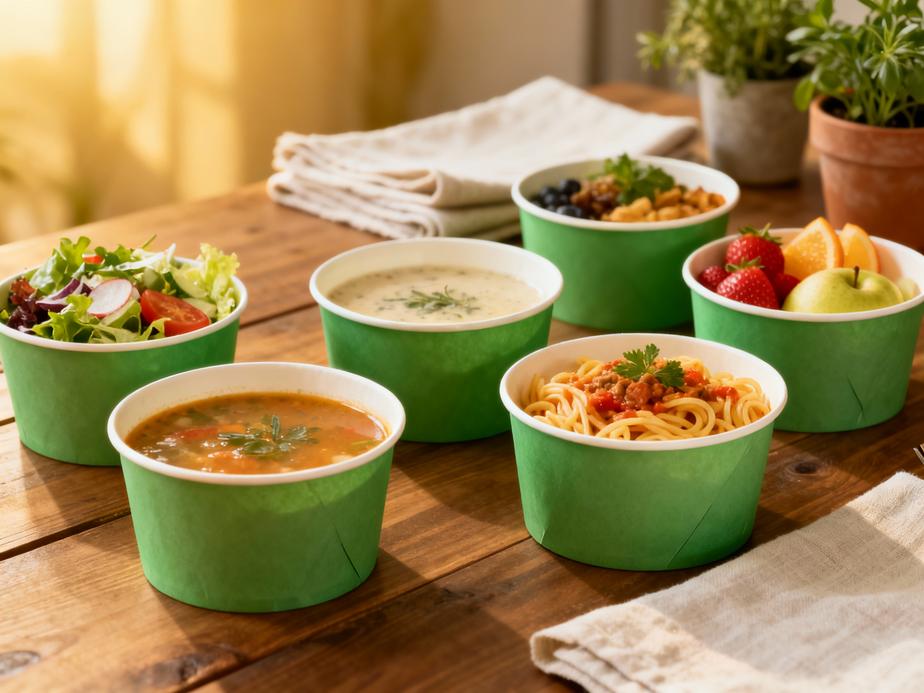
The increasing focus on sustainability is transforming the way businesses approach disposable products. Green paper bowls, made from compostable materials, are at the forefront of this shift, offering a viable alternative to traditional plastic and foam options. These eco-friendly bowls cater to diverse food service needs while championing environmental responsibility. This article explores the compostable features of green paper bowls, their various applications in the food service industry, sustainable sourcing practices, and evolving market trends. Each chapter contributes to a comprehensive understanding of how these products can enhance your business while aligning with consumer values.
Tables of Contents
Chapter 1: Navigating the Landscape of Compostability Standards for Green Paper Bowls
- Understanding Certification and Compliance in the World of Compostable Green Paper Bowls
- Eco-Conscious Material Development and Their Multifaceted Applications in Compostable Green Paper Bowls
Chapter 2: Exploring the Multifaceted Use of Green Paper Bowls in Modern Dining Experiences
- Diverse Culinary Applications of Green Paper Bowls in Sustainable Food Service
- Eco-Conscious Strategies for the Application of Green Paper Bowls in Food Service Settings
Chapter 3: Eco-Conscious Strategies in Sourcing Base Fibers for Green Paper Bowls
- Crafting a Sustainable Fiber Sourcing Framework for Green Paper Bowls
- Eco-Conscious Barriers: The Path to Enhanced Sustainability in Green Paper Bowl Design
Chapter 4: Navigating Market Shifts: How Regulations are Redefining Consumer Choices in Eco-Friendly Disposable Options
- Regulatory Trends and the Rise of Green Paper Bowls: Shaping Consumer Preferences in an Eco-Conscious Era
- The Driving Forces Behind Consumer Preferences for Green Paper Bowls
Chapter 1: Navigating the Landscape of Compostability Standards for Green Paper Bowls
1. Understanding Certification and Compliance in the World of Compostable Green Paper Bowls
In the growing eco-conscious marketplace, green paper bowls symbolize a critical evolution towards sustainability in disposable food service products. As they gain popularity, the demand for clarity around their compostable features increases. Essential to navigating this landscape are the compostability standards and third-party certifications that validate these products’ environmental claims.
At the core of these compliance frameworks are compostability standards that define the criteria under which a product can be labeled as compostable. For instance, in the United States, the ASTM D6400 standard stipulates stringent requirements for disintegration and biodegradation under industrial composting conditions. Specifically, it mandates that over 90% of a product must break down into particles smaller than 2 mm within a span of 12 weeks. The underlying importance of these standards cannot be overstated as they ensure that compostable green paper bowls can decompose efficiently in a controlled setting, providing a net positive impact on environmental sustainability. Similarly, the ASTM D6868 standard addresses coatings on fiber, ensuring that additional materials do not hinder the composting process. Products often carry claims like “Meets ASTM Standards for Compostability” to help consumers make informed decisions on what they buy.
Across the Atlantic, the EN 13432 standard serves as the European benchmark for compostable packaging. This standard, along with its certification from TÜV OK Compost, parallels ASTM standards, ensuring that products will break down safely, without harmful residues, and will not yield toxic heavy metals in the resulting compost. By adhering to EN 13432’s criteria, green paper bowls qualify for certain certification marks that bolster their appeal in eco-sensitive markets.
The verification process for compostability doesn’t end with standards; it involves rigorous testing by third-party organizations, which provide the authentic certification marks you often see on green paper bowls. In North America, the Biodegradable Products Institute (BPI) is the leading entity certifying compostable products. To earn BPI certification, green paper bowls must meet ASTM standards while also adhering to specific labeling guidelines that inform consumers about their disposal and composting requirements. A familiar phrase on many products is “ASTM compliant and BPI certified compostable in commercial facilities only,” indicating a clear pathway for users who wish to dispose of their bowls responsibly.
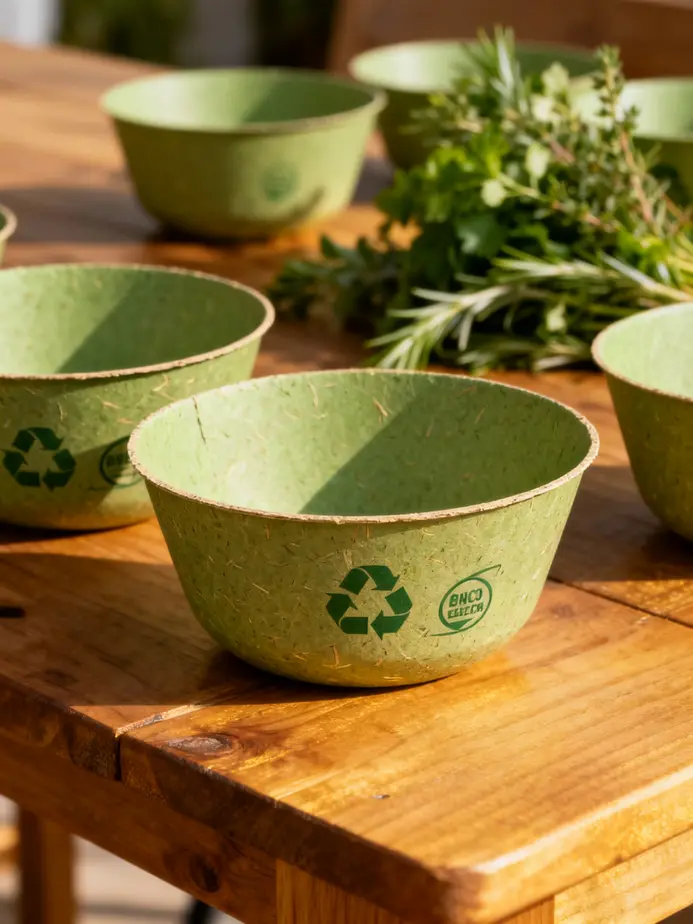
In Europe and beyond, TÜV Austria offers the OK Compost certification. This certification is divided into two categories: OK Compost INDUSTRIAL, suitable for industrial composting facilities, and OK Compost HOME, designed for items that can decompose under home composting conditions. The introduction of the home compost certification is particularly noteworthy, marking a significant progression in compostable product standards. Users with access to home compost setups can utilize products marked with the OK Compost HOME logo, confident that their eco-friendly dinnerware will break down in their own backyard, even in less controlled environments.
Beyond these well-known certifications, the Compost Manufacturing Alliance (CMA) plays a vital role ensuring that compostable bowls perform as expected in real-world settings. The CMA Certified logo indicates that a product has been tested in operational commercial compost facilities, assuring buyers of its reliability in legitimate composting situations. Often, products carry dual certification marks—like BPI alongside CMA—to enhance consumer confidence in their compostable claims.
Understanding the terminology attached to these bowls is essential, particularly the distinction between “commercially compostable” and “home compostable.” Labels denoting “Commercially compostable only” imply that the bowls are suitable only for industrial systems, which require higher temperatures (typically between 55–60 °C) and controlled environmental conditions. This distinction is crucial because, despite a green paper bowl’s compostability, an individual may not have access to appropriate facilities in their area. Therefore, consumers must assess local capabilities for composting before opting for products with this label.
Conversely, bowls certified as home compostable mean they can break down under the more lenient conditions of backyard composting. These interactions highlight the growing awareness and understanding necessary for consumers to ensure that their purchasing decisions contribute positively to waste reduction and environmental health.
The implications of these standards and certifications extend beyond compliance; they serve as essential indicators of a product’s lifecycle impact. For instance, a green paper bowl bearing multiple certifications not only promises functionality and aesthetic appeal but also underscores a commitment to eco-conscious practices. Event organizers and businesses capitalize on the aesthetic and operational benefits of these products, often choosing custom-printed green paper bowls to align with their brand’s sustainability ethos while simultaneously meeting practical needs.
Moreover, businesses that adopt certified compostable bowls experience a broader trend towards environmental responsibility, reflecting consumer preferences for greener alternatives. This shift not only helps them align with regulations but also fosters goodwill among a populace increasingly focused on sustainability.
As the market continues to evolve, consumers must remain educated about the certifications that back compostable claims to make informed purchasing decisions. Navigating the maze of compostability standards and certifications can appear daunting; however, understanding these principles provides clarity and empowerment. A green paper bowl is more than just a sustainable vessel for food; it’s a representation of a collective shift towards reducing waste, actively participating in a circular economy, and promoting environmental stewardship.
Choosing compostable products like green paper bowls symbolizes a stride towards sustainability, with certifications and standards serving as the guiding framework that supports this initiative. As consumers engage in this transformative journey, the assurance of verifiable standards and trusted third-party certifications will continue to play a pivotal role in shaping purchasing decisions. As demand for eco-friendly products rises, the informed consumer will become an even more powerful catalyst for change in how we manage our resources and waste.
2. Eco-Conscious Material Development and Their Multifaceted Applications in Compostable Green Paper Bowls
The evolution of green paper bowls has led to exciting advancements in material development and versatility, solidifying their place in the quest for sustainable food service solutions. These products are crafted from a blend of renewable, biodegradable materials, circumventing the ecological pitfalls of traditional disposable items, such as plastic and polystyrene. The carefully curated material composition of green paper bowls not only defines their physical properties but also underscores their functional efficacy in various food service applications.
At the core of these bowls lies a fiber base predominantly sourced from recycled paper or virgin wood pulp. This fiber is oftentimes supported by plant-based fibers, such as sugarcane bagasse or bamboo, providing the necessary structural integrity and heat resistance. Such fibers are selected for their inherent compostability and renewability, designed to decompose back into organic matter rather than contributing to the fate of accumulating plastic waste. The combination of industrial standards, such as FSC certification for virgin materials, ensures that these raw materials are obtained sustainably, respecting both the environment and eco-conscious consumers.
To bolster their practical use in the food service industry, green paper bowls typically feature an eco-friendly inner coating. This coating serves as a barrier that enhances the bowls’ resistance to moisture and grease, ensuring they are reliable enough for a variety of food applications, from hot soups to cold salads. Recent advancements have seen the development of water-based coatings that are free from harmful chemicals such as PFAS and BPA, allowing the bowls to meet stringent compostability and food safety standards. These coatings further cement the bowls’ status as viable alternatives to non-biodegradable disposables, proving that one can maintain functionality while being eco-friendly.
Moreover, the applications of these bowls are as diverse as their compositions. For hot, saucy, or oily foods, the robust nature of bowls made from bagasse or bamboo fibers stands unmatched against traditional paper bowls. Their inherent density and high heat resistance allow them to handle heavy and greasy dishes without leaking. Restaurants and food vendors have the opportunity to rely on these durable options for take-out, catering, and event service, delivering an exceptional product that doesn’t compromise brand integrity or environmental responsibility.
The versatility in design of green paper bowls also extends to aesthetic appeal, allowing businesses to utilize custom printing that aligns with branding strategies. Using water-based, low-migration inks, manufacturers can produce visually captivating bowls that comply with food-contact regulations without compromising compostability. This evolution in packaging design enables food service businesses to not only uphold their commitment to sustainability but also enhance their market presence through unique, eye-catching designs that attract environmentally-conscious consumers.
Compostable green paper bowls undergo a well-defined decomposition process, whereby they are designed to break down into carbon dioxide, water, and biomass under composting conditions. The effectiveness of this process is intrinsically tied to the materials used in their creation. The incorporation of compostable coatings such as PLA (Polylactic Acid) permits these bowls to remain functional yet biodegradable, reinforcing their utility in the marketplace while paving the way towards a circular economy. The ability for these products to transition successfully from food containers to fertilizer marks a progressive shift in packaging concepts. Both manufacturers and consumers now have clear pathways to understand the end-of-life options for their products, leading to greater accountability regarding the origins and end results of their consumables.
Finally, the growing awareness surrounding ecological concerns is evident in the demand for certified compostable bowls. Importers and consumers alike prioritize transparency, seeking reassurance that the products they are purchasing align with environmentally responsible practices. This includes understanding the raw materials utilized, the presence of additives, and the specific end-of-life options pertinent to the bowls. Through careful evaluation and clear disclosures regarding these factors, businesses can instill confidence in their customer bases, furthering the adoption of sustainable solutions across numerous sectors.
In conclusion, the material composition and versatility of green paper bowls are more than just features of a disposable product; they represent a significant advance in sustainable food service options. Their intricate design, made possible by thoughtful integration of eco-friendly materials, affirms a commitment to reducing environmental impact while meeting market demands. Such innovations are critical not only for providing consumers with functional food solutions but also for advancing broader ecological imperatives aiming for a greener future. As sustainability becomes a more prevalent strategic objective for both businesses and consumers, products like green paper bowls illustrate that it is indeed feasible to marry aesthetic and functional design with ecological mindfulness. The future of food service lies in these innovations and commitments, presenting exciting pathways to sustainable consumption.
For further information on sustainable food packaging solutions and to explore versatile options such as customizable compostable bowls, interested businesses can visit the Cofe Cup shop.
Chapter 2: Exploring the Multifaceted Use of Green Paper Bowls in Modern Dining Experiences
1. Diverse Culinary Applications of Green Paper Bowls in Sustainable Food Service
Green paper bowls have emerged as a staple in the food service industry, driven by a growing need for eco-friendly packaging solutions. These versatile containers cater to a wide range of culinary applications, providing robust options for both hot and cold food items without compromising on sustainability. The transition from traditional plastic and foam takeout containers to compostable paper bowls reflects a transformative shift in consumer preferences, aligning with environmental stewardship principles and the increasing demand for biodegradable materials in the food industry.
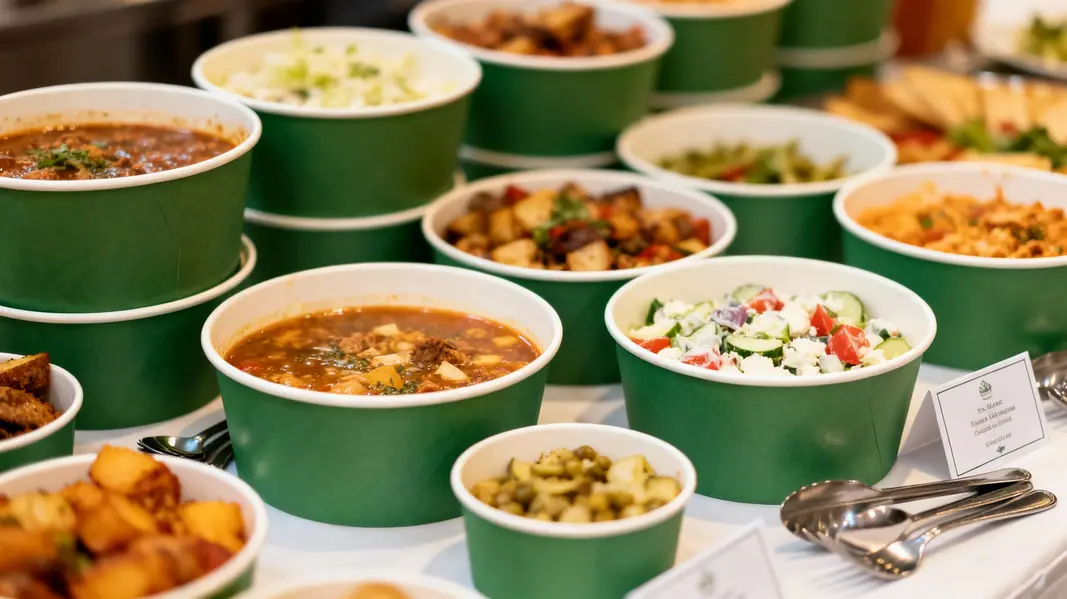
One of the primary applications of green paper bowls is within takeout and delivery services. Quick-service restaurants, cafes, and the rising segment of virtual kitchens rely heavily on these bowls to package meals that are ready to go. These sturdy bowls are specifically designed for to-go items such as rice bowls, poke, burrito bowls, and pasta dishes. Their leak-resistant qualities and availability with tight-fitted lids make them ideal for keeping meals secure during transit, thus enhancing the overall customer experience. A crucial factor in their adoption is that they not only ensure the food remains intact but also contribute to a cleaner environment, reflecting the values of health-conscious consumers who appreciate eco-friendly practices in dining.
In terms of hot food offerings, green paper bowls are well-equipped to handle a variety of soups, stews, and sauces. Made from specially coated Kraft paper, these bowls maintain their structural integrity while containing hot liquids such as curries, stews, and pastas. Their heat resistance and soak/grease-resistant properties allow eateries to serve a wide range of culinary traditions without worrying about spillage or deterioration of the packaging. This ensures that customers receive their meals in pristine condition, highlighting the importance of packaging that enhances not only functionality but also the dining experience itself.
The green paper bowl’s adaptability extends to salads, grain bowls, and other cold meal applications. These bowls are beautifully designed for vibrant presentations, which is vital for establishments aiming to promote a “healthy” image. Cafés and restaurants use these to serve fresh ingredients and artisanal combinations, bolstered by the option for customization—brands can have their logos or designs printed on the bowls to strengthen their branding at events or within storefronts. Such aesthetics play a crucial role in the modern culinary landscape, marrying sustainability with visual appeal to attract a broader customer base.
Moreover, green paper bowls serve effectively in in-house dining situations as viable alternatives to traditional foam or plastic trays, presenting a sustainable option that supports the food industry’s movement towards greener practices. Food courts, cafeterias, and fast-casual dining establishments embrace these bowls as part of their commitment to environmental conservation. By shopping for eco-friendly disposable dinnerware, these institutions not only minimize the waste generated by single-use items but also position themselves as leaders in sustainability and responsibility.
Catering services, corporate dining, and institutional food services have also popularized green paper bowls, integrating them into buffets, boxed lunch offerings, and self-serve stations. This versatility underscores their importance in promoting sustainability across various food service avenues, allowing these businesses to align their operations with increasingly stringent eco-conscious guidelines. Catering companies, for example, appreciate the lightweight yet durable qualities of these bowls, which provide a practical solution for off-site events while reinforcing the emphasis on compostable or recyclable materials.
In the retail landscape, the rise of ready-to-eat meals has found a seamless partner in green paper bowls. Supermarkets, convenience stores, and delicatessens utilize these containers to present pre-packaged salads, noodle dishes, and other ready meals. The inclusion of clear lids enhances visibility for consumers, facilitating merchandising opportunities that highlight freshness and sustainability—all while catering to the growing demographic of on-the-go, health-oriented customers. This adaptability aligns well with a food retail strategy that prizes both convenience and sustainability in packaging.
The specific interests of eco-positioned brands and those spearheading zero-waste initiatives have led to thicker bowls featuring PLA or aqueous coatings, FSC-certified paper, or BPI-certified compostable designs. Such innovations in material science have ensured these establishments can showcase their environmentally responsible practices, meeting the preferences of consumers who actively seek out brands committed to reducing plastic and other waste forms.
While the versatility of green paper bowls is clear, it is essential to consider the impact of their use on today’s dining experiences. By fulfilling the need for aesthetic appeal, practicality, and eco-consciousness, these bowls reflect the contemporary movement towards a greener food service sector. Customers are increasingly associating their dining choices with a broader environmental narrative, leading to repeat patronage of restaurants and brands that prioritize sustainability. As such, green paper bowls not only fulfill a functional role—they help cultivate a dining ethos that celebrates the planet.
Green paper bowls embody more than just a sustainable alternative; they represent a significant development in the food service landscape, addressing both consumer preferences and environmental responsibilities. The unique applications of these containers—from takeout meals to in-house dining—emphasize the intersection of practicality and eco-friendliness, laying a robust foundation for future innovations in sustainable food service packaging. As the conversation around waste reduction and sustainable dining continues to evolve, green paper bowls stand out as champions of change, ready to adapt and meet the demands of an increasingly conscientious consumer base.
Incorporating green paper bowls into various food service segments not only highlights their inherent strengths but also serves as a catalyst for wider industry transformation. Their ever-growing presence signifies a collective commitment to a sustainable future—a trend that has only just begun and will likely continue to flourish in the coming years. A glance at the future reveals an exciting path for food service innovation, one that prioritizes the health of the consumer and the planet alike.
2. Eco-Conscious Strategies for the Application of Green Paper Bowls in Food Service Settings
In an era increasingly marked by environmental awareness, the food service industry has been under consistent pressure to adopt sustainable practices that resonate with eco-conscious consumers. Among the most noteworthy innovations in this sector is the burgeoning use of green paper bowls—biodegradable, compostable alternatives that have become indispensable in reducing plastic waste and promoting sustainability-driven dining solutions. This subchapter explores how these eco-friendly bowls are integrated into various aspects of food service, highlighting their multifaceted applications and the consequential environmental impacts they foster.
Firstly, the transition from traditional plastic and foam containers to compostable green paper bowls is particularly evident in quick-service and fast-casual restaurants. These establishments have rapidly adopted compostable paper or plant-fiber bowls for an array of menu items including salads, grain bowls, burrito bowls, curries, and pasta. This shift not only enhances the dining experience through a sustainable lens but also substantially diminishes the reliance on single-use plastic and polystyrene clamshells, materials notorious for their prolonged lifecycle in landfills. Restaurants are recognizing that incorporating eco-friendly options not only fulfills a social responsibility but also meets the demands of an increasingly discerning customer base that values sustainability as a core principle in their dining choices.
Moreover, in the context of takeout and delivery services, green paper bowls are poised to redefine packaging standards. Their stackable, sturdy nature allows for effective transport of hot and cold items without compromising on performance. Equipped with compatible lids, these bowls ensure leak-resistant packaging, alleviating concerns related to food spillage during transit—a common pitfall associated with lower-quality containers. Therefore, by investing in high-quality compostable dinnerware, food service establishments can accomplish both their operational goals and environmental targets simultaneously.
The adequacy of green paper bowls extends into composting and zero-waste programs, where it plays an instrumental role in nurturing an ecosystem of responsible waste management. BPI-certified compostable bowls—crafted from materials like sugarcane bagasse, grasses, or PLA-lined paper—have been specifically designed to break down in commercial composting facilities. By diverting organic waste and packaging materials from landfills toward composting processes, these bowls significantly contribute to enhancing compost quality, thus fostering richer soils and a healthier agricultural future. Embracing compostability not only aligns with industry trends but actively supports the development of circular economies that prioritize regenerative processes.
The material sourcing behind green paper bowls provides another layer of sustainability. When produced from rapidly renewable plant fibers, such as sugarcane residues or perennial grasses like miscanthus and switchgrass, these bowls play a vital role in capturing carbon and reducing the input of harmful agricultural practices. By requiring minimal pesticides and promoting no-till farming, these materials embody regenerative agricultural strategies. This shift in sourcing practices aligns directly with broader ecological goals, further solidifying the role of paper bowls as bastions of sustainability in food service.
Organizations within corporate, campus, and institutional dining sectors have also recognized the value of standardized lines of renewable and compostable serviceware, such as those offered by brands like GreenStripe. These uniform products not only support organizational sustainability targets but also streamline staff training, as employees can quickly grasp the operational practices surrounding a unified set of compostable items. This kind of systemic change promotes purity in compost streams, facilitating smoother waste disposal processes and minimizing contamination risks.
As various jurisdictions introduce regulations aimed at curbing single-use plastics, the food service industry must adapt. Green paper bowls serve as a compliant option, being certified compostable and free from added PFAS and hazardous chemicals, thus easing the transition into a regulated landscape. Such operational adjustments enable restaurants and food providers to meet legal requirements while enhancing their green credentials, directly appealing to environmentally-conscious consumers.
Furthermore, the role of branding and customer communication cannot be overstated in this conversation. Restaurants leveraging visible compostable, plant-based bowls effectively signal their environmental commitment and take a proactive stance in responding to consumer demand for greener packaging options. By integrating sustainability messaging into menus and marketing materials, they not only elevate their brand appeal but also inspire customer loyalty amidst an increasingly competitive market.
Operational strategies in food service are also evolving to maximize sustainability through optimization of waste management practices. Operators can navigate a landscape filled with renewable, recycled, or reusable options, selectively integrating compostable plant-fiber bowls alongside post-consumer recycled and durable reusable systems. This holistic approach is essential for maximizing real-world waste reduction while addressing local composting and recycling capabilities, ultimately revealing the intricate configurations that facilitate sustainable operations.
The versatility of green paper bowls allows them to cater to diverse temperature and menu-specific applications. For instance, these bowls can be microwave-safe and refrigerator or freezer-friendly, accommodating a wide range of menu items—from soups and ramen to poke and frozen desserts. By enabling kitchens to standardize on one or two sustainable SKUs instead of navigating multiple plastic and fiber options, operators can simplify operations while remaining committed to sustainability.
Finally, in realms such as food trucks, catering, and events, lightweight, disposable plant-based bowls are gaining traction by supporting zero-waste goals. They significantly reduce the logistical burden associated with bringing dishware to the venue and the subsequent task of washing them afterwards. Furthermore, such products are particularly effective where on-site compost collection exists, facilitating responsible disposal methods for both food scraps and packaging.
Overall, the integration of green paper bowls into food service applications highlights the transformative potential of the industry as it seeks to navigate the pressures of sustainability and consumer preferences. Relying on these innovative products enables food businesses to align operational practices with conscientious environmental stewardship, thereby fostering a more sustainable future for the dining landscape. As the demand for sustainable options continues to grow, the ingenuity and adaptability displayed by food service providers through the usage of green paper bowls will remain crucial in shaping the ecological habits of consumers in years to come.
Chapter 3: Eco-Conscious Strategies in Sourcing Base Fibers for Green Paper Bowls
1. Crafting a Sustainable Fiber Sourcing Framework for Green Paper Bowls
In the quest for greener alternatives to traditional packaging, green paper bowls exemplify innovation through their reliance on sustainable materials. The sourcing of base fibers plays a crucial role in ensuring that these products not only fulfill functional requirements but also uphold environmental integrity. A strategic approach to fiber sourcing is essential, particularly in distinguishing the types of base materials used and their impacts on sustainability.
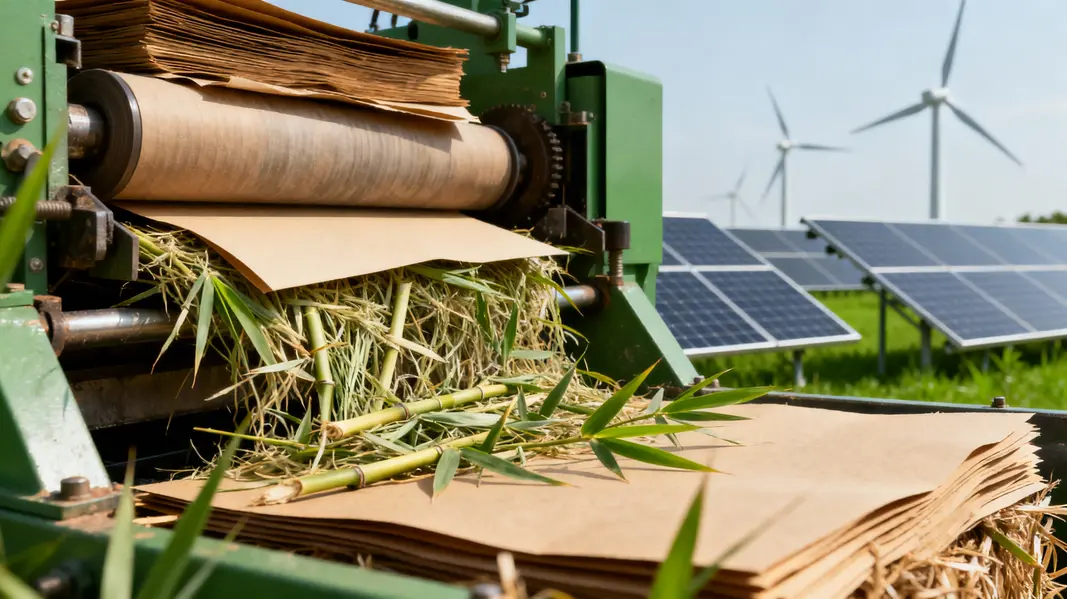
To underpin successful fiber sourcing strategies, establishing a clear hierarchy is the first pivotal step. Developing a fiber sourcing hierarchy in procurement policies and specifications allows organizations to prioritize those fibers that best align with sustainability goals. At the top of this hierarchy, certified recycled fibers should be prioritized. Where food contact is permissible under regulations, post-consumer recycled fibers can significantly reduce the demand for virgin resources. Next should be certified virgin fibers sourced from responsibly managed forests, ensuring that all materials comply with recognized standards such as those outlined by the Forest Stewardship Council (FSC) or the Programme for the Endorsement of Forest Certification (PEFC). Lastly, the incorporation of rapidly renewable non-wood fibers such as bamboo or bagasse can further diversify sourcing and reduce reliance on timber species, especially where these alternatives provide technological and economic viability.
Moreover, when sourcing virgin wood pulp, it is imperative to prioritize suppliers with credible forest certification. This not only ensures that the wood fibers are harvested ethically but also mitigates risks associated with illegal logging or environmental degradation. By engaging suppliers who provide FSC-certified fibers or those following similar rigorous guidelines, businesses can maintain transparency in their supply chain. To formalize this commitment, contracts can stipulate minimum percentages for certified fibers. For instance, agreements can require that at least 70% of the pulp used in bowls is certified, with goals to reach 100% over time. Additionally, these suppliers should be mandated to provide annual updates regarding their chain-of-custody certificates, ensuring traceability of fiber origins.
Implementing strategic use of recycled fibers is another significant component in crafting an eco-friendly bowl. High-quality post-consumer recycled (PCR) content can be particularly advantageous in non-food contact layers, such as secondary packaging, thereby maximizing overall recycled material use without compromising food safety. For structural integrity, it’s vital to ensure that any recycled pulps are adequately deinked and screened to minimize contaminants and odors that could affect the food products. Coupling recycled fibers with barrier coatings or an inner virgin ply can ensure that safety standards for food contact are met while maintaining the sustainability of the bowl’s construction.
As part of a wider plan, diversifying fiber sources to integrate non-wood, rapidly renewable fibers can be transformative. Annual crops, such as bamboo and bagasse, not only mitigate pressure on forests but also support agriculture that can regenerate quickly without significant resource depletion. However, sourcing such materials necessitates thorough documentation to ensure that cultivation practices do not lead to deforestation or adverse environmental impacts, such as peat conversion. Supplier audits should include checks on land-use change impact and chemical inputs used during the cultivation and processing phases. Protecting worker and community rights throughout these processes is also imperative, as fair labor practices align closely with the broader environmental ethos of sustainability.
Equally important is the need to align fiber and coating choices with anticipated end-of-life strategies. This not only involves ensuring the reusability or recyclability of the materials used but also their suitability for commercial composting if targeted. When aiming for compostability, opting for unbleached or ECF/TCF-bleached fibers with certified compostable lining or coatings, such as PLA or water-based solutions, ensures that the entire bowl can be processed within commercial composting streams without contamination. Conversely, should the intention be to abide by recyclability standards, it becomes critical to eliminate the use of challenging laminates and to promote water-based or dispersible coatings that are known to facilitate the recycling process without hindering it.
In the stringent pursuit of sustainability, it is essential to focus on avoiding problematic additives. Chemicals such as per- and polyfluoroalkyl substances (PFAS)—commonly introduced for their grease or water-resistant properties—should be strictly excluded from materials used. Instead, businesses should seek water-based barrier systems and other bio-based alternatives that pose fewer risks to human health and the environment. Explicitly stating “no intentionally added PFAS” in supplier specifications reinforces this commitment to safer chemistries.
In conclusion, implementing a comprehensive strategy for fiber sourcing that underscores both environmental consideration and functionality is pivotal in the production of green paper bowls. By leveraging recycled fibers, utilizing responsibly sourced virgin materials, integrating rapidly renewable non-wood fibers, strategically choosing coatings, and avoiding hazardous chemicals, the packaging industry can significantly contribute to a more sustainable future. Such foundational efforts not only enhance the ecological profile of product manufacturing but also meet the rising consumer demand for environmentally friendly solutions. As the market for green paper bowls continues to evolve, these sourcing strategies are essential for manufacturers looking to establish themselves as leaders in sustainability, thereby fostering a packaging landscape that aligns with the values of eco-conscious consumers.
2. Eco-Conscious Barriers: The Path to Enhanced Sustainability in Green Paper Bowl Design
The role of liners and coatings in the design of green paper bowls cannot be overstated, as they dictate the functional performance while simultaneously influencing the environmental impact. These integral components serve multiple purposes, including providing moisture and grease barriers, ensuring food safety, and determining the bowl’s end-of-life pathway. As society increasingly demands sustainable solutions, the traditional choices for liners—often conventional plastics or wax coatings—are being overshadowed by innovative, eco-conscious alternatives. With advances in material science, the shift toward plant-based, PFAS-free, and fully compostable barriers are aligning functional integrity with sustainable sourcing.
The Essential Function of Liners and Coatings
Liners and coatings fulfill a critical role in maintaining structural integrity and enhancing the suitability of paper bowls for a variety of food applications. These barriers are essential to prevent leaks from soupy stews or grease from fried dishes, which can lead to bowl failure. Without these protective elements, the usability of the bowl would significantly diminish, making it a less viable option in food service. Therefore, choosing appropriate materials for these barriers is crucial not only for performance but also for environmental considerations. For instance, using dense fiber structures made from naturally grease-resistant feedstocks can reduce reliance on synthetic materials and facilitate compostability.
Food safety is another paramount consideration in the development of liners. Any material that comes into contact with food must adhere to stringent FDA or equivalent food-contact standards. With an increasing focus on health and safety concerns, the food-grade status of coatings has come to the forefront. It’s essential to ensure that no harmful chemicals leach into the food, which is further driving the preference for plant-based coatings that avoid harmful additives, such as PFAS (per- and polyfluoroalkyl substances). This emphasis on safe, sustainable materials not only caters to consumer preferences but also aligns with an overall push for healthier food service practices.
Sustainable Options for Liners and Coatings
A wide variety of sustainable liner and coating options have emerged as key players in the eco-friendly packaging market. Notable among these is the no liner option, where bowls are constructed solely from molded fiber, often derived from grasses or bagasse. This design eliminates the need for plastic or wax linings, leading to lower chemical complexity in the end product. Such bowls are fully compostable and may even reduce the potential for microplastic contamination in composting facilities, thus enhancing their appeal.
In cases where additional moisture protection is required, PLA (polylactic acid) linings present a compelling alternative. Sourced from renewable plant sugars, PLA provides excellent moisture and grease resistance, making it an effective barrier substance while remaining commercially compostable in appropriate facilities. When sourced responsibly, PLA linings can meet the growing consumer demand for sustainable products and offer a viable pathway for disposing of food waste. However, without the necessary composting infrastructure, the benefits of PLA may not be fully realized, underlining the need for integrated waste management solutions.
An emerging trend encompasses plant-based interior coatings designed for use in recyclable paper products. These coatings ensure that when sourced and processed appropriately, bowls maintain their recyclability. This dual focus on functionality and sustainability reflects a significant innovation in paper bowl design. As consumer awareness around the importance of recyclability grows, the demand for such products has surged. Consequently, manufacturers are increasingly compelled to invest in research and development to create coatings that meet both performance standards and environmental criteria.
The Balance Between Performance and Sustainability
While sustainable options for liners are extensive, the challenge lies in striking a balance between enhancing bowl performance and promoting environmentally responsible sourcing. The established PE (polyethylene) plastic lining, while beneficial for its moisture barrier properties, complicates recycling efforts and is generally not compostable. As companies pivot toward sustainability, they recognize that the long-term viability of green paper bowls hinges on such multifaceted approaches.
Designing bowls without any synthetic liners requires careful engineering. Inspired by nature, this innovation often employs dense fiber structures that can hold liquids without compromising integrity. This technique enhances the sustainability profile of the products, enabling them to thrive in commercial composting environments.
On the other hand, as consumers become more conscientious of the products they use, the market is witnessing a growing demand for visually appealing, customized solutions. Image matters, and therefore custom-printed, eco-friendly green paper bowls are gaining traction. This trend showcases an intersection between food safety, aesthetic appeal, and sustainability, reinforcing the importance of innovative coatings that cater to both environmental and consumer preferences.
With the landscape of food service rapidly evolving, manufacturers of green paper bowls must remain vigilant and responsive to trends in material science and sustainability. The innovative possibilities in liners and coatings lay the foundation for a more sustainable future, offering pathways for both compostability and recycling. Reliable suppliers, like those featured in the latest eco-friendly food packaging collections, are contributing essential solutions to this growing market, ensuring quality alongside sustainability. By focusing on sustainable sourcing and progressive designs, green paper bowls can continue to thrive as a viable alternative to traditional disposable products, championing a movement toward a more eco-friendly, responsible food service industry.
Chapter 4: Navigating Market Shifts: How Regulations are Redefining Consumer Choices in Eco-Friendly Disposable Options
1. Regulatory Trends and the Rise of Green Paper Bowls: Shaping Consumer Preferences in an Eco-Conscious Era
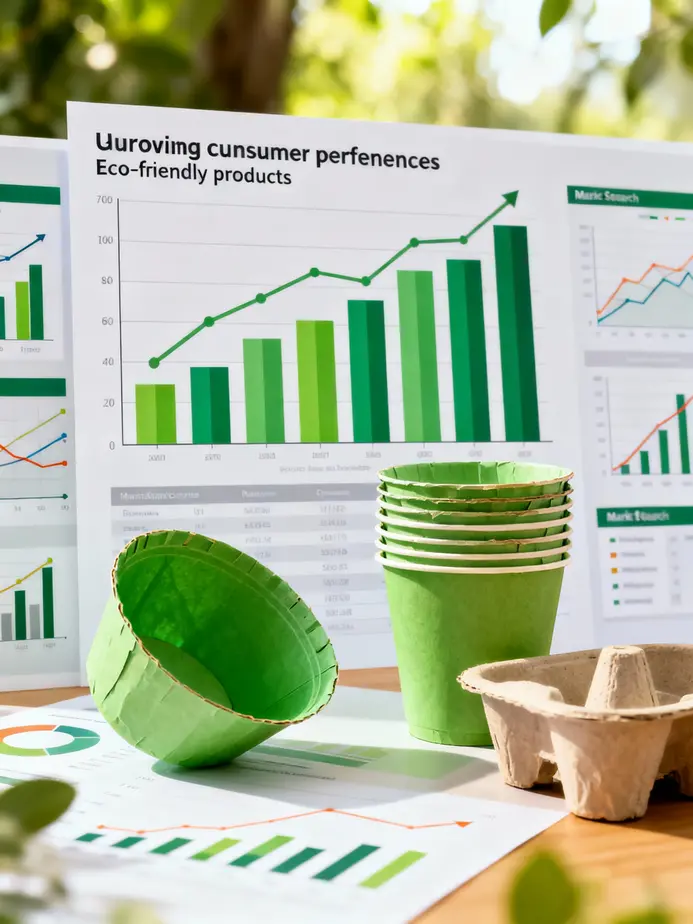
The evolution of consumer preferences in the foodservice sector reflects a significant shift towards eco-friendly options, particularly driven by recent regulatory trends. The confluence of heightened environmental awareness and the introduction of stringent regulations has catalyzed the demand for biodegradable products, especially green paper bowls. These products are not only meeting consumer expectations for sustainable choices but also addressing critical regulatory requirements that aim to mitigate the environmental impact of single-use plastics.
A primary catalyst for this shift has been the introduction of comprehensive bans and restrictions on conventional plastics across various jurisdictions. The EU’s Single-Use Plastics Directive, for example, aims to phase out numerous petrochemical-based food service items, such as polystyrene clamshells and plastic cutlery. In response to these regulations, many foodservice operators are transitioning to certified compostable materials and bio-based products, including green paper bowls. This transition is not merely reactive; it is progressively becoming a strategic choice that reflects a brand’s commitment to sustainability and its alignment with evolving consumer values.
As regulations tighten, particularly regarding compostable food-contact packaging, operators have been compelled to adapt. The upcoming EU regulations slated for 2024 will specifically bolster the demand for compostable food-contact packaging, primarily targeting single-use items like takeaway containers and bowls that pose recycling challenges. This scenario establishes a fertile ground for innovative products like green paper bowls, which not only meet these anticipated compliance standards but also resonate with an environmentally conscious consumer base.
The influence of regulatory measures extends beyond mere compliance; it is shaping the operational framework of businesses. For instance, several food delivery companies in North America are now mandating the use of compostable bowls, cups, and cutlery in order to adhere to local waste diversion and composting policies. Such policies are fundamentally changing the landscape of foodservice operations—encouraging businesses to rethink their packaging sustainability strategies while adapting to regulatory requirements that emphasize environmental responsibility.
A noteworthy development in this regulatory landscape is the financial implications associated with non-compliance. In numerous regions, the penalties imposed for using non-compliant materials are now exceeding the costs associated with sourcing biodegradable alternatives. This situation places further pressure on foodservice businesses to adopt green materials, effectively positioning sustainability as not just a moral imperative but a financially savvy strategy as well.
As a direct response to these regulatory trends, the growth of the biodegradable disposable tableware market is accelerating. Market forecasts suggest that the biodegradable segment, including green paper bowls, is poised to outpace the general disposable tableware market significantly. This trend can be attributed to the shifting preferences of foodservice operators who are proactive in embracing sustainability initiatives as a core part of their business model.
Analysts project a remarkable compound annual growth rate (CAGR) of 22.45% for rigid compostable formats, such as fiber bowls lined with PHA or PLA. This growth is primarily due to foodservice chains opting to replace traditional polystyrene options with compostable alternatives that meet industrial composting standards. This trend reflects a broader cross-category transition, with the disposable cutlery market also moving away from plastic in favor of wooden and plant-based materials, further indicating a comprehensive move towards sustainable options in the foodservice sector.
Consumer preferences are also being shaped significantly by heightened awareness of environmental issues. Environmental advocacy and governmental initiatives have worked in tandem to increase public consciousness around plastic waste, driving a more robust demand for biodegradable and compostable tableware options. The success of these products hinges on effective communication about their environmental benefits, disposal practices, and integration into the consumer’s daily life.
Amidst evolving preferences, today’s consumers increasingly place a premium on hygiene and convenience alongside sustainability. The heightened focus on these factors, particularly in the wake of the pandemic, has led many to view biodegradable materials as essential rather than ancillary. Therefore, businesses that recognize and adapt to these changing consumer opinions are likely to find a loyal customer base eager to support brands committed to environmental stewardship.
Moreover, the relationship between sustainability and brand reputation has become a powerful influence on consumer choices. Businesses that actively practice sustainability—such as adopting green paper bowls and compostable materials—can significantly enhance their brand image. Environmentally conscious consumers are increasingly loyal to brands perceived as responsible, reinforcing the idea that eco-friendly practices can confer not just reputational benefits but also economic advantages through repeat business and customer goodwill.
Despite the perceived higher costs often associated with biodegradable products, emerging evidence suggests that consumers are increasingly willing to accept these prices. In the context of food delivery, for example, the added expense of biodegradable options is often moderated by a growing recognition of their environmental benefits. This complexity in purchasing behavior underscores the necessity for businesses to understand and navigate consumer preferences that prioritize sustainability alongside economic considerations.
As regulators tighten the reins on single-use plastics, the market for green paper bowls and other biodegradable options is poised for significant growth. The interplay of regulatory pressures and consumer awareness regarding environmental issues is likely to shape the future of disposable foodservice products. The acceptance and prioritization of sustainable alternatives in daily consumption habits are not just trends but markers of a broader movement toward responsible consumption in a world increasingly aware of its environmental footprint.
2. The Driving Forces Behind Consumer Preferences for Green Paper Bowls
As environmental consciousness gains traction among consumers, the appeal of green paper bowls is rapidly transforming the landscape of disposable kitchenware. The driving forces behind this shift include a growing emphasis on sustainability, alongside technological advancements in material science, which are creating more effective and attractive solutions for food service operations. Understanding these factors allows stakeholders—from manufacturers to suppliers and end-users—to converge around a common goal: minimizing ecological impact while meeting consumer expectations.
At the core of shifting consumer preferences is a preference for products perceived as environmentally responsible. Studies reveal that consumers increasingly gravitate towards disposable tableware that is recyclable, biodegradable, compostable, and ideally plastic-free. This sentiment is driven not just by personal values but also by broader societal pressures as businesses and governments implement policies to reduce single-use plastics. When presented with a choice, consumers are now more willing to select biodegradable and fiber-based bowls, fostering notable growth in this segment compared to traditional plastics.
Key Consumer Preference Drivers
The factors that fuel this growing acceptance and even preference for paper-based options can be classified into several core areas. Notably, consumers respond favorably to products that are clearly marketed as eco-friendly. Green paper bowls that are labeled as biodegradable, compostable, and made from FSC-certified materials strike a chord with the environmentally conscious. This transparency serves as a vital component in the decision-making process, allowing consumers to view paper bowls as credible alternatives to conventional foam and rigid plastics.
Another dimension critical to consumer choice is the composition and materials used in these bowls. Choices such as bowls lined with bio-based or compostable coatings, like PLA or PHA, resonate well with consumers. These materials not only comply with increasing bans on single-use plastics but also align with individual corporate goals toward carbon reduction. Furthermore, the performance characteristics of green paper bowls are pivotal in swaying consumer opinions. Many users expect the same functional performance typically associated with plastic products, such as heat resistance, liquid barriers, and structural rigidity, especially in the context of food delivery services.
In an era where consumer education plays an increasingly important role, clear communication of proper disposal options—whether through industrial composting, home composting, or recyclability—can effectively combat greenwashing fatigue among potential buyers. Educated consumers who understand how to correctly dispose of their products can convert environmental ideals into tangible purchasing behavior.
Convenience and hygiene also remain paramount. In the aftermath of the COVID-19 pandemic, the demand for hygienic, ready-to-use options has surged. Wrapped or lidded green paper bowls are seen as healthier choices, particularly in food service and takeout scenarios, catering to a preference for cleanliness and safety without sacrificing environmental ideals.
Despite this shift towards greener alternatives, price sensitivity cannot be overlooked. The realities of production mean that biodegradable materials often come at a premium compared to traditional PP or PS bowls. Consequently, while consumers are generally more inclined to purchase eco-friendly products, they require convincing evidence of their sustainability benefits. Acceptable price increases are often tolerated if sustainability claims are credible, often influenced by additional factors such as delivery fees and overall menu pricing strategies.
Evolution of Material Trends
In addition to understanding consumer preferences, analyzing the specific material trends associated with green paper bowls reveals much about how the market is evolving. Food-service chains are increasingly shifting from disposables made of polystyrene and traditional plastics toward options like coated paper and molded fiber bowls with compostable linings. These adaptations allow such bowls to meet the demands for heat and grease resistances while offering a more environmentally-friendly alternative. Moreover, this transition addresses the consumer appetite for products that have a “plastic-free feel” while maintaining functional attributes necessary for leakage protection and temperature handling.
The market is also witnessing the gradual integration of biodegradable plastics within paper formats. Projected growth in this arena is considerable; current estimates suggest that the global biodegradable plastic packaging market, including bowls and cups, could expand from USD 3.62 billion in 2026 to USD 9.04 billion by 2031. This increase is primarily spurred by the food service sector, where usability and convenience remain crucial. For instance, the rough estimates show a staggering growth rate of approximately 22.45% CAGR in rigid formats as they become essential in the push to reduce legacy plastic dominance.
Looking toward the future, several next-generation bio-materials are shaping the innovation of bowl design. Materials such as PHA, algae-based substances, and mycelium are being explored as sustainable options that either complement or could ultimately replace current PLA-lined products. Driven by policy incentives favoring biodegradable tools and “green chemistry”, these materials may redefine consumer expectations and align product development trajectories with evolving environmental awareness.
This analysis of consumer preferences and material trends illustrates how the green paper bowl market is not merely responding to consumer demands but is actively shaping the future of sustainable disposable tableware. By integrating environmental consideration with technological advances, the sector is setting a new benchmark for responsible consumption.
Thus, as more consumers become aware of their purchasing power, views on disposables are evolving. Products once taken for granted now sit at the intersection of convenience and ecological responsibility, marking a significant shift in consumer behavior that not only influences purchase decisions but ultimately shapes the food service industry’s future landscaping.
Final thoughts
Adopting green paper bowls can not only differentiate your business in a competitive landscape but also align it with the values of today’s environmentally conscious consumers. The comprehensive overview of their compostable features, practical applications, sustainable sourcing, and market trends underscores their significant role in promoting sustainability. As consumer awareness continues to grow, integrating green paper bowls into your business strategy can yield considerable benefits, ensuring your brand resonates well with the shifting market dynamics.
Choose our reliable disposable tableware and packaging solutions for your business. We offer quality products that meet safety standards, with fast delivery and flexible options. Partner with us today to elevate your service – contact our team now for a tailored quote!
About us
We specialize in manufacturing and supplying disposable tableware, packaging paper, and boxes. With years of experience, we prioritize safety, durability, and eco-friendly practices. Our goal is to provide businesses with trusted, cost-effective solutions backed by responsive customer support.