

Introduction
The demand for disposable rice bowls is on the rise, driven by the expanding food service industry and increasing consumer awareness of sustainability. Business owners need to understand the different wholesale options available, from compostable materials to standard pricing and customization opportunities. This comprehensive guide will walk through various eco-friendly alternatives, cost considerations, bespoke solutions, and current trends within the disposable rice bowl market, arming you with the knowledge to make informed purchasing decisions.
Tables of Contents
Chapter 1: Exploring Eco-Friendly Materials for Wholesale Disposable Rice Bowls
- A Comprehensive Look at Compostable Materials for Disposable Rice Bowls
- Top Providers of Compostable Rice Bowls for Sustainable Catering Solutions
- Embracing Eco-Consciousness: The Environmental Impact and Advantages of Compostable Rice Bowl Wholesale Options
Chapter 2: Understanding the Costs and Trends in Disposable Rice Bowl Wholesale Purchasing
- Decoding the Price Dynamics of Standard Disposable Rice Bowls: Insights and Market Trends
- Unraveling the Diversity: Where to Source Standard Disposable Rice Bowls
- Understanding the Standard Disposable Rice Bowl Market: Key Materials and Supplier Insights
Chapter 3: Innovations in Eco-Conscious Custom Disposable Packaging
- Pioneering Technologies Transforming Custom Disposable Rice Bowl Solutions
- Driving Economic Growth: The Role of Customizable Disposable Rice Bowls in Global Markets
- How Societal Trends Influence the Customization of Disposable Rice Bowls
Chapter 4: Navigating the Shift: Eco-Innovation in Wholesale Disposable Rice Bowl Markets
- Embracing Sustainability: The Rise of Eco-Friendly Materials in Disposable Rice Bowls
- The Role of Sustainability in Shaping the Future of Disposable Rice Bowl Wholesale
- Revolutionizing Delivery with Innovative Designs in Disposable Rice Bowl Supply
Chapter 1: Exploring Eco-Friendly Materials for Wholesale Disposable Rice Bowls
1. A Comprehensive Look at Compostable Materials for Disposable Rice Bowls
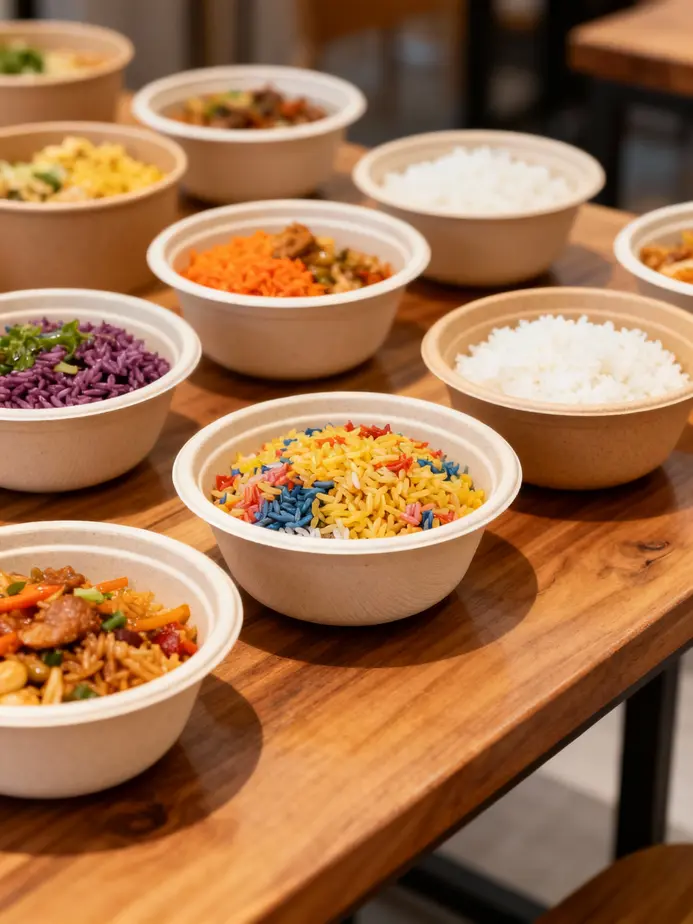
When choosing disposable rice bowls for wholesale, the material options vastly impact sustainability, durability, and functionality. Notably, the growing demand for eco-friendly packaging has led to a diversification of materials available for disposable rice bowls. Among these, bagasse/plant fiber, kraft paper, and bamboo fiber stand out as the leading compostable choices, each offering unique benefits suitable for varying customer needs and market positioning.
Bagasse and Plant Fiber Bowls are a favorite in today’s eco-conscious market. These bowls are crafted from molded fiber sourced primarily from sugarcane bagasse, bamboo, or a blend of other plant fibers. One of their most significant advantages is their natural sturdiness; they are inherently heat and leak-resistant, making them ideal for serving hot rice, curries, and other saucy dishes. Many manufacturers position them as plastic-free, lacking traditional wax or plastic lining, yet they maintain moisture and grease resistance. Verified compostability is another key selling point, as these bowls can decompose in commercial composting facilities, allowing a complete return to the environment. Available in various sizes, they cater to both single-serving and larger entrée portions, appealing particularly to restaurants emphasizing sustainability. This makes bagasse bowls perfect for brands that prioritize premium eco-positioning, leveraging the benefits of high-quality compostable materials in their marketing.
Kraft Paper and White Cardboard Bowls present another compelling option. These bowls, often combined with biodegradable or low-plastic linings like PLA (polylactic acid) or plastic-free barrier coatings, are lightweight yet remarkably sturdy. They are specifically designed to withstand hot and greasy foods—ideal for rice dishes dressed with sauces, curries, or even soups. With many variations being microwave-safe, these bowls seamlessly facilitate takeout and catering solutions. Their versatility in size—from 16 oz up to 40 oz—combined with flexible options for custom printing, mean businesses can align their rice bowl offerings with branding strategies efficiently. However, it is crucial to highlight the nuances associated with their compostability. While bowls featuring PLA linings are typically industrially compostable, those with polyethylene (PE) coatings tend to be recyclable rather than compostable, which can influence their acceptability in various markets. For brands needing cost control paired with branding opportunities, these paper bowls are indispensable tools.
Turning to Bamboo Fiber and Bamboo Paper Bowls, these products offer a strong sustainability narrative due to bamboo’s rapid renewability. Bowls made from bamboo fibers are recognized for their durability, heat-resistance, and oil-resistance, making them excellent for delivering hot rice, noodles, or takeaway applications. The ecologically desirable bamboo fibers are often marketed as biodegradable and recyclable, although the level of compostability can depend on how the bowls are constructed. Retailers can capitalize on this branding aspect, especially in culinary contexts that embrace Asian cuisine, as bamboo’s cultural significance aligns with the appeal of traditional practices and modern sustainability efforts. The vibrant story around bamboo’s fast growth serves to entice customers who are eager to support sustainable practices without sacrificing quality or performance.
In summary, selecting the right material for compostable disposable rice bowls not only reflects business values but also taps into a growing consumer demand for environmentally friendly products. With robust options in bagasse, kraft paper, and bamboo fibers, wholesalers can find products that not only meet operational needs but also resonate with a customer base increasingly focused on sustainability. As market trends continue to evolve, the ability to offer a range of materials can position brands favorably within a competitive landscape.
For businesses seeking to further enhance their eco-friendly offerings, exploring comprehensive product lines available from suppliers can streamline purchasing processes and support corporate sustainability claims effectively. Whether opting for plant-based fibers or innovative paper options, understanding the materials lays a foundation for more mindful consumer choices in an ever-changing marketplace.
2. Top Providers of Compostable Rice Bowls for Sustainable Catering Solutions
When exploring the growing market for compostable disposable rice bowls, it’s paramount to identify key suppliers who lead the way in offering sustainable options tailored for varied culinary needs. Wholesalers have surfaced, presenting a myriad of offerings crafted from eco-friendly materials without compromising quality or usability.
One prominent player in this space is Maibaopak, which specializes in crafting compostable, food-grade disposable bowls designed not just for rice but also for noodles, curries, and other hot dishes. Their bowls are entirely biodegradable and engineered from sustainable materials, making them an excellent choice for eco-conscious restaurants and catering services. With competitive minimum order quantities—often as low as 20,000 pieces per size or design—Maibaopak also provides custom printing options, allowing businesses to reinforce their brand identity on disposable products. The lead time for orders typically falls within a reasonable 10 to 15 working days. Additionally, they stand out by offering free samples from stock, making it easier for potential buyers to assess the quality before committing to larger purchases.
Another significant contributor to the compostable bowl market is Dalian Huiyou Packaging Co., Ltd. This China-based supplier offers a diverse range of paper bowls vetted for wholesale buyers. Their strong presence on platforms like Global Sources emphasizes their reliability and establishes their role as a certified supplier within the industry. Their product offerings include various designs and sizes to meet the needs of different foodservice establishments.
Looking for pots with custom branding? Suppliers like Anzhu, featured on Alibaba, provide a flexible approach, allowing businesses to customize logo packaging for their disposable salad and rice bowls. With a minimum order quantity set at 50,000 pieces, these bowls boast features such as biodegradable, water-resistant, and microwave-safe properties—all crucial for modern food presentation and consumption needs. Notably, their delivery timelines range from 25 to 30 days, ensuring timely supply for those high-demand periods.
Jolly Chef is another noteworthy supplier, recognized for its innovation in the compostable bowl sector. Their 16oz compostable bowls, made from sugarcane (bagasse), are designed to cater to multiple food applications, including salads, cereals, and more. Priced between $14.08 and $24.44 per bowl in bulk, they provide great value for catering setups or meal preparations that require both presentation and performance. Importantly, their products come equipped with lids, making them suitable for takeaway services, enhancing convenience for both customers and providers alike.
Additionally, Pulp Craft offers solutions with their 11-inch round bagasse plates made entirely from sugarcane fiber. Highlighted for their ultra-durable and leak-resistant nature, these plates are appropriate for both microwave and refrigerator use, providing restaurants and caterers with versatility in their food presentations.
Sustainability is further endorsed by Hyde Package, which supplies biodegradable bowls made from bagasse or cornstarch. Their products, known for resisting sogginess, cater to hot soups, ramen noodles, and grains, proving to be essential for catering services that prioritize quality and functionality in compostable tableware.
Across these suppliers, common materials utilized include bagasse, which is a byproduct of sugarcane processing, cornstarch, and reinforced food-grade paperboard. These materials not only uphold the integrity of the food they contain but also break down naturally in commercial composting environments, aligning with stringent environmental standards. As businesses increasingly focus on sustainability, choosing these compostable options not only elevates their sustainability quotient but also caters to a growing consumer demand for environmentally responsible dining.
For a company looking to enhance its offerings with eco-friendly disposable bowls, these suppliers present significant opportunities for collaboration. Their diverse product lines and flexibility in customization reflect a market that is not only responsive to current trends but also committed to sustainable growth in the foodservice industry. For more inspiration on suitable products to consider in your sourcing journey, check out a detailed selection of eco-friendly options available for wholesale catering.
3. Embracing Eco-Consciousness: The Environmental Impact and Advantages of Compostable Rice Bowl Wholesale Options
The rise of compostable disposable rice bowls heralds a significant shift in the foodservice and packaging industries, underscoring an urgent call to action towards sustainable practices. These bowls, meticulously crafted from eco-friendly materials like bagasse, molded fiber, or PLA-coated paper, present an attractive alternative to traditional plastic offerings due to their ability to break down naturally into organic matter. Unlike plastic waste, which can linger in our environment for centuries, compostable rice bowls enrich the soil as they decompose, thereby promoting a healthier planet.
One of the critical environmental advantages of using compostable disposable rice bowls lies in waste reduction. When disposed of in commercial composting facilities, these bowls decompose seamlessly, contributing to a waste-free lifestyle and significantly diminishing the volume of refuse sent to landfills. This contrasts sharply with many biodegradable products that can leave toxic residues that pose threats to both soil health and marine ecosystems. The clarity of genuine compostable bowls—those that break down into non-toxic components under optimal conditions—is paramount in fostering trust among manufacturers and consumers alike.
Sustainability also features prominently in the sourcing of these materials. For instance, bagasse bowls are made from the byproducts of sugarcane processing, an environmentally responsible practice that not only reduces reliance on finite fossil fuels but also minimizes deforestation linked to disposable plastics. Additionally, molded fiber bowls made from recycled paper pulp undergo minimal chemical processing, which further contributes to a reduced carbon footprint. Such innovations highlight the critical role that responsible material sourcing plays in our collective journey toward environmental stewardship.
Moreover, the performance of compostable rice bowls in food service settings is impressive, providing essential attributes like moisture and grease resistance. This structural reliability makes them ideal choices for rice dishes, curries, and other hot foods without compromising the integrity of the meal. The bowls are microwavable and food-grade, preventing the need for additional plastic liners which could further contribute to waste. The utility of these bowls, combined with their ecological benefits, makes them a compelling choice for businesses looking to align their offerings with the growing consumer preference for eco-friendly practices.
For businesses that aim to purchase compostable rice bowls in bulk, selecting the right manufacturer is crucial. Prioritize suppliers who possess BRC and ISO certifications, which guarantee adherence to quality standards and reliable delivery networks. This is equally important when evaluating the claims surrounding compostability; look for independent certifications like BPI (U.S.) or OK Compost (EU) to ensure that the products meet necessary standards rather than relying solely on marketing terms. Understanding the right composting conditions for each product is essential, especially since some bowls may require industrial composting facilities to break down effectively, a resource not universally available in every region.
It is also vital to note that some compostable dishware might incorporate gluten or other allergens, derived from natural ingredients. This situation may be especially concerning for consumers with dietary restrictions such as celiac disease. As responsible consumers and businesses, verifying that manufacturers conduct tests for allergen transfer and adequately label their products is critical in fostering trust and transparency.
By embracing compostable disposable rice bowls, businesses not only demonstrate a commitment to environmental responsibility but also align themselves with a growing trend among consumers who prioritize sustainability in their purchasing decisions. To explore further options, one can check resources such as Compostable Eco-friendly Disposable Bowls for Restaurants. In this way, compostable solutions emerge not just as practical alternatives but rather as a vital part of a holistic approach to reducing ecological footprints and promoting sustainability in the packaging landscape.
Chapter 2: Understanding the Costs and Trends in Disposable Rice Bowl Wholesale Purchasing
1. Decoding the Price Dynamics of Standard Disposable Rice Bowls: Insights and Market Trends
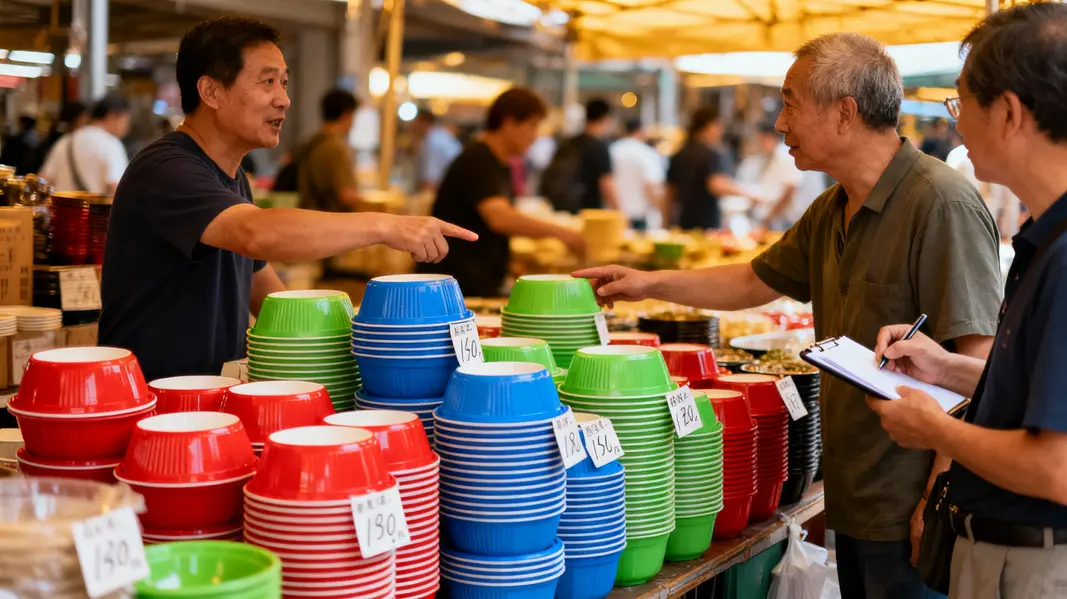
When it comes to sourcing standard disposable rice bowls, understanding the pricing dynamics is essential for making informed purchasing decisions. In the wholesale market, the average prices for these bowls typically range between US$0.03 and US$0.08 per unit when sourced from Asian manufacturers. Conversely, Western distributors, including retail outlets, often sell similar products at higher prices, generally ranging from US$0.06 to US$0.15 per bowl. These price variances are a reflection of multiple factors including material type, bowl sizes, customization options, and ordering quantities.
Typical Wholesale Price Ranges
When examining pricing from Asian sources, particularly through platforms such as Alibaba, it is clear that purchasing in bulk leads to substantial cost savings. For instance, plain recyclable paper bowls, suitable for a variety of dishes including rice, curry, and noodles, can be found at very low rates. An average bowl in the 500 ml capacity with a minimum order quantity (MOQ) of around 50,000 units can wholesale for approximately US$0.03 to US$0.07. This competitive pricing can be attributed to the factory-direct models these manufacturers utilize, which eliminates many intermediary costs.
In contrast, traditional Western distributors often price their products higher. Retail multipacks, which contain about 50 to 100 bowls, typically cost between US$0.10 and US$0.25 per bowl. This reflects not only the higher operating costs but also the retail markup involved in logistics and distribution, where unit costs for standard items often land below US$0.10. Thus, if volume is a consideration for your business, sourcing directly from Asian manufacturers can lead to considerable savings.
Key Cost Drivers
One of the most significant factors influencing the price of disposable rice bowls is material type. For instance, bowls made from paper or kraft materials usually have different pricing scales based on their grammage (thickness). Heavier, multilayered or corrugated bowls tend to cost more due to their enhanced durability and thermal resistance properties. Items such as plastic bowls reflect similar trends; prices are governed by the type of polymers used and the weight of the materials. The heavier the bowl, the higher the cost, particularly for multi-compartment designs that necessitate additional materials.
Moreover, the trend towards biodegradable and compostable materials, including those made from bagasse or PLA-lined paper, introduces another layer of pricing complexity. These eco-friendly options typically command a premium price point when compared to conventional plastic or standard PE-lined bowls, largely due to the elevated raw material and manufacturing costs associated with sustainable production methods.
Emerging Trends in Pricing
The wholesale market for disposable rice bowls is also seeing evolving trends influenced by market demands and consumer preferences. As sustainability becomes a significant concern, there is a marked increase in customer interest in compostable product options, driving prices accordingly. For businesses committed to eco-friendly practices, investing in these materials not only fulfills a corporate responsibility but can also cater to a growing market segment. However, this shift may lead to higher upfront costs. Therefore, companies must evaluate the long-term financial benefits of aligning with sustainable practices against the initial expenditure.
In conclusion, understanding the nuances of pricing in the wholesale market for standard disposable rice bowls can greatly impact purchasing strategies. Businesses seeking to maximize their supply chain efficiency and minimize costs should be diligent in exploring material options, leveraging bulk ordering advantages, and staying attuned to market trends regarding sustainability while keeping an eye on cost drivers. For a reliable source of disposable rice bowls and further insights into effective pricing strategies, consider exploring various suppliers that align with your business needs. Furthermore, comprehensive solutions for eco-friendly packaging can be found, such as those offered by various vendors—ensuring that your business stays competitive while also meeting evolving consumer demands. For more eco-friendly options and insights, you can check out detailed packaging solutions and product offerings available in the market.
2. Unraveling the Diversity: Where to Source Standard Disposable Rice Bowls
In the world of disposable rice bowls, finding the right suppliers can significantly influence the operational efficiency of restaurants, catering businesses, and meal prep services. As the demand for convenient food packaging continues to grow, especially in takeaway and delivery settings, the variety of suppliers from which to purchase these fundamental bowls is more dynamic than ever. Whether prioritizing cost-effectiveness or a commitment to sustainability, businesses have several avenues for sourcing standard disposable rice bowls.
Core Specifications of Standard Rice Bowls
Most standard disposable rice bowls fall within the capacity range of 12 to 16 oz, making them suitable for single portions of rice, noodles, or small entrees. Typically made from kraft paper, these bowls often feature PE, PLA, or water-based coatings for enhanced leak resistance and durability, essential for containing hot and greasy foods. The diameter of these bowls generally hovers around 5 to 6 inches, while their height averages between 2 to 2.5 inches. Using sustainable materials like bagasse or biodegradable paper not only caters to eco-conscious consumers but also positions brands favorably in an increasingly environmentally aware market.
Major B2B Marketplaces for Rice Bowls
The advent of B2B marketplaces has greatly simplified sourcing and procurement processes for businesses. Platforms such as Alibaba and Global Sources are pivotal for obtaining bulk quantities of disposable rice bowls. On Alibaba, many listings frame these bowls under categories that may include ‘paper salad bowls’ or ‘food containers.’ Prospective buyers can typically find 16 oz paper bowls marked as eco-friendly and microwave-safe, with minimum order quantities that can range from 50,000 pieces for custom branded containers.
Global Sources offers a curated selection of verified suppliers, emphasizing the peace of mind from working with vetted manufacturers. A notable supplier might be Dalian Huiyou Packaging Co., Ltd., which brings genuine commitment to quality management and diverse packaging solutions for rice bowls, including various bowl sizes particularly geared towards takeaway services. This dual marketplace approach serves businesses looking for cost-efficient, high-quality materials while maintaining compliance with international standards.
Key Manufacturer Profiles: Focusing on Quality and Sustainability
Several manufacturers have emerged as standouts in the landscape of disposable rice bowls, particularly those prioritizing eco-friendly solutions. For instance, Xiamen Zi Heng Environmental Protection Technology Co., Ltd. has made a name due to its extensive range of kraft and biodegradable bowls. Founded in 2014, this manufacturer focuses specifically on eco-friendly packaging while supporting customization based on client requirements, such as incorporating different sizes and lid options tailored for rice and other hot foods. Their emphasis on sustainable materials aligns well with modern consumer preferences for responsible dining options.
Another noteworthy supplier, Anzhu, specializes in detailed size and usage guidelines, helping restaurants and caterers determine the most appropriate sizes for various servings. Their catalog includes bowls tailored specifically for different uses, effectively providing tailored solutions that cater to diverse menu offerings, whether it’s made-to-order rice bowls, perennial favorites like curries, or even salads.
The significance of these suppliers goes beyond mere product offerings; engaging with manufacturers who understand the nuances of the food service industry can save time and resources. Leveraging their expertise ensures that businesses can focus on meal quality, customer service, and operational logistics rather than packaging problems.
Conclusion
In sum, the suppliers of standard disposable rice bowls are as varied as the products themselves. Whether through major B2B platforms or direct manufacturer partnerships, businesses have access to an increasingly rich marketplace. Sourcing decisions can revolve around essential factors such as capacity, material composition, sustainability, and consumer branding needs. By strategically choosing between these options, companies can blend functionality and responsibility, serving high-quality meals in packaging that aligns with their brand ethos. To access a variety of eco-friendly paper bowls, visit Cofe Cup for diverse options suitable for your food service needs.
3. Understanding the Standard Disposable Rice Bowl Market: Key Materials and Supplier Insights
In exploring the standard disposable rice bowl market, it’s essential to recognize the diversity of materials and sizes available, as well as the various suppliers catering to different needs. Standard disposable rice bowls typically meet a size range of 12 to 20 oz, with options extending up to 32 oz for larger servings. These bowls are typically crafted from materials such as kraft paper, bagasse, and other eco-friendly substances, appealing to both restaurateurs and takeaway service providers alike.
When discussing what constitutes a “standard” disposable rice bowl, it’s vital to highlight the common capacities and their use cases. The 12 to 16 oz bowls serve as the go-to option for a single serving of rice, making them ideal for fast-casual dining settings. They are also versatile enough to accommodate soups and salads, adding to their utility. For larger meals, bowls sized at 20 oz are suitable for poke or noodle dishes, allowing for extra toppings. The 24 to 32 oz bowls, with a diameter ranging from 7 to 8 inches, cater to full meal servings or shareable portions, making them perfect for delivery orders.
Material choices significantly influence the performance and appeal of disposable rice bowls. Kraft paper bowls, often coated with materials like PLA, water-based, or PE coatings, are widely favored for their ability to resist grease and withstand high temperatures. They are particularly suitable for hot dishes, such as curries and steamed rice. Suppliers like Xiamen Zi Heng specialize in delivering robust kraft paper bowls that can endure the rigors of takeaway services.
In contrast, bagasse or molded fiber bowls, made from sugarcane byproducts and plant fibers, present a compelling eco-friendly option. These bowls are typically marketed as compostable and biodegradable. They offer excellent durability for both hot and cold meals while maintaining structural integrity even when filled with liquids, making them an attractive choice for environmentally conscious consumers. Moreover, these bowls often come with microwave-safe and freezer-safe features, appealing to a broad customer base.
Bamboo or wooden bowls have entered the market as premium eco-alternatives. They cater to brands that wish to emphasize sustainability alongside an upscale presentation. While these materials may come at a higher cost, they represent a growing niche of consumers willing to invest in greener packaging solutions.
Selecting the right supplier is vital for ensuring quality and reliability in bulk purchases. Various supplier profiles exist, particularly among OEMs (Original Equipment Manufacturers) located predominantly in Asia, such as those found on platforms like Alibaba. These suppliers generally offer custom logo printing options along with different MOQ (Minimum Order Quantity) requirements, typically ranging from 10,000 to 50,000 pieces. This flexibility allows businesses to create a unique product identity while also addressing their clientele’s specific needs efficiently.
For example, some suppliers stock standard sizes while offering customization in shapes and designs through OEM agreements. Others focus mainly on environmentally friendly options, such as those providing compostable bowls. Suppliers like Global Sources also present listings for generic paper rice bowls across multiple sizes, ensuring diverse choices for businesses looking to find a perfect fit for their service styles.
Notably, wholesalers located in North America and Europe, such as Jolly Chef, can also serve local markets effectively, providing quicker shipping times and potentially lower shipping costs for businesses rooted in these regions. Their offerings extend across various materials, ensuring that whether you are looking for paper, plastic, or compostable options, there’s a choice available that meets your specific operational needs.
Understanding the landscape of standard disposable rice bowls involves examining not just the materials and sizes available, but also the supplier ecosystem. By evaluating these various aspects carefully, businesses can make informed decisions that align with their operational requirements and sustainability goals. With the increasing demand for takeaway and delivery services, the emphasis on smart packaging choices continues to grow. Choose wisely and consider options that enhance both your brand image and your commitment to sustainability. For more information on custom designs and eco-friendly options, you might find useful insights on this customized kraft paper box packaging product.
Chapter 3: Innovations in Eco-Conscious Custom Disposable Packaging
1. Pioneering Technologies Transforming Custom Disposable Rice Bowl Solutions
The evolution of customizable disposable rice bowl solutions is not only about aesthetics or branding but is deeply intertwined with technological innovations that enhance sustainability and functionality. Today’s competitive food service and takeaway markets are driven by advancements across various dimensions, including materials, structural design, and customization processes that cater to the diverse demands of consumers and energy-efficient operations.
At the forefront of these innovations are advanced sustainable materials. Previously, conventional plastics such as polystyrene (PS) and polyethylene terephthalate (PET) reigned supreme in disposables due to their durability. However, rapidly evolving regulations and consumer consciousness have ushered in a shift toward eco-friendly alternatives. Materials such as polylactic acid (PLA), molded fiber, bagasse, and corn-starch blends are gaining traction, providing biodegradable and compostable options that meet environmental standards. Recent advancements like supercritical fluid processing of PLA have revolutionized production capabilities, allowing manufacturers to create thinner, lighter, and more cost-effective compostable bowls without sacrificing strength or usability. Such innovations permit bowls to break down in industrial composting facilities within 90 to 180 days. This aligns perfectly with certifications like EN13432 and ASTM D6400, which are increasingly expected by brands seeking verified sustainable options in their product lines.
Moving beyond materials, the functional structures of disposable rice bowls have also experienced significant reinvention. Functionality is paramount, especially in a world where takeaway and outdoor dining are ubiquitous. Innovations have produced insect-proof, spill-proof, and microwave-safe food containers, integrating features such as anti-rollover geometry that stabilizes bowls in diverse environments—from street festivals to luxury catering events. Utilizing thermoforming technology, manufacturers can quickly produce intricate designs that include features like reinforced edges and dual compartments, enhancing usability while maintaining low production costs. Moreover, the exploration of double-wall structures and integrated cooling gels ensures that food retains its optimal temperature during transport, a vital consideration for delivery-focused businesses.
Another remarkable aspect of modern disposable bowl solutions lies in mass customization capabilities. Wholesale buyers can now choose from an extensive range of custom sizes and shapes, tailored to suit particular food items. From 12-ounce single-serve bowls for quick lunches to 32-ounce family-sized portions, the demand for variety is being met with precision, allowing brands to cater deals tailored specifically for rice, noodles, or salads. Wholesalers benefit from customized cavity geometries, enabling businesses to deliver single-serve portions or elaborate bento-style meals without necessitating new production lines.
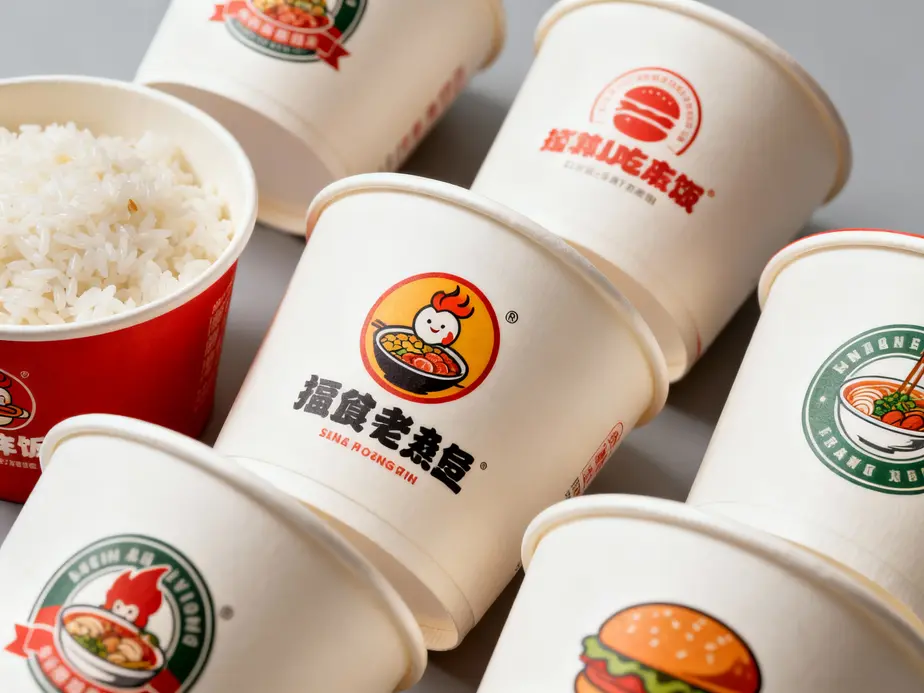
Branding plays a crucial role in market differentiation, a factor addressed through advancements in high-throughput printing technologies. Suppliers now offer full-color, wrap-around printing options with various techniques, including flexographic, offset, and digital printing. This flexibility allows brands to keep pace with consumer trends while frequently refreshing their designs. Special areas can be designated for logos or embossed elements to ensure visibility and brand identity remains cohesive across product offerings—all while adhering to cost-effective production runs that reduce waste.
Lastly, the application of performance-oriented coatings has transformed how rice bowls withstand the rigors of service. Grease, oil, and moisture-resistant coatings ensure that even the most saucy curries maintain the integrity of the bowl during transit. Many companies are opting for no-wax paper innovations, using renewable resources for effectively managing transitions from food service to composting paths. By utilizing biodegradable and plant-based barriers, brands can simplify the disposal process post-use while ensuring they adhere to necessary safety standards.
These pioneering technologies within the customizable disposable rice bowl market are reshaping how businesses operate, enriching both sustainability initiatives and functional performance. The evolution of materials, innovative designs, and advanced printing methods creates an environment ripe for future advancements, promising endless possibilities for customization and efficiency in the food service packing landscape.
2. Driving Economic Growth: The Role of Customizable Disposable Rice Bowls in Global Markets
The market for customizable disposable rice bowls is ushering in a new era of economic growth, showing how thoughtful design and material innovation can have widespread implications. As businesses strive for differentiation and efficiency in the competitive foodservice industry, the demand for these adaptable solutions is not merely a trend—it’s a transformative force reshaping various landscapes, including procurement practices and customer engagement strategies.
In regions such as Saudi Arabia, the foodservice disposable packaging market is already valued at USD 1.71 billion and set to expand at a compound annual growth rate (CAGR) of 5.08%, reaching USD 2.19 billion by 2031. The customization of disposable rice bowls is a key element driving this growth, allowing businesses to meet the unique demands of modern consumers while reinforcing their brand identity.
One of the core advantages of customizable disposable rice bowls is their ability to consolidate purchasing options. Suppliers integrating advanced features like in-line lid printing, QR serial codes, and color-matching capabilities are providing significant operational advantages. This reduces the number of vendors foodservice operators must manage—lowering administrative complexities and procurement costs. Consequently, restaurant chains that opt for integrated solutions can streamline their operations, focusing more on their core business than on supply chain management.
Another cornerstone in the success of customizable rice bowls is materials innovation. The industry is witnessing a paradigm shift towards more sustainable practices, as options such as PLA-lined molded-fiber cups and rice husk containers emerge. While some eco-friendly materials might involve higher initial costs, the long-term economic benefits are clear. The use of durable, reusable containers not only decreases cost per use but also aligns with the growing consumer preference for sustainability, allowing businesses to position themselves as environmentally responsible. This is particularly vital for restaurants offering hot dishes, as high-heat bagasse bowls meet robust operational demands while simultaneously supporting eco-friendly goals.
Customization extends far beyond mere aesthetics, playing a crucial role in brand messaging and customer retention. Custom printing options with environmentally safe inks enable low-volume runs that help restaurants enhance their visibility. Through custom branding, food delivery platforms can utilize reliable, spill-resistant containers that not only serve their functional purpose but also elevate the customer’s dining experience. This reflects an evolving landscape where the presentation of food packaging can significantly impact consumer choices and loyalty.
Moreover, as regulations increasingly favor compostable packaging, suppliers offering compliant customized solutions are nurturing a competitive edge. With the anticipated construction of 31 municipal material recovery facilities (MRFs) in Saudi Arabia by 2025, businesses that invest in recyclable and compostable packaging align themselves with regulatory compliance and market stability, ensuring their place in this evolving sector.
Examining specific market segments, quick-service restaurants (QSRs) represent the lion’s share at 42.78% in 2024. This is driven by their seamless integration of standardized packing SKUs that advantageously allow bulk resin procurement and automated fill-sealing lines. Similarly, mobile vendors and food trucks are proliferating, with their market share expected to grow at a robust CAGR of 6.81% through 2030. They are particularly drawn to lightweight, customizable tubs that help minimize storage overhead and facilitate faster service times.
The economic implications of customizable disposable rice bowl wholesale solutions are profound. From enhancing supply chain efficiency to aligning with regulatory shifts and cultural trends towards sustainability, these bowls are more than mere packaging; they reflect a shift towards a future where efficiency, brand identity, and eco-friendliness converge in the dining experience. As businesses continue to evolve, those who leverage the benefits of customization in disposable packaging are likely to find themselves at the forefront of economic growth and consumer engagement in their markets. For those seeking to capitalize on these trends, exploring options such as outdoor containers can offer new avenues for expansion and visibility, driving forward environmental and economic goals alike.
3. How Societal Trends Influence the Customization of Disposable Rice Bowls
The demand for customizable disposable rice bowls is intricately linked to several dynamic societal trends that intertwine consumers’ expectations with the evolving landscape of food packaging. As sustainability concerns gain traction globally, the food service industry is increasingly turning its attention to eco-friendly materials that resonate with a conscientious consumer base. No longer do businesses rely solely on traditional plastic options; instead, there is a notable shift towards compostable, fiber-based, and paper products. This shift is not just a matter of preference but has become a regulatory necessity in many regions as governments implement stricter guidelines against single-use plastics. Packaging companies and food businesses are now compelled to adopt biodegradable materials that reflect a commitment to sustainability while offering an opportunity to enhance their brand image by presenting quality, eco-sensitive options in their offerings.
Adjacent to the sustainability movement is the rapid growth of takeout and delivery services, which has fundamentally altered the food consumption landscape. With the rise of dark kitchens and meal delivery applications, the demand for robust, leak-resistant packaging has surged. Innovative designs that ensure the safe transport of rice-based meals, alongside features such as stackability and tamper-evidence, are essential for success in this competitive market. The incorporation of modular bowl systems and multi-compartment trays into the packaging lineup has become a norm, allowing for adaptability to different serving formats and order sizes. Consequently, wholesale buyers now seek customizations that include specialized venting, insulation, and structural modifications tailored specifically for rice dishes.
As the culinary world embraces a wave of premiumization, particularly within casual and ethnic rice-based offerings, it fuels the demand for aesthetically pleasing disposable bowls. Consumers are gravitating towards visually appealing formats such as burrito bowls, poke, and bento options. Operators looking to elevate their food presentation often require bowls that combine disposability with an upscale look. Textured materials, clear lids that showcase colorful ingredients, and unique bowl shapes are growing in popularity. Customizable options are increasingly specified not just for branding purposes but also to enhance the dining experience, allowing for overflowing toppings while maintaining food quality.
The impact of social media has also reshaped expectations in the foodservice sector. Viral trends emphasize the importance of interactive and photogenic packaging that encourages organic marketing on platforms such as Instagram and TikTok. Packaging is now seen as a canvas for brand storytelling, where clear sides and interesting formats not only draw immediate attention but also encourage audience engagement through sharing. Custom print options, vibrant colors, and unusual structural designs are now crucial components requested by brands aiming to distinguish themselves in this digital landscape.
The digital age has brought forth a wave of customization possibilities, empowering brands to create tailored experiences that reflect consumer identity. The integration of technology into packaging solutions enables food service operators to personalize their disposable rice bowls with graphics, QR codes, and serialized branding for customer loyalty programs. This trend has expanded beyond mere logos to encompass ergonomics and aesthetics driven by customer feedback, leading to a more user-friendly design that enhances the overall dining experience.
Furthermore, the post-pandemic landscape has raised health, hygiene, and food safety awareness among consumers. There is now a heightened expectation for tamper-evident and clearly labeled packaging. The demand for hands-free eating solutions, such as sealed bowls and mess-free formats, responds directly to consumer concerns regarding hygiene during public dining. Customizable features that enhance safety and clarity in labeling are now integrated into wholesale specifications for disposable rice bowls.
Lastly, the performance of rice bowls during delivery processes—maintaining temperature, accommodating reheating, and ensuring attractive presentation—has become critically important. This complex interplay of trends demonstrates a rapidly evolving market for customizable disposable rice bowls, solidifying their role in modern foodservice, where sustainability, convenience, aesthetics, and safety converge.
For more insights on eco-friendly and customizable options, check out this selection.
Chapter 4: Navigating the Shift: Eco-Innovation in Wholesale Disposable Rice Bowl Markets
1. Embracing Sustainability: The Rise of Eco-Friendly Materials in Disposable Rice Bowls
The transition from traditional plastic disposables to eco-friendly materials is transforming the wholesale disposable rice bowl industry. With increasing awareness of environmental issues and regulatory shifts, suppliers are pivoting toward sustainable alternatives that meet growing consumer demand for greener options. Businesses ranging from restaurants to caterers are recognizing the competitive advantage of offering eco-friendly tableware, which aligns with customer values and corporate responsibility goals.
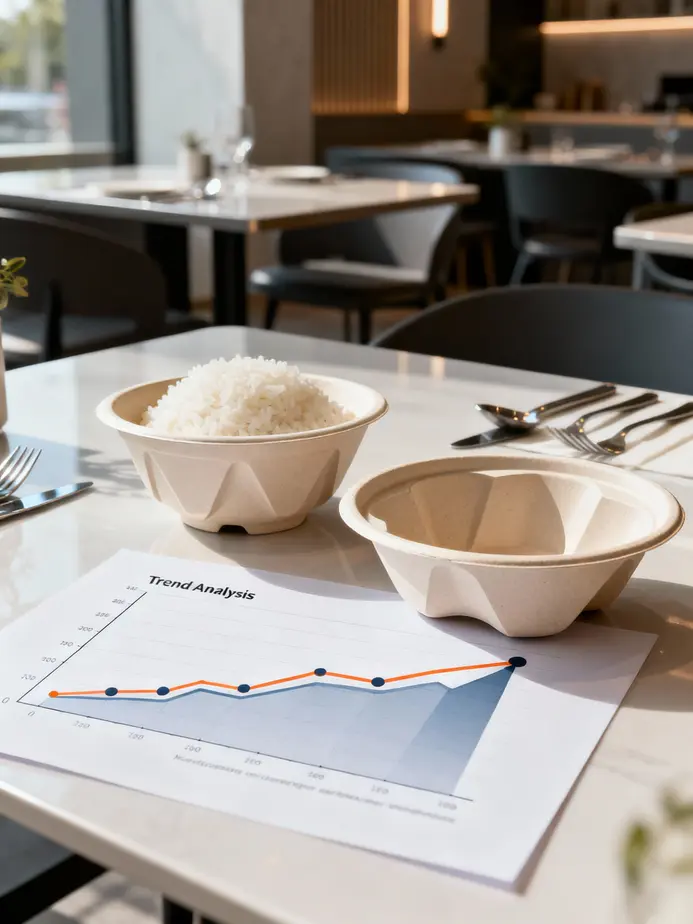
Among the innovative materials gaining traction, sugarcane bagasse stands out. Derived from the fibrous by-products of sugar production, bagasse bowls are not only 100% biodegradable and compostable—meaning they revert to natural organic matter under the right conditions—but they also exhibit superior durability. Their leak-resistant properties make them suitable for hot and greasy foods such as rice, curry, and noodles, addressing a major concern for food service operations needing reliable packaging solutions.
Another compelling option in the eco-friendly arena is the use of Kraft paper and bamboo fiber. These materials are both biodegradable and recyclable, offering a robust solution for food packaging. Their water-resistant, oil-proof, and heat-resistant features make them particularly fitting for rice and soup applications. Suppliers have begun to widely utilize these materials, integrating them into their offerings and thus giving buyers a range of sustainable options.
The introduction of palm leaf platters and bowls further enhances the diversity of eco-friendly solutions. These products completely minimize plastic usage while being entirely biodegradable. They provide a rustic aesthetic that appeals to environmentally conscious consumers, making them a popular choice for outdoor events and festive occasions.
Moreover, corn starch-based bowls serve as a viable alternative to conventional plastics. As suppliers tap into the growing demand for biodegradable products, corn starch, which is derived from renewable sources, offers a clear solution. This material not only supports the movement toward reducing plastic waste but also provides the necessary durability for food products.
The commitment to eco-friendly materials aligns with important environmental advantages. Compostable bowls, for instance, break down in composting environments, contributing to a circular economy by enriching the soil instead of ending up in landfills. This proactive approach to waste management resonates positively with consumers, reinforcing brand loyalty and attracting new customers. Additionally, these materials are food-grade, non-toxic, and safe for direct food contact, ensuring that businesses can maintain high health standards without compromising sustainability.
From a business perspective, the shift toward eco-friendly disposables reduces reliance on harmful plastics, directly addressing issues like deforestation and plastic pollution. Major suppliers, including those in the U.S. and Europe, such as Jolly Chef, now offer attractive bulk packages of compostable and biodegradable bowls tailored specifically for businesses that prioritize sustainability. This strategic position not only supports responsible consumption but also enhances the marketability of food service operations.
Wholesale offerings now provide customizable options, tailoring products to meet evolving consumer preferences. Customers can select from various sizes and designs, ensuring that the bowls meet both functionality and aesthetic demands. The specifications commonly available include features such as microwave-safe attributes, moisture and grease resistance, and adherence to quality certifications like BRC and ISO. Minimum order quantities typically range from 20,000 pieces for custom designs to 50,000 pieces for standard bowls, accommodating the varied needs of businesses of all sizes.
As the market evolves, the emphasis on sustainable practices in the disposable rice bowl sector highlights a broader trend toward environmental accountability in the food service industry. For those looking to explore these innovative offerings further, various suppliers can provide additional insights into available products and specifications that promote a sustainable future, fostering a marketplace that prioritizes both quality and ecology. For detailed product offerings, visit this resource for a showcase of eco-friendly options to consider.
2. The Role of Sustainability in Shaping the Future of Disposable Rice Bowl Wholesale
As consumer awareness of environmental issues grows, eco-friendly materials have emerged as a formidable competitive differentiator in the disposable food container market. This trend is vividly illustrated in the wholesale disposable rice bowl sector, where suppliers increasingly highlight their sustainable product offerings to meet the rising demand from environmentally conscious buyers. Adopting eco-positioning strategies is not just a response to market pressures; it’s a proactive approach that defines a supplier’s identity in an evolving landscape.
One standout strategy in this eco-aware marketplace is material innovation. Suppliers today are competing robustly by offering a variety of environmentally friendly alternatives. Among these, paper-based bowls have gained traction for their biodegradable nature and microwave-safe features. Additionally, containers made from sugar cane (bagasse) are increasingly popular, balancing durability with environmental responsibility. Suppliers are even leveraging natural coconut shell bowls, which are composed entirely of biodegradable materials and entirely plastic-free, tapping into the growing consumer segment that prioritizes sustainability without sacrificing function in food service applications.
Beyond materials, product certifications and features serve as critical marketing tools. Suppliers often showcase specific eco-credentials that denote their commitment to sustainability—certifications like 100% biodegradability, compostability, heat resistance, and oil-proof properties add meaningful value. Such attributes appeal directly to bulk buyers in the hospitality, catering, and retail sectors, who are becoming more vigilant about the sustainability of their packaging solutions.
Customization and branding further enhance the eco-positioning of disposable rice bowls. Many wholesale suppliers offer custom logo printing and personalized packaging options, enabling food service operators and retailers to reflect their brand’s sustainability ethos. This feature allows businesses to communicate their commitments to eco-friendliness directly to consumers, fostering loyalty and increasing engagement. As consumers seek to align with brands that reflect their values, being able to personalize eco-friendly packaging can provide a significant strategic advantage in a competitive market.
The implications of these eco-positioning strategies are profound. With consumers more informed than ever and facing increased regulatory scrutiny, the demand for sustainable food packaging solutions continues to escalate. Suppliers who can offer biodegradable, compostable, and plastic-free options tap into a market segment that considers environmental impact as crucial as cost and performance. This shift towards sustainability is reshaping buying habits and supplier practices, compelling wholesalers to rethink their traditional strategies.
Moreover, as global attitudes towards waste management and environmental responsibility continue to evolve, the suppliers that embrace sustainability stand to benefit the most. This sector is not simply reacting to demand; it is shaping future trends. Brands that successfully align their identity with environmental stewardship not only attract more customers but also create a loyal following among consumers increasingly dedicated to eco-conscious living.
As the market for disposable rice bowls becomes more competitive, an eco-based approach offers not just an opportunity for differentiation but also a chance to lead in innovation. The materials used, the certifications obtained, and the authenticity behind each product speak volumes about a supplier’s commitment to a sustainable future. By integrating sustainability into their core business strategies, suppliers are not merely adapting to market changes but are becoming integral players in the global shift towards sustainable practices.
In conclusion, the evolution of the disposable rice bowl wholesale market is undeniably tied to eco-positioning. Not only does it reflect a change in consumer expectations, but it also acknowledges the urgent need for considerate environmental practices in the food industry. The wholesale sector that focuses on sustainability will not just thrive—it will breathe life into the very essence of what it means to serve responsibly. For suppliers looking to engage with this rapidly evolving market, embracing and promoting eco-friendly solutions such as those available through various channels, including custom logo options and sustainable materials is imperative for success.
3. Revolutionizing Delivery with Innovative Designs in Disposable Rice Bowl Supply
In today’s evolving marketplace, the demand for disposable rice bowls goes beyond mere utility; it embraces innovation, sustainability, and unique user experiences. Suppliers are responding to this shift by exploring new designs that cater not only to food presentation but also to the complexities of delivery logistics. The convergence of functionality and sustainability is at the forefront of these changes, reflecting both consumer preferences and regulatory pressures.
One of the most notable trends in delivery systems for disposable rice bowls lies in their engineering. Suppliers are developing high-heat, leak-resistant bowls crafted from materials such as bagasse and molded fiber. These structures can withstand the hefty requirements of hot meals, particularly those featuring rice with rich, protein-based sauces. This is crucial for fulfilling the preferences of cuisines prevalent in Gulf and Asian markets, where deliveries often include saucy dishes that demand sturdy, reliable presentation.
To enhance the delivery experience further, innovative designs like dual-vent clamshells or bowls with moisture management systems are gaining traction. These designs allow for what is known in the industry as ‘stackability’ without compromising the quality of the food. By facilitating controlled steam release, such structures maintain the integrity of toppings and prevent the dreaded sogginess that can occur during transport. This not only enhances customer satisfaction but drives efficiencies for dark kitchens and delivery operators.
Furthermore, the introduction of sectional and multi-compartment formats is a game changer. This type of bowl permits the separate packing of rice and accompanying sides—like curries, pickles, or salads—within a single delivery unit. Compatible with heat-seal films, these multi-compartment bowls enable bundled delivery of various offerings without the risk of flavor migration, satisfying consumers’ cravings for variety while streamlining operators’ logistical operations.
Material innovation is another crucial aspect of this evolving design narrative. Traditional plastic options dominate much of the disposable foodservice market, yet, in response to increasing regulations and a growing consciousness about sustainability, many suppliers are pivoting to hybrid fiber systems. For example, bowls constructed from fiber-based materials lined with thin PLA or PET substantially reduce reliance on petroleum products while ensuring consistency and durability.
The rise of compostable molded fiber and PLA options is particularly noteworthy. These products align with low-waste delivery protocols, as they offer grease and moisture resistance and can be industrially composted. As consumers become more aware of their environmental footprint, the shift to biodegradable and recycled materials for dinnerware is likewise gaining momentum. Suppliers are gravitating towards guidelines that favor the design of biodegradable plastics and recycled resins, further cementing the connection between disposable rice bowl offerings and eco-conscious consumer behaviors.
Ensuring the safety and integrity of delivered products is also paramount, leading to the integration of tamper-evident features in the design of rice bowls. As food delivery grows, the inclusion of each container featuring tamper-evident lids and labels becomes a non-negotiable demand. This not only meets regulatory requirements for allergen declarations but enhances trust among consumers as they engage with brands that prioritize transparency.
Branding has seen a transformation in disposable rice bowl supply as well. Suppliers are now embracing high-quality printing capabilities on both lids and bowls, allowing businesses to present their brand clearly, even in an increasingly crowded delivery landscape. Adding QR codes to this packaging further elevates the consumer experience by linking physical products to digital interactions. Persistence of QR codes on lids can facilitate access to menus, loyalty programs, or tracking services, effectively making disposable rice bowls an integral part of an omnichannel customer journey.
Each innovation in disposable rice bowl designs reflects a deeper understanding of the market needs and prepares suppliers to meet consumer expectations more robustly. With emphasis on sustainable materials, functionality in delivery, and an eye toward brand presentation and safety, these trends highlight an industry in dynamic transition. As we look forward, it is evident that the craft of disposable rice bowl supply will continue to evolve, contributing to an efficient and eco-friendly culinary landscape.
Final thoughts
In conclusion, the wholesale market for disposable rice bowls offers a variety of options tailored to meet the demands of food service businesses. From compostable materials that cater to environmentally conscious consumers to customizable designs that enhance brand identity, the choices available are vast. Recognizing pricing trends and supplier preferences will empower business owners to make better purchasing decisions. By leveraging sustainable materials and innovative designs, your business can thrive in this competitive landscape while catering to modern consumer values.
Choose our reliable disposable tableware and packaging solutions for your business. We offer quality products that meet safety standards, with fast delivery and flexible options. Partner with us today to elevate your service – contact our team now for a tailored quote!
About us
We specialize in manufacturing and supplying disposable tableware, packaging paper, and boxes. With years of experience, we prioritize safety, durability, and eco-friendly practices. Our goal is to provide businesses with trusted, cost-effective solutions backed by responsive customer support.