
Introduction
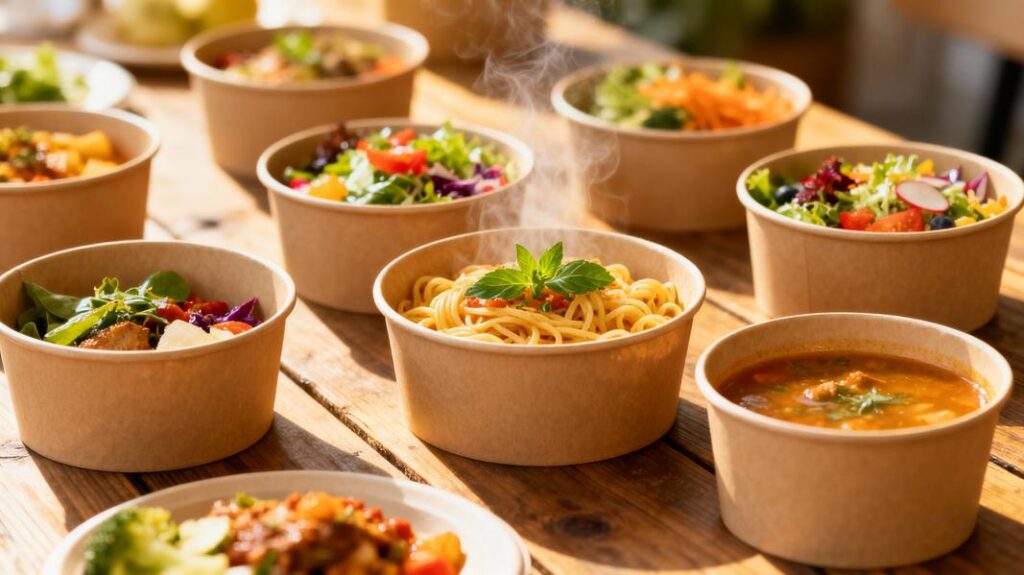
As consumer demand for environmentally friendly products surges, businesses are increasingly turning to sustainable options in their packaging. Water-based coated paper bowls represent a significant advancement in disposable food containers, offering heat, moisture, and oil resistance without the environmental drawbacks of traditional plastic coatings. This article delves into four essential aspects of water-based coated paper bowls: first, we will explore the technical understanding of water-based coatings; second, we will highlight the environmental benefits of adopting these solutions; third, we will analyze current market trends and innovations shaping the industry; and finally, we will conduct a comparative analysis of water-based coatings versus traditional coatings. Each chapter aims to equip business owners with the knowledge to make informed decisions in an increasingly eco-conscious market.
Tables of Contents
Chapter 1: Exploring the Environmental Impact of Water Based Coating in Paper Bowls
- The Rise of Water-Based Coating: Innovations in Sustainable Food Packaging
- Unlocking the Versatility of Water Based Coatings: Performance and Application in Paper Bowls
- Embracing Water-Based Coatings: Innovations Shaping Sustainable Paper Bowl Solutions
Chapter 2: Harnessing Ecology: The Case for Water-Based Coated Paper Bowls
- Recycling Revolution: The Ecological Promise of Water-Based Coating Paper Bowls
- Beyond Plastics: Pioneering the Environmental Revolution with Water Based Coating Paper Bowls
- 4. Evaluating Life-Cycle Environmental Impact: Water Based Coating Paper Bowls and Their Carbon Footprint
Chapter 3: Catalysts of Change: Navigating the Landscape of Water-Based Coating Paper Bowls
- Transformative Trends Empowering the Water-Based Coating Paper Bowl Revolution
- Revolutionary Advances in Water Based Coating Technology: Transforming the Paper Bowl Landscape
- The Bottom Line: Economic Viability and Environmental Stewardship in Water-Based Coating Paper Bowls
Chapter 4: Bridging Sustainability and Functionality: Evaluating Water-Based Coating Technology in Paper Bowls
- Examining the Composition and Benefits of Water-Based Coatings Compared to Traditional Paper Bowl Linings
- Evaluating Barrier Efficiency: Water-Based vs. Conventional Coating Performance in Paper Bowls
- Water Based Coating for Paper Bowls: Weighing Environmental Advantage Against Economic Viability
Chapter 1: Exploring the Environmental Impact of Water Based Coating in Paper Bowls
1. The Rise of Water-Based Coating: Innovations in Sustainable Food Packaging
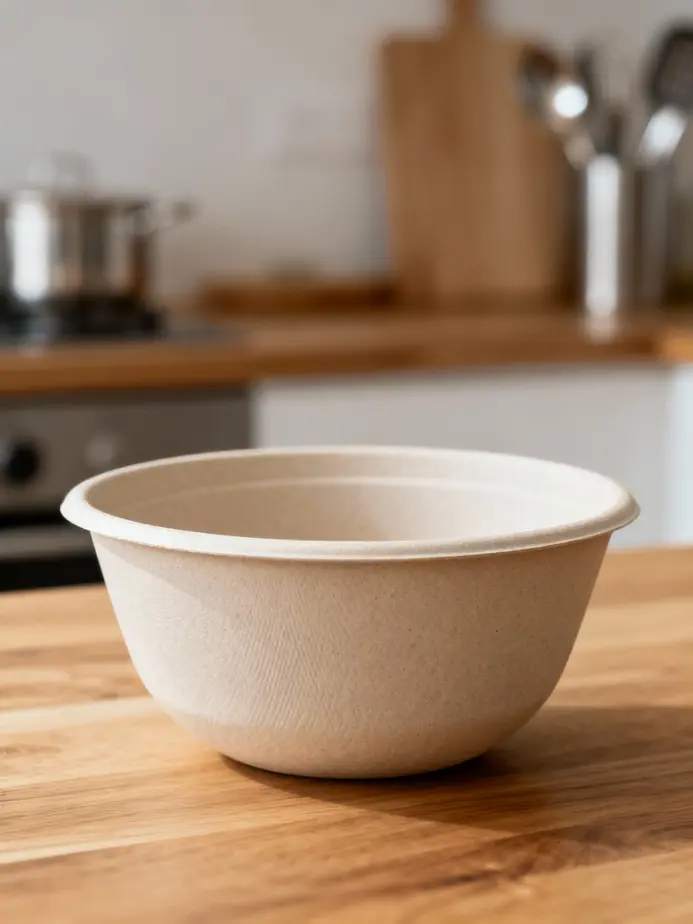
The surge in eco-conscious consumer behavior has sparked a profound shift towards sustainable packaging solutions, leading to the rise of water-based coatings in paper bowls. These innovations not only enhance the functionality of food packaging but also significantly reduce its environmental footprint. By eschewing traditional petroleum-based coatings in favor of sustainable alternatives, manufacturers are addressing the common concerns associated with single-use products.
How Water-Based Coating Works
Water-based coatings offer a groundbreaking approach to packaging. These coatings create an effective barrier layer on the paper substrate, ensuring protection against moisture and grease without resorting to harmful chemicals. The primary solvent in these coatings is water, which simplifies the production process and reduces pollution. This contrasts sharply with polyethylene (PE) coatings, which, derived from fossil fuels, have a detrimental environmental impact. The formulation of water-based coatings exemplifies how innovation can favor the planet while still providing essential protective qualities.
The immersion of food into these bowls can often lead to concerns about leakage and structural deterioration. However, water-based coatings mitigate this by maintaining the integrity of the paper material and preventing undesirable permeation or soiling. This ensures that food can be served in aesthetically pleasing and practical containers, satisfying both customer needs and environmental requirements.
Environmental and Performance Benefits
One of the most significant advantages of water-based coatings lies in their promise of biodegradability. Unlike plastic-lined options that contribute to accumulation in landfills, water-based coated bowls align seamlessly with the philosophy of “paper replacing plastic.” This transition supports broader sustainability goals by offering high-performance alternatives that do not compromise quality for environmental responsibilities.
Rich in both utility and sustainability, these bowls are designed for compostability, presenting an attractive option for businesses and consumers who prioritize eco-friendliness. The shift towards these coated bowls signifies a collective yearning for responsible choices in food service, demonstrating that sustainability does not inherently compromise performance.
Available Coating Options
In recognizing diverse consumer needs, manufacturers now present a tapestry of coating choices across the food packaging spectrum. Water-based coatings stand alongside other options such as PE and plant-based PLA coatings, empowering customers to select the solution that best aligns with their environmental principles and practical requirements. This versatility is critical for meeting varied industrial standards and consumer expectations.
Another stimulating insight is the integration of custom water-based coatings, which allows businesses to curate specific features tailored to their clientele. From salad containers to takeout bowls, the breadth of applications for these sustainable options reflects a robust adaptability in design and functionality. This innovation is indicative of a growing trend among manufacturers who recognize the importance of responsible practices in modern packaging production.
Taking the broader cultural context into account, these advances are interspersed within a movement favoring reduced waste and enhanced recycled capabilities, further solidifying the imperative for sustainable practices across sectors. Such progress reaches beyond mere functionality and taps into the essence of consumer values—emphasizing a commitment to a cleaner, healthier planet.
By adopting water-based coatings, food service operations can demonstrate a proactive stance towards sustainability. Thus, eco-friendly alternatives not only reflect changing consumer preferences but also pave the way for a future where environmental consideration is a foundational aspect of product development.
For more insights on how water-based coatings are transforming the packaging landscape, it’s worth exploring additional resources that delve into innovations in this field, including the various products available at eco-friendly packaging suppliers. Resources can be found at BioLeaderPack.
2. Unlocking the Versatility of Water Based Coatings: Performance and Application in Paper Bowls
Water-based coatings are redefining the landscape of disposable food packaging, especially in the realm of paper bowls. These aqueous barrier layers serve a crucial purpose, transforming standard paper or cardboard into robust food containers. Unlike traditional polyethylene (PE) or polylactic acid (PLA) coatings, water-based solutions offer an environmentally sustainable option without compromising on essential functional characteristics. The application of these coatings not only improves the mechanical properties and integrity of the containers but also addresses growing concerns about plastic waste.
At the core of the functionality of water-based coatings is their ability to create an effective barrier against liquids and greases. By forming a thin layer over the surface of the paper fibers, they prevent absorption of soups, sauces, and oils, thereby maintaining the structural integrity of the bowl during use. This is especially important in settings where hot or moist food is served, as it minimizes the risk of leakage that often results in user inconvenience. The enhanced resistance to moisture not only preserves the bowl’s shape but also protects the user from having wet or greasy hands while enjoying their meals.
From a construction standpoint, water-based coatings are applied through a straightforward process where a thin aqueous solution is evenly distributed over the bowl’s surface. Once dried and cured, this coating adheres firmly to the substrate, forming a continuous polymeric film that encapsulates the paper fibers. The outcome is an impressive level of surface hydrophobicity and oil resistance, rivaling that of more traditional plastic layers. This transformation is particularly significant, as it reduces the plastic content of the final product, thus enhancing its overall recyclability and repulpability when entering waste management systems.
When measuring the performance characteristics of water-based coated paper bowls, several advantages emerge. These bowls are designed with water and leak resistance, making them suitable for various applications, including portions of liquid-based meals like soups and noodles. While PE coatings have long been known for their superior liquid penetration prevention, manufacturers of water-based systems have engineered their formulations to approach similar performance levels for typical service durations. This makes them a viable option in many foodservice contexts, even though long-term stability might still favor PE-coated varieties.
Furthermore, the oil and grease resistance of water-based coatings is critical for ensuring that the bowls maintain their usability when containing oily foods. Uncoated paper bowls tend to weaken and degrade rapidly under such conditions, highlighting the necessity of robust barrier properties. The formulations utilized in water-based systems aim to provide oil resistance that is comparable to standard plastic coatings, positioning these bowls effectively within the foodservice industry.
Thermal performance is another area where water-based coated bowls shine, particularly for consumers looking for microwave-safe options. Many water-based coatings are engineered for heat tolerance, particularly against high temperatures typically encountered with meals containing liquids. In comparison to wax coatings, which can melt and contaminate food, water-based systems offer a safer alternative for heating meals in microwaves. This robustness, paired with improved mechanical strength, significantly reduces tearing and supports stacking and formability.
As sustainability continues to be a focal point in product development, the notable shift toward water-based coatings is strengthened by the promise of more eco-friendly end-of-life solutions. Compared to conventional PE-coated bowls that require specialized recycling processes, the plant-based alternatives contributed by water-based coatings represent a more favorable option for composting and biodegradability. In moving towards a less plastic-dependent future, water-based coatings present an essential alternative that not only meets the demands of performance but also aligns with environmental goals.
In summary, the application of water-based coatings is a crucial advancement in the paper bowl market, enabling high performance while fostering sustainability. Vendors eager to market these products often highlight the significant improvements in usability for hot meals, soups, and oily dishes, offering consumers a guilt-free dining experience. For those looking to explore a range of eco-friendly food packaging solutions, the potential of water-based coated paper bowls represents a forward-thinking step in the quest for greener foodservice options. For more information on customizable options and innovative designs, visit Cofe-Cup’s packaging solutions.
3. Embracing Water-Based Coatings: Innovations Shaping Sustainable Paper Bowl Solutions
As concerns surrounding plastic pollution and sustainable packaging intensify, the introduction of water-based coatings in paper bowls stands at the forefront of innovation within the food packaging industry. Water-based coatings, formulated primarily with water as a solvent, represent a significant advancement over traditional polyethylene (PE) and polylactic acid (PLA) linings. This technological shift not only aligns with the regulatory landscape promoting eco-friendly alternatives but also caters to evolving consumer preferences that demand transparency and sustainability in packaging products.
To understand the transformative potential of water-based coatings, one must first grasp that these coatings serve a dual purpose: they provide essential moisture, grease, and oil resistance, while simultaneously enabling the paper substrate to remain recyclable and compostable. Unlike PE and PLA coatings, which can complicate recycling processes by mixing plastics with paper fibers, water-based coatings maintain the integrity of the fiber during repulping. This ensures that paper mills can effectively reclaim valuable materials, thereby enhancing the circular economy.
The trend toward adopting water-based coatings is propelled by a multitude of factors. One of the central catalysts is the growing regulatory pressure aimed at curbing single-use plastics. Governments are enacting legislation that not only ban certain plastic items but also promote materials that are easier to recycle and compost. For instance, the European Union’s stringent regulations require packaging to be recyclable or compostable, placing water-based coated products in an advantageous position as they fit these criteria seamlessly. In response, numerous manufacturers are now listing water-based coatings alongside more traditional options, indicating a paradigm shift in product offerings for food containers designed for soups, salads, and takeout meals.
Moreover, consumer awareness of sustainability plays a pivotal role in the adoption of water-based coatings. Today’s consumers are increasingly scrutinizing the environmental impact of their choices, seeking products that are not only functional but also align with their values. As a result, businesses are responding by rebranding their products using language that resonates with eco-conscious customers. Labels such as ‘plastic-free’ and ‘fully recyclable’ become critical marketing tools, distinguishing water-based coated bowls from those lined with traditional materials. The emphasis on using low-odor, non-toxic formulations contributes to consumer confidence, as they can feel more secure in the awareness that their food is not in contact with potentially harmful chemicals.
The industry has witnessed notable examples of innovation with water-based coatings. For instance, leading suppliers have incorporated such technology into their kraft paper bowl offerings, providing diverse options for brands looking to make a sustainable impact. Custom packaging suppliers are designing tailored water-based coatings that not only enhance the performance characteristics required by their clientele but also fulfill specific environmental claims, giving rise to a more versatile product landscape.
Additionally, the push for greater recyclability is compelling industry stakeholders to adopt new practices. Water-based coating systems are engineered to ensure that, during the recycling process, the coating either disperses or detaches from the paper fibers, allowing the latter to be reused efficiently. This technological advancement could potentially mitigate the contamination levels observed in conventional PE-coated products, paving the way for a more sustainable waste management framework.
As these industry trends converge, it becomes clear that water-based coatings are not merely a passing trend. They are a vital component of the shift toward sustainable packaging solutions. With their ability to seamlessly integrate functionality with environmental responsibility, water-based coatings are positioned to redefine the standards for paper bowls, transforming them into preferred choices in eco-friendly foodservice.
For those interested in the sustainable packaging market, exploring these alternatives could be a beneficial venture, especially as consumer demand continues to evolve. The future of food packaging rests with solutions that embrace sustainability, and water-based coatings provide the perfect bridge between functionality and environmental ethics. For further information on eco-friendly takeout solutions, you can explore this link for innovative product offerings.
Chapter 2: Harnessing Ecology: The Case for Water-Based Coated Paper Bowls
1. Recycling Revolution: The Ecological Promise of Water-Based Coating Paper Bowls
Water-based coated paper bowls present a transformative approach to food packaging by enhancing recyclability and repulpability compared to traditional polyethylene (PE) or plastic-coated options. As businesses and consumers increasingly lean towards sustainable practices, understanding the implications of using these innovative barriers becomes crucial to realizing their environmental benefits.
Water-Based vs. Plastic Coatings
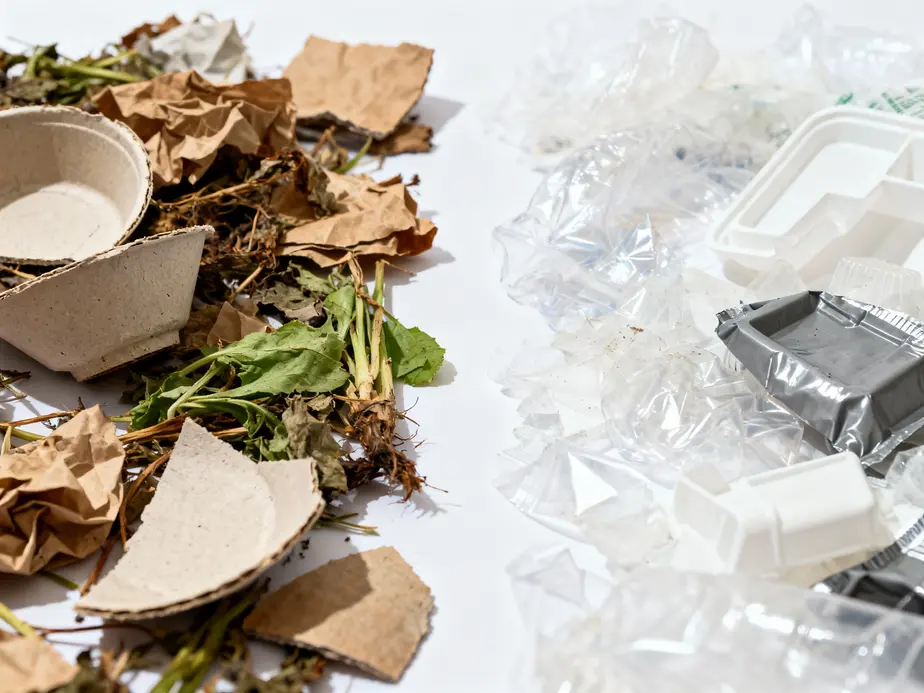
Water-based coatings offer an enticing alternative to plastic. Unlike PE coatings, which pose significant challenges in recycling systems, aqueous barrier coatings are plastic-free and designed to maintain the integrity of the paper fiber during the recycling process. This quality makes them fully recyclable and repulpable in standard paper streams, which is a remarkable step in reducing waste and promoting efficient resource recovery. The environmental burden that plastic coatings impose is a pressing issue, as these require specialized recycling processes, often resulting in lower recovery rates and increased landfill contributions.
Environmentally conscious brands have started promoting these water-based options, highlighting their ability to provide oil and water resistance comparable to that of PE while ensuring the products remain amenable to recycling. In contrast, traditional PE coatings complicate waste management due to their resistance to separation during recycling, creating contamination that lessens the overall quality and quantity of recovered fibers
Composition and Environmental Profile
The ecological profile of water-based coatings is notable. These coatings typically use water as a primary carrier, alongside various food-contact compliant binders, mineral fillers, and functional additives. This composition not only facilitates lower volatile organic compound (VOC) emissions during production compared to solvent-based systems but also contributes positively to air quality and lowered environmental impact. Such advancements make water-based coatings more aligned with modern demands for lower VOC emissions in food services.
The Recycling Process
Engaging in a recycling program for water-based coated paper bowls encompasses several methods that boost fiber recovery. Initially, the collection and sorting processes ensure that food-service paper remains clean and uncontaminated. Unlike their plastic-lined counterparts, water-based bowls do not heavily rely on complex recycling pathways. The straightforward pulping process involves shredding and mixing the material with water, allowing for the seamless breakdown of aqueous coatings. This ease of breakdown stands in stark contrast to PE films, which tend to emerge as reject “stickies” during processing, further complicating recycling efforts.
Light, plastic-free coatings help mitigate contamination during the crucial screening and cleaning phases of the recycling process, optimizing the recovery of valuable paper fibers. This is particularly advantageous in achieving a high pulp yield, ultimately supporting companies’ sustainability goals. Furthermore, if printed, the use of water-based inks allows for deinking processes that contribute to circular mill systems without obstructing repulping.
Repulpability Advantages
The explicit positioning of aqueous barrier coatings as fully recyclable and repulpable is pivotal in the evolution of paper packaging. In contrast, plastic-coated products experience a significant drop in repulpability due to the challenges associated with plastic and wax linings, which lead to increased reject rates at mills. Manufacturers of innovative water-based coatings are achieving incredible results, with rates of repulpability exceeding 99%. This not only fulfills a demand for more sustainable packaging alternatives but also directly contributes to a reduction in overall carbon footprints.
In conclusion, by opting for water-based coated paper bowls, businesses and consumers alike can engage more meaningfully in recycling initiatives while minimizing ecological impact. Such choices reinforce sustainability in practices, paving the way for a cleaner, more regenerative future.
2. Beyond Plastics: Pioneering the Environmental Revolution with Water Based Coating Paper Bowls
The introduction of water-based coating technology in food packaging represents a watershed moment in environmental sustainability. By eliminating traditional plastic linings in paper bowls, these innovative coatings pave the way for substantial ecological benefits while addressing a growing consumer demand for environmentally responsible products.
Enhanced Recyclability stands as the most significant advantage of water-based coated paper bowls. Unlike conventional polyethylene (PE)-lined counterparts that require specialized facilities for recycling, paper bowls with water-based coatings can be processed through standard paper recycling streams. This simple yet transformative shift not only streamlines recycling efforts but also significantly raises the likelihood that these bowls are properly processed. The improved recyclability directly addresses a critical sustainability gap where many disposable tableware options formerly remained trapped either in landfills or littering our natural environment, unable to decompose or be recycled efficiently.
Moreover, reducing carbon emissions is another central pillar in favor of water-based coatings. The Environmental Protection Agency (EPA) forecasts a reduction of approximately 35% in greenhouse gas emissions when opting for these alternatives over traditional plastic bowls. However, it is essential to recognize that this environmental boon hinges on effective disposal practices. When improperly discarded into landfills, the benefits diminish, primarily due to methane production associated with anaerobic decomposition. Therefore, the impact of these bowls is contingent upon a commitment to environmentally sound waste management practices.
In a world increasingly plagued by plastic pollution, decreasing plastic waste becomes imperative. Water-based coated paper bowls eliminate the need for petroleum-based plastic linings, effectively curbing dependence on non-renewable resources. This shift not only mitigates plastic waste in landfills and oceans but also reduces the microplastic contamination that is becoming a pressing concern for marine life and human health alike. Some forward-thinking manufacturers further contribute to this reduction by incorporating utensils made from the same biodegradable material, collectively trimming waste by 15-20% per serving.
Another notable benefit is the lower environmental footprint associated with these paper bowls. Unlike conventional plastic options that persist in the environment, often breaking down into harmful microplastics, water-based coated bowls are fully biodegradable. They decompose naturally, returning to the environment as nutrient-rich organic matter. That means consumers can enjoy their takeaway meals without the guilt that often accompanies single-use packaging, knowing that they are contributing to a more circular economy rather than cementing plastic pollution.
Despite their environmental advantages, the effectiveness of water-based coatings is sometimes debated. Water-based coatings maintain the essential functionalities required for food service—they offer leak and grease resistance, pivotal for a wide range of food offerings, from soups to salads. However, the real-world benefits are closely tied to regional waste management capabilities. In towns or cities with robust recycling facilities, these bowls provide significant environmental advantages, allowing businesses to partake in an eco-friendlier operational ethos while enhancing customer satisfaction.
As the movement toward sustainability continues to gather momentum, it is evident that water-based coating paper bowls offer a fruitful alternative to traditional plastic-coated packaging solutions. In embracing these eco-friendly innovations, consumers and businesses alike can play an active role in driving positive environmental change. For those interested in exploring this option, numerous suppliers provide customizable solutions that cater specifically to various food service needs, efficiently marrying functionality and sustainability. As this trend progresses, linking it to other sustainable food packaging options such as takeout containers or salad bowls broadens the conversation on reducing our environmental impact, further integrating the principles of sustainability into everyday choices. Consider checking out customizable kraft paper takeout options that showcase these principles in action.
3. 4. Evaluating Life-Cycle Environmental Impact: Water Based Coating Paper Bowls and Their Carbon Footprint
The environmental benefits of water-based coated paper bowls extend far beyond superficial assessments; they incorporate a comprehensive understanding of their life-cycle impacts. Examining these bowls through the lens of life-cycle assessments (LCA) reveals a markedly lower carbon footprint compared to traditional polyethylene (PE)-lined paper bowls and single-use plastic alternatives. Notably, because water-based coatings allow for more efficient recycling processes and reduce reliance on fossil fuels, they position themselves as a far more environmentally responsible choice.
To truly grasp the sustainability of water-based coated paper bowls, it’s essential to consider all aspects included in a thorough LCA. These encompass raw material extraction, manufacturing, transportation, usage, and end-of-life waste management. Regarding raw materials, sustainable forest management and pulping are critical components. The creation of the water-based coating involves polymer particles mixed with water, which contributes less environmental strain than the fossil-based materials used in PE coatings. This low-impact initiation conserves resources and minimizes pollution from the outset.
The manufacturing phase is equally telling. Water-based coatings bypass the energy-intensive processes associated with plastic film extrusions and lamination. This streamlined approach not only saves energy but also significantly reduces greenhouse gas emissions during production. For instance, when compared directly, research has shown that paperboard containers yield approximately 35% lower life-cycle greenhouse gas emissions than polypropylene counterparts, provided they are recycled appropriately. By substituting traditional PE or PLA linings with water-based alternatives, manufacturers can enhance the compostability and recyclability of their products, contributing positively to sustainability efforts.
Water-based coated paper bowls also exhibit advantages during transport. Their lightweight nature coupled with more sustainable sourcing practices reduces the carbon emissions associated with freight transportation. This step from production to the point of sale is vital in ascertaining total environmental impact. Furthermore, because these bowls generally experience shorter usage phases—often being single-use—they leave minimal impact during the consumption phase, maintaining their appeal as a viable option for flexibility in food service.
From an end-of-life perspective, the advantages continue to stack in favor of water-based coatings. Unlike traditional PE-lined bowls that tend to contaminate recycling streams and hinder effective waste management, paper bowls lined with aqueous coatings are often repulpable. This repulping process is crucial since it preserves the integrity of the fibers, enabling higher rates of recycling. As a consequence, there is a drastic reduction in the amount of paper being sent to landfills. Evidence suggests that recycling these bowls leads to significantly lower greenhouse gas emissions, yielding a further 35% reduction compared to their plastic counterparts.
Moreover, when composting is viable, water-based coated bowls not only break down more effectively, further enriching soil health rather than contributing to landfill waste. In contrast, bowls that utilize fossil plastic coatings often end up in landfills or incinerators, thus generating greater emissions and diminishing their eco-friendly appeal.
Ultimately, the life-cycle assessments of water-based coated paper bowls paint a compelling picture of their environmental viability. The synergy of sustainable sourcing, efficient manufacturing, and responsible end-of-life management positions them as a frontrunner in the quest for eco-friendly foodservice solutions. This alignment with contemporary sustainability demands not only meets regulatory expectations but also resonates with consumer preferences for reliable and responsible packaging options that champion the planet. As consumers increasingly prioritize sustainable practices, choosing products like customized water-based coating paper bowls could significantly advance efforts toward reducing our carbon footprint and promoting overall sustainability in food packaging.
For a closer look at eco-friendly packaging options, consider exploring more customized food packaging solutions.
Chapter 3: Catalysts of Change: Navigating the Landscape of Water-Based Coating Paper Bowls
1. Transformative Trends Empowering the Water-Based Coating Paper Bowl Revolution
As industries and consumers alike gravitate toward more sustainable practices, the water-based coating paper bowl sector stands at the forefront of an evolving packaging landscape. A multitude of factors is driving innovations within this sphere, reshaping how foodservice businesses approach their packaging needs. The primary motivations behind these advancements can be broadly categorized into regulatory pressures, shifting consumer expectations, market dynamics in foodservice, and breakthroughs in coating technologies. Together, they paint a comprehensive picture of a sector adapting to modern environmental imperatives.
The urgency to comply with increasingly stringent regulatory frameworks serves as a crucial catalyst for change in the water-based coating paper bowl industry. With governments around the world implementing bans and limitations on single-use plastics, companies are compelled to transition away from polyethylene and fluorochemical barriers that previously dominated the market. The recent PFAS phase-out by the U.S. FDA further necessitates a pivot toward aqueous barrier systems, which promise compliance without compromising functionality. The mounting pressure to incorporate environmental, social, and governance (ESG) considerations into business operations amplifies this transition, as brands aim to align with consumer-conscious trends. Consequently, the industry is moving toward fiber-based packaging solutions that favor compostability and recyclability, ultimately changing the preferences and strategies of packaging manufacturers.
Alongside regulatory drivers, the call for sustainability resonates deeply with consumers and brands alike. With the rise of a more environmentally aware clientele, expectations now include recyclable, compostable, or biodegradable foodservice products. Research and development in water-based dispersion barriers are rapidly accelerating, as they replace traditional plastic linings in products like paper bowls. This demand underscores an emerging marketplace where innovative coatings not only meet performance standards related to moisture and grease resistance but also support a more circular economy. The advances in aqueous and mineral coatings signify that businesses can produce “fully recyclable” containers that seamlessly integrate into standard paper mill pulping processes.
Meanwhile, the changing landscape of the foodservice and quick-service restaurant (QSR) sectors significantly impacts product demand for coated paper containers. The surge in on-the-go consumption, coupled with the increasing prevalence of delivery services, contributes to a growing appetite for disposable, hygienic, yet sustainable foodware. As chains and local cafes expand their reach, the need for reliable packaging that resists leaks and retains temperature becomes paramount. Coated paper bowls, engineered with advanced aqueous barrier systems, position themselves as compelling candidates, offering a sustainable alternative to traditional plastic or foam options.
Technological advances in aqueous barrier coating methodologies further bolster the industry’s momentum toward innovation. Breaking ground in barrier science, new formulations, including bio-based polymers and mineral-filled dispersions, provide enhanced protection against moisture, oils, and heat. These forward-thinking solutions enable foodservice products to not only perform under high-demand conditions but also to remain repulpable, contributing to sustainable lifecycle practices. The continuous investment from leading companies into green barrier platforms promises enhancements in holding times and temperature retention, thereby streamlining operational efficiencies while eradicating reliance on polyethylene films.
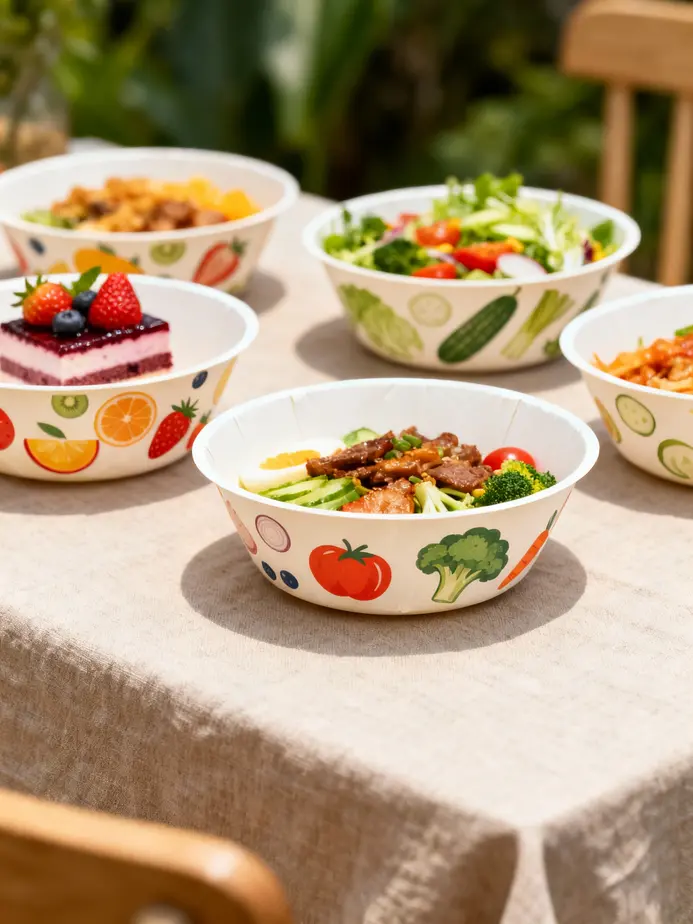
Finally, brand differentiation plays an essential role in this dynamic environment, as companies leverage custom printing on water-based coated bowls as a marketing strategy. Utilizing eco-friendly inks and coatings is not merely a branding initiative but also a testament to their commitment to sustainability, resonating with consumers. This emphasis on customization allows brands to communicate their environmental ethos while filling an ever-growing demand for compliant and high-performance bowls.
In closing, the convergence of regulatory shifts, consumer preferences, evolving foodservice norms, and advancements in coating science signals a profound transformation within the water-based coating paper bowl industry. As stakeholders within this sector look toward a more sustainable future, the innovation narrative will undoubtedly unfold, presenting opportunities to capitalize on these significant market trends. To explore sustainable packaging solutions further, check out this custom Kraft paper packaging and see how they can enhance your brand’s offerings.
2. Revolutionary Advances in Water Based Coating Technology: Transforming the Paper Bowl Landscape
Recent innovations in water-based coatings are reshaping the landscape of paper bowl manufacturing, providing businesses with environmentally friendly alternatives to traditional plastic linings. These advancements not only enhance product performance but also align manufacturing processes with sustainability goals, reflecting a larger movement within packaging industries toward eco-conscious materials.
One of the most significant breakthroughs lies in aqueous barrier technology. This process allows manufacturers to apply coatings that provide superior oil and water resistance without relying on petroleum-based plastics like polyethylene (PE). Aqueous barriers, developed from natural materials, maintain the structural integrity of paper bowls while rendering them effective for food service applications. This transformation significantly reduces dependency on non-biodegradable materials, paving the way for more sustainable consumer choices.
Additionally, the advent of plant-based and bio-based coatings marks a pivotal development in this arena. For instance, coatings derived from polylactic acid (PLA), a biopolymer made from renewable resources, exemplify how manufacturers are exploring innovative solutions to meet both performance and environmental standards. These PLA coatings boast good temperature resistance, making them suitable for a range of food items, from cold salads to hot soups. Furthermore, they support compostability under industrial conditions, adhering to stringent green procurement protocols that many businesses aim for today.
Advancements in bonding technologies further complement these coating innovations. Techniques such as heat sealing and ultrasonic bonding ensure that seams of paper bowls are not just strong but also hygienic and leak-proof. This improvement is crucial for handling high-oil content foods and hot liquids, a common requirement in food service. When combined with precise manufacturing processes such as die-cutting and accurate folding, these technologies ensure that every bowl produced meets rigorous quality standards for safety and structural stability.
The implications of integrating these technological advancements extend beyond manufacturing performance; they also significantly bolster the market appeal of water-based coated paper bowls. By embracing aqueous and compostable coatings, manufacturers not only enhance the recycling value of their products but also enable full repulpability, making them attractive options in the movement towards a circular economy. This transition allows food service brands to advertise their commitment to reducing plastic waste, addressing rising consumer concerns around sustainability and environmental responsibility.
Moreover, as the demand for eco-friendly packaging solutions grows, businesses that adopt water-based coatings can position themselves strategically against competitors still relying on traditional plastic options. This shift enhances brand image and caters to a growing demographic of environmentally conscious consumers, who are increasingly favoring products that align with their values regarding sustainability.
The competitive positioning afforded by these innovations significantly impacts the market dynamics, fostering an ecosystem where sustainability and operational efficiency coexist. Food service businesses are now better equipped to meet regulatory demands and consumer expectations without compromising on functionality or brand values.
In conclusion, as the market for water-based coated paper bowls expands, driven by both consumer demand and regulatory pressures, these innovations represent not just a technological shift but a cultural one. The integration of environmentally sustainable practices in food service packaging is a reflection of a broader commitment to ecological well-being, demonstrating how industry evolution can lead to a positive environmental impact. For businesses striving to stay ahead, custom solutions in water-based coatings offer a viable pathway to balancing performance with sustainability objectives. To explore these products further, consider visiting specialized custom packaging providers like AccuPack Packaging.
3. The Bottom Line: Economic Viability and Environmental Stewardship in Water-Based Coating Paper Bowls
As the demand for sustainable food packaging continues to rise, water-based coating paper bowls are emerging as a key player in both the regulatory and consumer landscapes. They navigate the delicate balance of economic viability and environmental stewardship, marking a significant shift away from traditional plastic-coated products. This transition is not merely a trend, but a necessity as businesses align themselves with the growing consumer demand for eco-friendly solutions while also complying with stricter regulations regarding materials that contain harmful substances, such as PFAS.
The economic implications of the water-based coating paper bowl market are profound. Here, manufacturers find themselves in a unique position to not only meet increasing demand but also capitalize on premium pricing strategies. As aqueous coatings grow in popularity, they allow brands to market their products as PFAS-free and recyclable, factors that significantly enhance their value proposition. This repricing mechanism fortifies a premium segment of the market, where converters aim for end-of-life certifications over merely competing on cost. This shift reflects a notable evolution in business strategy wherein sustainability directly correlates with profitability.
Simultaneously, significant market growth for water-based coated paper bowls mirrors trends observed in the broader disposable foodservice packaging sector. The compound annual growth rate (CAGR) for coated paper cups is projected between 3–7% from 2030 to 2036, driven primarily by the expansion of quick-service restaurants (QSRs) and increasing demand for food delivery services. These same forces are expected to bolster the market for water-based coated paper bowls, aligning them closely with consumer preferences toward takeaway options that require reliable moisture and grease resistance. As a result, many manufacturers leverage existing production capabilities initially designed for cups to streamline their entry into bowl manufacturing.
However, entering this market is not without its hurdles. The significant capital expenditure (CapEx) needed to invest in water-based coating technologies represents a barrier that smaller converters may struggle to overcome. Yet for larger players, the transition reaffirms their commitment to sustainability and may even enhance productivity and quality control due to adapted technologies. For instance, companies like Georgia-Pacific have earmarked billions for retooling facilities specifically for sustainable barrier solutions, ensuring they remain competitive in a tightening market.
Regulatory frameworks further influence market dynamics by facilitating greater access for water-based coated products. Initiatives promoting zero-plastic directives and banning single-use plastics bolster the attractiveness of water-based solutions, as they align with governmental goals for resource sustainability. The convenience of water-based coatings over traditional PE-lined options enhances their marketability, particularly in regions with stringent environmental regulations. Such strategic positioning not only mitigates regulatory risks but enhances access to government contracts and consumer segments increasingly prioritizing green credentialing.
From an environmental standpoint, the advantages offered by water-based coatings are compelling. They significantly reduce fossil fuel-based plastic usage, promote more effective recycling processes compared to traditional PE products, and address the pressing industry-wide commitment to eliminate PFAS by 2026. Unlike PLA products, which rely heavily on the existence of industrial composting infrastructure, water-based coated bowls represent a more universally applicable solution that aims for broad commercial acceptance. Many paper mills have adopted these coatings, increasing their recyclability and enabling a more sustainable lifecycle for foodservice packaging.
Altogether, the evolution of the water-based coating paper bowl industry signals a vital move toward a more sustainable future in packaging. The convergence of economic and environmental factors, including enhanced recyclability, consumer demand for eco-friendly products, and the pressing necessity for regulatory compliance, underscores the potential for this market. As businesses and consumers alike increasingly prioritize sustainability, the water-based coating paper bowl sector stands well-positioned to drive the future of eco-conscious food packaging. For more information on products in this space, you can explore options for custom eco-friendly takeout containers.
Chapter 4: Bridging Sustainability and Functionality: Evaluating Water-Based Coating Technology in Paper Bowls
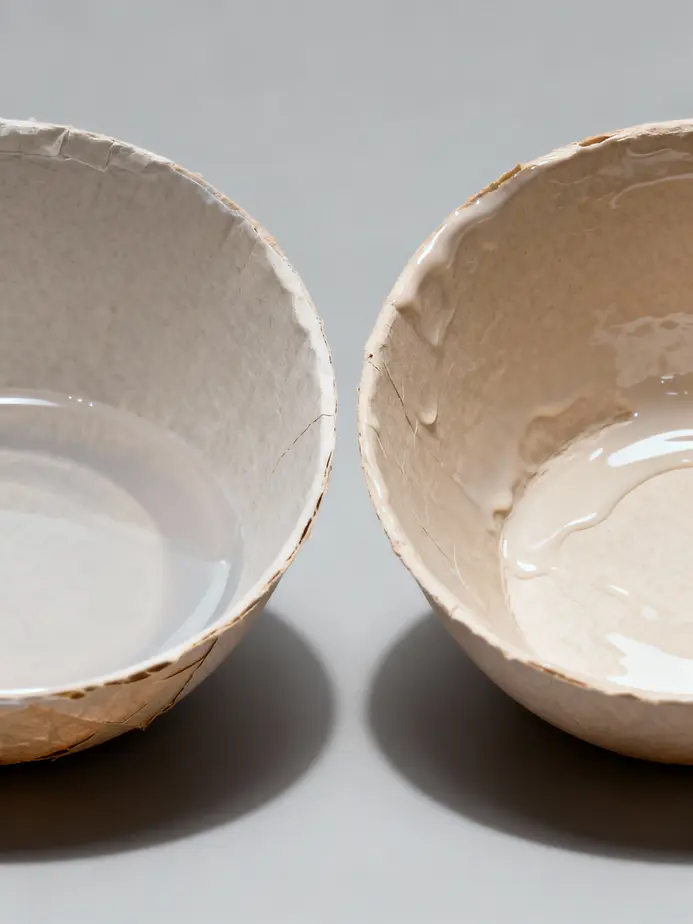
1. Examining the Composition and Benefits of Water-Based Coatings Compared to Traditional Paper Bowl Linings
In the evolving world of sustainable packaging, water-based coatings have emerged as a promising alternative to traditional coatings like polyethylene (PE), polylactic acid (PLA), and wax for paper bowls. These coatings not only enhance the performance of paper products but also align with the increasing demand for eco-friendly solutions in food service. Understanding the composition and benefits of water-based coatings compared to their traditional counterparts illuminates a critical path toward sustainable disposable packaging.
Traditional Coatings: Pros and Cons
PE coatings have been the industry standard for quite some time, providing a glossy, flexible barrier that resists moisture, oil, and heat while offering a slick finish that appeals to consumers. Typically applied at rates between 15 to 20 grams per square meter, PE excels for items that handle greasy or hot foods, such as soups and sauces. However, this petroleum-based option is burdened by significant environmental downsides; it is not compostable and complicates recycling processes, as it contaminates paper streams unless processed at specialized facilities.
On the other hand, PLA coatings, made from renewable resources like corn and sugarcane, present a notable twist. These coatings are certified compostable under industrial conditions, offering an eco-friendly narrative. However, they are limited by a lower heat resistance, withstanding only temperatures up to 120–150°F, thereby limiting their versatility in packaging hot items. Furthermore, PLA tends to command a higher price point—20 to 40 percent more than PE—which can deter manufacturers from adopting this greener alternative.
Wax coatings, made of food-grade paraffin, provide another layer of complexity. While they offer good grease resistance for dry foods, their ineffectiveness against hot liquids means they fall short for items like soups. Despite being economical, wax coatings do not offer a sustainable solution, especially in an era where consumers and businesses alike are shifting focus towards environmentally friendly options.
Water-Based Coatings: A Sustainable Leap
In this landscape, water-based coatings arrive as a transformative solution. Unlike traditional options, these coatings typically consist of a blend of polymers that are either synthetic or natural, dispersed in water. The main advantage lies in their environmental profile; water-based coatings are free from harmful solvents, thus reducing volatile organic compound (VOC) emissions during application. This characteristic aligns with global movements toward cleaner production methods.
Moreover, the barrier properties of water-based coatings can outperform uncoated paper, particularly for moisture and liquid resistance, which is crucial for food service applications. The adaptability of water-based coatings enables manufacturers to customize formulations to meet specific requirements, lending to their application not just in paper bowls but also in cups, salad containers, and other food-service products.
Performance and Environmental Benefits
The application of water-based coatings can significantly enhance the compostability of paper bowls, positioning them as viable contenders in any eco-conscious packaging strategy. As they naturally biodegrade, water-based coatings can break down more efficiently than their PE counterparts, thus minimizing their impact on landfills and aquatic environments. Additionally, their strength in resisting liquid penetration complements the trending demand for products that dispose of efficiently, supporting a circular economy.
The investment in water-based coatings is also appealing from a marketing standpoint, presenting food service businesses with opportunities to advertise their commitment to sustainability. Customizable water-based-coated bowls showcase not only endurance against moisture and oil but also eco-friendliness—an increasingly valued characteristic among consumers.
With the growing array of water-based solutions available, consumers can find products that meet their performance needs while making responsible choices for the environment. As we move forward in the search for sustainability in food packaging, water-based coatings represent a significant evolution in the materials used for paper food containers, illuminating a path that merges functionality with eco-consciousness.
2. Evaluating Barrier Efficiency: Water-Based vs. Conventional Coating Performance in Paper Bowls
In the evolving landscape of disposable food packaging, the quest for sustainable and efficient options has placed water-based coatings in direct competition with traditional polyethylene (PE) and polylactic acid (PLA) coatings for paper bowls. Analyzing their performance metrics reveals critical distinctions that could influence manufacturers’ choices and consumers’ preferences. As environmental awareness intensifies, it becomes essential to examine how water-based coatings hold up in critical areas like barrier performance, temperature resistance, and overall usability.
Traditionally, PE coatings have been regarded as the industry benchmark for their exceptional moisture and grease resistance. These coatings provide a robust barrier against liquid penetration, making them suitable for a wide variety of hot and cold foods, from broths to saucy meals. The PE-coated bowls can endure rigorous applications without succumbing to leaks or loss of structural integrity. In contrast, PLA coatings, though marketed as a biodegradable alternative, tend to falter under extreme conditions. PLA is known to deform at temperatures exceeding approximately 70–85°C, limiting its effectiveness for hot, oily, or prolonged-use applications.
Water-based coatings emerge as a noteworthy contender due to their comparable moisture and oil resistance when defined specifications are met. They utilize plastic-free, water-dispersed polymer systems applied to the paper surface, presenting a strong alternative for foodservice applications. Specifically, water-based bowls are designed to cater to both hot and cold meals, challenging the traditional expectations set by PE and PLA coatings. This advancement speaks to a rising consumer desire for transparent, eco-conscious packaging that adheres to health and environmental standards.
A significant metric for assessing these coatings is their capacity to resist leakage over various holding times. In standard scenarios, such as take-out meals or soups retained for short durations, water-based coatings exhibit performance colors that match those of PE and PLA. However, the caveat lies in extreme use conditions; for applications involving near-boiling liquids or prolonged hot-storage, PE still reigns as the most reliable choice. Suppliers often recommend PE for such demanding contexts due to its robust safety margins against potential leak issues.
Another critical facet of the performance assessment is temperature resistance and dimensional stability. PE-coated bowls not only maintain their structural integrity under high temperatures but also surpass both PLA and water-based coatings in this regard. Such durability is crucial for ingesting very hot, liquid-based foods. On the other hand, while water-based coatings are effective for routine hot food applications, they have yet to establish a quantifiable temperature tolerance across all formulations. This variability, coupled with sensitivity in manufacturing processes, presents challenges in achieving consistent product quality.
Despite these issues, water-based coatings present favorable recycling and repulping attributes that align them closer with circular economy principles. Compared to PE, which presents challenges in recycling due to its plastic content, water-based solutions enhance the sustainability narrative by promoting a decrease in plastics usage in food packaging. This environmental angle is becoming increasingly appealing to both eco-conscious consumers and regulators.
In conclusion, while water-based coatings prove to be a formidable competitor against traditional applications, the decision between these options will often hinge on specific operational needs, budget considerations, and sustainability goals. The transition toward eco-friendly practices in food packaging necessitates a comprehensive understanding of these performance metrics. Thus, selecting the right coating involves balancing immediate usability against broader environmental impacts, shaping the future of disposable food ware. For brands striving for innovative ecological solutions, these water-based options are paving the way toward sustainable growth in consumer markets, reinforcing their role in the ever-expanding eco-packaging domain.
3. Water Based Coating for Paper Bowls: Weighing Environmental Advantage Against Economic Viability
When evaluating the merits of water-based coatings versus traditional polyethylene (PE) coatings for paper bowls, it is crucial to consider both the environmental impact and the economic implications. The transition towards more sustainable packaging options is often characterized by trade-offs where sustainability measures may introduce higher costs, yet operational benefits can emerge from using eco-friendly materials like water-based coatings.
From an environmental perspective, the advantages of water-based coatings over traditional PE or polylactic acid (PLA) coatings are significant. Traditional PE coatings, while effective at providing a robust barrier against moisture and grease, rely on fossil fuels for their production and create non-renewable plastic layers that complicate recycling processes. Conversely, water-based coatings utilize water as a carrier and do not contribute to the plastic pollution crisis, making them a promising alternative for environmentally conscious consumers. The formulations typically incorporate low volatile organic compounds (VOCs) and are marketed as non-toxic, fulfilling a growing demand for safer food contact materials. The thin nature of these coatings results in a lower overall polymer mass and reduces greenhouse gas emissions per unit produced.
Additionally, manufacturers applying water-based coatings can operate on existing paper coating lines, avoiding the high costs associated with dedicated extrusion equipment used for the PE coating process. This characteristic allows for a more efficient production cycle and supports switching to eco-friendly practices without significant capital investment. The production methods of traditional coatings require energy-intensive processes, whereas water-based systems optimize resource consumption by integrating well into established production setups. As a result, water-based coatings generally demonstrate a lower environmental burden from the outset, positioning them as a forward-thinking choice for disposable packaging.
However, the economic implications of transitioning to water-based coated bowls cannot be overlooked. While they are less expensive compared to fully compostable bioplastics, the production costs for water-based coated bowls are still higher than those for traditional PE-coated options because of the initial investment in new materials and potential adjustments in production techniques. Therefore, manufacturers might face a cost dilemma when considering a shift to these more sustainable practices. This raises critical questions about pricing strategies and the perceived value of environmental responsibility in the consumer market, especially in sectors like food service, where price sensitivity can influence purchasing decisions strongly.
Moreover, water-based coatings must be able to perform comparably to their PE predecessors. While they offer adequate resistance to moisture and grease for many food applications, they might not withstand extreme conditions as effectively as PE coatings. Thus, the scope of their use may be limited to specific market segments that do not require high-performance solutions. This potential constraint on market penetration poses further challenges for suppliers who must educate both their customers and end consumers about the acceptable applications of water-based options.
Ultimately, the decision-makers within the food service industry must weigh the environmental and economic aspects carefully. Opportunities exist for businesses that can balance these factors adequately. They can promote water-based coated bowls as a premium option while educating their customers on the environmental benefits associated with sustainable choices. Operators that successfully convey the advantages of embracing eco-friendly packaging might find that consumers are willing to pay a little extra for the consciousness of supporting sustainable practices. For more information on customizing compostable packaging options, consider exploring this custom kraft paper box packaging solution.
In summation, the shift from traditional to water-based coating in paper bowls encapsulates a broader movement towards sustainable packaging solutions. While challenges persist, the long-term gains of such transitions carry the potential not only to mitigate environmental impacts but also to build a brand’s reputation as a pioneer in sustainability, setting the groundwork for future innovations in eco-packaging.
Final thoughts
The shift towards water-based coated paper bowls highlights a significant opportunity for business owners to align their products with eco-conscious consumer values. Understanding the advantages of these packaging solutions not only meets regulatory demands but also enhances brand reputation and customer loyalty. As market innovation continues to evolve, investing in sustainable options will yield long-term benefits for both the environment and business success. Staying ahead of the trend is not just a choice; it’s a necessity for competitive differentiation and responsibility in today’s market.
Choose our reliable disposable tableware and packaging solutions for your business. We offer quality products that meet safety standards, with fast delivery and flexible options. Partner with us today to elevate your service – contact our team now for a tailored quote!
About us
We specialize in manufacturing and supplying disposable tableware, packaging paper, and boxes. With years of experience, we prioritize safety, durability, and eco-friendly practices. Our goal is to provide businesses with trusted, cost-effective solutions backed by responsive customer support.