Introduction
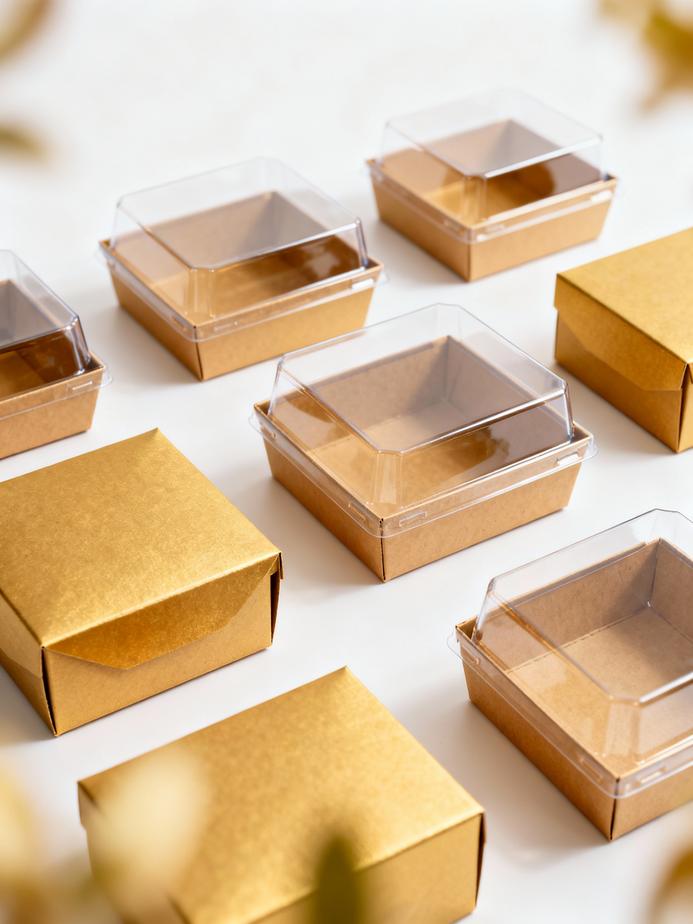
In a world where packaging serves as both a protector and a marketing tool, the paper box with a clear lid stands out as a prime choice for businesses aiming to enhance product visibility while maintaining brand integrity. This article delves into the intricate details of paper boxes with clear lids, providing valuable insights for business owners. We will explore the materials that compose these boxes, the various applications in retail and bakeries, innovative design trends, their sustainability benefits, and the current market trends affecting pricing and demand. Each chapter builds on the theme of how clear-lid paper boxes not only protect products but also elevate the overall customer experience.
Tables of Contents
Chapter 1: Understanding the Core Structure: Base Materials in Paper Boxes with Clear Lids
- Essential Characteristics of the Paper Box Base Design
- Exploring the Clear Lid Materials: From PET to Eco-Friendly Alternatives
- Coatings and Barriers Enhancing Performance of Paper Boxes with Clear Lids
Chapter 2: Showcasing Quality: The Impact of Clear Visibility in Retail and Bakery Packaging
- How Transparent Lids Transform Retail and Bakery Experiences
- Delighting Customers: The Impact of Paper Boxes with Clear Lids in Retail and Bakeries
- Enhancing Retail and Bakery Operations Through the Versatility of Clear Lid Paper Boxes
Chapter 3: Revolutionizing Displays: The Evolution of Clear-Lid Paper Boxes
- Innovative Construction and Engineering Solutions for Clear-Lid Paper Boxes
- Analyzing the Economic Ripple Effects of Paper Box Design Innovations
- Understanding Consumer Sentiments Towards Innovations in Clear-Lidded Paper Packaging
Chapter 4: The Green Revolution of Paper Box Solutions: Harnessing Renewable Resources
- The Ecological Benefits of Paper Base Composition in Clear-Lidded Packaging
- Evaluating the Recycling Dynamics of Clear Lids in Paper Box Systems
- Redefining Transparency: Sustainable Clear Lid Alternatives for Eco-Conscious Brands
Chapter 5: Navigating the Economics of Paper Boxes with Clear Lids: Unraveling Cost Influencers and Market Dynamics
- Understanding the Financial Landscape of Paper Boxes with Clear Lids: Key Cost Drivers and Their Impact
- Exploring Growth Trends and Economic Drivers in the Paper Box Market
- Emerging Dynamics for 2025–2026: Cost, Sustainability, and Design in Paper Boxes with Clear Lids
Chapter 1: Understanding the Core Structure: Base Materials in Paper Boxes with Clear Lids
1. Essential Characteristics of the Paper Box Base Design
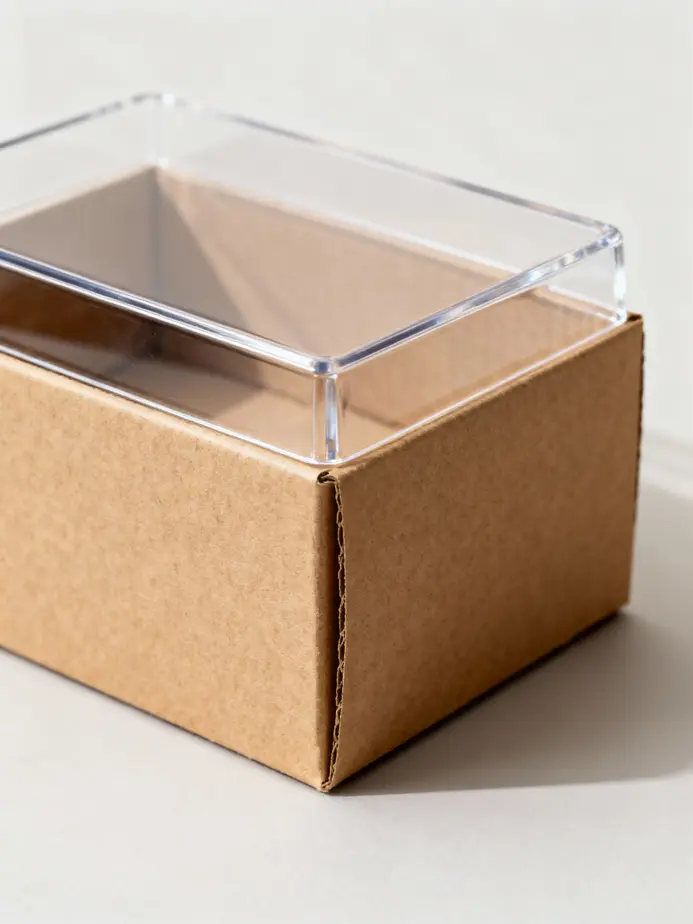
The base material of a paper box with a clear lid plays a pivotal role in the overall functionality, appearance, and sustainability of the packaging solution. Often crafted from paperboard or corrugated fiberboard, the base is complemented by a transparent lid, typically made of materials such as clear plastic films (PET or PVC). This combination not only enhances product visibility but also ensures the sturdiness necessary for various uses—from gift wrapping to retail packaging, and even food containers.
The choice of material for the base is crucial. Paperboard, a popular option, can vary in composition, with folding boxboard and kraft board being among the most commonly used types. On the other hand, corrugated fiberboard consists of a linerboard combined with a fluted medium, offering greater strength and protection due to its layered structure. This layered design benefits products requiring enhanced durability during storage and transport, as it maximizes compression strength and provides resistance against punctures.
In assessing the strength and protection qualities of these materials, several factors should be considered. The thickness of the paperboard and, in the case of corrugated options, the flute type and Edge Crush Test (ECT) rating determine how much weight the box can bear without losing integrity. A higher ECT rating signifies greater strength, making it an ideal choice for packaging heavier items or for applications where stacking is essential.
Additionally, the surface attributes of the base material significantly influence its adaptability for branding and marketing. A smooth outer liner enhances printability, allowing brands to create high-quality graphics and logos that not only appeal to consumers but also communicate the product’s identity effectively. Applying coatings can also improve the box’s aesthetic quality, leading to an attractive presentation that enhances the unboxing experience.
For applications involving food, the selection of food-safe materials is non-negotiable. Using food-grade materials, which might include virgin fibers or certified recycled fibers, reflects a commitment to safety and quality. Many producers opt for barrier coatings, such as aqueous or PLA coatings, which impart moisture resistance and grease resistance to the packaging, thus maintaining the freshness and safety of the contents.
When it comes to barrier properties, it should be noted that raw paper lacks natural grease and moisture resistance. However, this limitation can be mitigated through the employment of various special coatings like water-based or PLA coatings that enhance the performance of paper-based packaging. This is particularly relevant in the food industry, where protecting baked goods, salads, or other perishables is paramount.
Moreover, sustainable practices are at the forefront of material selection. The majority of paperboard is generally renewable and recyclable. Many suppliers now offer environmentally friendly options, including compostable paper or those lined with bio-based coatings that increase functionality without sacrificing environmental responsibility. Such choices resonate well with consumer trends toward sustainable consumption.
As the foundation of a paper box with a clear lid, the paperboard base’s characteristics blend functionality and stylish presentation, making these boxes a preferred option in various sectors, including retail, food service, and gifting. For those specifically interested in food packaging solutions, understanding the optimal paper grade, thickness, and barrier requirements is essential, positioning these boxes as an innovative choice for modern packaging needs.
For example, if you are searching for a diverse range of eco-friendly food packaging options that include clear-lid integration, feel free to explore more about sustainable choices in takeaway and food-grade materials at cofe-cup.net.
2. Exploring the Clear Lid Materials: From PET to Eco-Friendly Alternatives
When evaluating a paper box with a clear lid, one cannot overlook the significance of the materials utilized in the transparent cover. The clear portion is predominantly fashioned from plastics, which offer various benefits tailored to the packaging’s intended use. This in-depth exploration delves into the primary materials used for crafting clear lids, highlighting their characteristics, advantages, and weaknesses while framing them within the context of contemporary packaging needs.
The most prevalent material for clear lids is PET (polyethylene terephthalate). Known for its clarity and glossiness, PET presents a strong choice for food packaging, specifically in cake boxes and bakery goods. This material’s rigidity is complemented by its recyclability in numerous regions, making it a sustainable option. Moreover, its glossy finish enhances product visibility, enticing customers while ensuring that the contents remain well-protected. This quality makes PET particularly suitable for high-end bakery items that benefit from an appealing presentation, such as the transparent windows on extra-tall cupcake boxes that hint at the delights within.
Following closely is PP (polypropylene), another robust contender in the realm of clear packaging. Recognized for its light weight and durability, PP is often employed in clear lids for storage solutions. Its impact resistance and flexibility are notable advantages, especially for products that require safe food contact materials. Rigid clear containers featuring PP lids are frequently used for packaging to-go salads and other ready-to-eat meals, driving home the practicality that modern consumers value.
Conversely, PVC (polyvinyl chloride), once a popular material for clear boxes, is gradually being phased out due to growing environmental concerns. PVC is particularly clear and glossy but poses challenges because it contains chlorine, raising safety and regulatory issues. Many contemporary brands have shifted towards alternatives like PET or even biodegradable options to align with eco-friendly values and consumer expectations for sustainable practices. Examples abound, such as kraft lunch boxes that promise a ‘no PVC’ approach, showcasing a commitment to safety without sacrificing aesthetic appeal.
In addition to the above, we find OPS (oriented polystyrene) or PS (polystyrene) making occasional appearances in very economical clear lids, particularly noted in disposable takeout or bakery packaging where cost-efficiency is paramount. Although segments of the market remain attracted to OPS for its stiffness and clarity, it carries the downside of being brittle and challenging to recycle effectively. Consequently, it deserves cautious consideration amid rising sustainable packaging trends.
Collaborating alongside these widely-used materials are emerging choices like PLA (polylactic acid), a bioplastic that is making inroads into eco-conscious markets. PLA is often leveraged in compostable window boxes designed for food packaging, offering an environmentally responsible alternative to traditional plastics. However, its lower heat resistance limits its application range, demanding careful labeling and consumer education regarding proper disposal methods.
Comparing the various approaches to clear lids brings us to the distinction between a fully transparent plastic lid versus those featuring only a clear window. In hybrid designs, typical materials for window inserts include PET or biodegradable films, ingeniously combining the warmth of paper with the practicality of visibility. Such innovative approaches cater to markets ranging from gifts to gourmet foods, reinforcing the role of material choice in shaping consumer experiences. With a myriad of options, from PET’s glossy appeal to PLA’s sustainable promise, the material selection profoundly influences the practicality, aesthetic, and environmental footprint of paper boxes with clear lids. Explore a variety of sustainable packaging options here.
3. Coatings and Barriers Enhancing Performance of Paper Boxes with Clear Lids
The design of paper boxes with clear lids inherently revolves around the interplay of various materials that contribute to both aesthetics and functional performance. The structural integrity primarily stems from the paperboard base, typically crafted from either kraft paper or coated paperboard. These materials are favored not only for their printability, enabling stunning graphics and branding, but also for their renewable nature, aligning with sustainability goals. However, the intrinsic qualities of paper, such as its susceptibility to moisture and grease, necessitate the application of advanced coatings and barrier technologies to enhance durability and functionality.
A critical aspect of the paperboard’s design is its need for protective coatings. Most commonly, these include polymer coatings like polyethylene (PE) or other polyolefins, which form a protective layer inside the paperboard. This thin lamination serves to bolster the box’s resistance to water and grease, allowing the paperboard to function effectively as a food-safe container. Such coatings are especially crucial in scenarios involving direct food contact, where moisture from baked goods, salads, or charcuterie could otherwise compromise the integrity of the packaging. By integrating these barrier layers, manufacturers ensure that the paperboard remains structurally sound while providing a visually appealing display that showcases the contents brilliantly through the clear lid.
In addition to traditional polymer coatings, many manufacturers have turned to innovative solutions such as biodegradable and compostable barrier coatings. These alternatives, often derived from biopolymers or water-based dispersions, cater to eco-conscious consumers by offering the same level of moisture and grease resistance without the environmental impact associated with conventional plastic coatings. This evolution in materials addresses the growing demand for sustainable packaging solutions, ensuring that while products look good, they also contribute positively to ecological efforts.
The clear lid, whether fashioned as a full cover or a window, plays its own vital role in the overall packaging. Materials such as Polyethylene Terephthalate (PET) and Polypropylene (PP) dominate this area. PET is especially valued for its rigidity and transparency, making it an excellent choice for ensuring products remain visible while being well-protected. Alternatively, PP offers superior heat resistance, making it suitable for boxes that may hold warm foods, thereby maintaining their integrity during transit and handling.
Furthermore, the interest in Polylactic Acid (PLA) for clear lids or windows has surged, particularly for brands looking to highlight their commitment to sustainability. PLA is derived from renewable resources and can be compostable; however, it generally requires careful handling as its heat resistance can limit its application in food packaging scenarios involving elevated temperatures.
Ultimately, the layered construction of paper boxes with clear lids demonstrates a sophisticated marriage of materials that work together harmoniously. The combination of a robust paperboard base, complemented by functional and protective coatings, alongside a transparent lid component, results in a packaging solution that meets aesthetic desires while emphasizing product integrity. This blend of engineering and ecological mindfulness not only reflects current packaging trends but also paves the way for future advances in sustainable packaging solutions. For those seeking these innovative materials, a detailed exploration into paper box solutions is readily accessible, showcasing the latest in design and functionality.
Read more about the diverse and eco-friendly papercraft options available here.
Chapter 2: Showcasing Quality: The Impact of Clear Visibility in Retail and Bakery Packaging
1. How Transparent Lids Transform Retail and Bakery Experiences
The integration of clear lids in paper boxes has fundamentally reshaped both retail and bakery environments by prioritizing visibility, which plays a pivotal role in product appeal and consumer behavior. In a landscape where quick purchasing decisions are commonplace, such transparency eliminates uncertainty and encourages impulse buying. When consumers can gaze upon an item, be it a carefully crafted pastry or a vibrant gift, they can immediately assess freshness, portion sizes, and the intricate details of presentation. This instant gratification significantly enhances the likelihood of unplanned purchases, especially in fast-paced settings such as bakeries and convenience stores.
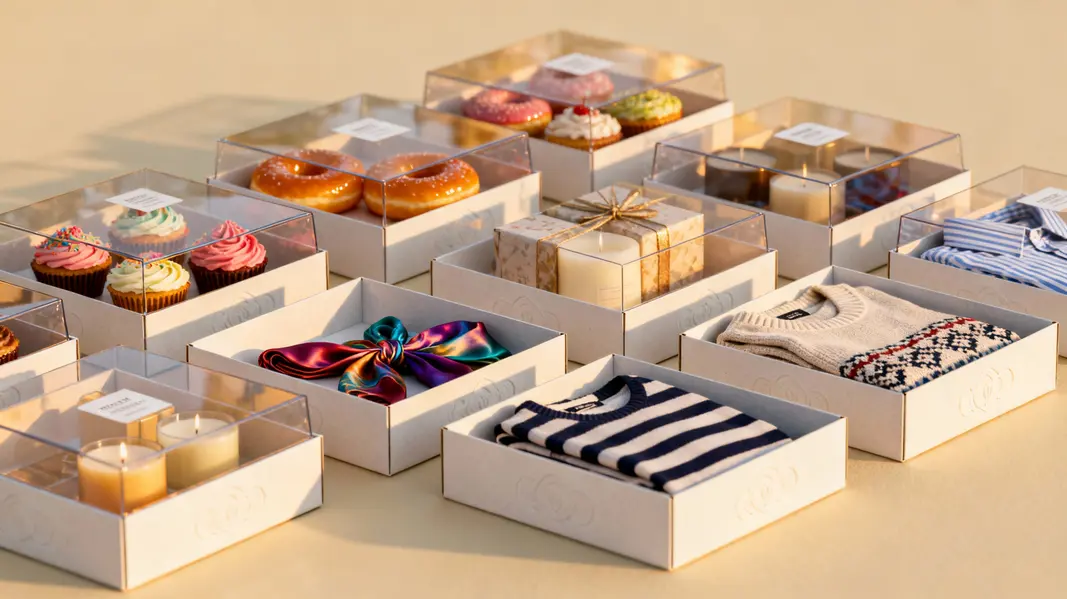
The enhanced visibility that clear lids provide also serves to elevate the overall presentation of products. Instead of a mundane box that merely holds an item, a paper box with a transparent top transforms into a mini display case. This is particularly effective in bakeries, where the artistry of cakes, cookies, and pastries can shine through. Artisans can showcase their skills, with beautiful textures, colors, and decorations on full display for potential buyers. The visual appeal driven by these boxes promotes a higher perceived quality, which can justify asking for a premium price and tap into the consumer’s desire for indulgence.
In addition to promoting aesthetic advantages, clear-lid boxes support hygiene and build trust with consumers. The ability to visually inspect products without opening the box is particularly advantageous in food retail, where customers are understandably cautious about freshness and quality. Packaging transparency reduces the likelihood of customers doubting what they are about to purchase. This not only enhances satisfaction but also aligns with consumer preferences for transparency in their food sourcing and packaging.
Within crowded retail environments, a paper box with a clear lid helps products stand out on the shelf, effectively combating the invisibility that opaque packaging faces. Customers are inherently drawn to items that they can see, as visibility acts as a visual trigger amidst the clutter of competing brands. The combination of a printed kraft or white base, possibly adorned with brand logos and vibrant graphics, alongside a clear panel creates a cohesive visual narrative that truly resonates with shoppers.
In bakery scenarios specifically, these innovations serve to quicken service times at counters. As customers can see what’s inside the boxes, they are less likely to ask questions or be indecisive. This rapid recognition aids staff in fulfilling orders more effectively, heightening overall operational efficiency. In turn, this elevates the customer experience as they enjoy quick service without compromising on choice or quality.
Beyond food, retailers in other sectors have also harnessed the power of clear-lidded boxes as display packaging for gifts, cosmetics, and accessories. The clear top eliminates the need for excessive wrapping while nurturing an appealing unboxing experience—a key aspect in today’s social media-driven market where consumers enthusiastically share their finds. This functionality aligns perfectly with growing consumer expectations around sustainability; paper boxes with clear lids made from environmentally friendly materials signal a commitment to eco-conscious practices that increasingly influence purchase decisions.
The operational advantages cannot be overstated either; these clear-lid boxes not only stack neatly and protect contents but also facilitate efficient packing and reduce errors in order fulfillment. Visibility through the lid supports staff and consumer interactions in busy retail settings, ultimately making clear-lid paper boxes a strategic asset in modern retail and bakery operations. In essence, they bridge aesthetic appeal and practical functionality, securing their role at the forefront of innovative packaging solutions.
2. Delighting Customers: The Impact of Paper Boxes with Clear Lids in Retail and Bakeries
In the realm of retail and bakeries, paper boxes with clear lids represent not just a packaging solution but a pivotal element in enhancing the overall customer experience. These boxes blend beautiful aesthetics, strategic functionality, and brand storytelling, enabling businesses to present their products in the best light while also fostering trust and satisfaction among consumers.
One of the most compelling advantages of clear-lidded paper boxes lies in their capacity for product visibility. This transparency allows customers to view the contents without needing to open the packaging, which is crucial in food retail settings such as bakeries. When faced with choices for treats like cakes, pastries, or gourmet cookies, customers can rely on their visual judgment to assess freshness and quality at a glance. The ability to see a colorful assortment of baked goods can be the difference between a mere browsing experience and an impulse purchase. In gift retail, clear lids similarly elevate the allure of products, whether it’s showcasing a beautifully arranged bouquet or revealing an intricately designed fashion accessory.
Moreover, these innovative packaging solutions significantly enhance the unboxing experience. When customers receive a product in a thoughtfully designed box with a clear lid, they encounter a blend of excitement and anticipation. This unboxing moment is essential, particularly in the era of social media where beautifully packaged items often find their way into customer feeds, amplifying brand visibility through organic sharing. The combination of opaque materials for structure and clear windows to accentuate product features not only reinforces brand identity but also makes for an elegant presentation. For bakeries aiming to convey a touch of professionalism and hygiene, disposable boxes with clear lids deliver an impression of care that consumers can feel good about. As buyers navigate the premium retail space, the inclusion of polished touches—such as textured surfaces or magnetic closures—further positions products as luxurious gifts that require no extra packaging.
Beyond aesthetics, the practical functionality of clear-lidded boxes cannot be overstated. They safeguard products during transport while allowing customers to see what lies inside. This dual role reduces the likelihood of returns and dissatisfaction, as it assures customers that they are receiving exactly what they expect. In bakeries, having easy-open features or perforated tabs adds a layer of convenience, allowing patrons to access their treats without creating a mess. Such details reflect attention to customer needs and promote a seamless purchase experience, building trust alongside brand loyalty.
The versatility of these paper boxes is also a selling point. Retailers can tailor them across a spectrum of categories, from delectable bakery items to elegant gift packaging. Customizable branding, eco-friendly materials, and engaging design elements, such as colorful crinkle paper or informative labels, allow businesses to craft unique visual narratives. This adaptability provides an opportunity for companies of all sizes to elevate their packaging approach without necessitating a comprehensive redesign. Clear lid boxes thus serve as a canvas for conveying brand quality and intention, all while maintaining a commitment to sustainability, a growing expectation among consumers today.
Ultimately, by integrating paper boxes with clear lids into their packaging strategy, retailers and bakers can significantly enhance the shopping experience. Not only do these boxes present products attractively, they also play an instrumental role in delivering service with a smile—one delicious bite at a time. Businesses keen on exploring related options can find attractive and functional solutions at the packaging site, where a variety of paper box designs can complement retail and bakery needs.
3. Enhancing Retail and Bakery Operations Through the Versatility of Clear Lid Paper Boxes
Paper boxes with clear lids are transforming the landscape of retail and bakeries by merging functionality with aesthetic appeal. These innovative packaging solutions not only serve as a protective barrier but also enhance product visibility, thereby driving consumer engagement and optimizing operational efficiency. The unique combination of a sturdy paperboard base and a transparent lid opens the door to numerous functional benefits tailored for the dynamic needs of modern retailers and bakers.
One of the most compelling advantages of paper boxes with clear lids is their ability to provide product visibility that drives sales. Shoppers in retail environments often gravitate towards items that catch their eye. The transparent lids allow potential customers to see the fresh pastries, artisanal chocolates, or beautifully arranged gift sets without the need to open the packaging. This instant access to the product reduces decision-making time, particularly effective in busy, fast-paced settings where every second counts. As a result, the vibrant colors and intricate designs become the main selling tools, promoting impulse purchases and elevating the perceived quality of the items on display.
Protection and freshness are equally critical in bakery operations. The structured paperboard base of these boxes offers substantial support, maintaining the integrity of delicate baked goods while the clear lid keeps dust and handling at bay. This packaging solution is particularly beneficial when using grease-resistant or barrier-coated materials, which manage oils and moisture effectively, thus ensuring that cakes and other baked items remain fresh and appealing. The clear view of the contents reassures customers about the quality and freshness of their purchases, enhancing their overall experience.
Operational efficiency is also enhanced through the use of these paper boxes. Staff can quickly identify contents at a glance, significantly reducing the chances of labeling mistakes and speeding up order fulfillment for pre-packed bakery items. Easy-to-assemble designs that require minimal setup are a game-changer for high-volume packing during busy periods. This efficiency allows bakeries and retail environments to focus on serving customers rather than getting bogged down with complex packaging processes.
Moreover, the clear lid paper boxes provide ample space for branding and information. Retailers and bakers can leverage the printable surfaces of the paper walls to promote their logos, list ingredients, and communicate allergens and nutritional information. Visibility of the product alongside brand messaging creates a premium, curated look, enticing customers to consider higher-priced specialty items, ultimately supporting healthier profit margins.
Customer experience is paramount, particularly in the age of social media. The unboxing experience is a crucial aspect for customers purchasing gourmet pastries or curated gift baskets. With a clear lid, shoppers can verify freshness and decorating quality before making their selections, fostering trust and minimizing returns. This transparency cultivates a sense of satisfaction that resonates with customers long after they leave the store.
In terms of practical applications, standardized box sizes assist bakers in maintaining consistent portion control and display aesthetics. These boxes stack neatly in refrigerated cases and on retail shelves, enhancing planogram compliance while leaving a visually appealing and organized storefront. The sturdiness of the paper combined with a clear lid not only facilitates transport but also enhances safety during delivery processes.
Looking to sustainability, opting for paper-based solutions with clear lids aligns with growing consumer preferences for eco-friendly packaging. This movement towards recyclable materials, when paired with clear options, broadcasts a commitment to environmental responsibility that modern consumers appreciate. Using paperboard bases that are recyclable or compostable, alongside lids made of recyclable materials, positions bakeries and retailers as conscientious contributors to sustainability.
In summary, paper boxes with clear lids are not just a packaging trend; they represent a strategic advantage for retailers and bakeries. By marrying visibility, protection, efficiency, and branding opportunities into a single product, these boxes offer a comprehensive solution that meets the multifaceted demands of today’s market.
For retailers looking for packaging options, exploring customizable solutions can enhance product visibility and brand consistency, such as those found at Cofe Cup’s Shop.
Chapter 3: Revolutionizing Displays: The Evolution of Clear-Lid Paper Boxes
1. Innovative Construction and Engineering Solutions for Clear-Lid Paper Boxes
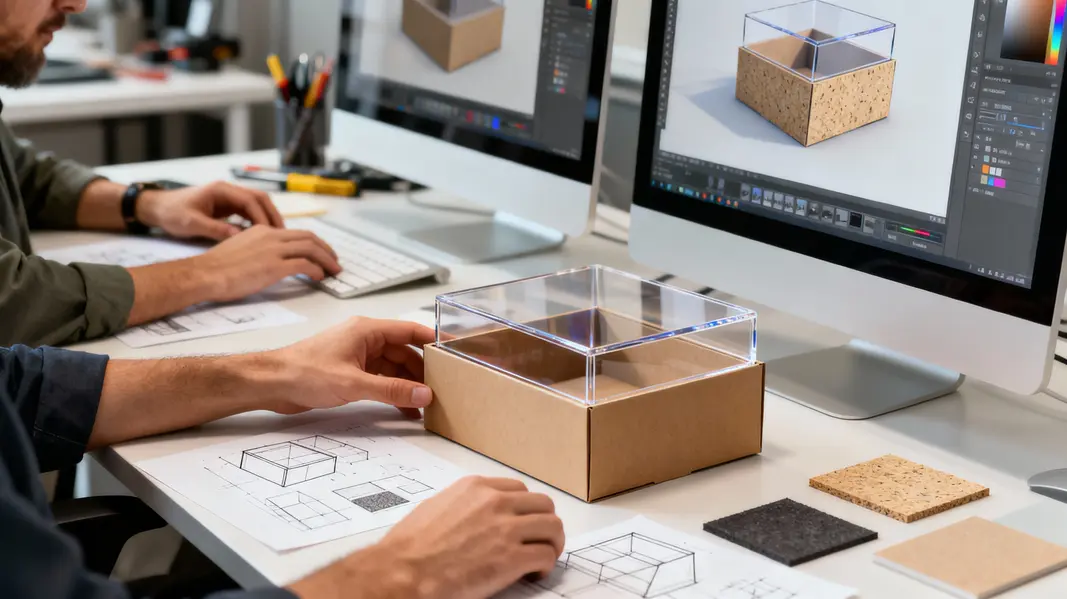
Technological advances in the design of paper boxes with clear lids have ushered in a new era that emphasizes functionality, aesthetics, and sustainability. Today’s innovative packaging solutions are characterized by hybrid construction methods and advanced engineering techniques that enhance consumer experience and operational efficiency. The integration of various materials has led to the creation of paper boxes that not only attractively display the contents but also maintain structural integrity and eco-friendliness.
Hybrid constructions featuring paperboard bases complemented by PET or PVC windows have become commonplace. This design philosophy allows for larger die-cut windows that can envelop nearly the entire panel, offering minimal barriers between the product and the consumer’s eye. With modern die-cutting technology, manufacturers can achieve precise tolerances, enabling intricate designs such as multi-window layouts that can align perfectly with the products contained within. This is especially beneficial in sectors such as cosmetics, food, and retail where product visibility significantly influences purchase behavior.
Furthermore, the rise of rigid clear-top gift boxes demonstrates a shift towards premium packaging solutions. These boxes, constructed with rigid board bases and topped with thick acrylic or PET lids, provide an elevated unboxing experience akin to that of a display case. This sophisticated design incorporates features such as magnetic closures and intricate shapes, proving indispensable for luxury products in both gifting and retail scenarios. Such innovations enhance brand recognition by presenting products attractively while ensuring they remain secure and undamaged during transportation.
The application of high-precision die-cutting systems allows for the creation of boxes tailored specifically to the dimensions of their contents. This not only improves the fit of the product but also minimizes void space, leading to a more sustainable packaging option. One notable development includes flat-packed, collapsible rigid boxes that are designed to optimize shipping logistics while being easily assembled on-location. This is a game-changer for businesses looking to reduce shipping costs while maintaining high visual appeal in-store.
The unboxing experience has also been redefined through customizable configurations, such as flip-lid, slide-out drawers, and shoulder-and-neck designs. Each configuration is carefully engineered to facilitate an engaging reveal, drawing customers into a choreographed experience that highlights the product against the backdrop of a clear lid. Integrated paper or foam inserts cure concerns around product stability and aesthetics, ensuring the items are framed perfectly behind the transparent facade, thus enhancing display quality.
Modern printing technologies significantly contribute to the sophistication of clear-lid paper boxes. Offset printing and digital printing methods allow for high-quality graphics that appeal to consumers, while UV printing introduces vibrant colors and glossy finishes that catch the eye. Additionally, advanced embellishment techniques such as localized raised varnish and textures can elevate the perceived value, focusing consumer attention seamlessly around the window areas.
When designing these boxes, contemporary packaging trends advocate for simplicity and minimalism, utilizing the clear lid for brand storytelling. Rather than overcrowding the exterior with graphics, brands are encouraged to create a clean, compelling aesthetic that brings their product to the forefront. This minimalist approach, inspired by design philosophies such as Scandinavian and Japandi styles, ensures that the product remains the star of the show.
As the market for paper boxes with clear lids continues to evolve, the commitment to sustainability, functionality, and visual impact remains at the forefront. New designs not only cater to consumer desires for accessible product displays but also reflect a conscientious approach to packaging that aligns with broader ecological goals, paving the way for a future where beauty meets sustainability in the packaging industry.
2. Analyzing the Economic Ripple Effects of Paper Box Design Innovations
The recent advancements in the design of paper boxes with clear lids have transformed not only the packaging landscape but also the broader economic dynamics surrounding various sectors. The incorporation of transparent lids enhances product visibility, which dramatically influences consumer perceptions and purchasing decisions. As brands increasingly leverage this visual appeal, we observe notable impacts on revenue and demand across various industries including cosmetics, specialty foods, and electronics accessories.
Enhanced product visibility facilitated by clear-lid boxes often leads to increased shelf appeal and brand differentiation. This elevation in product presentation allows companies to adopt premium pricing strategies, effectively raising the average sales per unit. Particularly in sectors where aesthetics matter, such as high-end cosmetics and unique culinary products, the improved presentation strengthens consumer connection and drives purchases significantly. Moreover, businesses operating in e-commerce have benefited from reduced return rates since attractive packaging plays a vital role in unboxing experiences that resonate with consumers, thereby fostering long-term brand loyalty.
However, the economic implications of these design innovations extend beyond revenue growth. The introduction of clear lids adds complexity to the cost structure of manufacturing. Multi-material packaging—where a paperboard base is combined with plastic or acetate lids—involves additional processing steps such as die-cutting and gluing, which typically translate to higher unit manufacturing costs and greater capital investment in tooling and machinery. Yet, astute companies are finding ways to mitigate these costs through design optimization techniques. By adopting right-sizing strategies and enhancing the structural integrity of their product lines, manufacturers can reduce fiber usage and streamline production processes, thus balancing the increased expenses associated with multi-material designs.
In terms of material markets, there is a clear connection between the demand for paperboard substrates used in these designs and broader economic cycles. The volume of packaging is often seen as a key indicator of retail and industrial activity; therefore, changes in the packaging requirements—like the transition to clear-lid boxes—can significantly impact the paper and cardboard markets. However, the inclusion of plastics in these designs presents recycling challenges. Packaging manufacturers are increasingly pushed toward sustainable practices, as consumers show a marked preference for recyclable or mono-material solutions. Consequently, the emphasis on designing for recyclability is shaping supply chain dynamics as companies work to align their practices with evolving consumer expectations and environmental standards.
Additionally, the push for design-centric paper boxes is reshaping inventory strategies and supply chain efficiencies. The growing consumer appetite for customized and uniquely designed packaging leads to shorter production runs tailored to specific market needs. Although this can heighten inventory carrying costs and forecasting risks, it also allows brands to implement just-in-time manufacturing approaches that enhance profitability.
On a competitive front, design innovation serves as a critical differentiator in market positioning. Major players within the industry are leveraging these unique packaging solutions to secure long-term contracts and elevate their market presence. By shifting from traditional packaging to paper boxes with clear lids, brands are not only advancing their product appeal but are also encouraging industry-wide changes—prompting other companies to rethink their packaging materials and manufacturing routes in response to changing consumer preferences.
In summary, the economic impacts of design innovations in paper boxes with clear lids are profound and multifaceted. From revenue boons and cost structures to supply chain adjustments and competitive positioning, companies that adapt to these changes will likely enhance their market viability as consumer preferences continue to evolve. Retailers that capitalize on the marriage of aesthetics and functionality in their packaging strategies will find themselves at the forefront of this dynamic market landscape.
3. Understanding Consumer Sentiments Towards Innovations in Clear-Lidded Paper Packaging
The societal perception of paper boxes with clear lids represents a fascinating intersection of environmental sustainability and consumer preferences. As environmental consciousness grows among shoppers, the innovative use of materials—such as kraft paper combined with clear lids made from biodegradable PLA—has begun to gain traction. This transition is particularly notable in the food sector, where product visibility is paramount. However, despite a notable percentage of consumers—up to 60%—expressing novelty appeal for such designs, practical concerns continue to challenge broader adoption. The complexity of consumer emotions around texture and functionality often counterbalances their sustainability inclinations. For instance, while a healthy salad presented in an eco-friendly kraft box with a clear lid offers a desirable view of fresh ingredients, approximately 30-40% of consumers still find the tactile experience of these materials unappealing.
Critical to understanding this acceptance is the concept of visual sustainability perception. Packaging innovations that successfully convey eco-friendly credentials—through materials like paper alongside appealing design features—tend to elicit positive responses. This provides manufacturers with the opportunity to tap into eco-conscious markets effectively, yet practical usability must accompany these visual cues. Notably, in salad packaging, the phenomenon known as the “air space” perception problem impacts consumer experiences directly. The fact that leafy greens may compress under the lid can lead to a perception of reduced product value; containers appear less full, which undermines perceived worth, even if the actual quality and quantity remain unchanged.
The dynamics differ significantly in premium segments, where acceptance of innovations flourishes. The incorporation of artistry and craftsmanship into packaging can elevate the consumer experience. Take, for example, luxury boxes like the Qeelin Bridal Box. By merging fully recyclable cotton paper with a lacquer finish that reflects cultural craftsmanship, manufacturers position their products as elevated experiences, rather than mere boxes for storage. Similarly, the TCO Tea Canister transforms ordinary packaging into collectible pieces, leveraging high-definition printing techniques that intrigue customers who seek not only functionality but a narrative woven into their preserve. Such strategies underline an essential idea: when paper boxes with clear lids are framed as heritage objects or premium experiences, they gain traction in consumers’ preferences.
As we navigate the complexities of the retail environment projected for 2026, it becomes increasingly evident that the success of these packaging innovations hinges on aligning with shopper psychology and retailer strategy. Brands that prioritize insights-driven design, that reach beyond traditional demographics and tap into desires around conversion power and shelf positioning, will create pathways for successful market entry. Contributions from regulatory pressure and evolving retailer expectations on sustainability further drive demand for renewable materials, fostering a landscape ripe for paper-based innovations. In this dynamic realm, the challenge lies in balancing ecological benefits with consumer satisfaction—understanding that every detail, from visual appeal to tactile experience, significantly influences acceptance. As this interplay unfolds, industry stakeholders must remain agile, adapting to preferences that are shaped not only by practicality but also by underlying currents of consumer sentiment.
For those seeking sustainable packaging solutions, exploring options like customizable kraft paper boxes with clear lids could serve as an advantageous step towards marrying functionality with ecological responsibility. Discover packaging options here.
Chapter 4: The Green Revolution of Paper Box Solutions: Harnessing Renewable Resources
1. The Ecological Benefits of Paper Base Composition in Clear-Lidded Packaging
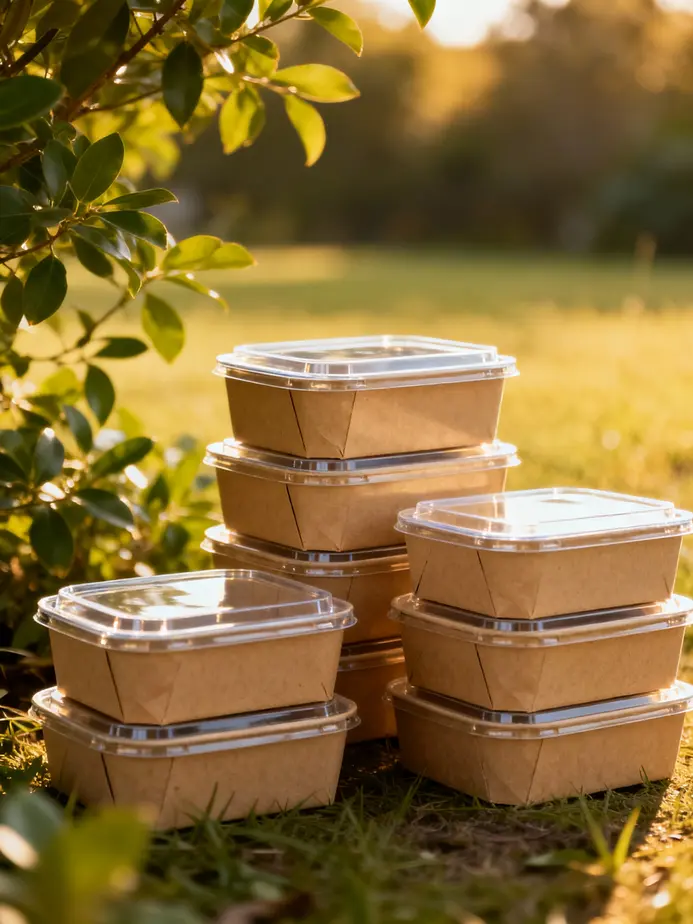
The emergence of the paper box with a clear lid signifies a pivotal shift towards sustainable packaging solutions that embody both functionality and ecological responsibility. Central to this innovation is the paper base, typically crafted from kraft paper, known for its durability and environmental friendliness. This material is derived from renewable resources, distinctly setting it apart from the petroleum-based plastics that have dominated the packaging market for decades. By using a paperboard base, manufacturers can offer a product that not only serves its protective role effectively but also aligns with the growing consumer demand for sustainable options.
The biodegradability and recyclability of kraft paper is a significant feature of these boxes. Unlike conventional plastic containers that can remain in landfills for centuries, the paper used in these boxes can break down naturally within a few months. This inherent quality supports a circular economy, as the material can re-enter production cycles, reducing the degradation of our environment. Major packaging producers, such as Smurfit Westrock, exemplify this approach by utilizing approximately 14 million tons of recovered fiber annually. Not only do these practices help mitigate waste, but they also reduce overall carbon emissions associated with packaging production, as paper manufacturing typically requires less energy and water compared to plastic processing.
In terms of environmental impact, the advantages are multifaceted. The shift towards paper-based packaging solutions is pivotal in combatting the pressing issue of plastic pollution. Companies like Greif are proactively setting ambitious targets, such as achieving zero-waste to landfills across their production facilities, demonstrating that the transition to more sustainable packaging is feasible. For instance, a focus on recycling, composting, and reducing waste not only benefits the environment but can also bolster a company’s brand image in the eyes of increasingly eco-conscious consumers.
Moreover, the clear lid component often utilizes materials like PLA (polylactic acid), made from renewable plant sources. This innovation further enhances the sustainability of the entire packaging solution. When both the paper base and lid are sourced from sustainable practices, businesses can boast a truly comprehensive eco-friendly packaging system. This alignment with sustainable forestry practices, such as those upheld by the Forest Stewardship Council (FSC) and the Programme for the Endorsement of Forest Certification (PEFC), ensures that biodiversity is protected while promoting responsible forest management.
Incorporating such environmentally friendly practices is not merely a trend; it is becoming a standard expectation among consumers. The growing preference for brands that demonstrate a commitment to sustainability adds a market-driven incentive for businesses to adopt these eco-friendly packaging solutions. Companies that actively engage in promoting their sustainable practices may find themselves at a competitive advantage.
In conclusion, the ecological benefits of using paper bases in clear-lidded boxes offer a compelling argument for their increased adoption across various industries. By emphasizing the renewable and recyclable nature of these materials, businesses can meet customer expectations while contributing to a healthier planet. As we continue to navigate a world increasingly focused on sustainability, the paper box with a clear lid stands out as a beacon of environmentally conscious packaging innovation. For further insights into relevant sustainable packaging options, visit customized kraft paper box for food.
2. Evaluating the Recycling Dynamics of Clear Lids in Paper Box Systems
The integration of clear lids into paper boxes represents a dual-edged sword in the quest for sustainability. These lids, often crafted from various plastic materials, have the potential to significantly shape the recyclability of the packaging they adorn. Understanding how the clear lids affect recyclability entails examining factors such as the materials used, the methods of attachment to the paper base, and the clarity of labeling for disposal.
A primary issue with paper-plastic combinations like these is their performance in recycling scenarios. Traditionally, paper mills and materials recovery facilities (MRFs) are designed to process only clean, fiber-only substrates. When a paper box includes a plastic lid, complexities arise. For instance, a lid that is firmly glued or laminated can render the entire packaging as contaminated, leading to rejection from recycling streams or relegation to downcycling. Conversely, if the clear lid is detachably affixed—such as in the case of a snap-on design—it can allow for the separation of materials at the recycling stage: the paper components can be sent to the paper recycling stream while the plastic lid can be collected separately, provided local facilities accept the specific polymer.
The materials chosen for clear lids further inform the sustainability narrative. Conventional plastics such as PET (polyethylene terephthalate) or PS (polystyrene) are common choices due to their transparency and rigidity. These materials are theoretically recyclable; however, their attachment method is pivotal. Using heat-sealed films or adhesives complicates mechanical separation, a process that paper mills disfavor. The growing emphasis on Extended Producer Responsibility (EPR) programs has led to scrutiny of multi-material formats, incentivizing designs that favor simplicity and broad recyclability.
On another front, some manufacturers are exploring bio-based plastics, such as PLA (polylactic acid), for use in clear lids. While these materials are designed for industrial composting and offer an appealing alternative to traditional plastics, when affixed to paper boxes, they can contaminate recycling streams similarly to their conventional counterparts. This requires clear guidance on disposal for consumers, as compostable lids shouldn’t enter standard recycling but rather need to be directed to commercial compost facilities. Unfortunately, lacking proper composting infrastructure in many locales may lead to significant waste mismanagement.
To enhance the sustainability of paper boxes with clear lids, strategic design choices can play a crucial role. Firstly, prioritizing mono-material paper constructions where possible can remove the complications associated with mixed-materials. In situations where visibility is paramount, utilizing high-graphic or die-cut paperboard is a sustainable alternative to clear plastics. Furthermore, if a clear lid is necessary, designers should opt for models that allow easy separation and clearly label the recyclability of each component—ensuring that users understand to recycle the paper with paper and the plastic where accepted. This labeling is vital not only for consumer understanding but also in alignment with EPR policies that are increasingly penalizing complex packaging.
Additionally, reducing complexity in packaging design mitigates recycling contamination risks, fostering a smoother path toward reuse and recycling. As stakeholders in the packaging ecosystem increasingly recognize that sustainability and recyclability go hand in hand, incorporating simplified designs can equip brands with an advantage in adapting to evolving consumer preferences and regulatory landscapes.
As demonstrated, the approach to clear lids in paper box solutions reveals much about our progress and challenges in achieving sustainable packaging systems. The design flexibility offered by modern packaging technologies calls for a conscientious effort towards achieving viable recycling outcomes, maximizing the use of recyclable materials while minimizing waste across the product lifecycle. For further insights into sustainable packaging innovations, one can explore advanced resources like the evolving approaches to bio-based packaging options that are leading the industry forward (Cofe Cup).
3. Redefining Transparency: Sustainable Clear Lid Alternatives for Eco-Conscious Brands
In the quest for sustainability, many brands using paper boxes with clear lids are discovering the transformative potential of alternatives to traditional plastic materials. As the industry grapples with the environmental ramifications of fossil-based clear lids, the shift towards compostable and bio-based plastics, as well as innovative paper-based options, signals a promising future for eco-conscious packaging. The transition is more than just a trend; it embodies a deep commitment to sustainable practices that align with consumer expectations and environmental needs.
The Limitations of Traditional Clear Lids
Traditionally, clear lids for paper boxes are crafted from PET (polyethylene terephthalate) or PP (polypropylene). These plastics, derived from fossil fuels, pose significant challenges in sustainable waste management. Firstly, they are notoriously difficult to recycle when combined with paperboard bases, often leading to mixed-material packaging that ends up in landfills or incinerators instead of being properly recycled. Moreover, the presence of plastic lids in otherwise compostable packaging prevents entire packs from being composted, undermining the environmental benefits of using a paper base. This scenario compels brands to explore and implement more sustainable material options that can contribute positively to the circular economy.
Compostable Plastic Alternatives: PLA
Among the frontrunners in sustainable clear lid development is PLA (polylactic acid), a compostable bio-based plastic made primarily from plant materials such as corn or sugarcane. PLA lids preserve the visual clarity and structural integrity of traditional plastic while offering a more environmentally friendly end-of-life option. Certified for industrial composting, PLA lids can break down under the right conditions, allowing brands to align their products with sustainable disposal routes.
While PLA offers significant advantages, it is not without limitations. Most notably, PLA lids can distort under high temperatures, making them less suitable for hot food applications. Additionally, the positive environmental impact of PLA hinges on availability and access to industrial composting facilities. Without clear consumer disposal instructions and proper infrastructure, the benefits of using PLA can quickly diminish—demonstrating the importance of education in consumer markets.
Emerging Bio-Based Alternatives: PHA
PHA (polyhydroxyalkanoates) represents another promising avenue within the realm of compostable clear packaging. Although still largely in research and early market stages, PHA materials show potential for biodegradation in both natural environments and industrial compost systems. Unlike PLA, PHA can often handle a broader temperature range, making it suitable for various applications. However, the higher production costs and limited commercial availability currently confine its use to niche markets, appealing primarily to premium brands that prioritize sustainability.
Plastic-Free Innovations: Cellulose and Paper-Based Solutions
For brands committed to going entirely plastic-free, advances in cellulose-based films and specially treated paperboard have opened new avenues of possibility. These materials can offer barrier properties without relying on conventional plastics, making them compostable and recyclable. Some innovative designs feature paperboard bases combined with transparent cellulose windows, allowing for product visibility while maintaining an eco-friendly profile. These products not only enhance brand reputation but also resonate with a growing consumer base that prioritizes sustainability across all purchase decisions.
As the packaging landscape evolves, a range of sustainable clear lid alternatives emerges, each with unique benefits and challenges. By empowering brands to choose materials like PLA, PHA, or innovative paper solutions, the industry forges a path towards responsible sustainability in packaging. This evolution not only complies with environmental standards but also reinforces a brand’s commitment to a healthier planet, energizing consumers who are increasingly discerning about their purchasing choices. To explore various eco-friendly packaging solutions, consider checking out innovative designs from trusted suppliers.
Chapter 5: Navigating the Economics of Paper Boxes with Clear Lids: Unraveling Cost Influencers and Market Dynamics
1. Understanding the Financial Landscape of Paper Boxes with Clear Lids: Key Cost Drivers and Their Impact
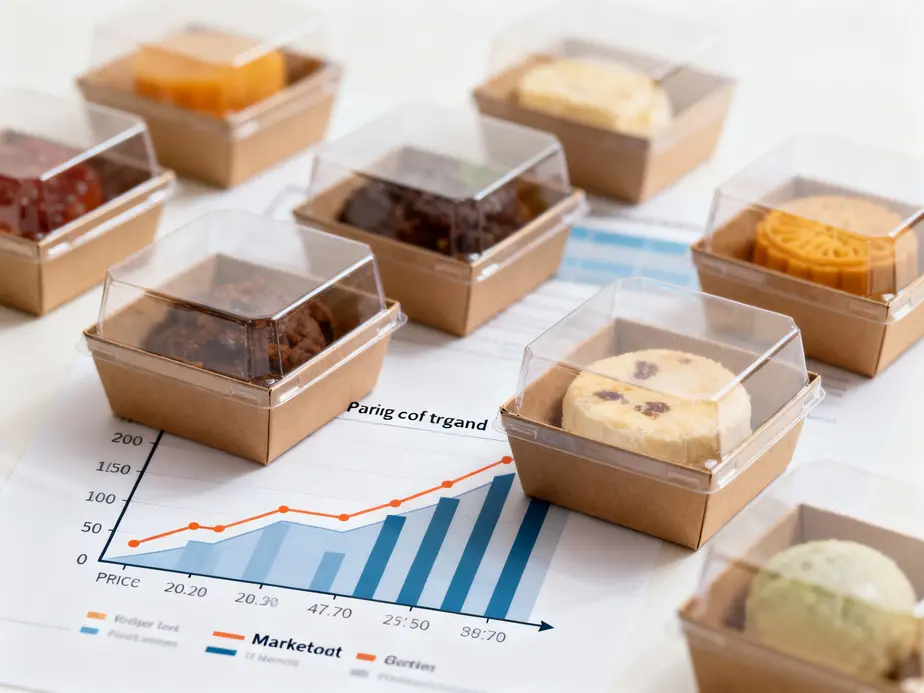
The economics surrounding paper boxes with clear lids are multifaceted, driven by various interconnected factors that influence production costs and ultimately, retail prices. At their core, these packaging solutions combine the functionality of a sturdy paperboard base with the appealing transparency of a clear plastic or acetate lid. This creates an engaging presentation for products ranging from bakery items to gifts. However, understanding the cost structure behind these items demands a closer examination of specific cost drivers.
One of the primary factors influencing the pricing of paper boxes with clear lids is the substrate, or paperboard, cost. Paper and paperboard have long been considered cost-effective packaging materials, but their prices are subject to fluctuations due to capacity reductions and shifts in demand. For instance, the heightened consumption of paperboard in the food and e-commerce sectors has pushed prices up, especially for corrugated and carton grades. Furthermore, there is an increasing preference for virgin fiberboard for premium applications, adding a layer of expense for higher-quality paper boxes intended for food-safe or presentation purposes.
Next, the clear window material used in these boxes plays a significant role in overall cost. Typically made from PET or other plastics, the choice of material is becoming increasingly scrutinized due to regulatory pressures and shifting consumer attitudes towards sustainability. In response, many businesses are exploring recyclable or compostable options, which often carry a higher price tag than traditional fossil-based plastics. As brands strive to meet sustainability standards, this shift towards bio-plastics could lead to a tangible increase in manufacturing costs, thus affecting retail prices.
The sophistication of printing, finishing, and design further complicates cost dynamics. As businesses seek to enhance brand visibility and packaging aesthetics, investments in premium printing techniques, intricate designs, and customizations are becoming the norm. This trend towards personalization raises costs not just in materials, but also in labor and production time, as these features typically require additional processing steps and careful attention to detail.
Labor costs, particularly in regions experiencing workforce shortages or wage increases, add another layer of financial consideration. The assembly of clear-window boxes is more labor-intensive compared to plain cartons, necessitating specialized skills for tasks like precise window die-cutting and gluing, which compounds manufacturing expenses. In tight labor markets, these costs can escalate, further impacting the overall price of the product.
Compliance with increasing regulations on sustainability, including Extended Producer Responsibility (EPR) fees, is also reshaping the cost landscape. The right design choices can result in reduced EPR costs, as products deemed more recyclable often benefit from lower fees. However, the presence of complex multi-material components can impose additional financial burdens on manufacturers, leading companies to rethink their designs to accommodate regulatory frameworks, which often results in higher upfront costs.
Lastly, the logistics of producing and distributing these boxes cannot be ignored. Economic factors such as volatile energy prices and transportation costs influence overall pricing. The lightweight nature of paper boxes may lead to higher freight costs per unit volume, especially for assembled products. Conversely, flat-packed packaging options remain a cost-effective strategy for shipping and storage, presenting a balancing act for companies aiming to minimize logistics expenses while meeting consumer demands.
The intersection of these factors creates a nuanced ecosystem that businesses must navigate. As demand for paper boxes with clear lids continues to grow, understanding these cost drivers and their implications for pricing strategies becomes essential. Companies must remain adaptive, leveraging innovation and sustainability to mitigate costs and remain competitive in an increasingly environmentally conscious marketplace. For those seeking high-quality options, products like the customizable kraft paper box with a clear lid are readily available, providing the ideal blend of functionality and presentation.
2. Exploring Growth Trends and Economic Drivers in the Paper Box Market
The paper box market, featuring innovative designs such as boxes with clear lids, is set to experience significant growth driven by a convergence of consumer preferences and market forces. The paperboard cold chain cartons market notably encapsulates this trend, projected to soar from USD 740 million in 2026 to an impressive USD 1.88 billion by 2036, showcasing a phenomenal compound annual growth rate (CAGR) of 9.8%. This trajectory stands in stark contrast to the overall packaging market, which is expanding at a more modest CAGR of 3.16%. Such disparities highlight a robust appetite for packaging solutions that not only meet aesthetic and functional needs but also align with sustainability mandates.
The market drivers propelling this sector’s growth are multi-faceted. The dominance of paper-based packaging is fueled predominantly by sustainability concerns. As more consumers advocate for environmentally friendly solutions, businesses are pivoting towards recyclable materials, with paper and paperboard recognized as cost-effective options. Their inherent qualities—being cheaper to produce compared to metals, glass, or plastic—also amplify their attractiveness for manufacturers. Additionally, as manufacturing processes evolve, the barriers to utilizing paper-based materials diminish, further bolstering their appeal in the marketplace.
Another key growth signal comes from the rapid expansion of e-commerce. The surge in online retail has catalyzed the demand for corrugated boxes and protective paper packaging designed to safeguard products during transit. This evolution underscores the necessity for paper box manufacturers to adapt swiftly to the packaging requirements of e-commerce businesses, which necessitate sturdy, reliable boxes that maintain product integrity. The surge in this sector undeniably offers a lucrative opportunity for manufacturers offering customized solutions that incorporate visibility through clear lids, enhancing consumer experience by showcasing products while ensuring their safety.
Legislative frameworks further underpin the shift to paper-based packaging. Governments across the globe are enacting policies aimed at reducing plastic waste, instituting bans on single-use plastics. These measures significantly bolster the competitive position of paper packaging, including paper boxes with clear lids. As businesses and consumers alike respond proactively to these regulations, demand for sustainable packaging materials is expected to intensify.
The food industry’s ardent demand for reliable packaging solutions represents another pivotal driver. Here, kraft paper boxes with clear lids stand out for their dual functionality—providing excellent protection while allowing consumers to view the contents. This quality positions them as ideal options for take-out containers, offering not just practicality but also a means for food service establishments to enhance their presentation aesthetic.
From a financial perspective, firms operating in the food sector can maximize savings through bulk purchasing of wholesale kraft paper boxes. By procuring these boxes in large quantities, businesses significantly lower per-unit costs, ensuring a reliable supply chain vital for restaurants, cafes, and food production units. The robust structure of kraft paper boxes allows for safe stacking without compromising the quality, a critical factor for businesses aiming to optimize storage and shipping efficiency.
Regional trends further illustrate the vibrancy of the paper box market; the Asia-Pacific region leads the global packaging sector, with expectations for North America to witness significant advancements as well. The food and beverage industry remains the primary consumer of these eco-friendly packaging solutions, safeguarding its central role in the market spectrum.
Overall, the promising growth of paper boxes with clear lids is characterized by an alignment of market trends, environmental awareness, and consumer preferences. Manufacturers, suppliers, and businesses can effectively tap into this growing market by embracing innovation, sustainability, and adaptability in their packaging solutions, creating opportunities for economic advancement and consumer satisfaction.
3. Emerging Dynamics for 2025–2026: Cost, Sustainability, and Design in Paper Boxes with Clear Lids
As we look towards 2025–2026, the market for paper boxes with clear lids portrays a dynamic landscape characterized by the interplay of cost fluctuations, evolving consumer expectations for sustainability, and aesthetic shifts in design. These packaging solutions, particularly favored for their usability in retail, gift-giving, and food service, are set to adapt significantly in response to several key trends.
One of the foremost trends contributing to changes in the pricing of paper boxes with clear lids is the volatility of input costs associated with paperboard and clear plastics. The global paper packaging market is projected to be marked by uneven demand, regional oversupply in certain grades of boxboard, and sensitivity to the complexities of energy and pulp prices. As a result, businesses may observe both discounted pricing during periods of low demand and upward pressure on prices when market conditions improve. Such pricing nuances underscore the necessity for manufacturers to remain agile in sourcing materials, carefully navigating market fluctuations often linked with broader economic trends.
Clear lids, predominantly crafted from PET or similar plastics, introduce another layer of complexity regarding cost management. PET prices are notoriously tied to oil prices, recycling economics, and regional production capacities—each factor potentially triggering rapid changes in material costs with little notice. Therefore, suppliers that can anticipate and adapt to these cost fluctuations will be better positioned to maintain profitability while providing value to consumers. Notably, a growing preference for mono-material paper solutions that feature either all-paper structures or paper complemented with biodegradable coatings is emerging as brands seek to diminish their reliance on plastic. This shift fosters a new paradigm where packaging solutions that omit or significantly reduce plastic content may not only stabilize costs but also resonate with eco-conscious consumers.
Integral to the demand for these packaging solutions is the overarching trend of sustainability, which has shifted from being a mere preference to an expectation among a vast majority of businesses and consumers. Recent surveys indicate that 80–90% of consumers now prioritize sustainable packaging, often willing to pay premiums for eco-friendly options. This shift aligns seamlessly with the rising trend of “paperization,” where brands gravitate toward innovations such as paperboard solutions paired with eco-friendly coatings. Packaging designs that intelligently reduce plastic usage while still offering visibility through clear lids stand to capture renewed interest in 2025–2026. Furthermore, as regulations surrounding recyclability tighten, particularly within the European Union, there is increased focus on ensuring that packaging designs allow for separation of materials and that paper boxes utilize recyclable mono-material frameworks to conform to these new standards.
In terms of aesthetics, the market is gravitating toward minimalistic design principles, with trends favoring simple, clean structures and muted color palettes. This move away from intricate packaging reflects a broader consumer desire for authenticity and clarity, amplifying the need for packaging solutions that deliver on visual appeal while remaining functional. Additionally, the unboxing experience remains pivotal for e-commerce sales. Clear-lid paper boxes provide customers instant visibility of products while facilitating an engaging opening moment that enhances perceived value.
As we proceed through 2025 and into 2026, it is clear that the interplay of cost management, sustainability imperatives, and design innovation will fundamentally shape the market dynamics for paper boxes with clear lids. By adapting to these trends, stakeholders in the packaging industry can ensure their offerings not only meet market demands but also contribute to sustainable practices that are increasingly crucial to consumer loyalty and brand success. For those looking to explore customizable options for food and retail packaging, popular solutions can be found at suppliers dedicated to meeting these emerging needs.
Final thoughts
The paper box with a clear lid is more than just a packaging solution; it is a strategic asset that enhances product visibility, promotes brand identity, and meets the demands of eco-conscious consumers. Understanding the material composition, embracing innovative design, recognizing varied applications, and acknowledging market trends can empower business owners to make informed decisions that align with their branding strategies. As the market continues to evolve, those who adapt and innovate in their packaging choices will undoubtedly see enhanced customer engagement and satisfaction.
Choose our reliable disposable tableware and packaging solutions for your business. We offer quality products that meet safety standards, with fast delivery and flexible options. Partner with us today to elevate your service – contact our team now for a tailored quote!
About us
We specialize in manufacturing and supplying disposable tableware, packaging paper, and boxes. With years of experience, we prioritize safety, durability, and eco-friendly practices. Our goal is to provide businesses with trusted, cost-effective solutions backed by responsive customer support.