
Introduction
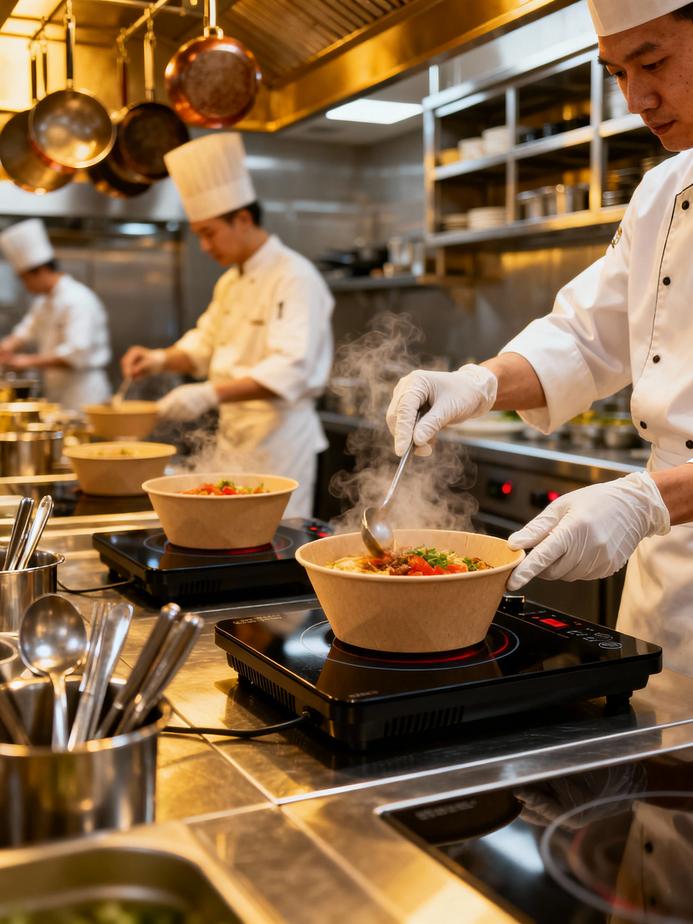
In the competitive landscape of food service, the need for efficiency and innovation is paramount. Induction paper bowls have emerged as a key player, revolutionizing how food is prepared and served. These specialized disposable containers, equipped with a metal or induction-reactive layer, allow food to be directly heated on induction cookers, streamlining operations for businesses. This article delves deep into the innovations behind induction paper bowls, their diverse applications in the food service industry, the economic impacts they bring, and the challenges and future prospects they face. Each chapter will build upon the last, providing a comprehensive understanding of how these ingenious products can elevate food service operations.
Tables of Contents
Chapter 1: Revolutionizing Food Service: The Future of Induction Paper Bowl Technology
- Harnessing Cutting-Edge Innovations: The Structural and Functional Design of Induction-Ready Paper Bowls
- Transformative Dynamics of Induction Paper Bowls: Economic Growth and Sustainable Practices
Chapter 2: Exploring the Versatile Role of Induction Paper Bowls in Modern Food Service
- Transforming Takeaway and Delivery: The Impact of Induction Paper Bowls
- Catering and Event Services: The Advantages of Induction Paper Bowls
Chapter 3: Revolutionizing Food Service: The Economic and Environmental Advantages of Induction Paper Bowls
- Transformative Technology: The Economic and Operational Benefits of Induction Paper Bowls in Modern Food Service
- Embracing Sustainability: The Economic Advantages of Induction Paper Bowls in Modern Food Service
Chapter 4: Navigating the Complexities of Induction Paper Bowl Development
- Overcoming Technical Hurdles in the Evolution of Induction Paper Bowls
- Balancing Compliance and Safety: The Regulatory Landscape for Induction-Ready Paper Bowls
Chapter 1: Revolutionizing Food Service: The Future of Induction Paper Bowl Technology
1. Harnessing Cutting-Edge Innovations: The Structural and Functional Design of Induction-Ready Paper Bowls
The evolution of induction paper bowls encapsulates the pinnacle of material science and food technology, merging disparate fields to create a product uniquely suited for modern food service demands. This innovation highlights a remarkable ability to maintain the ecological advantages associated with paper products, while simultaneously embedding features that enable efficiency and convenience, particularly with induction heating technology. The design of these bowls is both ingenious and multifaceted, oriented towards enhancing the user experience without compromising sustainability.
The Meticulous Architecture of Induction Paper Bowls
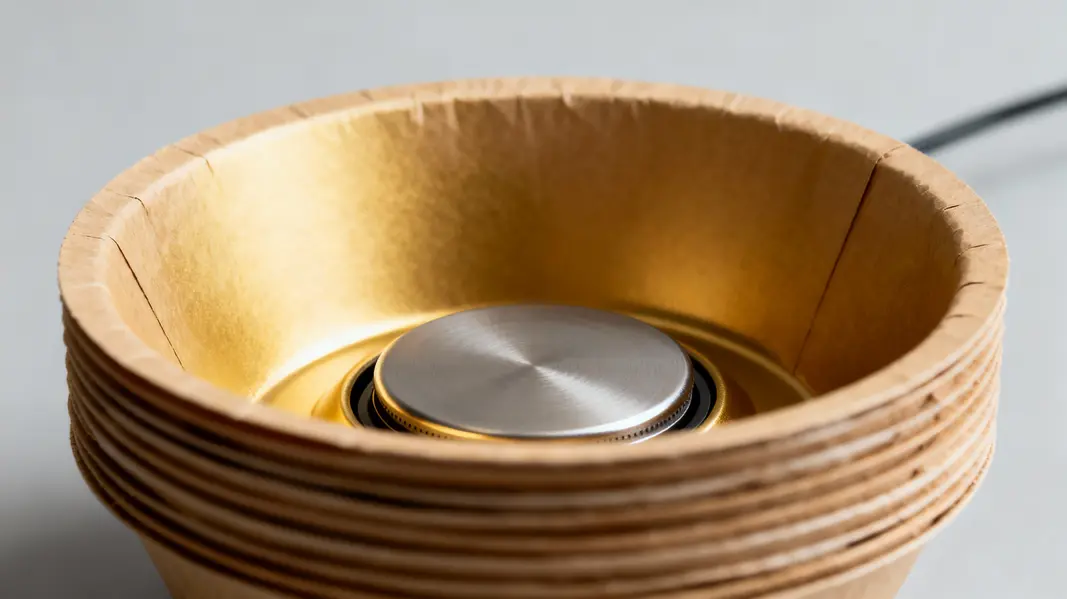
At the heart of the induction paper bowl system is a cleverly engineered structure that transforms a simple disposable bowl into a highly functional cooking vessel. Key to its innovation is the integration of an induction-active base layer, primarily composed of a metal component that interacts with induction cooktops. This layer can include various elements such as aluminum foil, steel foil, or even advanced printed conductive inks based on metal nanoparticles or carbon. Such design allows these bowls to generate heat directly when placed on compatible induction heating surfaces, offering unique advantages for quick-service operations and automated vending systems.
Structurally, these bowls mirror traditional paper containers, featuring multiple layers designed with specific functions. Starting from the interior, the food-contact layer, often made from biodegradable materials like PLA or PBAT blends, ensures resilience against moisture and grease—critical for culinary applications involving soups and noodles. This inner layer complies with food safety standards, necessary for safeguarding public health, allowing it to comfortably endure temperatures typically ranging from 100 to 120 °C.
Moving to the paperboard substrate, which is typically composed of either bleached or unbleached kraft paper, it provides stiffness and dimensional stability. This layer is essential for maintaining structural integrity under varying conditions, particularly heat and humidity predominant during food handling and consumption. Reinforced designs, often incorporating rim support and multiple winding layers, enhance the bowl’s ability to hold up against the accessibility demands of rapid food service.
The induction-active layer represents a game-changing element in bowl design, seamlessly fitting into the arrangement while optimizing the heating process. Innovative strategies have been explored, including localized heating through a disk or ring at the bowl’s base. This focused heating option minimizes metal usage, preserving most of the bowl’s surface for compostable materials, effectively reducing environmental impact, which is a growing interest among consumers and service operators alike. Emerging options also feature printed conductive patterns that can selectively manage heating to enhance food preparation precision, preventing issues such as scorching rims or overheating zones that could challenge user safety and enjoyment.
Finally, the outer printable layer serves dual purposes: promoting brand identity through high-quality printing and providing instructions for safe use. This layer can be specially coated to increase scuff resistance and enhance the visual appeal of the bowl, showcasing the restaurant or food brand while ensuring the bowl remains functional in various serving environments, whether heated in an induction cooker or presented cold.
Advancements in Induction Heating Integration
The integration of induction heating features into these paper bowls marks a significant shift in convenience and efficiency in food service. With the capacity to place these bowls directly onto induction cookers, operators save precious time and resources that would otherwise be spent transferring food to other containers. The design of induction paper bowls is tailored towards compatibility with existing domestic and commercial induction cooking equipment, ensuring a broad usability spectrum across various kitchen environments.
Innovative strategies such as a base-only induction zone, featuring a laminated metal layer or specialized coatings, allow chefs to heat meals without reservation about bowl integrity. Hybrid bowls combine the robust functional characteristics of metal at the base while preserving a paper aesthetic and compostable qualities in the bowl’s walls. The adoption of printed conductive circuits in initial design prototypes further illustrates the potential for reducing resource consumption whilst enhancing the versatility of these containers.
Coatings and their Multifunctional Role
One cannot overlook the significance of functional coatings designed for induction paper bowls, which offer multifactorial benefits. These coatings not only act as barriers against greasy and watery contents but also enhance the adhesion between layers, contributing to the overall thermal management of the bowl during the cooking process. Biobased materials like PLA and starch blends provide the necessary resistance to liquids and are integral in maintaining the bowl’s shape under heat.
Active heating support through these coatings is designed to ensure safety as well as performance, creating a bowl that is not only efficient for cooking but also friendly to the environment, reflecting a growing consumer demand for sustainable packaging options. The versatility of such coatings broadens as manufacturers work to integrate them with induction features effectively, setting a challenging yet rewarding path ahead for design engineers and food service innovators.
In summary, the advancements in the design and functionality of induction paper bowls are not just remarkable feats of engineering; they represent a crucial step towards optimizing food service operations while addressing ecological concerns. As these innovations continue to develop, we may witness an impressive transformation in how food is prepared, consumed, and perceived, paving the way for a more efficient and sustainable culinary future. For those interested in exploring practical applications or customizable options in takeaway packaging solutions, manufacturers offer various sustainable products that can complement modern quick-service food operations seamlessly.
2. Transformative Dynamics of Induction Paper Bowls: Economic Growth and Sustainable Practices
The introduction of induction paper bowls has elicited profound changes in both economic systems and social behaviors surrounding food service and packaging. These bowls, designed to be used directly on induction cookers, represent a marriage of convenience and sustainability that is reshaping the landscape of the fast food industry. By significantly enhancing the usability and function of disposable containers, induction paper bowls usher in a new era for operational efficiency while aligning closely with eco-friendly trends that today’s consumers demand.
Unlike traditional disposable bowls that are commonly made from plastic or foam, these innovative vessels leverage fiber-based materials, often enhanced with PLA (polylactic acid) or other bio-coatings, integrating ferromagnetic layers that facilitate rapid heating. This technological advancement not only allows for direct cooking in the bowl but also aligns with the growing market demand for sustainable packaging solutions.
Economic Advantages
The economic impacts of these induction-friendly paper bowls can be observed across various dimensions of manufacturing, distribution, and the food service industry at large.
1. Manufacturers and Supply Chain Initiatives
New Product Development and Market Positioning: Manufacturers are seizing the unique opportunities presented by induction paper bowls to develop diverse product lines that highlight both functionality and sustainability. Firms are rebranding their offerings as “premium” food packaging solutions that cater to eco-conscious consumers. This repositioning, as seen in companies like Dayu Paper & Plastic Products, isn’t merely about product utility; it’s about aligning business models with the values of modern consumers who prioritize sustainability. By blending practicality and eco-friendliness, these new bowl designs enhance the perceived value of food packaging—transforming a cost center into a strategic asset for branding and marketing.
Technology Investment and Adaptation: The transition towards induction-compatible products necessitates significant investments in advanced manufacturing techniques. Companies are upgrading machinery for printing, lamination, and forming, allowing customization that was previously unattainable with traditional materials. This investment goes beyond operational efficiency; it fosters a higher standard of quality and safety in food packaging, helping to ensure compliance with health regulations while also promoting a cleaner environment.
2. Restaurant Operations and Customer Engagement
Operational Efficiency Transformations: For restaurants and cloud kitchens, utilizing induction paper bowls markedly streamlines operations. By enabling heating and serving in one step, the process reduces handling time, minimizes the need for dishwashing, and enhances throughput, critical for establishments that rely on fast service delivery. The resilience of these bowls against heat ensures they maintain structural integrity, presenting a safe and appealing dining option for customers across various food delivery settings.
Regulatory Compliance and Reputation Management: As governments tighten regulations on single-use plastics, adoption of induction paper bowls offers a pathway to compliance without sacrificing convenience. Restaurants leveraging these bowls are positioning themselves as leaders in adopting sustainable practices, thereby avoiding penalties associated with non-compliant products. This proactive approach reinforces brand reputation and can mitigate risks linked to reputation damage from potential product recalls or public scrutiny of unsustainable practices.
Social Implications
The societal implications of switching to induction paper bowls extend into consumer behavior as well as larger environmental conversations. As consumers increasingly make purchasing decisions with sustainability in mind, brands that embrace eco-friendly packaging such as induction paper bowls gain a competitive edge.
1. Consumer Preferences Toward Sustainability
Research shows that the expectation for sustainable packaging has shifted from an added bonus to a baseline requirement. The labeling of bowls as eco-friendly provides restaurants with a branding advantage, especially among millennials and Gen Z consumers who are more likely to patronize businesses demonstrating social responsibility through their packaging choices. The incorporation of customized designs, logos, or recycling instructions on induction paper bowls serves not only as marketing outreach but also provides consumers with the information necessary to ensure proper disposal and recycling practices.
2. Quality Perception and Pricing Strategies
The existence of mobile branding tools, such as custom-printed induction paper bowls, allows businesses to communicate their sustainability messaging effectively. By utilizing high-quality, eco-friendly packaging, restaurants can distinguish themselves in a saturated market, allowing them to command premium prices. As consumers become more aware of the intrinsic value of green practices, their willingness to pay more for products that align with these values becomes evident.
Conclusion
In the evolving landscape of food service, induction paper bowls are not just an incremental step in packaging innovation; they signify a broader commitment to sustainability and efficiency that resonates with market trends. The confluence of economic benefits and societal shifts showcases the promise and potential of these paper bowls, revolutionizing how food is packaged, served, and perceived among consumers and businesses alike. As we continue to witness this transformation in the food industry, the adoption of eco-friendly innovations will only deepen, driving the future of packaging solutions toward a more sustainable horizon.
Chapter 2: Exploring the Versatile Role of Induction Paper Bowls in Modern Food Service
1. Transforming Takeaway and Delivery: The Impact of Induction Paper Bowls
Induction-compatible paper bowls have fundamentally revolutionized the takeaway and delivery landscape within the food service industry. These innovative vessels not only facilitate the heating, cooking, and reheating of meals, but they do so in a manner that streamlines operations, enhances customer satisfaction, and embraces sustainability. The simplicity of using a single paper bowl for both preparation and service transforms how kitchens operate, particularly in high-volume environments such as noodle vendors, kiosks, and cloud kitchens.
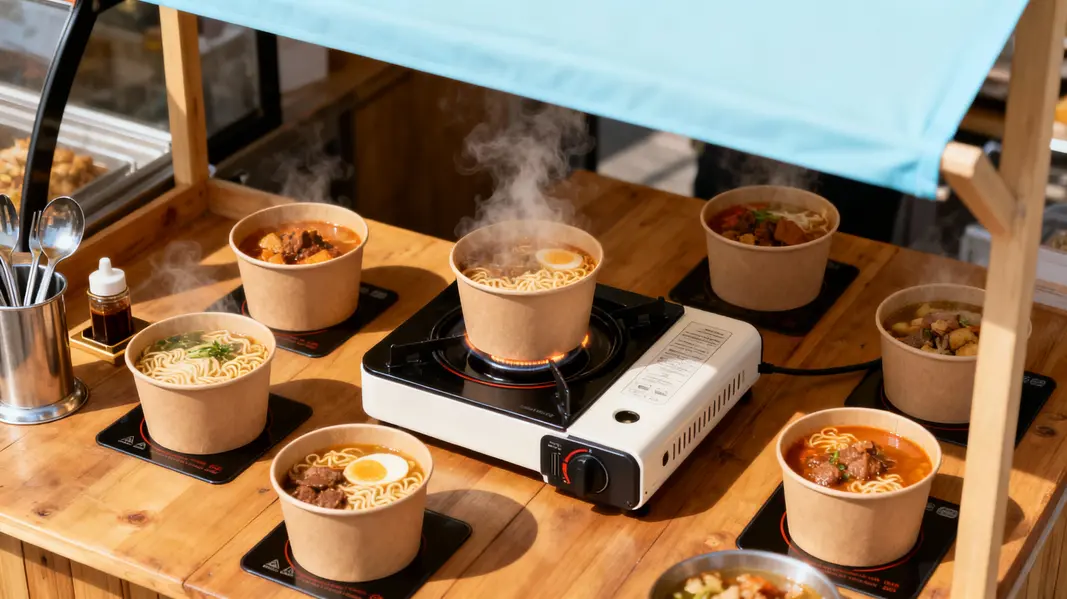
One of the most significant advantages of induction paper bowls is their ability to hold hot soups, stews, and broths directly on induction cookers. Many operators find this particularly advantageous as it allows for seamless lidding and immediate takeaway service. Gone are the days of transferring hot liquids from pot to packaging, a process that not only increases labor costs but also poses risks of contamination and spills. By using induction paper bowls that are designed for direct heating, food providers can reduce these risks while simultaneously boosting efficiency.
When it comes to noodle dishes, ramen, and rice bowls, the benefits of induction paper bowls become even more apparent. The construction of these bowls, specifically designed for Asian cuisine, ensures that meals remain warm throughout the delivery process. Their heat-resistant and leak-proof qualities safeguard the integrity of the food, allowing for the delivery of perfectly cooked dishes that mirror the quality of dining in a restaurant setting. For operators, the ability to heat sauce or broth to the proper serving temperature in the same bowl used for dispatch translates to enhanced flavor and customer satisfaction.
As food delivery continues to trend towards convenience and freshness, induction bowls also support new concepts like oven or induction-finished “ready-to-eat” meals. This is particularly beneficial for chain restaurants and cloud kitchens that aim to optimize efficiency. By preparing food in bulk and then heating individual servings on demand in the bowl, operators can maintain a rapid service speed without compromising on quality. High-turnover items, such as curries, braises, and baked pastas, benefit greatly from this operational strategy, reducing wasted time and resources while aligning with customer expectations for quick service.
Moreover, induction paper bowls can also cater to contemporary meal preferences, such as segmented and combo meals. These multi-compartment designs are not just visually appealing but also practical, allowing for the separation of different meal components that can be uniformly heated. This versatility aids in preserving the texture and flavor of each element—whether it’s a protein, rice, or vegetables—resulting in a satisfying experience for customers even after transport. For food operators, these containers offer a streamlined means to prepare and deliver well-portioned meals without the need for additional equipment or packaging.
The growing popularity of warm salads, grain bowls, and other “healthy hot” food concepts complements the utility of induction paper bowls. With the adaptability to warm proteins, grains, or toppings directly in these bowls, operators can effectively cater to a market that increasingly prioritizes health-conscious options. Whether presenting poke-style bowls or hearty grain salads, the ability to heat and serve in the same environmentally-friendly container aligns perfectly with rising consumer demand for eco-friendly products that perform well with heated foods.
Within the context of speedy, efficiency-oriented cloud kitchens, induction-compatible bowls support advanced kitchen operations driven by technology. Here, automation and digital systems thrive when standardized heating steps are minimal, and reliance on a single vessel for cooking and serving simplifies the overall process. Using induction paper bowls empowers brands to maintain consistency across multiple locations, ensuring that customers receive the same high-quality experience, whether they are dining in or ordering from home.
Sustainability also plays a crucial role in the evolution of food delivery packaging, and induction paper bowls are no exception. Many manufacturers produce these bowls using biodegradable or recyclable materials, allowing brands to phase out single-use plastics and Styrofoam while still meeting the demands of hot food delivery. The integration of eco-friendly principles not only addresses environmental concerns but also appeals to conscientious consumers who are increasingly drawn to sustainable practices in their food choices.
In addition to functionality, induction paper bowls can serve as powerful branding tools. With customizable designs and ample surface area for logos and promotional messages, these bowls provide an opportunity for businesses to engage customers at multiple touchpoints. When customers receive their hot meal prepared in a thoughtfully branded container, the packaging itself becomes part of the dining experience, enhancing brand recognition while contributing to marketing efforts.
Overall, the adoption of induction paper bowls in takeaway and delivery operations has transformed how food service providers approach their offerings. From operational efficiency and food safety to sustainability and customer engagement, these innovative vessels reflect an evolution in food preparation and transport. They stand as a pivotal solution in a rapidly changing industry, where the need for hot, fresh meals delivered quickly and sustainably has never been greater. As the demand for ready-to-eat meals soars, induction paper bowls will continue to play an essential role in shaping the future of food service.
For those looking to explore or incorporate induction-compatible paper solutions, a variety of options are available from trusted suppliers. This trend signifies an ongoing shift towards more efficient, sustainable practices in food service, promising both operational and economic benefits in the years to come.
2. Catering and Event Services: The Advantages of Induction Paper Bowls
In the realm of catering and event services, the role of induction paper bowls has significantly evolved, introducing a transformative element to food presentation and service efficiency. These bowls, designed specifically for compatibility with induction heating, offer a robust framework for modern catering operations that emphasize convenience, sustainability, and safety. As events become more intricate and demands for quality food service increase, the integration of these induction paper bowls provides a wealth of benefits that no caterer can overlook.
One of the standout features of induction paper bowls is their inherent heat-resistant properties paired with a leak-proof design. This combination is particularly vital for takeaway and delivery services commonly associated with catering. When food is transported from preparation areas to service locations, maintaining optimal temperature and preventing spillage become non-negotiable. Whether it’s a corporate lunch packed with freshly prepared noodle soups or a casual outdoor dinner featuring vibrant salads, these bowls ensure that the quality of the food remains uncompromised.
What makes these bowls particularly valuable is their versatility in accommodating a wide variety of menu items. Caterers often face the challenge of sourcing multiple specialized containers to serve different dishes. Induction paper bowls eliminate this hassle by being suitable for soups, noodles, salads, and even desserts. This versatility not only simplifies logistics, making an event planner’s job easier, but also streamlines inventory management. Instead of cluttering storerooms with various types of serving containers, catering services can rely on a single solution that fits numerous culinary offerings. Whether planning a formal dinner or a relaxed buffet-style gathering, induction paper bowls rise to the occasion seamlessly.
In addition to practical functionality, the environmental sustainability of induction paper bowls plays a significant role in their application within the catering sector. As the food service industry faces increasing pressure to adopt greener practices, these bowls, often crafted from biodegradable and recyclable materials, provide an effective way to meet such demands. Catering companies aiming to align with the growing shift toward eco-consciousness can leverage the use of induction paper bowls to not only enhance their brand’s reputation but also elevate the customer experience. Clients are increasingly drawn to services that prioritize sustainability, and by utilizing eco-friendly solutions, catering businesses can actively engage with their target audience on these core values.
The operational efficiency gains these bowls offer cannot be understated. Their sturdy construction allows for easy handling and presentation, ensuring that the food remains appealing and secure during transport and service. Furthermore, the bowls are available in a spectrum of sizes, ranging from 500ml to 1300ml, making it easy for catering teams to adapt to the specific requirements of each event. Customizable options also allow catering companies to personalize their bowls with logos or designs that enhance branding, which is beneficial for the corporate sector. Custom branding not only promotes identity during events but also strengthens customer loyalty and recall.
In terms of cost-effectiveness, induction paper bowls serve as a competitive alternative to traditional dishware, especially within a catering context where the demand for rapid service and high-quality food presentation exists. Utilizing these disposable yet sustainable options mitigates labor costs linked to washing and inventory management. By minimizing the need for extensive cleaning processes and reducing dependency on reusable items, catering operations can optimize their financial resources while ensuring they maintain the high standards expected in food presentation. The visual appeal of food served in these stylish, modern bowls translates into a better overall dining experience, which is crucial when catering to the discerning tastes of clients.
Moreover, event services can leverage the unique advantages of induction paper bowls in various catering scenarios. For instance, during festivals, pop-up events, or large gatherings, they facilitate quick and efficient service without compromising on quality. Their direct compatibility with induction cookers means that food can be prepared and served in the same container, saving time and resources.
As the food service industry continues to evolve towards more agile, responsive models, induction paper bowls stand out for their ability to meet the diverse demands of catered events. They are not merely a trend; they are a reflection of an industry adaptation towards more sustainable, practical solutions that address the realities of modern catering needs. The integration of such innovative materials and processes not only benefits foodservice operators but significantly enhances the experience of the end consumers as well.
In conclusion, induction paper bowls encapsulate the paradigm shift that is taking place in catering and event services. Their multifunctionality, operational efficiency, and environmental considerations create a compelling case for their widespread adoption among catering professionals. As more businesses recognize the advantages these bowls offer, we can expect to see their influence extend beyond traditional food service into new avenues, ultimately encouraging a movement towards smarter, more conscious catering practices. Leveraging the principles of design and innovation, induction paper bowls represent the future of food service excellence.
For more insights into innovative food packaging solutions, including various environmentally friendly options available for catering needs, consider exploring additional resources and products from leading suppliers to enhance your operational effectiveness.
Chapter 3: Revolutionizing Food Service: The Economic and Environmental Advantages of Induction Paper Bowls
1. Transformative Technology: The Economic and Operational Benefits of Induction Paper Bowls in Modern Food Service
Induction paper bowls represent a significant advancement in food packaging technology, particularly in the realm of fast food and convenience dining. These specialized paper containers, enhanced with a metal or induction-reactive layer, are designed for direct heating on induction cookers. This technological innovation not only streamlines food preparation processes but also creates a ripple effect that impacts the economic landscape of the food industry. By understanding the multifaceted economic implications of these bowls, we can appreciate how they transform operational efficiencies, reduce costs, and align with sustainability goals.
Understanding Induction Paper Bowls
Induction paper bowls are much more than standard disposables. Designed specifically for high heat applications, these bowls possess heat-resistant structures and food-safe coatings that allow them to be used directly in automated cooking systems, particularly for regional favorites like ramen and soups. This marks a departure from traditional serving methods that involve transferring food from cooking vessels to serving bowls, minimizing the risk of contamination and inefficient workflows. Key players in the manufacturing space, such as Dayu Paper & Plastic Products, market these heatable bowls as ready-to-serve solutions that come directly from a cooking unit, perfectly positioned for the on-the-go consumer.
Direct Cost Savings and Operational Efficiency
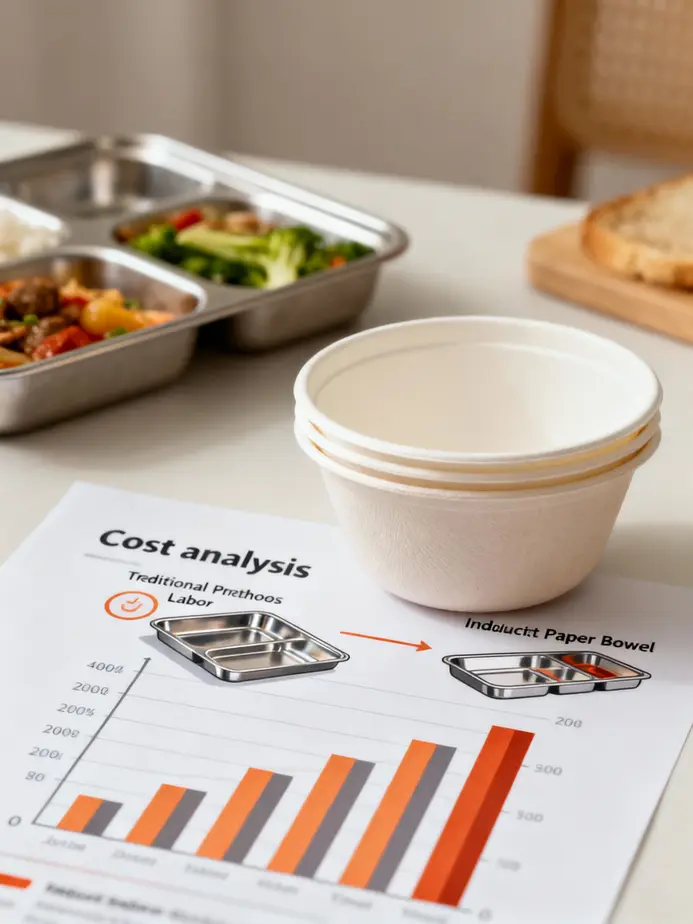
Transitioning to induction-compatible paper bowls translates into significant operational and labor savings for foodservice establishments. First and foremost, these bowls eliminate the need for multiple reusable cooking and serving dishes. In bustling environments like kiosks or vending operations, this reduces both the initial capital investment and ongoing operational costs associated with maintenance, washing, and drying reusable dishes. For example, the integration of induction systems with disposable bowls permits establishments to forgo traditional dishwashing facilities, saving on water, energy, and detergent costs.
Furthermore, the space economy is notably enhanced. In locations with limited square footage, such as office micromarkets or ghost kitchens, induction bowls combined with efficient induction cooking units can replace the more cumbersome infrastructure of full kitchens. This operational model reduces the need for extensive kitchen staff, allowing for a streamlined workflow that can handle high-volume, fast-service food operations with less labor. With reduced fixed costs and improved labor efficiency, these establishments can achieve better profit margins on staples like noodles and soups, which typically operate on thin margins.
Enhancing Service Speed and Customer Experience
The design of induction paper bowls supports rapid, uniform heating, significantly improving service speed during busy periods. These bowls are optimized for fast cook cycles when integrated into automated cooking machines, catering to the high demand during peak hours. The result is an impressive throughput per square meter, allowing foodservice operators to serve more customers in a shorter amount of time. The ability to cook, serve, and consume in a single, disposable bowl offers convenience that resonates with today’s fast-paced consumer needs, directly impacting customer satisfaction and repeat patronage.
New Revenue Streams Through Innovative Service Models
The rise of induction paper bowls has paved the way for innovative food service models, such as smart vending and unattended retail. The advent of Korean ramen vending machines is a prime example, where fresh noodles can be prepared and served in a matter of minutes, appealing to workers in office environments and consumers in transit. This shift in sales channels from traditional establishments extends the reach of food service into new venues like workplaces, travel hubs, and educational campuses.
As these models gain traction, there emerges a growing business-to-business (B2B) market for induction paper bowls tailored for vending applications. This not only increases the demand for these specialized containers but also enhances profit margins as pricing for convenience rises. By enabling food service in previously untapped locations, businesses can capitalize on the increasing demand for convenient and quick meal options.
Additionally, the integration of induction paper bowls into ghost kitchen operations supports the burgeoning delivery and takeout markets. By being able to partially prepare meals in the same bowl that will be delivered to customers, foodservice providers can simplify their workflows and reduce cross-contamination risks. This operational efficiency is crucial, especially in a post-pandemic world where off-premise dining continues to gain prominence.
Branding and Consumer Loyalty
The eco-friendly nature of induction paper bowls adds yet another layer of economic impact. Sustainable packaging is becoming a considerable brand differentiator. Using biodegradable or compostable materials can attract environmentally-conscious consumers and businesses alike, aligning with their sustainability goals. As consumers increasingly prioritize eco-friendly practices, establishments utilizing these modern bowls can justify price premiums, reinvest savings into their brand development, and cultivate greater customer loyalty.
Supply Chain Dynamics
At the manufacturing level, the economic implications are equally significant. Companies that produce induction paper bowls, such as Dayu, engage in advanced technologies and processes that yield value-added products compared to standard paper options. With consumer demand for sustainable and functional food packaging on the rise, these manufacturers can diversify their offerings and explore new market segments, enhancing profitability amidst evolving consumer preferences.
In summary, the rise of induction paper bowls exemplifies how technological advancements can profoundly reshape the economics of the food industry. From reducing operational costs and enhancing service speeds to enabling innovative revenue models and fostering brand loyalty, these bowls are set to redefine food service dynamics for years to come. As sustainability becomes a focal point in consumer choices, the integration of induction paper bowls signifies not only an operational revolution but also a step forward in meeting consumers’ evolving expectations and values.
2. Embracing Sustainability: The Economic Advantages of Induction Paper Bowls in Modern Food Service
The food industry is undergoing a notable transformation fueled by three interlinked trends: the embracing of induction cooking, a push towards sustainable packaging, and a surge in off-premise dining. Each of these forces is signaling a significant shift in how food is prepared, served, and consumed, casting induction paper bowls as vital players within this evolving landscape. These specialized disposable containers do not merely serve food; they represent an adaptive response to changing consumer demands and the industry’s environmental challenges, ultimately offering considerable economic advantages.
Central to sustainability is the growing consumer expectation for eco-friendly practices, particularly in food service. Diners today increasingly associate their meals with ethical sourcing and sustainable packaging. As a result, restaurants striving for long-term loyalty find themselves competing on their eco-credentials just as much as on the quality of their offerings. Induction paper bowls are a stellar answer to the request for sustainable solutions, effectively replacing traditional plastic and plastic-lined disposable vessels with innovative, fiber-based alternatives. These bowls boast recyclable and compostable properties while being engineered to withstand direct induction cooking, drastically cutting down on the use of separate cooking vessels and the consequential waste.
The technological pivot toward induction cooking further highlights the relevance of induction paper bowls. Cooking via induction is not a mere trend; it’s become an industry staple for several reasons: energy efficiency, precise temperature control, and speed. The magnetic fields employed in induction cooking heat vessels directly instead of relying on ambient heat, allowing for rapid and uniform preparation of a wide variety of dishes. Operators in the food service segment—particularly those managing mobile units such as food trucks—are keenly aware of space and energy limitations. Induction paper bowls permit these operators to consolidate their workflow, allowing food to be prepared, held, and served all from the same vessel, reducing both equipment and labor costs. Not only does this efficiency save time, but it also simplifies operations, which is a vital consideration in fast-paced environments.
As the demand for convenience grows—especially in off-premise dining and grab-and-go formats—the market for induction paper bowls gains additional momentum. The food truck sector is expected to expand at an impressive rate, approximately 6–7% annually, with rising consumer interest in quick dining options that don’t sacrifice quality. This trend has prompted numerous brands to create bowl-specific offerings designed to streamline service and reduce clutter. Induction paper bowls are at the forefront of this movement, enabling food service operations to keep pace with shifting dining habits while aligning with eco-friendly directives that consumers increasingly favor.
The economic landscape surrounding food packaging is also changing under the influence of environmental awareness and sustainability trends. Broader industry forecasts indicate a significant rise in demand for sustainable packaging solutions, as evidenced by projections for the packaging market in the United States, which anticipates growth from USD 12.4 billion in 2025 to USD 19.1 billion by 2035. Such demand signals that specialty packaging solutions—like induction paper bowls—will become indispensable in the consumer’s eye, demanding manufacturers’ adaptation and innovation. Therefore, producers of induction paper bowls are not just responding to market demands; they are setting the stage for continued growth within sustainable packaging.
Operational adaptability will also play a crucial role in integrating induction paper bowls effectively into existing food service infrastructures. Organizations currently relying on induction cookers or kettles will find immediate benefits in utilizing these bowls, allowing them to seamlessly integrate cooking, holding, and serving into a one-vessel process. This adaptation leads to a reduction in the capital investments needed for additional cooking, holding, and serving devices—further streamlining their operations.
The accompanying rise in popularity of food service delivery models highlights the growing need for packaging that can withstand the rigors of off-premise consumption without a dip in quality. Induction paper bowls match this demand, combining the durability and functionality necessary for both preparation and transport. The upward trend of zero-waste cooking among consumers dovetails beautifully with the reusable and recyclable nature of these innovative bowls, ensuring that they resonate with environmentally conscious diners.
As these elements coalesce, the economic implications for foodservice operators become apparent. Investing in induction paper bowls facilitates compliance with evolving EPA regulations regarding waste and sustainability. The overall operating costs could be managed more effectively through reduced utility expenses and less need for extensive kitchen tools. This holistic approach begins to redefine economic viability, fostering a ripple effect through other facets of operation by becoming more agile and responsive to market swings.
While manufacturers of induction paper bowls may face challenges—including increased material costs, regulatory hurdles, and supply chain complexities—the overall trajectory appears positive. Adapting to technological shifts, consumer preferences, and environmental mandates is critical to maintaining a competitive edge. Over the long term, the economic benefits are poised to outweigh initial hurdles as induction paper bowls become essential in modern food service settings.
Ultimately, induction paper bowls exemplify a pragmatic intersection of innovation and responsibility, showcasing how the food industry can evolve sustainably while reaping economic rewards—an encouraging prospect for operators who prioritize sustainability alongside profitability. As these bowls gain traction, they will define not only food service methodologies but also set benchmarks for progress in sustainability and operational efficiency. Their journey serves as a testament to the industry’s capacity for transformation in the face of changing demands, marking an exciting chapter in the future of food service.
Chapter 4: Navigating the Complexities of Induction Paper Bowl Development
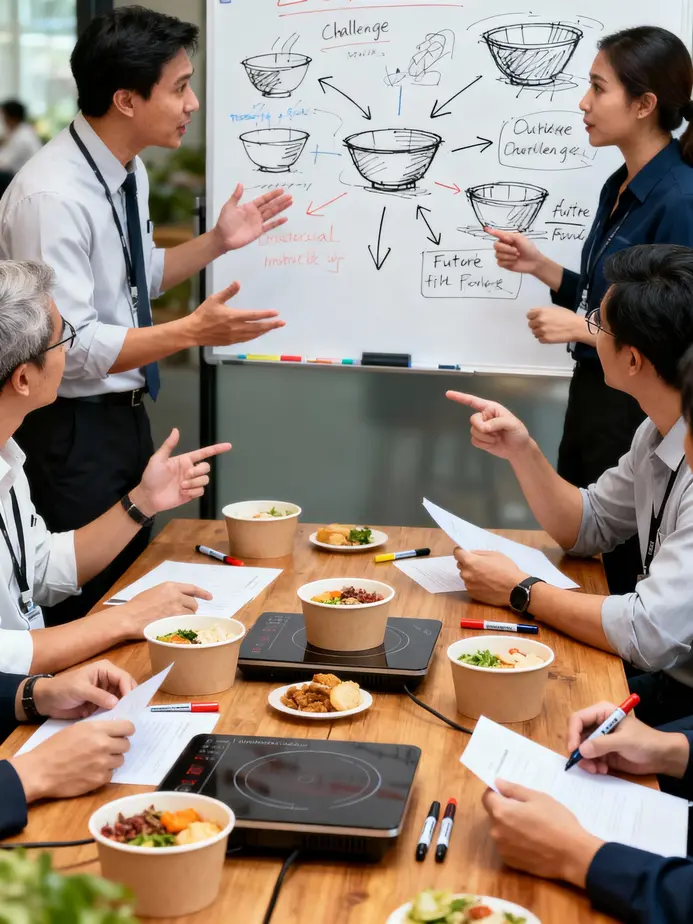
1. Overcoming Technical Hurdles in the Evolution of Induction Paper Bowls
Induction paper bowls represent a remarkable innovation in the realm of food service, merging convenience with cutting-edge technology. However, the path to developing effective and efficient induction-compatible paper bowls is fraught with technical challenges that require meticulous attention to detail and creative problem-solving. The underlying principle of induction heating, which relies on the creation of a continuous, ferromagnetic, electrically conductive path, stands in stark contrast to the insulating properties of traditional paper. Consequently, manufacturers are tasked not only with maintaining the disposable and eco-friendly nature of paper products but also with ensuring they can effectively withstand the rigors of induction cooking.
At the forefront of these challenges is the need to create a structure that is compatible with induction heating. Conventional paper materials, such as polyethylene (PE) and polylactic acid (PLA), do not possess the necessary magnetic or conductive qualities for induction to work effectively. Thus, an essential part of the design is the incorporation of a metal layer. This could include foil, mesh, or even conductive inks that can effectively couple with the induction field. The positioning, thickness, and magnetic properties of this metal layer are critical; if it is not optimally designed, users may face uneven heating, leading to problems such as hot spots that can scorch food or cool areas that leave dishes undercooked. Therefore, balancing the technological requirements of induction compatibility with the aim to keep production costs low becomes a central concern for designers.
Equally important is thermal management, as the paper substrate is combustible and sensitive to high temperatures. Induction heating generates heat in the conductive layer, which must then effectively transfer to the food without compromising the bowl’s integrity. Paper begins to degrade at temperatures significantly lower than those metals can withstand, creating a risk of discoloration or even charring. Manufacturers must consider metal thickness, the distribution of heating power, and the interaction between metal and paper to circumvent these issues. This intricate balancing act necessitates a sophisticated design approach that ensures the bowl’s structure holds up under intense heat without compromising safety.
Moreover, adhesion presents another significant hurdle. The task of bonding metals to paper is challenging due to the different thermal properties and moisture absorption rates of these materials. Adhering conductors to paper requires innovative bonding techniques capable of withstanding the thermal cycles often encountered during cooking processes. Conventional adhesives may fail or leach harmful substances under elevated temperatures, particularly those that are in close contact with food. This necessitates using advanced adhesion technologies—a necessity for ensuring the structural integrity of the bowl while conforming to stringent food safety regulations.
The complexities don’t end with adhesion; food-contact safety is another pivotal concern in the design of induction paper bowls. Any metal components incorporated into the bowls must comply with health regulations to ensure no harmful substances migrate into food during the heating process. Compliance with standards such as EU 1935/2004 and FDA guidelines becomes increasingly complex with the introduction of conductive materials, creating a need for extensive testing and validation. The onus is on designers to ensure that the materials chosen not only facilitate efficient cooking but do so safely.
Another aspect manufacturers must contend with is mechanical integrity under varying conditions. The behavior of paper changes notably when it absorbs moisture, leading to potential structural problems when it is combined with embedded metals that expand and contract at different rates. Design solutions therefore must optimize wall thickness and enhance overall geometry. Reinforcement becomes essential to counteract stresses induced by the thermal dynamics of the bowl’s contents, which can vary dramatically based on the type of food cooked within.
User experience is paramount as well, particularly at a time when consumer expectations for convenience and efficiency are at an all-time high. In a setting where induction heat is not even distributed across the bowl, one may encounter challenges such as unevenly cooked dishes. To improve this, innovative designs could employ complex metal patterns that assist in better heat distribution. Yet, these enhancements may increase manufacturing costs and complexity, introducing another layer of difficulty to the production process.
Lastly, the scalability of manufacturing induction paper bowls comes with its own set of challenges. The market for disposable paper bowls often operates on thin profit margins, and the inclusion of metal components escalates costs significantly. Manufacturers must consider how to innovate within these constraints, creating a product that is both affordable and meets the increasing demands of consumers and food service operators alike.
As we look to the future, overcoming these technical hurdles will be critical in making induction paper bowls a staple in modern food service. The ability to effectively blend convenience with advanced heating technology in a sustainable and economically viable manner paves the way for a promising future in food preparation and serving design. While substantial challenges remain, the pursuit of this innovation is an essential step towards enhancing the efficiency and sustainability of food service operations in a rapidly evolving world. In this journey, collaboration between material scientists, engineers, and food safety experts will be key to unlocking the full potential of induction paper bowls in food service today and into the future.
2. Balancing Compliance and Safety: The Regulatory Landscape for Induction-Ready Paper Bowls
As the market for induction paper bowls expands, driven by the convenience and efficiency they offer in food service, the regulatory landscape presents both challenges and opportunities. Induction-ready bowls face stringent food-contact and chemical safety regulations that vary by region, alongside a host of thermal, fire, and mechanical safety considerations when exposed directly to induction heat sources. Addressing these regulatory demands not only ensures compliance but also bolsters consumer confidence in the safety and reliability of these innovative products.
Food-Contact Safety Regulations
Compliance with food-contact safety regulations is paramount for manufacturers of induction paper bowls. Various countries are enforcing stricter policies to protect consumer health by ensuring that food packaging materials are safe for direct food contact. For instance, Indonesia Regulation No. 6 of 2025 mandates that all paper and cardboard packaging meet the SNI 8218:2024 standard, which requires certification starting July 2025, with a complete transition by July 2026. This regulatory framework will require manufacturers to ensure that every component of their induction paper bowls—from the base paper and coatings to adhesives—adheres strictly to national food-contact standards.
Moreover, manufacturers must also verify that their products meet migration limits for hazardous chemicals. Compounds such as mineral oils, optical brighteners, and formaldehyde are closely monitored, with migration tests necessary to confirm compliance. This requirement underscores the complexity of producing induction paper bowls that are both effective and safe, pushing manufacturers to invest in rigorous testing and certification processes that can be time-consuming and costly.
Hazardous Substance Restrictions
In tandem with the above challenges, regulations concerning hazardous substances have seen significant shifts. The European Union has enacted a full ban on bisphenol A (BPA) in all food-contact materials through Regulation (EU) 2024/3190, coming into full effect on January 1, 2025. This poses a significant challenge for induction paper bowls that may have previously relied on BPA-based coatings or barrier layers. Alongside this, there is increasing scrutiny on alternatives like bisphenol S (BPS), with various states, particularly California, moving towards strict regulations that categorize these as potentially dangerous, thus necessitating extensive risk assessments and consumer warnings for exposure.
For induction paper bowl manufacturers, these developments mean that traditional barrier coatings must be replaced with BPA- and BPS-free alternatives that can endure high temperatures while maintaining integrity against liquid foods. As a result, options become limited, requiring manufacturers to innovate continuously to find suitable substitutes that can withstand the rigors of microwave and induction cooking.
Chemical Controls and Industry Compliance
Further complicating the manufacturing process are emerging regulations related to chemical controls, such as the narrow focus of the Toxic Substances Control Act (TSCA) in the United States and similar regulations globally. The Environmental Protection Agency (EPA) is moving towards tighter controls regarding substances used in coatings and polymers, which includes various flame retardants and plasticizers that help enhance the product’s temperature resistance. Any induced phase-outs under such regulations imply additional scrutiny on induction paper bowls, as manufacturers will need to ensure compliance not only with existing regulations but also with future proposals that might restrict further substances.
Compliance with REACH (Registration, Evaluation, Authorisation and Restriction of Chemicals) in the EU will also be an imperative consideration, driving manufacturers to conduct thorough assessments of all materials and their potential risks. This regulatory oversight necessitates a comprehensive understanding of the materials chosen for induction paper bowls to ensure they meet safety standards across various international markets.
Migration Testing and General Compliance Principles
While there are regulations specifically addressing plastics, the general principles for food-contact migration are relevant to paper materials as well, particularly as the industry shifts towards more coated solutions. Authorities increasingly extend the requirements for migration testing and limits to induction paper bowls, especially when these materials are enhanced with high-temperature barrier layers.
Future directions indicate that induction paper bowl manufacturers will need to prepare for migration testing that simulates cooking conditions to confirm that harmful substances do not leach into food during preparation or serving. Demonstrating efficacy at elevated temperatures becomes a critical part of the manufacturing process, influencing market entry strategies and product positioning.
Contaminant Controls and Their Impact
Finally, the aftermath of past contaminant scandals, such as the melamine contamination incident, has provoked tighter global contaminant limits. The Codex Alimentarius, which sets international food safety standards, specifies limits for many harmful substances, influencing both producers and supply chains. This focus on food safety drives manufacturers of induction paper bowls to adopt stringent quality controls to avoid potential regulatory repercussions which could jeopardize their product’s marketability.
In summary, the future of induction paper bowls rests on navigating a complex regulatory environment marked by heightened safety standards, increasing scrutiny on materials used, and compliance with evolving international laws. Stringent food-contact regulations combined with chemical safety oversight compel innovative approaches to design and materials, ensuring that induction paper bowls not only meet market demand but also safeguard public health strategically. As manufacturers adapt and evolve, the balance between innovative functionality and regulatory compliance will determine their market sustainability.
Final thoughts
The rise of induction paper bowls signifies an essential evolution in the food service industry, merging convenience with innovative design. As these disposable containers find wider acceptance, they promise not only to streamline food preparation and serving but also to enhance customer satisfaction and operational efficiency. Business owners who embrace this technology will not only elevate their service standards but also position themselves favorably in a highly competitive market. The challenges ahead may require creativity and adaptation, but the future looks bright for induction paper bowls as they continue to transform how food is served at various establishments.
Choose our reliable disposable tableware and packaging solutions for your business. We offer quality products that meet safety standards, with fast delivery and flexible options. Partner with us today to elevate your service – contact our team now for a tailored quote!
About us
We specialize in manufacturing and supplying disposable tableware, packaging paper, and boxes. With years of experience, we prioritize safety, durability, and eco-friendly practices. Our goal is to provide businesses with trusted, cost-effective solutions backed by responsive customer support.