
Introduction
In today’s competitive bakery landscape, quality packaging plays a crucial role in enhancing brand identity and customer experience. Custom OEM bread paper bags are not just practical; they can be an integral part of your branding strategy. These bags are made from food-grade materials and are available in various designs and functionalities. This article delves into the essential aspects of OEM bread paper bags, including the materials and certifications that ensure safety and sustainability, the pricing and minimum order quantities, and the supply chain dynamics that govern lead times and production processes. By understanding these critical facets, bakery owners can make informed decisions that align their packaging choices with their business goals.
Tables of Contents
Chapter 1: Decoding OEM Bread Paper Bags: Materials, Design and Functionality
- Delving into the Essentials of OEM Bread Paper Bags: Material Composition and Structural Design
- Ensuring Safety and Sustainability: The Role of Certifications in OEM Bread Paper Bags
Chapter 1: Decoding OEM Bread Paper Bags: Materials, Design and Functionality
1. Delving into the Essentials of OEM Bread Paper Bags: Material Composition and Structural Design
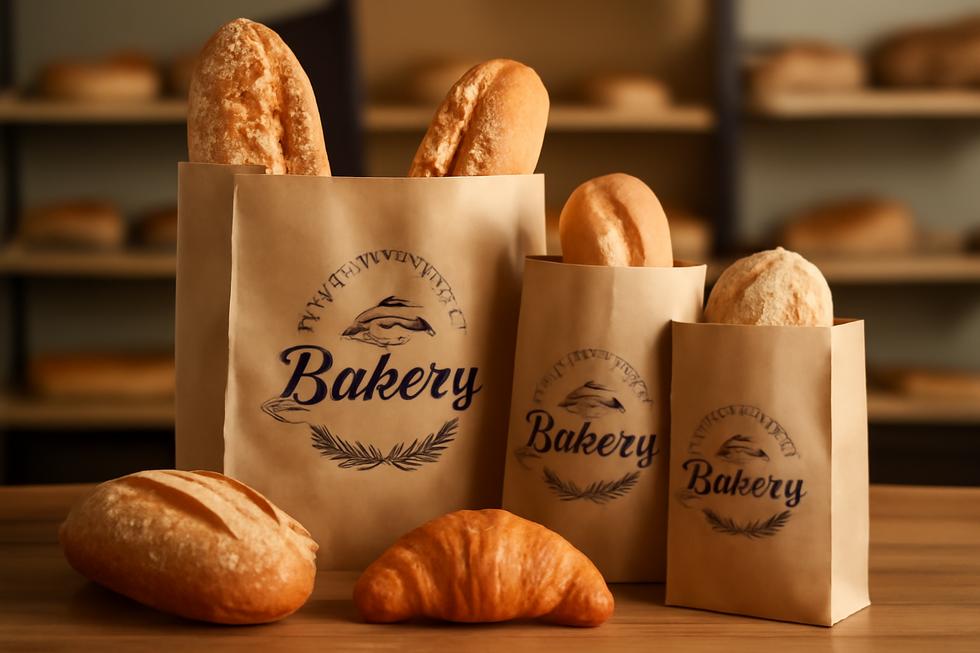
OEM (Original Equipment Manufacturer) bread paper bags represent a significant facet of modern bakery operations, emphasizing both aesthetic appeal and functional performance. The two primary materials commonly utilized in these bags are greaseproof kraft paper and white craft paper, each contributing distinctively to the durability and usability of the packaging. Greaseproof kraft paper is especially favored for its inherent moisture and oil resistance, making it a perfect choice for packaging freshly baked goods such as bread, baguettes, and pastries. Often enhanced with food-grade coatings, these materials prevent greasing and ensure that the contents remain hygienic and visually appealing during transport and display.
Beyond mere aesthetics, the structural design of these OEM paper bags plays a crucial role in their functionality. Varied styles such as flat bags, square-bottom bags, and handled takeaway designs are meticulously crafted to provide optimal support for different bakery items. The flat-style bags are ideal for smaller loaves and pastries, while square-bottom bags offer enhanced stability and greater capacity, accommodating items like artisan bread that require more space. Handled bags cater to the convenience of customers purchasing multiple items, allowing for easier transport without compromising the integrity of the packaging.
The robustness of OEM bread paper bags can be attributed to specific build specifications that prioritize not only appearance but also functionality. The thickness of the paper is measured in GSM (grams per square meter), which varies significantly based on the application. Standard dimensions for these bags range widely; for instance, bags designed to hold smaller items may measure around 12x7x22 cm, while larger takeaway bags can reach sizes like 35x10x6 cm. This broad range accommodates the diverse offerings of a bakery, from delicate pastries to hearty bread loaves, ensuring each item is expertly packaged.
Customization options further accentuate the versatility of OEM bread paper bags. Many suppliers facilitate a personalized experience, providing businesses with the opportunity to incorporate their brand identity directly onto the bag. This is achieved through advanced printing techniques, often utilizing a CMYK color model, which enables vibrant imagery and detailed logos. Noteworthy features such as windows, gussets, and zipper tops for enhanced freshness are also available, allowing bakeries to choose a design that complements their product line and customer preferences. For instance, windows can showcase a bakery’s artisan products, enticing customers while promoting transparency about what they are purchasing.
Despite the focus on design and functionality, sustainability remains at the forefront of demands from consumers and businesses alike. OEM suppliers often highlight the use of eco-friendly materials in their bread paper bags, predominantly kraft paper, known for its recyclable and biodegradable properties. Many brands are also opting for high-barrier laminates that enhance the longevity of their products while preserving the environment. As consumers increasingly seek environmentally responsible packaging options, bakeries that align with this ethos through their choice of OEM bags can differentiate themselves in a competitive market.
Pricing for these OEM bread paper bags varies dramatically based on multiple factors, such as material quality, size, and the complexity of print designs. In the wholesale market, prices can fluctuate between $0.05 and $0.20 per bag. Nevertheless, businesses often experience reductions in price per unit when buying in bulk, making it feasible to manage costs while ensuring high-quality packaging. Standard minimum order quantities (MOQs) typically start at around 3,000 units, though this can be flexible depending on the specific project requirements. This scalability allows bakeries to plan purchases according to demand, adjusting their inventory levels as needed without overcommitting.
Another key element affecting the operation timeline is the lead time for mass production, usually ranging from ten to eighteen working days following sample approval. Initial sample creation typically takes three to seven days, a timeframe that enables businesses to assess quality and design before committing to a larger order. This careful process not only ensures satisfaction on behalf of the bakery but also provides OEM suppliers with the necessary margin to accommodate potential adjustments in order specifications.
For entities looking into OEM options, gathering samples from reputable suppliers is a common practice. Many manufacturers offer free samples, although shipping costs might be incurred. These samples allow bakeries to physically assess the bags’ quality and design, enhancing their understanding of how each style aligns with their branding needs.
Ultimately, the process of selecting the right OEM bread paper bag hinges on understanding the material options available and the operational needs of a bakery. From the sturdiness of greaseproof kraft paper to the elegant allure of printed white craft paper, each material brings unique benefits that can enhance the customer experience. By taking into account the preferences of their target audience—whether that be through sustainable options or customizable designs—bakeries can use these bags not just as mere packaging, but as vital marketing tools that reflect their brand identity and commitment to quality.
In conclusion, the integration of high-quality materials, targeted design features, and sustainable practices in OEM bread paper bags is instrumental in meeting the evolving expectations of both consumers and businesses in today’s marketplace. As these trends continue to shape the packaging industry, it’s essential for bakeries to remain informed and adaptable to ensure that they not only meet current demands but also set trends in sustainable and effective packaging for the future. For more information on manufacturing options and pricing, interested businesses can explore various resources like the detailed offerings at RBD Packaging, which provide a thorough overview of suitable products available in the market.
2. Ensuring Safety and Sustainability: The Role of Certifications in OEM Bread Paper Bags
In the modern bakery industry, product safety and environmental sustainability are paramount. As a crucial component of the packaging ecosystem, OEM (Original Equipment Manufacturer) bread paper bags must adhere to a range of certifications and compliance standards. These specifications not only guarantee that the materials used are safe for food contact but also assure consumers and businesses that they are contributing to sustainable practices. Navigating these certifications is essential for any entity involved in the design, production, or distribution of bakery products.
One of the first certifications to understand in this context is FDA approval. This certification indicates that the materials used in OEM bread paper bags meet the stringent standards set by the U.S. Food and Drug Administration for items intended for direct food contact. This entails the usage of food-grade virgin kraft paper, which is free from harmful substances commonly associated with food safety violations. Furthermore, most OEM suppliers ensure that any coatings—often essential to achieving grease resistance—are compliant with these regulations, thus ensuring a safe and reliable product for end consumers.
Across the Atlantic, the EU Food Contact Standards play a similar role. These regulations set forth by the European Union are designed to ensure that materials used in food packaging do not release harmful substances into foods. Adherence to these standards is critical for companies aiming to enter or expand within the European market. In essence, these certifications work in tandem, ensuring that the manufacturing processes, from production to printing, do not compromise food safety.
In parallel with food safety regulations, quality control measures are encapsulated by certifications like ISO 9001:2015. This international standard establishes criteria for quality management systems within organizations, ensuring that supplier practices maintain high production standards consistently. For businesses sourcing OEM bread paper bags, ISO certification symbolizes a commitment to quality, mitigating risks associated with variances in product specifications or manufacturing processes. Suppliers who are ISO certified not only facilitate compliance but also inspire confidence in their operational practices.
Yet, safety and compliance are inseparable from sustainability. The Forest Stewardship Council (FSC) certification, for instance, is an essential marker that indicates the kraft paper used in OEM bread bags is sourced from sustainably managed forests. As environmentally conscious consumers increasingly demand eco-friendly products, this certification serves as an assurance that the paper does not contribute to deforestation or loss of biodiversity. It is common for eco-minded suppliers to offer FSC-certified options, thus aligning with a broader commitment to corporate social responsibility.
Another critical certification that speaks to sustainability is the Global Recycled Standard (GRS). This certification provides assurance that the paper used in bread bags has integrated recycled content, a feature that resonates with businesses aiming to minimize their environmental footprint. Moreover, utilizing recycled materials in packaging not only reduces waste but also lessens the demand for virgin resources, ultimately promoting a circular economy. Suppliers that embrace GRS often attract businesses sensitive to sustainability, thus creating a win-win scenario beneficial for both producers and consumers.
Numerous other certifications complement these principal standards in addressing food safety, sustainability, and quality. For instance, BSCI (Business Social Compliance Initiative) focuses on ethical supply chain management, addressing aspects such as working conditions within the supply chain of OEM suppliers. Companies seeking to solidify their reputation in the market must ensure their suppliers are compliant with such standards, illustrating a commitment not only to product safety but also to humane labor practices.
Testing certifications from SGS also play a vital role in ensuring safety. SGS provides independent verification of products and processes, including conducting tests to ensure that there is no migration of harmful chemicals from the packaging to the food. This step is integral when considering the complexities of packaging materials, especially for products such as oils and baked goods that may require more stringent testing due to their composition. Finally, ISO 14001 certification provides a framework for effective environmental management systems, showcasing a company’s commitment to reducing its ecological impact.
When it comes to the actual compliance standards in different regions, the approach often differs based on local regulations. In the U.S., for instance, FDA and SGS ensure that materials used in OEM bread paper bags are non-toxic and safe for direct food contact, while some states, such as California, impose specific regulations concerning paper bag thickness and recyclability. Thus, for businesses planning to target distinct markets, a thorough understanding of local regulations is paramount, as failure to comply can lead to substantial financial and reputational damage.
OEM producers offer various customization features, ensuring that businesses can request specific designs, sizes, logos, and oil resistance levels tailored to their unique needs. Many suppliers also provide FSC-certified options and often offer free samples—though shipping may be an additional cost—to ensure that customers can evaluate the product before making a larger commitment. However, it is crucial to verify these certifications with suppliers directly, as inconsistencies can significantly impact compliance and ultimately, customer satisfaction.
In conclusion, as the demand for safe, sustainable, and high-quality packaging solutions continues to grow, understanding the nuances of certifications such as those from the FDA and ISO standards is imperative for any business within the bakery industry. By ensuring compliance with these standards, companies not only protect their customers but also foster eco-friendly practices in their operations. The journey towards crafting safe and sustainable OEM bread paper bags is complex, yet integral to fostering trust and reliability in this competitive market.
Final thoughts
The significance of OEM bread paper bags cannot be overstated, as they play a vital role in branding, sustainability, and operational efficiency within the baking industry. By utilizing high-quality, certified materials, retailers can ensure not only the protection of their products but also compliance with food safety standards. With clear transparency regarding pricing and the flexibility in minimum order quantities, business owners can scale their packaging solutions to meet demand. Furthermore, understanding the intricacies of lead times and production processes can help bakers plan more effectively for seasonal demands. Investing in customized OEM bread paper bags will ultimately elevate your bakery’s brand presence and enhance customer satisfaction.
Choose our reliable disposable tableware and packaging solutions for your business. We offer quality products that meet safety standards, with fast delivery and flexible options. Partner with us today to elevate your service – contact our team now for a tailored quote!
About us
We specialize in manufacturing and supplying disposable tableware, packaging paper, and boxes. With years of experience, we prioritize safety, durability, and eco-friendly practices. Our goal is to provide businesses with trusted, cost-effective solutions backed by responsive customer support.